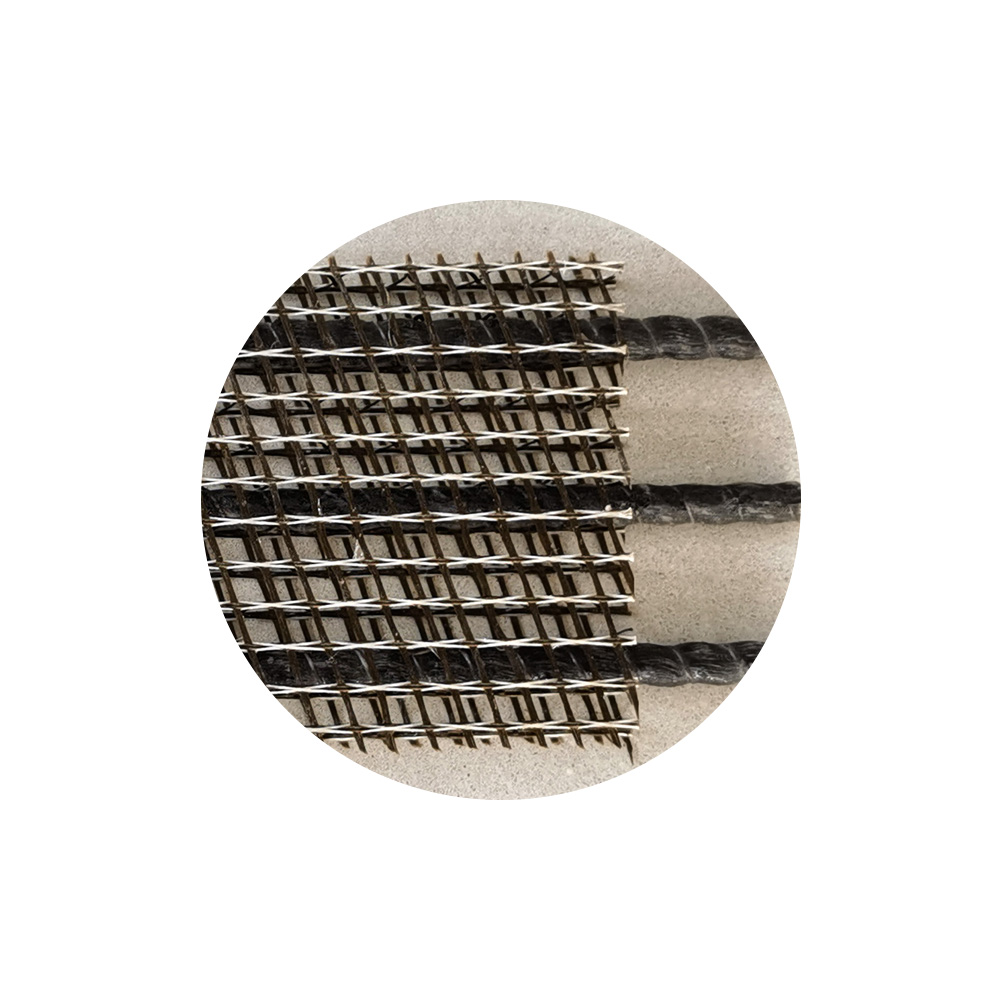
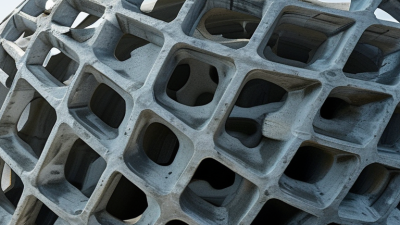
You know, the construction world is really changing these days, and new materials are playing a huge role in shaping its future. One cool example is the 3D Basalt Mesh. It’s pretty impressive because of how strong and Durable it is. More and more people around the globe are starting to see what it can do. Its special properties offer quite a few benefits that make it stand out.
Using 3D Basalt Mesh can give your structures a solid boost in stability. Sometimes, it even outperforms the traditional materials we’re used to. But hey, it’s important to know what it can and can’t do. Getting familiar with its limitations helps avoid potential issues down the line. And, of course, chatting with experts can really help you get the most out of it.
Picking the right supplier is super important, too. Companies like Basalt Technology Inc. actually provide solid quality in 3D Basalt Mesh. They can help guide you so you’re making smart choices. As more folks look for durable, reliable building materials, exploring what 3D Basalt Mesh has to offer is definitely worth considering. It’s all about balancing new ideas with practical use in this industry, you know?
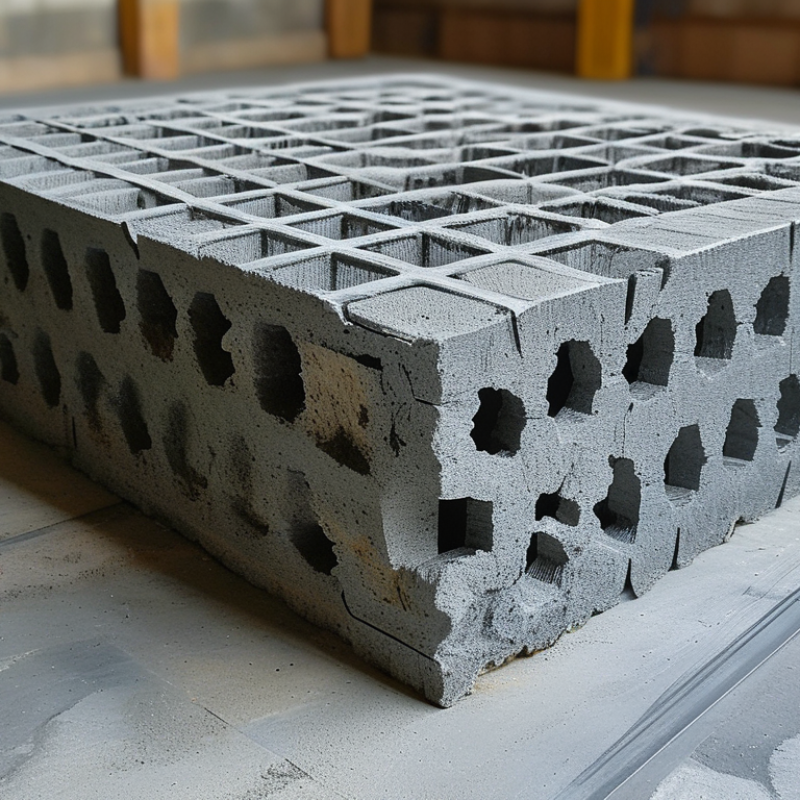
Overview of 3D Basalt Mesh and Its Applications
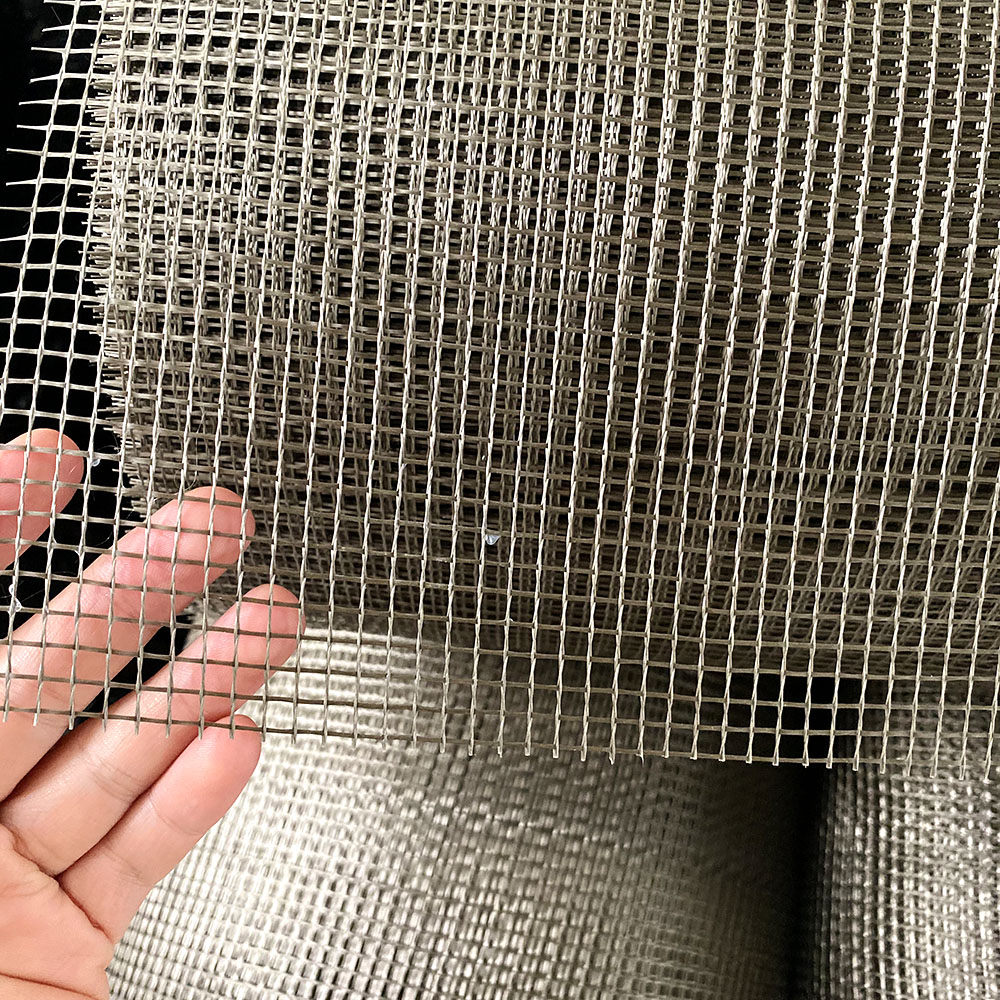
3d Basalt Meshis becoming a game-changer in various industries, thanks to its innovative structure and material properties. This mesh is made from basalt fibers, known for their thermal and Chemical resistance. According to the Composites Manufacturing Association, basalt fibers have a tensile strength that is often higher than that of steel. This makes 3D Basalt Mesh an excellent option for construction and automotive applications.
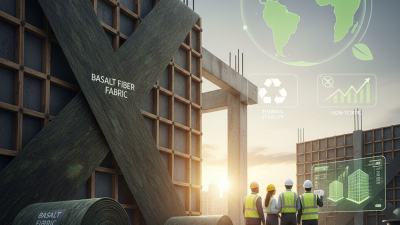
In construction, 3D Basalt Mesh enhances concrete reinforcement. It offers superior durability and weight efficiency. Studies show that structures reinforced with basalt mesh can last up to 50 years longer than those reinforced with traditional materials. Its lightweight nature reduces material costs and labor, which is beneficial for budget-conscious projects.
Another key application is in the aerospace sector. The mesh provides excellent vibration dampening, which is crucial for aircraft performance. The manufacturing industry is adopting 3D Basalt Mesh for its eco-friendliness. Unlike synthetic fibers, basalt is produced from natural volcanic rock, aligning with the growing demand for sustainable materials. Despite these benefits, challenges remain. For instance, the cost of production can be high, and not all markets are ready to embrace this new material.
Environmental Benefits of Using 3D Basalt Mesh
3D Basalt Mesh is gaining traction for its environmental benefits. This innovative material consists of natural basalt fibers, which are abundant and eco-friendly. Research indicates that basalt fiber production has a lower carbon footprint compared to traditional materials like steel. This aligns with growing demands for sustainable construction practices.
Using 3D Basalt Mesh in construction can significantly reduce waste. For instance, its lightweight nature minimizes transportation costs and energy usage. The durability of basalt fibers further reduces the need for frequent replacements. A report by the International Journal of Materials Research highlights that basalt mesh can increase the lifespan of structures by up to 30%. This longevity indirectly benefits the environment by lowering the frequency of new material production.
Incorporating Basalt Fiber Mesh into projects not only enhances performance but also supports eco-friendly practices. Many industries are feeling the pressure to adopt greener solutions. By choosing materials with lower environmental impact, companies contribute positively to sustainability goals. As academic studies emphasize, making informed choices can lead to significant improvements in environmental health. For those looking to innovate responsibly, Basalt Fiber Mesh stands out as an optimal choice.
Enhanced Mechanical Properties of 3D Basalt Mesh
The enhanced mechanical properties of 3D basalt mesh are revolutionizing construction and manufacturing sectors. The unique structure provides exceptional tensile strength, making it superior to traditional materials. This high strength-to-weight ratio offers a robust solution for various applications, from construction reinforcements to automotive parts.
3D basalt mesh is resistant to heat and chemical impacts. These features result in less degradation over time, promoting longer-lasting structures. It withstands harsh environmental conditions, reducing maintenance costs. However, buyers should be cautious; the performance can vary based on manufacturing techniques and environmental factors.
Another significant benefit is its lightweight nature. Despite its strength, 3D basalt mesh is easy to handle during installation. Users have reported some challenges in integration with existing systems, necessitating careful planning. Understanding these potential drawbacks is crucial for ensuring optimal performance and longevity.
Cost-Effectiveness of 3D Basalt Mesh for Construction Projects
3D basalt mesh offers remarkable cost-effectiveness for construction projects. This innovative material, derived from natural basalt fibers, brings durability without a hefty price tag. Unlike traditional materials, 3D basalt mesh reduces the need for multiple layers, cutting down on labor and composite material costs. Less time spent on installation translates to lower overall project expenses.
In addition, 3D basalt mesh provides excellent strength and stability. When used in infrastructure, it helps in minimizing repairs and replacements. Its resistance to harsh weather ensures longevity, which can lead to substantial savings over the years. However, some buyers may find initial sourcing of this material challenging. The awareness and availability of basalt-based products are still growing in many markets.
Investing in 3D basalt mesh can be a smart long-term decision. As construction evolves, materials that combine sustainability with economic efficiency will become essential. The potential for reduced maintenance and extended lifespans adds to the appeal. Yet, it is crucial for buyers to assess their specific project needs carefully. This ensures optimal benefits and minimizes mistakes in material selection.
Comparative Advantages of 3D Basalt Mesh Over Traditional Materials
The construction industry is evolving, and 3D basalt mesh is gaining attention. This innovative material presents several comparative advantages over traditional options. First, its lightweight nature allows for easier handling during installation. Conventional materials can be heavy, which makes transportation and use cumbersome. In contrast, basalt mesh offers durability without excessive weight. This means reduced labor costs and increased efficiency on job sites.
Another significant benefit is the mesh's resistance to environmental factors. Unlike conventional materials prone to corrosion and degradation, basalt mesh shows exceptional resilience. It withstands harsh weather, chemicals, and UV exposure, contributing to longer-lasting structures. However, proficiency in using this material is crucial. Some professionals may need training to utilize it effectively. Despite its advantages, transitioning to basalt mesh requires thoughtful planning and understanding of its properties.
Its flexibility is another point worth noting. 3D basalt mesh can adapt to various shapes and forms, making it suitable for diverse applications. The potential for creative design is vast, yet it requires careful consideration. Not every project may benefit from this material, and an assessment of specific needs is essential. Adopting new technology can be challenging, and some traditionalists may resist change. However, exploring 3D basalt mesh opens doors to innovation in construction.
Top 10 Benefits of 3D Basalt Mesh for Global Buyers
| Benefit | Description | Comparative Advantage Over Traditional Materials |
| Lightweight | 3D basalt mesh is significantly lighter than many traditional materials, allowing for easier handling and installation. | Reduces structural load and transportation costs. |
| High Strength | Offers superior tensile strength and durability, improving overall structural integrity. | Outperforms steel and plastic mesh in terms of strength-to-weight ratio. |
| Corrosion Resistance | Naturally resistant to corrosion and chemical damage, ensuring a longer lifespan. | Unlike metal meshes, it does not rust or degrade over time. |
| Environmental Sustainability | Made from natural basalt fibers, making it eco-friendly and recyclable. | Less environmental impact compared to synthetic materials. |
| Thermal Stability | Maintains stability under extreme temperatures, ensuring reliability. | Far superior to organic materials that can warp or degrade. |
| Fire Resistance | Inherently fireproof, providing enhanced safety for structures. | Outperforms many plastics and organic materials that are combustible. |
| Cost Efficiency | Reduced maintenance and replacement costs due to durability. | Long-term savings compared to traditional materials that require regular upkeep. |
| Versatility | Can be used in various applications, from construction to automotive industries. | More adaptable than many conventional materials limited to specific contexts. |
| Aesthetic Options | Available in various designs and textures to meet aesthetic requirements. | Broader design possibilities compared to traditional rigid materials. |
| Ease of Fabrication | Simpler processes for cutting and shaping compared to many geosynthetics. | Less intensive fabrication techniques compared to metals and composites. |
Global Market Trends for 3D Basalt Mesh Products
The market for 3D Basalt Mesh products is gaining momentum due to its unique properties. Recent industry reports indicate an expected growth rate of over 12% annually. This uptick is driven by advancements in construction and aerospace sectors. The lightweight nature and high durability of Basalt Mesh make it an attractive choice for various applications.
Innovative uses of 3D Basalt Mesh are emerging. Analysts predict increasing integration in building materials, providing enhanced strength without adding significant weight. Projects incorporating Basalt Mesh have reported a decrease in maintenance costs by nearly 30%. However, the production process still faces challenges. Some manufacturers struggle with consistency in mesh quality and availability.
Sustainability is another aspect gaining attention. Unlike traditional materials, Basalt Mesh is eco-friendly, derived from volcanic rock. It presents a lower carbon footprint over its lifecycle. Nevertheless, this industry still needs to address scalability issues for wider market adoption. Buyers are keen to see improvements in supply chains. Focus remains on balancing cost and performance for optimal outcomes in various applications.
Top 10 Benefits of 3D Basalt Mesh
Future Innovations in 3D Basalt Mesh Technology
The future of 3D Basalt Mesh technology holds remarkable promise. Innovations in material science suggest improvements in strength and durability. Researchers are developing enhanced techniques for weaving basalt fibers, optimizing the mesh’s properties. This could lead to applications in various industries, such as construction and automotive. Buildings may become more resilient, while cars could experience better performance.
Moreover, the sustainability of 3D Basalt Mesh technology is a focus for many innovators. Natural basalt fibers are eco-friendly and abundant. This aspect garners attention from buyers seeking sustainable materials. However, challenges remain. The long-term performance of Basalt Fibre Mesh in various conditions needs more study.
It’s crucial to explore potential limitations. Market education is essential for widespread adoption. Many stakeholders struggle to understand basalt fiber applications fully. Engaging with experts may provide valuable insights. As the technology evolves, so does the need for collaboration across sectors. The journey ahead is exciting, yet continuous learning is vital in this transformative arena.
Innovative Construction Solutions: The Advantages of High Temperature Resistant Basalt Rebar
The construction industry continually seeks innovative materials that enhance performance and longevity. One such advancement is basalt fiberglass rebar, a high-performance composite material crafted from basalt fibers and organic resin matrix. This unique composition not only endows the rebar with exceptional strength but also ensures its lightweight nature, making it easier to handle and install during construction processes.
One of the standout features of basalt fiberglass rebar is its remarkable corrosion resistance. Unlike traditional steel rebar, which can succumb to rust and decay over time, basalt rebar remains impervious to the damaging effects of moisture and chemicals. This quality translates into longer-lasting structures, particularly in environments subject to high humidity or exposure to aggressive chemicals. Furthermore, its non-magnetic properties make it an ideal choice for applications in electronics and sensitive equipment installations where magnetic interference can pose a threat.
High temperature resistance is another significant advantage of basalt fiberglass rebar, allowing it to maintain structural integrity in extreme conditions without compromising safety. This attribute positions it perfectly for various innovative construction applications, ensuring that structures can withstand intense heat while promoting sustainability and cost-effectiveness over time. As the demand for durable and efficient building solutions grows, basalt fiberglass rebar stands out as a promising option for modern engineering challenges.
FAQS
: The market is expected to grow over 12% annually.
Construction and aerospace industries are significant drivers.
It enhances strength without significantly increasing weight.
Projects report nearly 30% decrease in maintenance costs.
It is eco-friendly and has a lower carbon footprint.
There are issues with mesh quality and consistency in supply.
It may enhance performance and resilience in automotive applications.
Education about its applications and collaboration across sectors.
Long-term performance in varied conditions requires further study.
The field is evolving, and staying informed aids in innovation and application.
Conclusion
The article explores the numerous benefits of 3D Basalt Mesh, highlighting its versatile applications across various industries. This innovative material not only offers significant environmental advantages, such as reduced waste and sustainability, but also boasts enhanced mechanical properties that improve the structural integrity of construction projects. When compared to traditional materials, 3D Basalt Mesh proves to be more cost-effective, offering long-term savings for builders and developers.
Additionally, the article discusses global market trends indicating a growing demand for 3D Basalt Mesh products, driven by increasing awareness of its benefits. The potential for future innovations in 3D Basalt Mesh technology promises to further expand its applications and efficiency, solidifying its place as a valuable asset for global buyers in the construction market.