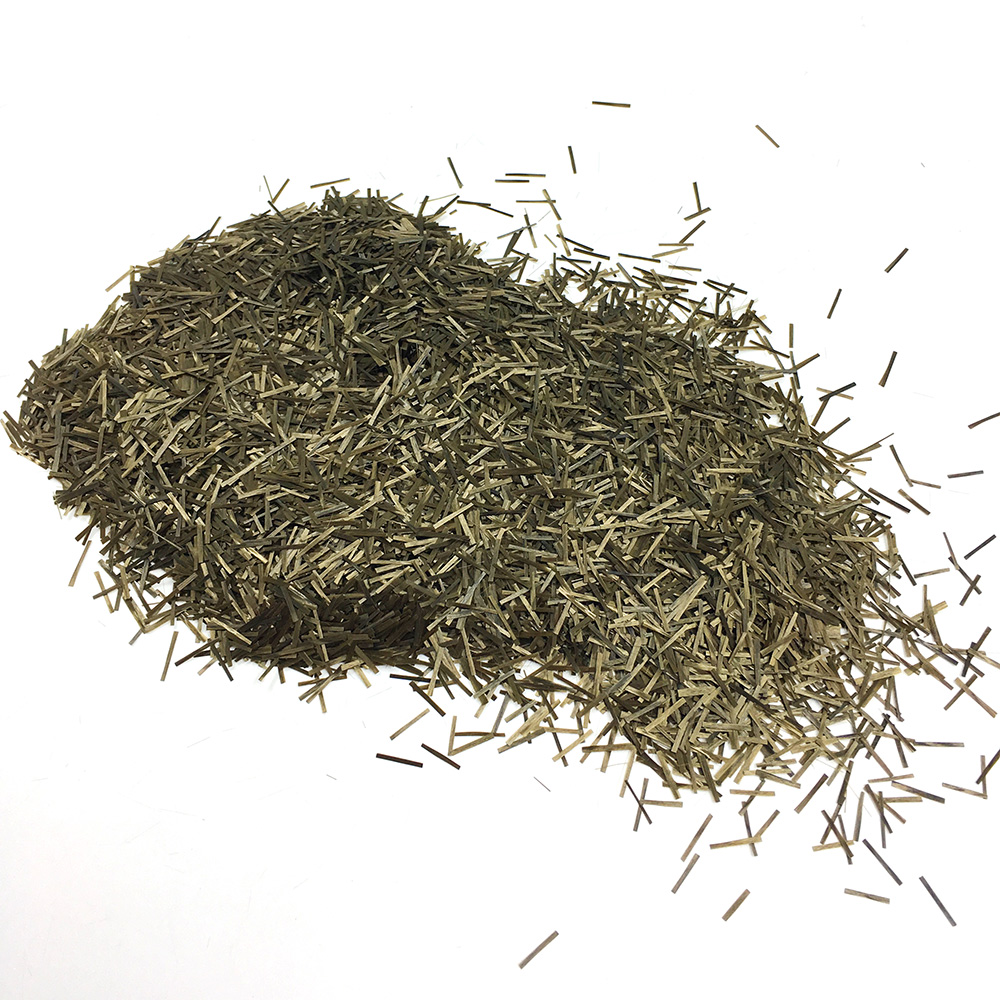
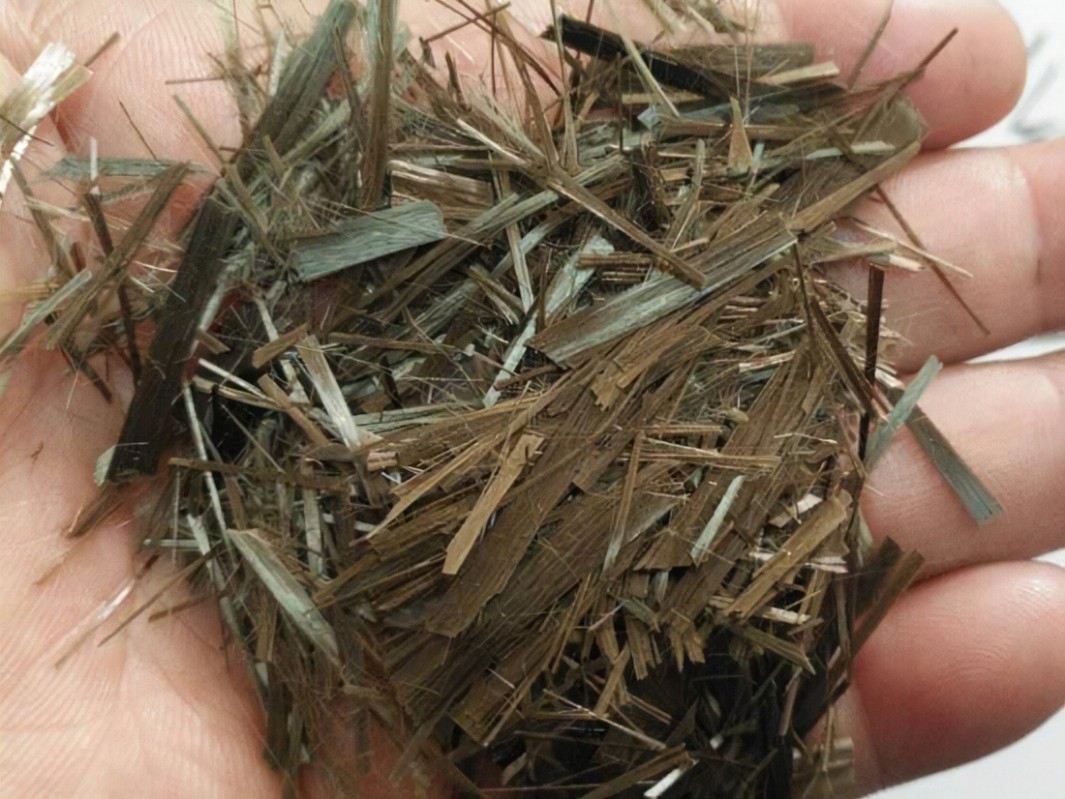
You know, when it comes to construction materials these days, Basalt Fiber Mat is really starting to pick up steam. It’s pretty exciting—there are several Chinese suppliers out there really pushing the quality bar high. What’s cool about Basalt Fiber Mat is its durability and heat resistance, making it super versatile for all kinds of projects. Honestly, it's kinda impressive how many applications it's opening up.
Big players like Jiangsu Tianyi and Hebei Yicheng are leading the charge in this space. They've really nailed it when it comes to meeting international standards, which just goes to show their expertise and dependability. If you're on the hunt for solid, reliable solutions, these companies are definitely worth checking out. Plus, their focus on innovation with Basalt Fiber Fabric for building reinforcement makes them stand out—especially in such a crowded market.
But, gotta say, it’s important to stay a bit skeptical about where you’re getting your info. Not all suppliers are created equal. Doing your homework on their certifications and reputation is key. Picking a reputable company will save you trouble down the line, ensuring you get quality and performance you can count on. As demand for Basalt Fiber Mat keeps growing, taking the time to find the right partner—whether locally or globally—really pays off.
China's Leading Basalt Fiber Mat Manufacturers: An Overview
China's basalt fiber mat industry is growing rapidly. The country's leading manufacturers are meeting global demand for high-performance materials. Basalt fiber mats are known for their durability and heat resistance. According to recent industry reports, the demand for basalt fiber composites has increased by 20% annually. This surge reflects the material's usefulness in various applications, including construction and automotive.
Manufacturers in China invest significantly in research and development. They aim to improve the quality and performance of basalt fiber products. Developing advanced production techniques is crucial. Many factories now focus on sustainable practices. The production process is energy-efficient, reducing environmental impact.
However, challenges remain. Quality control can vary between suppliers. It is essential for buyers to verify the reliability of their manufacturers. Ensuring that the Basalt Chopped Fiber For Mat meets international standards can be complex. The market's growth presents both opportunities and areas for improvement. There is potential for better collaboration among suppliers and developers to address these issues.
Key Factors to Consider When Choosing Basalt Fiber Mat Suppliers
When selecting suppliers for basalt fiber mats, it’s essential to consider several key factors. Quality assurance is paramount. Reliable suppliers often provide test reports demonstrating the tensile strength and thermal resistance of their products. According to recent studies, basalt fiber materials can withstand temperatures up to 800°C, offering superior performance in high-stress environments.
Another important aspect is production capacity. Suppliers must meet your demand without compromising quality. As the global market for basalt fiber is projected to reach $400 million by 2030, choosing a capable supplier becomes critical to stay competitive. Proximity to raw materials and efficient supply chains also impact cost and delivery times. A well-optimized supplier can often provide better pricing and faster service.
Lastly, the expertise of the supplier's team should not be overlooked. Professionals with a deep understanding of basalt fiber composites can offer valuable insights. They can advise on applications, ensuring that you select the right Basalt Fiber Needle Mat for your needs. Evaluating their industry experience and customer support can enhance your overall purchasing experience.
Top Basalt Fiber Applications in Various Industries
Basalt fiber is a versatile material used across various industries. Its exceptional strength and thermal resistance make it ideal for construction, automotive, and Aerospace applications. In construction, basalt fiber mats reinforce concrete structures. They improve durability and withstand harsh environmental conditions. Builders appreciate these mats for their lightweight and easy handling. Using basalt fiber can lead to cost savings over time due to lower maintenance needs.
The automotive industry also benefits from basalt fiber. It is used to create lightweight components that enhance fuel efficiency. Composite materials made from basalt fiber can absorb energy during impacts, improving vehicle safety. Moreover, this fiber is inherently non-toxic, catering to the environmental concerns of manufacturers and consumers alike.
In the aerospace sector, basalt fiber's high strength-to-weight ratio is crucial. It helps in reducing the overall weight of aircraft, leading to better fuel economy. However, the adoption of basalt fiber in some industries is still in its early stages. This leaves room for improvement in terms of production techniques and scalability. Further research may unlock additional applications and enhance its performance. Overall, basalt fiber demonstrates a promising future across these fields.
Top Basalt Fiber Applications in Various Industries
Comparison of Chinese Suppliers: Quality and Pricing
When evaluating Chinese basalt fiber mat suppliers, quality and pricing are crucial. Different suppliers offer various grades of basalt fiber with distinct mechanical properties, which can impact your projects. Understanding these differences is essential for making an informed choice.
Pricing can vary significantly among suppliers. Some may offer lower prices but compromise on quality. It's crucial to balance cost with the performance attributes of the fiber. Look for suppliers that provide detailed specifications and samples for evaluation. This step can help ensure that the product meets your requirements without unexpected costs later.
Consider visiting industry forums or trade shows. These platforms are excellent for gathering firsthand information about suppliers. Engaging with other customers can provide insight into their experiences. Also, obtaining multiple quotes can help you better understand the market rates.
Reflect on the reliability of the supplier. Check their production facilities and quality assurance processes. A trustworthy partner can save you time and resources down the line.
China Top Basalt Fiber Mat Suppliers for Your Global Needs
| Supplier Location | Material Quality | Price per Ton (USD) | Lead Time (Weeks) | Certification |
| Beijing | High Strength | 1500 | 4 | ISO 9001 |
| Shanghai | Standard | 1400 | 6 | ASTM |
| Guangzhou | High Durability | 1600 | 5 | ISO 14001 |
| Shenzhen | Premium | 1700 | 3 | CE |
| Tianjin | Average | 1350 | 7 | None |
Sustainability Practices in China's Basalt Fiber Production
China is becoming a significant player in the global basalt fiber industry. As demand grows, its production methods evolve. One crucial aspect is sustainability. Many producers are focusing on eco-friendly practices while maintaining high-quality standards.
The basalt fiber production process itself offers benefits. Basalt is a natural material, abundant and non-toxic. This minimizes environmental impact compared to synthetic fibers. However, challenges remain. Some methods consume a lot of energy.
Efforts are underway to improve energy efficiency. Innovative technologies are emerging. These not only reduce carbon footprints but also enhance production capacity. However, the transition requires investment and expertise. Stakeholders need to collaborate. Sharing knowledge will lead to better sustainability practices in the industry. The journey towards greener production is ongoing, and it calls for reflection and adaptation.
Global Market Trends for Basalt Fiber Mats
The global market for basalt fiber mats is evolving rapidly. As more industries recognize the benefits of basalt fiber, the demand is on the rise. These mats, known for their durability and heat resistance, are becoming essential in construction, aerospace, and automotive sectors. Many manufacturers are exploring ways to enhance the quality and performance of Basalt Fiber Needled Mats, addressing the growing expectations from various industries.
In recent years, research has highlighted the superior properties of basalt fibers, such as lightweight construction and excellent mechanical performance. Many companies are investing in advanced technologies to optimize production methods. However, there are challenges in scaling up production while maintaining the quality of basalt fiber needled mats. Some suppliers face difficulties in sourcing raw materials consistently, affecting their supply chains.
Sustainability is another critical factor influencing global trends. Manufacturers are aiming to produce basalt fiber mats with a lower environmental impact. This objective often comes with hurdles, as it requires significant investments. Ensuring compliance with international standards adds another layer of complexity to the manufacturing process. As the market continues to grow, the balance between innovation and practical application will be vital for suppliers.
Future Prospects for Basalt Fiber Industry in China
The basalt fiber industry in China is witnessing a significant transformation. With the increasing demand for sustainable materials, basalt fiber is emerging as a strong contender. Its lightweight yet durable properties make it ideal for various applications. This shift aligns with the global trend towards eco-friendly solutions.
However, challenges exist. The manufacturing processes need optimization. Engineers and companies are continuously researching to enhance the Basalt Fiber Needle Mat properties. Quality control remains a key focus. Many suppliers face difficulties in maintaining consistency. The lack of standardization can affect the overall market.
Market predictions suggest growth in infrastructure and automotive sectors. These fields seek materials that offer performance and sustainability. Yet, educating industries about the benefits of basalt fiber is crucial. Many potential users remain unaware of its advantages. Building trust and providing real-world examples can bridge this gap. The future looks promising for the basalt fiber industry if these hurdles are addressed.
Leveraging High Tensile Strength 3D Basalt Fiber Mesh: Industry Reports Highlighting Durability and Cost-Effectiveness in Concrete Applications
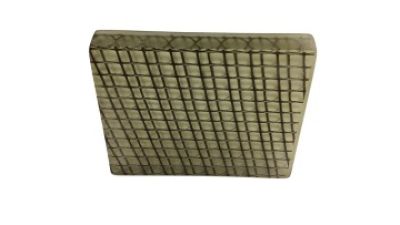
The adoption of 3D Basalt Fiber Mesh as a reinforcement material in concrete applications is revolutionizing the construction industry, driven by its remarkable durability and cost-effectiveness. According to recent industry reports, projects utilizing this innovative material have demonstrated a significant reduction in structural cracking, thereby enhancing the longevity of infrastructure, especially in harsh environments. The mesh, structured from 100% natural volcanic rock, boasts a unique three-dimensional design that not only increases mechanical bonding with concrete but also minimizes the risk of corrosion—a common issue with traditional steel reinforcements.
Data from expert analyses indicate that structures reinforced with 3D Basalt Fiber Mesh exhibit an impressive increase in tensile strength and thermal stability, withstanding extreme temperature fluctuations and alkaline conditions. This makes it particularly suitable for applications in coastal, industrial, and other challenging settings where conventional materials often fail. Moreover, the lightweight nature of basal fiber allows for optimized structural design, reducing overall material costs and improving the efficiency of construction processes.
The long-term benefits of using 3D Basalt Fiber Mesh extend beyond immediate performance metrics. Studies suggest that its application can lead to significant reductions in maintenance expenditures over a structure's lifecycle. By eliminating surface cracking and enhancing overall durability, this eco-friendly alternative positions itself as the ideal solution for modern infrastructure projects aiming for sustainability without compromising on performance. As the demand for innovative construction materials grows, 3D Basalt Fiber Mesh is set to play a pivotal role in advancing the future of building practices.
FAQS
: Focus on quality assurance, production capacity, and supplier expertise for the best results.
Request test reports to verify tensile strength and thermal resistance before making a decision.
Suppliers need to meet your demands without sacrificing quality to remain competitive in the market.
Proximity to raw materials and efficient supply chains significantly impact pricing and delivery times.
Visit facilities, check their quality processes, and gather feedback from other customers in the industry.
Some lower-priced suppliers may compromise quality, leading to unexpected costs and performance issues later.
The industry is growing, driven by demand for sustainable materials, but faces challenges in consistency and education.
A knowledgeable team can provide insights and recommendations tailored to your specific basalt fiber needs.
Optimization of manufacturing processes and maintaining quality control are critical to future success.
Educating industries through real-world examples can help build trust in basalt fiber's advantages.
Conclusion
China has emerged as a key player in the global basalt fiber mat market, with several leading manufacturers offering high-quality products. When selecting a supplier, it's crucial to consider factors such as product quality, pricing, and the specific applications within various industries—ranging from construction to automotive use. Additionally, sustainability practices in basalt fiber production have become increasingly important, as the industry moves towards more eco-friendly methods.
The global market trends indicate a growing demand for basalt fiber mats, driven by their unique properties and versatility. Looking ahead, the basalt fiber industry in China is poised for further growth, with advancements in technology and increased awareness of the material's benefits likely to bolster its adoption across multiple sectors. As such, sourcing basalt fiber mats from reputable suppliers in China can meet diverse global needs effectively.