Leave Your Message
0%

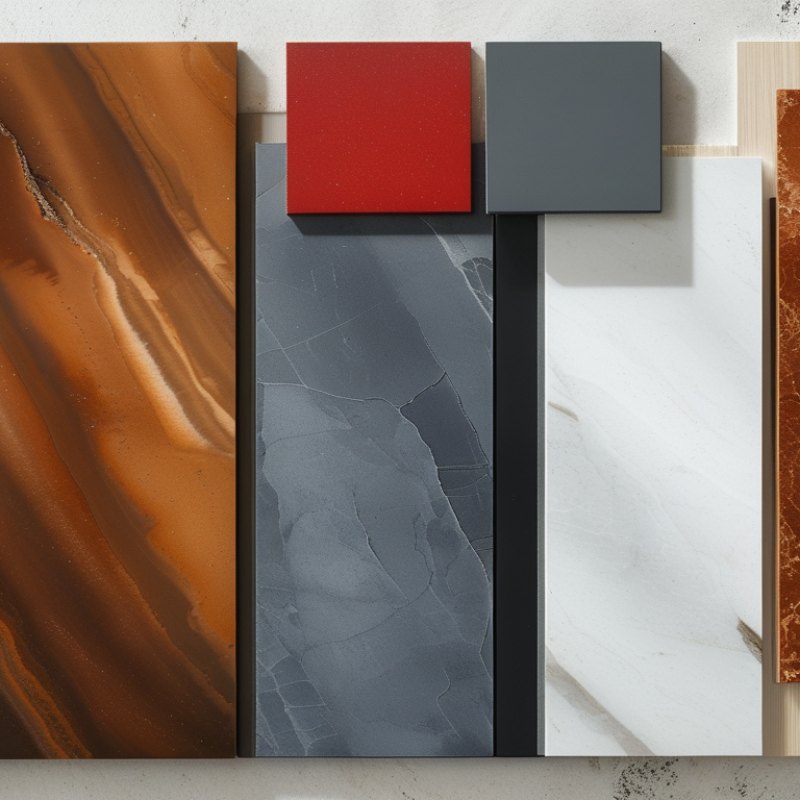
Picking the Basalt Brown Color for your global sourcing isn’t just about matching what you see on a screen. Honestly, that color can look totally different depending on the lighting—sometimes warm, charcoal, or even kind of reddish. Natural stone, ceramic tiles, pigments, and architectural panels can also have their own subtle undertones. So, it’s really important to start with a physical sample, not just a digital color code. Trust me, that makes all the difference.

Good procurement teams will compare samples in daylight, warehouse lighting, and showrooms—whatever lighting conditions they can find. It’s also smart to take notes on the surface finish, texture, gloss, and the acceptable color variations. And don’t forget to ask suppliers like StoneCraft Materials or TerraForm Surfaces for actual production samples from their latest batches. Make sure to check their technical data, quality history, factory capabilities, and see if they’ve got experience exporting. Getting independent lab tests is also a plus—it helps verify that the color stays consistent, plus checks on things like water absorption and weather resistance.

Even small differences can matter a lot. For example, a brown panel placed next to a pale limestone might look darker than you expected. A polished finish can add depth to the color, while a honed one will soften that tone a bit. Keep in mind, production lots can vary even if the quality controls are good—that’s just how it is. So, it’s best to plan around these realities rather than expecting perfect consistency all the time.

Before you place an order, it’s a good idea to set clear inspection points—things like sample approval, pre-shipment checks, packaging reviews, and documented corrective steps if something’s off. Also, review regional standards, labeling rules, and responsible sourcing requirements to keep everything legit. Don’t just take a supplier’s word for it—ask for current evidence to back up their claims. When your specifications, test results, and visual approvals all line up, sourcing Basalt Brown Color becomes a lot easier and more reliable across different markets. And remember, the process should be straightforward, transparent, and flexible—there might be unexpected differences once you see things in the field, so be ready to adapt when necessary.
How to Choose Basalt Brown Color for Global Sourcing?

Understanding Basalt Brown Color and Its Common Applications

How to Choose Basalt Brown Color for Global Sourcing?

Basalt brown is not one fixed shade. It can range from cocoa brown to charcoal brown, with rust-colored flecks from iron-bearing minerals. Quarry location, weathering, cutting direction, and surface finish can change its appearance. Honed surfaces usually look deeper, while flamed finishes appear lighter and rougher. Always request physical samples, not only digital images. Screen colors can mislead.

For exterior paving, basalt brown offers a practical balance between visual warmth and heavy-use performance.ASTM C241/C241M evaluates Abrasion Resistance for dimension stone, while ASTM C97/C97M measures absorption and bulk specific gravity. These tests matter near entrances, pools, and freeze-thaw zones. The U.S. Geological Survey’s Mineral Commodity Summaries 2024 estimated U.S. crushed-stone production at about 1.9 billion metric tons in 2023. That scale reflects strong infrastructure demand, although it does not measure decorative basalt specifically.

Basalt brown also suits wall cladding, garden steps, fireplaces, and commercial flooring. Its dark tone can hide dust, but it may reveal salt deposits and uneven sealing. Check batch consistency, slab thickness, water absorption, and edge treatment before approving a global order. Basalt Fiber Mat Basalt Fiber Fabric For Building Reinforcement is a different product category. It supports concrete reinforcement, not decorative stone installation. I have seen sourcing teams overlook this distinction. That mistake can affect specifications, testing, and final appearance. A small mock-up is wiser than a large assumption.

Identifying the Main Factors That Influence Basalt Brown Shades

How to Choose Basalt Brown Color for Global Sourcing?

Basalt brown is not one fixed shade. Its appearance changes with mineral content, quarry location, and surface treatment. Iron-rich minerals often create warm brown, rust, or charcoal undertones. Freshly cut stone may look cooler than the finished material. Polishing can deepen the color, while brushing may reveal lighter grains. I always request full-size samples, not small chips. Small pieces can hide natural variation.

Lighting also influences shade judgment. Daylight, warehouse LEDs, and warm indoor lamps may show different brown tones. Compare samples beside a neutral gray card. Record the light source, finish, thickness, and moisture condition. Wet basalt usually appears darker. This detail is easy to overlook during remote sourcing. Ask suppliers for recent batch photographs and consistent color references. A digital image helps, but it should not replace a physical sample.

Production use matters as well. For architectural stone, grain direction and edge finishing affect visual consistency. For technical materials such as Basalt Fiber Basalt Yarn, color may vary after processing, coating, or heat exposure. Confirm whether the requested brown refers to raw fiber, finished yarn, or packaging material. My first color assessments were too dependent on catalog images. That approach was convenient, but not reliable enough. Even careful inspection has limits, so I keep an approved tolerance range instead of demanding an unrealistic uniform shade.

Comparing Natural and Manufactured Basalt Brown Color Options

How to Choose Basalt Brown Color for Global Sourcing?

Natural basalt brown pigments bring geological character to a product. Their tones may shift from warm umber to muted charcoal, depending on mineral content and processing. I have seen small color changes between quarry lots. This variation can make a surface feel authentic. It can also complicate large production runs.

Manufactured basalt brown color options usually provide tighter shade control. Producers can adjust iron oxide levels, particle size, and undertones more precisely. This helps buyers match a digital standard across different factories. However, a uniform sample may appear less natural under changing light. Request drawdowns, not only digital images. Test them under daylight, warehouse lighting, and warm indoor light.

Performance testing should guide the purchase. Check heat stability, moisture resistance, migration risk, and compatibility with the final material. Ask for safety data, technical specifications, batch records, and third-party test results. For outdoor use, include accelerated weathering tests. Natural pigments may need extra milling or dispersion control. Manufactured options may require stricter documentation.

Cost is not limited to the material price. Freight weight, rejection rates, minimum order quantities, and local processing can change the final figure. A cheaper natural batch may become expensive after shade sorting. I would reserve both options for pilot production. The first result may disappoint. That is useful evidence. Recheck the target color after curing, coating, or firing, because the wet sample rarely tells the whole story.

How to Choose Basalt Brown Color for Global Sourcing? - Comparing Natural and Manufactured Basalt Brown Color Options

Option Material Basis Typical Brown Appearance Color Consistency UV and Weathering Behavior Supply Availability Indicative Cost Level Best-Fit Applications Main Sourcing Risk
Weathered Natural Basalt Basalt naturally altered by oxidation, moisture, and surface weathering Muted brown, rust-brown, charcoal-brown, or brown-gray with natural tonal variation Low to medium; variation occurs between quarries, benches, and production lots Generally durable, but exposed surfaces may continue to change because of oxidation and moisture Limited and geology-dependent; not every basalt deposit produces brown material Medium to high, depending on sorting, processing, and usable yield Premium landscaping, architectural stone, feature walls, paving, and natural-texture surfaces Inconsistent shade, limited reserve, and difficulty maintaining a narrow color specification
Naturally Iron-Rich Basalt Basalt containing iron-bearing minerals that produce warmer brown or reddish tones after exposure Deep brown, reddish brown, chocolate brown, or brown-black Medium; color is more stable within a defined geological layer but still varies by extraction zone Usually strong for exterior use; iron oxidation can intensify or shift surface tone over time Moderate; requires geological testing and consistent quarry-face control Medium Outdoor paving, retaining walls, masonry, aggregate, and projects seeking geological authenticity The delivered color may differ from dry samples because wetness, finishing, and oxidation affect appearance
Natural Basalt with Surface Treatment Natural gray or dark basalt modified with a penetrating stain, enhancer, or compatible surface treatment More uniform medium brown to dark brown, often with retained stone texture Medium to high after controlled processing; untreated areas and absorption differences may remain visible Depends on treatment chemistry, sealer maintenance, abrasion, and local climate High, because standard basalt can be sourced and colored during fabrication Medium Renovation, decorative panels, interior stonework, and projects requiring a controlled brown tone Treatment may fade, wear, or show uneven absorption if substrate preparation is inadequate
Pigmented Manufactured Basalt Aggregate Crushed basalt combined with mineral pigments, commonly based on synthetic or natural iron oxides Controlled tan-brown, terracotta-brown, reddish brown, or dark brown High when pigment dosage, mixing time, and moisture are controlled Typically good when inorganic, lightfast pigments are used; certification and testing are still required High; production is less dependent on naturally brown basalt reserves Low to medium Concrete, terrazzo, resin-bound aggregate, landscaping, decorative flooring, and precast products Color can vary if pigment concentration, aggregate moisture, or batch mixing procedures change
Manufactured Basalt-Effect Composite Engineered cementitious, polymer, ceramic, or resin-based material designed to imitate basalt texture and brown coloration Uniform brown or layered brown-black with a designed stone pattern Very high when produced under controlled manufacturing conditions Product-specific; outdoor suitability depends on binder, pigment, coating, water absorption, and freeze-thaw performance High and scalable, subject to production capacity and required tooling Low to medium for standard products; higher for custom molds or formulations Large-volume architectural panels, modular products, interiors, furniture surfaces, and repeatable design programs The appearance may look less naturally varied, and long-term performance depends strongly on the binder system
Recycled or Reconstituted Basalt Material Reprocessed basalt fragments or mineral filler bound with cementitious or polymer-based binders and optional brown pigment Speckled brown, brown-gray, or mixed brown with visible aggregate particles Medium to high; depends on recycled feedstock sorting and pigment control Varies by binder and finish; water absorption and freeze-thaw data should be reviewed for exterior applications Moderate to high in regions with suitable mineral-processing and fabrication infrastructure Low to medium Sustainable construction, terrazzo, decorative slabs, landscaping products, and projects requiring recycled content Feedstock composition can change between production lots, affecting shade, strength, and surface texture
Global sourcing note: Cost levels are relative planning indicators rather than quoted prices. Before approval, request production samples from the intended lot, define color tolerance under both dry and wet conditions, and verify abrasion, water absorption, freeze-thaw, UV, and chemical-resistance requirements for the final application.

Evaluating Color Consistency Across Global Suppliers

How to Choose Basalt Brown Color for Global Sourcing?

Evaluating Color Consistency Across Global Suppliers

Choosing basalt brown for global sourcing starts with measurement, not a screen image. Basalt can shift from warm cocoa to muted umber because minerals, weathering, quarry faces, and lighting differ. The USGS Mineral Commodity Summaries 2024 reported about 1.5 billion metric tons of crushed stone produced in the United States in 2023. That scale signals a practical risk: “brown basalt” is not one geological color.

“brown basalt” is not one geological color.

Ask each supplier for three quarried lots, not one polished tile. Record quarry location, extraction date, finish, thickness, and wet-dry appearance. Under ISO/CIE 11664-4, compare L*, a*, and b* values under controlled D65 lighting. ASTM D2244 can calculate color difference, but it does not set a universal acceptance limit for basalt. Set your own ΔE00 limit after viewing full panels. A small chip may pass instrumentally and still look patchy across a lobby.

This happens.

Use a retained reference panel from the approved lot. Inspect samples at different viewing angles, then repeat checks after water exposure and cleaning.

UNCTAD’s Review of Maritime Transport 2023 states that maritime transport carries over 80% of world trade by volume, making backup approval valuable.

Still, photographs are inadequate. My own sourcing mistake was treating a darker sample as “more premium”; installed panels looked colder. Color acceptance needs instruments, people, and documented judgment. Geological variation remains.

Checking Samples, Specifications, and Quality Standards

For global sourcing, Basalt Brown should be treated as a controlled visual specification, not a simple color name. The same quarry face may shift from warm cocoa to charcoal after cutting. Request three physical samples: dry, wet, and viewed in daylight. Keep one signed reference tile. Photograph each sample beside a neutral gray card. Record lighting, surface finish, thickness, and lot number. Small details matter. Photos still flatten color.

The USGS 2024 Mineral Commodity Summaries reported approximately 1.5 billion tons of U.S. crushed stone production in 2023. This shows a broad raw-material base, but it does not guarantee stable brown tones. Ask for quarry location, mineral composition, water absorption, density, flexural strength, and batch variation. For dimension stone, request testing aligned with EN 13755, EN 12372, and EN 1926, or comparable ASTM methods. Define tolerances in writing. “Brown” is too vague. Specify acceptable veining, finish, color range, and rejection procedures.

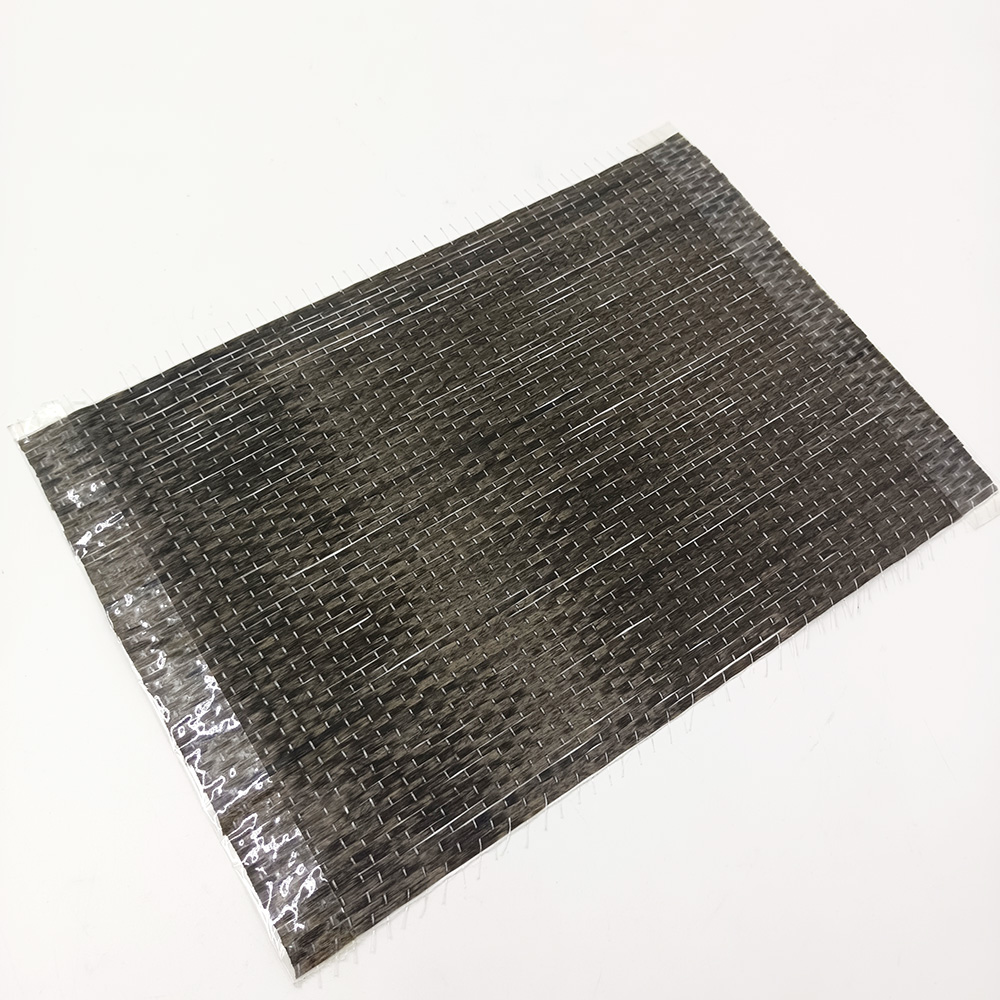
For reinforcement products, verify whether 3d Basalt Fiber Mesh has declared areal weight, mesh opening, tensile strength, alkali resistance, and coating type. Check certificates against the actual production lot, not a general brochure. Independent laboratory testing provides stronger evidence. A common mistake is approving one attractive sample. I would hesitate too. Natural variation can become a costly dispute after mass production. Record retained samples, inspection dates, and corrective actions before shipment.

Balancing Cost, Sustainability, and Shipping Requirements

How to Choose Basalt Brown Color for Global Sourcing?

Balancing Cost, Sustainability, and Shipping Requirements

Choosing Basalt Brown Color for global sourcing starts with a physical sample, not a screen. Details matter. Mineral variation can shift the shade from warm cocoa to muted charcoal. Ask suppliers for batch samples, surface-finish details, and recent production photos. For 3d Basalt Mesh, confirm whether the brown tone comes from the basalt, a coating, or a backing layer. That detail affects color stability, inspection, and recycling decisions. Keep an approved sample with the purchase specification.

Cost should be measured as landed cost, not unit price. Compare quarry location, cutting or weaving steps, packaging weight, port fees, insurance, and expected import charges. A low quote can hide weak cartons or inefficient pallet space. Damaged edges cost more than a modest freight premium. Request a carton test and container-loading plan. Small shipments may favor regional consolidation. Full containers can reduce freight per unit when demand is reliable.

Sustainability needs evidence. Request quarry permits, energy data, recycled-content statements, and third-party test reports where available. Prefer durable finishes and recyclable packaging, while checking local disposal rules. Shipping fewer replacements often matters more than a small material saving. Yet the greenest option is not always obvious. A nearby product may use more energy during processing than a distant, longer-lasting alternative. Review transport distance, service life, and defect rates together. Recheck the color after UV, moisture, and abrasion testing; a beautiful first sample may age unevenly.

Selecting the Right Basalt Brown Supplier for Your Project

Choosing the right Basalt Brown supplier requires more than matching a color sample.

Natural basalt varies between quarry faces, cutting lots, and surface finishes. Request samples from the actual production batch, not only a polished showroom piece. Check the quarry location, extraction date, slab thickness, and available reserves. A perfect sample can still mislead.

Technical evidence matters. The U.S. Geological Survey reported approximately 1.5 billion metric tons of crushed stone production in 2023, showing the scale and complexity of the stone supply chain.

For architectural basalt, ask for recent test reports covering water absorption, density, flexural strength, abrasion, and freeze-thaw resistance. Results should follow recognized ASTM or EN methods.

A qualified petrographic report can also identify mineral changes that affect brown tones and long-term durability.

Inspect the supplier’s quality system.

Can they control shade across several containers? Do they photograph each bundle before loading? Are crate labels, inspection records, and replacement procedures clear? International Trade Centre trade data can help compare sourcing patterns, but shipment volume does not prove quality.

My early mistake was trusting a low quotation without checking calibration records and packing details. The delivered stone showed wider color variation than expected. That lesson remains uncomfortable, but useful.

Allow for a controlled tolerance, approve a reference panel, and make the final contract specify acceptable variation, finish, dimensions, and inspection rights.

Lightweight and High-Strength 3D Basalt Fiber Mesh: Insights from Grand View Research’s 2024 Composites Market Report

Lightweight and high-strength 3D basalt fiber mesh is gaining attention as a practical reinforcement solution in the expanding composites market. Its three-dimensional structure creates effective mechanical interlocking within concrete, soil, and other construction materials, helping distribute stress more evenly while maintaining a low overall weight. This combination supports easier handling, efficient installation, and improved structural stability compared with many traditional reinforcement methods.

Manufactured from high-quality basalt fiber, the mesh offers strong tensile performance, corrosion resistance, and long-term durability in demanding environments. It can help improve the load-bearing capacity of concrete elements, stabilize soil structures, and reduce the risk of cracking or deformation caused by repeated loads and environmental exposure. These characteristics make it suitable for road construction, bridge engineering, retaining systems, foundation treatment, and other civil infrastructure applications.

As construction projects increasingly seek durable materials with lower maintenance requirements, 3D basalt fiber mesh provides a balanced option for improving performance without adding excessive weight. Its reliable reinforcement capability and resistance to moisture, chemicals, and temperature variation can contribute to longer service life and more resilient engineering structures.

FAQS

: Is basalt brown one fixed color?

: No. It may range from warm cocoa to muted umber, rust, or charcoal. Mineral content changes the shade.

Why can the same basalt look different after finishing?

Polishing can deepen the color. Brushing may reveal lighter grains. Freshly cut stone often looks cooler.

How should I compare basalt brown samples?

Request full-size samples from three production lots. Check them dry, wet, and under daylight.

Can warehouse lighting affect color decisions?

Yes. LEDs, daylight, and warm lamps show different brown tones. Compare samples beside a neutral gray card.

What details should suppliers provide with samples?

Ask for quarry location, extraction date, lot number, thickness, finish, and recent batch photographs.

Are digital images reliable for approving basalt brown?

They help with early screening, but they cannot replace physical samples. Screens flatten subtle color differences.

How can I define acceptable color variation?

Keep a signed reference panel and set a written tolerance range. Include acceptable veining, finish, and shade differences.

Should color be measured with instruments?

Yes. Controlled lighting and L, a, and b values improve comparisons. Instrument results still need human review.

What should be checked for basalt reinforcement products?

Verify areal weight, mesh opening, tensile strength, alkali resistance, and coating type. Check the actual production lot.

What sourcing mistake should I avoid?

Do not approve one attractive sample. I once preferred a darker sample, but installed panels looked colder. Geological variation remains.

Conclusion

Choosing the right Basalt Brown Color for global sourcing requires more than matching a visual sample. Its appearance can vary according to mineral composition, quarry location, processing methods, surface finish, lighting, and production conditions. The material is commonly considered for construction, interior surfaces, landscaping, furniture details, and other projects where a warm, natural brown tone is desired. Buyers should compare natural and manufactured options carefully, considering differences in texture, durability, color range, and maintenance requirements.

Before placing an order, request physical samples, technical specifications, test reports, and clear quality standards from each supplier. Evaluate color consistency between batches, production capacity, packaging, lead times, and the supplier’s ability to meet international shipping requirements. Cost should be balanced with sustainability, material efficiency, transportation impact, and long-term performance. A reliable supplier should communicate transparently, provide repeatable quality, support sample approval, and offer practical solutions for your project’s design, budget, and delivery needs.
Sophie

Sophie

Sophie is a dedicated marketing professional at Jiujiang Beihai Glass Fiber Co., Ltd. (Project Four), where she leverages her extensive knowledge of the company's products to enhance brand visibility and drive customer engagement. With a strong focus on innovation and quality, she plays a pivotal......
Previous China Best Basalt Chopped Fiber Supplier for Global Buyers