Leave Your Message
0%

Picking the right Basalt Rebar Supplier isn't just about checking prices on a website—that’s the easy part, really. You’ve got to dig deeper: look at the quality of the material, how consistent the production is, make sure they have solid testing records, and see if they can deliver on time. A reliable supplier should clearly tell you about the basalt fiber content, what kind of resin they use, the diameter of the bars, the surface texture, tensile strength, and elastic modulus. These details aren’t just technical mumbo jumbo—they seriously impact how well the concrete performs and how you’ll design your structure.

In this guide, called “Top 10 Basalt Rebar Suppliers for Global Buyers,” I’m introducing various manufacturers and exporters who serve different infrastructure markets. We’ll take a look at their product ranges, factory capabilities, quality management systems, export experience, technical support, and what other buyers have to say. Companies like Armastek and other well-known producers of composite reinforcement often pop up in discussions, but keep in mind—every claim should be verified. Don’t hesitate to ask for recent lab reports, photos of their factories, batch records, and references from past projects.

Details really do matter. Just because a bar looks uniform doesn’t mean it’s exactly the same between batches. When checking samples, pay attention to the rib patterns, straightness, how they cut, and how well the packaging holds up. Also, be clear on minimum order quantities, lead times, plans for loading containers, and all the necessary paperwork for customs. Remember, although Basalt Reinforcement resists corrosion and doesn’t interfere with magnetic fields, it’s not a direct substitute for steel. Its lower stiffness and different failure behavior mean you should have qualified engineers review it—those are important distinctions that people sometimes overlook.

And speaking of keywords—searching for something like “Bfrp Rebar Rod Basalt Rebar”—can point you toward good suppliers. But just seeing that in your search doesn’t mean they’re trustworthy or technically reliable. This guide is more about giving you a solid starting point. Ultimately, independent testing is a must. Doing your homework and comparing options carefully can save you from costly surprises down the line.
Top 10 Basalt Rebar Suppliers for Global Buyers

What Is Basalt Rebar and Why Does It Matter for Global Buyers?

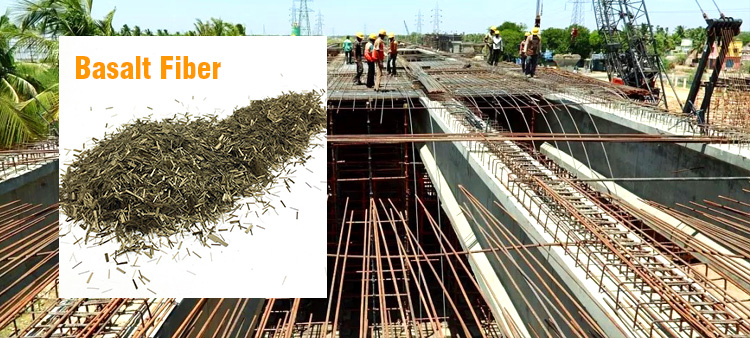
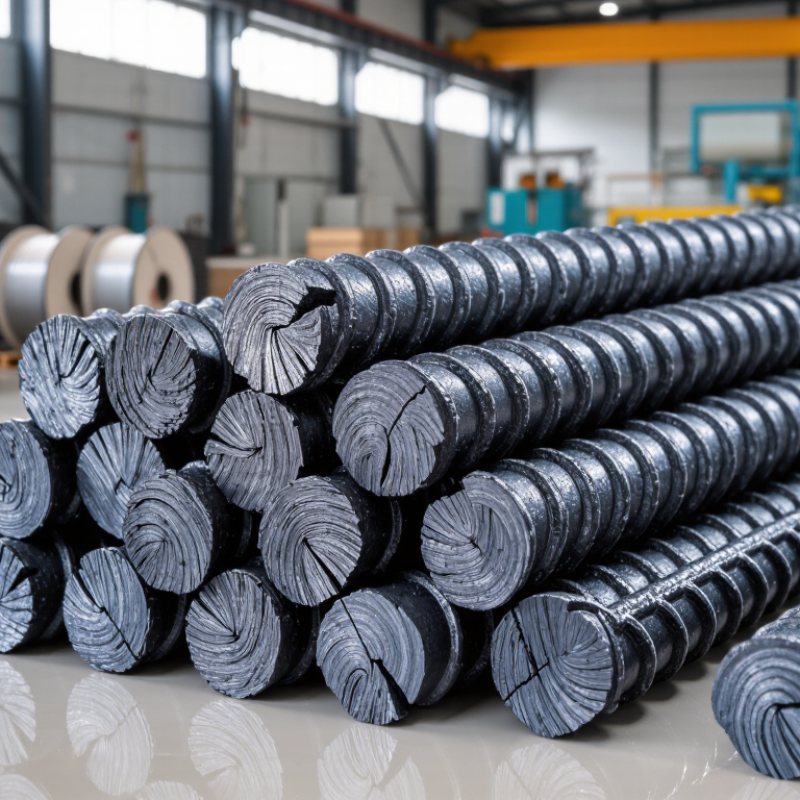
Basalt rebar is a composite reinforcing rod made from continuous basalt fibers and a polymer resin. Unlike steel, it does not rust when exposed to moisture, chlorides, or coastal air. It is also nonconductive, lightweight, and easier to cut on many construction sites. A worker can carry several rods without a crane. That matters for global buyers facing high labor, shipping, and maintenance costs.

Performance still needs careful interpretation. Basalt rebar offers high tensile strength, but its elastic modulus is lower than steel’s. It behaves differently under bending and cracking. It also cannot be bent casually at the jobsite.

Buyers should request test reports for tensile strength, bond performance, resin content, diameter tolerance, and alkaline resistance. Independent laboratory verification is more reliable than a sales sheet alone.

Price comparisons can mislead. A search for “Bfrp Rebar Rod Basalt Rebar Per Ton” may show an attractive figure, yet shipment weight is not the only cost. Freight, packaging, customs procedures, cutting waste, and installation tools affect the final budget. Check the delivered price per meter and compare required reinforcement quantities. Local codes may also limit approved applications.

Basalt rebar is not a universal steel replacement. That assumption deserves challenge. Suppliers with traceable production records, consistent batch testing, and clear technical support are safer choices for international projects.

Key Criteria for Evaluating Basalt Rebar Suppliers

Selecting a basalt rebar supplier requires more than comparing price lists. MarketsandMarkets estimated the basalt fiber market at about USD 0.3 billion in 2023, with projected growth to USD 0.5 billion by 2028. That expansion can attract inexperienced suppliers. Buyers should verify factory ownership, production capacity, and export records before requesting quotations.

Start with test evidence. Ask for tensile strength, elastic modulus, bond performance, dimensional tolerance, and alkaline-resistance results. ASTM D7205 offers a recognized method for testing fiber-reinforced polymer bars. However, one laboratory certificate cannot represent every production batch. Request recent reports, batch numbers, testing laboratories, and failure photographs. Small details reveal process control. A clean surface is not enough.

Traceability should cover raw fibers, resin systems, curing temperatures, and packaging dates. Suppliers should explain storage limits and provide installation guidance for cutting, bending, and anchoring. For projects near coastlines, compare long-term exposure data, not only short-term strength. The phrase Corrosion Resistant Bfrp Rebar Rod Basalt Rebar P may appear in searches, but technical evidence must guide purchasing decisions. I would also inspect sample bars personally, because inconsistent rib geometry can reduce concrete bonding. Delivery promises deserve scrutiny. Check minimum order quantities, replacement policies, insurance documents, and container-loading procedures. A lower quotation may hide weak quality control or costly site delays.

Top Basalt Rebar Suppliers and Their Market Strengths

Top 10 Basalt Rebar Suppliers for Global Buyers

Top Basalt Rebar Suppliers and Their Market Strengths

Leading Basalt Rebar suppliers compete through production stability, technical support, and dependable export service. The strongest manufacturers control fiber quality, resin ratios, bar diameter, and surface texture during each production run. These details affect anchorage, handling, and long-term performance in concrete structures.

Some suppliers stand out through laboratory testing and clear documentation. They provide tensile strength data, alkali resistance results, batch records, and installation guidance. Others focus on project customization, offering cut lengths, different rib patterns, and packaging for container transport. Practical experience matters here. A supplier may quote an attractive price, yet weak moisture protection can damage bundles before arrival.

Regional market strength also shapes supplier performance. Producers near major ports often provide shorter transit times and more flexible shipping schedules. Established manufacturers may support bridge decks, coastal facilities, tunnels, and precast components with experienced engineering teams. Smaller factories can respond faster to unusual dimensions. That advantage is real.

However, published test results do not always reflect field conditions. Buyers should request recent certificates, sample inspections, and references from comparable climates. Manufacturing consistency can also vary between batches, especially when demand rises quickly. No supplier is perfect. A careful buyer should compare tolerances, packaging, lead times, technical response, and after-sales support rather than choosing by unit price alone. Small details often decide the installation experience.

Product Specifications, Certifications, and Quality Standards

Top 10 Basalt Rebar Suppliers for Global Buyers

When comparing the top 10 basalt rebar suppliers, global buyers should examine product specifications before reviewing price. Basalt Fiber Rebar commonly uses continuous basalt filaments embedded in a polymer resin. Check nominal diameter, tensile strength, tensile modulus, surface profile, and weight per meter. These details affect lap length, handling, and concrete bond. A 10 mm bar may look similar across suppliers, yet its rib geometry can differ noticeably.

Reliable suppliers provide batch-level test reports, certificates of analysis, and production traceability. Look for documented testing under relevant standards, such as ASTM D7957, CSA S807, or project-specific engineering requirements. ISO 9001 supports process control, but it does not prove every bar meets the required performance. Independent laboratory testing is more convincing. Ask for alkaline resistance, moisture exposure, freeze-thaw, and bond-strength results. Real evidence matters.

Inspect the paperwork carefully. Each shipment should identify resin type, filament content, lot number, manufacturing date, and recommended storage conditions. Packaging should protect bars from sunlight, bending, and contamination. Samples deserve practical checks, too. Measure diameter, inspect the surface, and compare declared weight with delivered weight. Some reports appear complete but omit test age or specimen preparation. That weakness deserves questions. No supplier is flawless, and even strong technical data may not predict every field condition. Experienced buyers therefore request references, installation guidance, and clear replacement procedures before approving a long-term supply contract.

This chart presents representative commercial specification ranges for basalt fiber-reinforced polymer rebar by nominal diameter. Tensile-strength values are based on commonly published BFRP technical datasheets, while certification references include ASTM D8505/D8505M, CSA S807, and ISO 10406-1. Actual values, testing conditions, and compliance status should be verified with each supplier.

Comparing Pricing, Production Capacity, and Global Delivery

For global buyers, the top ten basalt rebar suppliers should be compared beyond their quoted unit price. A low offer may exclude resin upgrades, cutting, packaging, or export documentation. In recent purchasing reviews, prices often vary by diameter, surface treatment, order volume, and delivery distance.

Request a full delivered-cost sheet, not only a factory quotation. Small orders can carry surprisingly high mold and setup charges.

Production Capacity and Quality Verification

Production capacity also affects reliability. A supplier producing 2,000 tonnes annually may suit regional projects, but large infrastructure contracts need stronger reserve capacity. Ask for monthly output, curing-line capacity, raw-material sources, and recent batch records.

Factory visits help, although they cannot replace independent testing. Check tensile strength, modulus, bond performance, dimensional tolerance, and alkaline resistance through accredited laboratories.

Tensile Strength
Verify performance through accredited laboratories.
Bond Performance
Review bonding behavior and dimensional tolerance.
Alkaline Resistance
Compare laboratory results with stated specifications.

Specifications sometimes look impressive. Test data may tell another story.

Global Delivery and Total Cost

Global delivery depends on more than port access. Compare lead times, container-loading methods, moisture protection, and experience with customs paperwork. A practical supplier should provide production schedules, packing lists, certificates of origin, and shipment tracking.

Delivered pricing should include inland transport, ocean freight, insurance, and destination handling. Delays can occur when bar lengths exceed standard container limits. This detail is easy to overlook.

My comparison would score price at 30%, capacity at 25%, testing and quality systems at 25%, and delivery performance at 20%.

The weighting is not perfect, especially for emergency projects, so buyers should adjust it to their risk tolerance.

How to Select the Right Basalt Rebar Supplier for Your Project

Choosing the right basalt rebar supplier requires more than comparing prices. Review at least ten candidates against your project’s load requirements, climate, and installation method. Ask for recent test reports covering tensile strength, alkali resistance, resin content, and diameter tolerance. Reliable suppliers should explain their testing process clearly. They should also provide batch numbers and traceable production records.

Request samples before signing a large order. Measure the bars, inspect surface consistency, and check whether cutting creates excessive splintering.

Discuss bending limits, connector compatibility, packaging, and expected delivery dates. A supplier with practical site experience can identify problems before installation.

However, technical documents are not enough. A factory visit, video inspection, or independent quality audit can reveal production gaps. No checklist is perfect. That is worth remembering.

Tips: Compare total project cost, not only unit price. Include freight, storage, cutting tools, and replacement risks. Ask how rejected batches are handled. Confirm the supplier’s response time for technical questions. Start with a controlled field trial when possible. Record installation feedback from workers. Their comments may expose handling issues that laboratory reports miss. Also, avoid promises that sound unusually broad. Clear limits often indicate greater honesty.

Basalt Fiber Surfacing Tissue Mat: Applications, Benefits, and Selection Guide

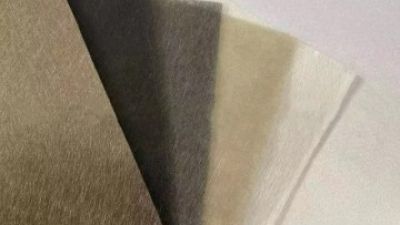
Basalt Fiber Surfacing Tissue Mat is a lightweight, resin-compatible reinforcement material made from chopped basalt fibers through a wet paper-making process. It is designed to create a smoother, more uniform surface while improving the appearance and performance of fiber-reinforced plastic products. The mat is suitable for filament winding applications, including the manufacture of GRP pipes and storage tanks, as well as hand lay-up, compression molding, and other composite fabrication methods. Its flexible structure can also adapt well to specially shaped components.

The mat offers good formability, consistent fiber distribution, and effective compatibility with commonly used resins. It can help improve surface finish, support resin penetration, and enhance the integrity of composite parts without adding excessive weight. When selecting a basalt fiber surfacing tissue mat, manufacturers should consider the intended process, resin system, required thickness, fiber density, wet-out behavior, and the shape of the final product. For pultrusion and filament winding, stable handling and uniform coverage are especially important, while hand lay-up projects may place greater emphasis on flexibility and ease of molding.

FAQS

What is basalt rebar made from?

It combines continuous basalt fibers with polymer resin. The result is a lightweight composite reinforcing rod.

Why do global buyers consider basalt rebar?

It resists rust from moisture, chlorides, and coastal air. Workers can carry several rods without a crane.

Is basalt rebar stronger than steel?

It offers high tensile strength, but its elastic modulus is lower. Concrete cracking and bending behavior can differ significantly.

Can workers bend basalt rebar at the construction site?

Usually, no. Bars should be ordered with approved shapes and dimensions before installation.

Which technical documents should buyers request?

Request tensile, bond, alkaline-resistance, moisture, and freeze-thaw test reports. Check resin content, diameter tolerance, and test conditions.

Does an ISO quality certificate prove product performance?

No. It supports process control, but it does not prove every bar meets project requirements.

How should buyers compare basalt rebar prices?

Compare delivered cost per meter, not only factory price. Include freight, packaging, customs, cutting waste, tools, and installation.

What should buyers inspect when receiving a shipment?

Check lot numbers, manufacturing dates, resin details, and storage instructions. Measure diameter and compare declared weight with delivered weight.

How can buyers judge supplier production capacity?

Ask about monthly output, curing-line capacity, raw-material sources, and recent batch records. Large projects need reserve capacity.

Is basalt rebar a universal replacement for steel?

No. Local codes may restrict applications, and project engineers must confirm suitability. That assumption deserves challenge.

Conclusion

This guide explains why Basalt Rebar is gaining attention among global construction buyers seeking durable, corrosion-resistant, and lightweight reinforcement solutions. It outlines the material’s main advantages, including high strength-to-weight performance, reduced maintenance needs, and suitability for projects exposed to moisture or aggressive environments. Readers will also learn how to evaluate suppliers based on manufacturing capability, technical expertise, product consistency, communication, export experience, and customer support.

The article compares leading supplier profiles without focusing on individual brand names, highlighting differences in product range, production capacity, delivery coverage, and customization options. It also reviews important specifications, testing procedures, certifications, and quality standards that buyers should verify before placing an order. In addition, the guide discusses pricing factors such as raw materials, order volume, packaging, transportation, and lead time. By considering these elements together, project owners and distributors can select a reliable Basalt Rebar supplier that matches their structural requirements, budget, schedule, and regional compliance needs.

Sophie

Sophie

Sophie is a dedicated marketing professional at Jiujiang Beihai Glass Fiber Co., Ltd. (Project Four), where she leverages her extensive knowledge of the company's products to enhance brand visibility and drive customer engagement. With a strong focus on innovation and quality, she plays a pivotal......
Previous What Is Basalt Cleavage and Why Does It Matter?