
Advantages and Cutting-Edge Applications of Basalt Fiber in Cable Reinforcement
Introduction: New Requirements for Environmental Friendliness and Fire Resistance in the Cable Industry
With the rapid development of sectors such as telecommunications, power transmission, new energy vehicles, and aerospace, the market has imposed increasingly stringent requirements on the cables used in these fields—specifically regarding flame retardancy, fire resistance, high-temperature insulation, Lightweight design, and weather resistance.
Traditional cables often utilize polymer materials—such as polyvinyl chloride (PVC), rubber, or polyurethane—for sheathing or as filler layers. However, these materials tend to produce toxic smoke when exposed to high temperatures or fire; they also have low thermal limits, are prone to aging, and impose a significant burden on the environment once discarded. Basalt fiber, a natural, inorganic, and eco-friendly material, offers exceptional overall performance. It is increasingly being used to replace—or partially replace—traditional materials, serving as a key breakthrough for material upgrades within the cable industry.
I. Core Advantages of Basalt Fiber in Cable Applications
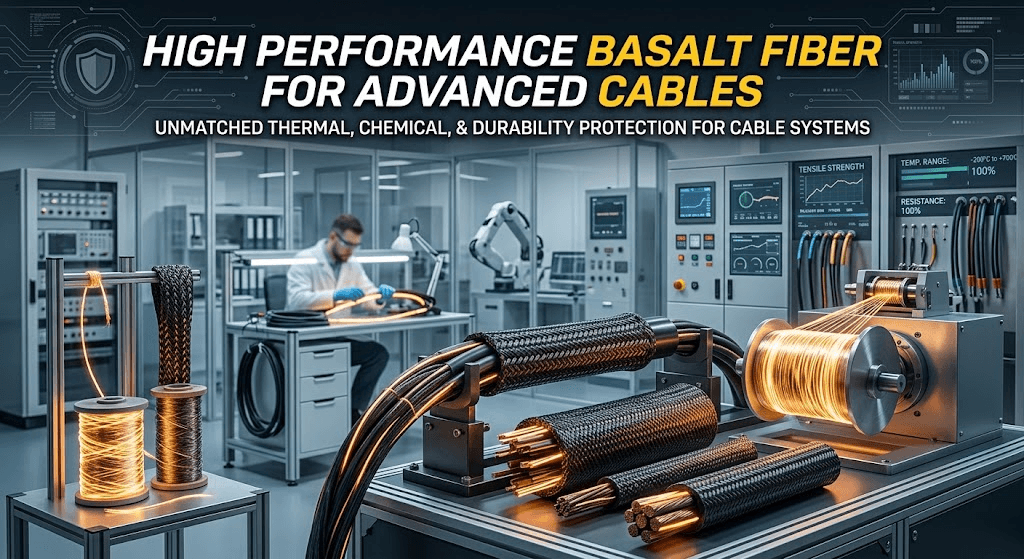
Compared to traditional PVC, rubber, and standard glass fiber, basalt fiber offers significant technical advantages when used for cable wrapping, sheathing, and filling:
- Superior Flame Retardancy, Fire Resistance, and High-Temperature Tolerance
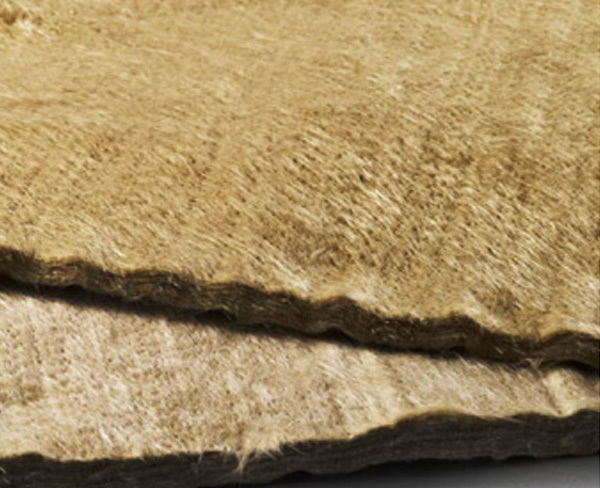
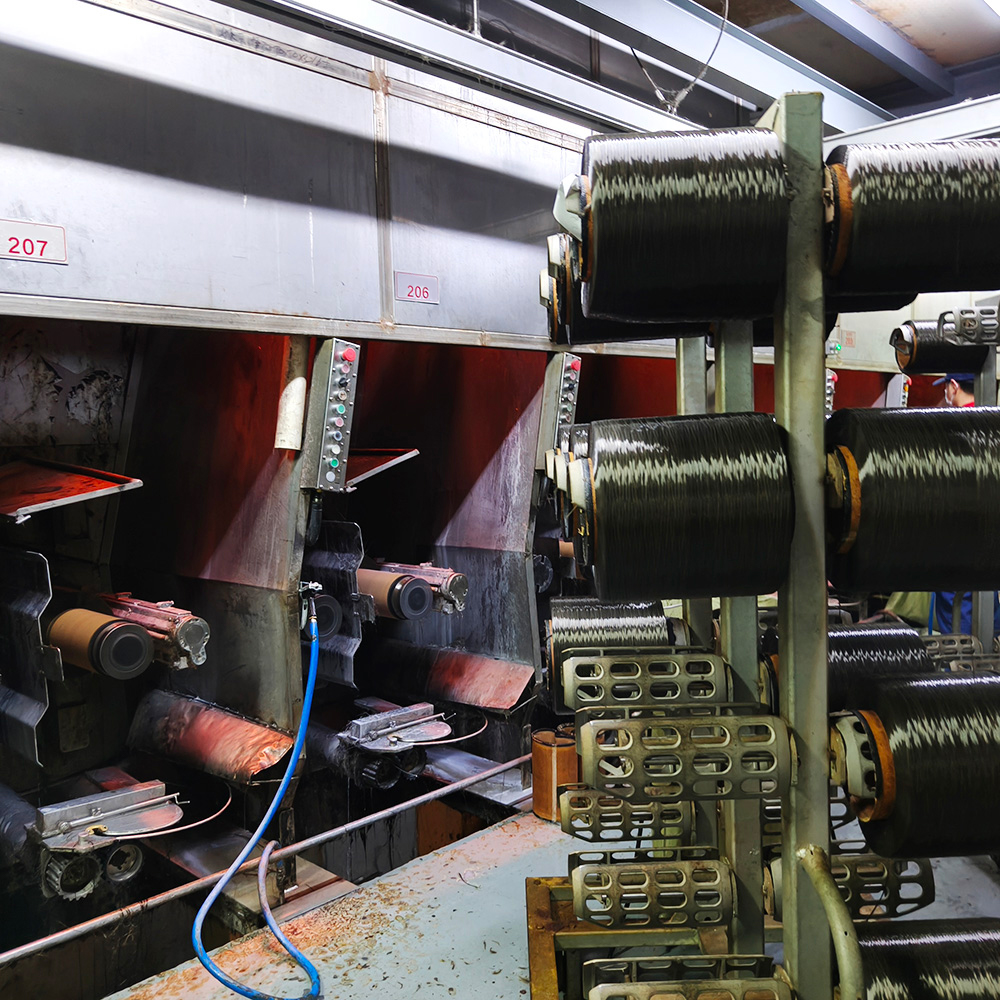
Produced by melting volcanic rock and rapidly drawing it into fibers, basalt fiber is inherently inorganic and fire-resistant. It functions across a broad temperature range (typically from -260°C to +800°C). It does not combust or release toxic smoke when exposed to high heat or fire, thereby greatly enhancing the fire-safety rating of specialized and safety-critical cables.
- Excellent Electrical Insulation and Corrosion Resistance
Basalt fiber possesses high dielectric strength and outstanding insulating properties. It is also highly resistant to acids, alkalis, and moisture, making it an ideal material for manufacturing high-voltage insulators, electrical insulating sheaths, and cables designed for complex environments, such as those installed underground or subsea.
- High Strength and Lightweight (High Specific Strength)
The tensile strength of basalt fiber is significantly higher than that of conventional glass fiber—approaching that of carbon fiber—while also offering excellent impact and fatigue resistance. When used as a tensile-reinforcement core or protective layer in cables, it significantly reduces the total weight of the cable while substantially enhancing its tensile strength.
- Eco-friendliness and Sustainable Development
The production process involves no harmful additives, and the material poses no environmental risk after disposal, fully complying with global environmental standards for electrical and electronic products (such as RoHS and REACH regulations).
II. Expanded Applications and Technical Potential of Basalt Fiber
The mechanical and chemical stability of basalt fiber materials not only benefits the cable industry but also demonstrates significant value across various high-tech sectors and infrastructure projects globally:
1. Construction and Infrastructure Reinforcement
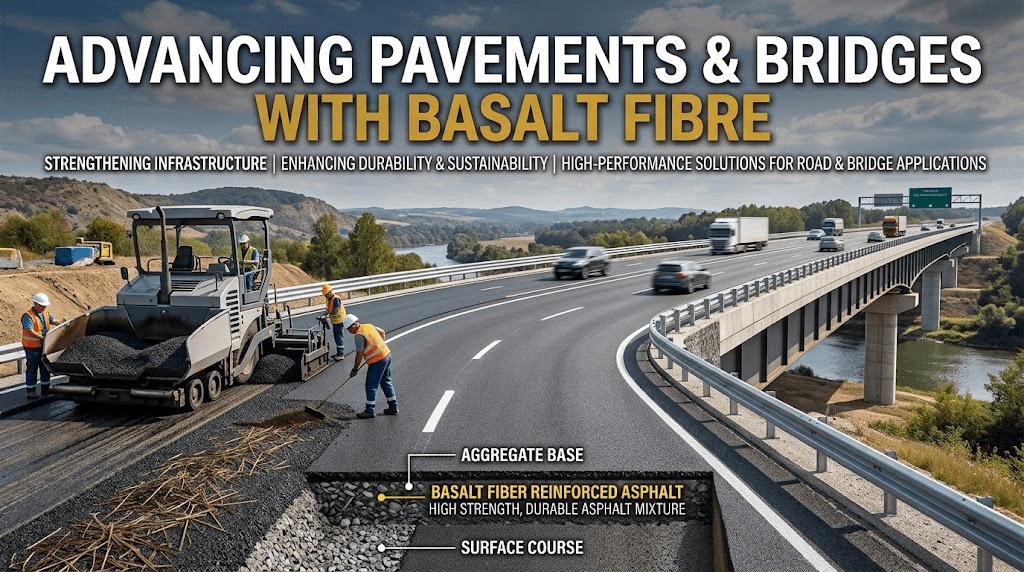
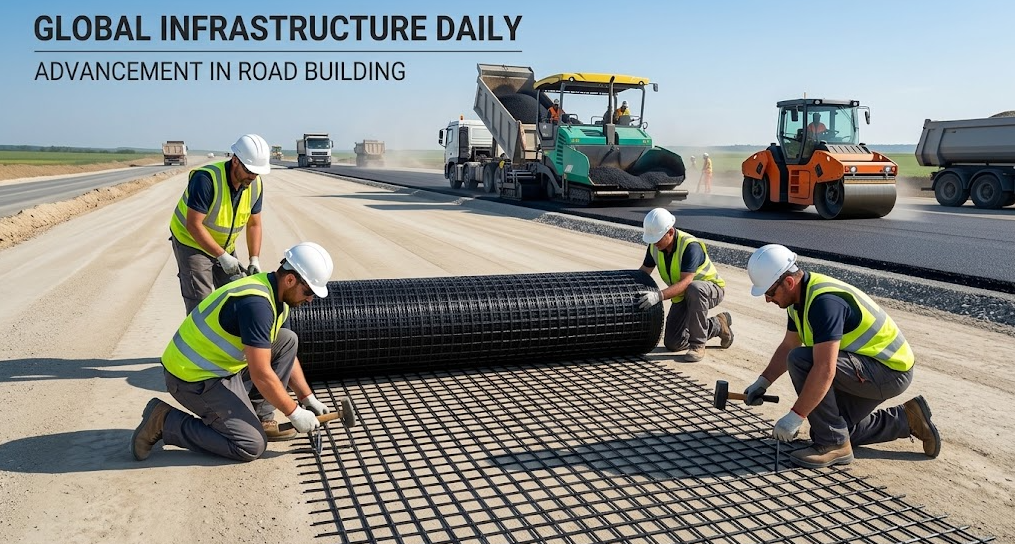
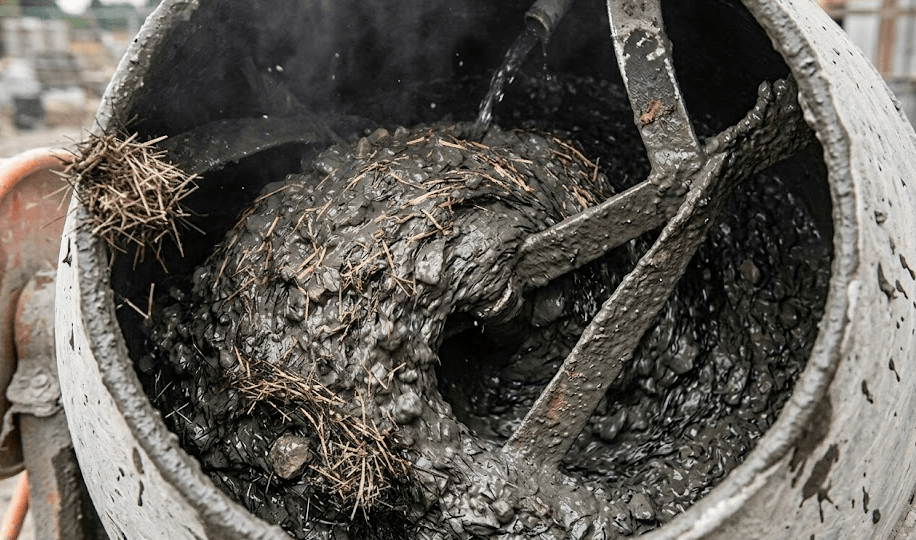
In bridges, tunnels, and high-rise buildings, Basalt Fiber Reinforced Polymer (BFRP) bars are increasingly used as an alternative to traditional steel rebar. Their high strength and corrosion resistance significantly improve the safety and service life of structural components (they are already widely used in Europe and North America for the reinforcement and maintenance of aging infrastructure).
2. Electronics, Electrical Systems, and Electromagnetic Shielding
Beyond its use in cable sheathing and insulators, basalt fiber—when surface-modified or treated with functional coatings—exhibits excellent electromagnetic shielding and wave-absorption properties, providing reliable protection against radiation for precision electronic equipment.
3. Applications in Extreme Environments (Aerospace and Defense)
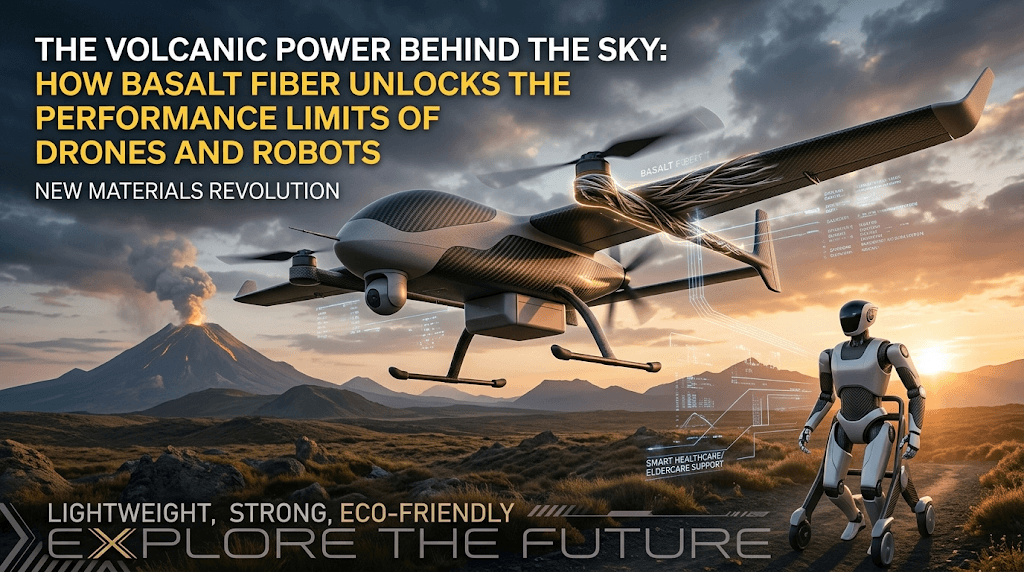
In the United States, Europe, and elsewhere, basalt fiber is utilized in military equipment (such as missile launchers and specialized vehicles) and aerospace applications (including lunar exploration projects and satellite components) to manufacture lightweight, high-temperature-resistant parts. This establishes a solid technical foundation for the future deployment of cables in extremely harsh environments, such as those encountered in aerospace or deep-sea operations.
4. Environmental Remediation and Advanced Materials
When treated with specific coatings, basalt fiber can be used in water treatment for oil-water separation and the adsorption of heavy metals. Furthermore, it shows great promise in the field of new energy storage—for instance, as a reinforcing material for battery separators—offering significant potential for both scientific research and industrial application.
Summary and Outlook
As a high-performance, eco-friendly, and innovative type of inorganic fiber, basalt fiber is emerging as a key driver in the high-end evolution of the cable industry, serving as a replacement for traditional polymer materials. It effectively addresses critical shortcomings of conventional cables—such as susceptibility to aging, poor resistance to temperature fluctuations, inadequate flame retardancy, and environmental concerns—while simultaneously opening doors for cable applications in high-end sectors, including new energy vehicles, rail transit, deep-sea exploration, and aerospace.