







Basalt Fiber Geogrid in Geotechnical Engineering: Technical Properties & Industrial Applications
Introduction
geogrids are indispensable geosynthetic materials used for soil stabilization and structural reinforcement across modern civil engineering. While traditional reinforcement options—such as polypropylene (PP), polyester (PET), and steel-plastic composite geogrids—are widely utilized, they present distinct operational limitations:
-
Polypropylene & Polyester Geogrids: Prone to high mechanical creep and low heat resistance during hot-mix asphalt application.
-
Steel-Plastic Geogrids: Vulnerable to long-term corrosion in saline, acidic, or alkaline environments.
Basalt Fiber Geogridsprovide an optimal high-performance alternative. Produced from 100% natural volcanic Basalt rock, basalt fibers are melted at temperatures exceeding 1,450°C and processed into continuous filaments. The resulting geogrid combines high tensile strength, exceptional thermal stability, superior corrosion resistance, and eco-friendly sustainability—making it a preferred choice for heavy-duty infrastructure projects.
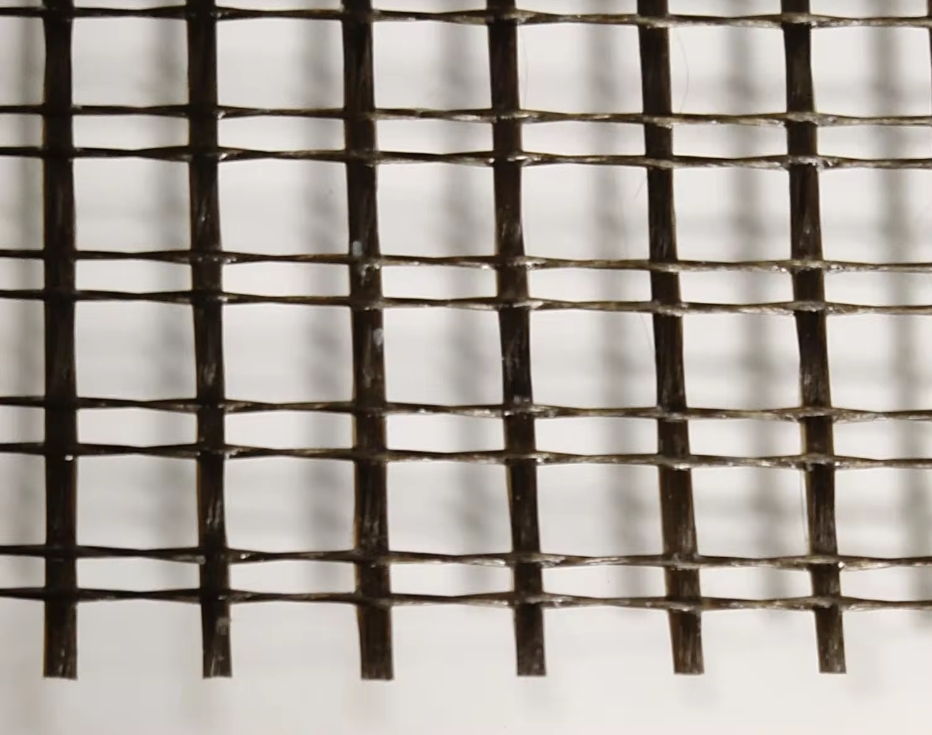
Manufacturing & Production Process
The production of high-quality basalt fiber geogrids involves three core manufacturing stages:
-
Continuous Fiber Drawing: Refined basalt ore is melted in a tank furnace at 1,450°C–1,500°C. The molten basalt is drawn through platinum-rhodium alloy bushing plates at high speed, creating continuous monofilaments with diameters ranging between 9 µm and 17 µm.
-
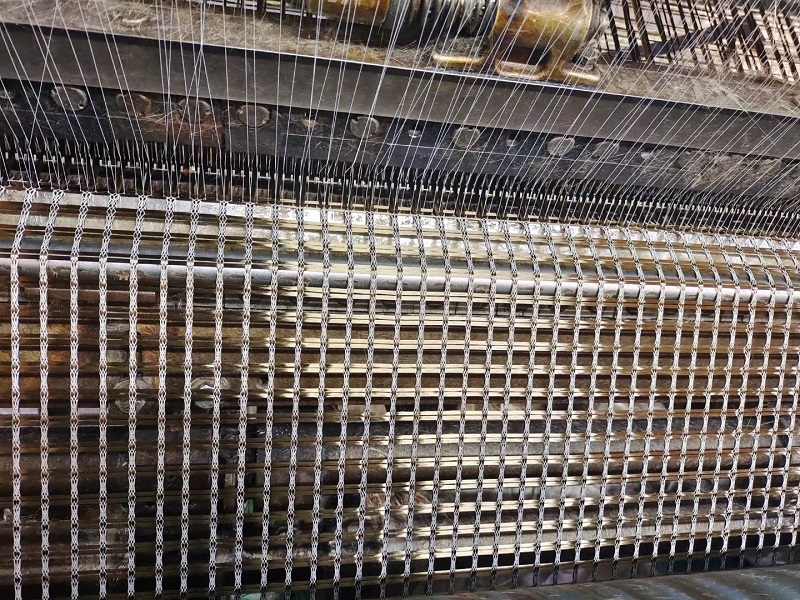
Grid Weaving: Using specialized warp-knitting machinery, the continuous fibers are woven into a uniform grid structure. Common mesh dimensions include 12.7 mm × 12.7 mm and 25.4 mm × 25.4 mm, with custom grid aperture sizes available based on engineering design requirements.
-
Impregnation & Protective Coating: The woven mesh is impregnated with a specialized modified bitumen or polymer emulsion coating, followed by thermal curing. This protective layer secures node intersections, prevents physical damage during installation, and dramatically enhances interfacial bonding with asphalt mixtures and surrounding soil.

Key Technical & Mechanical Properties
| Technical Parameter | Performance Metric / Specification | Engineering Advantage |
| Fiber Tensile Strength | 3,000 – 4,800 MPa | Exceptional load-bearing capability |
| Elastic Modulus | 90 – 110 GPa | High stiffness limits lateral soil displacement |
| Grid Tensile Strength | ≥ 50 kN/m to 200+ kN/m (Customizable) | Versatile reinforcement across load classes |
| Elongation at Break | ≤ 3.0% | Low deformation under heavy dynamic stress |
| Thermal Operating Range | -269°C to +700°C | Withstands extreme temperatures and hot asphalt paving |
| Long-Term Creep Strain | < 1.0% (at 60% ultimate load for 10,000 hrs) | Ensures permanent structural stability |
1. High Tensile Stiffness & Low Elongation
With a ultimate break elongation of under 3%, basalt fiber geogrids provide significantly higher tensile stiffness than plastic geogrids of equivalent mass. This high modulus effectively restricts lateral soil movement and prevents subgrade rutting under heavy traffic loads.
2. Outstanding Chemical & Corrosion Resistance
Basalt fibers exhibit exceptional resistance to chemical degradation in both acidic and alkaline environments. Laboratory testing shows that after 28 days of immersion in pH 3 (acidic) and pH 13 (alkaline) solutions, the tensile strength retention rate remains above 85%, ensuring long service life in aggressive soils and coastal areas.
3. Thermal Compatibility & Stability
Basalt fiber’s thermal expansion coefficient (~6.5 × 10⁻⁶/°C) closely matches that of concrete and hot-mix asphalt (HMA). It does not melt, shrink, or deform during hot asphalt installation, eliminating risk of debonding at high application temperatures.
Key Engineering Applications
1. Road & Asphalt Pavement Reinforcement
Placing basalt fiber geogrids between the asphalt surface layer and semi-rigid base mitigates reflective cracking caused by temperature fluctuations and traffic stress.
-
Reflective Crack Prevention: Extends pavement crack-delay performance by up to 300% compared to unreinforced sections.
-
Overlays & Resurfacing: Ideal for asphalt overlay projects on existing concrete or asphalt roads to increase overall pavement load capacity.
2. Soft Foundation & Subgrade Stabilization
When constructing embankments, logistics yards, or railways over soft or weak subgrades, basalt fiber geogrids distribute stress loads evenly across the foundation.
-
Reduces total subgrade settlement by 20% to 40%.
-
Restrains lateral displacement of subsoil, increasing bearing capacity and reducing aggregate base thickness requirements.
3. Reinforced Soil Slopes & Retaining Walls (MSE Walls)
In Mechanically Stabilized Earth (MSE) retaining walls and steep slopes, basalt geogrids act as high-tensile soil reinforcement. Interfacial friction and interlocking forces between aggregate particles and the geogrid apertures create a durable composite structure capable of withstanding heavy seismic and static loads.
4. Hydraulic & Coastal Infrastructure
Basalt geogrids are extensively used in riverbank protection, sea dikes, breakwaters, and reservoir seepage control. Thanks to their inherent salt and alkali resistance, they maintain structural integrity despite continuous exposure to seawater, moisture, and freeze-thaw cycles.

Conclusion & Outlook
Basalt fiber geogrids combine high mechanical strength, low creep, excellent corrosion resistance, thermal stability, and eco-friendly characteristics into a single reinforcement solution. As manufacturing technologies mature and production costs decrease, basalt fiber geosynthetics are rapidly becoming the preferred standard for critical infrastructure projects worldwide.
Looking for high-performance Basalt Fiber Geogrids for your next project?
Contact our engineering team today to request technical datasheets, custom mesh sizes, and factory-direct pricing.