




Beyond Traditional Geogrids: How Basalt Fiber Redefines Infrastructure Durability
Traditional geosynthetic reinforcement materials often suffer from issues such as aging, strength degradation, and significant creep when subjected to heavy loads, salt corrosion, high temperatures, or extreme cold. Derived from natural volcanic rock, basalt fiber geogridshave become a preferred reinforcement material for road, geotechnical, and slope engineering projects, thanks to their superior combination of high strength, Corrosion Resistance, high-temperature stability, and creep resistance.

I. Industry Pain Points: Limitations of Traditional Reinforcement Materials
In highway reconstruction and expansion, soft soil foundation treatment, and slope reinforcement projects, geogrids serve as critical materials for controlling settlement and inhibiting reflective cracking. Plastic geogrids tend to soften in high-temperature environments and exhibit significant creep under long-term loads. Fiberglass geogrids have limited chemical resistance; their mechanical properties degrade sharply during long-term service in saline soils or acidic/alkaline environments. Steel reinforcement materials face the risk of corrosion, which significantly shortens the project's service life. Feedback from numerous reconstruction and expansion projects indicates that the root cause of many early-stage pavement defects lies in the insufficient durability of the reinforcement layer materials. The industry urgently requires new reinforcement solutions that combine high strength, weather resistance, and corrosion resistance.
II. Principles and Core Performance of Basalt Fiber Geogrids
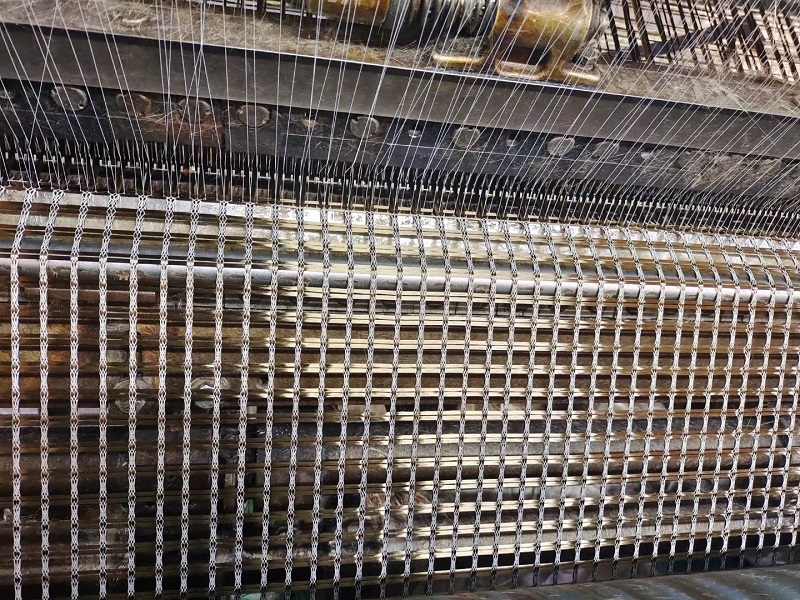
Basalt fiber geogrids are produced by melting natural basalt ore at high temperatures to draw continuous fibers, which are then formed into a semi-rigid mesh reinforcement substrate through warp-knitting and surface-modifying coating processes. They feature high strength in both longitudinal and transverse directions, low elongation at break, and excellent creep resistance. As inorganic silicate materials, they are resistant to acids, alkalis, and salt corrosion. They also exhibit outstanding high-temperature resistance—making them suitable for hot asphalt paving—and maintain stable performance in extreme temperature fluctuations, alongside superior aging resistance.
Key Performance Highlights: High Strength and Low Elongation: High tensile strength and elongation at break of <4% effectively constrain soil displacement and reduce uneven subgrade settlement. Corrosion and Aging Resistance: Being inorganic fibers, they resist erosion from acids, alkalis, and salt ions when buried underground, maintaining high strength retention over long service periods. High and Low-Temperature Resistance: They withstand the high temperatures of asphalt construction and do not easily become brittle or age in environments characterized by extreme cold or intense sun exposure. Ease of Construction: Lightweight and easy to handle; on-site overlapping and tying require no complex processes, thereby shortening construction schedules. Green and Low-Carbon: Made from natural mineral raw materials, they release no harmful substances and do not cause soil pollution from microplastics.
III. Mainstream Engineering Applications
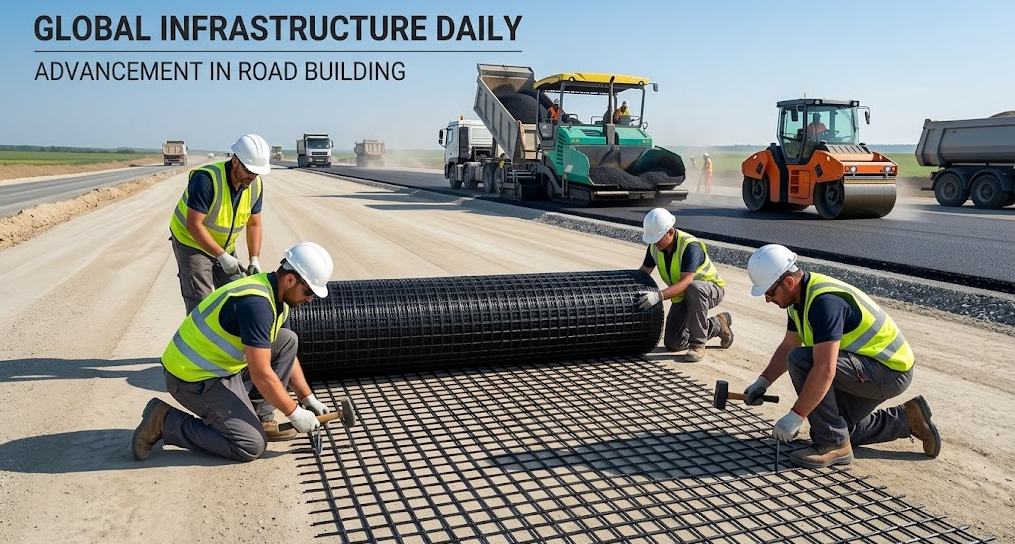
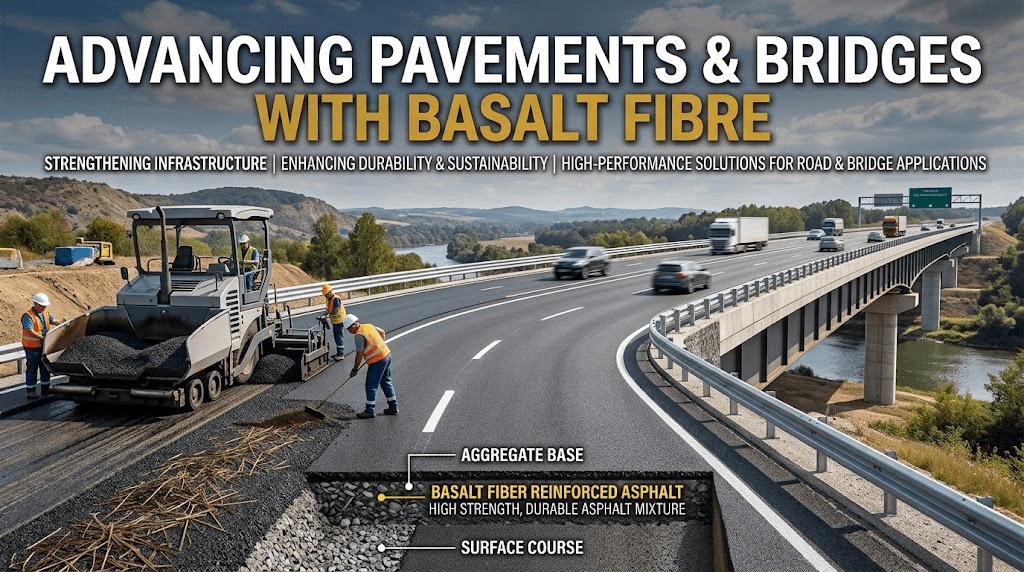
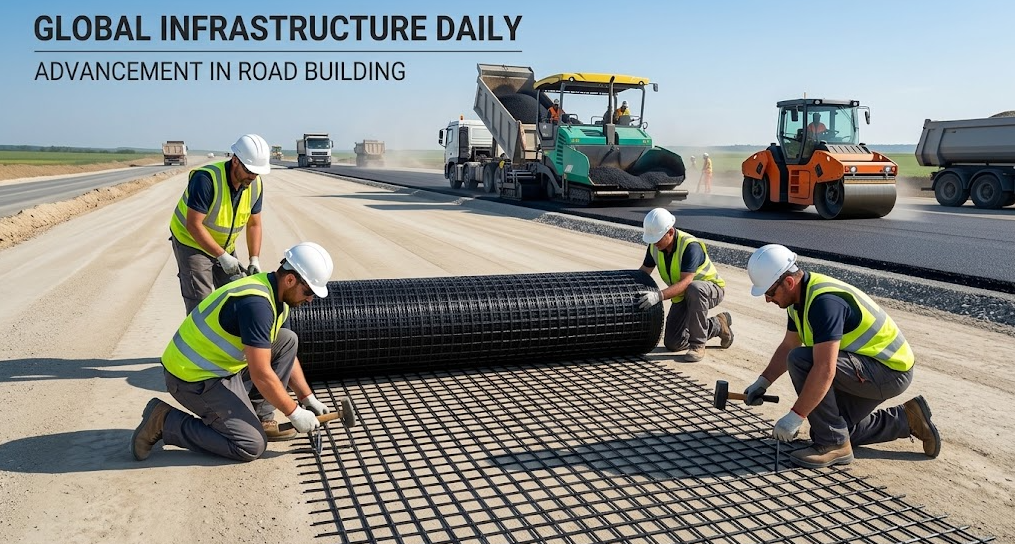
Municipal and highway engineering: Joining new and old pavement sections and mitigating reflective cracking in asphalt surfaces; subgrade reinforcement to enhance overall load-bearing capacity. Geotechnical slope and mine remediation: Slope protection and reinforced backfill for retaining walls to stabilize geotechnical structures. Heavy-duty sites: Foundation reinforcement for wharves, large parking lots, and airport runways. Hydraulic engineering and culverts: Culvert backfill reinforcement; foundation treatment in soft soil and saline-alkali soil regions.
IV. Selection and Engineering Considerations
Basalt geogrids are not a universal solution; strength specifications must be determined based on geological conditions, load ratings, and design requirements. Their advantages in terms of comprehensive cost-effectiveness become particularly pronounced in projects involving saline-alkali soils, coastal environments (salt spray exposure), extreme temperature fluctuations (high heat or severe cold), and heavy traffic loads. Against the backdrop of "Dual Carbon" infrastructure goals, new composite materials—characterized by long service lives and low maintenance requirements—are increasingly being adopted in key infrastructure projects.
Conclusion: Infrastructure engineering relies 70% on design and 30% on materials. Although reinforcement layers are often concealed, they directly determine the full lifecycle performance of road and geotechnical projects. With their exceptional durability, basalt fiber geogrids offer a novel approach to ensuring long-term engineering safety.