




Chopped Basalt Fiber in Asphalt Pavements: Why "More" is Not Always Better
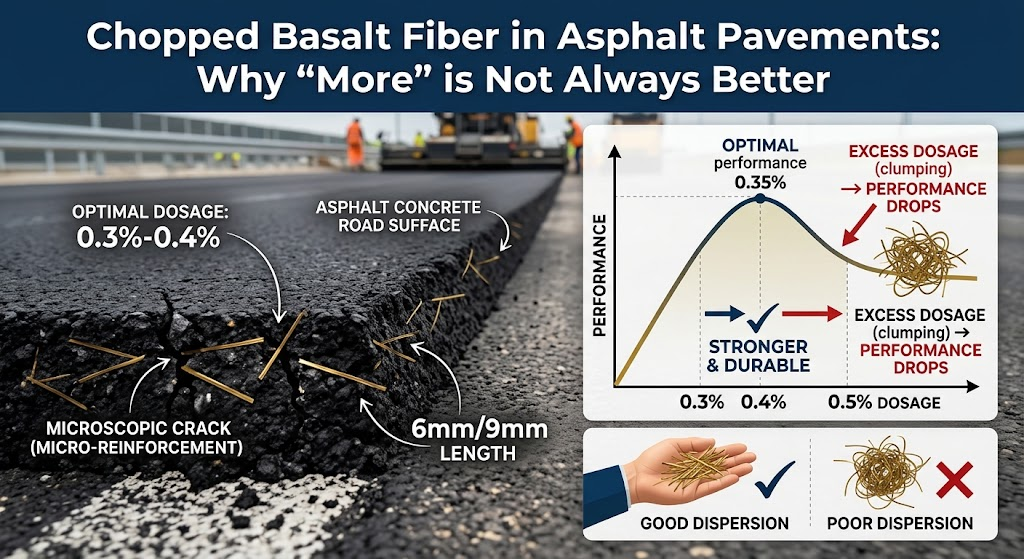
When it comes to asphalt mixtures, contractors often operate under a common assumption: the more fiber you add, the stronger the pavement will be. However, when working with chopped Basalt Fiber, this intuition leads to the wrong results. Increasing the dosage from 0.3% to 0.6% can actually cause performance to drop rather than rise.
The true secret to success relies on the precise coordination of three key variables: fiber length, dosage, and surface treatment.
01 What is Chopped Basalt Fiber?
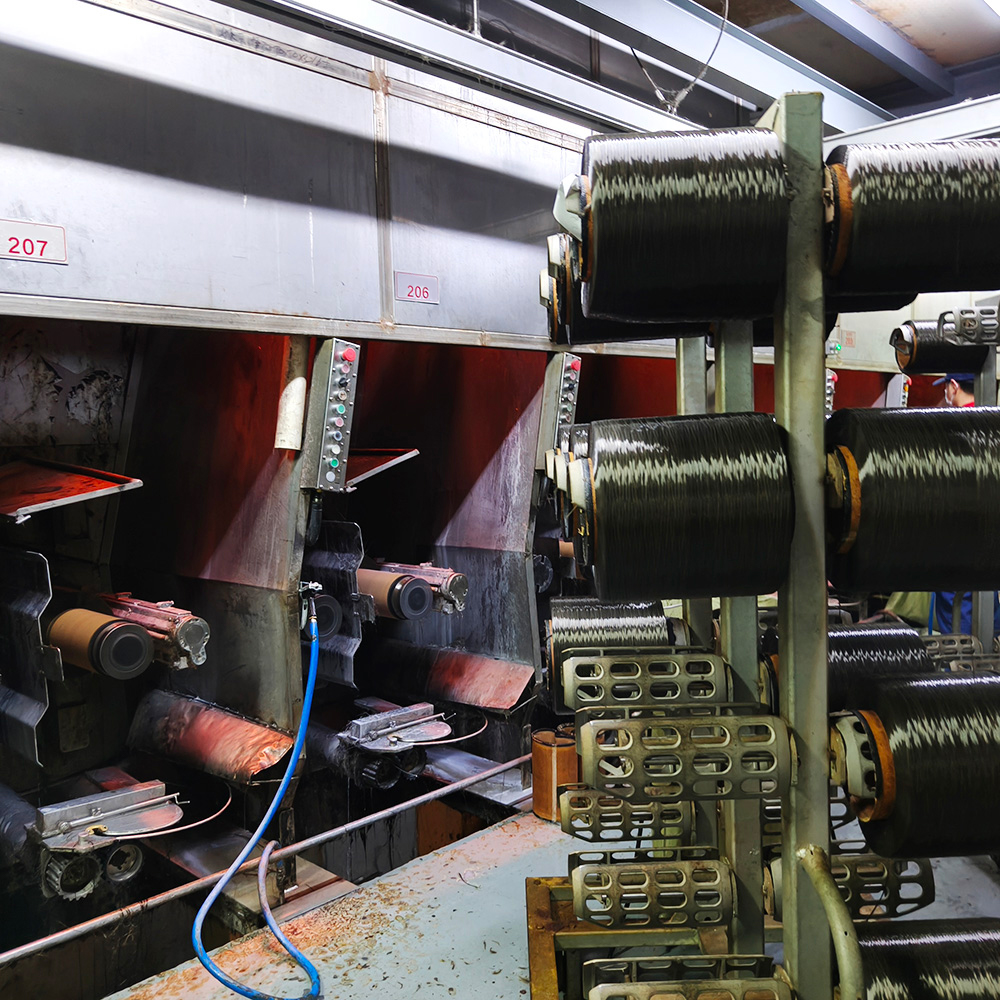
Chopped basalt fiber is not just continuous fiber randomly cut into pieces.Its production process involves melting natural Basalt Rock at temperatures above 1450°C, high-speed drawing through platinum-rhodium alloy bushings into continuous filaments, and then cutting them into standard lengths (such as 6mm or 9mm) with oil-philic or hydrophilic surface sizing.
It is essential to distinguish chopped fibers from other basalt products:
-
Continuous Rovings: Long-line raw materials used for weaving geogrids or pultruding structural rebar.
-
Chopped Basalt Fiber: Rovings cut into 6–12mm segments, directly mixed into asphalt concrete or cement concrete.
-
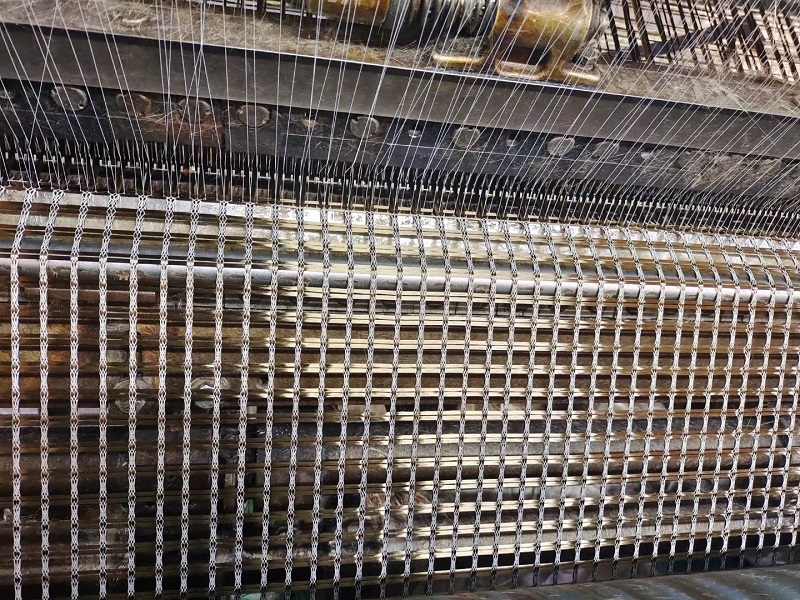
Geogrids & Meshes: Planar grid reinforcement materials laid between pavement layers.
In short: Chopped fibers provide micro-reinforcement distributed randomly within the mix (controlling internal micro-cracking and increasing toughness), while geogrids provide macro-reinforcement at layer interfaces (managing stress transfer and reflective cracking).
02 The Three Critical Variables That Dictate Performance
Variable 1: Fiber Length — Choosing Between 6mm and 9mm
Current mainstream specifications require length tolerances within ±1mm. Why is length so sensitive? Fibers must effectively "bridge" micro-cracks within the asphalt matrix.
-
If the fiber is too short, the bridging effect is insufficient.
-
If the fiber is too long, it tends to clump during mixing and disperses unevenly.
-
6mm Chopped Basalt Fiber: Ideal for fine-graded asphalt mixtures like SMA-13, offering excellent dispersion and resistance to clumping.
-
9mm Chopped Basalt Fiber: Suitable for medium-graded layers like AC-20, providing a wider bridging range but requiring stricter mixing techniques.
Variable 2: Dosage — The 0.3% to 0.4% Sweet Spot
This is the most misunderstood parameter. While recommended asphalt mixture dosage ranges from 0.3% to 0.6%, technical codes suggest an optimal range of 0.3% to 0.4%.
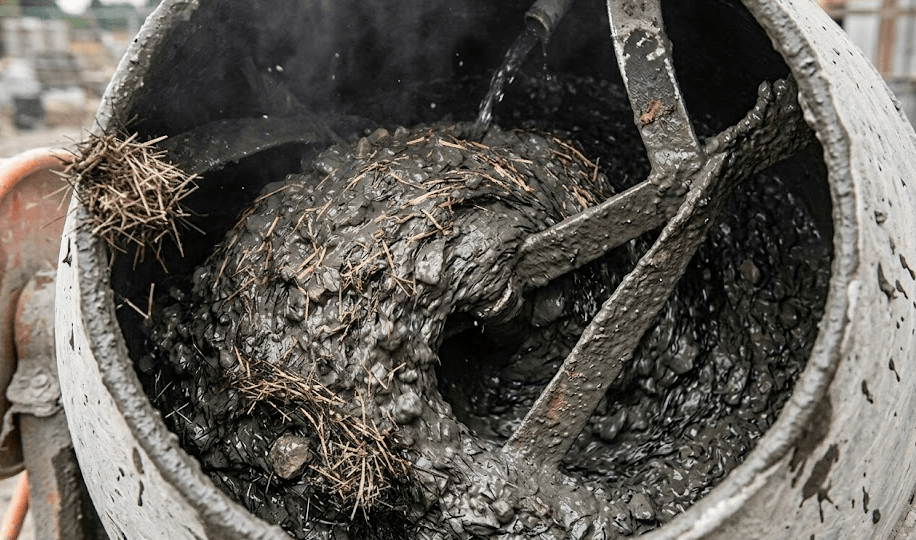
As dosage increases beyond this threshold, the performance of SMA-13 mixtures first increases and then decreases. Exceeding the optimal range causes fibers to clump and disperse poorly, ultimately weakening the mixture.
-
Why? Fibers adsorb asphalt. Too little fiber leaves the asphalt mastic lacking a skeleton structure; too much fiber absorbs excessive free asphalt, making the mixture brittle and reducing its workability.
Variable 3: Surface Treatment — Oil-Philic vs. Hydrophilic
Chopped basalt fibers must undergo specialized surface treatment (sizing) to bond effectively with the surrounding matrix:
-
Oil-Philic Sizing: Modified to maximize interfacial adhesion with asphalt, making it ideal for asphalt concrete.
-
Hydrophilic Sizing: Designed to bond well with cement matrices, making it ideal for cement concrete.
-
Buying Tip: Always check the sizing type specified by the supplier. Using oil-philic fibers in cement concrete (or vice versa) will significantly compromise engineering performance.
03 Comparing Chopped Basalt Fiber with Traditional Alternatives
Chopped basalt fiber is replacing traditional alternatives in specific scenarios:
-
Lignin Fibers: Primarily used to absorb oil and stabilize asphalt mastic in standard SMA pavements. While lignin remains an economical choice for regular roads, chopped basalt fiber offers superior thermal and high-temperature stability for heavy-load routes.
-
Steel Fibers: In marine or de-icing salt environments, steel fibers are prone to corrosion and expansion, which cracks concrete from within (as seen in major coastal infrastructure projects like the Xiamen Second East Passage). Basalt fibers eliminate this corrosion risk entirely.
04 Real-World Applications: Where Is It Used?
Case Study: Xiamen Second East Passage (Marine Environment)
Due to severe marine salt-spray corrosion, traditional steel fibers used in bridge expansion joints and overlays tended to rust and expand. The project successfully replaced steel fibers with sizing-treated chopped basalt fibers to enhance concrete durability and driving safety—a rational material selection driven by environmental resistance. Over 500 kilometers of highway applications across diverse climates (from frigid northeastern winters to humid southern coastal regions) have further validated its reliability in the field.
05 Common Engineering Misconceptions
-
"More fiber equals a stronger road." — False. Road performance peaks and then drops as dosage increases. Stick to the 0.3%–0.4% optimal range.
-
"Basalt fibers and lignin fibers are interchangeable." — False. Lignin absorbs oil; basalt reinforces and toughens. Replacing them requires completely re-evaluating Marshall stability and rutting tests.
-
"Chopped fibers and geogrids are the same thing." — False. One provides internal micro-reinforcement, while the other provides interface macro-reinforcement.
Summary: A 4-Step Selection Framework for Engineers
When planning your next asphalt or concrete project involving chopped basalt fiber, follow these steps:
-
Analyze the Environment: Is the project located in a coastal, saline-alkali, high-altitude UV, or severe cold region? (Basalt fiber shines in harsh environments).
-
Match the Sizing: Use oil-philic chopped fibers for asphalt mixtures and hydrophilic fibers for cement concrete.
-
Optimize the Dosage: Start trial mixes at 0.3% and adjust in 0.1% increments to find the sweet spot.
-
Verify Standards: Ensure products align with recognized international or regional standards (such as JT/T 776.1 or equivalent technical codes).
Get the right length, the right dosage of 0.3%–0.4%, and proper oil-philic treatment to achieve high-performance micro-reinforcement in your asphalt mixtures.