
Leave Your Message
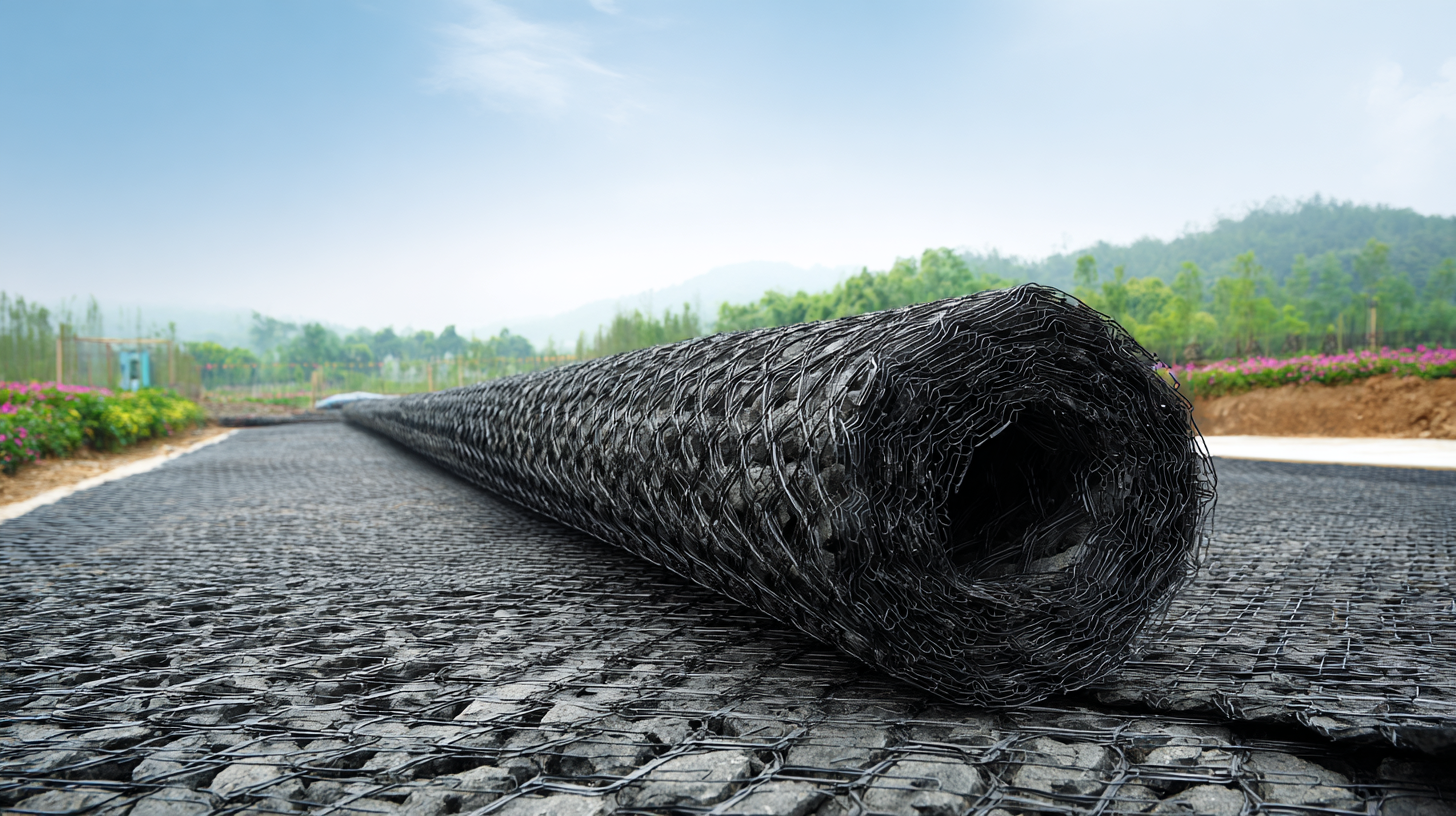
The 138th China Import and Export Fair in 2025 is really shaping up to be a big deal, especially when it comes to showcasing some of the newest materials and tech out there. One of the stars this time around is Basalt geogrid, which is gaining quite a bit of attention. 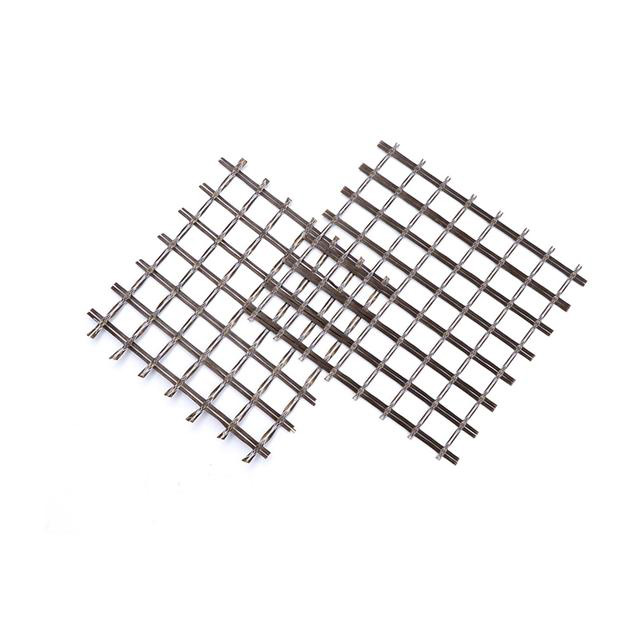 China Beihai Fiberglass Co., Ltd., a major player in the Basalt Fiber world here in China, is leading the charge with some pretty exciting advancements. They’re highlighting howBasalt Geogrid can really make a difference in civil engineering and geotechnical projects — it’s all about better durability and eco-friendliness compared to the old-school materials. Recent reports suggest that the global market for basalt fiber is expected to grow by over 10% annually, thanks to its strength and greener profile. With infrastructure needs skyrocketing, using Basalt Geogrid is becoming more and more crucial for building stable, long-lasting structures.
Through this fair, companies like China Beihai hope to connect with new partners and clients and show off their dedication to sustainable innovations and the huge potential that Basalt Geogrid offers for modern engineering. It’s pretty exciting to see how these advancements are shaping up for the future!
The 138th China Import and Export Fair in 2025 is really shaping up to be a key event—kind of a big deal in showcasing the latest in basalt geogrid tech, especially for construction projects. You know, basalt geogrids, which are made from volcanic rock, are really gaining ground because they’re strong, durable, and eco-friendly. They’ve got this incredible tensile strength and can really hold up over time, making them super useful for stabilizing soils and spreading out loads in all kinds of construction sites.
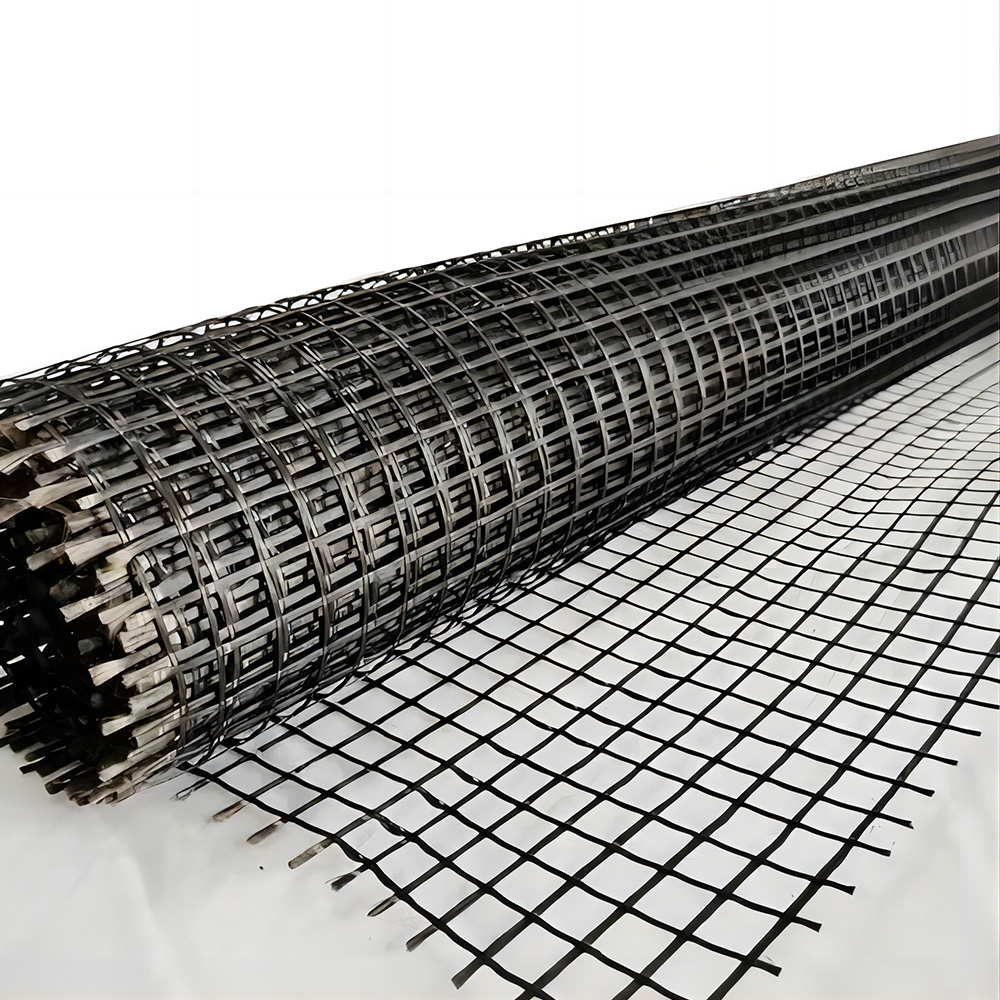
What’s exciting is that recent advances in how these geogrids are made—using new manufacturing methods and better materials—are taking things to the next level. These days, you get products that not only meet the standards but often go beyond them. The cool thing about the new designs is how flexible they are—adapting better to the different conditions you see out on site. Plus, using basalt geogrids can help save money on materials, speed up project timelines, and even cut down on environmental impact. When people from all around the world gather at this fair, it’s clear that these innovations could really change the game and push us toward greener, more sustainable construction practices.
All in all, it’s pretty exciting to see how these developments could shape the future of building more responsibly and efficiently,” she said, hinting at just how big of a role basalt geogrids might soon play in the industry.
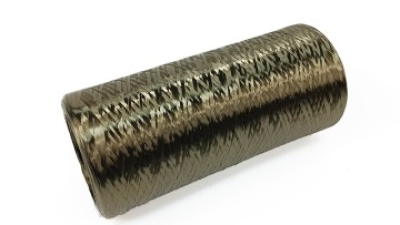
High-quality basalt fiber roving is revolutionizing the way reinforced structures are designed and constructed. Derived from natural basalt rock, this continuous bundle of fibers offers remarkable tensile strength, making it an ideal reinforcement material for a variety of applications. When incorporated into concrete, composites, or other construction materials, basalt fiber enhances structural integrity, increases durability, and prolongs lifespan. Its exceptional thermal properties allow it to withstand extreme temperatures, further broadened by its resistance to corrosion and chemical attack.
The versatility of basalt fiber roving extends beyond the construction industry; it finds significant applications in automotive and aerospace sectors as well. In automotive manufacturing, it contributes to weight reduction while maintaining high strength, thereby improving fuel efficiency. Furthermore, the aerospace industry benefits from basalt's lightweight and robust characteristics, which contribute to aircraft performance and safety. As industries seek sustainable and high-performance materials, basalt fiber roving stands out as a forward-thinking solution that meets modern engineering demands.
: Basalt geogrids are synthetic materials made from volcanic rock, known for their high tensile strength, durability, and eco-friendliness. They are significant in construction as they enhance soil stability, improve load distribution, and support sustainable building practices.
Basalt geogrids offer superior mechanical properties and environmental benefits compared to traditional synthetic geosynthetics. They are more durable, stronger, and contribute to reducing environmental impacts associated with construction projects.
Recent innovations include advanced manufacturing techniques that enhance the flexibility and performance of basalt geogrids, ensuring they adapt better to various construction conditions and exceed industry standards.
Using basalt geogrids helps reduce reliance on non-renewable resources and lowers the overall environmental footprint of construction projects, making them a more sustainable material choice.
Project managers should analyze site conditions thoroughly to select the optimal geogrid design and installation method. Collaborating with experts in geosynthetic materials can also provide valuable insights for effective application.
Basalt geogrids can be applied in various projects, including road construction, erosion control, and other infrastructure developments, due to their strong performance in diverse engineering applications.
The fair will showcase advanced solutions and innovative products from notable exhibitors, highlighting the unique properties of basalt geogrids and demonstrating their versatility in construction applications through live demonstrations and interactive displays.
It serves as a pivotal platform for global stakeholders to collaborate and explore groundbreaking innovations in the construction materials sector, with a specific focus on the advancements in basalt geogrid technology.
Recent developments have drawn inspiration from historical architectural examples, such as the Taj Mahal, to create eco-friendly geogrids that further enhance the sustainability of construction techniques.
They can lead to reduced material costs and quicker project completion times, ultimately benefiting overall project efficiency and lowering the financial burden on construction projects.
So, at the 138th China Import and Export Fair held in 2025, they really spotlighted some pretty exciting advances in Basalt Geogrid tech. It’s clear that this stuff is playing a bigger role in construction these days. What’s really cool is how integrating Basalt Geogrid into greener building practices highlights its environmental perks, especially when you compare it to older, more traditional materials. They even did a side-by-side analysis, and honestly, Basalt Geogrid just outperforms a lot of the old-school options — it's tougher, more durable, and stronger, which makes it a top pick for modern engineering projects.
The event also had some big-name exhibitors, like China Beihai Fiberglass Co., Ltd., known for their high-performance basalt continuous fibers. Plus, there was quite a bit of chatter about where Basalt Geogrid is headed next. It’s pretty clear this market is getting bigger, especially as more folks push for sustainable construction methods. All in all, it seems like Basalt Geogrid is becoming a key player — helping us build smarter and greener at the same time, which is pretty exciting.