
Leave Your Message
You know, in Construction these days, using innovative materials has become pretty much a must if you want structures that last and stay solid. One material that's really catching people's attention lately isBasalt Mesh. It’s showing some pretty impressive results — we're talking about 30% more durability compared to the old-school reinforcement methods. I mean, that's a big deal! And it's not just a fluke; industry reports are showing a real bump in demand for high-performance fibers. The global market for basalt fiber is expected to hit around USD 191 million by 2026. China Beihai Fiberglass Co., Ltd. is really leading the charge here — they’re this high-tech company focused on researching, developing, and manufacturing basalt continuous fiber and all the equipment around it. They’re kind of a giant in China’s basalt fiber scene, always pushing for new, smarter solutions that meet the needs of modern construction. Honestly, Basalt Mesh could be a game-changer for engineers and architects alike, making building stronger and more reliable than ever before.
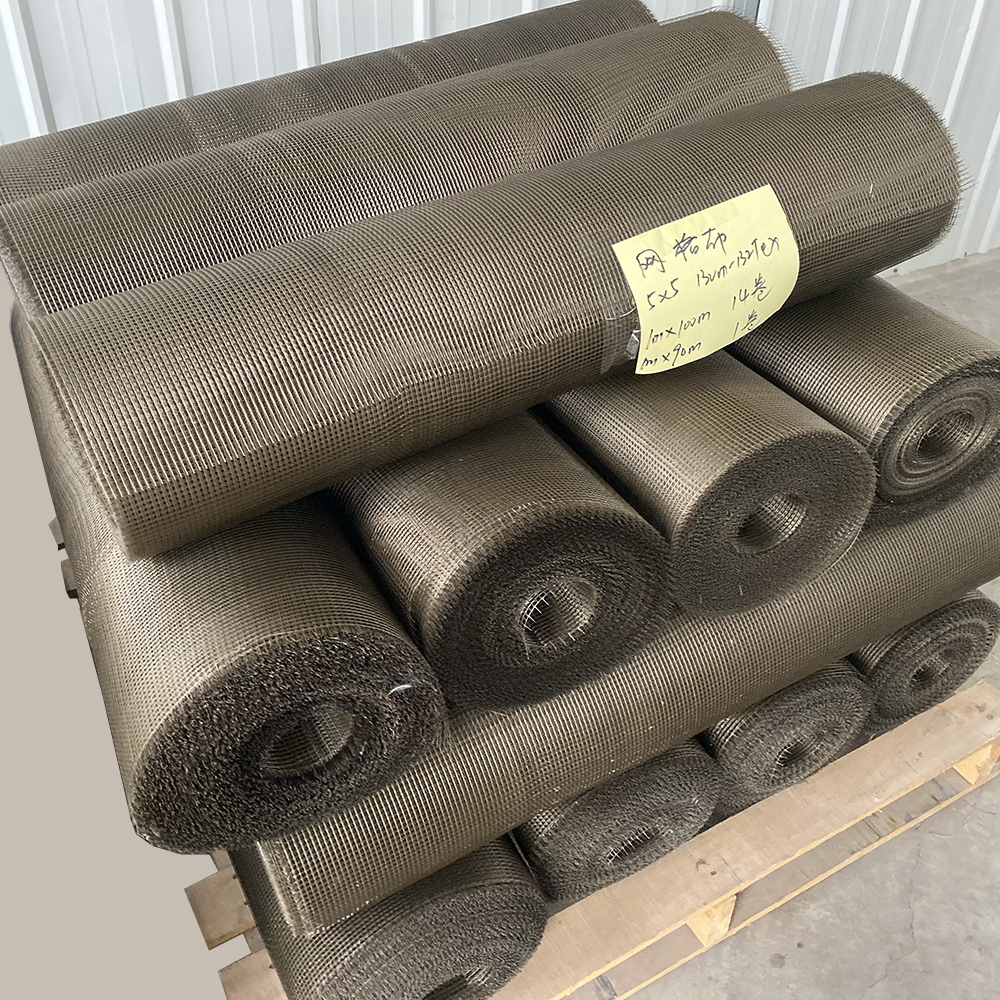
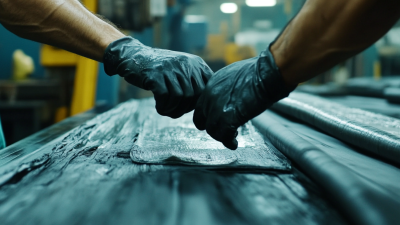
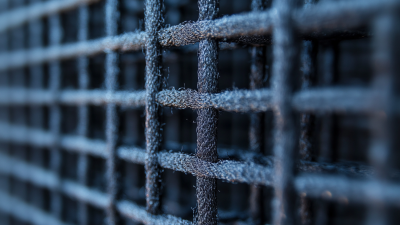
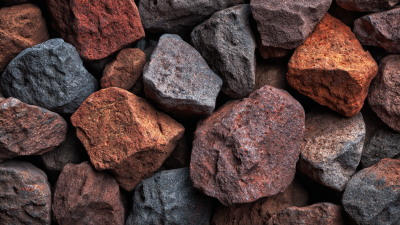
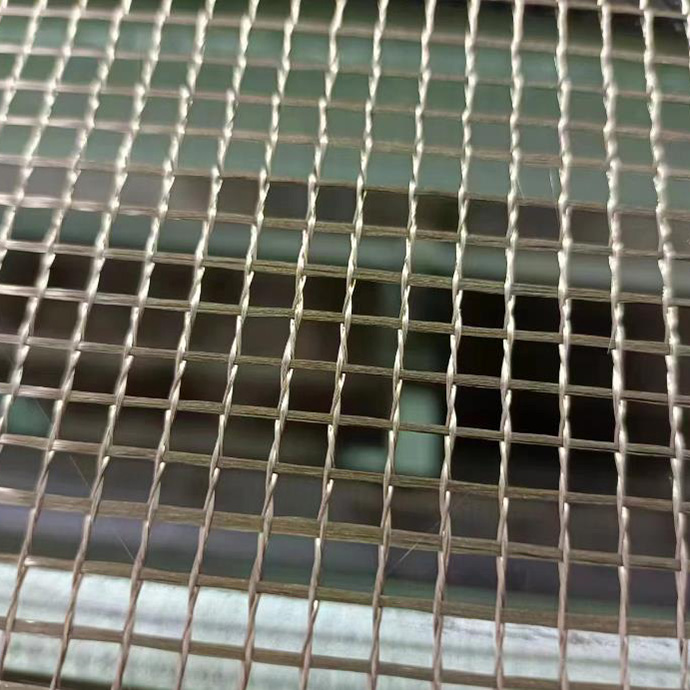
Have you heard about basalt mesh? It's seriously shaking things up in the construction world lately. Basically, it's a new building material made from volcanic rock, and it brings some pretty impressive benefits. Unlike your usual reinforcement stuff, basalt mesh has this awesome strength and flexibility that really boost how sturdy a structure can be. Its high tensile strength means it can handle tension and bending much better, which makes it super useful for all kinds of projects—whether you're working with concrete or prefab parts.
And get this — it actually outperforms traditional steel rebar when it comes to bearing loads. That’s a game-changer, especially in tough environments where materials face extreme conditions. Using basalt mesh, builders can design structures that not only support heavier loads but also last way longer. Because it's so durable, these buildings stay solid and intact over time, so you don’t have to spend as much on repairs or replacing parts. All in all, it’s a smarter, more sustainable way to build — and honestly, it’s pretty exciting to see what’s coming next in construction technology.
| Benefit | Description | Impact on Construction |
|---|---|---|
| Enhanced Durability | Basalt mesh offers improved resistance to environmental factors compared to traditional materials. | Increased lifespan of structures, reducing maintenance costs. |
| Lightweight | Basalt mesh is significantly lighter than steel reinforcement. | Easier handling and installation, leading to lower labor costs. |
| Corrosion Resistance | Resistant to chemical exposure, moisture, and alkalis. | Increases safety and reliability of structures in harsh conditions. |
| Enhanced Load-Bearing Capacity | Higher tensile strength compared to other reinforcement materials. | Allows for design of lighter structures with greater stability. |
| Eco-Friendly | Made from natural volcanic rock, contributing to sustainability. | Reduces carbon footprint in construction projects. |
: Basalt mesh is a reinforcement material made from volcanic rock, known for its enhanced strength and load-bearing capacity. It is used in various construction applications, including concrete and prefabricated components, improving structural integrity.
Basalt mesh surpasses conventional steel reinforcement in load-bearing capacity. This makes it particularly effective for structures subjected to extreme conditions, allowing them to support heavier loads.
Basalt mesh exhibits exceptional durability, allowing concrete structures to last up to 30% longer than those reinforced with steel. Its thermal stability and corrosion resistance contribute to an extended lifespan.
Basalt mesh remains stable and unaffected by high temperatures, making it suitable for use in fire-prone areas and enhancing the durability of reinforced structures.
Basalt mesh is highly resistant to corrosion compared to traditional materials like steel, which rusts when exposed to moisture and harsh chemicals. This characteristic reduces maintenance costs and extends the lifespan of structures.
By minimizing degradation and the need for repairs, basalt mesh decreases waste and resource consumption in construction. Additionally, being made from natural volcanic rock, it serves as an eco-friendly alternative to synthetic materials.
Structures reinforced with basalt mesh require less frequent repairs and replacements due to its durability and corrosion resistance, leading to significantly lower maintenance costs over time.
Basalt mesh offers enhanced performance characteristics, such as increased strength, load-bearing capacity, durability, and corrosion resistance, while also promoting sustainability, making it an attractive option for contemporary construction practices.
You know, Basalt Mesh is really shaking up the construction world. It offers way better strength and load-bearing capacity, making it a top pick for modern building projects. Plus, it’s super lightweight, which means it cuts down on the overall structural load, and it lasts longer thanks to its incredible durability. And here’s the cool part—being resistant to corrosion, it’s a reliable alternative to traditional materials, so your projects end up more cost-effective over time.
China Beihai Fiberglass Co., Ltd. is really leading the charge with this tech. They specialize in researching and making high-performance basalt continuous fiber. By using the awesome properties of Basalt Mesh, they’re not just dominating the local basalt fiber scene—they’re also pushing towards more sustainable and efficient construction methods. Pretty impressive, right?