
Leave Your Message
Basalt Rebar is a material that is rapidly becoming recognized as a very good alternative for conventional steel reinforcement with the changing demand of construction materials. The greater the demand for construction materials around the globe, the more their qualities even surpass strength and durability, taking into consideration resistance to weathering and environmental conditions. Global Market Insights reports that the basalt fiber market is expected to hit $760 million in 2026, marking the notable spike in demand owing to its Lightweight and resistance to corrosive environments.
In the drive of this new industry, China Beihai Fiberglass Co., Ltd. is an entity that specializes in research, development, manufacture, and sales of high-performance basalt continuous fiber together with related production equipment. Our factory has been a vanguard one in the Russian domestic basalt fiber industry, and our quality and future-oriented advancements have made us a trusted source for buyers worldwide in search of reliable and effective Basalt Rebar Solutions. With its predominantly high mechanical properties and gaining fresh market acceptance, Basalt Rebar honestly overcomes the contemporary challenges of construction and provides a way for newer sustainable construction methods.
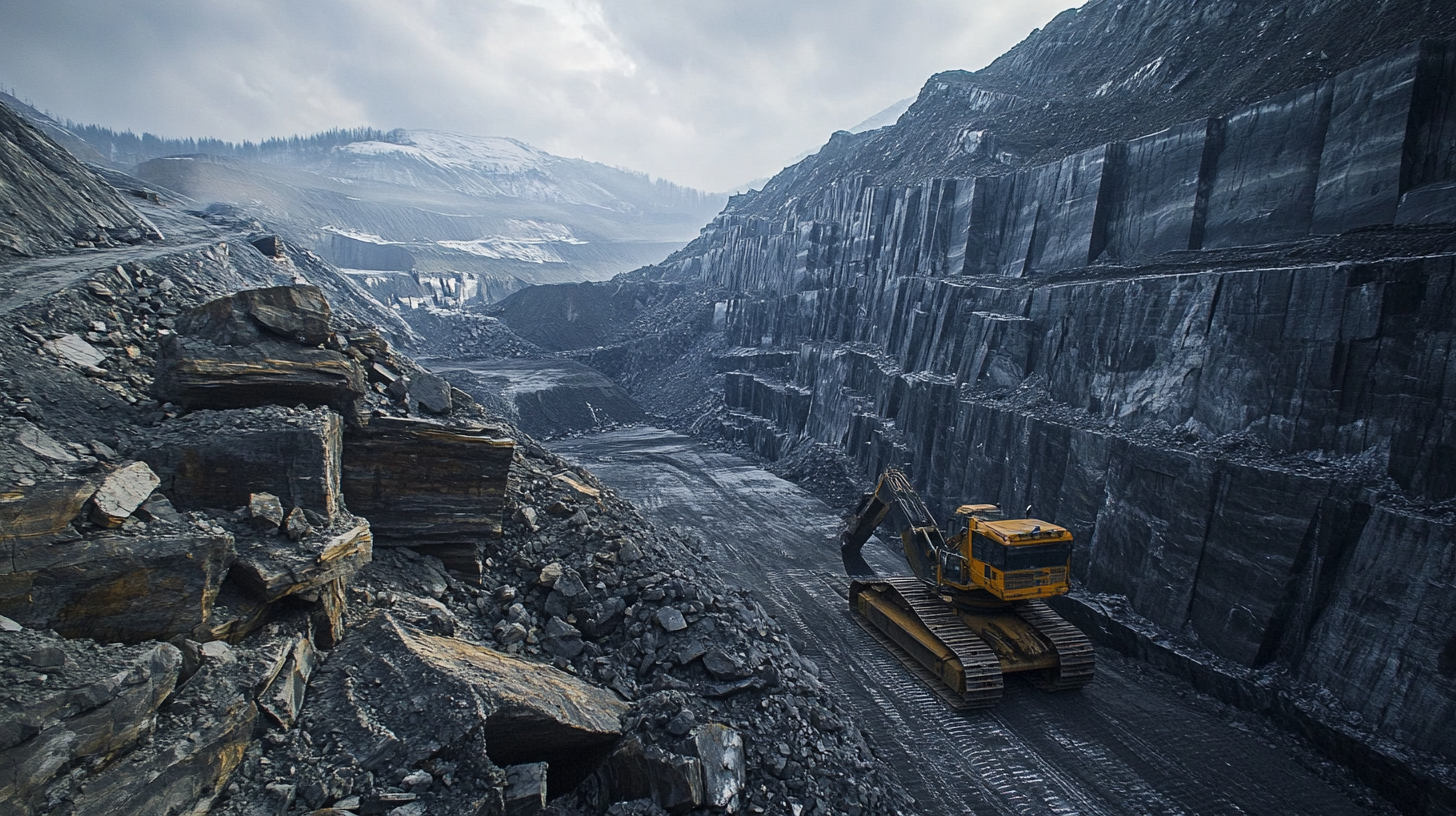
Basalt rebar is a revolutionary construction product, surpassing steel use in construction applications in many unique ways. The great advantage of basalt rebar is its high resistance to corrosion. A report issued by the European Composites Industry Association states that the lifetime of basalt rebar will be three to five times longer than the lifetime of steel rebar when exposed to saltwater and acid. This durability reflects new trends in maintenance costs and service life for structures and will attract worldwide buyers. Another important characteristic of basalt rebar in comparison to steel is a significant weight reduction of 80% of that of the metal counterparts. Not only does it ease handling and installation, but it also cuts transportation costs with it, which doesn't bypass big projects. A study by the American Concrete Institute noted that these contemporary concepts would improve speeds in overall construction project completion when applied to significant effects regarding logistics efficiencies-winning overall project efficiency. Additionally, basalt rebar has very high tensile strength, with statistics indicating its tensile strength may reach 600 MPa, compared to high-strength steels' performance. Thus, this feat has not only recently increased the structural capacity of concrete but has also encouraged the use of thinner concrete slabs, which allows for obscene amounts of material to be used in this unrealistically low-cost construction. Therefore, basalt rebar is a good prospect for these buyers seeking performance along with innovative, environmentally sustainable reinforcement techniques.
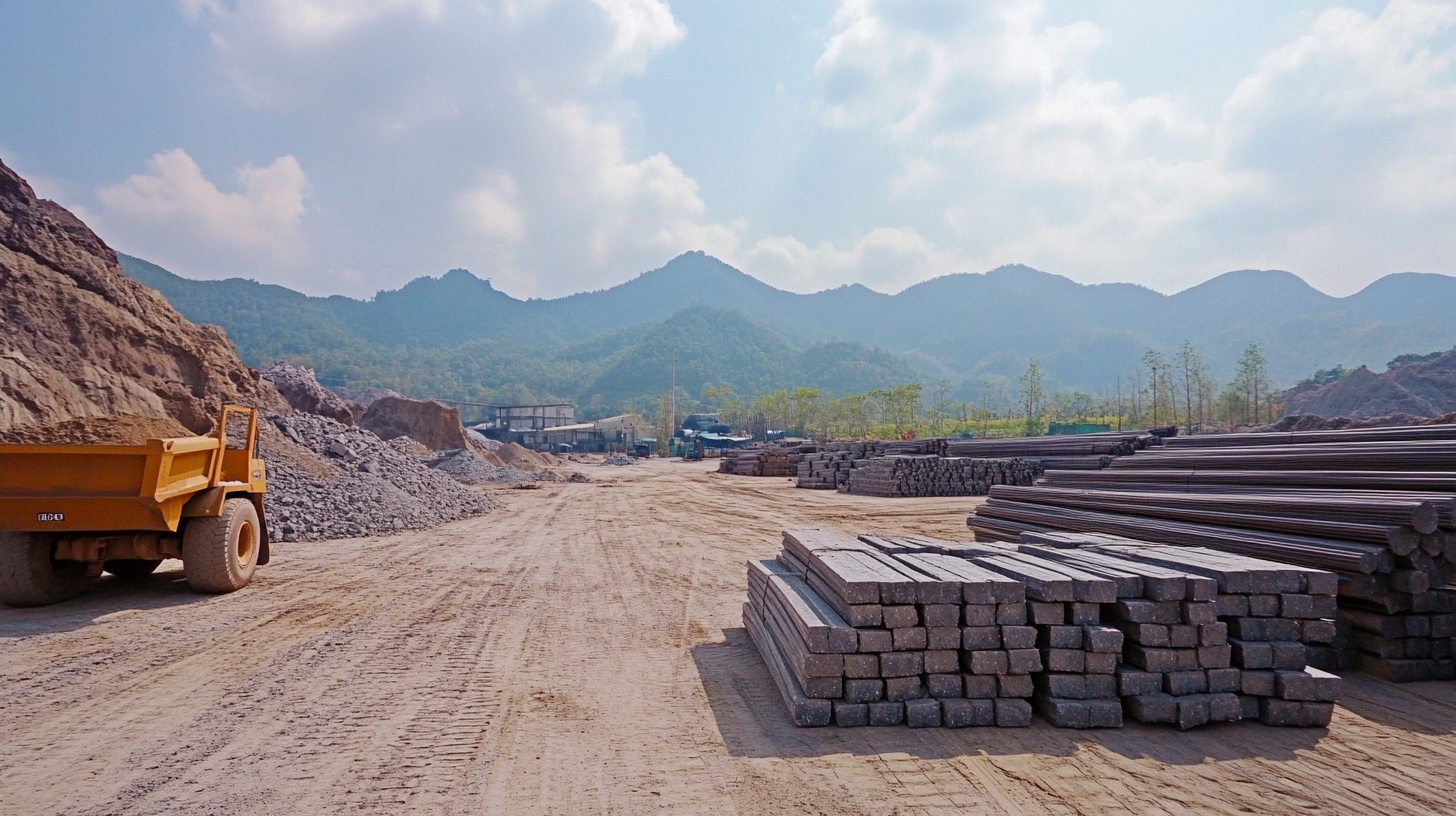
Basalt rebar, known for longevity and resistance to corrosion, has emerged from a special manufacturing process that gives it awareness in comparison to ordinary steel rebar. The manufacturing of basalt rebar starts with melting first basalt rock at temperatures greater than 1,500 degrees Celsius. This process changes the raw material into molten lava, which then can further be drawn into continuous filaments. According to the Basalt Fiber Manufacturers Association, the strength-to-weight ratio of basalt rebar can be as much as 2.5 times that of steel, which makes it a viable alternative in construction-related applications.
Next is the impregnation of these basalt fibers with either a resin or some other bonding agent, which has an effect of improving the mechanical properties imparted to these fibers. This ensures the basalt fibers will have more flexibility and better adhesion when embedded in concrete. A report by the Global Composite Materials Market suggests basalt products will see about 10% growth annually, showing the increasing global demand for sustainable and high-performance building materials.
Further investigations have suggested that the tensile strength of basalt rebar is about 700 MPa as compared to the usual 350 MPa seen with steel rebar. This unparalleled strength, coupled with light weight, makes it easy to handle and install, thus saving on labor and construction time. As builders around the world seek materials conforming to increasingly stringent sustainability criteria, understanding the nuances of basalt rebar manufacture will become an important guide in sourcing decisions for different construction environments and optimization of construction processes.
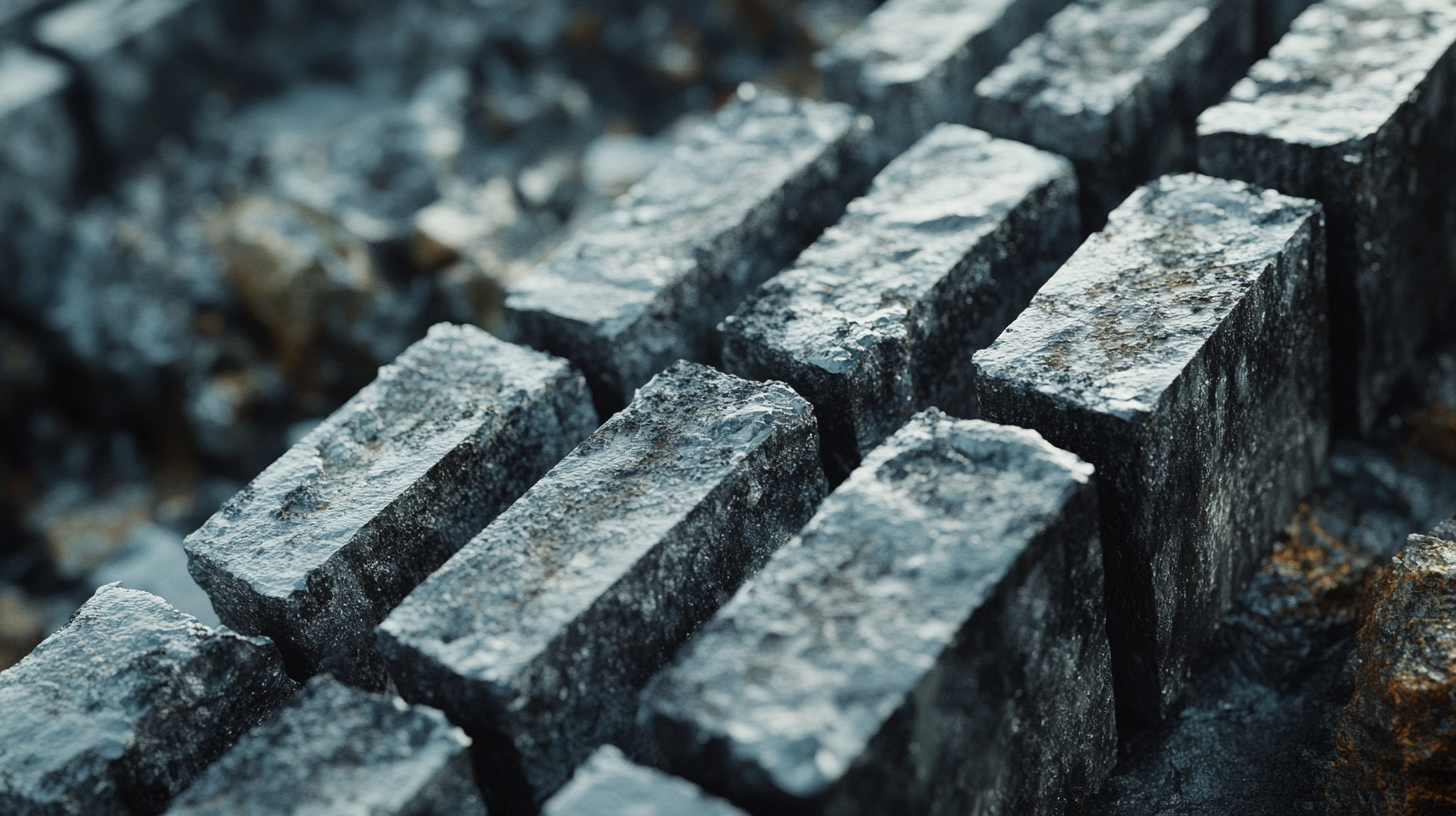
Basalt rebar is slowly being recognized in construction due to its unusual characteristics in performance. Basalt rebar is produced from volcanic rock and hence has superior tensile strength and durability. The most outstanding trivia about basalt rebar is that it is resistant to corrosion. Basalt rebar withstands even harsh environments-it will not corrode in salty or acid environments-Almost quite unlike steel, thus making it a fitting material for marine and chemical applications.
Another major characteristic would be its very light weight. Because basalt rebar is so much lighter than steel, handling and installation become that much easier, and freight charges become that much less. A lightweight cannot, however, remain without strength, and several studies have shown that basalt rebar has a high tensile strength-to-weight ratio. Thus the wise use of construction materials can be carried out with the guarantee of structural integrity.
Basalt rebar is also compatible with concrete. It promotes good bond strength which enhances the overall stability of structures. They are resistant to high temperatures, thus avoiding warping or degradation. These performance characteristics make basalt rebars be more than a substitute for traditional materials-it expands the choice in many construction trades. As global buyers begin to look for innovative programs that enhance durability and performance, basalt rebars remain ahead as a futuristic choice in the construction arena.

Basalt reinforcement has a very complex variety of environmental benefits as relevant to the contemporary infrastructure development time. Basalt reinforcement is different from its counterpart steel reinforcement since it comprises natural volcanic rock, making it a greener alternative with verymuch lower carbon footprints. Production process of basalt fibers, uses verymuch lower energy levels than those used in making steel rebars hence contributes to reduced greenhouse gases. This is extremely vital as cities and communities try to meet sustainable aspirations and combat climate change.
Basalt rebar not only emits less during the production process but also provides more durability and resistance to corrosion. Such longevity means that structures reinforced by basalt bar tend to leave longer repair, replacement intervals. Maintenance and reconstruction borrowed resources are thus significantly reduced, leading to lesser amounts of waste and environmental disruption. Also, since basalt rebar is relatively inert chemically, leaching of harmful chemicals into the soil and water resources, thus the improved cleaning of those resources, is considerably minimized.
Adopting basalt reinforcement in the construction of infrastructure would make it possible for sustainable construction to happen. It has to be noted that there is a growing trend at the same time, in the use of such materials, due to an ever-increasing demand for applications which must stand up to extreme conditions. As urbanization continues to lift and expand, the prospects source require strong and green materials such as basalt rebar. This is an important resource that global clients seek to invest in with regard to greener and more resilient solutions to their infrastructure. Adopting such materials further guarantees efficient means in the present and the future towards building a sustainable built environment.
Before buying basalt rebar from any part of the world, it is good to assess its quality so that you may be spending on something valuable for the structural purpose of your project. First, the very basic thing to understand is that the company from which the basalt rebar is being sourced should have the certification from the international bodies and be compliant with all their international standards. The companies should be very strictly followed by the ISO certifications giving a clear instance of making high production quality. The manufacturer will galore cut risks attached with such random materials proved from their setups.
Apart from certifications, it is mandatory to subject the basalt rebar to physical tests for major quality assessment. Some of the important tests are tensile strength, thermal stability and corrosion resistance. These parameters ought to match with project specifications. Obtaining a test report or third-party verification can be reassuring on the reliability of the product. Internal composition of the basalt itself can affect the quality. It is best if the basalt is volcanic as geological purity tends to give better performance parameters.
And ultimately, there are also some background details on the supplier among factors that should be considered, not forgetting the reviews by some of its customers. Trying to contact some of the previous customers can bring some few insights about the product in different applications. Also, having a good working relationship with a reliable supplier promotes communication and ease to solve any problem that may arise. By so doing, one can base the decision on these key evaluation methods and thus, easily source quality basalt rebar from any part of the world to meet his construction needs.
So, when one talks about sourcing basalt rebar, one keeps it crucial for global buyers to know the applicable regulatory standards and compliance requirements within different markets. Each region has tailored guidelines that would, in the best possible sense, assure the quality and safety of construction materials. In North America, for instance, with sets of stringent standards within the purview of ASTM International, manufacturing and testing for basalt rebar are done within the scope of product standards that are able to withstand a range of environmental and mechanical conditions.
Specific regulations about the use of composite materials in construction have been incorporated by CEN in Europe. Buyers must be aware of the CE marking since it states that the product satisfies EU safety, health, and environmental protection standards. Besides providing assurance on quality, compliance with these regulations makes market entry easier and acceptance by consumers.
Aside from that, Asia and Middle Eastern countries are coming up with their own standards or harmonizing with international standards, thus making it mandatory to keep abreast with local regulations. So a promising way forward is resource engagements with well-known suppliers, having a good total knowledge regarding these compliance requirements, to avoid risks involved and ensure the legal and operational standards are followed in using basalt rebar products. Machines won't threshold one such effort. Really high regulatory compliance would increase the safety and longevity of construction projects for global buyers.
The choice of reinforcing materials includes an array of possibilities in the market-conventional steel, fiberglass, and basalt rebar. In this regard, the twofold aspect is discussed with an analysis of basalt rebar cost vis-a-vis conventional materials in terms of its benefits and drawbacks.
Basalt rebar is manufactured from volcanic rock, whereby it is considered corrosion-resistant and very durable. The cost of basalt rebar might exceed that of steel; however, its long-term benefits could outweigh this initial investment. Steel being cast iron is prone to rusting and damages from environmental effects which enhance the maintenance costs. In contrast, the durability of basalt rebar against chemical exposure and temperature variation is an advantage, as it saves the money required for repairs and replacements during the life cycle of the project.
Another major characteristic is the durability of basalt rebar which includes low weight compared to steel reinforcement. This cuts transportation costs, plus it is easier to handle at the job site. The figures indicate that while basalt might be on the expensive side upon purchase, reduced maintenance and superior performance will justify the expense for many customers worldwide. The construction sector is moving toward sustainability, and basalt rebar is, therefore, an attractive substitute-an option facilitating upfront investment with long-term savings and environmental benefits.
When searching for global suppliers of basalt rebar, strong relationships with reputable suppliers pave the way for successful procurement. The first step involves doing proper research on the supplier candidates, which involves not only reviewing product quality but also their market reputation. Insights through customer reviews on trade forums, industry websites, or social media, alongside asking previous clients for references, help gauge the supplier’s reliability and consistency.
It's also a good idea to prioritize suppliers who are open about their production and certification process. Suppliers that maintain their credibility would always share information about the raw material sources, manufacturing standards, and compliances with international regulations. This serves to reassure the buyers about the quality of the goods purchased while at the same time reduces any risk associated with substandard products. Draw that checklist of certifications and quality standards that matter to your region so that you can be ensured that they are above par.
Moreover, a little emphasis on suppliers who could be flexible regarding the orders and delivery dates would be good. In fluctuating markets, such flexibility helps in cost and inventory management. Good relationships with suppliers always ensure better negotiation terms or quicker response, thus consolidating that long-term relationship. A focus on these will ensure that global buyers maneuver the market and have reliable sources of basalt rebar.
Basalt rebar is a composite material made from basalt rock, recognized for its durability and corrosion resistance. It is produced by melting basalt at high temperatures, resulting in a lightweight product with a strength-to-weight ratio 2.5 times greater than steel.
The manufacturing process begins with melting basalt rock at temperatures above 1,500 degrees Celsius, transforming it into molten lava. This lava is then drawn into continuous filaments and impregnated with resin or binding agents to enhance its mechanical properties.
Basalt rebar has a tensile strength of approximately 700 MPa, which is significantly higher than the 350 MPa typically seen in steel rebar.
The main advantages of basalt rebar include its higher strength-to-weight ratio, corrosion resistance, improved flexibility, and reduced labor costs, as it is easier to handle and install compared to steel rebar.
The rising global demand for sustainable and high-performance building materials, along with an anticipated annual growth rate of 10% for basalt products, is driving interest in basalt rebar and related materials.
Buyers should conduct thorough research on suppliers, prioritize those with transparent production processes and certifications, and consider suppliers who offer flexibility in order quantities and delivery schedules to manage costs and inventory effectively.
Buyers can assess supplier reliability by checking customer reviews, asking for references, and verifying that suppliers adhere to relevant certifications and quality standards for their region.
Transparency in production processes and compliance with regulations reassures buyers of product quality and helps mitigate risks associated with inferior products.
Establishing good relationships with suppliers can lead to better negotiation terms, prompt responses, and ultimately, a solid long-term partnership, enhancing procurement efforts.
Understanding the intricacies of basalt rebar manufacturing can inform sourcing decisions and optimize construction practices, particularly as global builders aim to meet stringent sustainability standards.