
Leave Your Message
Since then, natural materials have become more frequently employed in a variety of ways of modernity. This includes the area of construction and manufacturing. Basalt is one such material that revealed its inherent potential through the innovative approach called Basalt Cleavage. In fact, basalt cleaves this unique characteristic, apart from an improvement in mechanical strength, into many possible applications, including civil engineering, Aerospace, and telecommunications.
The discovery of Basalt Cleavage has a big opportunity for sustainable solutions that would help in meeting the needs of modern industry while preventing the damage to nature.
Jiujiang Beihai Fiberglass Co., Ltd. recognizes the fact that Basalt Cleavage can change the result into our project that is why we are willing to use its advantages directly for our work. We are gearing toward producing high-quality basalt fiber products that would hold up as a natural resource. Research and development allow us to find new ways of doing things with basalt, pushing the limit even further into the future for more efficient ideas in many sectors.
Let us now proceed to the investigation of new approaches to utilization of Basalt Cleavage, while on our journey; you can discover the potential possibilities basing on such modern applications.
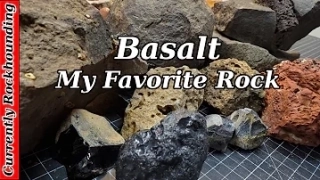
It is one phenomenal aspect seen in the biology of natural effects, generally in volcanic formations, wherein basalt cleavage has its own excellent advantages environmentally, making it adaptable across multiple applications in contemporary times. Thus, basing itself on basalt cleavage, industries will end up reducing their carbon footprints because basalt is identified as a carbon-negative material. Moreover, during construction and maintenance, it holds strength, long life, and a bonus in sequestering atmospheric CO2: a greener cycle. Basalt, one of the most natural resources, naturally enhances soil health in any agricultural process by its inherent properties. Its minerals contribute to the fertility of soil, making it conducive to plant growth and minimizing the need for chemical fertilizers. Thus, utilizing this completely new approach will lead mankind on the road to making a sustainable environment better in all respects with modern-day sustainability considerations, showcasing basalt cleavage as a material and an environmental ally for possible heights.
Innovative application of several sectors due to modern techniques to extract basalt cleavage. Since it is expected that, by 2034, the global market for basalt fibers will soar above USD 900 million, attention to efficient modes of basalt extraction is a necessity. Accordingly, processes with equity to environmental conservation and high durability have become quite famous, particularly for the construction and automotive industries, where there is an instant requirement for lightweight, eco-friendly materials.
The versatility of basalt fiber is further illustrated in its applications for electromagnetic interference shielding. Recent research indicates its capabilities in the reinforcement of polymers that are employed for environmental and industrial applications. With the widespread implementation of these advanced methodologies in various sectors, basalt's relevance in underpinning innovative and sustainable solutions is steadily heightened, and so is its significance, which ensures the material's full potential in a business environment that is rapidly changing.
Integrating basalt splitting within green construction has opened avenues in modern construction, with the capability of naturally high strength and durability. Basalt fiber reinforces traditional materials, thereby creating buildings that are both durable under environmental stresses and eco-friendly. basalt fibers can reduce the amounts and reliance on more polluting materials; thus, such industries become a part of carbon footprint reduction.
State-of-the-art applications of artificial intelligence in processing basalt material data can improve sustainable building design and Manufacturing Processes. Predictions of material behaviors under noted conditions would have better results by doing through AI-driven analyses while the architectural choices would be affected for more intelligent optimization on the scales of performance and sustainability by all these advancements. Delving into the potential of basalt as we move towards the green future of construction provides more promising avenues with the confluence of advanced technologies and natural resources.
Recent advances in renewable energy construction have pointed toward the possibilities that basalt cleavage harbors. Using basaltic rock as an example, the soil-amending potential is now under research for its long-term impacts on soil health. Initial studies have seemed to proclaim basalt finely ground to act neutrally, while research on the applicability in agriculture points to a more sustainable vision.
In addition, the market for basalt fibers is booming and is estimated to grow with projected revenues reaching up to $886 million in 2033. Reasons for this increasing growth of such revenues are attributed mainly to the properties of the material, its lightweight and durability, which make it a worthy asset in industries such as construction and the automotive. The innovative use of basalt fibers leads to stronger products, but that is also a response to an ever-increasing demand for eco-friendly materials in modern applications, which further enhances its position in future renewable energy strides.
Basalt has been used for construction and art for centuries and is cherished for its durability and beauty. From ancient buildings to modern art, this volcanic rock has proven its strength and versatility. Historical uses include heavy paving stone for ancient roads and glittering artwork, which show how the properties of the material can be transformed by skilled artisans.
In recent times basalt has caught the attention of many, with renewed vigor for basalt fiber-the coming revolution. The ever-expanding global basalt fiber market projected to cross USD 900 million by 2034 indicates a shift towards sustainable material-a combination of newer products with traditional usage. The modern applications of basalt, reinforcing concrete and lightweight fireproof materials, are strong testimonies to the historical application of basalt; these applications are pushing the future way into avenues of construction and design.
One faces challenges and solutions in the application of basalt cleavage in the modern-day life innovatively. Basalt has intrinsic properties, such as strength and thermal stability, which make it an excellent candidate for two industries such as the construction and material science industry. But, the brittle nature of basalt and poor techniques for processing need to be addressed to use basalt cleavage into existing frameworks effectively.
The recently advanced enzymatic and photochemical cleavage methods as highlighted by a number of studies are indicative of the looming opportunity for the aforementioned-derived challenges. For instance, trans-cleavage activities can be harnessed to facilitate better applications of basalt in their composite materials. By pursuing new catalytic processes, it is possible to improve and exploit basalt for the further development of infrastructure in a sustainable and resilient manner, coupled with reduced impact on the environment, which would also show an affinity for putting the beauty of natural materials into modern engineering solutions.
Use basalt clivage to facilitating both problems and answers in very current applications innovations. The intrinsic properties of basalt, mainly its strength and thermal stability and with its applicability in various industries including construction and material science, make it an ideal candidate material. But, dealing with the brittle nature of the rock and poor techniques for processing at present has to be addressed before one could integrate basalt cleavage into existing frameworks effectively.
Some of the recent advancements in enzymatic and photochemical cleavage methods, as illustrated by various research efforts, show promising avenues for overcoming the challenges. For example, one could capitalize on trans-cleavage activities to facilitate more effective applications of basalt in composite materials. Innovative catalytic processes can be explored that enhance the applicability of basalt while bringing it toward sustainable and resilient infrastructure development with minimum environmental impact-the promise of applying natural materials in modern engineering solutions.
Advancements that are currently in the reagions in reactions of bond-cleavage will soon become proofs for ample applications in the usages of basalt cleavage. Taking the example of platinum complexation and showing that, through metal-mediated bond cleavages, drugs can be activated and have possible curative effects- an argument of the weight to be found in exploring metabolic paths of bond-cleavage methods in advanced delivery systems.
The investigation of such molecular frameworks through bond cleavage appears to have far-reaching relevance for energy storage and its conversion technologies. Cutting-edge development of MOFs based entirely on bond-cleaving molecular-level coordination shows how they open new possibilities in electrocatalysis. All of these new scenarios indicate the modern trend concerning more sustainable and efficient requirements for energy, as will be illustrated in the further future potential for basalt cleavage in applied technologies.
Also known as volcanic rock, basalt is derived from the rapid cooling of lava. And because of its well-recognized strength, durability, and thermal stability, it is well known as an important source for the cleaving of basalt and various modern functions. The wonderful configurations of basalt lend themselves to being processed into fibers and composites that are used in construction, aerospace, and automotive industries. The lightness and strength of basalt fibers allow a large increase in performance by weight reduction.
This building material has recently proven much flexibility with the introduction into the automotive sector of various new forms that paint so well on the advantages over the aesthetic of basalt, leaning toward a more sustainable and efficient approach. Beyond this, recent advancements in basalt fiber technology have paved the way for novel improvements in product endurance making it a competitive substitute to traditional materials in numberless applications including sensibly green construction and composite manufacturing.
Innovative applications of basalt splitting are receiving a lot of publicity in various cultures for their sustainable usages. A prime example is the use of basalt fibers in constructed wetlands or microbial fuel cells, where they act as biological carriers to improve pollutant removal rates, such as those for perfluorooctanoic acid. It serves as a groundbreaking example of saltwaters ecologically engineering while establishing in environmental sustainability.
Another way coming Bulgaria to the finalization of construction with joint ventures is through a basalt fiber industry. Companies are investing in developing modern building materials by enhancing their tensile strength and their ecological benefits to yield stronger and greener buildings. The trend in which basalt is making headway for high-tech housing projects, as well as very contemporary infrastructure developments, is aptly representing a growing awareness of such initiatives. Such a unique way would lead in a big new era of sustainability.
Basalt fibre has become a major player in the design of composites with unique structural properties and durability. Strong and light by nature, basalt fibres find applications in varied fields such as aerospace, automotive, and building industry. Recent work has also begun to reflect basalt's environmental sustainability aspects and is advocating basalt as a green replacement for traditional materials.
The usage of basalt cleavage in composite formulation has given birth to innovative ways to enhance mechanical performance. This aligns with the recent phenomena of harnessing natural materials to enrich product effectiveness Most attempts to minimize adverse environmental impact. With processing studies and possibilities for application of basalt composites being further pursued, the prospects for this versatile resource are bright, giving way to sustainable engineering methods and advanced material designs to take on modern-day challenges.
Basalt cleavage is a natural geological feature found in volcanic formations that offers significant environmental benefits and can be utilized across various modern applications.
Basalt is a carbon-negative material, meaning that its usage in construction and infrastructure helps sequester atmospheric CO2, thus minimizing the carbon footprint of industries.
Basalt cleavage enriches soil health, supports plant growth, and reduces the reliance on chemical fertilizers due to its beneficial mineral composition.
Some challenges include basalt's brittle nature and the need to optimize processing techniques to improve its mechanical properties.
Recent advancements include enzymatic and photochemical cleavage methods, which can improve the effectiveness of basalt in composite materials and other applications.
By providing a strong and durable material while contributing to environmental sustainability goals, basalt cleavage aligns with innovative approaches in eco-friendly construction and infrastructure development.
Industries such as construction and material science can benefit significantly from basalt cleavage due to its strength and thermal stability.
Its ability to sequester CO2 and improve soil health positions basalt as a functional material in promoting sustainable practices and reducing environmental impact.
Research into innovative catalytic processes and trans-cleavage activities is key to overcoming challenges and improving the usability of basalt in modern engineering applications.
By minimizing carbon emissions, enhancing soil health, and providing durable construction materials, basalt cleavage supports efforts towards eco-friendly and sustainable development.