

Leave Your Message
Germany stands at the pinnacle of European construction engineering, where precision, durability, and standard compliance are non-negotiable. The traditional market for Steel Mesh Sizes in Germany is governed by rigorous standards such as DIN 488. For decades, German engineers have relied on standard mesh types like Q188, Q335, and R-series mats for reinforcing concrete slabs, walls, and bridges. However, as the German "Energiewende" (Energy Transition) and "Nachhaltiges Bauen" (Sustainable Construction) initiatives gain momentum, the industry is witnessing a significant shift.
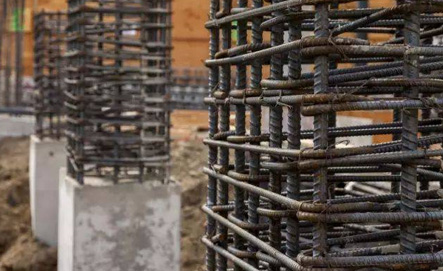
In regions like Bavaria and North Rhine-Westphalia, traditional steel mesh is still the backbone of residential construction. Standard sizes typically range from 6mm to 12mm wire diameters with pitch spacings of 150mm or 200mm. Yet, the weight and susceptibility to corrosion of steel are becoming hurdles for modern German engineering.
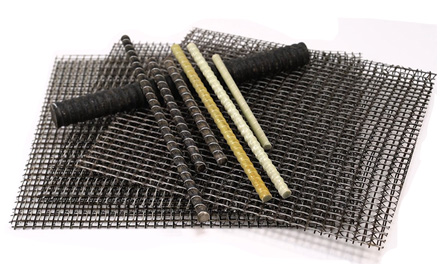
Manufacturers are now introducing Basalt Fiber Reinforced Polymer (BFRP) mesh as a high-tech alternative. In German coastal cities like Hamburg and Bremen, where salt-air corrosion destroys traditional steel within years, basalt mesh is becoming the preferred choice due to its inherent alkali and salt resistance.
As a leading Steel Mesh Sizes Manufacturer and innovator, we recognize that the German market demands more than just material; it demands a solution that integrates with BIM (Building Information Modeling) and meets the high-performance requirements of the 21st-century infrastructure.
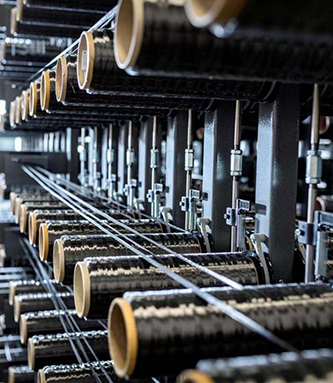

At China Beihai group, we specialize in the production of a wide range of products including basalt fiber mat, basalt fiber roving, yarn, chopped strands, and specialized products like Basalt Fiber rebar, sleeves, and tape.

We deliver high-quality, sustainable solutions for industries such as construction, geotechnical engineering, and manufacturing, catering to unique client requirements with innovation and excellence.

Partnering with us means working with a leading manufacturer committed to quality and sustainability. We offer best-in-class solutions backed by industry expertise and a forward-thinking approach.
The German construction sector is under pressure to reduce its CO2 footprint. Traditional steel production is energy-intensive. Basalt fiber reinforcement, known as "Green Steel," offers a significantly lower carbon footprint during production and eliminates the need for thick concrete covers required to protect steel from rust, thereby reducing overall concrete consumption in German building projects.
Germany's "Stufenplan Digitales Planen und Bauen" mandates BIM for federal infrastructure projects. Our mesh products are now being supplied with digital twins and technical data sheets compatible with German engineering software, allowing for precise structural analysis and automated quantity take-offs.
The labor shortage in Germany is driving the growth of precast concrete elements. Our basalt mesh is ideal for precast factories in regions like Saxony and Thuringia because it is lightweight, easy to cut, and doesn't interfere with the lifting and transport of thin-walled elements.
In the era of "Industry 4.0," German bridges and tunnels are being equipped with sensors. Basalt fiber mesh, being non-conductive and non-magnetic, allows for the seamless integration of monitoring systems without electromagnetic interference, a critical factor for the Deutsche Bahn (German Railways) projects.
Basalt fiber is ideal for your engineering projects. Its high strength, corrosion resistance and lightweight properties allow it to easily solve a variety of challenges in buildings, bridges, roads and other infrastructure projects.
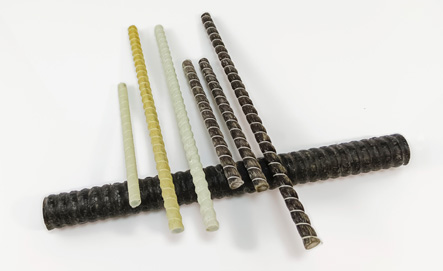
Basalt fiber rebar is a high-strength alternative to traditional steel bars and is used in a wide range of applications for reinforcing concrete structures. Its excellent performance makes it ideal for a variety of construction applications such as bridges, highways, and other infrastructure projects across the EU.
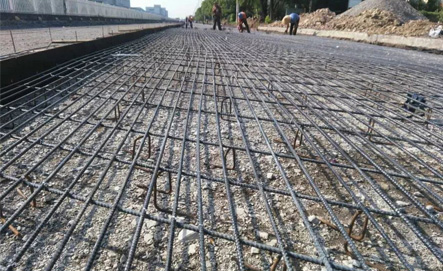
In cities like Wilhelmshaven and Rostock, steel reinforcement in sea walls and docks is prone to chloride-induced corrosion. Our basalt mesh provides a lifetime solution for maritime infrastructure, significantly reducing maintenance costs for German port authorities.
Industrial giants in the Ruhr Valley require flooring that resists aggressive chemicals. Basalt mesh is chemically inert, making it perfect for reinforcing floors in chemical processing plants, battery factories, and heavy industrial workshops in Essen and Dortmund.
Germany's Autobahn bridges require frequent deck rehabilitation. Using basalt fiber mesh in thin-bonded overlays allows for high-strength reinforcement without adding significant dead load to the structure, facilitating faster project completion in high-traffic areas like the A1 or A7.
Restoring Germany’s architectural heritage requires materials that are compatible with lime-based mortars and stone. Our alkali-resistant basalt mesh is used to strengthen historic masonry without the risk of rust stains or structural expansion associated with steel.
Diverse applications in the field of house construction and urban development.

Ideal for manufacturing aircraft wings and advanced engine components.
Increased strength, durability, and crack resistance for large-scale projects.

Lightweight basalt fiber composites for the next generation of German vehicles.
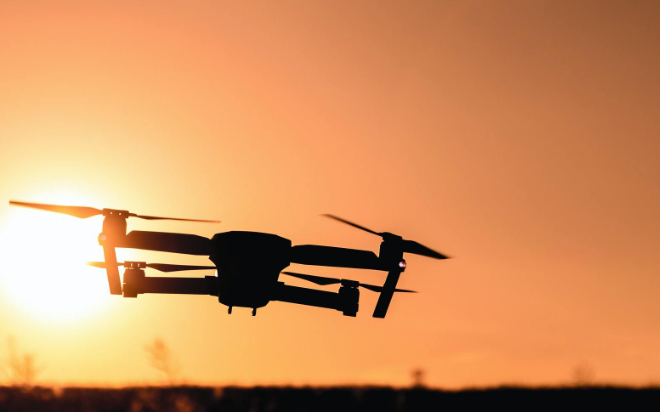
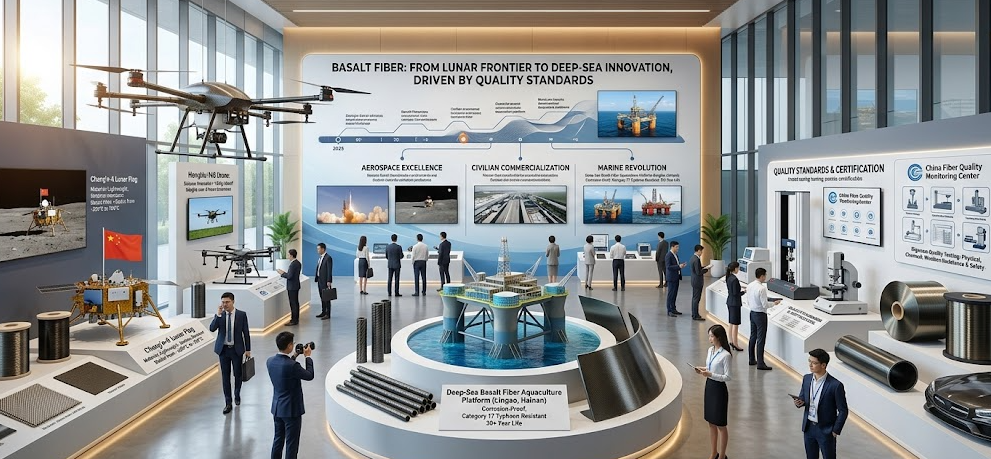
Produced by melting natural basalt rock at temperatures ranging from 1,450°C to 1,500°C, this novel inorganic material boasts a multitude of advantages—including lightweight strength, weather resistance, and eco-friendliness—that are currently fueling a materials revolution in the drone and robotics industries.
Read More News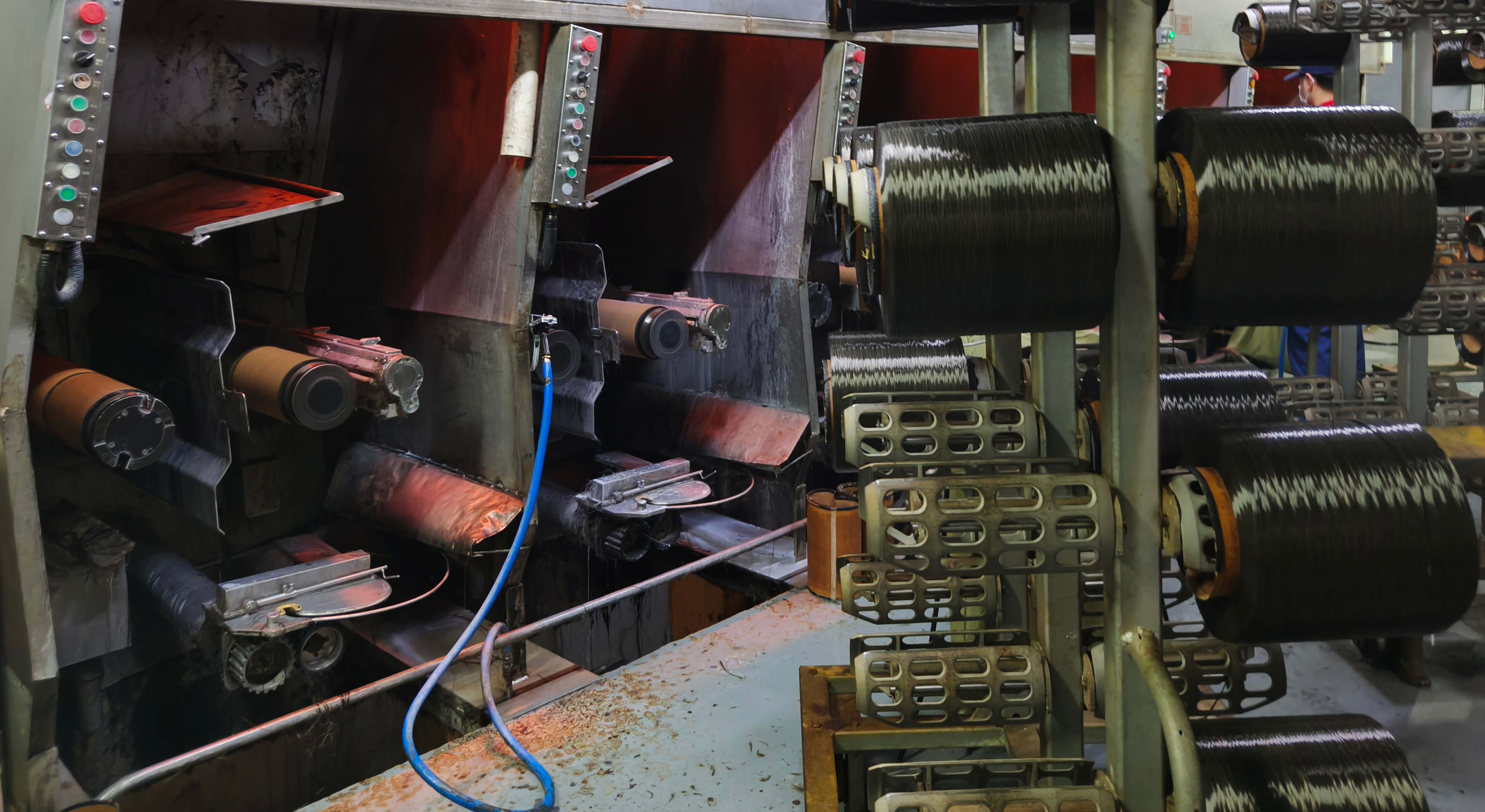
For German contractors comparing Steel Mesh Sizes with basalt alternatives, the following data points are crucial for meeting Eurocode 2 and national annexes:
| Property | Standard Steel Mesh (DIN 488) | Basalt Fiber Mesh (China Beihai) |
|---|---|---|
| Tensile Strength | ~500 - 550 MPa | ~1,100 - 1,300 MPa |
| Density | 7,850 kg/m³ | 2,650 kg/m³ |
| Corrosion Resistance | Low (Requires Concrete Cover) | Absolute (Zero Rust) |
| Electrical Conductivity | Conductive | Dielectric (Non-conductive) |
In Germany, where the Kosten-Nutzen-Analyse (Cost-Benefit Analysis) is the standard for infrastructure investment, basalt mesh wins on lifecycle costs. While the initial purchase price might be higher than commodity steel, the reduction in labor (due to lightweight handling), the elimination of anti-corrosion treatments, and the extended service life of the structure offer superior value to German taxpayers and private developers alike.
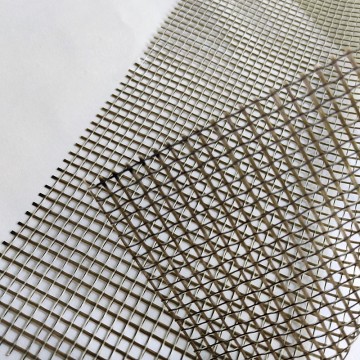 Basalt Fiber Mesh For Tunnel Reinforcement
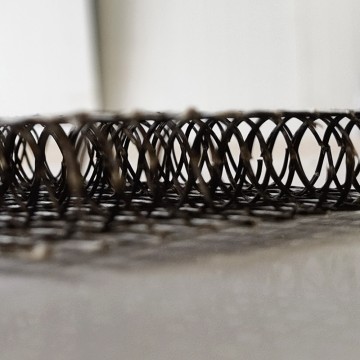 Three Dimensional Basalt Fiber Mesh for Concrete
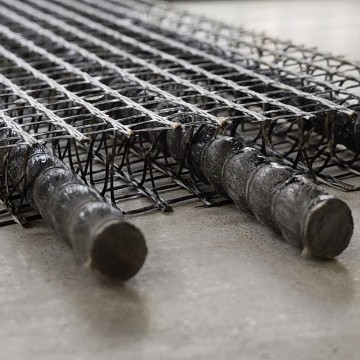 Heavy-Duty 3D Basalt Fiber Mesh
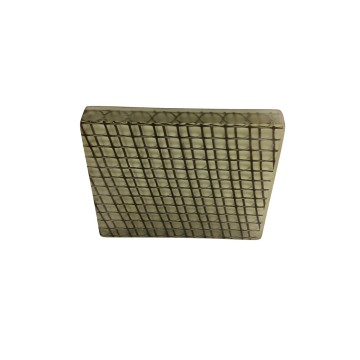 High Tensile Strength Reinforcement 3D Mesh
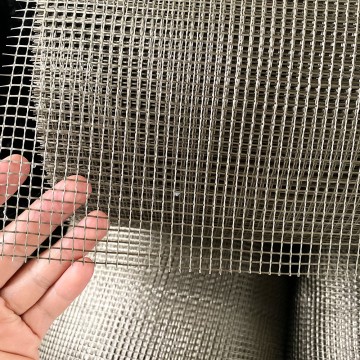 Alkali Resistant Basalt Fiber Mesh
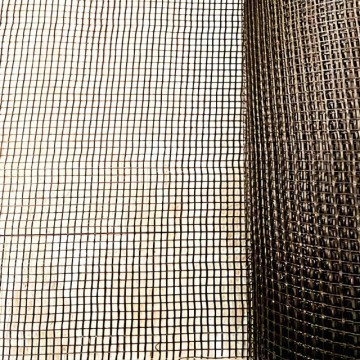 Basalt Fiber Mesh for Asphalt Reinforcement
 High Tensile Strength Basalt Fiber Mesh Geogrid
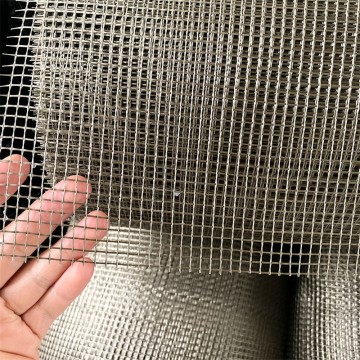 Thermal Insulation Basalt Fiber Mesh
When selecting Steel Mesh Sizes or their modern basalt counterparts in Germany, engineers must consider the specific environmental conditions of the Bundesland (State) they are working in. Whether it's the high-alkali environment of concrete in Frankfurt’s skyscrapers or the freeze-thaw cycles of the Bavarian Alps, the choice of reinforcement is critical to the longevity of the structure.
China Beihai, as a global leader in basalt technology, provides the German market with a bridge between traditional engineering excellence and future-proof material science. Our products are designed to meet the rigorous demands of German Industrial Standards while providing the sustainability benefits required by modern EU regulations.
For more information on how our basalt fiber solutions can replace traditional steel mesh in your next project in Berlin, Munich, Hamburg, or Cologne, please contact our technical team for a consultation on sizing, specifications, and regional compliance.