
Leave Your Message
In the changing scene of advanced materials, Basalt Fiber Chopped Strands are fast emerging into a limelight owing to their distinct properties and diversified applications. These high-performance fibers made from natural Basalt Rock exhibit remarkable strength, lightness, and superior heat and corrosion resistance. Therefore, there exists a necessity for engineers, architects, and manufacturers to understand the benefits and application of Basalt Fiber Chopped Strands, as the industries are in constant search for novel solutions that can help enhance product performance.
China Beihai Fiberglass Co., Ltd. is proud to be a pioneer in the basalt fiber industry in the research, development, and production of high-performance basalt continuous fiber and related manufacturing equipment. The knowledge and expertise that we possess make us one of the leading companies in this field; hence we can supply the best quality Basalt Fiber Chopped Strands that will support the various projects in different industries. This guide intends to explore the advantages of these wonderful materials, their application fields, and how they can positively affect the performance and durability of your projects.
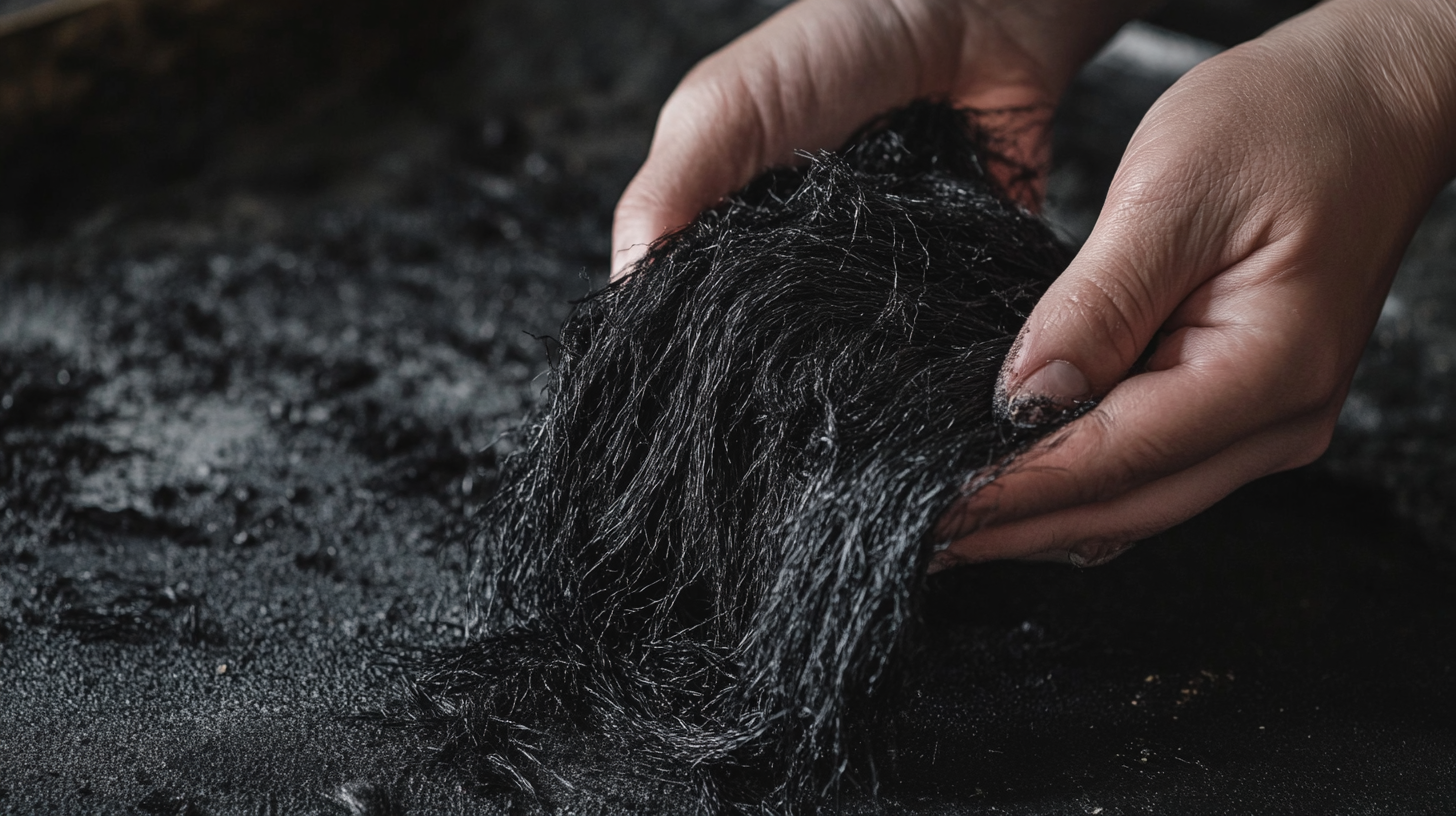
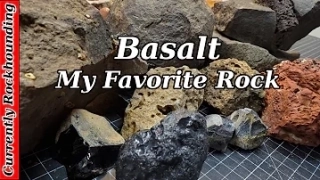
Basalt fiber is one of the emerging players among composite materials and has been contributing various benefits in diverse fields. It has a very good mechanical property that can compete with any known traditional material like carbon fiber; many recent researchers have proved that natural fiber reinforced polymer as well as basalt fiber composites is conceiving superior flexural performance as compared to carbon fiber reinforced polymer in applications like reinforced concrete beams. As portrayed, increasing the NFRP reinforcement ratio would lead to elevated ultimate load capacity because it demonstrates the efficiency of basalt fiber in enhancing structure integrity. Besides, thermal stability and resistant Chemical degradation superqualifies basalt fiber to emerging clean energy technologies. A recent example is a research collaboration between scientists of China on the role of basalt fiber composites in facilitating sustainable energy development. Research published in Polymer shows that these composites are energy efficient and have reduced energy intensity in megajoules per kilogram (MJ/kg) for their production. This energy advantage is the most selling point of the alternative eco-friendly applications of basalt fiber. Basalt Fiber can function in a varied environment and is environmentally friendly; rock volcanic is the origin of basalt fiber and is completely recyclable. Thus, basalt fiber will serve as an environmentally friendly alternative among applications: construction, automotive, and other areas. It brings performance advantage to any project while being a favorite of the world's trend towards sustainability in material technology among new designs.
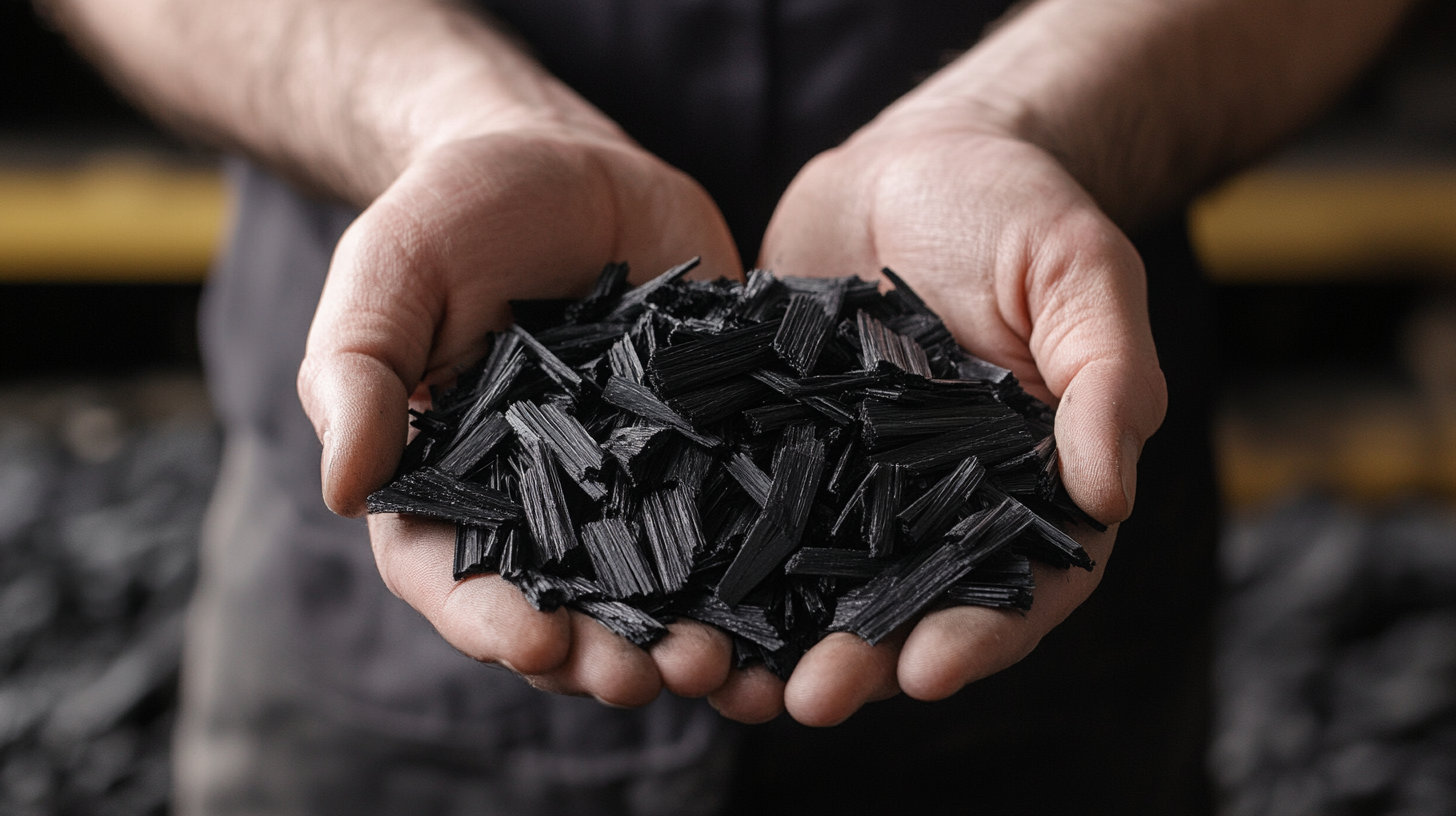
Acceptable temperature up to 1600-1700°C.The tensile strength of basalt fiber is so high that applications for engineering are very similar to those offered by oils and glass.
The automotive industries stand to benefit from a far less weighty material that is able to assist with fuel economy but not for safety. The incorporation of basalt fiber in composite vehicles will serve not only to lower weight but also to increase function via better impact resistance. The switch towards basalt fiber thus falls in line with the recent trends towards sustainable materials since basalt fiber is natural, abundantly available, and can be processed with less energy as compared to other fibers.
Aerospace and marine too take an interest in chopped basalt fibres. The aerospace industry certainly places high significance on their strength-to-weight ratio for aircraft manufacture, where every ounce counts. The marine environment likewise offers immense respect for basalt with its ability to withstand harsh environments in boat building and other applications that are exposed to moisture and salt water. Much promise lies with the emerging use of basalt fibers in many applications, and with more research and innovations being undertaken to unlock its potential imprint in lots of these areas, basalt incorporation signals a revolution in the manufacturing practice.
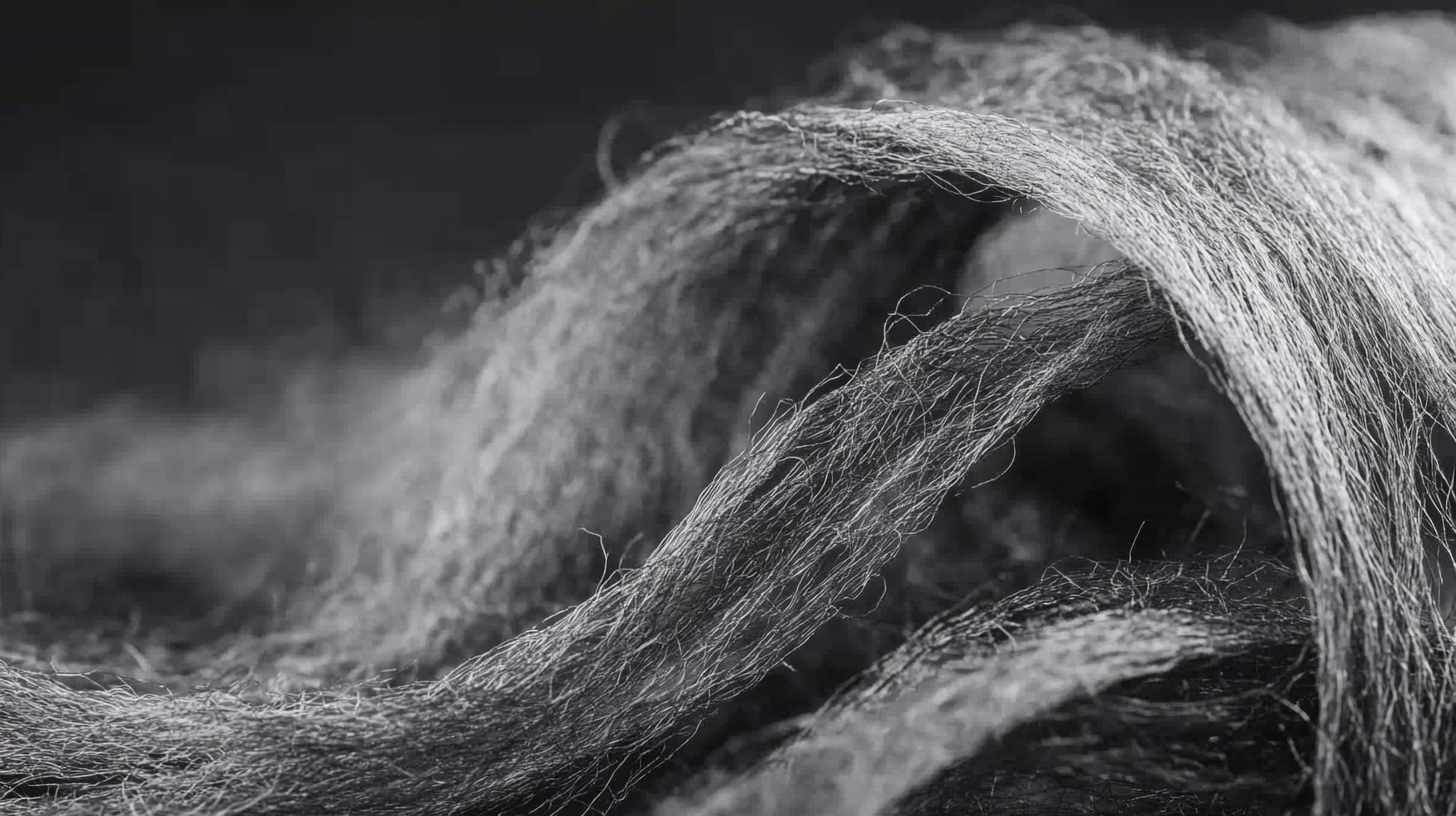
When it comes to the option of reinforcement materials for various projects, basalt fiber is increasingly negotiating its ways to occupy an alternative to the conventional options such as glass and carbon fibers. Among the greatest advantages offered by basalt fiber is its high thermal stability, which would ensure the maximal retention of mechanical properties at higher temperatures. Glass fibers tend to flex under heat, and carbon fibers are often sensitive to high humidity and water absorption, thereby affecting the reliability of certain applications. Basalt, being resistant to chemical corrosion, enhances its attractiveness to such environments.
What is more, basalt fiber possesses a peculiar amalgam of strength and light weight. Higher tensile strength than glass fibers assures longevity without added weight, which provides ease of handling and installation. When comparing costs, basalt fibers may appear more expensive, but their longevity and low maintenance give them an edge in terms of overall savings. Hence a preferred material for neighborhoods from constructions to automobile applications, where performance and efficiency are core objectives.
Sustainability is also an important criterion when selecting material nowadays. Basalt fibers are made from natural volcanic rock and, therefore, their method of manufacture is much more environmentally friendly in comparison with synthetic fibers. This origin in nature not only helps a sustainable cause but also decorates the products, providing an added aesthetic value. Considering the industries adopting eco-friendly options, basalt fiber would be able to derive a greater market draw, creating a new benchmark for reinforcement materials.
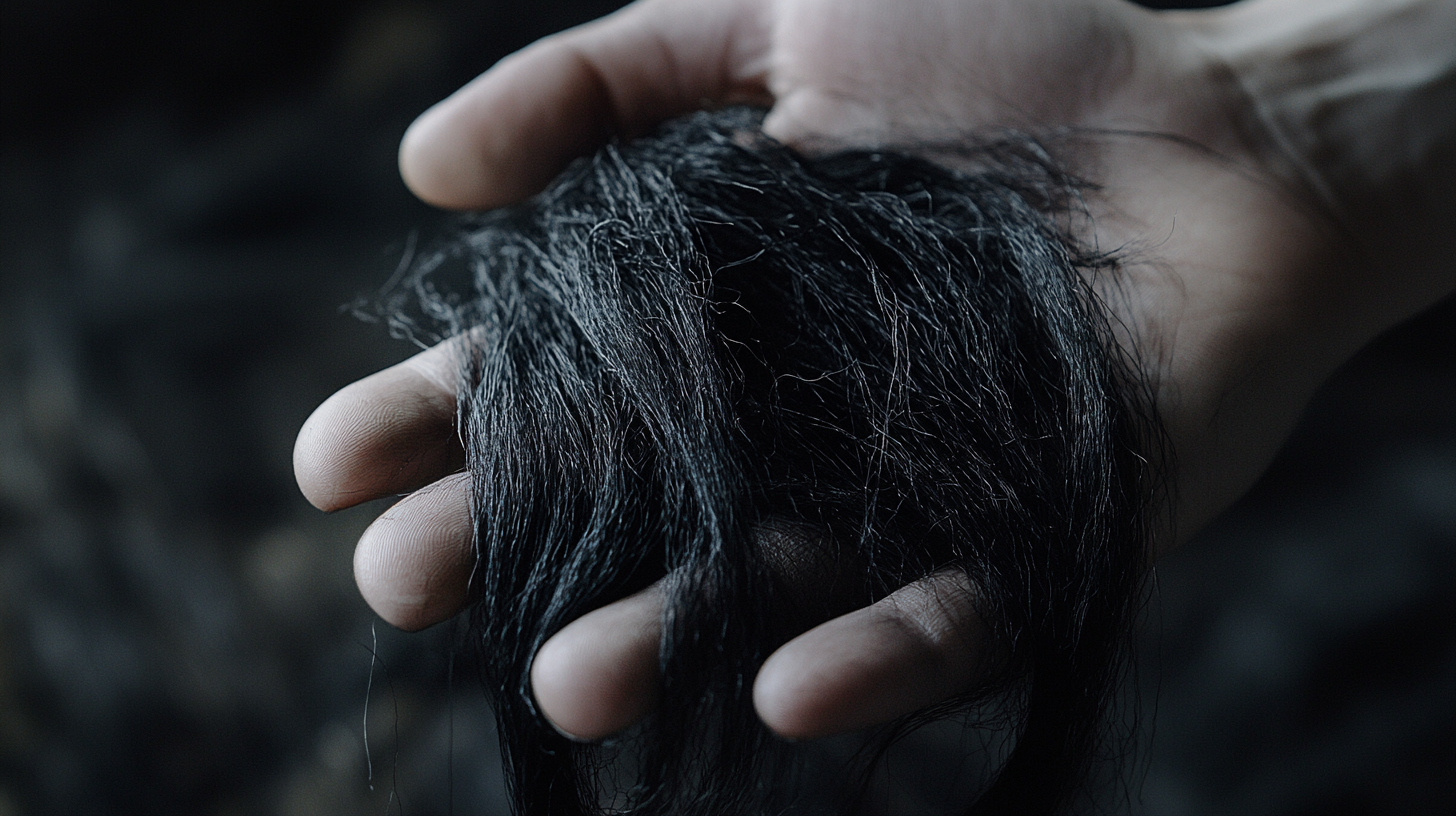
This incorporation of basalt fiber chopped strands in project production will go a long way towards enhancing the performance and durability of the material. Mixes as a blend-in of the basalt fibers within matrices, for example, between the epoxy or polyester resins ensures not only improvement of the tensile strength of the composite material but also increases the resistance against heat and corrosion. While mixing, make sure that the chopped strands are well distributed throughout the resin for uniform consistency so that they function for optimal performance in your final product.
Another option involves stacking sheets of basalt fiber to achieve more structural integrity. This option is particularly useful in constructions where strength along with reduction of weight is prioritized. Reinforcement may be achieved when the fiber is sandwiched between layers of heavier materials such as concrete or wood. Also try to use the vacuum bagging method-this method will improve bonding and keep air pockets out that usually occur in the composite materials.
In any case, when working with basalt fibers, the environmental conditions underlying the use of the eventual project must be taken into consideration. Basalt fiber is naturally resistant to alkalis, acids, and various other aggressive materials that are found present in the environment and which make basalt fiber an appropriate candidate for use in projects that use such materials. This naturally means that the use of this material into such uses as coatings that are water resistant or protective barriers can prolong the lives of those applications and thus extend their return on investment into new heights. This is applicable to chopper use in all respects.
Innovating in the construction industry's innovations, basalt fiber has now even reached the building project. Its cost-effective and sustainable attributes make basalt fiber a likely candidate for today's design-infrastructures. Unlike conventional materials, chopped strands of basalt fibers are an environment-friendly amalgamation of strength, endurance, and performance.
Basalt fiber proves a lot cheaper. It introduces much savings on maintenance and replacement costs over the life of the material, as it has a long life and is resistant to many environmental conditions. Moreover, thermal and acoustic insulation contributes to energy efficiency of buildings, resulting in reduced costs of utilities. Such buildings will allow project developers to spend their resources more economically but with high quality.
One of the most important reasons for basalt fiber to get adopted is sustainability. It is derived out of natural volcanic rocks and hence does not cause any harm to the environment and is non-toxic. This not only makes it an eco-friendly raw material but also this type of fiber markedly reduces the carbon footprint that results from the conventional processes of fiber production. It is an alternative toward a more environmental option as its recyclability goes up. While such things will become educated by many construction professionals, basalt fiber will hit the shelves, showing economic preferences and environmental conservation in the coming years of construction projects.
Basalt fiber is a very durable fiber, being resistant to most environmental factors, and finds application in the construction and automotive industries. Increasingly, recent reports indicate that the basalt fiber market is predicted to reach USD 733.5 million by 2032, mostly as a result of an increasing trend towards lightweight and sustainable materials. Its mechanical properties, chiefly increased tensile strength and impact resistance, will enable basalt fiber chopped strands to reinforce all kinds of structures.
Best premise practices between handling and processing of basalt fiber chopped strands are guidelines necessary for creating great and effective utilization of these materials in any project. Moisture control becomes really critical in the introduction of these materials since excessive humidity deteriorates the fiber's properties. Temperature control during processing also helps to ensure that the integrity and performance of the material are retained. Compatibility of the resin system in use will also accentuate the bonding between basalt fibers and the matrix material to improve the overall mechanical performance of composite structures.
Recent work done on fiber-reinforced polymer composites shows the extent to which the combination of materials like basalt fiber influences the shear and flexural performance of reinforced concrete beams. Such developments engineer possibilities for these professionals to use basalt fiber as an alternative material to traditional ones in terms of reinforcement, thus promoting structural integrity aligning with green-building initiatives. As the construction sector moves to the bulk of its focus towards sustainable solutions, so too will professionals become specialists in the innovative forays in material science for perfect handling and processing of basalt fiber.
Basalt fiber chopped strands have recently come up as a new and effective material throughout the industries-inner versatility since very many successful projects. For instance, it is a remarkable example of the Kayamandi Fiber Project of South Africa that implemented advanced fiber technologies like optical fibers into a pay-as-you-go fiber-to-the-premises FTTP connectivity. It does not just mark a milestone as to how fiber technology is used in connecting houses, but also as a prototype to show how basalt fibers might potentially fit into such infrastructure-related projects, giving a durable and lightweight alternative to the material typically used.
Another good example of case study is associated with the use of basalt fibers in systems of distributed acoustic sensing. This technology has proven to be very effective in the near-surface characterization and in the detection of broadband seismic events. By means of basalt fiber with excellent mechanical properties and resistance against extremely hard conditions, the researchers are formulating an even more resilient monitoring system that is expected to endure being exposed to the whims of the environment. These cases have shown the versatility of basalt fiber in revolutionizing not only construction and telecommunications but also ecology monitoring and management.
From the increased demand for innovative materials, it follows that the chopped basalt fiber strands will most definitely play a major role in sustainable development across different sectors. This is because these unique qualities that basalt fibers possess make them perfect materials for affordable performance enhancement and sustainability in projects, thus illuminating the path for future innovations in engineering and environmental solutions.
There's no denying the fact that basalt fiber technology is gradually gaining relevance across various industries, and into this trend is now coming a thirst for new materials that enhance certain levels of sustainability and efficiency. As a good material derived directly from natural volcanic sources of rock, basalt fiber is characterized by several properties that make it a good fit for modern applications. In the future, basalt fiber is likely to come into its own in terms of preference over other traditionally used materials such as glass or carbon fibers. The future prediction would be that the world will swing more to basalt fiber because of its high tensile strength, low weight above all, and excellent high-temperature and chemical resistance.
This technology promises to revolutionize much of the very nature of structural integrity and durability. The introduction of basalt fiber in concrete and reinforcement applications can improve structures' life spans and decrease the amount of carbon footprint that occurs in using construction materials. Reducing production costs through improved manufacturing technologies will most likely mean that basalt fiber becomes even more accessible. Growth in cooperation between researchers and manufacturers enables great innovation into the future where high-performance composites can optimize sustainability.
Basalt fiber is not limited to construction but is beginning to discover applications in other spheres such as automotive and aerospace industries. The more and more people want lighter and fuel-efficient automobiles, the more integration of basalt fibers would save strength and weight in these components. Just like in aerospace, extreme conditions are where basalt fibers would allow developing more durable aircraft materials. All these things pretty much add up to a bright and optimistic future for basalt fiber technology because it seems that more uses will be developed, all through continued research and development and the sweeping movement of the globe into smarter, green solutions.
Basalt fiber chopped strands are integrated into concrete and other materials to enhance tensile strength and durability, making them ideal for infrastructure projects.
Basalt fibers offer superior thermal stability, corrosion resistance, and a higher tensile strength compared to traditional materials like steel, glass fiber, and carbon fiber.
They offer lightweight and strong materials that contribute to improved fuel efficiency and enhanced performance, including better impact resistance.
Basalt fibers are produced from natural volcanic rock and require less energy to process than synthetic fibers, making them an eco-friendly option.
Basalt fibers have a high strength-to-weight ratio, which is crucial for aircraft manufacturing, helping to reduce weight without compromising safety.
Yes, basalt fibers provide excellent resistance to moisture and saltwater, making them suitable for boat building and other marine applications.
While basalt fiber may have a higher initial price, its longevity and lower maintenance needs can lead to overall savings in the long run.
Basalt fiber maintains its mechanical properties at elevated temperatures, unlike glass fiber, which can weaken under heat.
Sustainability is increasingly important, and basalt fibers’ natural origin and eco-friendly production align with the growing demand for environmentally conscious materials.
The natural volcanic rock origin of basalt fibers provides a distinctive look to the end products, enhancing their aesthetic value.