
Leave Your Message
Basalt Fiber Fabric has emerged as a game-changing material in various industrial applications, thanks to its remarkable properties such as high tensile strength, temperature resistance, and lightweight nature. According to a report by MarketsandMarkets, the global basalt fiber market is projected to grow at a significant CAGR, illustrating the increasing demand from sectors such as construction, automotive, and Aerospace. As industries strive to enhance performance and sustainability, the adoption of Basalt Fiber Fabric can provide advantages over traditional materials, including reduced environmental impact and lower production costs.
China Beihai Fiberglass Co., Ltd., a leading enterprise in the Basalt Fiber industry, plays a key role in the advancement of this innovative material. With a focus on high-performance basalt continuous fiber and comprehensive manufacturing of its production equipment, China Beihai is at the forefront of driving the adoption of Basalt Fiber Fabric globally. By leveraging advanced research and development, the company aims to meet the growing needs of global buyers seeking sustainable and high-quality alternatives in their manufacturing processes. The rise of this powerful material marks a significant shift towards more eco-friendly solutions in a rapidly evolving market landscape.
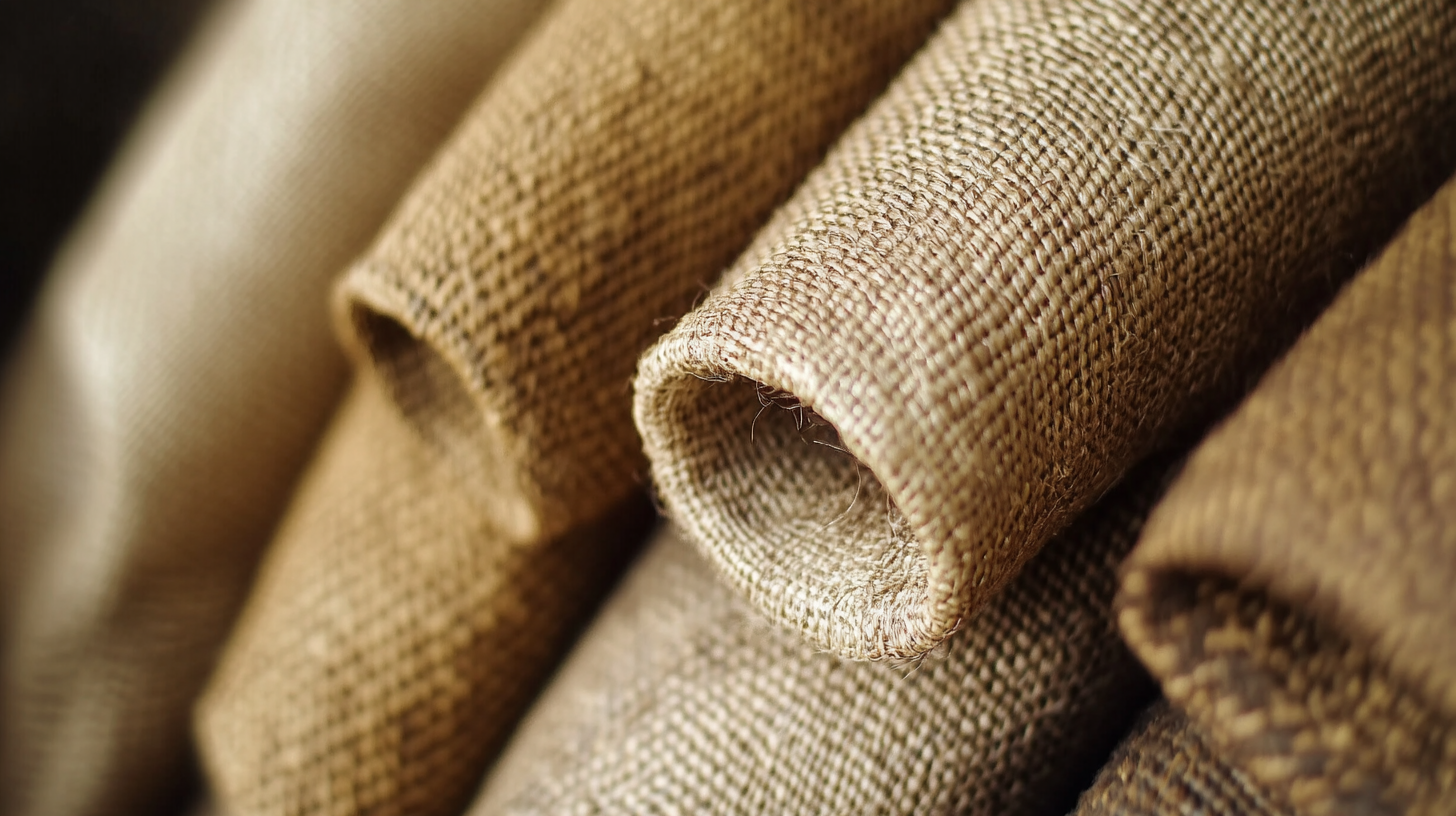
You know, basalt fiber fabric has really started to turn heads in the construction world, and it’s easy to see why. It’s made from basalt rock, and as an eco-friendly alternative to the usual fibers, it’s got some pretty remarkable traits. For one, it boasts an incredible tensile strength and is super stable when it comes to temperature changes. Unlike animal fibers, which come from sources like goat hair, basalt fiber is inorganic and way more resilient. This makes it an awesome pick for anyone looking to stick to sustainable building practices. Plus, using basalt fiber fabric not only helps structures last longer but also plays a part in cutting down the environmental footprint of construction materials. Lately, there’s been a lot of buzz around the need for natural and sustainable fibers, especially in lightweight cement composites. Researchers are even incorporating materials like goat hair to boost mechanical properties. But here’s where basalt fiber really shines: its natural hydrophobic qualities significantly bump up the performance of hydrophobic mortars. When you look at the relationship between the amount of basalt fiber used and the strength of the material, it’s clear this stuff is made for the challenges of modern construction—while still keeping it eco-friendly. As more people and companies are on the hunt for better alternatives, basalt fiber fabric is stepping up as a go-to solution for innovative and sustainable building options.
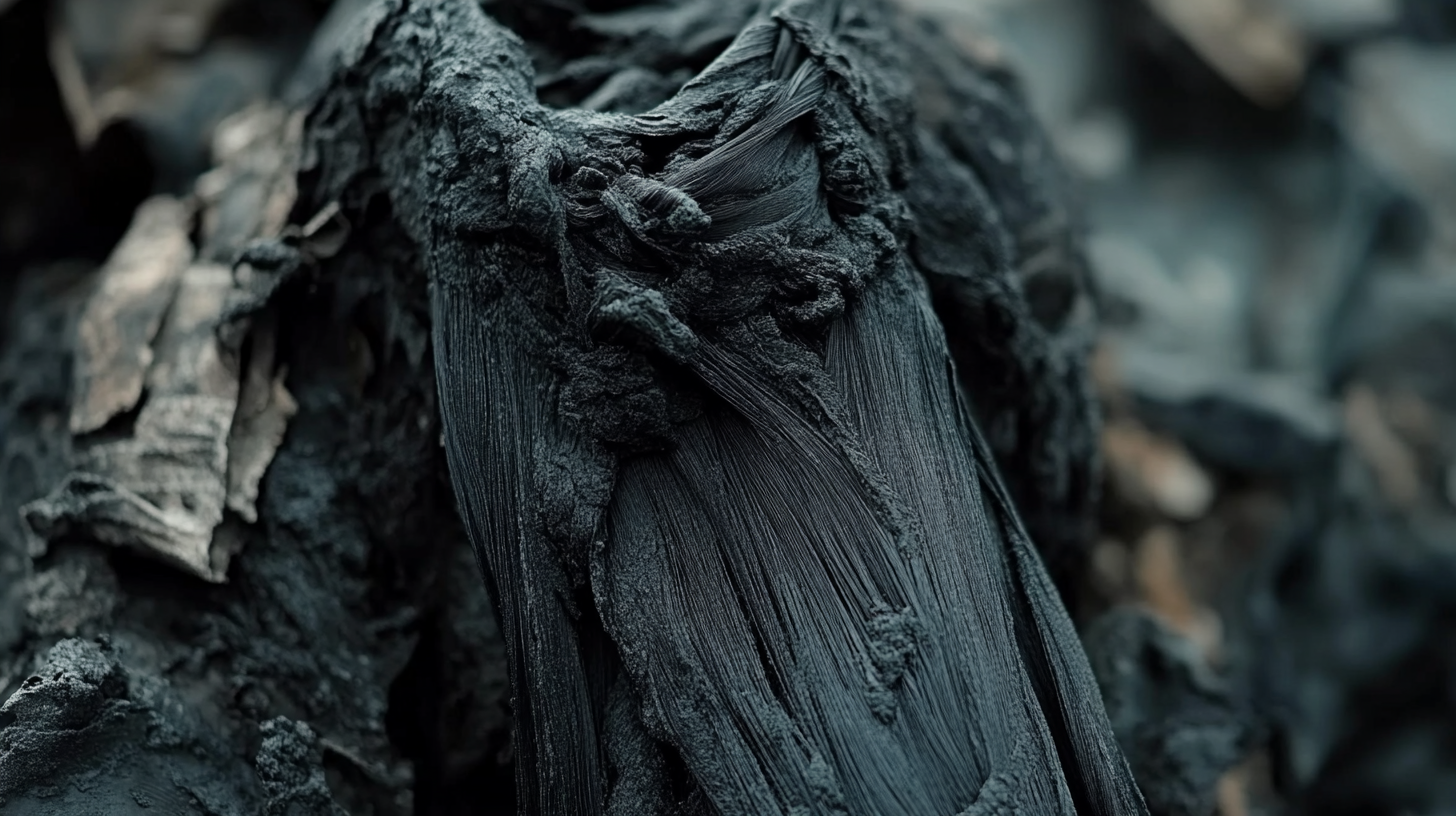
So, basalt fiber fabric is really starting to make waves in lots of different industries, and it's easy to see why. One of the big perks is its crazy high tensile strength, which actually beats out traditional materials like fiberglass. This strength means it’s super durable and resilient, making basalt fiber a go-to option in places like construction, automotive, and even aerospace. Plus, it can handle extreme temperatures without breaking down, which honestly gives it an edge in environments where regular fibers might struggle.
Another huge plus for basalt fiber is that it's eco-friendly. Since it's made from natural volcanic rock, it’s non-toxic and doesn’t create any hazardous waste during production. In today’s world, where everyone’s trying to shrink their carbon footprint, this green approach is really appealing to buyers globally. And, let’s not forget, basalt fiber fabrics are lightweight, which helps save energy in transportation and application—definitely a bonus for companies wanting to cut costs and boost efficiency.
When we look at construction, basalt fiber-reinforced composites stand out with amazing resistance to chemical corrosion and moisture, which means no more worries about rust or other materials breaking down over time. These are crucial qualities for infrastructure that needs to last in tough environmental conditions. Plus, the versatility of basalt fiber fabric opens up some exciting possibilities, like creating strong but lightweight components that could totally change manufacturing practices across various fields.
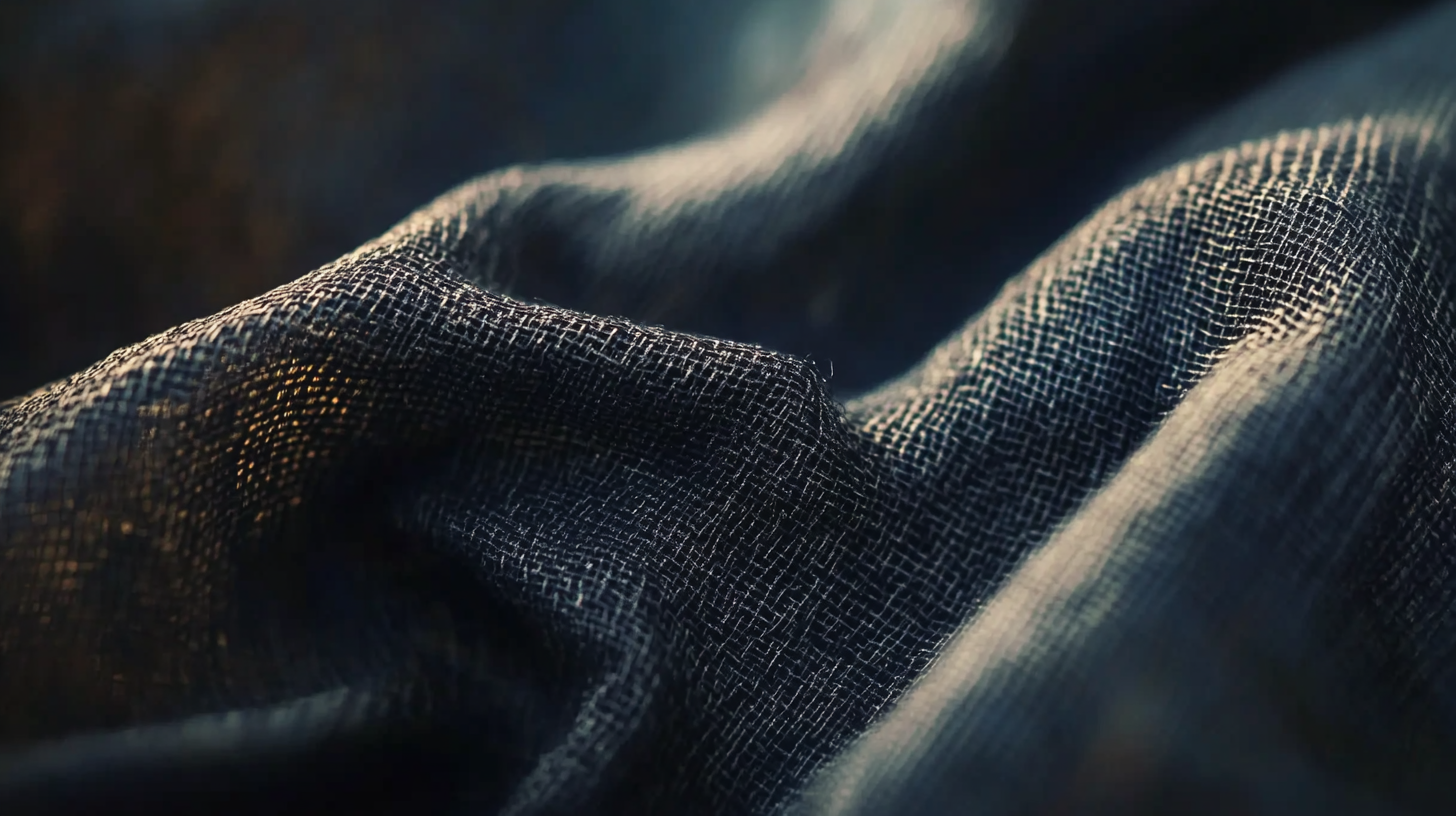
You know, basalt fiber is really turning heads as a fantastic alternative to the typical fiber materials we see around, like glass and carbon fiber. A report from Grand View Research mentions that the global market for basalt fiber could hit around USD 467.5 million by 2025. That’s pretty impressive, right? It seems more and more people are catching on to its awesome properties and how well it performs in a bunch of different uses. Unlike glass fibers, which can’t handle the heat too well, basalt fibers can brave temperatures up to a scorching 1000°C! That makes them perfect for construction and automotive applications, where you really don’t want things melting away.
Now, when we compare basalt fiber to carbon fiber, there are some interesting things to note. Sure, carbon fiber is famous for its stiffness and strength, but it comes with a hefty price tag. I mean, we're talking about costs that can be five times higher than basalt fiber, which offers a similar strength-to-weight ratio without breaking the bank. It’s like getting top-notch quality at a fraction of the cost – what’s not to love?
And here’s a little extra good news: basalt fibers are really tough when it comes to chemical resistance. They can shrug off moisture, acids, and even alkaline substances, which means they last longer and save on maintenance costs. A study from the Institute of Materials Science found that basalt fiber composites can be up to 30% more durable than glass fiber composites. That’s seriously impressive, especially in tough environments! It’s no wonder that so many buyers around the globe are leaning towards basalt fiber as they look for innovative solutions across different sectors.
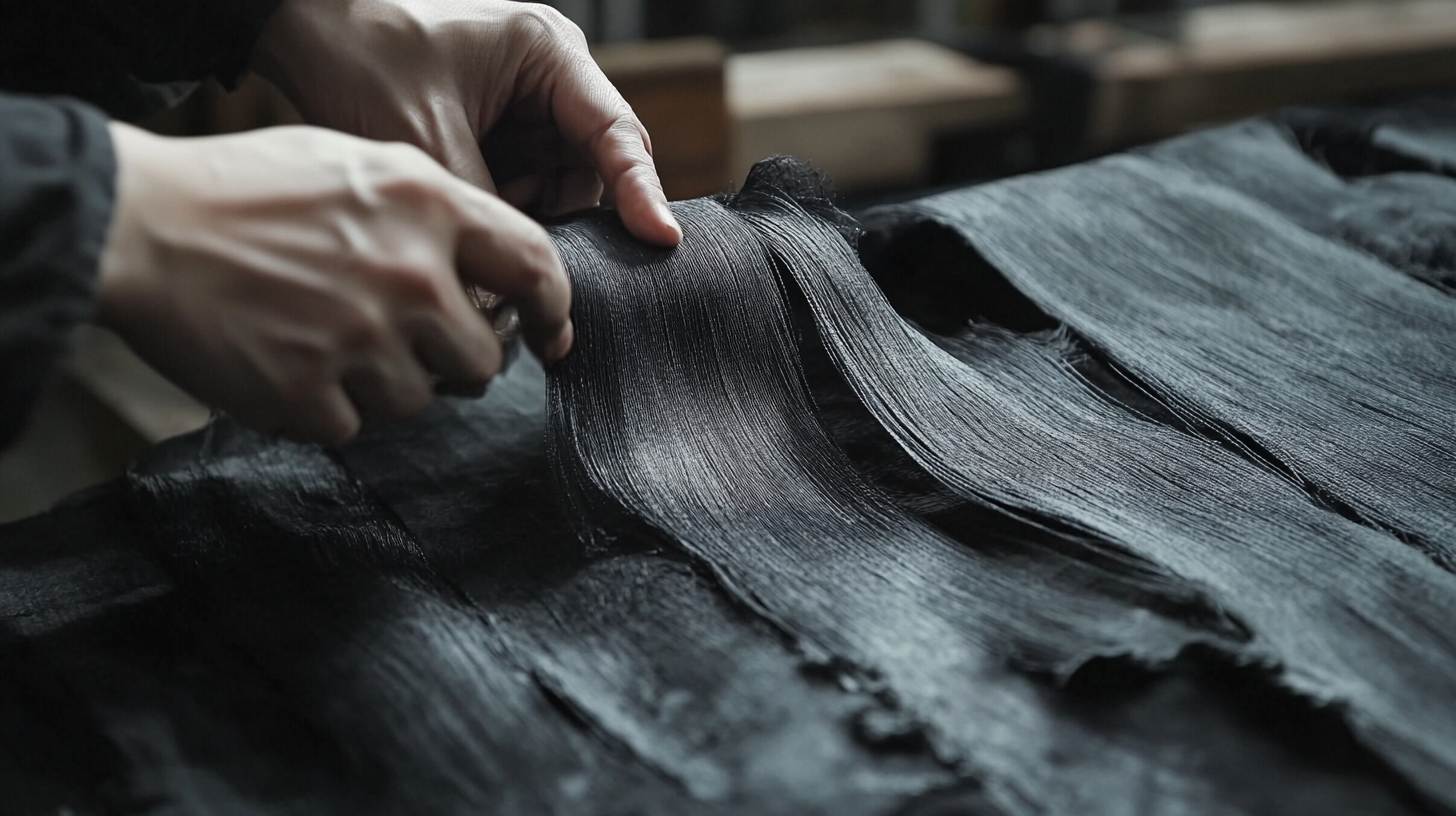
You know, there’s been quite a buzz lately about sustainable materials, and one that keeps popping up is basalt fiber fabric. It’s really gaining traction because it’s eco-friendly and has a pretty low environmental impact. When you think about it, it’s made from natural volcanic rock, and they create it by melting it at high temperatures. What’s great is that this process uses a lot less energy compared to the usual synthetic fibers. In fact, a recent study showed that making basalt fiber consumes about 45% less energy than fiberglass, which definitely makes it a more appealing option for various uses.
But that’s not all! Basalt fiber fabric has some impressive mechanical properties too. Seriously, it’s got high tensile strength and can handle extreme temperatures and chemicals really well. What does this mean for us? It means that it lasts longer and reduces waste in both construction and manufacturing. Unlike a lot of other fibers that rely on petrochemicals and kick out carbon emissions during production, basalt fiber is a non-toxic option that avoids harmful chemicals, which is a huge win for the environment.
Plus, here’s another cool thing: basalt fiber is totally recyclable. With all the talk about sustainability in the textile world, this is a big deal. According to industry analyses, the global market for basalt fiber is set to grow, thanks to the rising demand for sustainable materials in areas like automotive, aerospace, and construction. So, as we see more basalt fiber fabric being used in infrastructure and manufacturing, it’s really paving the way for a more sustainable and circular economy, aligning well with the global push to lower carbon emissions and promote eco-friendly options.
You know, the basalt fiber market is really taking off! Its unique features and versatility are catching the attention of various industries. More and more buyers around the world are on the lookout for sustainable, high-performance materials, and basalt fiber is stepping up as a fantastic alternative to traditional options like glass and carbon. I mean, its ability to withstand extreme temperatures, incredible strength-to-weight ratio, and outstanding chemical durability definitely make it a go-to choice in fields such as construction, automotive, and even aerospace.
But, here’s the thing—despite all these perks, there are some bumps in the road for the basalt fiber market. One major issue is that producing it tends to be a bit pricier than your usual fibers, which can really turn off buyers who are trying to stick to a budget. Plus, there’s the matter of limited basalt deposits in certain areas, which could put a damper on supply chains. So, it’s crucial for global buyers to figure out how to tackle these challenges while also seizing the amazing opportunities that come with this innovative material. Investing in research and development could really help bring those production costs down and streamline manufacturing processes, making basalt fiber much more accessible across different markets.
As people become more aware of the need for eco-friendly materials, I think we can expect to see a rise in the use of basalt fiber. Industry folks should definitely keep their ears to the ground about market trends, continuously exploring new applications and teaming up with others to overcome the hurdles. Taking this proactive stance will help ensure that basalt fiber stays a relevant and competitive choice for buyers looking for cutting-edge material solutions.
You know, basalt fiber fabric is really shaking things up in a bunch of industries, especially in construction and automotive. Its thermal stability and incredible tensile strength make it a go-to option for reinforcing materials. In fact, a report from Research and Markets suggests that the global basalt fiber market could hit $230 million by 2026, thanks to the rising demand for lightweight, high-strength materials in these fields.
In construction, people are using basalt fiber fabric to make composite materials that seriously boost the durability and lifespan of buildings. One of its coolest features is how resistant it is to corrosion, which is a game-changer in rough environments where chemicals, moisture, and extreme temperatures can cause real damage. A study in the "Journal of Materials in Civil Engineering" even found that concrete reinforced with basalt fiber showed a 30% bump in compressive strength compared to the usual steel reinforcements.
And let’s not overlook the automotive world! There’s a big push for lighter vehicles these days to improve fuel efficiency, and manufacturers are really leaning into basalt fiber for their components. According to the International Journal of Automotive Engineering, using basalt fiber can cut vehicle weight by up to 20% while still keeping safety in check. This weight drop not only boosts how well the vehicle performs but also ties in with the growing focus on sustainability. Plus, basalt is a naturally occurring and eco-friendly material—definitely a win-win!
You know, the future of basalt fiber is really looking bright! There are so many new discoveries and tech advancements happening, and they're shaking things up in all sorts of industries. I came across this report from ResearchAndMarkets that says the global basalt fiber market is expected to grow by over 12% each year from 2021 to 2026. A lot of this growth is thanks to its standout features—like its incredible strength, low thermal conductivity, and fantastic resistance to corrosion. It’s no wonder basalt fiber is becoming the go-to material for construction, aerospace, and automotive sectors, where durability and performance are just so crucial.
What's even cooler is that recent improvements in manufacturing techniques have really taken basalt fiber to the next level. For example, the new continuous basalt fiber (CBF) manufacturing processes have helped cut down production costs while boosting the material’s performance. A study from the Institute of Materials Science pointed out that CBF actually has tensile strength that rivals steel but is way lighter. This makes it a super attractive option for industries that want to enhance efficiency without sacrificing strength.
And it gets better—researchers are diving into hybrid composites that mix basalt fiber with other materials like carbon or glass fibers to up the strength and flexibility even more. This strategy not only broadens what basalt fiber can do but also fits perfectly with the growing focus on sustainability in manufacturing. Plus, basalt fiber is pretty eco-friendly. It’s made from volcanic rock and doesn’t require a ton of energy to produce, which definitely catches the eye of global buyers looking for greener options.
With all this innovation happening in basalt fiber tech, it’s only a matter of time before it slips into more markets, challenging the usual materials and setting new standards for performance and sustainability.
When seeking the right basalt fiber fabric supplier, it’s essential to understand the key factors that can influence your decision. Basalt fiber, known for its exceptional strength and thermal resistance, is gaining traction in various industries, including aerospace and construction. According to a report by MarketsandMarkets, the global basalt fiber market is projected to reach $200 million by 2025, with a compound annual growth rate (CAGR) of 7.4%. This growth highlights the increasing demand for reliable suppliers who can meet stringent quality standards.
When assessing potential suppliers, consider their manufacturing processes and certifications. A reputable supplier should possess ISO 9001 certification, which ensures that their products adhere to international quality management standards. Additionally, they should provide clear documentation on their basalt fiber fabric's properties, such as tensile strength, thermal stability, and resistance to chemical corrosion. A comprehensive understanding of these specifications will help you select a supplier who can deliver products that meet your performance requirements.
Another critical aspect is the supplier's ability to provide customized solutions. The basalt fiber market is evolving, and buyers often have specific needs based on their applications. Companies that offer tailoring services will be more adaptable to your project requirements. According to a study by ResearchAndMarkets, around 42% of respondents indicated that customization significantly impacts their supplier selection, underscoring the importance of adapting to buyer needs in today’s competitive environment.
In conclusion, evaluating basalt fiber fabric suppliers involves thorough research into their credentials, product offerings, and flexibility in catering to specific requirements. By doing so, global buyers can leverage the advantages of basalt fiber while ensuring they have a dependable partner in their supply chain.
Basalt fiber has superior thermal endurance (withstand temperatures up to 1000°C), excellent tensile strength, low thermal conductivity, and superior chemical resistance, making it ideal for demanding applications in construction and automotive industries.
Basalt fiber is significantly more affordable, with costs that can be up to five times lower than carbon fiber, while still providing a similar strength-to-weight ratio.
The global basalt fiber market is expected to reach USD 467.5 million by 2025 and $230 million by 2026, driven by its unique properties and increasing demand across various industries.
Basalt fiber composites show up to 30% better durability than glass fiber composites, making them more suitable for demanding environments and reducing maintenance costs.
The main challenges include high production costs and the limited availability of basalt deposits in certain regions, which may restrict supply chains.
Basalt fiber is mainly used in construction, automotive, and aerospace sectors due to its high thermal stability, tensile strength, and chemical durability.
Basalt fiber enables manufacturers to produce lighter vehicle components that enhance fuel efficiency and reduce emissions, aligning with the emphasis on sustainability since basalt is an eco-friendly, naturally occurring material.
Basalt fiber-reinforced concrete exhibits improved mechanical properties, including a 30% increase in compressive strength compared to traditional steel reinforcement, enhancing durability and longevity.
Investing in research and development can reduce production costs and improve manufacturing processes, making basalt fiber more accessible and competitive in various markets.
With the rising demand for environmentally friendly materials, the adoption of basalt fiber is likely to grow, prompting industry players to explore new applications and foster collaborations.