Leave Your Message
0%

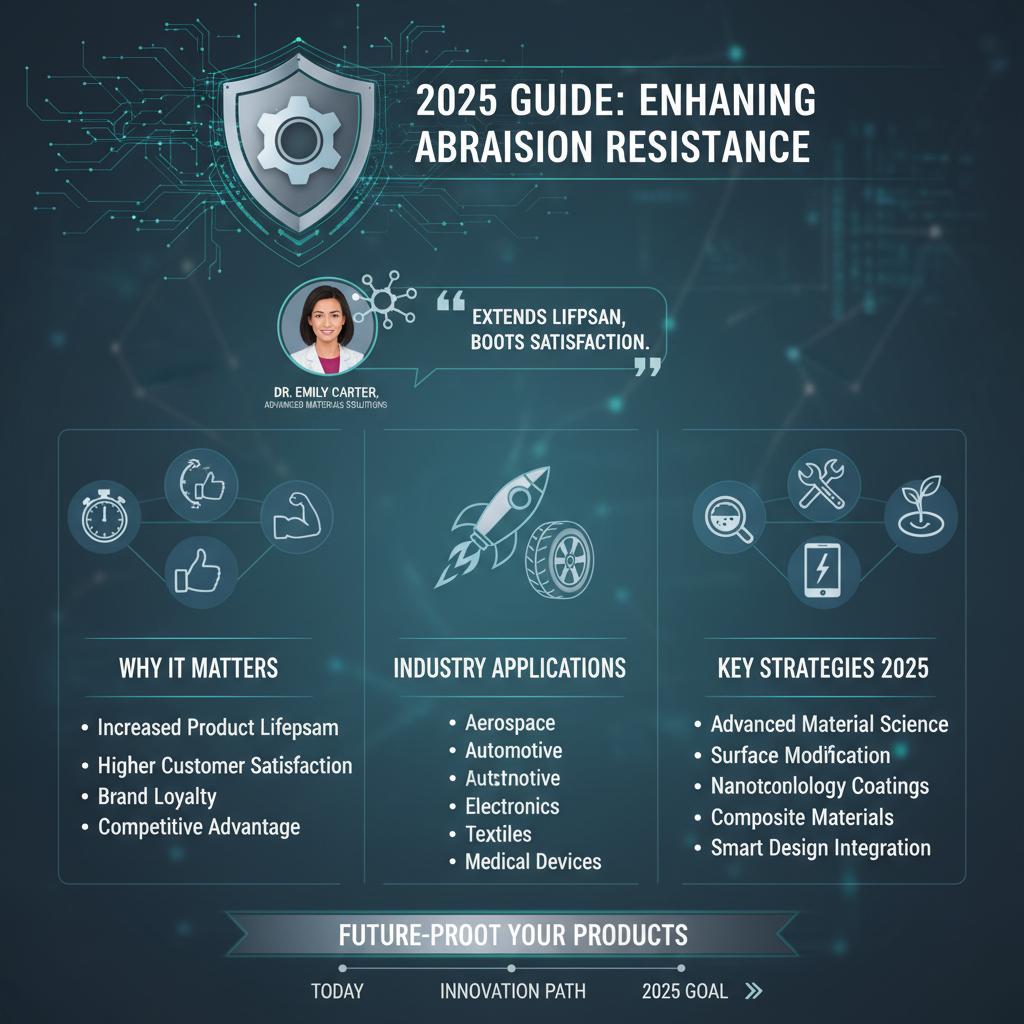
In today’s cutthroat market, making products more resistant to wear and tear has never been more important. Take what industry expert Dr. Emily Carter, a top consultant at Advanced Materials Solutions, points out — she says that boosting Abrasion Resistance not only helps your products last longer, but also makes customers happier and more loyal. As brands try to stay ahead and meet the expectations of picky consumers, understanding what actually makes a product more durable against abrasion can really give you an edge over the competition.

The search for better abrasion resistance isn’t limited to just one industry either — whether it's Aerospace, consumer goods, or anything in between, everyone’s interested. Thanks to new advances in materials and tech, companies can get creative and develop products that stand up to the constant wear and tear of everyday life. By using smart strategies and proven methods, businesses can make their products last longer without sacrificing performance or quality.

This guide is here to share some practical tips and insights for companies wanting to level up their products’ durability by 2025. By tapping into expert advice and the latest in material science, manufacturers can make sure their offerings stay tough and reliable, even under tough conditions.
2025 Guide: How to Enhance Abrasion Resistance in Your Products?

Understanding Abrasion Resistance: Key Concepts and Definitions

Abrasion resistance is a crucial property for many products, particularly those subjected to wear and tear in demanding environments. At its core, abrasion resistance refers to a material's ability to withstand damage from friction or contact with other surfaces. This characteristic is essential for ensuring the longevity and performance of items ranging from textiles to industrial components. Various factors, including material composition, surface finish, and structural integrity, contribute to a product's overall resistance to abrasion.

To effectively enhance abrasion resistance, manufacturers can employ specific materials and treatments. For example, polymers reinforced with additives like aramid fibers can offer superior durability compared to standard materials. Additionally, coatings such as ceramic or polyurethane can significantly improve surface hardness and minimize wear. Understanding how these elements interact helps in designing products that can endure challenging conditions, thus extending their functional lifespan and reducing replacement costs. By prioritizing abrasion resistance in the design phase, companies can develop high-performance solutions that meet the needs of their customers.

Common Materials with High Abrasion Resistance Properties

When it comes to enhancing abrasion resistance in products, selecting the right materials is crucial. Several materials are known for their high abrasion resistance properties, making them ideal choices for various applications. For instance, polyurethane is frequently employed in industrial settings due to its exceptional durability and flexibility. It performs remarkably well in environments where wear and tear are common, such as conveyor belts and protective coatings.

Another noteworthy material is ceramic, which is renowned for its hardness and resistance to wear. Ceramic coatings can be applied to components exposed to harsh conditions, prolonging their life and performance. Additionally, metals such as hardened steel and titanium alloy serve as reliable options for products requiring significant strength and minimal abrasion wear. Each of these materials can be tailored for specific uses, ensuring that products remain functional and effective even under rigorous conditions.

Manufacturing Processes that Enhance Abrasion Resistance

To enhance abrasion resistance in products, manufacturers are increasingly adopting advanced processes and materials. Recent research highlights the machining characteristics of cryogenically treated alloys, which demonstrate improved wear resistance crucial for engineering and biomedical applications. This approach not only optimizes the material properties but also extends the lifespan of components in abrasive environments.

Moreover, new innovations in additive manufacturing are demonstrating significant advancements in wear resistance. For instance, studies analyzing wear resistance in wire arc additively manufactured alloys have provided insights into how microstructural variations impact performance under load. Additionally, the evaluation of 3D-printed dental materials offers valuable correlations between surface roughness and abrasion resistance, suggesting potential pathways for optimizing product performance in diverse applications. By integrating these manufacturing processes and innovations, companies can significantly improve the durability and functionality of their products against wear and abrasion.

2025 Guide: How to Enhance Abrasion Resistance in Your Products?

Material Processing Technique Abrasion Resistance Rating (HRB) Common Applications
High Density Polyethylene (HDPE) Blow Molding 65 Containers, Liners
Thermoplastic Elastomer (TPE) Injection Molding 70 Seals, Automotive Parts
Polyurethane (PU) Casting 80 Foams, Coatings
Carbon Fiber Reinforced Polymer (CFRP) Lay-Up Process 95 Aerospace, Sporting Goods
Silicone Rubber Compression Molding 60 Medical Devices, Gaskets

Testing Methods for Evaluating Abrasion Resistance in Products

When evaluating abrasion resistance in products, various testing methods play a crucial role in ensuring durability and performance. One of the most widely accepted methods is the Taber Abraser test, which measures the wear of materials under specified conditions. According to a report from ASTM International, materials subjected to this test can be compared against established benchmarks to determine their relative abrasion resistance, making it invaluable for industries such as textiles, automotive, and manufacturing.

Another significant method is the Martindale Abrasion Tester, commonly used in the fabric industry to assess the durability of textiles. Research published in the Journal of Textile Science highlights that fabrics with a Martindale abrasion rating above 20,000 cycles are generally deemed acceptable for upholstered furniture, demonstrating the tester's efficacy in selecting long-lasting materials. These standardized assessments contribute to the innovation of products by providing insights into their long-term performance and helping manufacturers select the best materials for their applications, ultimately enhancing product quality in competitive markets.

2025 Guide: How to Enhance Abrasion Resistance in Your Products

Innovative Coatings and Treatments for Improved Durability

Innovative coatings and treatments play a crucial role in enhancing the abrasion resistance of products across various industries. Recent industry reports indicate that implementing advanced coatings can improve durability by up to 50%, significantly reducing wear and tear over time. For example, polyurethane and ceramic-based coatings are gaining traction for their superior protective properties, allowing products to withstand harsh conditions without compromising performance. Such innovations not only extend the lifespan of products but also result in considerable cost savings for manufacturers.

Tips: When selecting a coating, consider the specific environment in which the product will be used. For high-friction applications, look for coatings with high hardness ratings, typically measured on the Mohs scale. Additionally, perform thorough abrasion tests to determine the best treatment for your needs, as this data will guide you in making informed decisions for your product development.

Moreover, emerging technologies, such as nanotechnology, are paving the way for the next generation of protective treatments. Reports have shown that nano-coatings can reduce friction by up to 90% compared to traditional coatings. These advancements present a valuable opportunity for industries to further enhance product durability, meeting the growing demand for longer-lasting and more resilient materials in today’s competitive market.

Tips: Collaborate with material scientists to explore the latest advancements in nano-coatings, as customized solutions may offer enhanced properties tailored to your product’s specific requirements.

Case Studies: Successful Applications of Enhanced Abrasion Resistance

2025 Guide: How to Enhance Abrasion Resistance in Your Products?

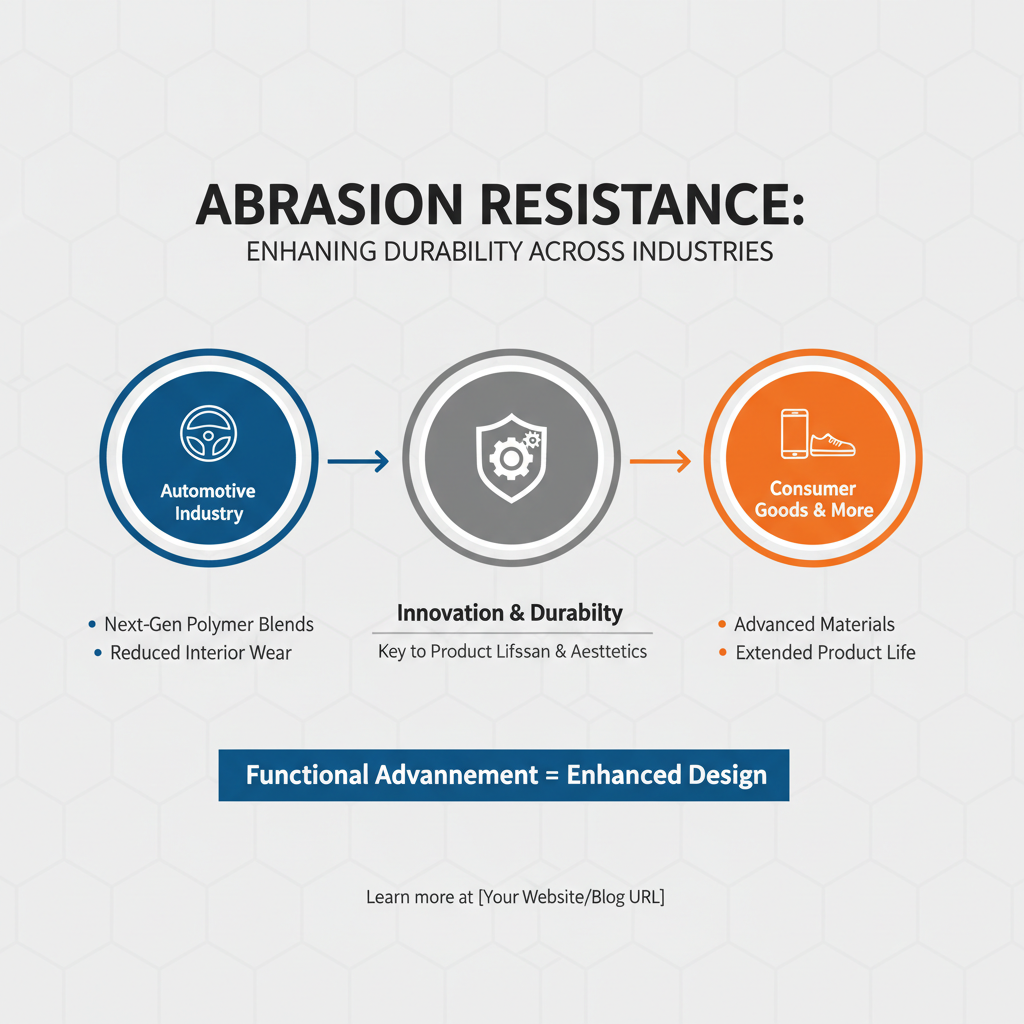
Enhancing abrasion resistance is crucial for a variety of industries, from automotive to consumer goods. Several companies have successfully adopted innovative materials and techniques to improve the durability of their products. For instance, a leading automotive manufacturer introduced a next-generation polymer blend in their vehicle interiors, significantly reducing wear from daily use. This decision not only extended the lifespan of the interiors but also enhanced the overall aesthetic appeal, showcasing how functional advancements can coincide with design.

In another case, a sports equipment brand revolutionized its product line by integrating advanced coating technologies into their footwear. The application of a proprietary abrasion-resistant layer provided improved protection against rough terrains, increasing the performance and longevity of their shoes. Customer feedback highlighted the significant uptick in satisfaction, as athletes reported a reduced frequency of wear-related injuries and a longer-lasting product. These case studies illustrate the tangible benefits of investing in enhanced abrasion resistance, demonstrating that innovation can lead to substantial competitive advantages across various sectors.

Future Trends in Abrasion Resistance Technologies and Materials

2025 Guide: How to Enhance Abrasion Resistance in Your Products?

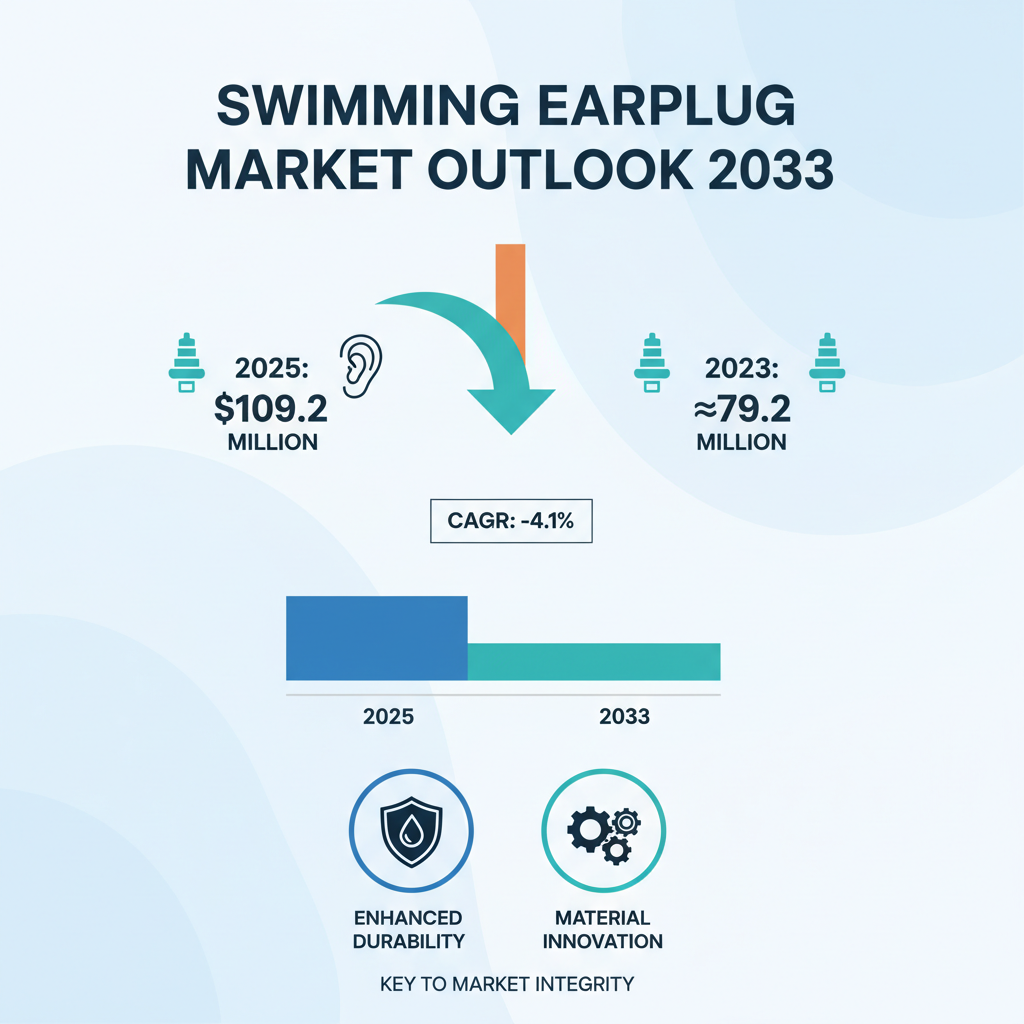
As we look towards 2033, the swimming earplug market is projected to experience a slight contraction, diminishing from $109.2 million in 2025 to approximately $79.2 million, with a CAGR of 4.1%. This trend underscores the importance of enhancing product durability and abrasion resistance, especially for consumer goods that are exposed to water and other abrasive elements.

Innovations in materials and technologies will be pivotal in maintaining and improving product integrity in this niche market.

In the broader landscape of materials science, the global market for advanced packaging, specifically honeycomb packaging, is set to grow from $3.22 billion in 2025 to an impressive $4.33 billion by 2032. This growth is indicative of a rising demand for sustainable and resilient packaging solutions.

Emerging technologies in abrasion-resistant materials will play a crucial role in meeting safety and performance standards, particularly in the food and beverage sector. With rapid advancements, the adaptive use of new materials in packaging will be influenced by sustainability trends and consumer awareness, shaping the market significantly in the coming years.

FAQS

: What is abrasion resistance?

: Abrasion resistance refers to a material's ability to withstand damage from friction or contact with other surfaces, which is crucial for the longevity and performance of various products.

Why is abrasion resistance important?

It is essential for products subjected to wear and tear in demanding environments, ensuring they maintain functionality and durability over time.

What factors influence abrasion resistance?

Factors include material composition, surface finish, and structural integrity, all of which contribute to a product's overall resistance to abrasion.

How can manufacturers enhance abrasion resistance?

Manufacturers can enhance abrasion resistance by employing specific materials and treatments, such as polymers reinforced with aramid fibers and coatings like ceramic or polyurethane.

What is the Taber Abraser test?

The Taber Abraser test is a widely accepted testing method that measures the wear of materials under specified conditions to evaluate their abrasion resistance.

What is the Martindale Abrasion Tester used for?

The Martindale Abrasion Tester is commonly used in the fabric industry to assess the durability of textiles, with a specific focus on their abrasion ratings.

What does a Martindale abrasion rating above 20,000 cycles indicate?

Fabrics with a Martindale abrasion rating above 20,000 cycles are generally considered acceptable for upholstered furniture, indicating their durability.

How do testing methods contribute to product innovation?

Testing methods provide valuable insights into long-term performance, helping manufacturers select the best materials and enhance product quality in competitive markets.

What role do coatings play in abrasion resistance?

Coatings such as ceramic or polyurethane can significantly improve surface hardness and minimize wear, contributing to the overall abrasion resistance of a material.

How can prioritizing abrasion resistance benefit companies?

Prioritizing abrasion resistance in the design phase facilitates the development of high-performance products that meet customer needs, ultimately reducing replacement costs.

Conclusion

The article "2025 Guide: How to Enhance Abrasion Resistance in Your Products?" delves into the essential concepts and definitions surrounding abrasion resistance, emphasizing its significance across various industries. It explores common materials known for their high abrasion resistance properties and discusses manufacturing processes that can further enhance this quality in products. Additionally, the article reviews innovative coatings and treatments designed to improve durability and highlights effective testing methods for evaluating abrasion resistance.

Case studies illustrate successful applications of enhanced abrasion resistance, showcasing real-world examples of how companies have benefitted from employing these technologies. Lastly, the article looks ahead to future trends in abrasion resistance technologies and materials, positioning enterprises like China Beihai Fiberglass Co., Ltd. at the forefront of advancements in high-performance basalt continuous fiber, which plays a crucial role in enhancing abrasion resistance in numerous applications.
Isabella

Isabella

Isabella is a dedicated marketing professional at Jiujiang Beihai Fiberglass Co., Ltd. (Project Four), specializing in promoting the company's diverse range of high-quality fiberglass products. With a deep understanding of the industry and a passion for innovation, she plays a vital role in driving......
Previous Innovative Approaches for Utilizing Basalt Cleavage in Modern Applications