Hey there! So, in today’s world of industry, having materials that can really stand up to wear and tear is more important than ever. I came across some interesting stats recently – apparently, the global market for abrasion-resistant materials is expected to hit a whopping $12 billion by 2025. That’s partly because industries like Construction, automotive, and manufacturing really feel the impact of things wearing down over time. China Beihai Fiberglass Co., Ltd. gets this need, and they’ve positioned themselves as a key player in making top-notch basalt continuous fiber. They’re a high-tech company that’s all about innovation and quality, really focused on providing solutions that boost durability and lifespan across different uses. In this guide, we’re going to break down what you need to consider when choosing the right abrasion-resistant materials for your business. This way, you’ll be able to make decisions that really fit your needs.

Understanding Abrasion Resistance: Key Concepts and Terminology
Abrasion Resistance is a crucial property in many industries, especially those involving wear and tear from machinery, tools, or natural forces. Understanding key concepts and terminology related to abrasion resistance can help you select the best materials for your specific needs. The term "abrasion resistance" refers to a material's ability to withstand mechanical wear during contact with a rough surface. This characteristic is essential for materials used in applications such as construction, manufacturing, and even textiles, where they are subjected to repeated friction and stress.
When choosing materials based on abrasion resistance, several factors come into play. Important terminology includes "hardness," which measures a material's resistance to indentation and scratching, and "toughness," which indicates its ability to absorb energy while deforming. Additionally, "coefficient of friction" is a significant factor that affects how materials slide against each other. Familiarizing yourself with these concepts not only aids in selecting the right materials but also enhances your understanding of their performance in practical applications. By leveraging this knowledge, industries can make informed choices that improve durability and reduce maintenance costs.
Top Industries Requiring High Abrasion Resistance Materials
When you're choosing materials that can handle abrasion, some industries really come to mind because of their unique needs. Take mining, for example. It’s all about using tough stuff like rubber, polyurethane, and those hard metals that can stand up to all the wear and tear from heavy machinery and moving materials around. I read somewhere that, according to the International Mining Association, equipment failures can hit companies with downtime costs averaging a whopping $1 million each day! That’s no joke. So, having quality abrasion-resistant materials in the mix can really boost productivity and save a ton on maintenance costs.
And speaking of tough jobs, the construction industry has its own set of demands. Heavy machinery and equipment for excavation and transporting materials definitely need to be robust. A report from the American Concrete Institute mentioned that maintenance related to wear and tear can take up to 25% of the operational budget. Yikes! This is where using advanced materials comes into play, helping to cut those costs and increase overall efficiency.
Quick Tips: When you’re on the hunt for abrasion-resistant materials, make sure to keep in mind what the operating environment is like and what kind of wear you’re expecting. It really pays to test materials in real-world conditions to find out which ones will perform best. Also, don’t forget to check out industry reports and case studies to see how different materials stack up over time for your specific needs.
Evaluating Material Properties: Strength, Durability, and Performance
Alright, so when you’re picking materials for high-performance projects, it’s super important to really grasp their strength, durability, and how they perform overall. Lately, a bunch of studies have been shining a light on how crucial it is to use sustainable materials, like granodiorite and ceramic powders, in concrete mixes. Apparently, these materials can boost compressive strength and improve radiation shielding efficiency, especially when it gets really hot. This totally fits in with the construction world’s push for greener practices, all while keeping the structural integrity we need.
And you know what? It’s not just the usual materials anymore. New and exciting additives like marble dust are stepping up as great soil stabilizers. Just adding about 10% of marble dust can really enhance mechanical properties, cut down landfill waste, and help lessen pollution. Plus, there’s been some cool progress on using industrial by-products like fly ash and metakaolin, which have shown impressive gains in the strength and durability of cement-based materials. These findings really highlight how dedicated the industry is to reducing carbon emissions while also meeting the increasing demand for resilient construction solutions, helping pave the way for a greener future.
Ultimate Guide to Choosing the Best Abrasion Resistance Materials
This bar chart illustrates the abrasion resistance ratings of various materials based on their strength, durability, and performance characteristics.
Practical Tips for Selecting the Right Abrasion Resistant Material
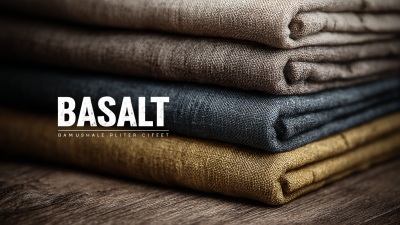
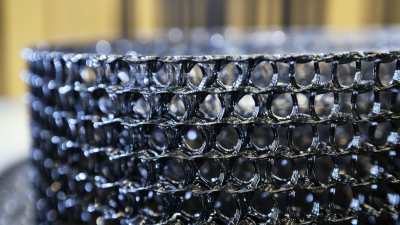
Choosing the right abrasion-resistant materials for your industry can feel a bit daunting, right? It’s super important to really nail down what your application needs. Think about things like the type of abrasion you'll be dealing with, the environmental conditions, and how durable the materials need to be in the long run. For instance, if your project calls for some serious tensile strength and good thermal stability, you might want to check out basalt fiber from China Beihai Fiberglass Co., Ltd. They’ve got a strong background in R&D and focus on high-performance basalt continuous fiber, which is great for withstanding tough conditions and abrasion.
But it’s not just about the physical properties; you also need to think about how these materials will fit with what you’ve got going on already. Take into account things like weight, flexibility, and how easy they are to install. This will help make sure that not only do the materials do their job, but they also play nicely with your existing processes. By tapping into the innovative tech and know-how from Beihai, you can get your hands on advanced materials that promise reliability and a long life, especially in harsh environments. This could really help boost your production efficiency and keep maintenance costs down.
Cost vs. Quality: Finding the Best Value for Your Industry Needs
So, when you're trying to pick out the best abrasion-resistant materials for your industry, it’s really all about finding that sweet spot between cost and quality. Sure, going for the cheapest option might seem like a smart move at first, but trust me, it can end up costing you way more in the long run thanks to all those replacements and maintenance hassles. What you really want to do is think about how long the materials will last and how well they'll perform compared to their price tag. Sometimes, spending a bit more upfront can really pay off later on!
Oh, and here’s a quick tip: always ask for samples before you dive into a big order. Testing out the materials in your own setting can help you see how they really hold up, making sure they fit your durability needs without breaking the bank.
Also, don’t forget to look at the total cost of ownership. That means you need to factor in the purchase price, sure, but also installation, maintenance, and replacement costs. A top-notch material might have a higher price tag initially, but it could save you from headaches and extra costs down the line.
And another thing—talk to industry experts or folks you know who've been through similar challenges. Their advice can be super helpful in guiding you toward materials that hit the mark in both performance and cost-effectiveness.
Future Trends in Abrasion Resistance Materials: What to Expect
You know, the world of abrasion-resistant materials is changing pretty fast these days. It’s all thanks to advancements in technology and the rising needs from industries like manufacturing, mining, and construction. One cool trend that’s popping up is the development of composite materials. These are made to be lightweight yet super hard, which is pretty impressive. Not only do these composites boost the durability of different components, but they also help cut down on energy use in a bunch of applications. Take, for instance, blending advanced polymers with the usual metals; it really leads to products that can take a beating and last longer while still being friendly to the environment.
And let’s not forget about another exciting trend: smart materials. These are seriously futuristic! They have self-healing properties, which means they can mend themselves when they get damaged – talk about extending their life, right? Plus, they often come with sensors that provide real-time monitoring and feedback. This way, industries can stay ahead of wear and tear before it turns into a bigger problem. As these technologies keep evolving, businesses will really be in a prime position to boost their efficiency while keeping costs and downtime low. That’s a game changer for staying competitive, especially with how tough the market is getting.
FAQS
: Abrasion resistance refers to a material's ability to withstand mechanical wear during contact with a rough surface, making it essential for applications like construction, manufacturing, and textiles.
Key factors include hardness (resistance to indentation and scratching), toughness (ability to absorb energy while deforming), and the coefficient of friction (how materials slide against each other).
It is crucial because factors like strength, durability, and performance directly impact a material's effectiveness in various applications, especially in construction and manufacturing.
Incorporating sustainable materials, such as granodiorite and ceramic powders, in concrete can enhance compressive strength and radiation shielding efficiency, supporting eco-friendly practices without compromising structural integrity.
Marble dust has proven to be an effective soil stabilizer, and industrial by-products like fly ash and metakaolin can significantly enhance the strength and durability of cementitious materials.
Balancing cost and quality is crucial; opting for cheaper materials may save money initially but lead to higher long-term costs due to frequent replacements and maintenance.
The total cost of ownership includes purchase price, installation, maintenance, and replacement costs, providing a comprehensive view of a material's long-term value.
Always request samples to test how a material performs in your specific environment to ensure it meets durability needs without compromising your budget.
Industry experts can provide valuable insights and guidance based on their experience, which can help you select materials that offer high performance and cost-effectiveness.