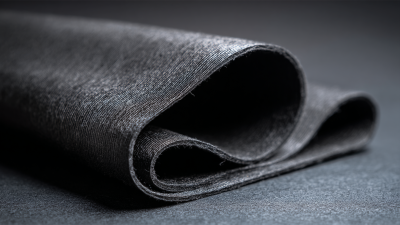
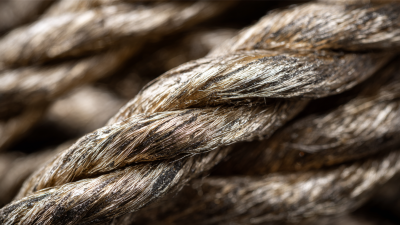
Lately, Basalt Fiber has really been making waves across different industries. People are excited about its incredible strength, durability, and how well it stands up to tough environments. China Beihai Fiberglass Co., Ltd. is right there at the forefront, leading the charge in this space. They focus on researching, developing, and producing top-notch basalt continuous fiber. Their innovative solutions aren’t just about keeping up with the demand for new materials—they also showcase how strong China's manufacturing game really is.
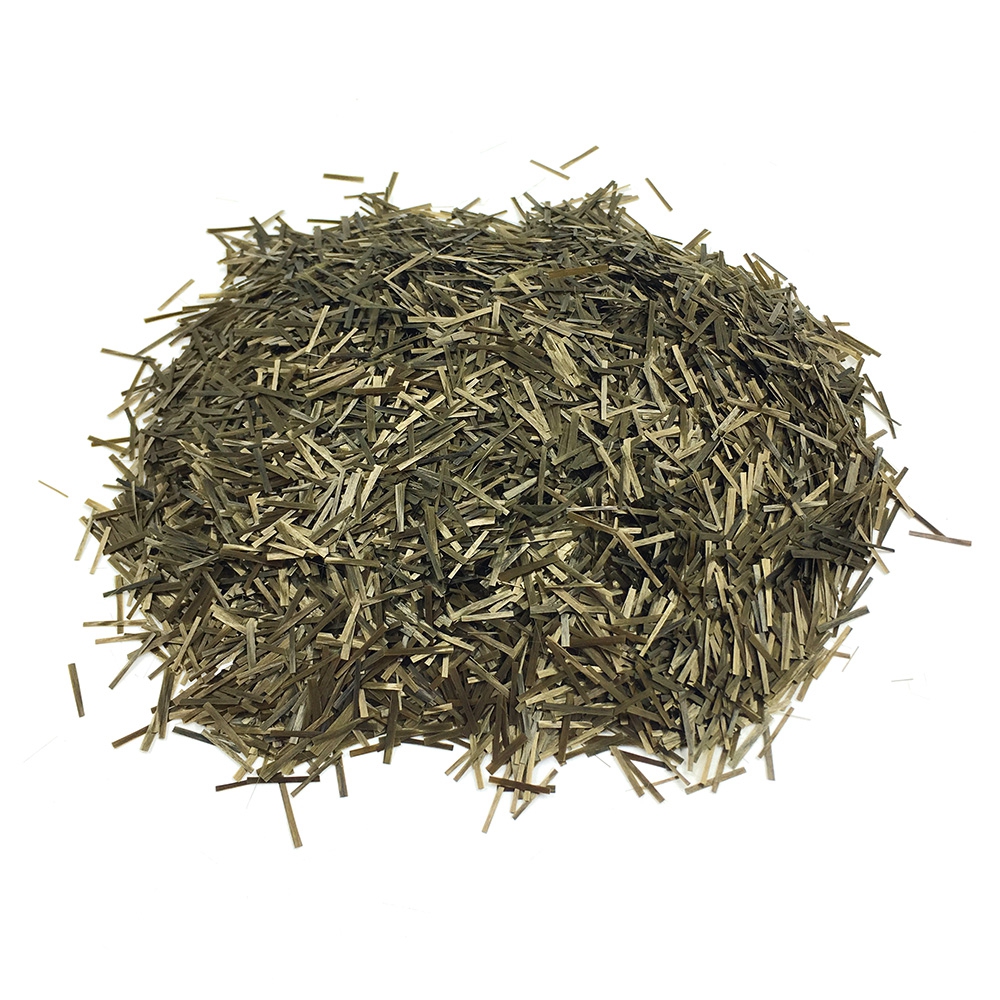
In this blog, we’ll check out some of the coolest ways basalt fiber’s being used in various sectors. It’s pretty amazing how its unique features help boost sustainability and improve performance. So, come along with us as we explore how basalt fiber is changing the game and what it might mean for industries worldwide in the future!
Innovative Properties of Basalt Fiber and Its Manufacturing Process
You know, basalt fiber is pretty fascinating — it's an innovative material made from natural volcanic rock, and it's been catching on in a bunch of different industries lately. What’s cool is how they make it: they melt the rock at really high temperatures, around 1450℃ to 1500℃, then draw out the fibers using this fancy platinum-rhodium alloy technique. The result? Continuous fibers that are super strong, heat-resistant, and last a long time. That’s why you’ll find them in construction, automotive, and even Aerospace projects.
If you’re thinking about using basalt fiber for your own projects, here are a few tips. First off, make sure to check what your specific needs are because basalt offers some advantages over traditional fibers like glass or carbon — it’s not always a one-size-fits-all. Also, consider combining basalt with other materials to get the most out of its properties. And don’t forget to keep an eye on the latest research and tech updates — staying informed helps you make smarter choices and stay ahead in the game.
The coolest part? The range of uses for basalt fiber keeps growing as more industries discover what it can do. With its unique qualities, it’s clear that this material has a big future, shaping up as a major player in the world of innovative, sustainable materials.
Key Industries Benefiting from Basalt Fiber Application
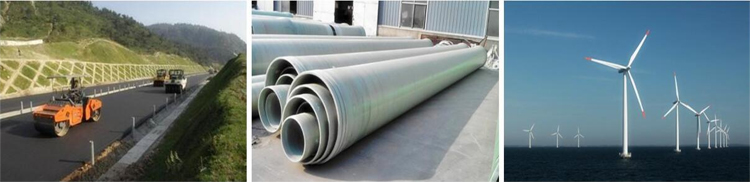
You know, basalt fiber has really been making waves across a bunch of industries, totally changing the game with its special qualities. Take construction, for example — this stuff is becoming a go-to because of its incredible strength and resistance to tough conditions. It’s now being used more and more in concrete reinforcement, roofing, and insulation. Plus, since it's so lightweight, it helps lighten the overall load of buildings, which is a big plus for green building practices and sustainability.
In the auto world, basalt fiber is also gaining ground. Car manufacturers are using it to create lighter, high-performance parts that boost fuel efficiency and safety. It’s a smart move, especially as everyone’s trying to cut down on their environmental impact. Basically, basalt fiber offers a solid alternative to traditional materials, helping to lower the carbon footprint of vehicles.
**Pro tip:** When you're thinking about using basalt fiber for your projects, it’s worth taking some time to really understand what your industry needs. Its unique features can usually be tweaked to fit different uses, so chatting with suppliers about the best formulations and processing options is a smart move. And don’t forget to keep up with new developments and real-life examples—this way, you can get the most out of basalt fiber as it starts to become a bigger deal across different markets.
Environmental Advantages of Using Basalt Fiber in Production
You know, the environmental perks of basalt fiber are really gaining traction these days, especially as industries start looking for greener alternatives to the traditional materials they've been using forever. Basalt fiber, which comes from volcanic rock, isn’t just tough—it’s got some pretty impressive mechanical qualities, plus it’s highly resistant to things like chemicals and heat. I came across a market report from 2021—by Research and Markets—that predicts the global basalt fiber market will hit around $198 million by 2027. That’s a clear sign that more sectors like construction, auto manufacturing, and aerospace are really starting to see the sustainability advantages this material offers.
What really makes basalt fiber stand out environmentally is how little energy it takes to produce. It’s about 25-35% less energy-intensive than making glass fiber, which, let's be honest, makes a pretty big difference when you're talking about reducing carbon footprints. Plus, it's non-toxic—meaning no nasty chemicals are released into the environment—and that makes industrial processes safer overall. The UN Environment Programme actually noted that using eco-friendly materials like basalt fiber can help industries reach their sustainability goals, pushing us toward a circular economy where waste is minimized and resources are used more efficiently.
As more companies push for greener, more sustainable practices, basalt fiber definitely seems like a top contender for the future of manufacturing—a real game-changer.
Case Studies: Success Stories in Basalt Fiber Utilization
These days, you’re seeing basalt fiber popping up more and more across different industries, and honestly, it's pretty exciting to witness how its potential is being demonstrated through some really compelling case studies. Take the construction world, for example — they’ve been having great results with basalt fiber reinforced composites. These materials are not only super strong and durable, but they also beat traditional options in tensile strength. According to a report from the Global Basalt Fiber Market, demand for basalt fiber is expected to hit around $210 million by 2025, which just shows how it's becoming a key player in building infrastructure.
And it’s not just construction — the auto industry’s jumping on the bandwagon too. Some companies have managed to incorporate basalt fiber into car parts, and the results are pretty impressive. For instance, there was a collaboration between a European carmaker and a composite manufacturer that led to a 20% reduction in weight for certain parts. That’s a big deal because less weight means better fuel efficiency, and it really helps push towards more eco-friendly manufacturing practices. Plus, overall, it bumps up vehicle performance.
If you're thinking about using basalt fiber for your next project, my two cents would be to look into its environmental benefits. Since it’s made from volcanic rock, it’s actually pretty sustainable. Also, partnering with experienced suppliers can make a huge difference — they'll help you get the most out of it by figuring out the best application methods and ensuring everything works smoothly. Doing a bit of research and being open to adapting your approach can really make basalt fiber work wonders for your industry.
Future Trends: The Evolving Role of Basalt Fiber in Global Markets
The role of basalt fiber in global markets is really starting to make waves, and honestly, its importance is only going to grow in the coming years. If you look at recent numbers, the worldwide basalt fiber market was sitting around $315 million in 2024, but experts are predicting it could hit nearly $914 million by 2034. That’s quite a jump! The reason behind this growth? Well, basalt fiber has some pretty impressive qualities—like being super strong and handling heat really well—which makes it a go-to material for all sorts of industries, from construction and automotive to aerospace.
As more companies and industries jump on the sustainability bandwagon, basalt fiber is gaining even more traction, especially in the world of composite materials. This particular segment is actually growing faster than almost anything else right now. The latest forecast report from 2023 to 2028 points out that folks are really after eco-friendly, durable solutions — and basalt fiber fits right into that picture. Plus, with new tech around capturing carbon dioxide and the global push to cut down emissions, basalt fiber might just become a key player in creating sustainable products. It's all part of a bigger picture, too—the technical textiles market is booming and is expected to go well beyond $241 billion as industries innovate and focus more on sustainability.
Comparative Analysis: Basalt Fiber vs. Traditional Materials in Industry
Lately, I've noticed that basalt fiber is really gaining popularity as a solid alternative to the usual materials like glass and carbon fiber in a bunch of industries. When you compare them, basalt fiber actually has a pretty impressive tensile strength — around 400 MPa, which is way higher than the typical glass fibers that usually sit between 200 and 300 MPa. Plus, basalt fibers can handle some serious heat — up to about 800°C — while glass fibers start to break down pretty quickly around 550°C. That makes basalt fiber a real game-changer, especially in fields like construction and automotive work where temperatures can really fluctuate.
If you’re thinking about what materials to choose for your projects, it’s not just about how strong they are. Consider thermals and environmental effects, too. One of the coolest things about basalt fiber is that it's lightweight but also eco-friendly. Using it can actually help cut down your carbon footprint compared to more traditional options.
And get this — basalt fibers are also super resistant to chemicals. Tests have shown that when exposed to acids for about 20 hours, basalt-based materials stayed pretty solid, whereas glass fibers showed obvious signs of breaking down. That kind of toughness opens doors in fields like aerospace or marine industries, where materials need to survive tough environments.
So, if you’re looking to make your products last longer and cut costs in the long run, adding basalt fiber to your composites might just be the smart move. It’s often more budget-friendly over time, especially when you factor in less maintenance and fewer replacements.
Enhancing Infrastructure with High-Tensile Strength Basalt Fiber Mesh Geogrid: A Solution for Durable Construction
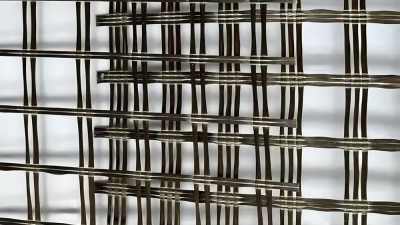
The construction industry is continually seeking innovative solutions to enhance the durability and longevity of infrastructure. One such breakthrough is the utilization of Basalt Fiber Reinforced Crack Resistant Mesh. This high-performance material is crafted from basalt fibers that are directionally woven to create a robust mesh, ideal for reinforcing structures subjected to various stresses. According to a recent industry report, materials reinforced with basalt fibers exhibit up to 30% higher tensile strength compared to traditional materials, significantly reducing the risk of cracking and structural failure.
The application of basalt fiber mesh geogrids not only improves the mechanical properties of concrete structures but also enhances their resistance to environmental factors. Studies show that the use of basalt fiber can increase the durability of composite materials by over 50%, resulting in longer-lasting infrastructures and reduced maintenance costs. Furthermore, basalt fibers are environmentally friendly, derived from natural volcanic rock, making them a sustainable choice for modern construction practices.
As infrastructure demands evolve, adopting advanced materials like Basalt Fiber Reinforced Mesh is crucial. With its outstanding performance characteristics and proven sustainability, this innovative approach is redefining what’s possible in durable construction, paving the way for a more resilient future in infrastructure development.
FAQS
: Basalt fiber has low energy consumption during production, requiring 25-35% less energy than glass fiber manufacturing. It is non-toxic and does not release harmful substances, contributing to a safer industrial ecosystem.
Utilizing basalt fiber helps industries minimize waste and maximize resource efficiency, supporting the concept of a circular economy and helping meet sustainability goals as highlighted by the United Nations Environment Programme.
Basalt fiber is increasingly recognized in various sectors, including construction, automotive, and aerospace, for its superior mechanical properties and sustainability benefits.
The global basalt fiber market is projected to grow from approximately $315.24 million in 2024 to around $913.82 million by 2034, reflecting its increasing demand and applications across multiple industries.
In construction, basalt fiber reinforced composites are used for their superior tensile strength and durability compared to traditional materials, making them ideal for infrastructure development.
Basalt fiber has been integrated into vehicle components, achieving significant weight reduction—up to 20% in certain parts—without compromising strength, thus enhancing fuel efficiency.
Basalt fiber is derived from volcanic rock, which makes it a natural and environmentally friendly alternative. Its production is energy-efficient and produces no toxic by-products.
Basalt fiber is a key component in the rapidly growing segment of composite materials, which are increasingly demanded for their eco-friendly and durable characteristics.
Businesses considering basalt fiber should evaluate its environmental impact and collaborate with experienced suppliers to ensure optimal application methods and performance outcomes.
The shift towards sustainable practices, advancements in carbon capture technologies, and a global decarbonization push are trends indicating basalt fiber's growing importance in developing new, sustainable products.