
Leave Your Message
You know, in today’s fast-paced world of global trade, sticking to those tough certification standards for composite materials has become super important. Take Basalt Biaxial Cloth, for instance – it's really taken off in a bunch of industries like construction, automotive, and Aerospace. Why? Well, it's got some seriously impressive mechanical properties, it can handle heat like a champ, and it’s lightweight too! According to a report by MarketsandMarkets, they’re expecting the global basalt fiber market to jump from about $226 million in 2020 to nearly $482 million by 2025, which is a solid growth rate of 16.5% per year. So, if you’re a manufacturer looking to make your mark in international markets, getting a solid grip on the certification processes and standards for Basalt Biaxial Cloth is absolutely crucial.
Now, let’s talk about China Beihai Fiberglass Co., Ltd. This company is really leading the charge in this field. They’re a high-tech outfit focused on researching, developing, producing, and selling high-performance basalt continuous fiber and all the gear that goes with it. They’re not just meeting standards; they’re setting the bar for the whole domestic Basalt Fiber industry. As the demand for Basalt Biaxial Cloth keeps climbing, figuring out the maze of trade standards and certifications is key to ensuring your product’s quality and earning customer trust. So, in this blog, we’re going to break down the certification process for Basalt Biaxial Cloth and share some helpful insights for manufacturers who want to thrive in the global marketplace.
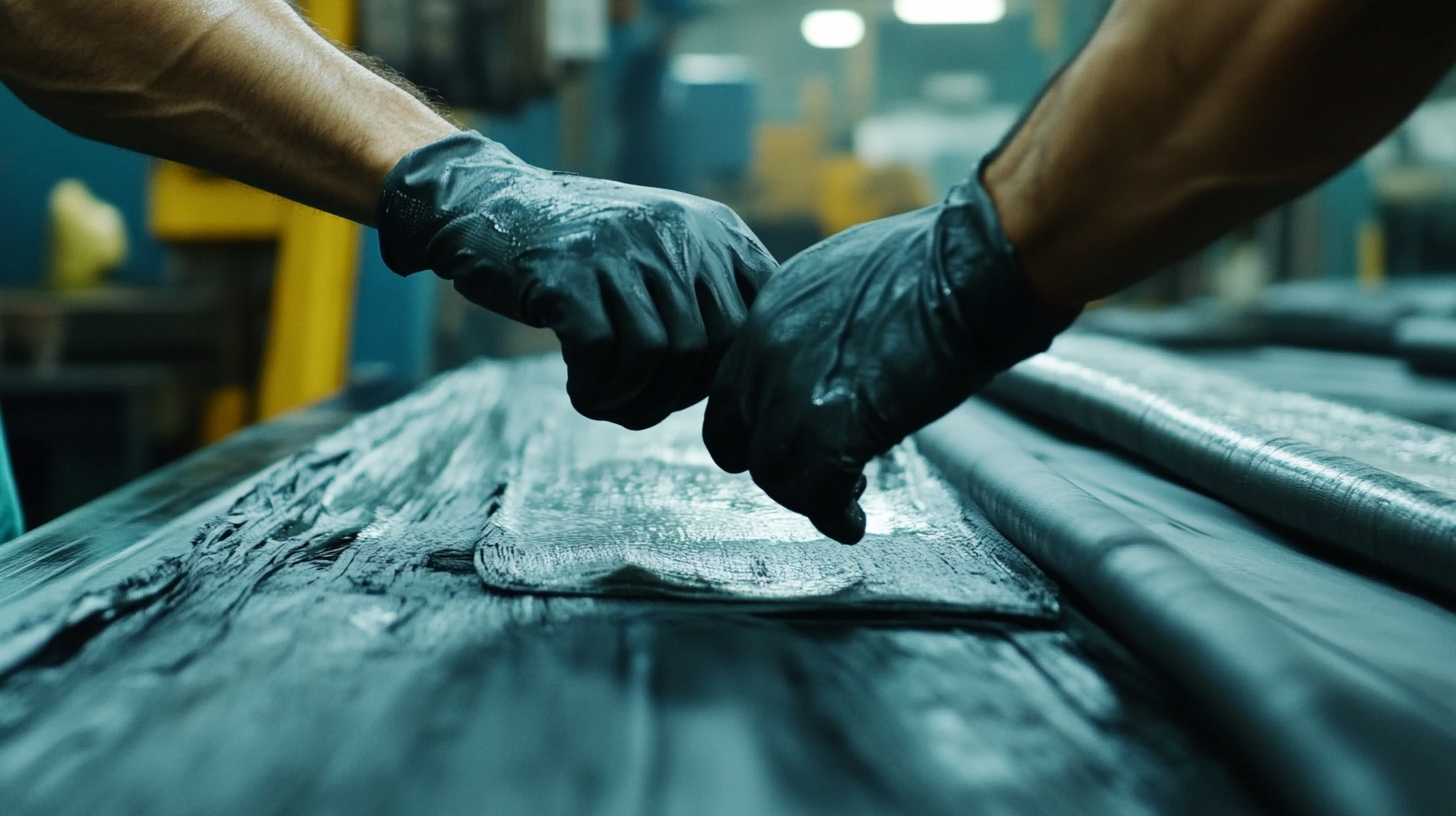
You know, basalt biaxial cloth is really making waves in modern composite applications. It's kind of amazing how this material stands out with its unique properties, making it a go-to for industries like aerospace, automotive, and construction. This cloth is woven from basalt fibers that come straight from volcanic rock, which means it's super lightweight but tough as nails. Plus, it resists heat and chemical degradation, which is a big deal in high-stress environments. That's why it's becoming a popular alternative to traditional glass and carbon fibers.
What’s really cool about basalt biaxial cloth is its versatility. You can use it in all sorts of composite structures where you need both strength and flexibility. And get this: it has fantastic thermal stability. That means it can handle extreme temperatures without falling apart, which is super important for aerospace applications where materials face some crazy temperature swings. On top of that, the cloth has decent acoustic properties, opening doors for soundproofing and vibration damping. So, it’s a blessing for automotive and construction projects looking to boost performance and safety.
Oh, and here’s another thing – using basalt biaxial cloth is great for the environment. Basalt is plentiful and non-toxic, which is a huge plus in today’s world, where everyone’s trying to cut down on their carbon footprint. With the increased demand for high-performance materials, it’s really crucial for engineers and designers to get familiar with what basalt biaxial cloth can do. It helps them innovate while keeping up with global trade standards.
Have you noticed the growing buzz around basalt fiber lately? It's especially popular in the form of basalt biaxial cloth, and global markets are really starting to take notice. A recent report from MarketsandMarkets predicts that the global basalt fiber market will jump from about 267 million USD in 2021 to a whopping 484 million USD by 2026! That’s a compound annual growth rate (CAGR) of 12.8%, which is pretty impressive, right? This uptick in interest mainly comes from basalt fiber's standout qualities, like its incredible tensile strength, impressive thermal stability, and strong resistance to chemicals. Because of these features, it’s quickly becoming a go-to material in various industries, such as construction, automotive, and aerospace.
As this market keeps expanding, there’s also a growing focus on certification and making sure products meet international trade standards. More and more people are becoming aware of the environmental footprint linked to industrial materials, pushing for greener alternatives. In the basalt fiber industry, the European Technical Assessment (ETA) and ISO standards are turning into must-haves for manufacturers who want to break into international markets. A report from Grand View Research shows that countries in the European Union have stepped up their regulations, prompting local manufacturers to get certified—it's all about proving product quality and sustainability these days.
With all these exciting changes happening, businesses really need to figure out the tricky certification processes to stay ahead of the game. Those companies that get certifications not only boost their reputation but also tap into an eco-friendly market that's expected to hit 1 trillion USD by 2027, according to Allied Market Research. By aligning with these certifications, manufacturers and suppliers of basalt fiber can better meet the increasing demand and connect with consumers who care about being environmentally responsible worldwide.
So, when you take a closer look at how basalt biaxial cloth stacks up against traditional fabrics, you'll quickly see that basalt fibers bring some serious benefits for all sorts of uses. Basically, basalt biaxial cloth is made from volcanic basalt rock, and through this process of melting and pulling fibers, it turns into this really tough material that can handle heat and chemicals like a champ. Because of this, it’s become a go-to for industries that really need something durable—think aerospace, automotive, and construction. Unlike your run-of-the-mill fabrics, which can fall apart from heat over time, basalt cloth holds up under extreme conditions, giving you a performance boost and lasting longer too.
On top of that, basalt biaxial cloth is way stronger than your typical textiles, like polyester or fiberglass. This extra strength means it can carry more weight, which is super important in structural applications. For instance, when it’s used as a reinforcement in composite materials, basalt fabric becomes a much tougher option compared to traditional fiberglass, leading to lighter and stronger products. Plus, it’s lightweight too, which is a big deal in areas where saving weight is crucial for efficiency and cutting down on fuel costs.
Now, let’s not forget about the environment! Basalt biaxial cloth really shines here too. Making basalt fibers is a lot more eco-friendly because it uses natural materials without any nasty chemicals, so you end up with lower emissions during production. This sustainable angle totally matches the growing desire for greener tech and materials, making basalt cloth a fantastic choice for industries looking to lower their environmental impact. So, as companies try to adopt more sustainable practices, basalt biaxial cloth really stands out as a modern option that blends strength with eco-friendliness.
You know, getting a grip on the global trade standards for basalt biaxial cloth certification is super important, especially now that businesses are trying to carve out their place in this booming market. Did you know the basalt fiber market was valued at around $435 million in 2023? It's crazy to think it could jump to about $1.28 billion by 2032! This really shows that there’s a big push for solid certification processes to keep things consistent and high-quality across different regions.
There are some key international standards out there that focus on things like performance, durability, and safety for basalt biaxial cloth. More and more organizations are starting to realize how vital it is to have clear guidelines that highlight the unique features of basalt fibers. Plus, there have been some recent updates in construction codes that involve nonmetallic glass fiber-reinforced polymer bars, which really sets the stage for using innovative materials like basalt fibers in building applications. It really underlines the need for strong certification standards.
As companies get ready to meet these new standards, understanding what they need to do to stay compliant is going to be key. With people increasingly looking for sustainable and high-performance materials across various fields, sticking to international certification standards isn’t just about boosting product credibility; it’s also about opening doors for more market acceptance and growth in the basalt fiber world. Exciting times ahead!
You know, getting basalt biaxial cloth to meet global trade standards can be quite a ride for manufacturers. It's not just a walk in the park, especially for those who are dipping their toes into the export scene for the first time. Each country has its own unique set of rules, certifications, and testing requirements that can be pretty different from one another. This can totally throw a wrench in the works and hold up product launches—definitely not ideal! So, manufacturers really need to buckle down and spend some time getting to grips with these various standards to make sure their products are up to snuff.
One biggie is the technical specs needed for certification. Basalt biaxial cloth is known for its awesome strength and flame resistance, but it usually has to go through specific tests to meet what different regulatory bodies demand. And let me tell you, that’s a whole other ball game. Often, businesses have to team up with specialized labs that can handle these tests. Plus, the way these tests are conducted and reported can differ quite a bit, which just adds more layers to the certification process and can make it even trickier.
And, let's not forget about the importance of keeping up with both current and changing global trade standards. These regulations can shift often, and if companies aren’t on the ball, it could lead to non-compliance, penalties, or even getting shut out of certain markets. That's why it's super important for companies to set up strong compliance management systems. They should keep a finger on the pulse of regulations and actively engage with industry groups. By making compliance a key part of their business strategy, manufacturers can not only tackle the challenges of certification but also earn themselves a reputation as trusted global players.
| Aspect | Challenge | Possible Solutions | Impact |
|---|---|---|---|
| Regulatory Compliance | Diverse regulations across countries | Standardizing documentation and processes | Increased efficiency in certification |
| Material Quality | Variability in basalt quality | Implementing strict quality control measures | Consistent product quality |
| Testing Procedures | Lack of standardized testing methods | Developing a global testing framework | Better comparability and reliability |
| Market Access | Tariffs and trade barriers | Advocating for lower tariffs | Expanded market opportunities |
| Supply Chain Transparency | Complex supply chains | Implementing blockchain technology | Enhanced trust and accountability |
When it comes to certifying materials like basalt biaxial cloth, you really can’t underestimate how crucial rigorous testing and quality control are. I mean, with the global market for Testing, Inspection, and Certification (TIC) expected to skyrocket to about $427.69 billion by 2032, the demand for trustworthy certification processes is at an all-time high. It’s like everyone—from consumers to industries—is raising the bar when it comes to quality assurance.
Now, let’s talk about how the certification process works for essential materials in construction and manufacturing, like basalt biaxial cloth. It all boils down to thorough testing protocols. And these aren’t just pointless red tape. They’re actually vital for the journey of a material from the lab to the marketplace. As safety regulations get stricter in industries like automotive and textiles, companies that put their money into solid testing strategies really set themselves apart in a competitive world where compliance is as important as innovation.
Plus, certain sectors, like automotive, are projected to see their TIC market hit about $34.2 billion by 2031. That’s driven by a growing focus on electric vehicles (EVs) and tougher safety regulations. As industries transform, having standards that guarantee product reliability and safety is crucial. This really drives home the need for professional certifications and solid quality assurance programs in today’s global marketplace.
You know, emerging markets are really shaking things up in the world of global trade when it comes to basalt fibers. They’re having a big impact on export regulations and standards. Because there’s such a growing buzz around basalt fiber—thanks to its awesome strength and lightweight characteristics—countries are stepping up to create tougher certification processes. This helps ensure that products actually meet the necessary quality and safety standards, which in turn shapes how basalt fiber flows into various industrial uses.
As these markets keep growing, they’re bringing along some pretty unique challenges and opportunities for manufacturers who are trying to keep up with all the different certification standards. Seriously, each region has its own set of rules that affect how basalt fibers are made, tested, and sold. Companies that can navigate these tricky waters are not just going to get a leg up on the competition; they’ll also play a part in fueling the growth of the basalt fiber market, which we expect to really take off between 2025 and 2032. If stakeholders can get a handle on these emerging dynamics, they’ll be in a much better position to align their strategies for entering the market successfully and ensuring long-term sustainability.
And there’s more to it—this whole movement toward sustainability in construction and manufacturing is really putting basalt fibers in the spotlight. As more countries start to pay attention to their environmental perks, like cutting down on carbon footprints and being recyclable, demand is bound to rise. This shift could really spark some innovation and lead to more collaboration among industry players who want to standardize certification processes that can meet the varied needs of these emerging markets while still promoting quality and sustainability in basalt fiber products.
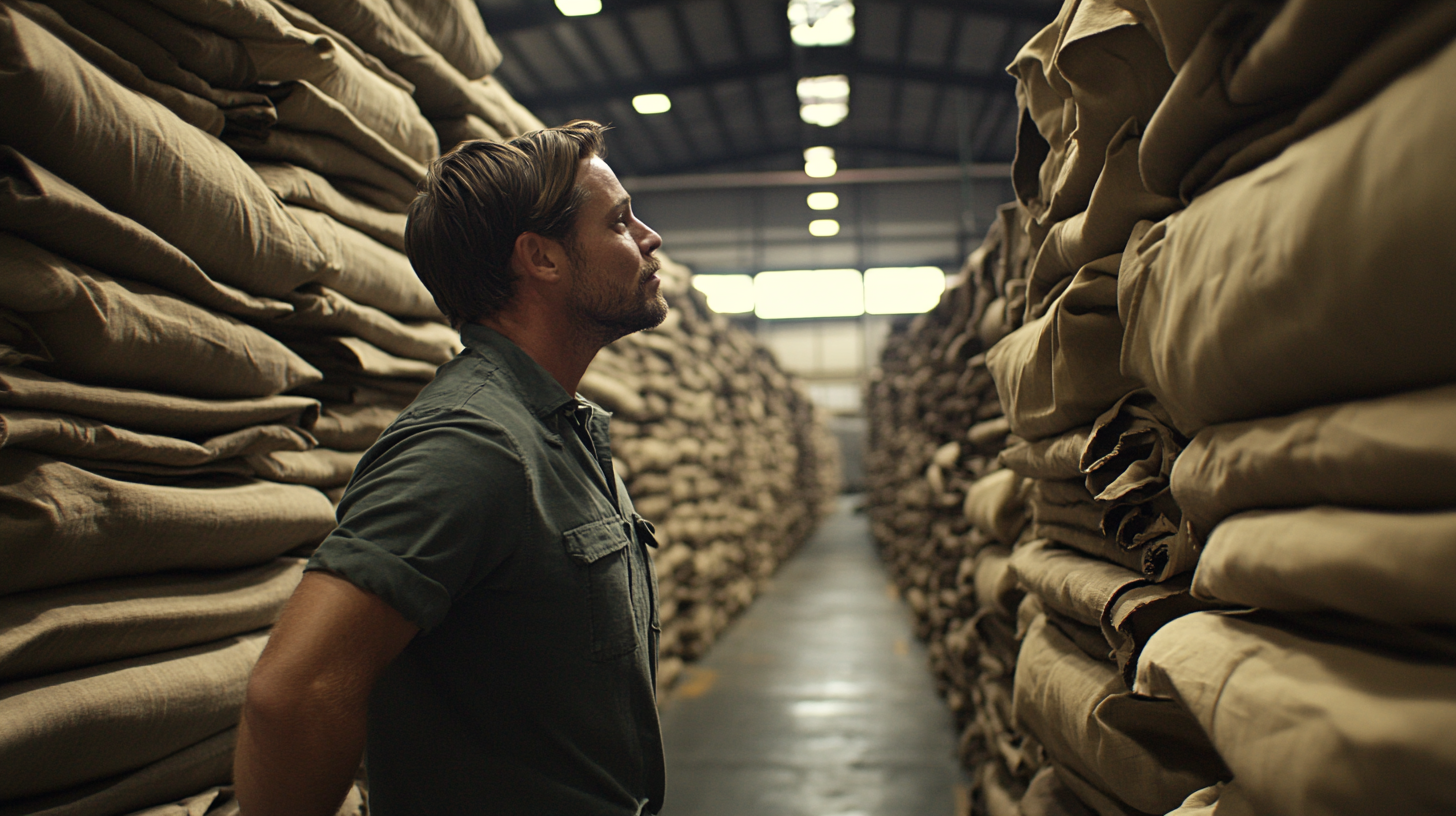
Hey there! You know, the certification for basalt biaxial cloth is really starting to play an essential role in global trade these days. Industries are on the hunt for materials that are not just strong and durable but also environmentally friendly. And with the growing need for these advanced composite materials, certification standards are getting tougher. It’s like every organization and manufacturer now has to figure out this maze of regulations and quality checks, which can be a bit different depending on where you’re looking. That’s why it’s super important to push for global trade standards that can keep products safe while making international business smoother.
Looking ahead, the way we handle basalt biaxial cloth certification is bound to shift, especially with new innovations in material science and changes in what the market craves. More and more industries, like construction and aerospace, are beginning to see the real perks of basalt fibers, which could spark some interesting collaborations between manufacturers and certifying bodies. This might just lead to faster and cheaper certification processes, not to mention better ways to track products and ensure they’re safe.
Plus, building partnerships and sharing knowledge across borders can really help everyone understand what these materials can do. The way we approach basalt biaxial cloth certification is likely to shape the whole competitive trade scene, putting certified products right at the center of the market and influencing what consumers choose and how industries operate around the globe.
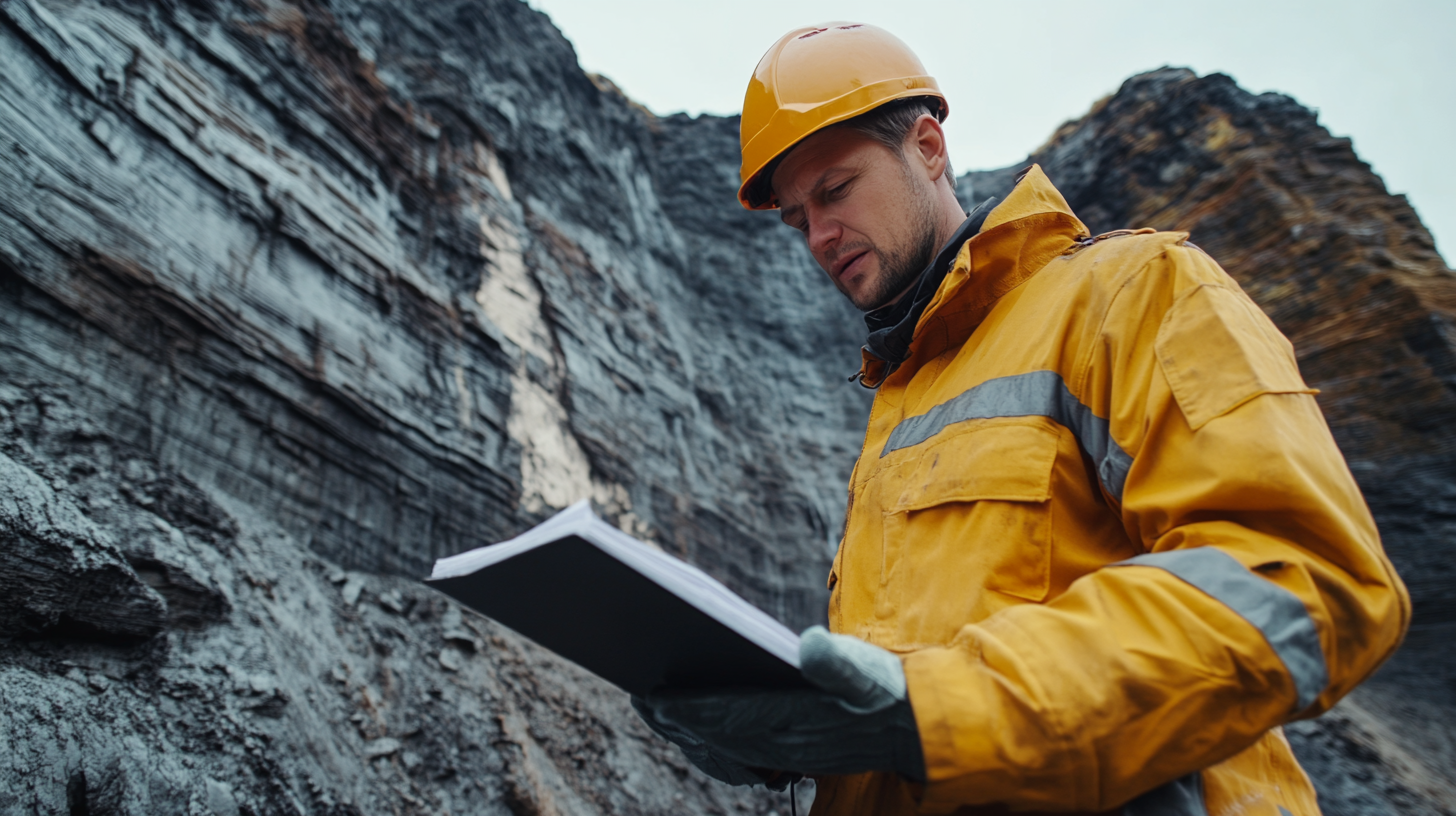
: Basalt biaxial cloth offers high resistance to heat and chemicals, superior tensile strength, and enhanced durability, making it ideal for industries like aerospace, automotive, and construction.
Unlike traditional fabrics that can degrade from thermal exposure, basalt cloth maintains its integrity and performance under extreme conditions, ensuring longevity.
The superior tensile strength of basalt cloth translates into better load-bearing capacity, making it a more robust reinforcement option compared to traditional materials like fiberglass.
Basalt biaxial cloth's lightweight nature helps reduce the overall weight of structures or components, which is essential for improving efficiency and reducing fuel costs in various industries.
Basalt fiber production uses natural raw materials without harmful chemicals, resulting in lower emissions during manufacturing and contributing to eco-friendly practices.
Emerging markets are leading to the establishment of more stringent certification processes for basalt fibers, affecting production, testing, and marketing standards globally.
Manufacturers that effectively understand and adapt to the diverse regulatory frameworks can enhance their competitive edge and contribute to the growth of the basalt fiber market.
The environmental benefits of basalt fibers, such as reduced carbon footprints and recyclability, are driving demand as more industries strive to adopt sustainable practices.
This shift towards sustainability is likely to spur innovation and encourage collaboration among industry players to standardize certification processes for basalt fiber products.
The basalt fiber market is projected to witness substantial growth between 2025 and 2032, driven by increasing demand and the push for sustainable materials.