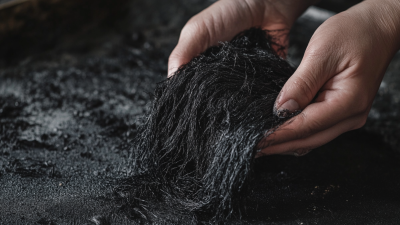
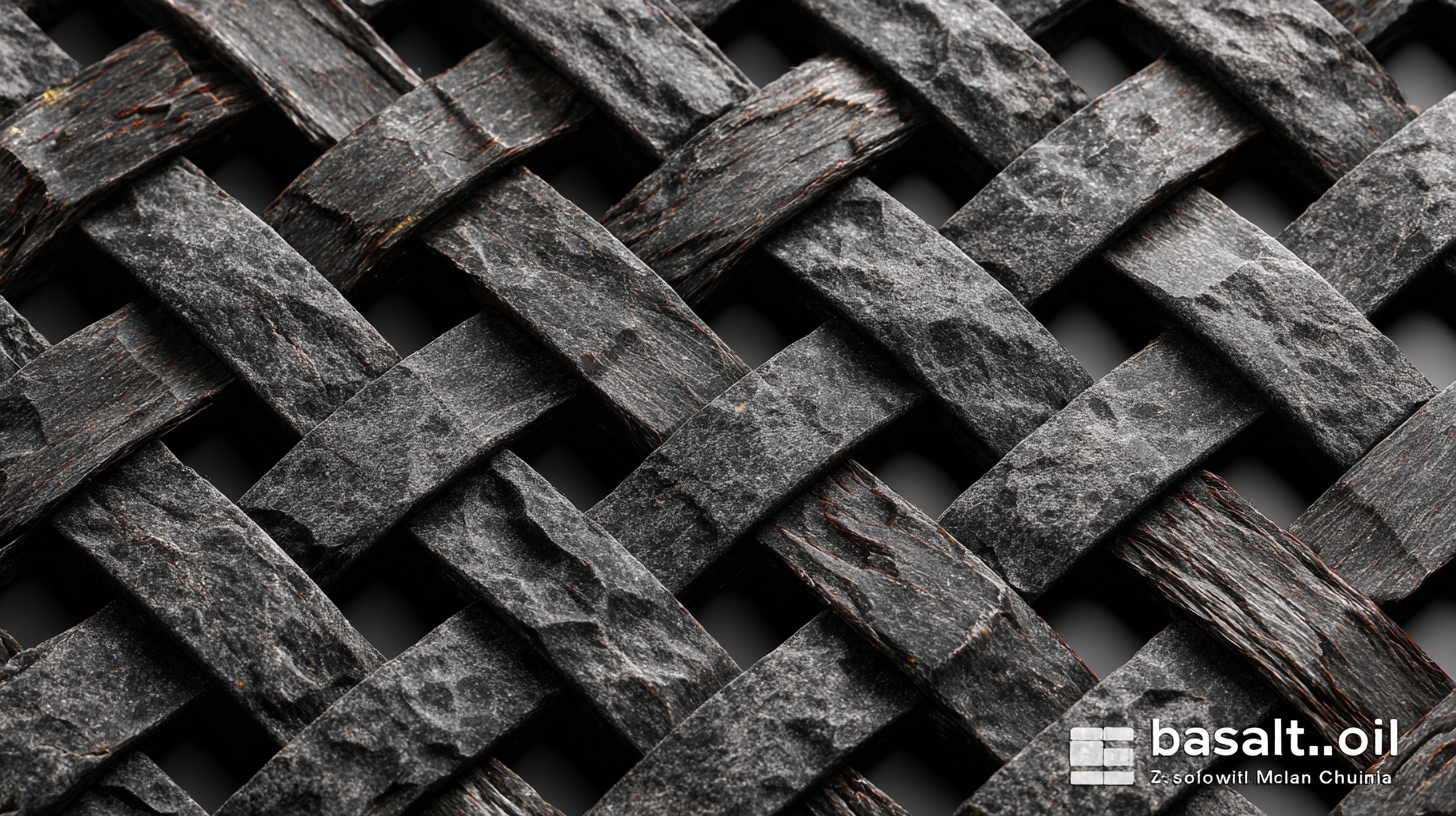
You know, there's been a real surge in the demand for high-performance materials in the construction and engineering world lately. That's where Basalt Mesh comes in—it's a tough solution that’s really gaining traction thanks to its impressive mechanical properties and durability against environmental challenges. If you check out the latest industry reports, they’re saying that the global basalt fiber market is on track to grow by more than 11% annually from 2023 to 2028, which is pretty exciting! This growth is driving up the use of basalt-based composites across a bunch of different applications. Take China Beihai Fiberglass Co., Ltd., for example. They're a big player in the basalt fiber scene, really specializing in everything from research to production and sales of high-performance basalt continuous fiber. They’re all about that commitment to quality and innovation, making sure their Basalt Mesh products are right in line with what the market needs. It’s all about reinforcing durability and sustainability in how we build things nowadays.
Understanding the Importance of Quality in Basalt Mesh Manufacturing
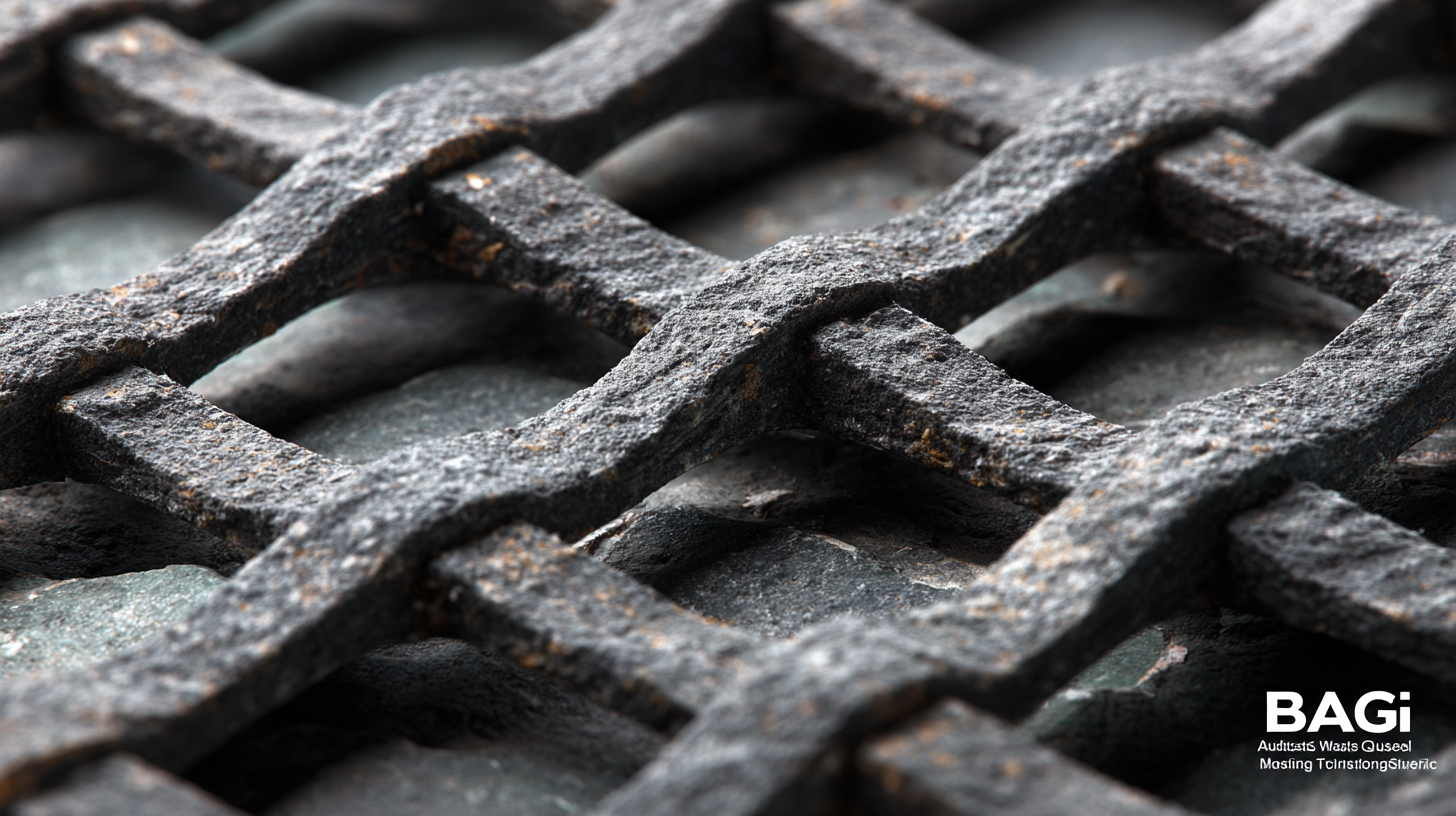
When it comes to making basalt mesh, you really can't overemphasize the importance of quality. This stuff is fantastic because it's fire-resistant, super Durable, and nice and lightweight—all things that are essential in many construction jobs and engineering projects. But here’s the deal: for basalt mesh to perform well, the manufacturing process needs to be on point. Usingtop-notch raw materials and cutting-edge processing techniques is a must if you want the final product to hold up against tough environmental conditions.
So, if you’re looking to buy basalt mesh from suppliers, here are a few tips that might help you out:
- First off, make sure to choose manufacturers that stick to international quality certifications. This shows they care about maintaining high standards.
- Also, don't hesitate to ask for samples; it’s really important to check out the product’s flexibility and tensile strength since those are key for safety and durability in the long run.
- And lastly, try to connect with manufacturers who are open about where they source their basalt materials. You’ll want to ensure you’re getting products that aren’t just high-quality but also eco-friendly.
Keeping these points in mind can help you make smarter decisions that fit your project's needs and goals.
Key Features to Look for in a Reliable Basalt Mesh Supplier
So, when you're on the hunt for a solid basalt mesh supplier, there are a few key things you really want to keep an eye out for. First up, the manufacturer’s reputation and their experience in crafting top-notch basalt fiber products are super important. You definitely want to go with a supplier that has a good track record—look for good reviews and a history of sticking to tough quality control standards. It’s all about finding someone who delivers reliable products that actually fit your needs.
Then there’s the whole technology side of things. A reliable supplier is usually one that’s not afraid to innovate. Those who put money into research and development tend to amp up the performance of their basalt meshes and really stay in tune with the latest market trends. And let’s be real, with the basalt fiber market set to grow a ton by 2026, this kind of forward-thinking is key.
Oh, and it’s super helpful if your supplier can back you up with some solid support. You want someone who can help you pick the right basalt mesh for whatever you’re working on—whether it’s for construction, automotive, or even aerospace. That way, you can really make the most out of your products and get the best results possible.
Evaluating the Reputation of Chinese Manufacturers in the Market
You know, the reputation of Chinese manufacturers in the global market has really been on the rise lately, especially when it comes to niche products like basalt mesh. More and more companies are looking to China for top-notch construction materials, and I think it’s become pretty clear how much emphasis is being placed on quality and dependability. This shift is mainly thanks to the strict quality control measures and innovative manufacturing techniques that many leading Chinese manufacturers are using to ensure their products stack up to international standards.
One big reason why these manufacturers are getting such a good rap is their focus on being open and keeping customers happy. A ton of Chinese companies go out of their way to share the details of their production processes and where they source their materials, which really helps build trust with buyers all around the world. Because of this, some of the best basalt mesh products are not just easy to find; they also showcase the skills and dedication of Chinese manufacturers in delivering quality that truly stands out in the market. Plus, their ongoing investment in tech and innovation keeps them at the forefront of the industry, making them solid partners for construction projects everywhere.
Quality Control Processes: What Sets Top Manufacturers Apart
You know, in today’s competitive manufacturing scene, Total Quality Management (TQM) has really become a game-changer for making sure products are top-notch and that customers are happy. A report from the American Society for Quality even shows that companies that dive into TQM practices often see their operational efficiency jump by about 10 to 15%. That’s pretty impressive, right? It all boils down to solid quality control processes and a commitment to continuous improvement at every level of the organization.
Now, take leading basalt mesh manufacturers, for example. They’ve figured out that good quality control isn’t just a box to tick off; it’s a smart strategy that helps them stand out in a crowded market. By sticking to strict quality standards, these manufacturers are able to consistently churn out fantastic products. Interestingly, a recent study found that companies sticking with TQM principles can boost customer loyalty by around 20%. That definitely helps them cement their place in the supply chain.
By creating a strong culture of quality, manufacturers not only elevate their performance but also build trust with their clients. This, in turn, leads to long-lasting partnerships and a solid foothold in the market. It’s really a win-win, don’t you think?
Unmatched Quality of Best Basalt Mesh: Trust from China’s Leading Manufacturer
| Quality Dimension | Description | Measurement Method | Typical Standards |
| Material Strength | Resistance to tensile and compressive forces | Tensile Testing | ≥ 600 MPa |
| Thermal Resistance | Performance under high temperatures | Thermal Conductivity Test | ≤ 0.5 W/mK |
| Water Absorption | Amount of water the mesh can absorb | Water Immersion Test | ≤ 2% |
| Corrosion Resistance | Durability against environmental factors | Salt Spray Testing | ≥ 1000 hours |
| Dimensional Accuracy | Precision in mesh dimensions | Micrometer Measurement | ± 1 mm |
Sustainability Practices in the Best Basalt Mesh Production
You know, in recent years, sustainability has really become the buzzword in the world of basalt mesh production. It’s like everyone’s waking up to the need for greener practices across all sorts of industries. Basalt mesh, which is a key player in both construction and automotive sectors, is super durable and lightweight. That makes it a fantastic option for those sustainable building projects we keep hearing about. And get this: the basalt fiber market is on track to hit around USD 733.5 million by 2032! That’s mainly because there’s a growing appetite for eco-friendly materials that comply with green building standards, which is pretty exciting.
Now, manufacturers are getting creative, finding new ways to cut down their carbon footprints during production. They’re really focused on using resources wisely and throwing in some recycled materials here and there. This approach not only leads to more sustainable products but also helps them keep up with all the new regulations pushing for environmental accountability. Plus, this whole commitment to sustainability is a win-win; it enhances the quality of basalt mesh while helping manufacturers stand out in an increasingly competitive market that values both ecological integrity and economic sustainability.
Building Trust: Long-term Partnerships with Top Manufacturers
You know, in today’s competitive world, it’s super important to build trust through long-lasting partnerships with major manufacturers if you want to succeed in the long run. Take China Beihai Fiberglass Co., Ltd. as a prime example – they really show how smart collaborations can create stability and resilience in the basalt fiber industry. They’re all about producing high-quality basalt continuous fibers, but what’s really cool is their focus on innovation and their strong relationships with both suppliers and clients. They get that sharing risks can mean sharing rewards too! Recent studies show that companies with solid vendor relationships can cut costs by as much as 20%, which just goes to show how trust and teamwork pay off in real, concrete ways.
But let’s talk about what makes long-term partnerships truly work. It all boils down to understanding each other and having respect among everyone involved. These days, companies are waking up to the fact that good communication and a shared vision can really boost collaboration. This is crucial when it comes to handling market ups and downs and shifting consumer tastes. For example, we’re seeing that strategic partnerships in manufacturing can really ramp up operational efficiency and spark new ideas, helping businesses to dive into new markets. Various reports have pointed out that around 70% of successful partnerships lead to quicker product development cycles and better market penetration. So, building trust isn’t just a nice-to-have; it’s absolutely essential for thriving in this fast-changing business landscape.
Harnessing Advanced Corrosion Resistance: The Impact of Basalt Fiber Chopped Strand Mat on Industrial Applications
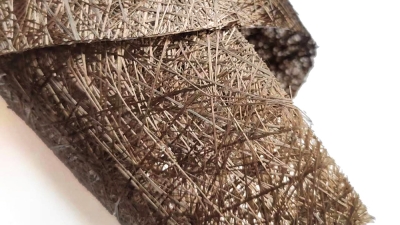
The use of basalt fiber chopped strand mat (BFCM) is revolutionizing several industrial applications due to its remarkable properties. This non-woven material, composed of randomly distributed basalt fibers, offers exceptional strength and thermal stability, making it an ideal choice for composite reinforcement. Industries that face extreme conditions, such as construction, automotive, and marine, benefit significantly from its unique characteristics, allowing them to enhance their material performance and longevity.
One of the standout features of basalt fiber is its unparalleled corrosion resistance. Unlike traditional materials, BFCM does not rust or degrade when exposed to harsh environments, ensuring that structures and components maintain their integrity over time. This durability is particularly advantageous in industries where corrosion can lead to costly repairs and replacements. The ability to harness such advanced corrosion resistance opens new avenues for innovation and sustainability, enabling manufacturers to reduce their reliance on chemical treatments and maintenance, thereby lowering both environmental impact and operational costs.
With its versatility and superior performance, basalt fiber chopped strand mat is setting a new standard in material engineering. As industries seek to enhance their products' reliability and efficiency, BFCM stands out as a game-changing solution, driving progress in composite applications and shaping the future of industrial materials.
FAQS
: Look for a manufacturer with a solid reputation and experience in producing high-quality basalt fiber products, along with adherence to stringent quality control standards.
Experience is crucial as it indicates a supplier's ability to deliver consistent products that meet customer needs and maintain quality over time.
Innovative technologies and production methods are essential; manufacturers who invest in research and development can enhance performance and stay ahead of market trends.
A reliable supplier should offer comprehensive support and guidance in selecting the appropriate basalt mesh for specific applications in various sectors like construction, automotive, and aerospace.
TQM is a strategic approach to ensuring product excellence and enhancing customer satisfaction, leading to improvements in operational efficiency and customer loyalty.
Manufacturers that implement TQM principles can report up to a 20% increase in customer loyalty by consistently delivering superior products and fostering trust among clients.
Continuous improvement in quality control processes enhances operational performance, distinguishes top manufacturers from competitors, and builds long-term partnerships in the supply chain.
Suppliers who stay proactive and innovative in response to the projected growth can better meet market demands and enhance their product offerings.
A trusted supplier can ensure high-quality products, provide valuable support, and help maximize the benefits of basalt mesh in various applications.
A strong reputation often leads to increased customer trust and loyalty, resulting in better long-term partnerships and a solid market presence.