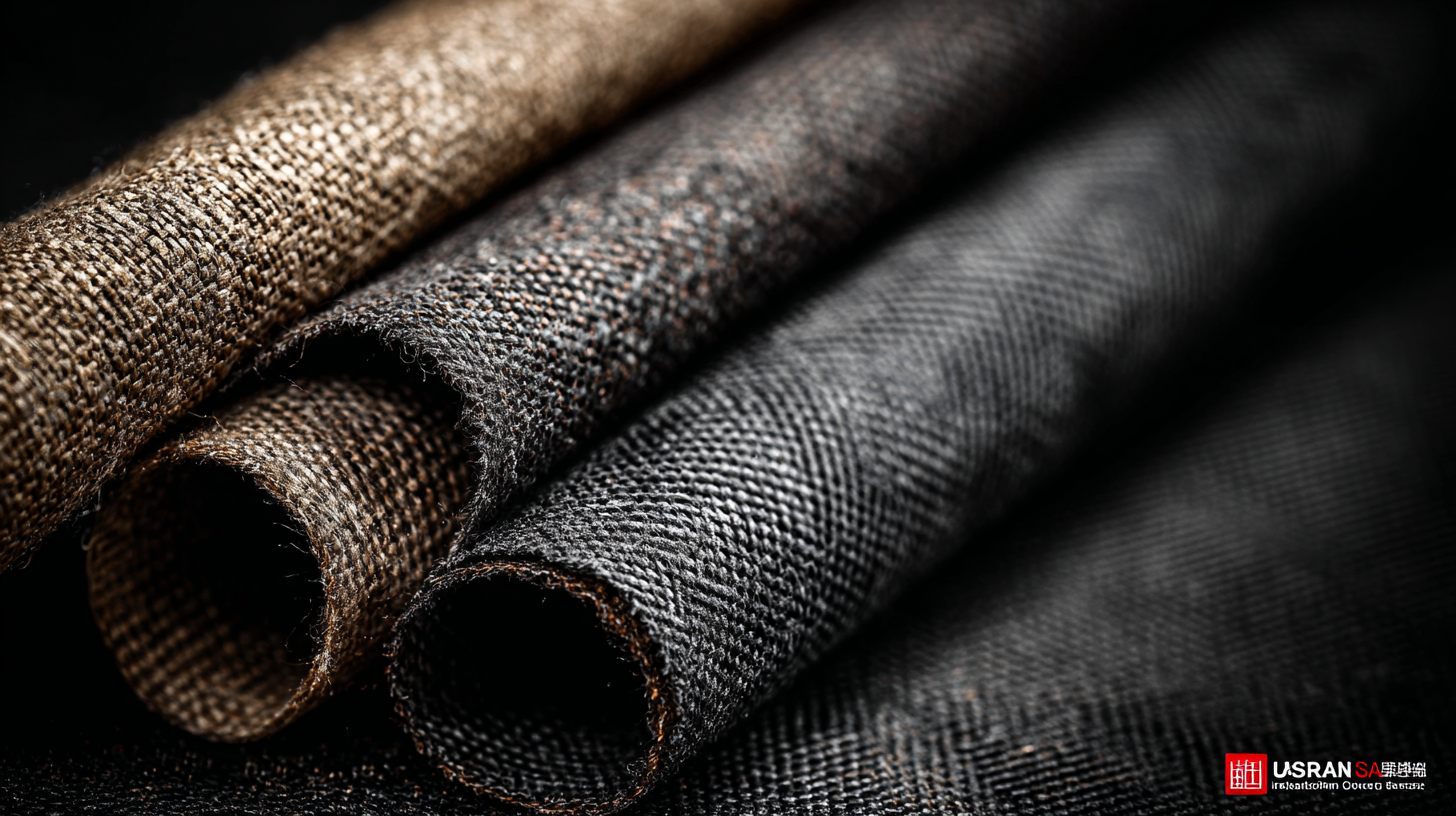
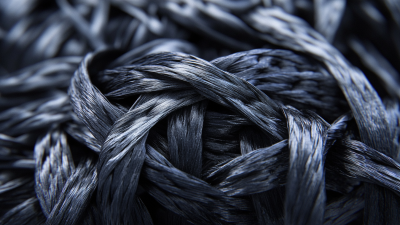
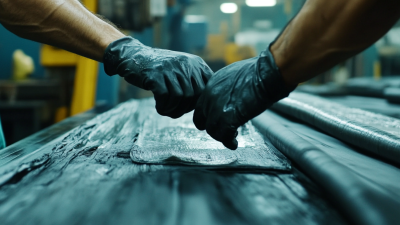
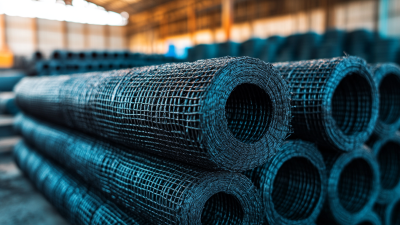
You know, these days there's this huge demand for innovative materials across all sorts of industries. It’s like everything is evolving, and one of the cool options that’s popping up is Basalt Fiber Cloth. I came across the "Global Basalt Fiber Market Report," and it mentions that the basalt fiber market is expected to grow at a pretty impressive rate of over 10% every year from 2021 to 2026. That’s mostly because of all the great mechanical properties and environmental perks it offers.
One company that's really leading the charge is China Beihai Fiberglass Co., Ltd. They're a high-tech firm that dives into research, development, and production of top-notch basalt continuous fiber. What’s cool is they have this strong focus on quality and being competitive on a global scale. They’re not just big players in China; they’re also making waves worldwide as trusted exporters of basalt fiber products.
So, when you're picking out the best Basalt Fiber Cloth for your next project, you’re really choosing to go with cutting-edge technology and sustainable practices. It’s a great way to ensure you get the best performance and quality for whatever you’re working on!
The Rise of Basalt Fiber Cloth in Modern Manufacturing
You know, the increasing use of basalt fiber cloth in manufacturing really shows just how much the industry is always on the lookout for materials that are stronger, lighter, and better for the planet. While we’ve seen fiberglass and carbon fibers holding the spotlight for years, basalt fiber is starting to make a name for itself. What’s cool is that it’s super Durable and can handle crazy high and low temperatures. This stuff is actually made from volcanic rock, and it’s surprisingly eco-friendly too. The mechanical properties are pretty impressive, which means it’s perfect for all sorts of uses, whether we're talking car parts or parts for aircraft.
But here's the real kicker—basalt fiber cloth is super adaptable, making it a great pick for today's high-tech manufacturing processes. It works well with different resin systems, so manufacturers can easily integrate it into their current setups without having to completely change their workflow. And let’s not forget, with sustainability being such a big deal nowadays, basalt fiber cloth checks all the boxes. It’s not only good for the environment but also uses less energy to produce compared to traditional fibers. This mix of toughness, versatility, and eco-friendliness is really driving more industries to hop on the basalt fiber train, leading to some exciting breakthroughs in material science.
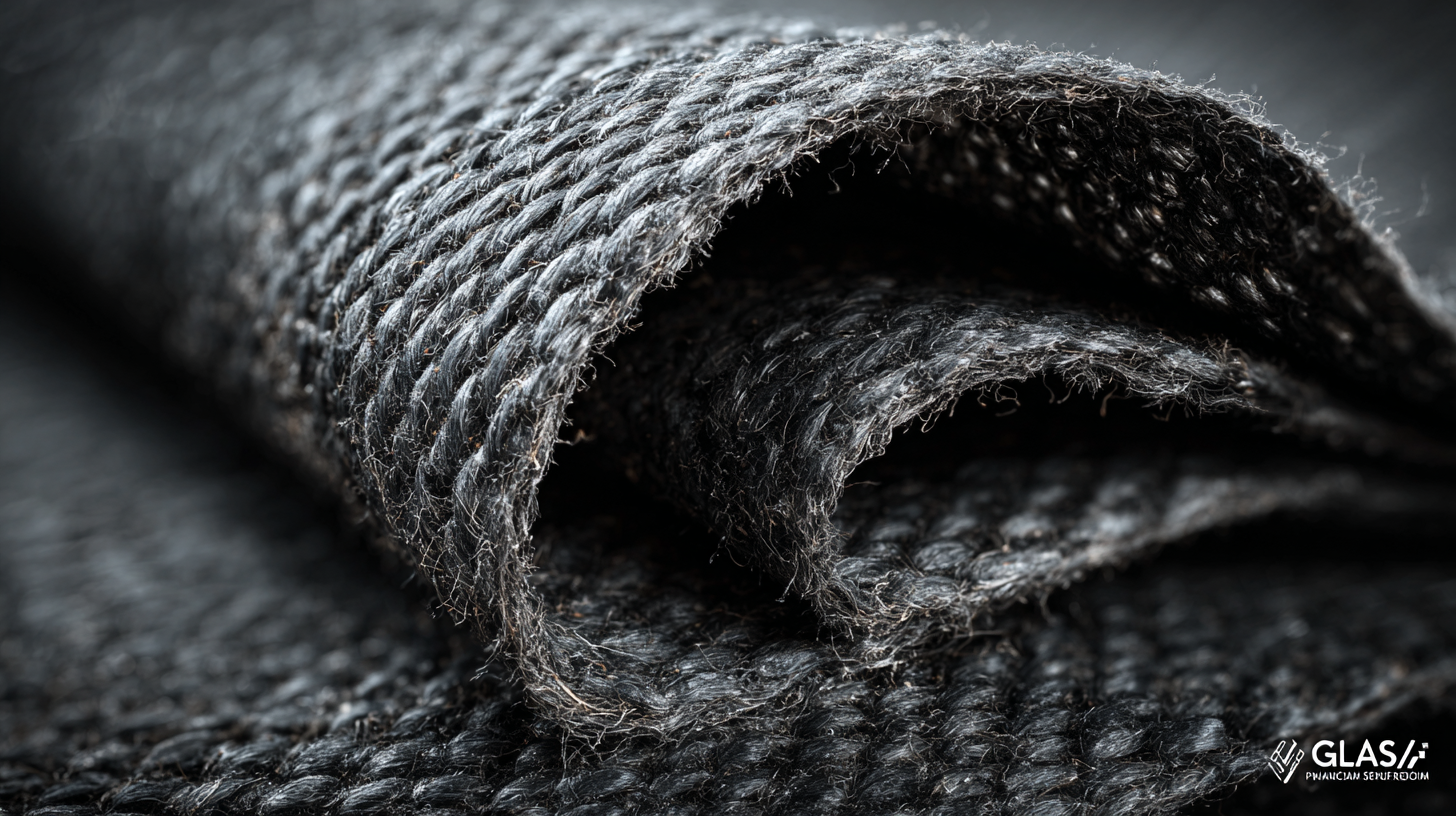
Key Advantages of Basalt Fiber Over Traditional Materials
You know, basalt fiber is really cool stuff! It comes from volcanic rock, and it’s actually become a fantastic alternative to the usual materials we often see, like glass and carbon fibers, in a bunch of different applications. One of the biggest perks? Its thermal stability! A study from the National Institute of Standards and Technology showed that basalt fibers can handle temperatures soaring up to 1300°C. That’s way higher than glass fibers, which tend to fail around 600°C. So, if you're working in high-temp settings like the automotive or aerospace industries, basalt fiber is definitely the way to go. Heat resistance is super critical there.
But that's not all! Basalt fiber has outstanding tensile strength and can take a serious hit when it comes to impact resistance. Research published in the Journal of Materials Research and Technology indicated that basalt fibers can hit strengths up to 700 MPa, which is pretty impressive compared to glass fibers, which max out at about 400 MPa. Plus, they excel at damping vibrations, so products made from basalt fiber tend to last longer and are more durable overall. With all that strength, heat performance, and durability combined, it’s no wonder engineers and designers are leaning towards basalt fiber when they're looking to push the envelope while keeping safety and efficiency front and center in their projects.
7 Compelling Reasons to Choose Basalt Fiber Over Traditional Materials
This chart represents the performance comparison of basalt fiber against traditional materials across several key advantages. Each aspect is rated on a scale from 0 to 100, where a higher rating indicates a stronger advantage of basalt fiber.
Innovative Applications of Basalt Fiber in Various Industries
You know, basalt fiber cloth is really starting to make waves in different industries because of its awesome properties and cool uses. Take the aerospace sector, for example. Here, lightweight, high-strength materials are absolutely crucial. What’s great about basalt fiber is its fantastic thermal stability and ability to handle extreme temperatures—perfect for components that need to stand up to tough conditions. This not only boosts the performance of aerospace vehicles but also puts safety at the forefront.
And let’s not forget the construction industry! They’re really jumping on the basalt fiber bandwagon for reinforcing concrete. Unlike those old-school fibers, basalt stands out with its amazing resistance to corrosion, which helps structures last way longer. Plus, using basalt in concrete doesn’t just ramp up its tensile strength; it’s also a win for sustainability because basalt is a natural resource and keeps environmental impact to a minimum. As more folks in different sectors—from automotive to marine—see the perks of basalt fiber cloth, you can bet its versatility and efficiency are making it a game-changer in modern engineering and construction projects.
How to Select the Right Basalt Fiber Cloth for Your Project
So, when you're on the hunt for the perfect basalt fiber cloth for your project, it's super important to dig into the specs and features that’ll really fit your needs. First off, think about the weight and thickness of the cloth. These things really matter because they affect how flexible and strong the material is. If you go for thicker fabrics, you might get extra durability, but if you opt for lighter ones, they often adapt better to detailed designs. It’s all about matching these traits with what your specific application calls for, whether that’s in the automotive world, aerospace, or maybe construction.
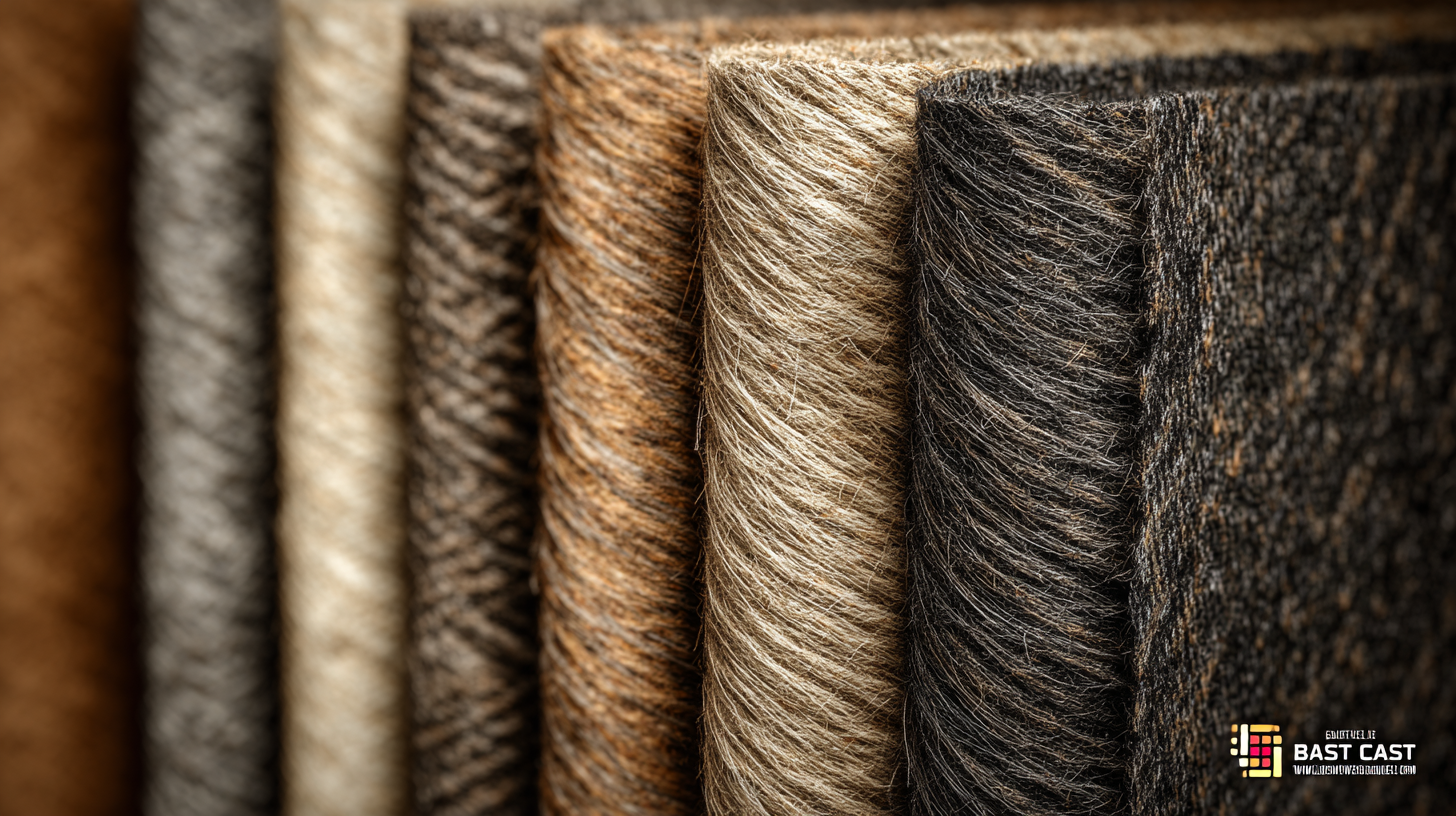
Plus, don’t forget to check out how well the basalt fiber cloth handles temperature and chemicals. Basalt fibers are pretty impressive when it comes to dealing with extreme heat and corrosion because of their natural makeup, so they’re a great fit for those high-performance needs. Make sure you glance over the product details to see how these features stack up against the conditions you’ll be working in. And hey, take a look at the manufacturer's reputation and what customers are saying. Their feedback can really give you a clearer picture of quality and performance, which helps you make a smart choice that matches your project perfectly.
Future Trends: The Role of Basalt Fiber in Sustainable Technology
You know, there's been a real push for sustainable tech lately, and basalt fiber is really stepping up as a crucial player for what’s coming next. Unlike your run-of-the-mill fibers, this stuff comes from natural volcanic rock. Pretty cool, right? It not only cuts down on the carbon footprint when it's made, but it also has some serious perks like being super strong and heat-resistant. A report from Research and Markets even predicts that the global basalt fiber market is set to take off, with an anticipated growth rate of around 14.5% from 2022 to 2027. This clearly shows how important it's becoming, especially in fields like construction and automotive.
But it gets even better! Basalt fiber is being eyed as a game-changer for making composite materials more sustainable. With its incredible recyclability and low impact on the environment, it totally fits the whole vibe of eco-friendly manufacturing that everyone’s gunning for these days. Plus, studies have even indicated that adding basalt fiber to composites can amp up their performance while cutting back on our dependence on those synthetic, petroleum-based options. As industries face stricter sustainability rules, jumping on the basalt fiber bandwagon could really be a smart move. It’s exciting to see how this material is shaping the future of sustainable technology!
Comparative Analysis: Basalt Fiber Cloth vs. Other Composites
So, when you’re thinking about composite materials for different uses, you’ve really got to pay attention to basalt fiber cloth. It’s pretty remarkable, especially when you compare it to stuff like fiberglass and carbon fiber. I came across this report from the American Composites Manufacturers Association, and it turns out that basalt fiber boasts a tensile strength of about 3000 MPa. That’s quite a jump when you look at fiberglass, which usually hangs around 2000 to 2300 MPa. Basically, basalt fiber is not just stronger, but it also handles thermal expansion and mechanical stress way better, making it super durable in tough conditions.
And get this, basalt fiber cloth can hold its own against heat like a champ—it can withstand temperatures of up to 1000°C! That’s a huge difference when you think about carbon fiber, which tops out around 500°C for continuous use. The special mix of minerals in basalt fibers really helps them keep their structure at those high temps, which makes them a go-to choice in industries like aerospace and automotive, where managing heat is a big deal. Plus, some research from the National Institute of Standards and Technology suggests that using basalt fiber might actually enhance how long these composite products last and boost their overall performance. That could mean lower costs in the long run, which is a win-win, right?
FAQS
: Basalt fiber cloth is a material derived from natural volcanic rock, known for its exceptional durability and resistance to extreme temperatures.
Basalt fiber is emerging as a strong alternative to traditional fibers due to its impressive mechanical properties, including high tensile strength and thermal resistance, making it suitable for various applications.
Basalt fiber cloth can be used in a wide range of applications including automotive components and aerospace structures, among others.
Basalt fiber helps reduce the carbon footprint in production as it is derived from natural resources, and it also consumes less energy during manufacturing compared to traditional fibers.
The global basalt fiber market is projected to grow significantly, with an estimated CAGR of 14.5% from 2022 to 2027, indicating its increasing importance in various industries.
Yes, basalt fiber cloth is compatible with various resin systems, allowing for its seamless integration into existing production methods without major changes to the workflow.
Incorporating basalt fiber into composite materials can enhance performance while improving recyclability and reducing reliance on synthetic, petroleum-based alternatives.
As industries face stricter regulations on sustainability, basalt fiber's eco-friendly properties and lower environmental impact make it a strategic material for compliance and competitive advantage.