Leave Your Message
0%

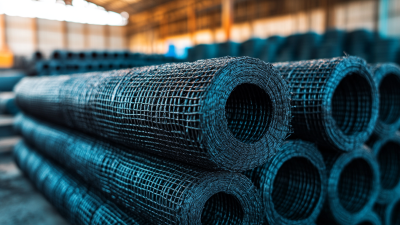
5 Key Benefits of Choosing Best Basalt Fiber Mesh for Stronger ConstructionYou know, the Construction industry is always on the hunt for materials that pack a punch in terms of durability and strength. Lately,Basalt Fiber Mesh has really come into the spotlight as a game changer. A recent report from Research and Markets says that the global basalt fiber market is expected to grow by more than 12% each year from 2021 to 2026! And it’s no surprise—this stuff boasts some fantastic mechanical properties and stands up really well to tough environmental conditions. At the forefront of this innovation is China Beihai Fiberglass Co., Ltd., a company that's all about the research, development, and production of high-performance basalt continuous fiber and the gear that goes with it. They’re leading the charge in the domestic basalt fiber scene, committed to offering advanced materials that not only boost structural integrity but also encourage sustainability in how we build. So, getting on board with Basalt Fiber Mesh could really open up some great advantages, helping us create stronger, more resilient structures that are well-suited to today’s infrastructure needs.

Benefits of Basalt Fiber Mesh in Enhancing Structural Integrity

Hey there! Have you heard about basalt fiber mesh? It's really starting to turn heads in the construction world, and honestly, it’s for some pretty good reasons. One of the biggest perks of using basalt fiber mesh is its fantastic tensile strength. Unlike the usual materials you might be familiar with, basalt fiber doesn’t easily stretch or deform. That means the structures built with it can handle all sorts of stresses over time. And let’s be real, that’s super important for keeping buildings stable and standing strong, especially in places that face crazy weather or earthquakes.

But wait, there's more! Basalt fiber mesh is also incredibly durable against all those nasty chemicals and environmental factors out there. It naturally resists moisture, UV rays, and even high temperatures, which makes it a great pick for both indoor and outdoor projects. This kind of resilience means lower maintenance costs and fewer repairs down the line — something every contractor and builder dreams of for their projects, right? By the way, China Beihai Fiberglass Co., Ltd. is leading the charge on this cutting-edge technology, offering top-notch basalt continuous fiber that meets the high expectations of today’s construction needs. So if we start using basalt fiber mesh in our designs, we can really amp up the structural integrity of our constructions, making sure they’re sturdy and dependable for years ahead!

5 Key Benefits of Choosing Best Basalt Fiber Mesh for Stronger Construction
Benefit Description Impact on Construction
High Tensile Strength Basalt fiber mesh offers superior tensile strength compared to traditional materials. Improves load-bearing capacity of structures.
Corrosion Resistance Resistant to chemical and environmental degradation. Enhances longevity and reduces maintenance costs.
Lightweight Basalt fiber mesh is lighter than traditional steel reinforcing materials. Eases handling and reduces transportation costs.
Thermal Resistance Withstands high temperatures without losing structural integrity. Improves fire resistance in buildings.
Eco-friendly Made from natural volcanic rock, basalt fiber is an eco-friendly material. Reduces environmental impact of construction projects.

How Basalt Fiber Mesh Improves Durability in Construction Projects

You know, basalt fiber mesh is really starting to catch on as a fantastic choice for making construction projects more durable. It’s pretty cool—unlike those old-school materials we typically use, basalt fiber holds up incredibly well against the elements. That makes it perfect for buildings that have to deal with tough weather or other harsh conditions. When it's mixed into concrete, it not only boosts the strength but also makes the whole structure last a lot longer. This means you won't have to spend as much time and money on repairs down the line, and your buildings will stay safe and sound for years to come.

Now, if you’re thinking about using basalt fiber mesh, it’s super important to really think about what your project needs. For example, if you’re in an area that gets hit hard by weather or has a lot of seismic activity, this stuff can really make a difference. Plus, you’ll want to check how well it works with other materials you’re using to get the best results. And seriously, don't skip getting advice from experts about how to install it correctly. That can really help you get the most out of it.

Oh, and here’s a little tip: always go for high-quality basalt fiber mesh from trusted suppliers. Making sure the materials are up to snuff with industry standards is key if you want everything to perform well. Keeping an eye on your construction methods and being open to using modern materials like basalt fiber can lead to some pretty innovative and durable structures.

Cost-Effectiveness of Using Basalt Fiber Mesh in Building Materials

You know, basalt fiber mesh has really come into its own as a super cost-effective option in the building materials world. It’s got a lot going for it compared to the traditional stuff. Recent studies have shown that using basalt fiber can seriously boost the durability and strength of constructions. This means fewer repairs and replacements down the line, which is huge, especially when you think about how important infrastructure longevity is for economic growth these days. The basalt fiber market? It's expected to expand a lot, thanks to its increasing use in different applications. A report from the IMARC Group even suggests that the market size for basalt fiber could grow significantly by 2033, mostly because the construction industry is all about modernization right now.

Integrating basalt fiber mesh into construction projects isn't just about having better structural integrity; it also brings long-term financial perks. Sure, the initial investment might raise eyebrows, but it often gets offset by much lower operational and maintenance costs over the lifespan of the structure. The report highlights how resilient basalt fiber is against environmental wear and tear, which plays a huge part in reducing degradation. That, in turn, means cost savings for builders and investors, and who doesn’t like saving a buck? As construction keeps evolving, moving towards more sustainable and cost-effective choices like basalt fiber mesh is a smart move that can really set everyone up for future success.

Cost-Effectiveness of Using Basalt Fiber Mesh in Building Materials

This chart illustrates the cost-effectiveness of using basalt fiber mesh compared to traditional construction materials. The data shows the potential savings and benefits associated with integrating basalt fiber mesh in construction projects.

Environmental Impact and Sustainability of Basalt Fiber Technologies

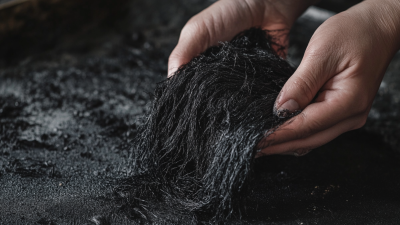
You know, more and more people are starting to notice how basalt fiber technologies can really make a difference for the environment, especially as companies look for greener options in construction. This stuff comes from volcanic rock, and it’s formed when molten magma cools down. What's cool is that it’s incredibly strong and tough. Because it’s a natural material, it doesn’t leave as big an ecological footprint as synthetic fibers do, which is a huge plus! Since basalt fiber has such high tensile strength and durability, it helps lessen our dependence on some of those harmful materials we usually see in construction, paving the way for more sustainable practices.

5 Key Benefits of Choosing Best Basalt Fiber Mesh for Stronger Construction

Oh, and get this: basalt fiber reinforced concrete, or BFRC for short, has been shown to outperform regular concrete in a bunch of tests looking at compressive and tensile strength. This means that not only do structures last longer, but there’s also less waste when it comes to repairs and replacements. So, integrating basalt fiber into our building methods really lines up with global sustainability goals, nudging us towards practices that are kinder to the planet while also meeting the increasing demand for stronger, more resource-efficient materials in construction.

Comparative Strength: Basalt Fiber vs Traditional Reinforcement Materials

You know, when we talk about building materials, basalt fiber is really a game-changer compared to the usual reinforcement stuff. It’s made from natural volcanic rock and has an impressive tensile strength that's pretty much on par with steel—but get this, it’s up to 60% lighter! A bunch of studies have shown that when you mix basalt fiber into concrete, you get something called basalt fiber reinforced concrete, or BFRC for short. This stuff not only lasts longer but also holds up better against things like corrosion and those crazy temperature swings we get. Just recently, some research found that mixing BFRC with fly ash can actually boost its compressive strength—by as much as 30% over regular concrete! How cool is that? It’s definitely a strong contender for modern construction projects.

But wait, there’s more! When researchers looked into how well basalt fiber composites handle impacts, they discovered that these materials are awesome at absorbing energy. This is super important for buildings that have to take on dynamic loads. In fact, they found that adding nanoparticles, like Al2O3, really kicks the impact strength of these Kevlar/basalt-epoxy blends up a notch. That opens up some exciting possibilities in industries like aerospace and civil engineering. With all this talk about needing more sustainable and efficient building materials, it’s clear that basalt fiber—thanks to its lightweight feel and environmentally friendly production—may just be stepping into the spotlight as a top choice for the future of construction materials.

Applications of Basalt Fiber Mesh in Modern Construction Techniques

You know, in today’s construction world, basalt fiber mesh is really shaking things up. It’s become this game-changing material that’s super strong and flexible for all sorts of projects. I was reading in the 'International Journal of Advanced Composite Materials' that basalt fibers have some seriously impressive mechanical properties. We're talking tensile strengths that can exceed 400 MPa! That level of strength makes basalt fiber mesh a fantastic choice for reinforcing structures that need to stand the test of time—like bridges and high-rise buildings.

Plus, using basalt fiber mesh in concrete not only beefs up durability but also cuts down on issues like cracking and corrosion. A piece from 'Construction and Building Materials' pointed out that structures with this kind of reinforcement can actually weigh up to 30% less! That’s a big win for energy efficiency, both during construction and throughout the life of the buildings. So, it’s no wonder that architects and engineers are jumping on the basalt fiber bandwagon, realizing how it can boost the longevity and sustainability of modern infrastructures. I mean, this material can adapt to all sorts of environments, which makes it a super important player in the future of construction, helping us build safer and more resilient structures.

5 Key Benefits of Choosing Best Basalt Fiber Mesh for Stronger Construction

FAQS

: What is basalt fiber mesh and why is it used in construction?

: Basalt fiber mesh is a material made from basalt rock that is used in construction for its excellent tensile strength, durability, and resistance to environmental degradation, enhancing the structural integrity of buildings.

What are the primary benefits of using basalt fiber mesh?

The primary benefits include superior tensile strength, remarkable durability against chemical and environmental degradation, lower maintenance costs, and reduced necessity for repairs.

How does basalt fiber mesh contribute to cost-effectiveness in construction?

Basalt fiber mesh enhances the durability and strength of constructions, which reduces the need for frequent repairs and replacements, leading to lower operational and maintenance costs over the structure's lifecycle.

What factors are driving the growth of the basalt fiber market?

The projected growth of the basalt fiber market is driven by increased adoption in construction due to modernization initiatives and the demand for more sustainable and durable building materials.

How does basalt fiber impact the environment compared to traditional materials?

Basalt fiber has a lower ecological footprint than synthetic fibers, as it is derived from volcanic rock. Its use promotes greener construction practices by reducing reliance on harmful materials.

What is Basalt Fiber Reinforced Concrete (BFRC) and its advantages?

BFRC is concrete that incorporates basalt fiber, enhancing its compressive and tensile strength compared to traditional concrete, which improves the longevity of structures and reduces waste from repairs and replacements.

What role does China Beihai Fiberglass Co., Ltd. play in the basalt fiber industry?

China Beihai Fiberglass Co., Ltd. is a high-tech enterprise at the forefront of basalt fiber technology, providing high-performance basalt continuous fiber for modern construction projects.

What makes basalt fiber mesh suitable for severe weather conditions?

Its excellent resistance to moisture, UV radiation, and high temperatures makes basalt fiber mesh suitable for applications in areas prone to severe weather or seismic activity.

How does the use of basalt fiber mesh align with global sustainability goals?

The incorporation of basalt fiber technologies promotes environmentally responsible building practices and supports the demand for stronger, resource-efficient materials in construction.

What is the initial investment consideration when using basalt fiber mesh?

While the initial investment in basalt fiber materials may be higher, it is often offset by long-term savings on maintenance and repairs due to the material's durability and resistance to degradation.
Alexander

Alexander

Alexander is a dedicated marketing professional at Jiujiang Beihai Glass Fiber Co., Ltd. (Project Four), where he plays a pivotal role in enhancing the company's market presence. With a deep expertise in glass fiber products, he consistently demonstrates a profound understanding of the industry and......
Previous Innovative Approaches for Utilizing Basalt Cleavage in Modern Applications