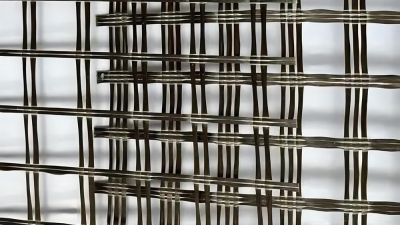
You know, the world of international trade is always changing, and let me tell you, tariffs have really stepped into the spotlight lately—especially with everything going on between the US and China. But here’s the cool part: Chinese manufacturers are really showing some impressive grit. One area where they’re making waves is with amazing products like the "3D Basalt Fiber Mesh." Companies like Basalt Fiber Tech are at the forefront, pushing boundaries in a sector that’s really starting to take off worldwide. So, what’s the deal with this 3D Basalt Fiber Mesh? Well, it’s got this lightweight but super strong vibe and can handle all sorts of environmental challenges—pretty appealing for industries ranging from construction to Aerospace! As everyone’s eyeing sustainability and efficiency these days, it’s impressive to see how these Chinese manufacturers are not just surviving but actually thriving despite the tariff mess. It really shows their competitive edge, right? Plus, it highlights just how vital advanced materials have become in today’s economy.
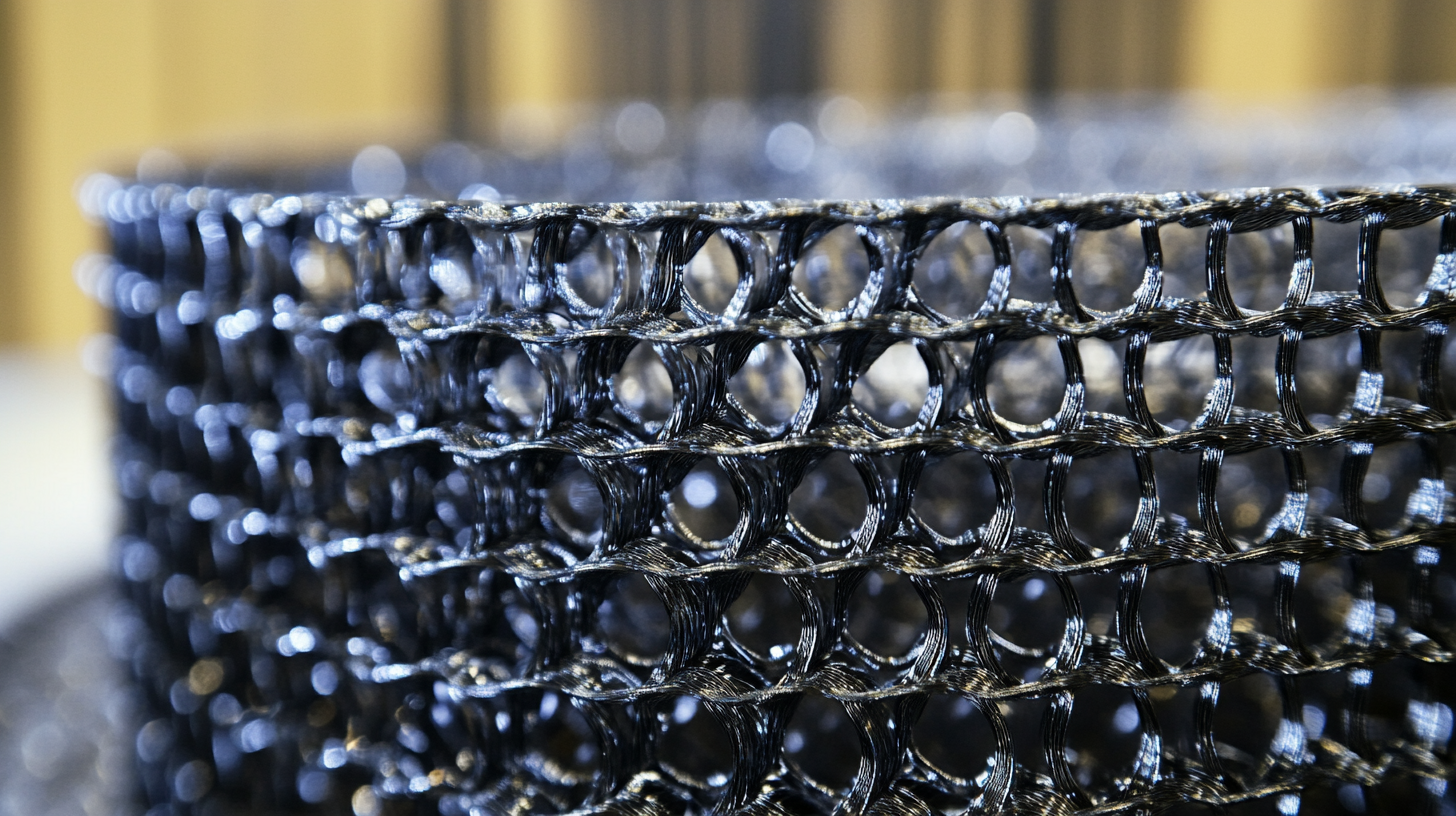
Understanding the Impact of Tariffs on Global Trade Dynamics
You know, tariffs have really become a game-changer in how global trade works these days. They seriously impact the prices we pay for goods and how easy it is to get them. When countries slap on tariffs to shield their local businesses or react to the economy, it puts a lot of pressure on companies to figure things out. I mean, just think about it—when tariffs go up, prices can jump, and supply chains can get all kinds of messed up. It’s a tough spot for businesses that need to keep their edge. Take the 'Best 3D Basalt Fiber Mesh' from China, for instance. Fluctuating tariffs are really throwing a wrench into its market position around the world.
So, how can businesses deal with this whole tariff headache? Well, first off, understanding the tariff situation is key. It’s super important for companies to keep an eye on trade policies and any changes that could shake things up for them. Then there’s the idea of looking at different sourcing options. That might help avoid those high tariffs and give a bit more leeway in production and distribution. And let's not forget—building solid relationships with suppliers and logistics partners can really help with communication and make it easier to respond quickly when tariff rules change. By staying in the loop and being flexible, businesses can navigate the unpredictable waters of global trade a whole lot better.
The Unique Advantages of 3D Basalt Fiber Mesh in Modern Applications
You know, technology is really moving at lightning speed these days, and it's shaking things up across a bunch of industries. One standout player in the game is 3D basalt fiber mesh. Seriously, this material is making waves because it combines strength, lightweight properties, and the ability to stand up to the elements all in one. The cool 3D structure gives it even more versatility, which is why you’ll see it being used in sectors like construction, automotive, and aerospace—basically anywhere durability and performance are key.
As the global market gets tougher, the efficiency and cost-effectiveness of 3D basalt fiber mesh give businesses a real edge. Unlike traditional materials, this mesh really shines when it comes to handling loads and staying stable in different temperatures. Oh, and let’s not forget—it's also resistant to corrosion and fire, which adds a lot of value across various applications while keeping sustainability in mind. With its ability to meet the demands of today’s industries, I’m telling you, 3D basalt fiber mesh is set to change the game across multiple fields, blending innovation with reliability.
How Chinese Manufacturing Adapts to Tariff Challenges in the U.S. Market
You know, Chinese manufacturers have really stepped up their game when it comes to dealing with the tariff challenges in the U.S. market. It's pretty impressive, especially in the production of that "Best 3D Basalt Fiber Mesh." They've been making some smart moves to stay competitive, like teaming up with local partners, fine-tuning their supply chains, and boosting the quality of their products. Thanks to these strategies, they've managed to soften the financial blow from tariffs while still keeping up with the growing demand for advanced materials.
And it’s not just about keeping their heads above water; innovation has become a big deal for Chinese manufacturers in this field. They’re really leaning into technology to make their production processes more efficient and cut costs, which means they can offer better prices without skimping on quality. This focus on innovation helps them tackle those pesky tariff issues, but more importantly, it makes Chinese products, like the 3D Basalt Fiber Mesh, super appealing in the global market. As these manufacturers continue to adapt and grow, they’re setting some serious new standards for quality and efficiency, all while navigating the tricky world of international trade and fluctuating market demands.
Navigating Tariff Challenges: 'Best 3D Basalt Fiber Mesh' Market Performance
This chart illustrates the performance of the 'Best 3D Basalt Fiber Mesh' from China in international markets, highlighting the impact of U.S. tariffs on exports between 2020 and 2023. The data reveals an initial drop in 2020 followed by a gradual recovery as Chinese manufacturing adapts to tariff challenges.
Exploring the Competitive Edge of China's 3D Basalt Fiber Mesh Products
You know, China's 3D basalt fiber mesh products are really starting to make waves in the global market, especially with everything that's been happening lately in the world of advanced materials. I mean, can you believe the global market for carbon fiber is set to hit about $5.36 billion by 2025? It's wild how much more attention is being paid to lightweight and Durable materials these days. What’s really exciting is how much China is investing in innovative manufacturing, especially with things like 3D printing. Industry leaders are beginning to see the game-changing potential of continuous carbon fiber 3D printing to achieve strength that rivals metal, which could totally shake things up across various industries.
Plus, the buzz around oxide dispersion strengthened (ODS) alloys really shows just how hungry people are for high-performance materials that can handle some extreme conditions. This all fits perfectly with the growing excitement for advanced manufacturing techniques, and it really highlights the edge China has when it comes to producing top-notch 3D basalt fiber mesh products. In today’s market, there's a strong demand not just for innovation but also for sustainable solutions, and China’s knack for delivering quality materials at competitive prices makes it a pretty formidable player in the composite materials space. As companies dig deeper into these advancements, I wouldn't be surprised if China's 3D basalt fiber mesh starts to redefine industry standards all over the world.
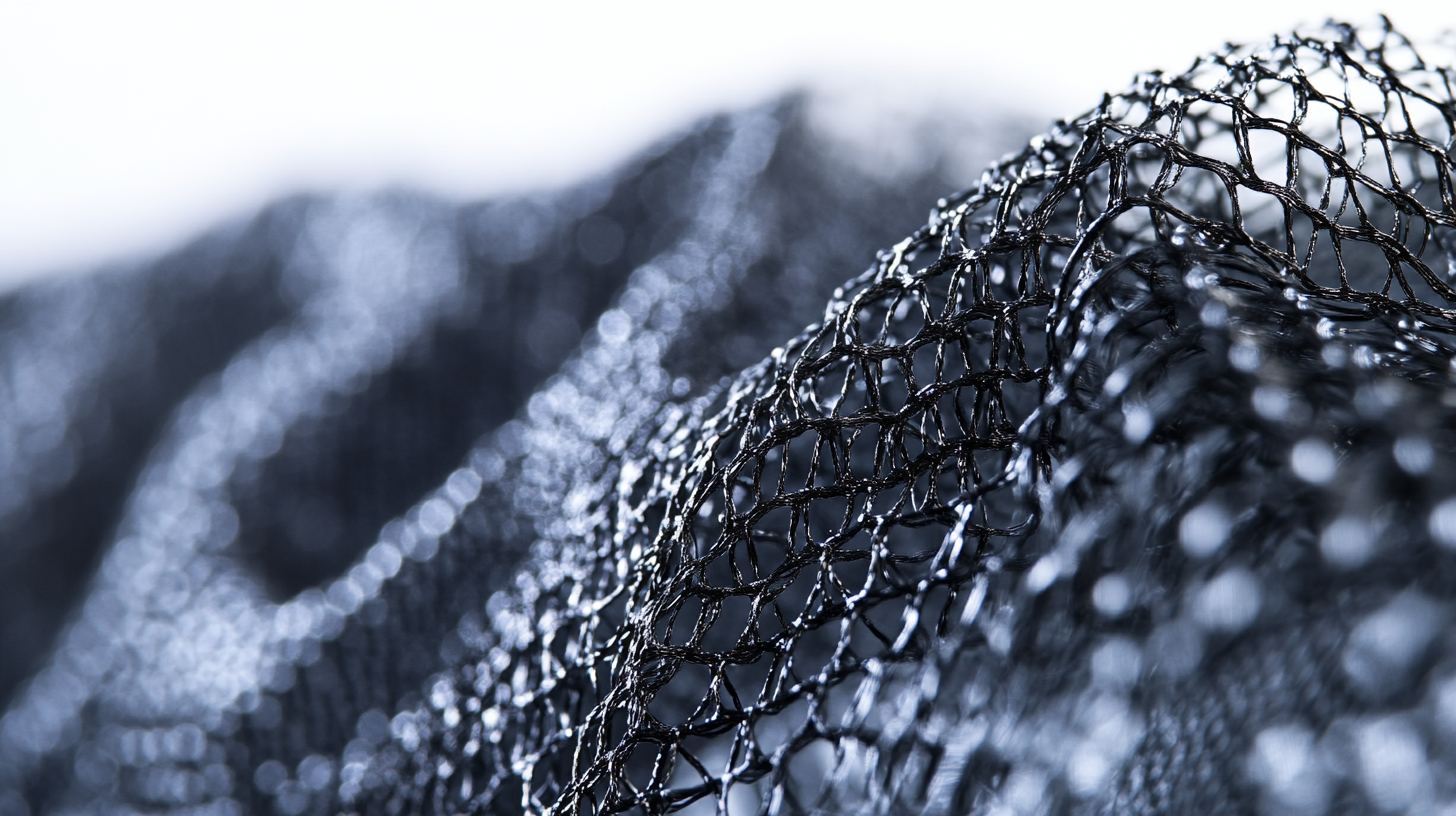
Consumer Insights: Why 'Best 3D Basalt Fiber Mesh' is Gaining Popularity
You know, the buzz around the "Best 3D Basalt Fiber Mesh" from China is really taking off. What I find cool is how it combines strength, flexibility, and being super lightweight—all of that makes it a go-to choice for a bunch of different industries. As precision manufacturing keeps advancing, we’re seeing some amazing changes with how 3D printing blends with fiber-reinforced composites. It’s opening up a world of possibilities in areas like aerospace, automotive, and even healthcare. Not only does this progress enhance product performance, but it also brings sustainability to the forefront, which is something that so many modern consumers care about.
At the heart of this innovative wave is China Beihai Fiberglass Co., Ltd. They’re really dedicated to digging into high-performance basalt fibers and the gear for producing them. With everyone clamoring for advanced materials these days, their focus on quality and leading-edge technology means their basalt fiber mesh stands out—meeting all the industry standards and making the user experience that much better. It’s no wonder that this "Best 3D Basalt Fiber Mesh" is catching on, reflecting a real shift toward more efficient and sustainable ways of manufacturing.
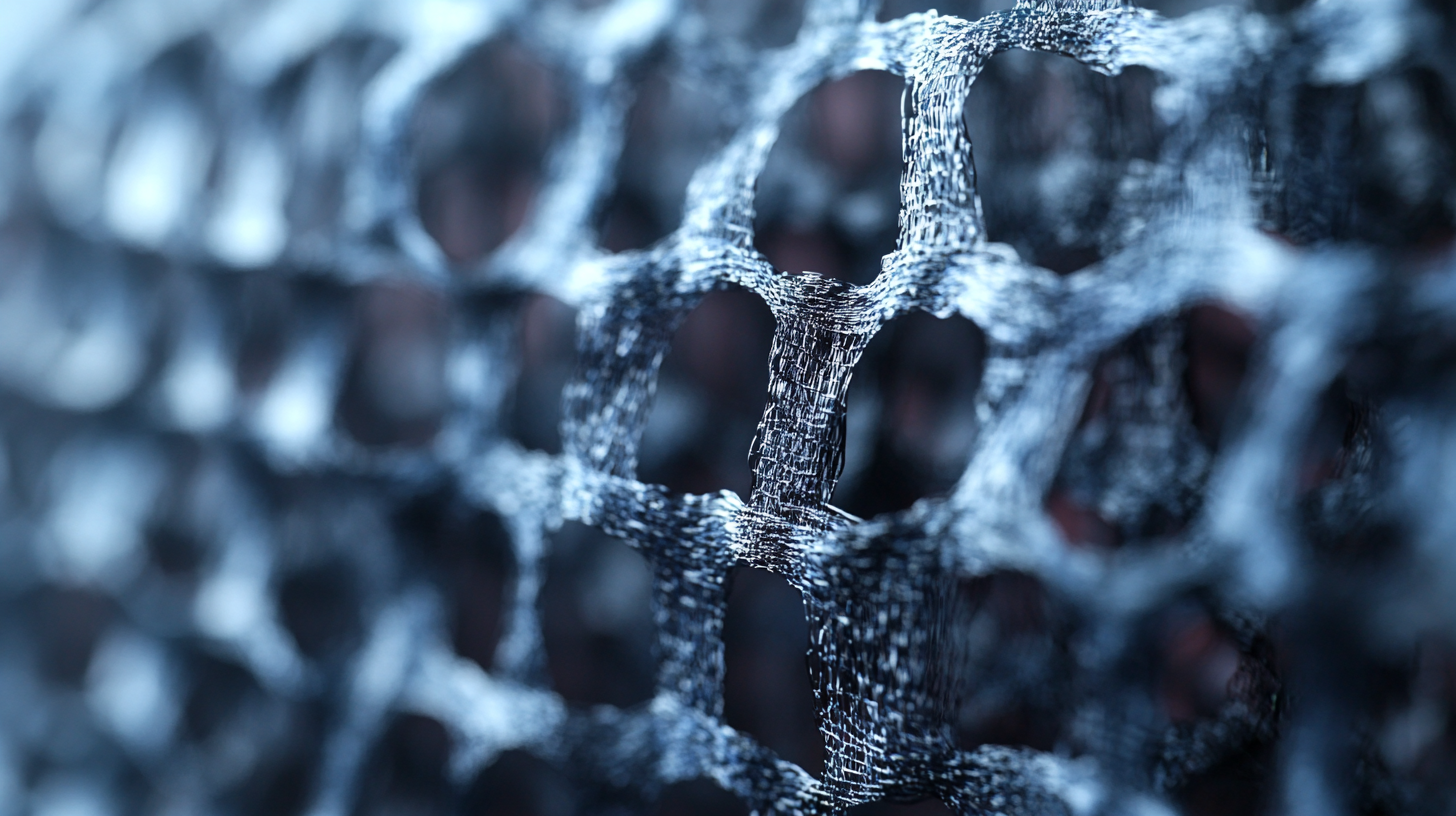
Future Trends: The Role of Innovation in China's Manufacturing Resilience
You know, innovation has really been at the heart of China’s manufacturing scene, especially as it deals with the ups and downs of global tariffs and trade policies. Just look at the rise of awesome materials like 3D basalt fiber mesh! This shows how Chinese manufacturers aren’t just rolling with the punches; they're actually leading the charge with new trends. This stuff is super strong and durable, making it a real game-changer compared to traditional materials. It's got the potential to give a serious edge in everything from construction to the automotive world.
As China ramps up its focus on research and development, technologies like 3D printing and smart manufacturing are shaking things up in the production arena. And it’s not just about keeping pace with international rivals; it's about stepping up to be a leader in sustainable and efficient manufacturing practices. By harnessing innovation, these manufacturers can churn out products that not only meet the changing needs in global markets, but also stand strong against outside pressures. Honestly, sticking to this path of innovation is going to be crucial for the long-term success of China's manufacturing sector in this competitive game.
Navigating Tariff Challenges: Market Share of 3D Basalt Fiber Mesh in Global Markets
Exploring the Benefits of High Tensile Strength Basalt Fiber Mesh Geogrid in Modern Construction Solutions
In the realm of modern construction, the demand for materials that offer durability and resilience has never been greater. One such innovation is the use of high tensile strength basalt fiber mesh geogrid. This advanced construction material primarily consists of basalt fibers, which are woven in a directional manner to enhance its structural integrity and performance. The inherent properties of basalt provide a unique combination of strength, durability, and resistance to environmental factors, making it an ideal choice for a variety of construction applications.
Basalt Fiber Reinforced Crack Resistant Mesh stands out due to its impressive mechanical properties and longevity. Its directionally woven structure not only allows for superior load distribution but also helps in mitigating the risk of cracking, a common issue in traditional construction materials. This quality significantly prolongs the lifespan of structures while reducing the need for frequent repairs. As construction projects become increasingly complex, integrating such high-performance materials into the mix ensures that engineers can meet stringent design and safety requirements without compromising on quality or functionality.
The growing adoption of basalt fiber geogrids reflects a shift towards more sustainable construction solutions. By utilizing natural basalt fibers, builders can reduce their carbon footprint and reliance on synthetic alternatives. Furthermore, the lightweight nature of the mesh allows for easier handling and installation, streamlining the construction process. As the industry continues to evolve, materials like basalt fiber mesh geogrid are set to play a pivotal role in creating resilient, long-lasting structures that can withstand the test of time and the elements.
FAQS
: 3D basalt fiber mesh is an innovative material known for its strength, lightweight properties, and resistance to environmental factors. Its 3D structure enhances versatility, making it ideal for sectors like construction, automotive, and aerospace.
3D basalt fiber mesh provides enhanced load-bearing performance and thermal stability compared to traditional materials, offering businesses a cost-effective and efficient solution.
Key industries benefiting from 3D basalt fiber mesh applications include construction, automotive, and aerospace, where durability and performance are critical.
The material is inherently resistant to corrosion and fire, promoting sustainability in modern practices and adding value across various applications.
Innovation is a cornerstone of China's manufacturing, allowing manufacturers to adapt to challenges like global tariffs while leading trends through advanced materials like 3D basalt fiber mesh.
R&D is crucial for integrating cutting-edge technologies, such as 3D printing and smart manufacturing processes, which are transforming production and ensuring resilience against market pressures.
By providing durable and efficient alternatives to traditional materials, 3D basalt fiber mesh supports sustainable manufacturing practices, contributing to reduced environmental impact.
Its superior strength and durability allow manufacturers to produce high-performance products that can meet the evolving demands of global markets.
Adopting innovative materials helps businesses remain competitive, improve efficiency, and achieve cost-effectiveness in a rapidly changing market landscape.
The commitment to innovation will be vital for the long-term success of China’s manufacturing sector as it seeks to lead in sustainable and efficient manufacturing practices amidst global competition.