
Leave Your Message
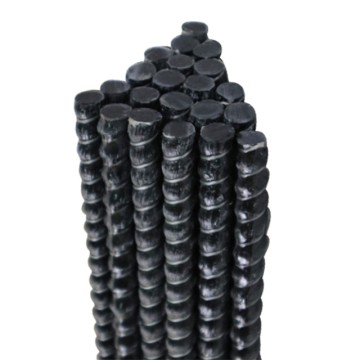
Precision-engineered basalt fiber rebar designed to replace traditional steel in demanding construction and infrastructure applications — offering superior corrosion resistance, high tensile strength, and electromagnetic transparency.
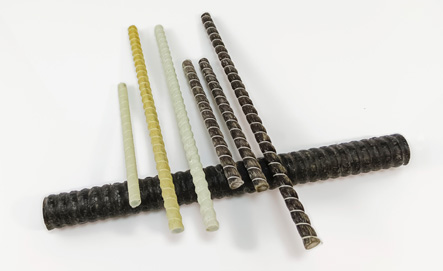
The global rebar market is undergoing a fundamental transformation. As infrastructure projects grow in complexity and environmental standards tighten, cutting-edge basalt fiber rebar (BFRP) is emerging as the preferred choice over conventional steel reinforcement across bridges, tunnels, highways, and smart buildings.
The global fiber-reinforced polymer (FRP) rebar market is projected to surpass USD 1.2 billion by 2030, driven by accelerating infrastructure investment in North America, Europe, and Asia-Pacific. Basalt FRP rebar commands a growing share due to its cost-competitiveness and superior lifecycle performance compared to carbon and glass fiber alternatives.
Aging infrastructure in developed economies and rapid urbanization in emerging markets are creating massive demand for durable, low-maintenance reinforcement materials. Cutting basalt rebar to precise specifications on-site is now standard practice in major infrastructure programs across the EU, US, Middle East, and Southeast Asia.
Stricter carbon emission standards and green building certifications (LEED, BREEAM) are accelerating the shift from steel to basalt rebar. BFRP rebar production generates significantly lower CO₂ emissions, contains no heavy metals, and is fully recyclable — making it the material of choice for ESG-compliant construction projects worldwide.
The rebar cutting and construction reinforcement industry is being reshaped by digitalization, automation, and advanced materials science. Here are the key trends defining the next decade.
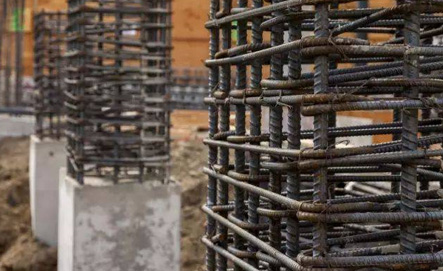
CNC-controlled rebar cutting systems are increasingly being integrated with BIM (Building Information Modeling) workflows, enabling zero-waste precision cutting of basalt FRP rebar to exact project specifications. Prefabricated rebar cages assembled off-site reduce on-site labor by up to 40% and dramatically improve quality consistency for large-scale infrastructure projects.
Salt-induced corrosion of steel rebar costs the global construction industry over USD 2.5 trillion annually in repair and maintenance. Basalt FRP rebar is now mandated in several coastal infrastructure programs in Japan, Norway, and the UAE, where its permanent corrosion immunity eliminates the need for cathodic protection systems and concrete cover requirements are reduced by 30–50%.
The electromagnetic transparency of basalt rebar enables seamless integration of embedded IoT sensors, fiber-optic structural health monitoring systems, and wireless communication infrastructure within reinforced concrete elements — without signal interference. This capability is critical for next-generation smart bridges, intelligent highway systems, and 5G-enabled urban infrastructure.
With the EU Green Deal and similar global initiatives targeting net-zero construction by 2050, basalt rebar's low embodied carbon profile positions it as a strategic material for green infrastructure bonds and sustainable development financing. Life cycle assessments consistently show 60–75% lower carbon footprint compared to equivalent steel reinforcement solutions.
From underground metros to offshore platforms, cutting basalt fiber rebar to specification unlocks performance advantages that conventional steel simply cannot match.

Basalt rebar cut to floor-plan dimensions reinforces high-rise slabs, shear walls, and foundation systems with 25% greater tensile capacity than equivalent steel grades, while eliminating corrosion-related maintenance costs over the building's lifetime.

Precisely cut basalt rebar cage assemblies for bridge decks and pier caps resist chloride penetration, freeze-thaw cycles, and de-icing salt attack — extending bridge service life from 40–50 years (steel) to 100+ years without major rehabilitation.

Basalt-added concrete with precision-cut short fiber reinforcement demonstrates superior crack resistance, improved chemical resistance, and enhanced workability — ideal for industrial floors, precast elements, and tunnel linings subjected to aggressive chemical environments.

MRI suites, power substations, radar installations, and military facilities require non-conductive, non-magnetic reinforcement. Cutting basalt FRP rebar to exact dimensions ensures zero electromagnetic interference while providing full structural reinforcement capability.

Seawalls, jetties, offshore platforms, and tidal zone structures benefit enormously from basalt rebar's permanent immunity to seawater corrosion. Cut-to-length rebar is deployed in splash zone applications where steel would require replacement within 15–20 years.

Chemical plants, refineries, and wastewater treatment facilities expose reinforcement to acids, alkalis, and aggressive solvents. Basalt rebar's outstanding chemical inertness makes it the engineered solution for containment structures, bund walls, and process floor slabs.

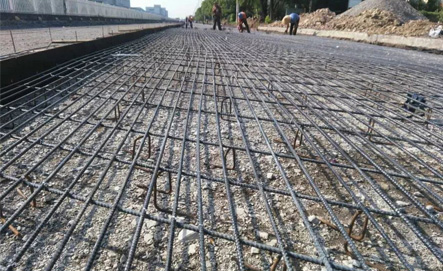
Highway sound barriers, retaining walls, and tunnel segments reinforced with cut basalt rebar deliver exceptional performance in high-vibration, high-traffic environments, with significantly reduced lifecycle costs compared to epoxy-coated or galvanized steel alternatives.

Airport runways, taxiways, and hardened military shelters demand reinforcement that withstands extreme mechanical loading and thermal cycling. Basalt rebar cut to runway slab dimensions provides the ideal combination of strength, non-conductivity, and long-term durability.
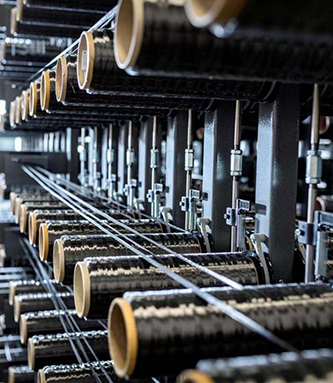
China Beihai is founded in 2015 and located in Jiujiang, Jiangxi Province. China Beihai is a high-tech enterprise focusing on the research, development, production and sales of high-performance basalt continuous fiber and its production equipment manufacturing, as well as a leading enterprise in the domestic basalt fiber industry.
Unveiling the Infinite Potential of Basalt — Basalt fiber is ideal for your engineering projects. Its high strength, corrosion resistance and lightweight properties allow it to easily solve a variety of challenges. In buildings, bridges, roads and other infrastructure projects, basalt fibers demonstrate outstanding performance, extending structural life and reducing maintenance costs.
View More
At China Beihai group, we specialize in the production of a wide range of products including basalt fiber mat (Basalt fiber chopped strand mat, Basalt fiber cloth), basalt fiber roving, basalt fiber yarn, basalt fiber chopped strands, and basalt fiber products (Basalt Fiber rebar, basalt fiber sleeves and tape). Our products are designed to meet the diverse needs of various industries, providing high-quality solutions for our customers.

At China Beihai group, we are dedicated to the production of a wide array of basalt-based products, ranging from basalt fiber mat, fabric, and roving to chopped strand and specialized construction materials. Our focus is on delivering high-quality, sustainable solutions for industries such as construction, geotechnical engineering, and manufacturing. With a commitment to innovation and excellence, we strive to cater to the unique requirements of our clients by offering a comprehensive selection of basalt-derived products.

Choosing to work with China Beihai means working with a leading manufacturer of basalt products. Our commitment to quality, innovation and sustainability sets us apart, ensuring our customers receive best-in-class solutions for their diverse needs. Reliability and customer satisfaction — we offer a wide range of high-quality basalt materials and construction products, backed by our dedication to excellence and industry expertise. When you partner with China Beihai, you can trust that you are working with a reliable and forward-thinking partner for all your basalt product needs.
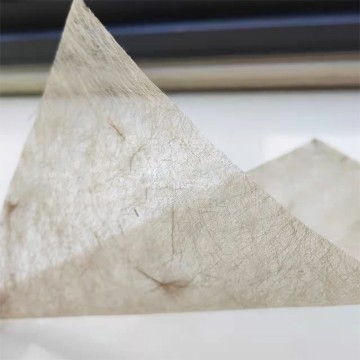
Basalt Fiber Surfacing Tissue Mat is a non-woven thin sheet engineered to provide a smooth resin-rich surface layer for fiber reinforced plastic structures in construction applications.
read more ›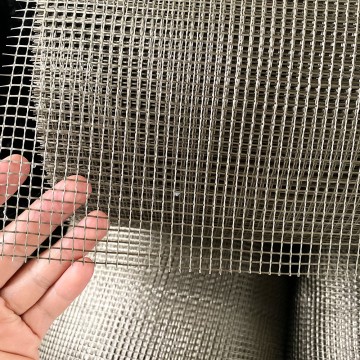
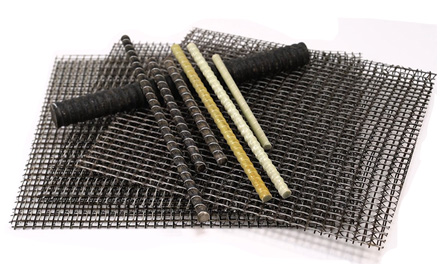
Our high-performance Basalt Fiber Mesh provides a superior reinforcement solution for concrete and plaster applications where high alkali resistance is critical.
read more ›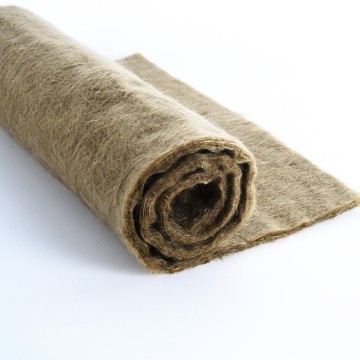
Our Basalt Fiber Needled Mat is a high-density insulation material manufactured by mechanically bonding continuous basalt fibers without any chemical binders.
read more ›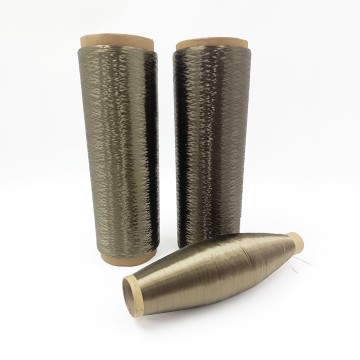
Our Basalt Fiber Twisted Yarn is engineered by twisting multiple continuous filaments to enhance mechanical strength and processing stability for industrial applications.
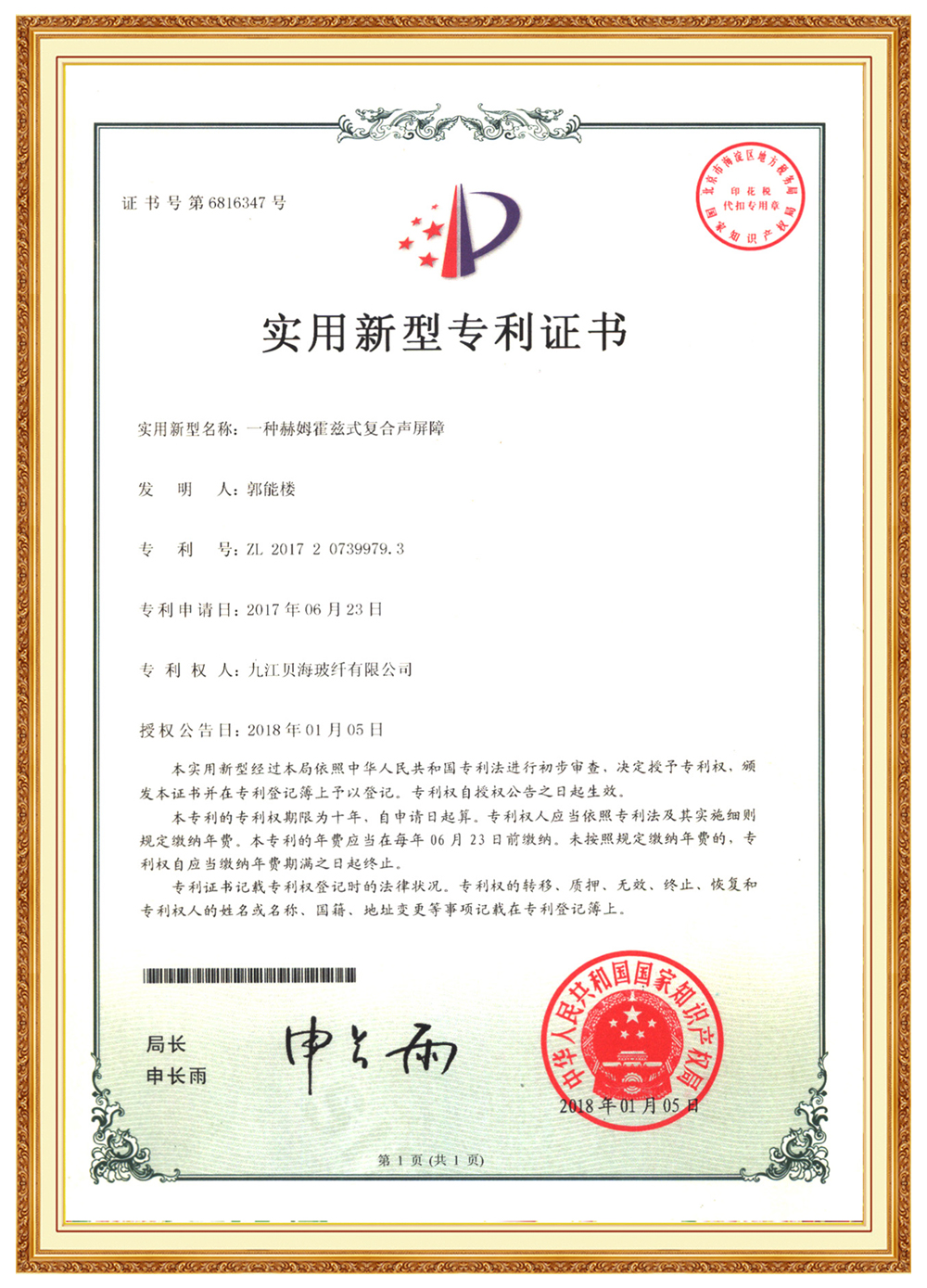
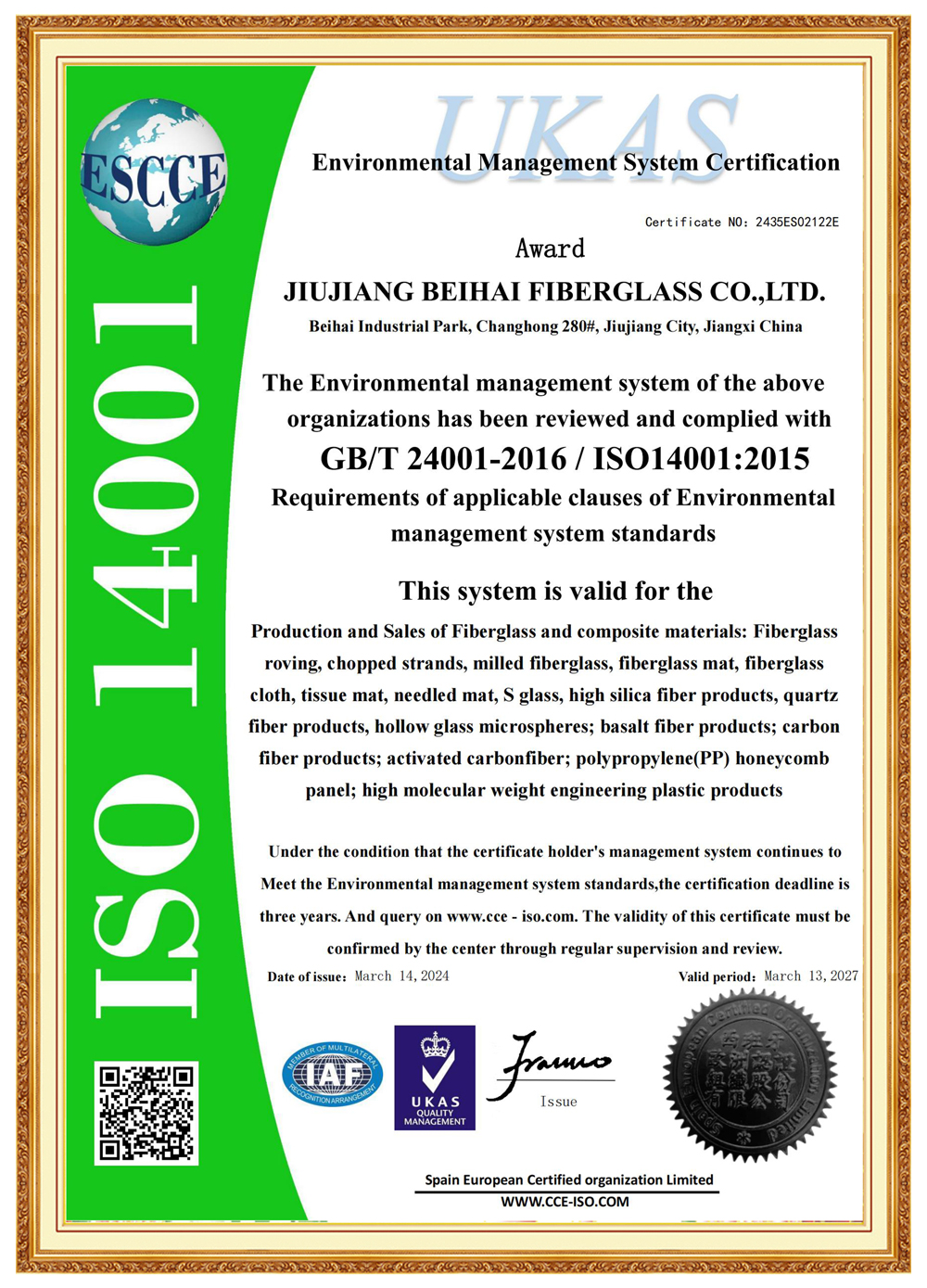
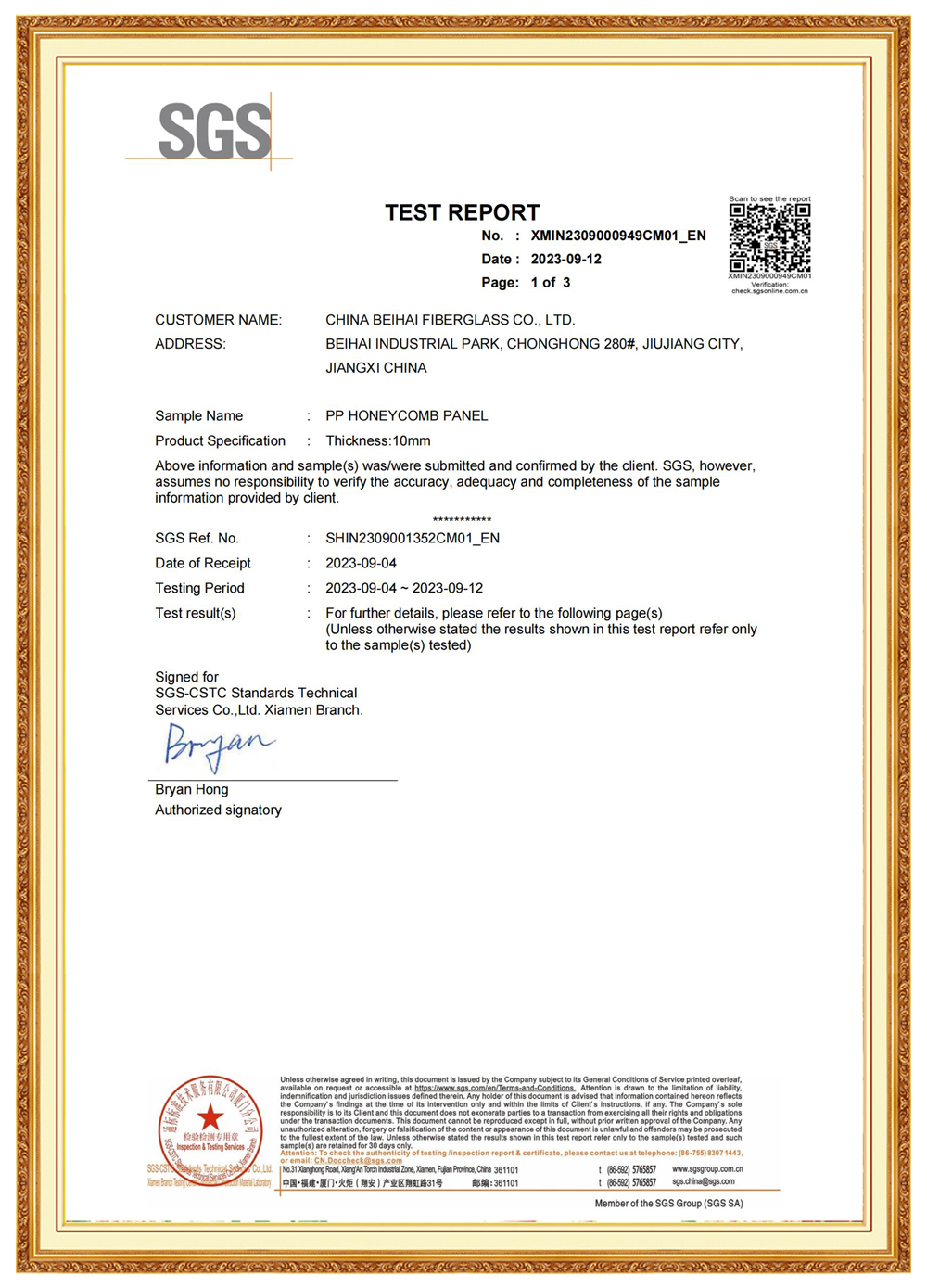
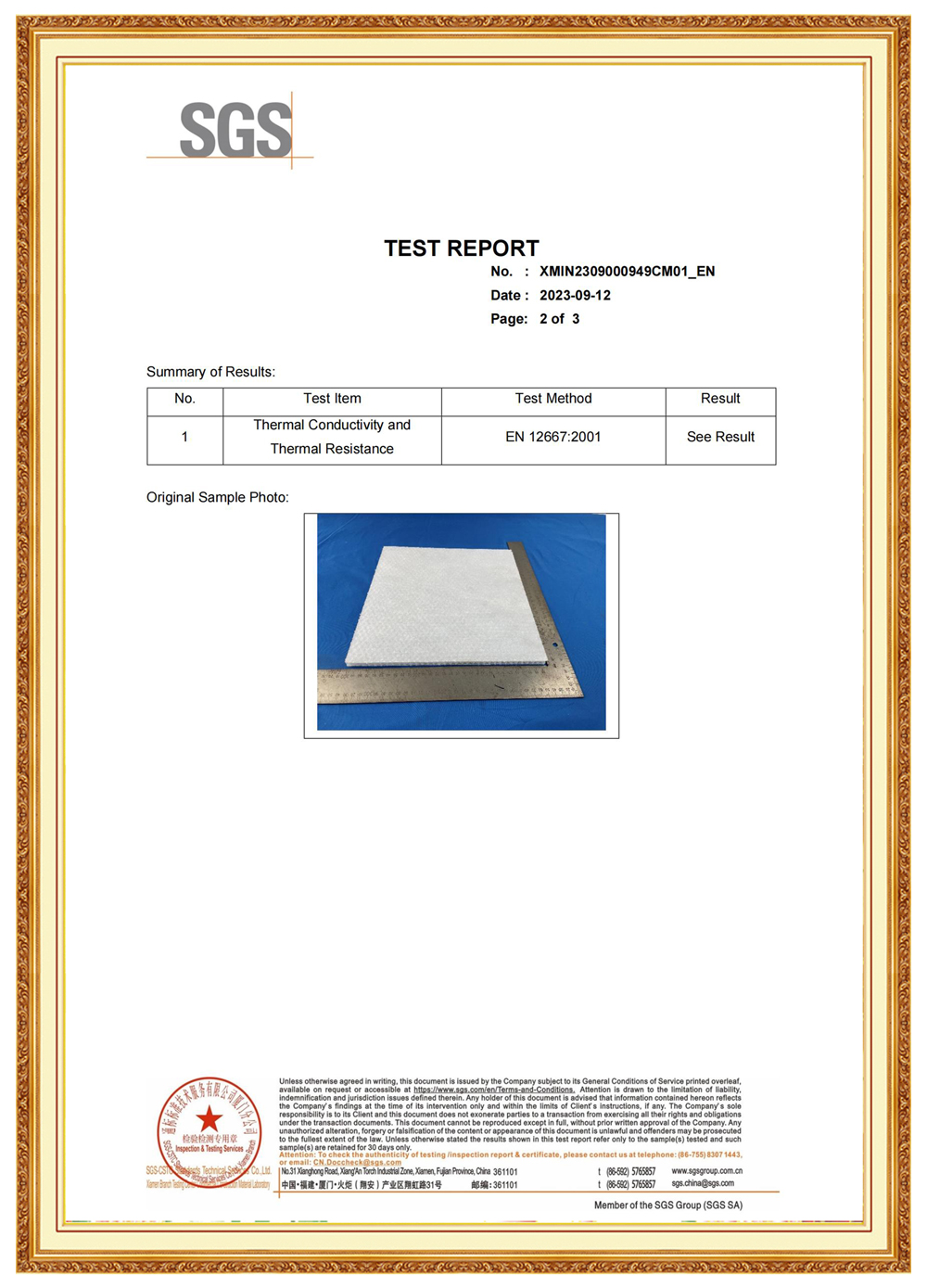
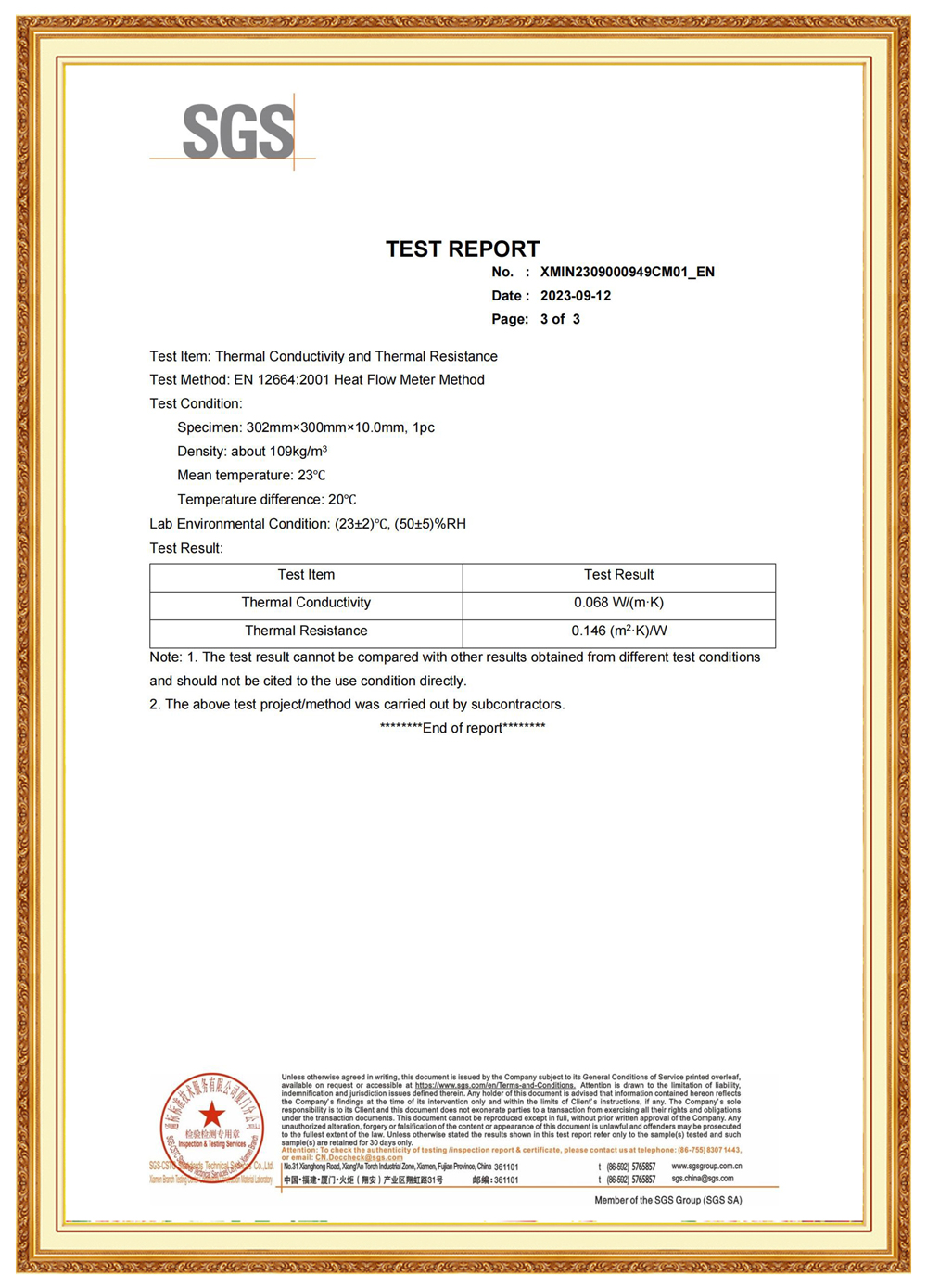
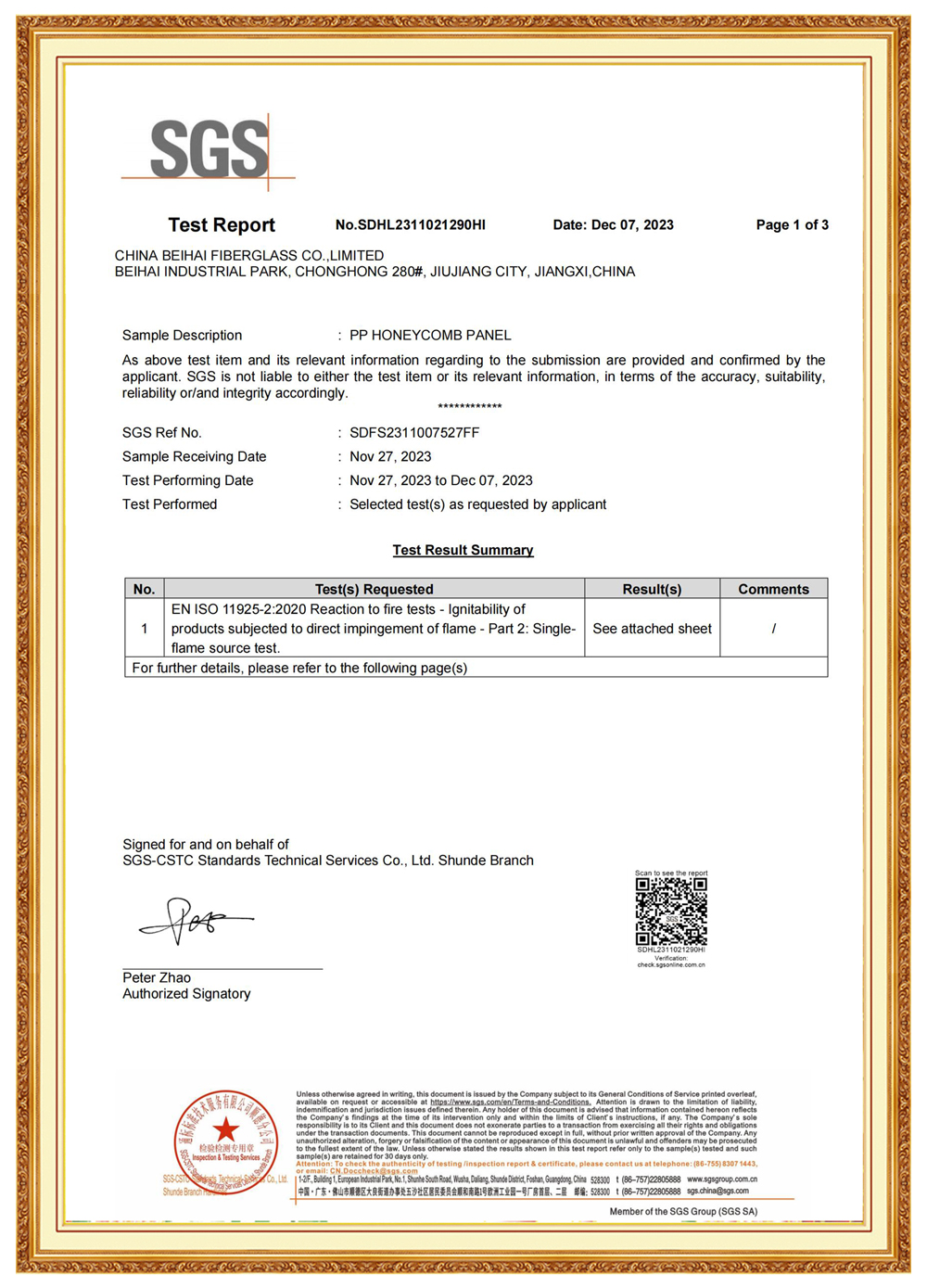
read more ›China Beihai's basalt fiber rebar and composite products are backed by internationally recognized quality certifications, ensuring compliance with global construction and infrastructure standards.

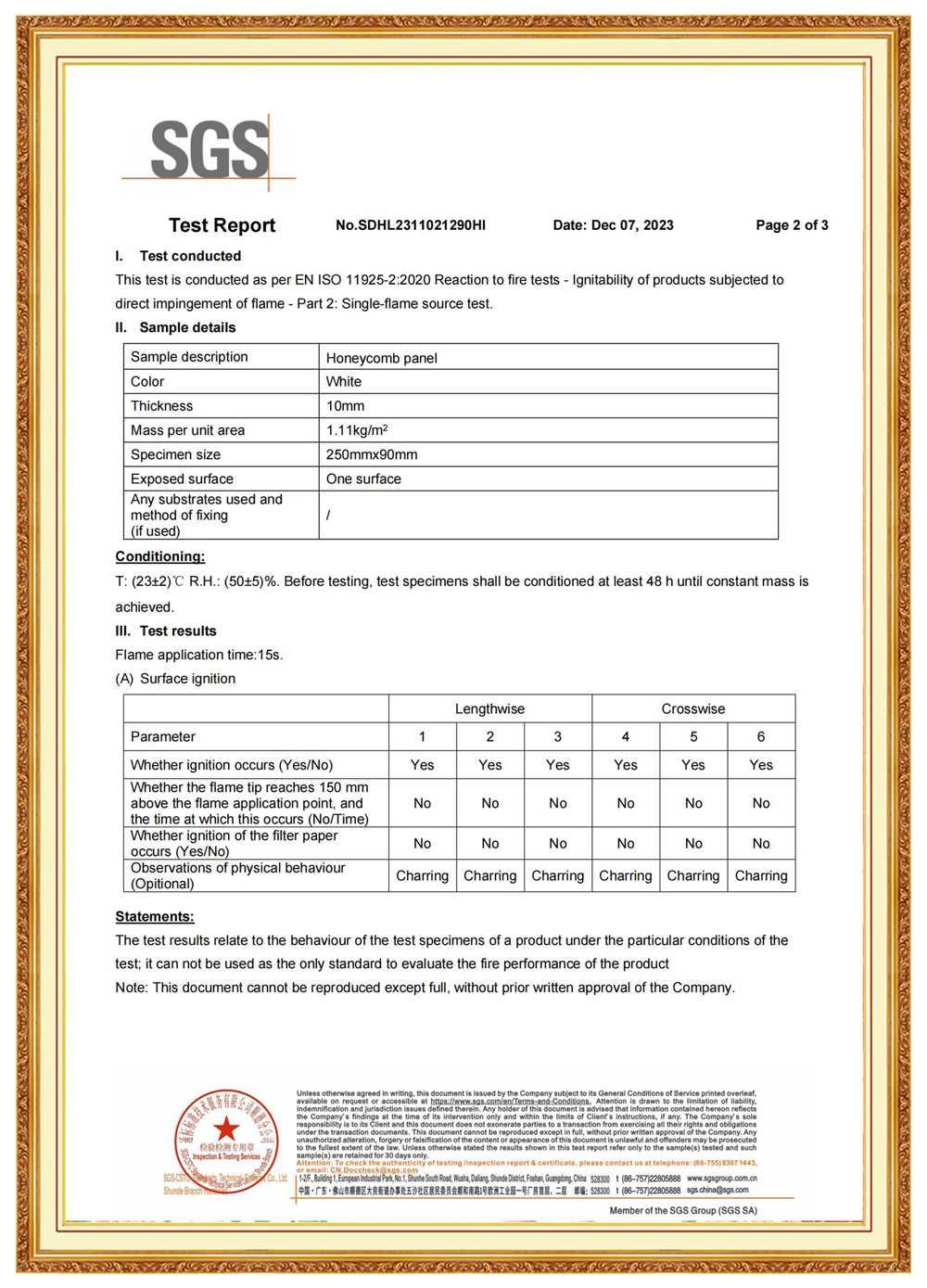
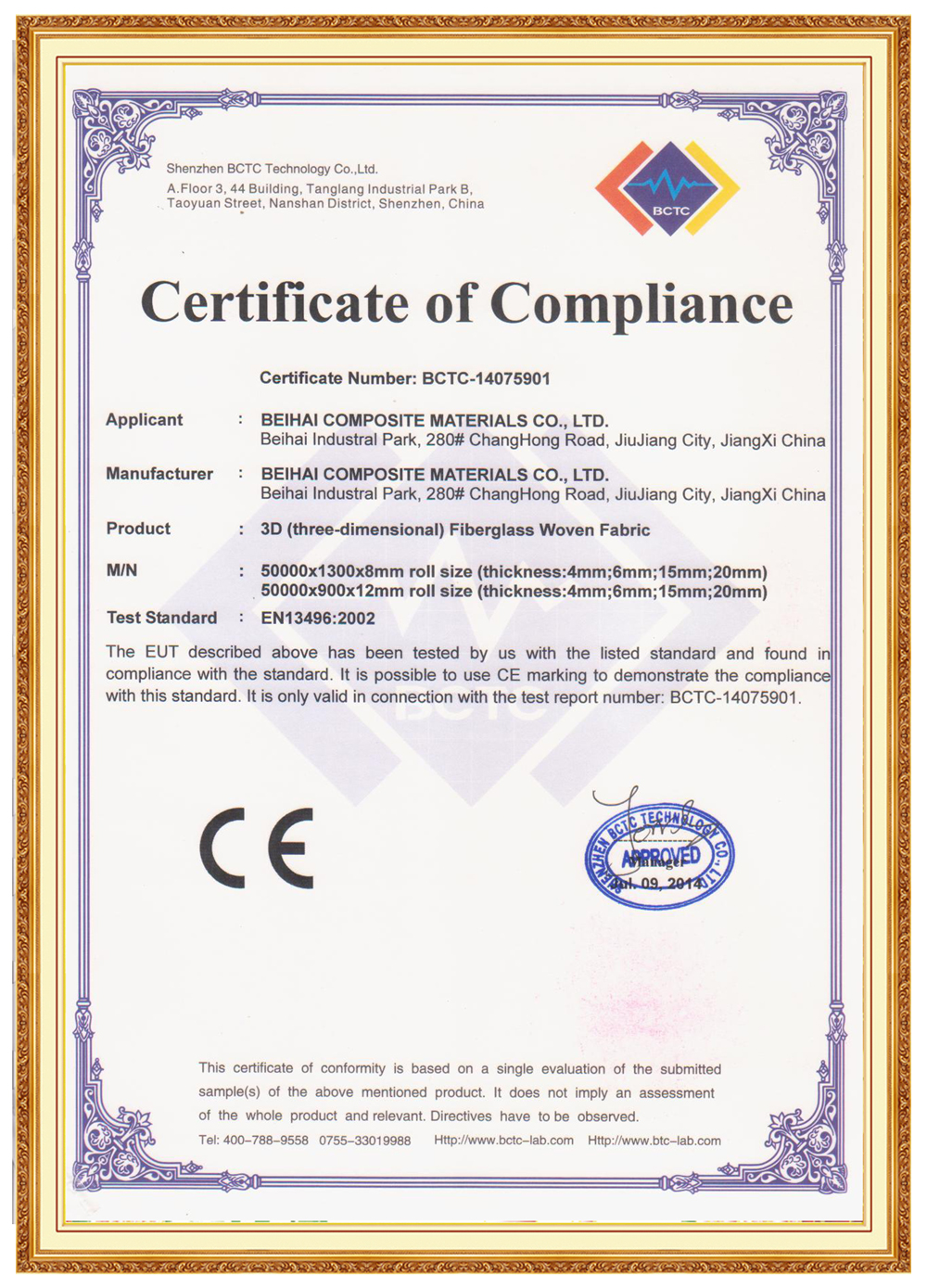

As drones slice through the sky to monitor wildfires, and intelligent robots execute repetitive tasks with precision on the factory floor, the efficient operation of this smart equipment is often underpinned by a "hardcore support" derived from volcanic rock — basalt fiber. Produced by melting natural basalt rock at temperatures ranging from 1,450°C to 1,500°C, this novel inorganic material boasts lightweight strength, weather resistance, corrosion resistance, and eco-friendliness.
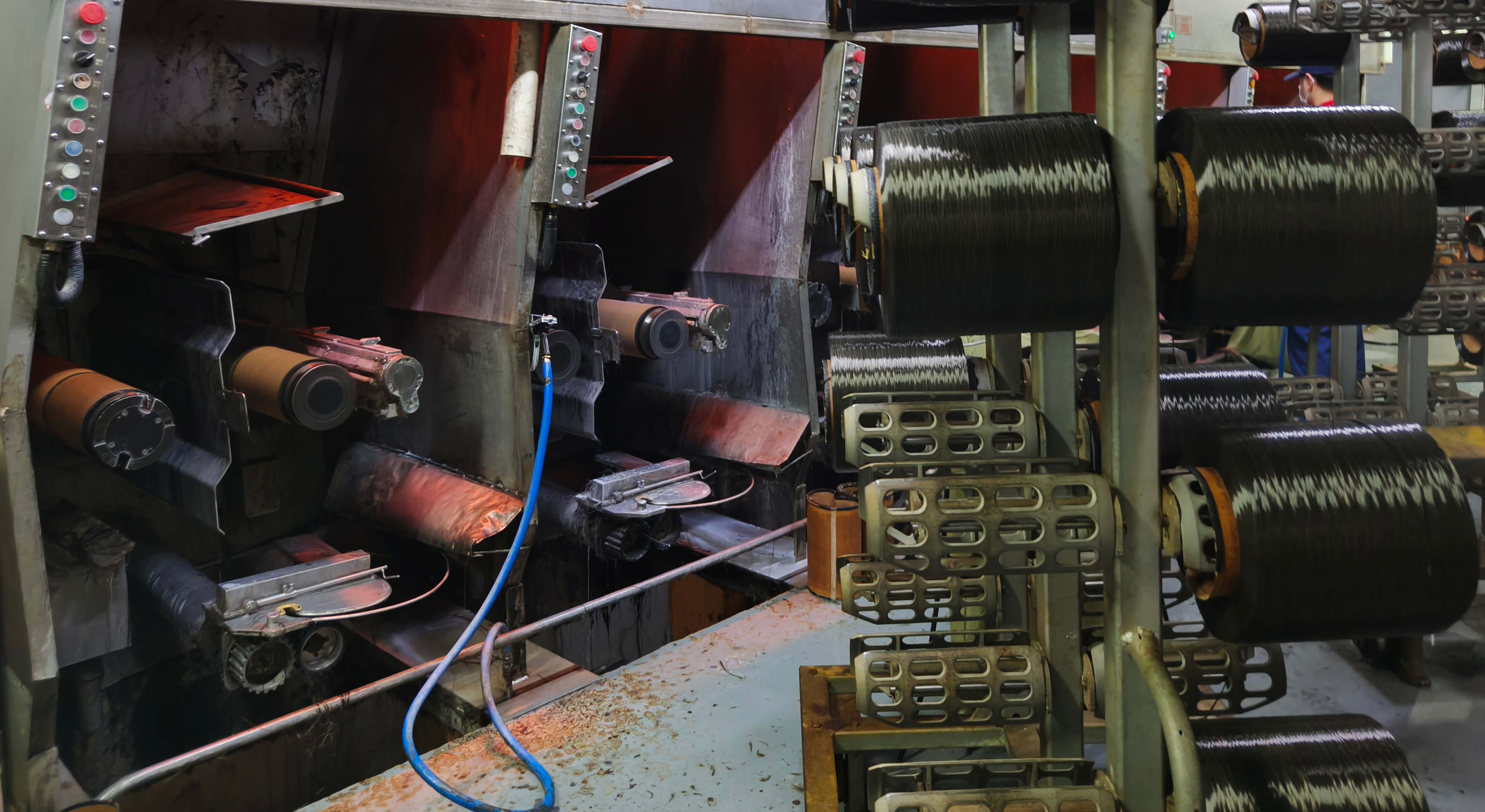
Basalt fiber is an inorganic fibrous material produced by drawing strands from natural basalt ore after it has been melted at high temperatures, demonstrating unique value in applications that demand resilience against extreme temperatures.
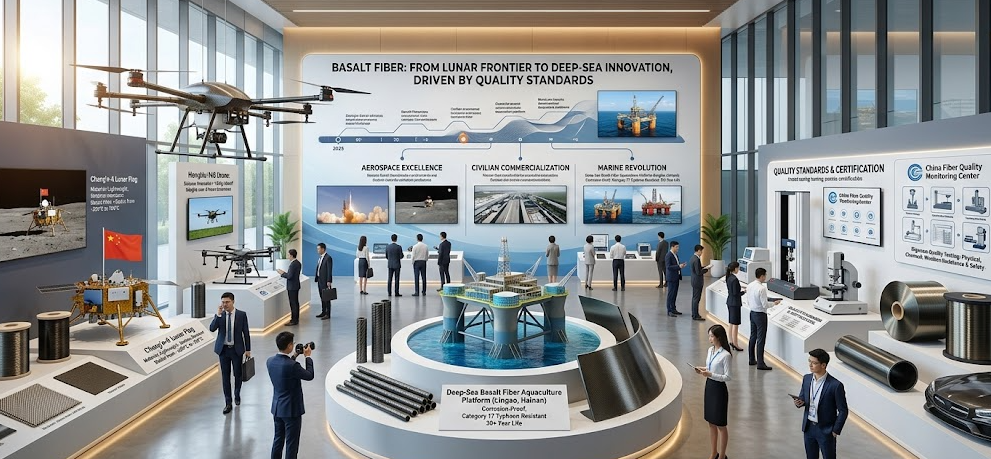
With the successful realization of major applications — including the Chang'e-6 lunar exploration mission and the world's first deep-sea basalt fiber aquaculture platform — basalt fiber is rapidly accelerating its transformation into a strategic new material with tangible industrial productivity.
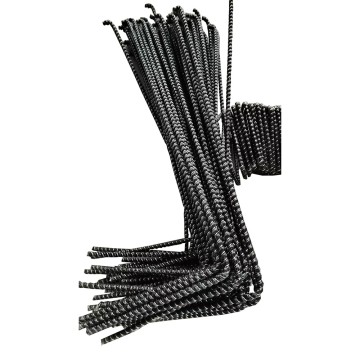
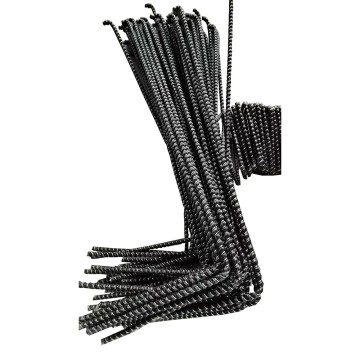
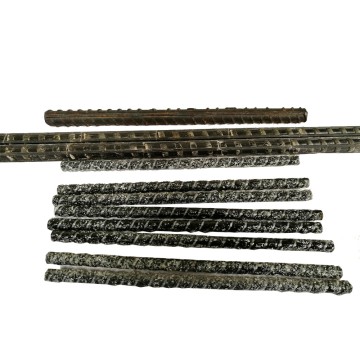
Explore our comprehensive range of basalt fiber rebar products engineered for every cutting rebar application in modern construction and infrastructure development.