








In what specific aspects are the "high-temperature resistance" characteristics of basalt fiber manifested?
1. Long-term Service Temperature and Softening Point.
The safe long-term service temperature range for standard basalt fiber typically falls between -260°C and +650°C. However, for high-temperature-resistant grades—produced through compositional optimization and process adjustments—the upper limit of the long-term service temperature can be further elevated. Its softening point—the temperature at which the fiber begins to deform—can approach or even exceed 900°C. This implies that, below this temperature threshold, the fiber can essentially maintain the stability of its physical form and mechanical properties.
2. Strength Retention Rate at High Temperatures.
A crucial metric for assessing a fiber's heat resistance is the extent to which it retains its strength within high-temperature environments. High-quality, high-temperature-resistant basalt fibers typically exhibit a high tensile strength retention rate even after prolonged exposure to environments reaching several hundred degrees Celsius, thereby demonstrating excellent resistance to thermal aging. In contrast, many organic fibers would have long since decomposed or melted at such temperatures.
3. Thermal Stability and Low Thermal Conductivity.
Basalt fiberis inherently an excellent Thermal Insulation material, characterized by low thermal conductivity. At high temperatures, it does not burn or emit toxic fumes, and it maintains stable chemical properties. This inherent thermal stability endows it with a natural advantage in the field of high-temperature thermal insulation.
One might ask: Given that there are numerous high-temperature-resistant materials available in both nature and industry—such as ceramic fibers and glass fibers—how does Basalt fiber distinguish itself from the rest? This is an excellent question, and a comparative analysis serves to more clearly define the unique characteristics of high-temperature-resistant basalt fiber.
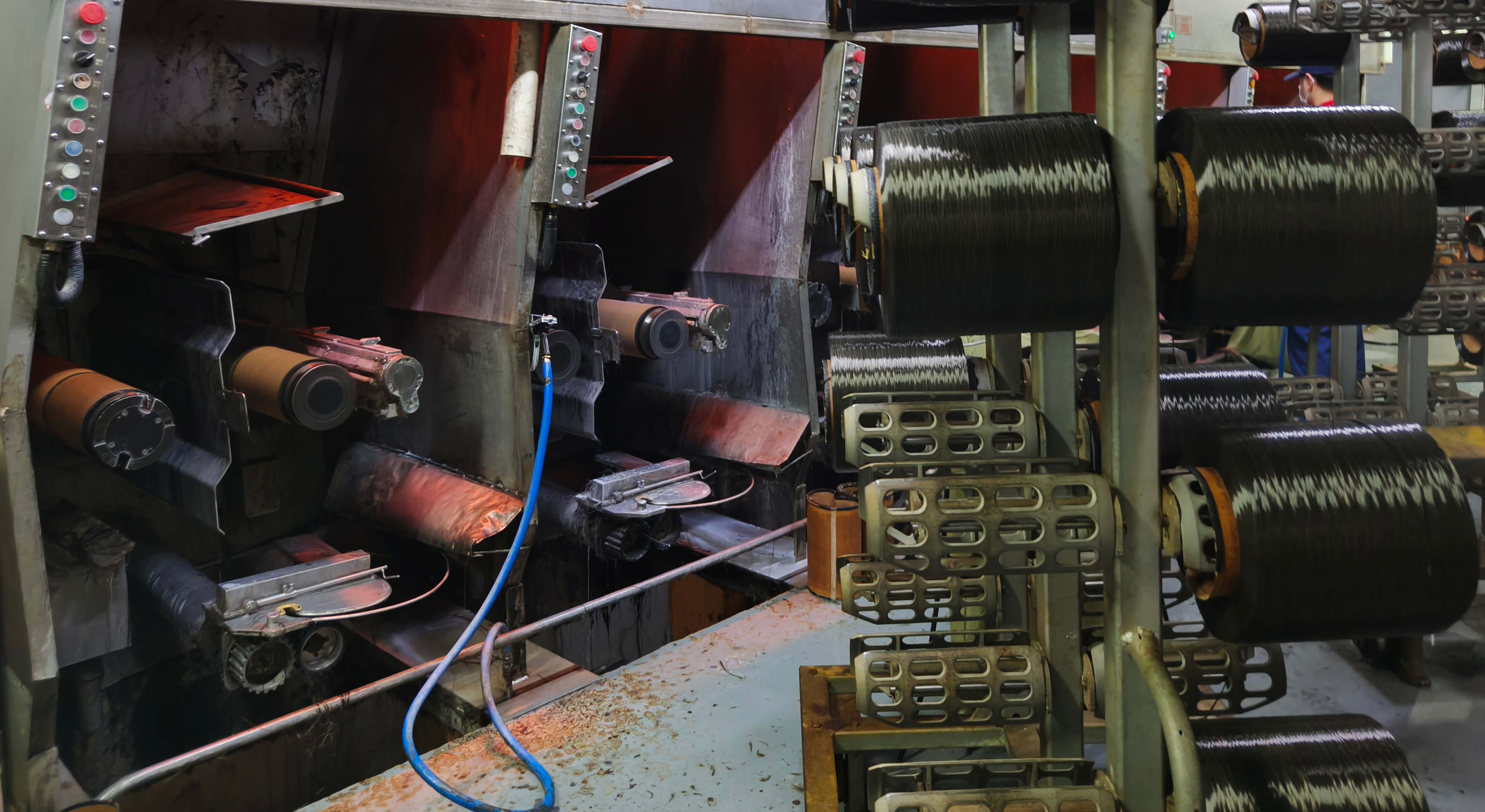
Compared to common E-glass fiber, basalt fiber demonstrates significantly superior heat resistance. The long-term service temperature of E-glass fiber typically does not exceed 350°C, whereas the thermal resistance capability of basalt fiber is nearly double that figure. When compared to high-performance aluminum silicate ceramic fibers, high-temperature-resistant basalt fiber may possess a slightly lower maximum temperature tolerance; however, it offers superior mechanical strength, lower moisture absorption, and enhanced resistance to chemical corrosion—particularly in alkaline environments. Furthermore, as basalt fiber is derived from natural mineral ores, its production process entails relatively low energy consumption and relies on an extremely abundant raw material supply, thereby endowing it with distinct advantages in terms of both cost-effectiveness and sustainability. It is precisely by virtue of these comprehensive properties that high-temperature-resistant basalt fibers have found extensive application across numerous industrial sectors. Their utility lies not merely in excelling in a single performance metric, but rather in playing a pivotal role in contexts where multiple requirements—such as high-temperature resistance, thermal insulation, fire protection, and structural reinforcement—are intricately intertwined.