
Leave Your Message
Precision-engineered basalt fiber products designed for fire-resistant concrete reinforcement, thermal protection clothing, and high-temperature barrier systems.
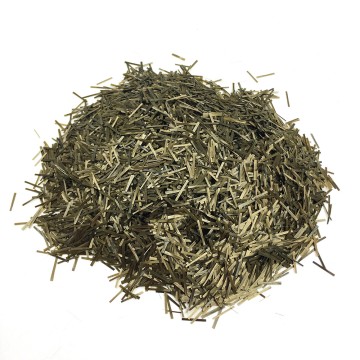
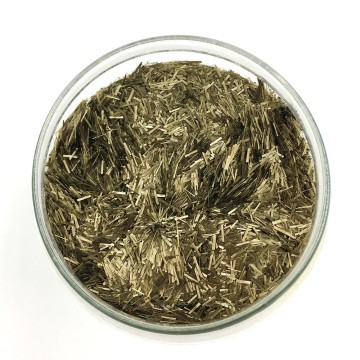
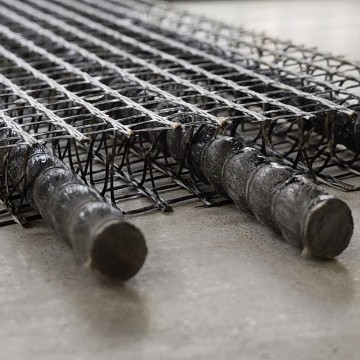
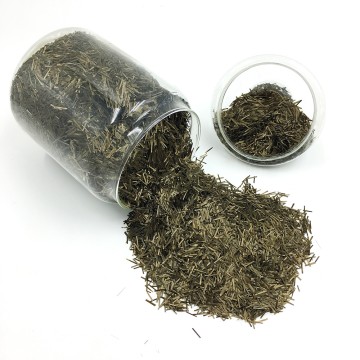
The global market for high-performance fibers used in fire-resistant clothing and high-temperature thermal barriers is experiencing unprecedented growth. Driven by increasingly stringent workplace safety regulations, expanding industrial infrastructure, and rising demand for lightweight yet durable protective materials, fiberglass-based and basalt fiber solutions have moved to the forefront of materials science innovation.
Basalt fiber — derived from volcanic basaltic rock melted at temperatures between 1,450°C and 1,500°C — has emerged as a superior alternative to traditional E-glass and S-glass fibers in demanding thermal applications. With a continuous service temperature range of -269°C to +700°C and short-term resistance exceeding 900°C, basalt fiber chopped strands and woven fabrics are now being integrated into concrete matrices, protective textiles, and industrial insulation systems at a scale previously reserved for aerospace-grade composites.
According to recent industry analyses, the global basalt fiber market is projected to surpass USD 450 million by 2030, growing at a CAGR exceeding 12%. The fire-resistant textiles sector alone — encompassing protective clothing for firefighters, foundry workers, and oil & gas personnel — accounts for a significant portion of this growth, as basalt fiber's inherent non-combustibility (it does not melt or drip when exposed to flame) provides critical safety advantages over synthetic alternatives.
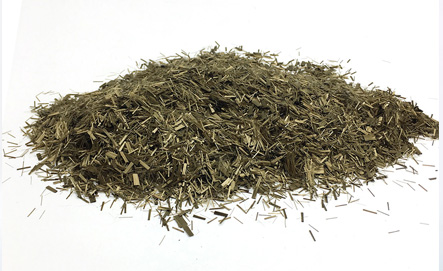
In the construction sector, the integration of basalt fiber chopped strands into concrete formulations is accelerating. Fire-resistant concrete enhanced with basalt fibers demonstrates up to 40% improvement in post-fire residual strength compared to conventional steel-reinforced concrete, making it the material of choice for tunnels, underground structures, high-rise building cores, and industrial facilities where fire safety is paramount.
Basalt fiber retains over 85% of its tensile strength at 400°C — far exceeding the performance of standard E-glass fibers — making it the definitive choice for fire-resistant concrete reinforcement and high-temperature thermal barrier applications.
Beyond performance, basalt fiber production generates significantly lower CO₂ emissions compared to glass fiber manufacturing, and the raw material — volcanic basalt rock — is one of the most abundant minerals on Earth. This positions basalt fiber as a sustainable, long-lifecycle solution aligned with global net-zero construction and industrial decarbonization goals.
The adoption of basalt fiber in fire-resistant applications is further accelerated by evolving international standards including ISO 11612 (protective clothing against heat and flame), EN 1363 (fire resistance testing of construction elements), and ASTM E119. Basalt fiber-reinforced concrete systems are increasingly cited in national building codes across Europe, North America, and Asia as compliant materials for fire-rated structural assemblies.
Understanding why basalt fiber outperforms conventional fiberglass in extreme thermal environments requires examining its fundamental material characteristics.
Basalt fiber maintains structural integrity from -269°C to +700°C continuously, with short-term peak tolerance exceeding 900°C. This makes it ideal for thermal barrier blankets, fire-resistant concrete panels, and protective garment linings exposed to industrial furnace environments.
With tensile strength ranging from 3,000 to 4,800 MPa, basalt fiber chopped strands dramatically improve the crack resistance and load-bearing capacity of fire-rated concrete structures, ensuring structural safety even after prolonged heat exposure.
Unlike synthetic polymer fibers, basalt fiber is completely non-combustible, does not melt or produce toxic fumes when exposed to flame. This property is critical for protective clothing applications where secondary hazards from burning materials can be life-threatening.
Superior resistance to alkali, acid, and salt environments ensures longevity of basalt fiber-reinforced concrete in chemically aggressive industrial settings, including petrochemical plants, wastewater treatment facilities, and coastal infrastructure.
At approximately 2.65 g/cm³ density — lighter than steel and comparable to glass fiber — basalt fiber enables the production of lightweight fire-resistant garments and thin-profile thermal barrier panels without compromising protective performance.
Produced from 100% natural volcanic rock with no binders or chemical additives in the raw material, basalt fiber offers an environmentally responsible solution for industries committed to sustainable procurement and green building certification.
Basalt fiber's unique thermal and mechanical properties enable transformative applications across fire protection, construction, and high-temperature industrial processes.
Basalt fiber chopped strands dispersed uniformly within concrete matrices create a three-dimensional reinforcement network that arrests crack propagation during fire events. Tunnel linings reinforced with basalt fiber demonstrate exceptional spalling resistance — a critical safety requirement in road and rail tunnels where explosive concrete spalling during fires poses severe risks to evacuation and structural collapse.
Basalt fiber woven fabrics and yarns are increasingly incorporated into the outer shell and thermal liner layers of firefighter turnout gear, industrial protective suits for foundry and smelting workers, and proximity suits for aircraft rescue personnel. The natural inorganic composition ensures zero flame spread, minimal heat transfer, and long-term dimensional stability through repeated laundering cycles — addressing key durability challenges faced by conventional aramid-based protective textiles.
Basalt fiber needled mats and woven blankets serve as high-performance thermal insulation in industrial furnaces, kilns, and high-temperature pipelines. In steel mills and glass manufacturing facilities, basalt fiber thermal barriers reduce energy consumption by maintaining process temperatures more efficiently than traditional ceramic fiber alternatives, while offering superior vibration resistance and mechanical durability in high-cycle industrial environments.
The aerospace sector leverages basalt fiber's combination of low weight, high-temperature resistance, and electromagnetic transparency for thermal protection systems on spacecraft re-entry vehicles, military aircraft engine nacelles, and missile body structures. Basalt fiber composites provide effective thermal shielding without the radar-absorbing limitations associated with carbon fiber, making them valuable in stealth-critical defense applications.
In oil refineries, LNG terminals, and power generation facilities, basalt fiber-reinforced concrete is used for blast-resistant and fire-rated containment walls, equipment pads, and secondary containment systems. The material's simultaneous resistance to chemical corrosion and high-temperature exposure makes it uniquely suited to environments where both hazards coexist — a combination that conventional steel-reinforced concrete systems cannot reliably address over extended service lifetimes.
Offshore oil platforms and naval vessels require thermal insulation systems that withstand salt spray corrosion, mechanical impact, and fire simultaneously. Basalt fiber composite panels and thermal barrier systems meet these multi-hazard requirements while offering weight savings of up to 30% compared to traditional mineral wool and firebrick alternatives, directly improving vessel stability and fuel efficiency.
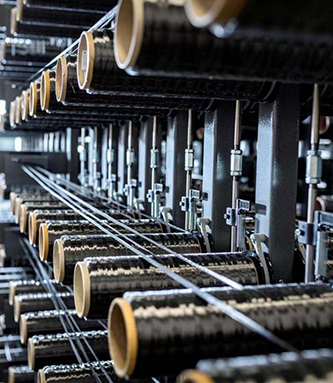
China Beihai is founded in 2015 and located in Jiujiang, Jiangxi Province. China Beihai is a high-tech enterprise focusing on the research, development, production and sales of high-performance basalt continuous fiber and its production equipment manufacturing, as well as a leading enterprise in the domestic basalt fiber industry.
Our advanced manufacturing capabilities and deep R&D investment position us at the forefront of basalt fiber innovation for fire-resistant, thermal barrier, and structural reinforcement applications worldwide.
View More About Us
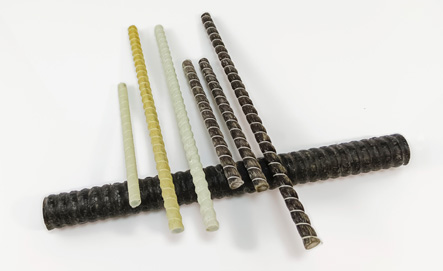
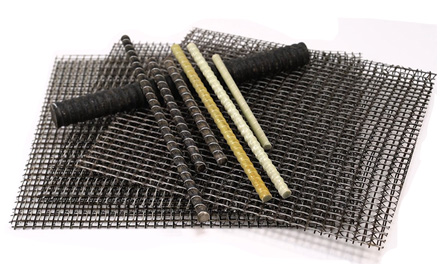
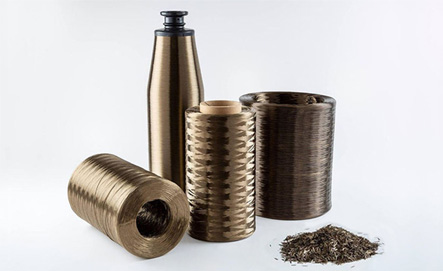
At China Beihai group, we specialize in the production of a wide range of products including basalt fiber mat (Basalt fiber chopped strand mat, Basalt fiber cloth), basalt fiber roving, basalt fiber yarn, basalt fiber chopped strands, and basalt fiber products (Basalt Fiber rebar, basalt fiber sleeves and tape). Our products are designed to meet the diverse needs of various industries, providing high-quality solutions for our customers.

At China Beihai group, we are dedicated to the production of a wide array of basalt-based products, ranging from basalt fiber mat, fabric, and roving to chopped strand and specialized construction materials. Our focus is on delivering high-quality, sustainable solutions for industries such as construction, geotechnical engineering, and manufacturing. With a commitment to innovation and excellence, we strive to cater to the unique requirements of our clients by offering a comprehensive selection of basalt-derived products.

Choosing to work with China Beihai means working with a leading manufacturer of basalt products. Our commitment to quality, innovation and sustainability sets us apart, ensuring our customers receive best-in-class solutions for their diverse needs. Reliability and customer satisfaction, we offer a wide range of high-quality basalt materials and construction products, backed by our dedication to excellence and industry expertise. When you partner with China Beihai, you can trust that you are working with a reliable and forward-thinking partner — a thought supplier for all your basalt product needs.
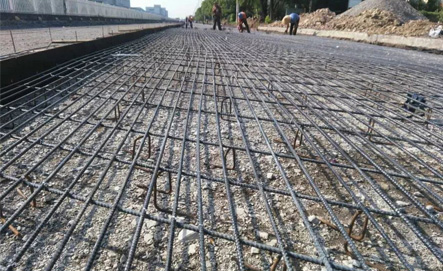
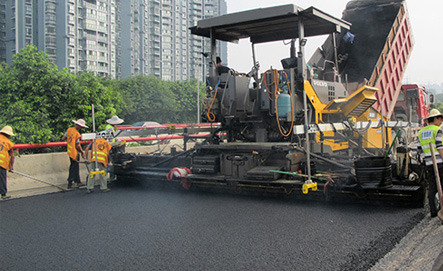
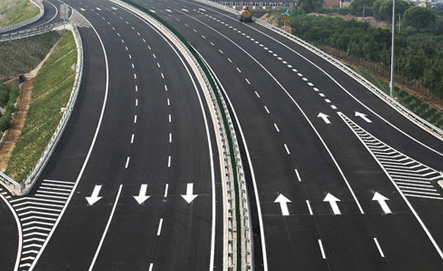
Basalt fiber is ideal for your engineering projects. Its high strength, corrosion resistance and lightweight properties allow it to easily solve a variety of challenges. In buildings, bridges, roads and other infrastructure projects, basalt fibers demonstrate outstanding performance, extending structural life and reducing maintenance costs. Choose basalt fiber, choose reliability and durability.
Research institutions and manufacturers are increasingly developing hybrid fiber systems combining basalt fiber with carbon or aramid fibers to achieve optimized property profiles — maximizing fire resistance while enhancing tensile modulus for structural applications in high-rise buildings and bridge decks.
Integration of basalt fiber reinforcement with embedded sensor networks is enabling the development of "smart" fire-resistant concrete structures capable of real-time structural health monitoring — detecting thermal stress, crack formation, and deformation during fire events to support intelligent building evacuation systems.
Advanced weaving and needling technologies are enabling the production of ultra-thin basalt fiber fabrics with thermal protection factors (TPF) exceeding current regulatory thresholds, enabling lighter, more ergonomic protective garments for firefighters and industrial workers without sacrificing fire barrier performance.
International standardization bodies are actively working to harmonize testing and certification requirements for basalt fiber in fire protection applications across EU, US, and Asian markets, reducing trade barriers and accelerating global adoption of basalt fiber-based fire-resistant solutions in construction and protective equipment sectors.
The rapid growth of battery energy storage systems (BESS) for grid-scale renewable energy is creating new demand for basalt fiber thermal barrier panels used in battery module fire containment — a critical safety application as lithium-ion battery thermal runaway events pose significant fire risks in utility-scale installations.
High-speed rail tunnels, metro systems, and airport structures increasingly specify basalt fiber-reinforced fire-resistant concrete for tunnel linings and structural elements, driven by updated fire safety codes following major tunnel fire incidents and the need for materials that maintain evacuation route integrity under extreme fire conditions.
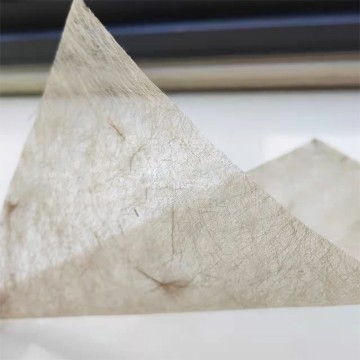
Basalt Fiber Surfacing Tissue Mat is a non-woven thin sheet engineered to provide a smooth resin-rich surface layer for fiber reinforced plastic composites used in thermal barrier and fire-resistant applications.
Read More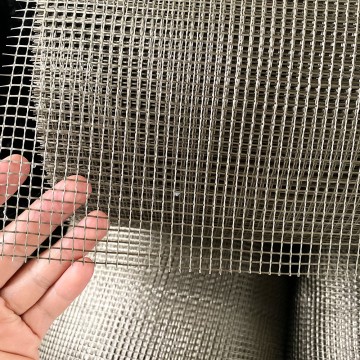
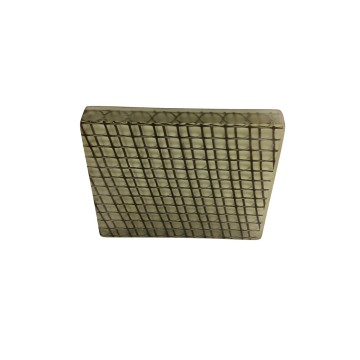
Our high-performance Basalt Fiber Mesh provides a superior reinforcement solution for fire-rated concrete and plaster applications where high alkali resistance and thermal stability are required.
Read More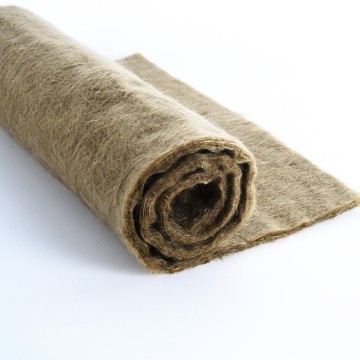
Our Basalt Fiber Needled Mat is a high-density insulation material manufactured by mechanically bonding continuous basalt fibers without any chemical binders, ideal for industrial thermal barrier systems.
Read More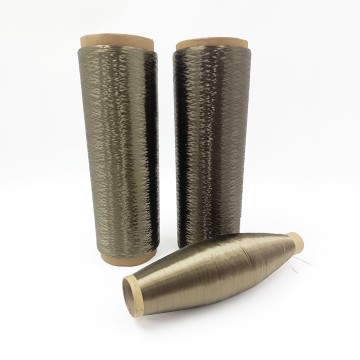
Our Basalt Fiber Twisted Yarn is engineered by twisting multiple continuous filaments to enhance mechanical strength and processing stability for fire-resistant textile and protective clothing manufacturing.
Read More







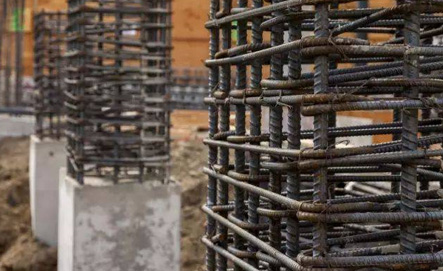
Basalt-added concrete offers a number of advantages in engineering projects, including increased strength and durability, increased crack resistance, improved chemical resistance and improved workability. In fire-resistant concrete applications, basalt fiber chopped strands create a distributed reinforcement matrix that prevents explosive spalling during fire events, maintains post-fire load-bearing capacity, and extends the structural service life of fire-rated buildings, tunnels, and industrial facilities by decades compared to conventional reinforced concrete systems.
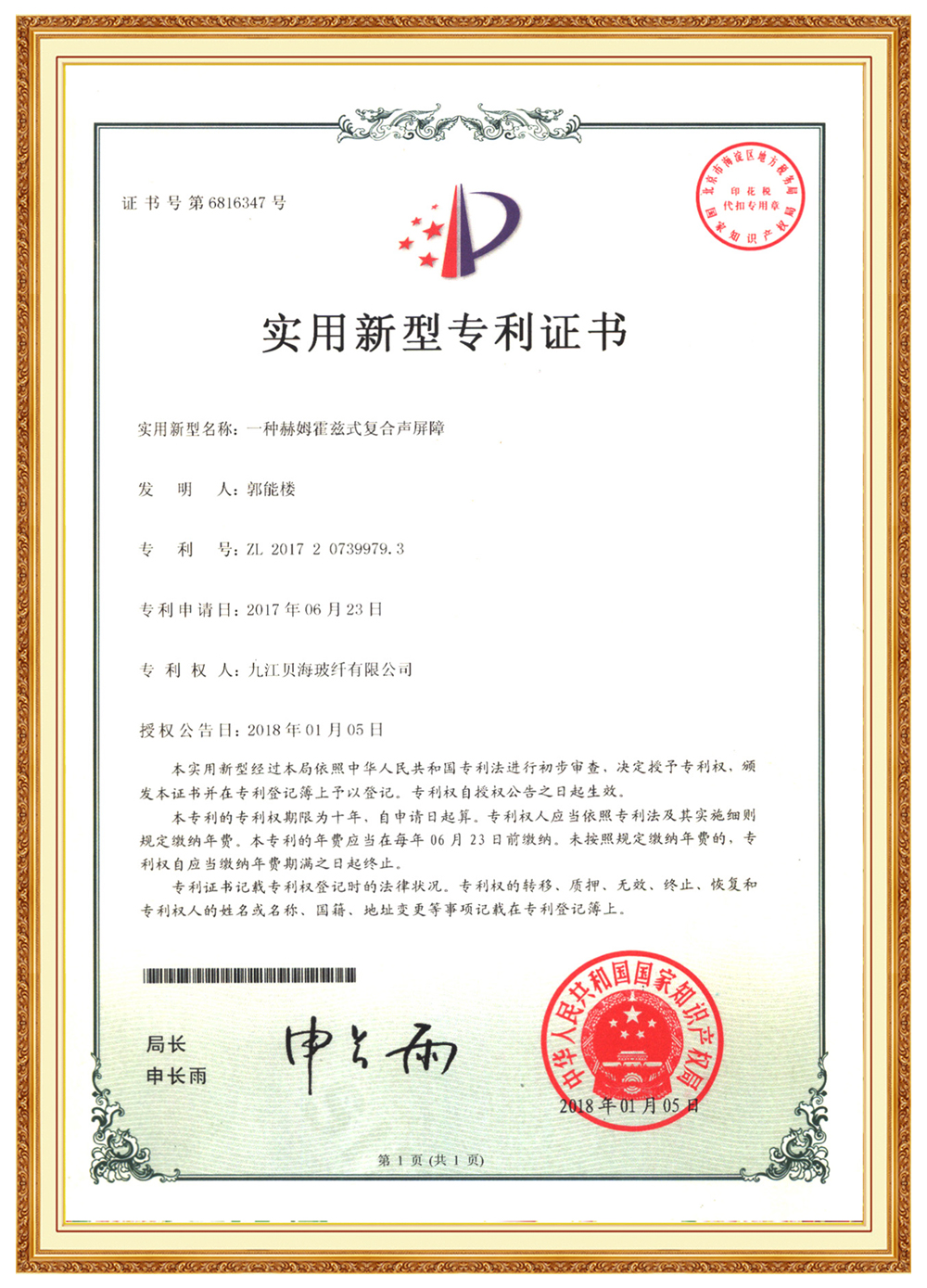
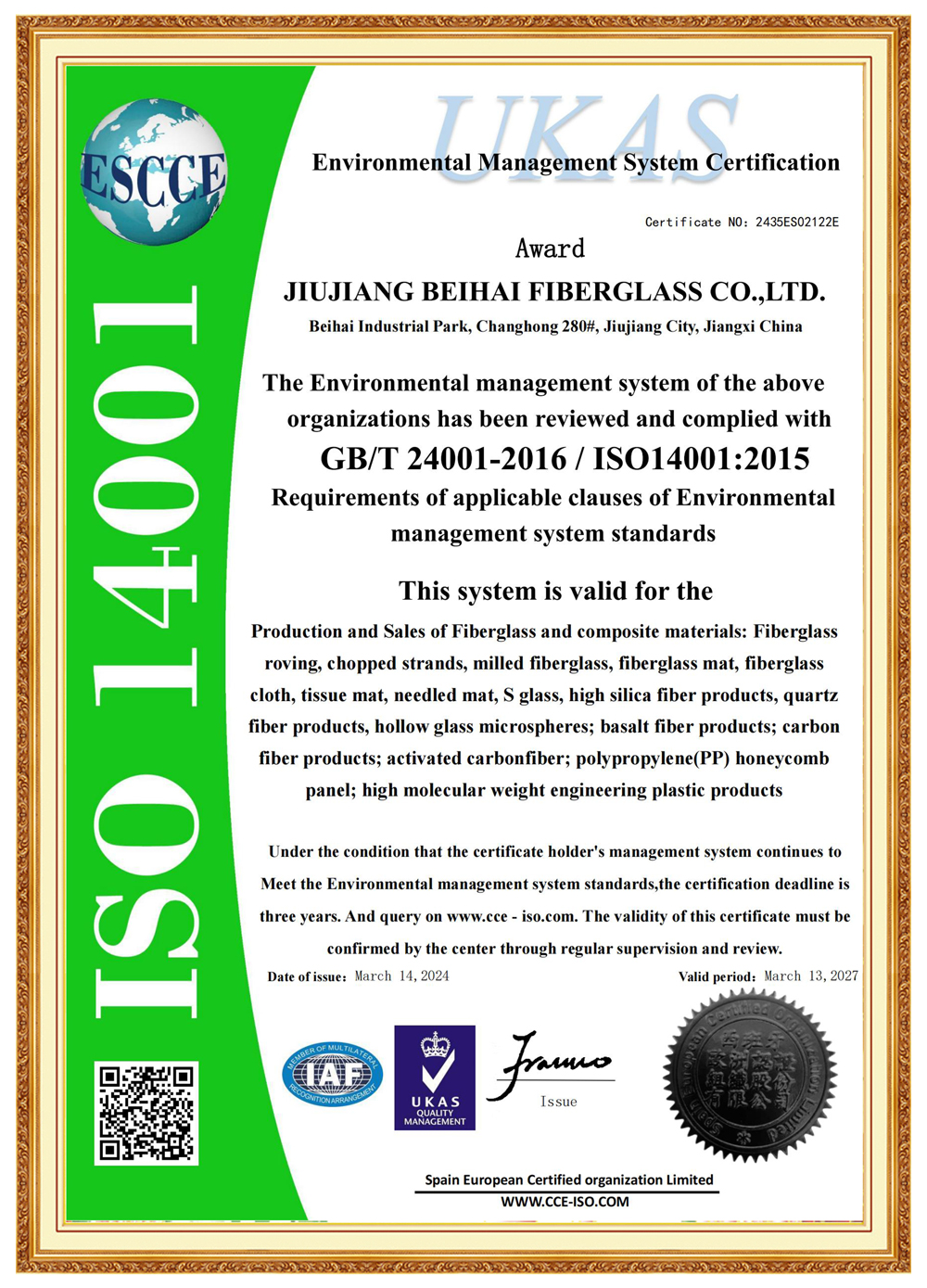
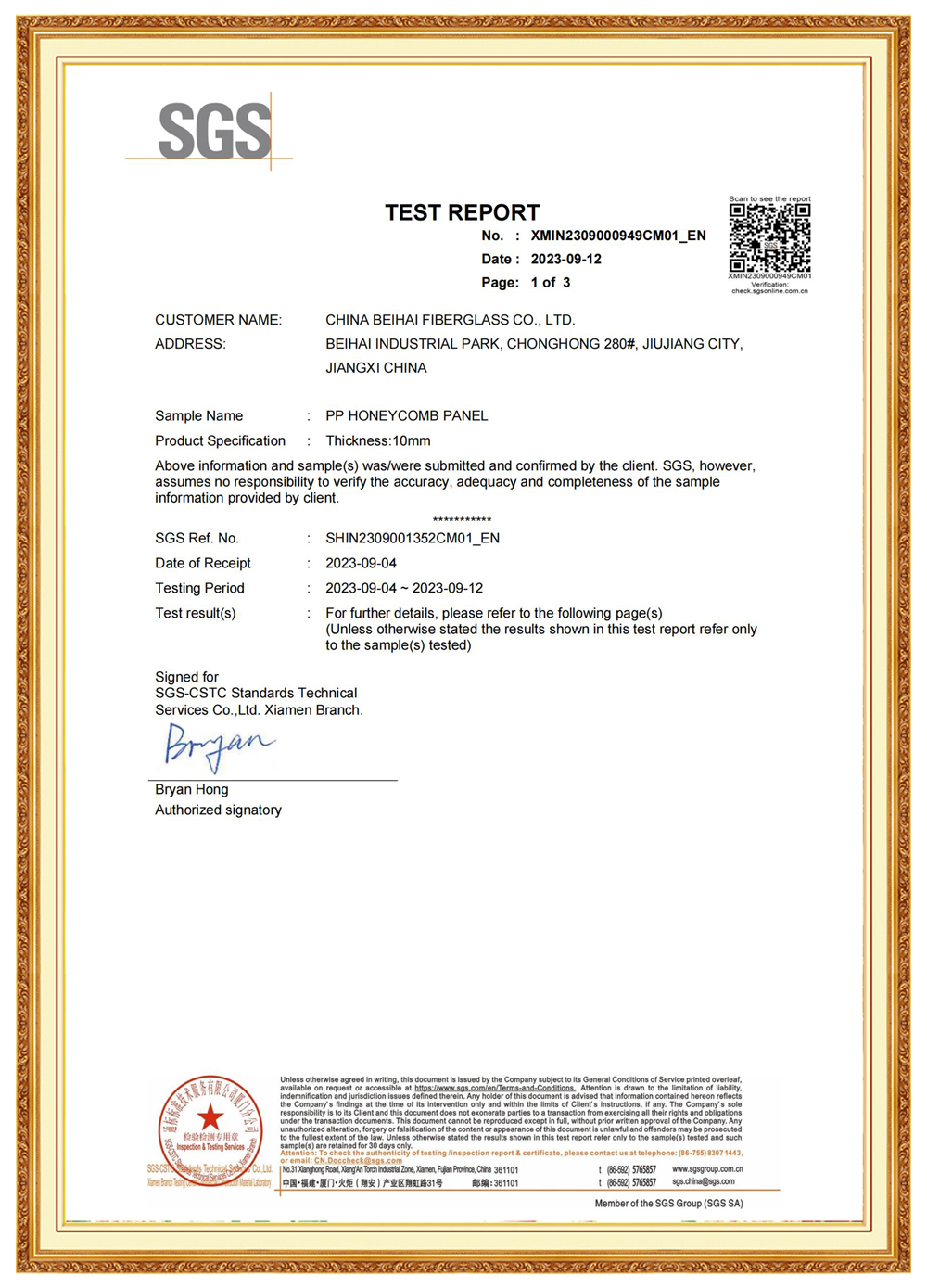
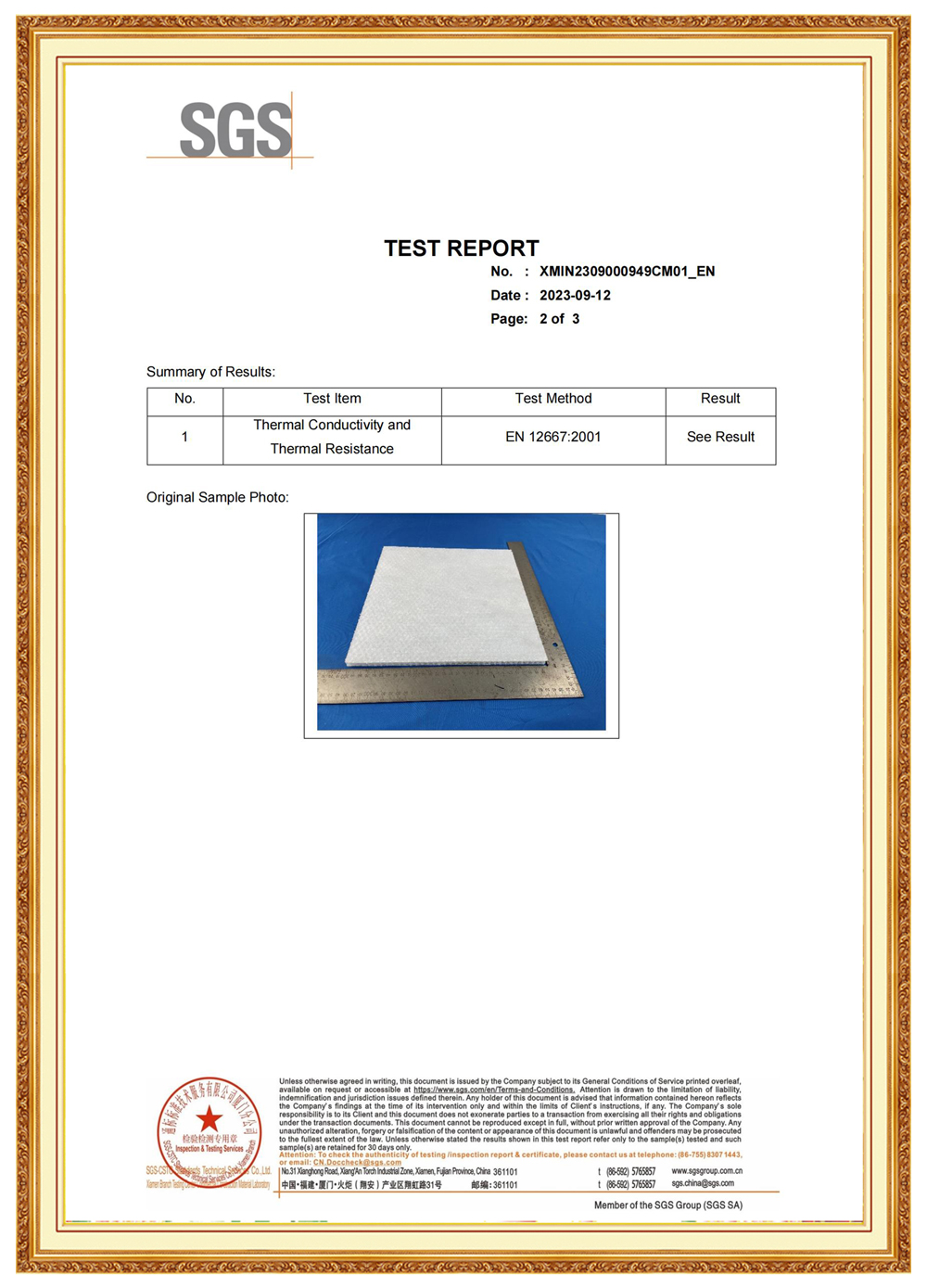
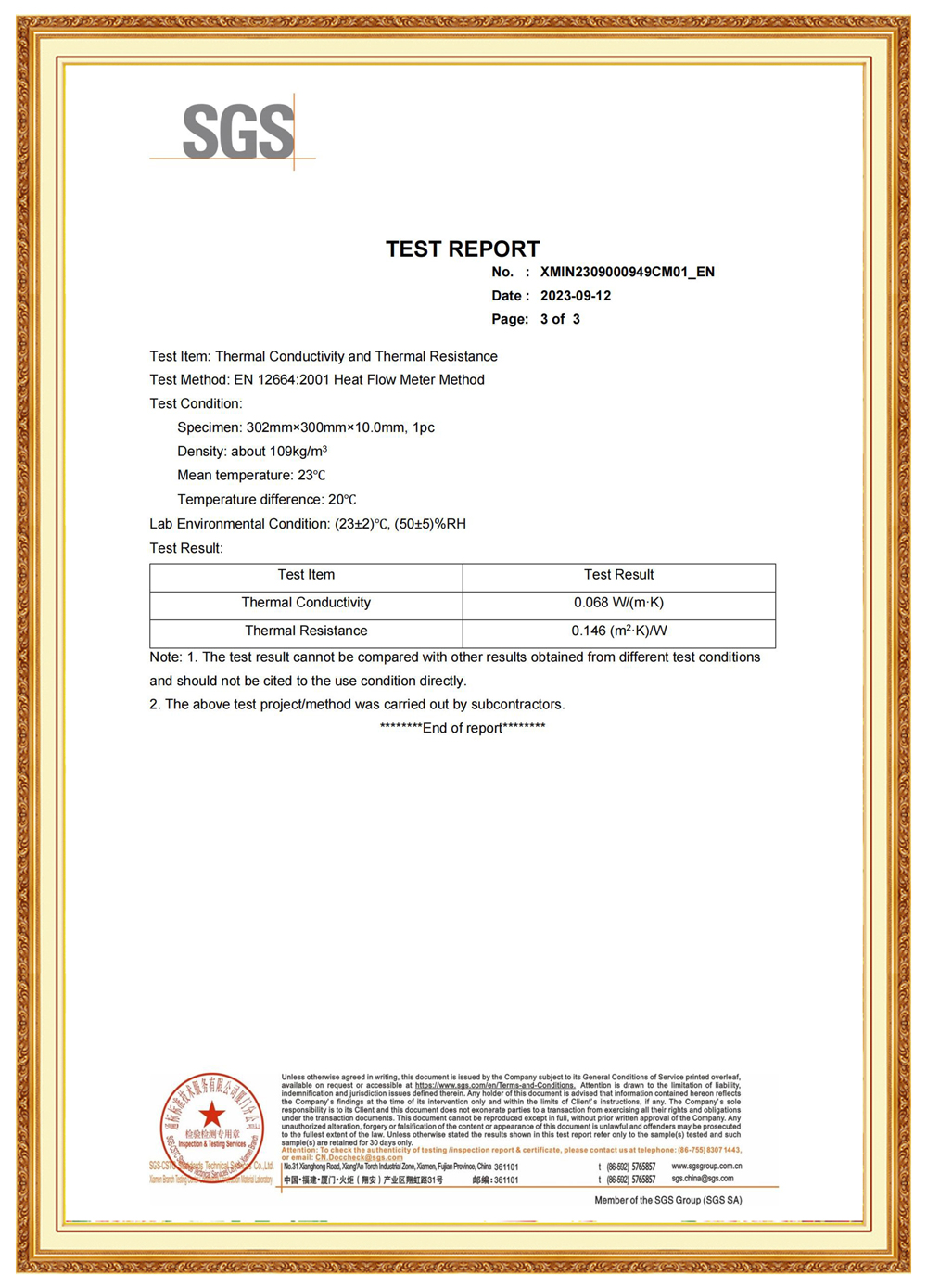
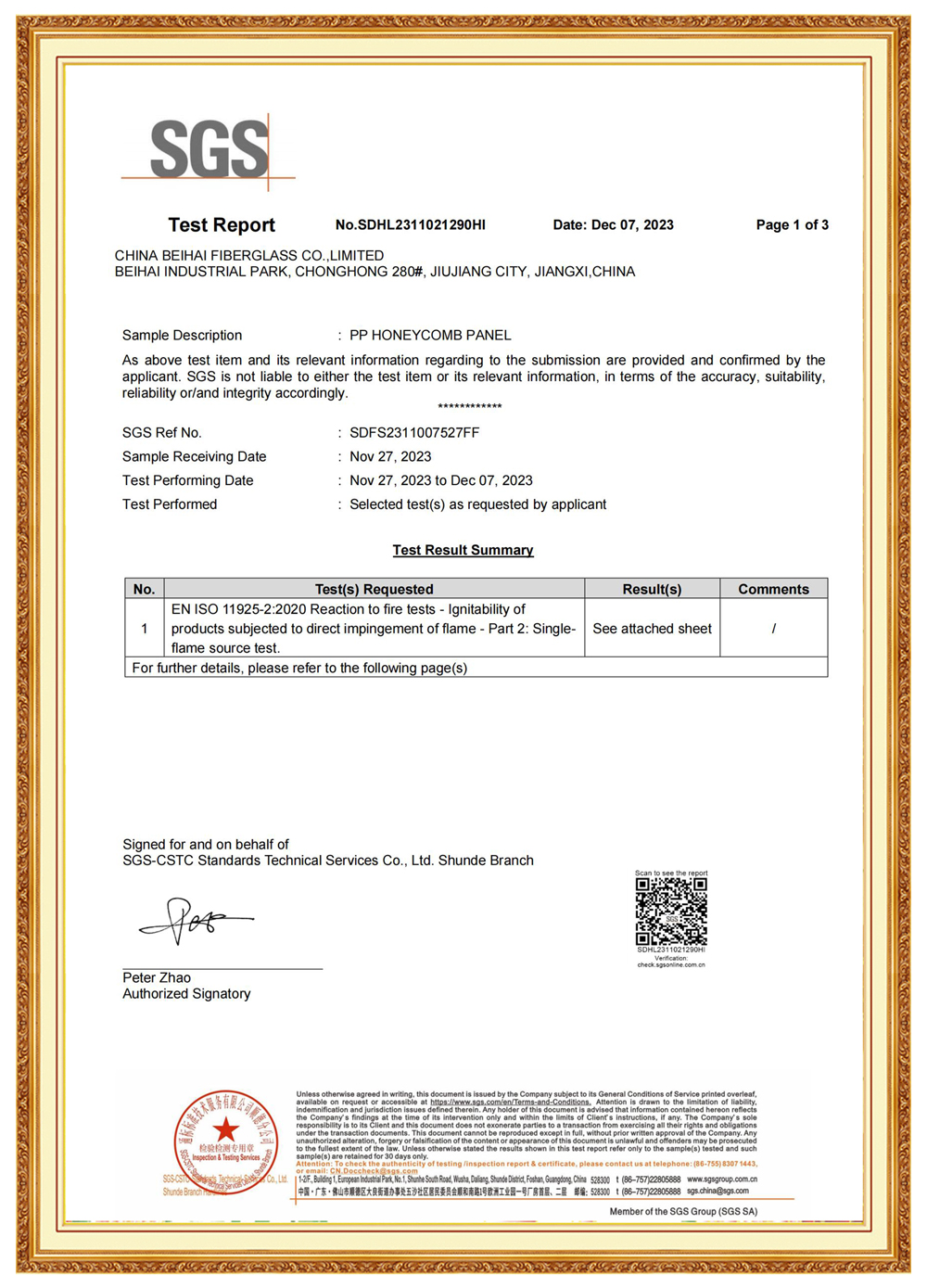
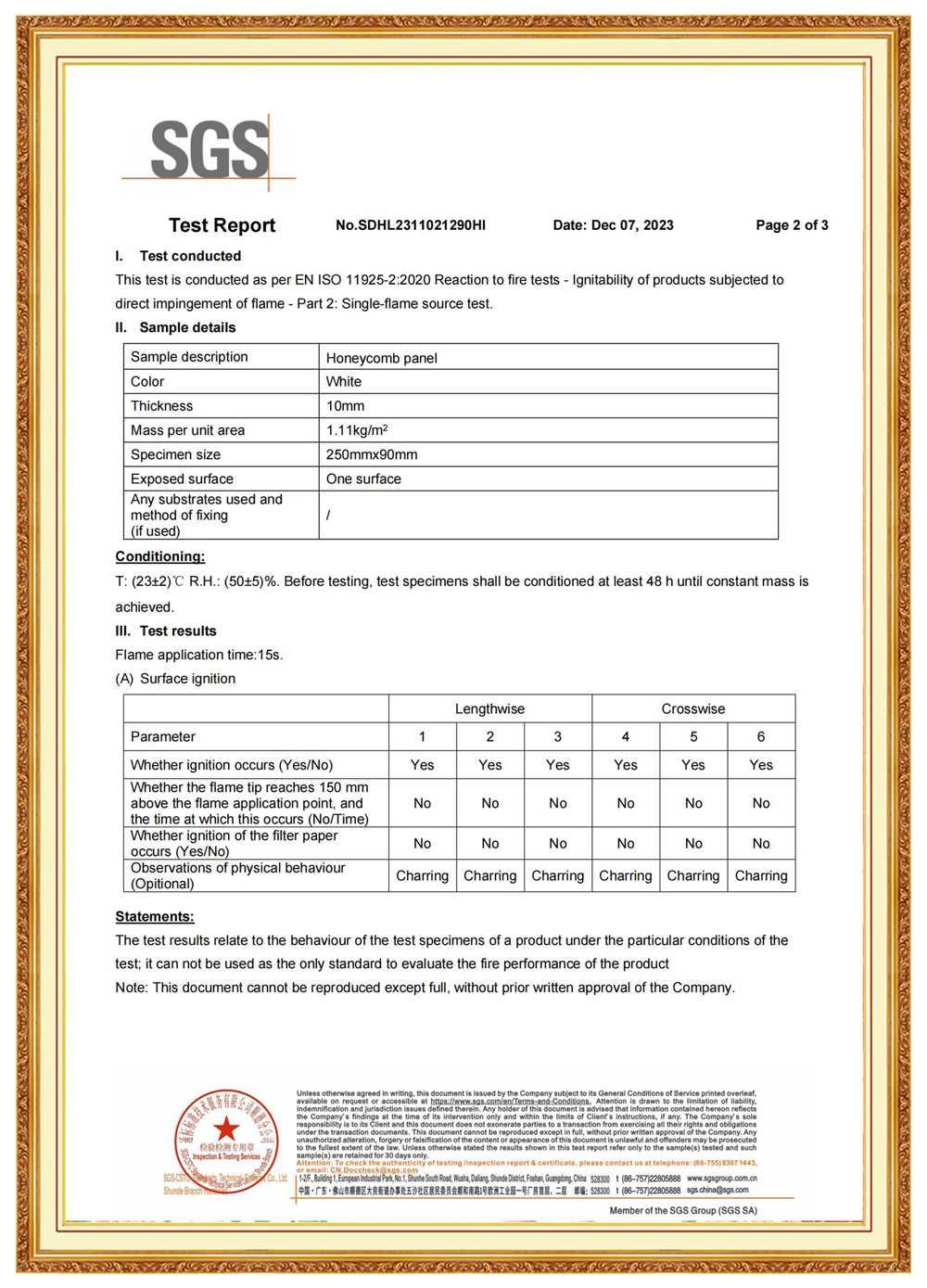
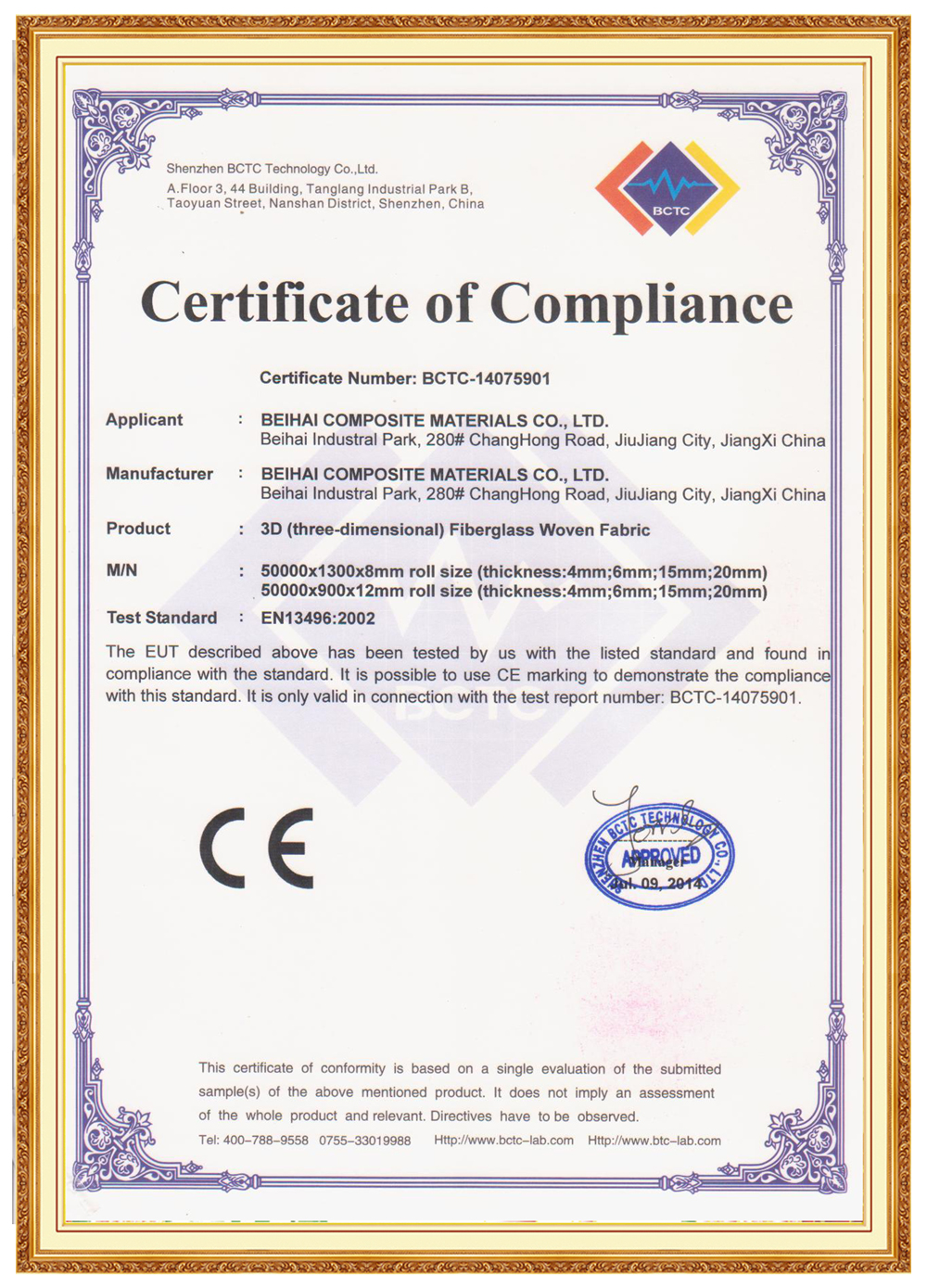
China Beihai's basalt fiber products are certified to international quality and safety standards, ensuring compliance with fire protection, construction, and industrial application requirements worldwide.

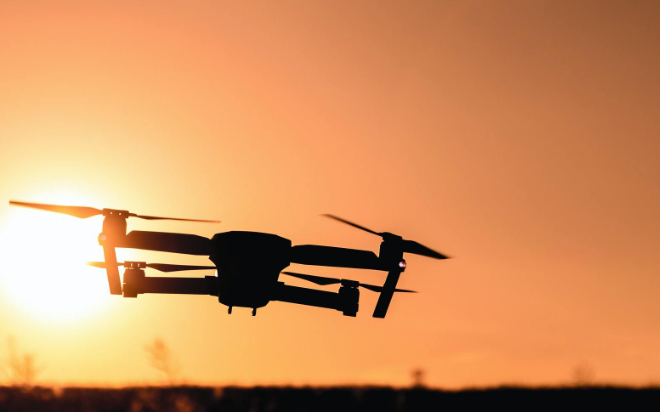
As drones slice through the sky to monitor wildfires, and intelligent robots execute repetitive tasks with precision on the factory floor, the efficient operation of this smart equipment is often underpinned by a "hardcore support" that is easily overlooked: a novel material derived from volcanic rock — basalt fiber. Though unassuming in appearance, its unique properties have made it the key to unlocking the performance limits of drones and robots, quietly driving a materials revolution within the realm of intelligent equipment.
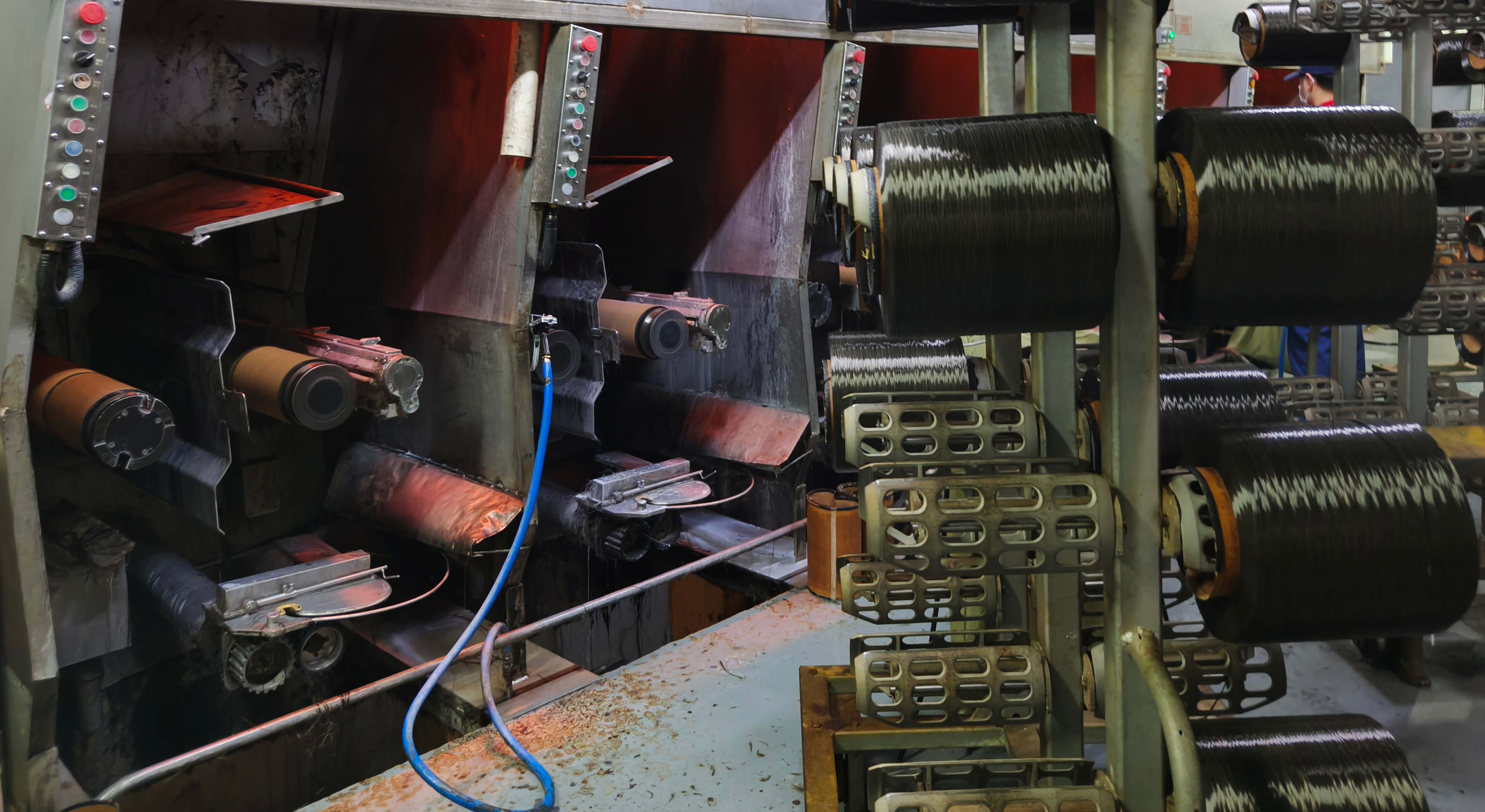
Basalt fiber is an inorganic fibrous material produced by drawing strands from natural basalt ore after it has been melted at high temperatures. It has garnered widespread attention for its exceptional physicochemical properties — particularly its performance in high-temperature environments.

Recently, with the successful realization of major applications — such as the Chang'e-6 lunar exploration mission and the world's first deep-sea basalt fiber aquaculture platform — basalt fiber is rapidly accelerating its transformation from a laboratory research outcome into a strategic new material with tangible industrial productivity.