
Leave Your Message
Engineered reinforcement materials purpose-built for demanding road and bridge infrastructure projects worldwide
Roads and bridges are the arteries of modern civilization. With global infrastructure investment projected to exceed $94 trillion by 2040, engineers and contractors face an unprecedented challenge: how to build structures that last longer, cost less to maintain, and withstand increasingly extreme environmental conditions — from freeze-thaw cycles in northern climates to salt-spray corrosion in coastal zones and intense UV exposure in desert regions.
Traditional steel-reinforced concrete has served infrastructure for over a century, but its inherent vulnerability to corrosion remains a critical weakness. Corrosion of steel rebar is estimated to cost the global economy over $2.5 trillion annually in maintenance, repair, and replacement of deteriorating infrastructure. This reality has accelerated adoption of advanced fiber reinforcement technologies — particularly basalt and fiberglass fiber systems — in road and bridge concrete applications.
Fiberglass fibers for concrete, including basalt-derived continuous filament fibers, chopped strand mats, and 3D fiber mesh systems, offer a compelling alternative. These materials deliver exceptional tensile strength, complete corrosion immunity, electromagnetic neutrality, and superior fatigue resistance — all critical performance parameters for long-service-life road and bridge infrastructure.
Basalt fiber reinforced concrete demonstrates up to 3× higher tensile strength than conventional steel-reinforced concrete at equivalent cross-section, while eliminating 100% of corrosion-related degradation — the single largest cause of premature bridge and road failure worldwide.
The global fiber reinforced concrete market was valued at approximately $2.1 billion in 2023 and is forecast to grow at a CAGR of 7.8% through 2032. Within this market, basalt and high-performance fiberglass fibers are the fastest-growing segment, driven by large-scale government infrastructure programs in North America, Europe, and Asia-Pacific.
Major highway authorities in Russia, Ukraine, and China have already mandated basalt fiber reinforcement in bridge deck overlays and pavement sections exposed to de-icing salt. In the United States, the Federal Highway Administration (FHWA) has published technical guidelines supporting fiber-reinforced concrete in bridge rehabilitation, and pilot projects using basalt fiber rebar have demonstrated service life extensions of 30–50 years compared to epoxy-coated steel alternatives.
Basalt fibers deliver a unique combination of properties that address every major failure mode in road and bridge concrete infrastructure
Basalt fiber achieves tensile strength of 3,000–4,840 MPa — significantly exceeding standard steel rebar at 500–800 MPa — enabling thinner, lighter concrete sections without sacrificing structural integrity in bridge decks and road slabs.
Unlike steel, basalt and fiberglass fibers are completely immune to chloride-induced corrosion, making them ideal for coastal bridges, marine viaducts, and roads treated with de-icing salts — eliminating the primary cause of premature structural failure.
Basalt fiber maintains mechanical integrity from −260°C to +700°C, outperforming both glass fiber and carbon fiber in thermal stability. This makes it uniquely suited for bridge expansion joints, tunnel linings, and road surfaces in extreme climate zones.
At 2.6–2.8 g/cm³ density, basalt fiber is 75% lighter than steel. Reduced dead load in bridge superstructures allows longer spans, reduced foundation requirements, and significant material cost savings in substructure design.
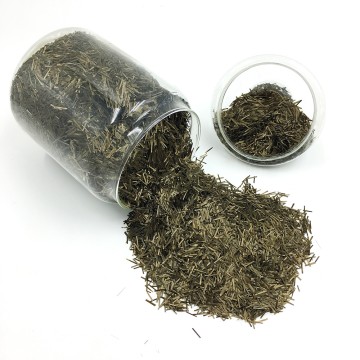
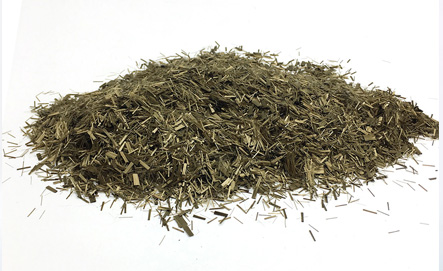
Randomly distributed chopped basalt fibers create a three-dimensional crack-arrest network within concrete matrices, dramatically reducing micro-crack propagation under traffic loading — extending pavement fatigue life by 40–60% in controlled studies.
Derived from natural volcanic basalt rock with no chemical additives, basalt fiber production has a significantly lower carbon footprint than carbon fiber and does not require hazardous raw materials — aligning with green infrastructure mandates globally.
From pavement overlays to long-span bridge decks, basalt fiber systems address specific engineering challenges across the full infrastructure lifecycle
Concrete Pavement Reinforcement: Adding 0.1–0.3% by volume of basalt chopped strands to concrete pavement mixes significantly improves flexural strength, impact resistance, and freeze-thaw durability. Highway agencies in northern Europe have documented 35% reductions in transverse cracking frequency over 10-year monitoring periods in basalt fiber reinforced concrete sections versus control sections.
Asphalt Overlay Reinforcement: Basalt fiber mesh and chopped strands are increasingly used as reinforcement interlayers in asphalt overlays on existing concrete or asphalt road surfaces. The fiber mesh acts as a stress-absorbing membrane interlayer (SAMI), preventing reflective cracking propagation from the underlying pavement structure — a critical issue in road rehabilitation projects.
Airport Runways & Heavy-Duty Pavements: The combination of high flexural strength and impact resistance makes basalt fiber reinforced concrete particularly valuable for airport runways, container port pavements, and heavy-haul mining roads where conventional concrete fails prematurely under extreme concentrated loads and abrasion.
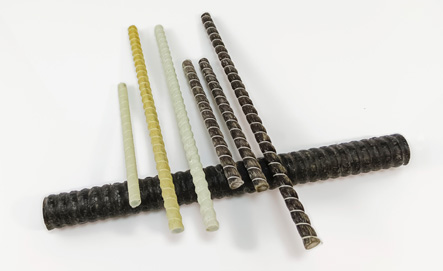
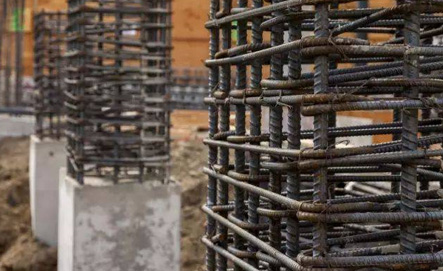
Bridge Deck Slabs: Bridge decks are among the most aggressively deteriorating concrete elements due to direct exposure to traffic loads, de-icing chemicals, and weathering. Basalt fiber rebar and 3D fiber mesh provide complete corrosion immunity while matching or exceeding the structural performance of conventional steel reinforcement — with lifecycle cost analyses showing 40–60% savings over 75-year service periods.
Pier Column Wrapping & Seismic Retrofit: Basalt fiber composite wraps (BFRP) applied to existing bridge piers provide confinement reinforcement that dramatically improves ductility and seismic resistance. This application is particularly valuable in earthquake-prone regions where rapid, non-invasive retrofit of existing bridge infrastructure is required.
Prestressed Bridge Girders: High-tensile basalt fiber roving is being developed for prestressed concrete bridge girder applications, offering corrosion-free prestressing that maintains long-term prestress without the relaxation and corrosion issues associated with conventional steel strand.
Underwater Bridge Foundations: Submerged bridge foundations and marine viaduct piles represent the most aggressive corrosion environments. Basalt fiber reinforced concrete in these applications has demonstrated zero corrosion-induced deterioration after 15+ years of service in tidal and splash zones — compared to severe spalling in conventional reinforced concrete elements.
Emerging technologies and market forces are accelerating adoption of basalt fiber systems in global infrastructure construction
Integration of basalt fiber reinforcement with embedded IoT sensors enables real-time structural health monitoring of bridges and road pavements. Fiber-optic sensing elements co-embedded with basalt fiber reinforcement can detect micro-strain, temperature gradients, and crack formation — enabling predictive maintenance and preventing catastrophic structural failures.
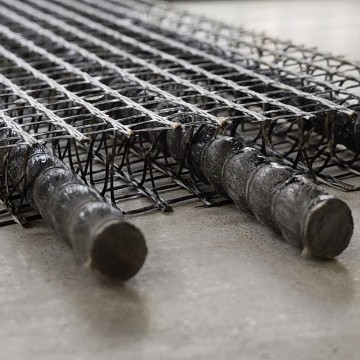
Three-dimensional basalt fiber mesh architectures provide multi-directional reinforcement that outperforms conventional 2D mesh in crack control and load distribution. Advanced manufacturing processes are enabling production of complex 3D mesh geometries tailored to specific bridge deck and pavement slab geometries — reducing installation time and improving performance consistency.
Net-zero carbon commitments by governments worldwide are driving specification of low-carbon construction materials. Basalt fiber, with its natural volcanic rock source material and chemical-additive-free production process, is increasingly specified in green infrastructure projects seeking LEED, BREEAM, and equivalent sustainability certification for road and bridge construction.
As infrastructure owners shift from first-cost to total lifecycle cost evaluation, basalt fiber reinforced concrete demonstrates compelling economics. Elimination of corrosion-related maintenance, extended service intervals, and reduced rehabilitation frequency deliver 30–50% lower total cost of ownership over 50–100 year design service lives for major bridge and highway infrastructure.
Combining basalt fiber chopped strands with basalt fiber rebar or mesh creates hybrid reinforcement systems that address both macro-structural loading and micro-crack control simultaneously. These hybrid approaches are gaining traction in high-performance concrete specifications for critical bridge structures and heavily trafficked highway interchanges.
International standards bodies including ISO, ASTM, and EN are actively developing comprehensive standards for basalt fiber reinforced polymer (BFRP) products in structural concrete applications. Code adoption by national highway and bridge authorities in China, Russia, the EU, and increasingly the USA is removing the primary barrier to mainstream specification of basalt fiber systems.
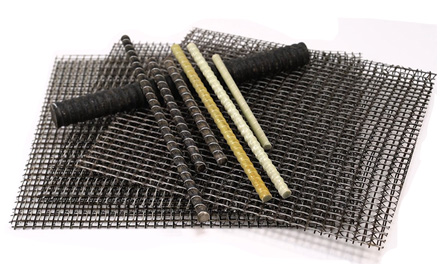
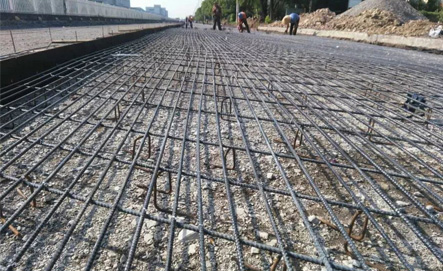
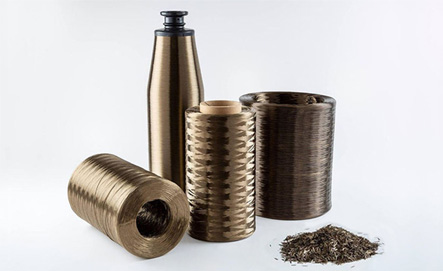
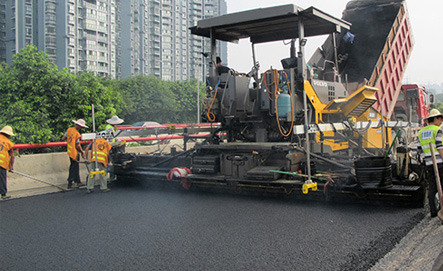
From road and bridge construction to aerospace and marine engineering — basalt fiber delivers high performance across the full spectrum of demanding applications

Diverse applications in house construction with high-performance basalt products

Ideal for manufacturing aircraft wings and engine components in aerospace field

Spacecraft shell materials, thermal protection systems, and high-temperature engine components

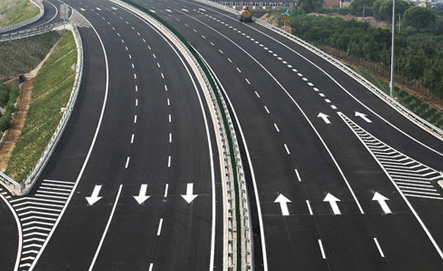
Increased strength, durability, crack resistance and chemical resistance for infrastructure projects

Lightweight basalt fiber composites for wide application in the automobile field

High strength and protective properties ideal for protecting bridge abutments from collision, fire and corrosion

Corrosion resistance gives basalt fiber unique advantage in petrochemical applications

Lightweight, high-strength composite materials with corrosion resistance for marine environments
Our most specified products for road and bridge concrete reinforcement applications
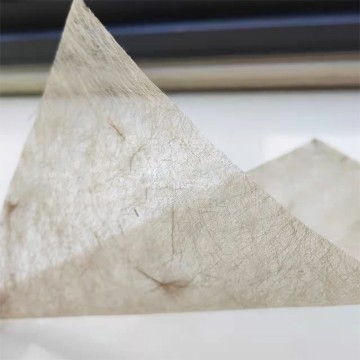
Non-woven thin sheet engineered to provide a smooth resin-rich surface layer for fiber reinforced plastic and bridge deck waterproofing applications.
READ MORE →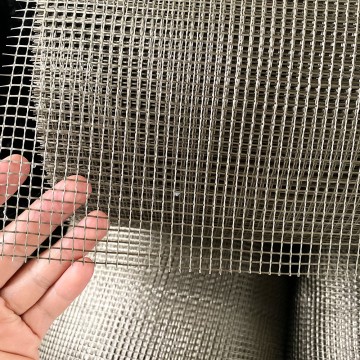
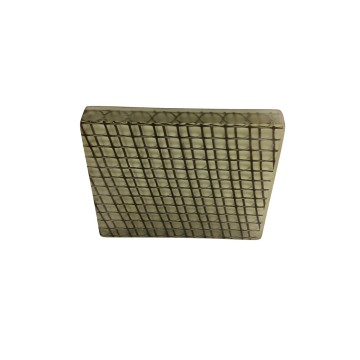
High-performance mesh providing superior reinforcement for concrete and plaster applications with high alkali resistance for infrastructure durability.
READ MORE →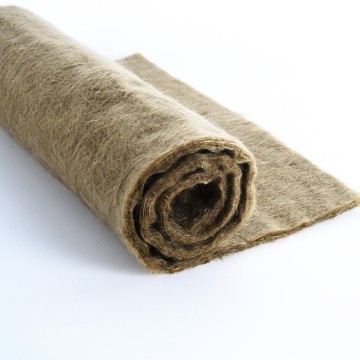
High-density insulation material manufactured by mechanically bonding continuous basalt fibers for extreme temperature environments.
READ MORE →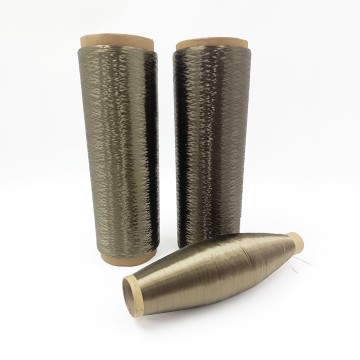
Engineered by twisting multiple continuous filaments to enhance mechanical strength and processing stability for demanding construction applications.
READ MORE →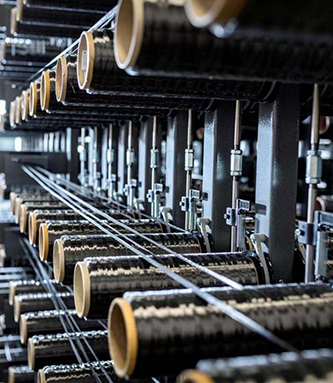
China Beihai is founded in 2015 and located in Jiujiang, Jiangxi Province. China Beihai is a high-tech enterprise focusing on the research, development, production and sales of high-performance basalt continuous fiber and its production equipment manufacturing, as well as a leading enterprise in the domestic basalt fiber industry.
View More →
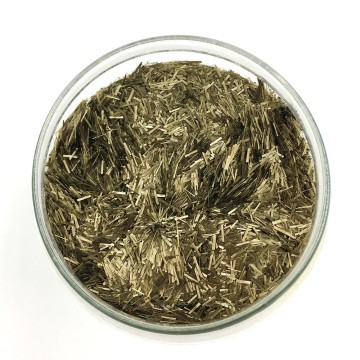
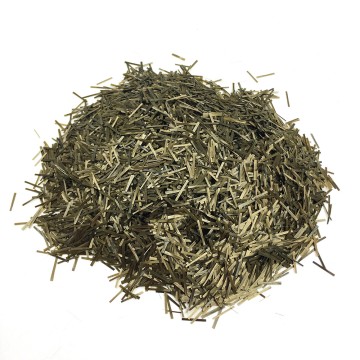
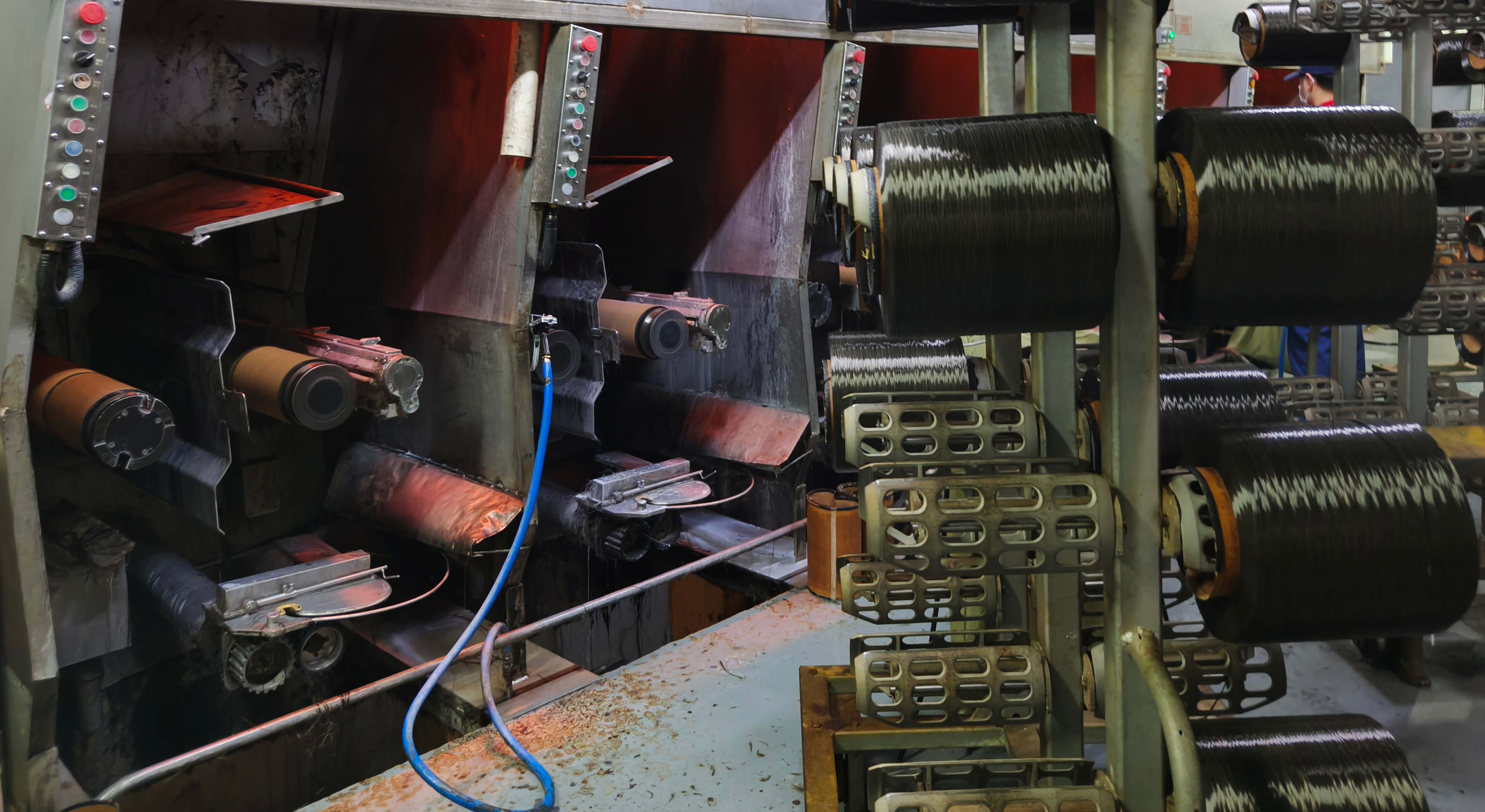
We specialize in the production of basalt fiber mat, basalt fiber roving, basalt fiber yarn, basalt fiber chopped strands, and basalt fiber products including rebar, sleeves and tape — designed to meet the diverse needs of various industries.

We are dedicated to the production of a wide array of basalt-based products, delivering high-quality, sustainable solutions for construction, geotechnical engineering, and manufacturing industries worldwide.

Choosing China Beihai means working with a leading manufacturer of basalt products. Our commitment to quality, innovation and sustainability sets us apart — ensuring customers receive best-in-class solutions backed by industry expertise and a forward-thinking approach.
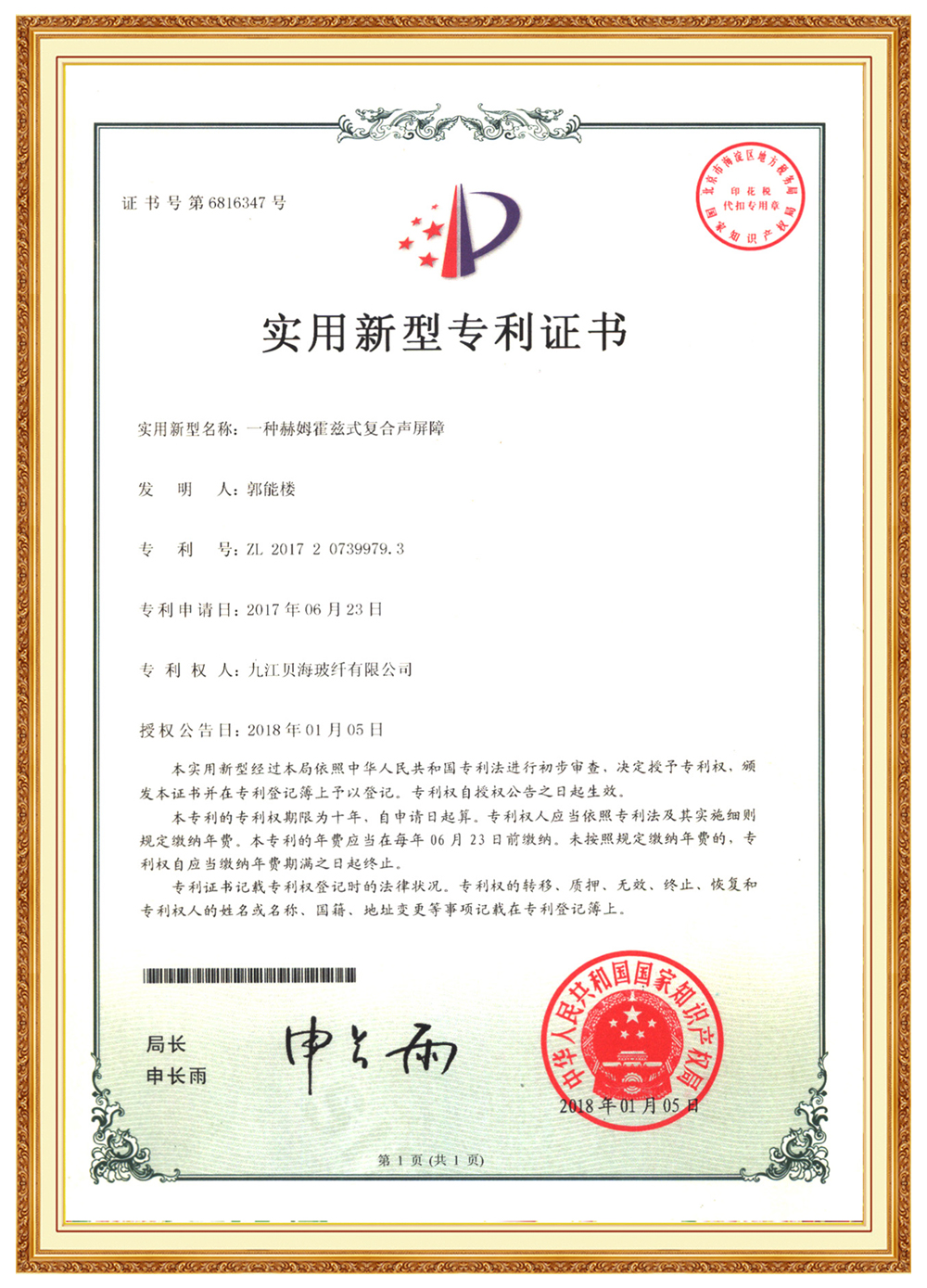
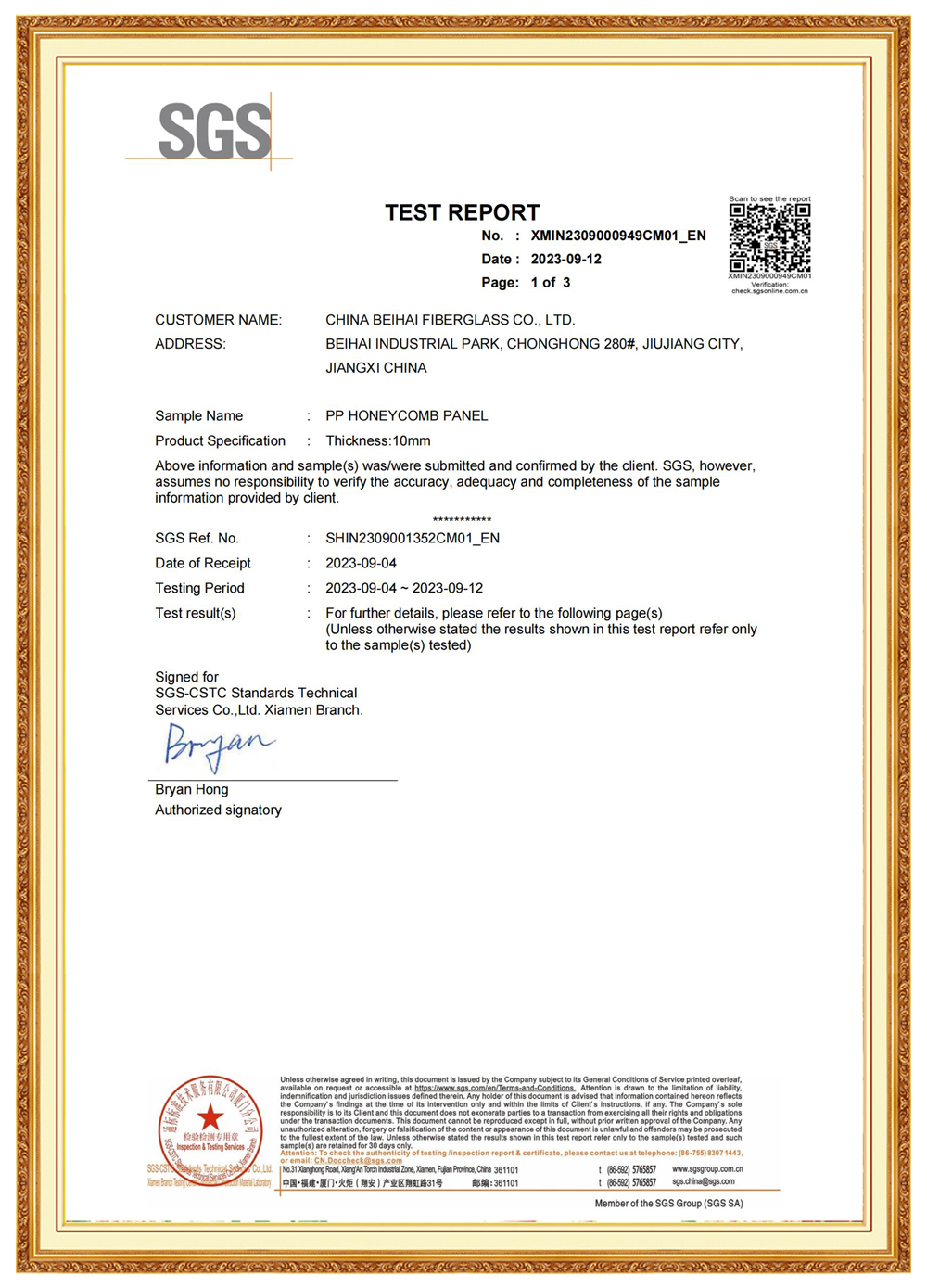
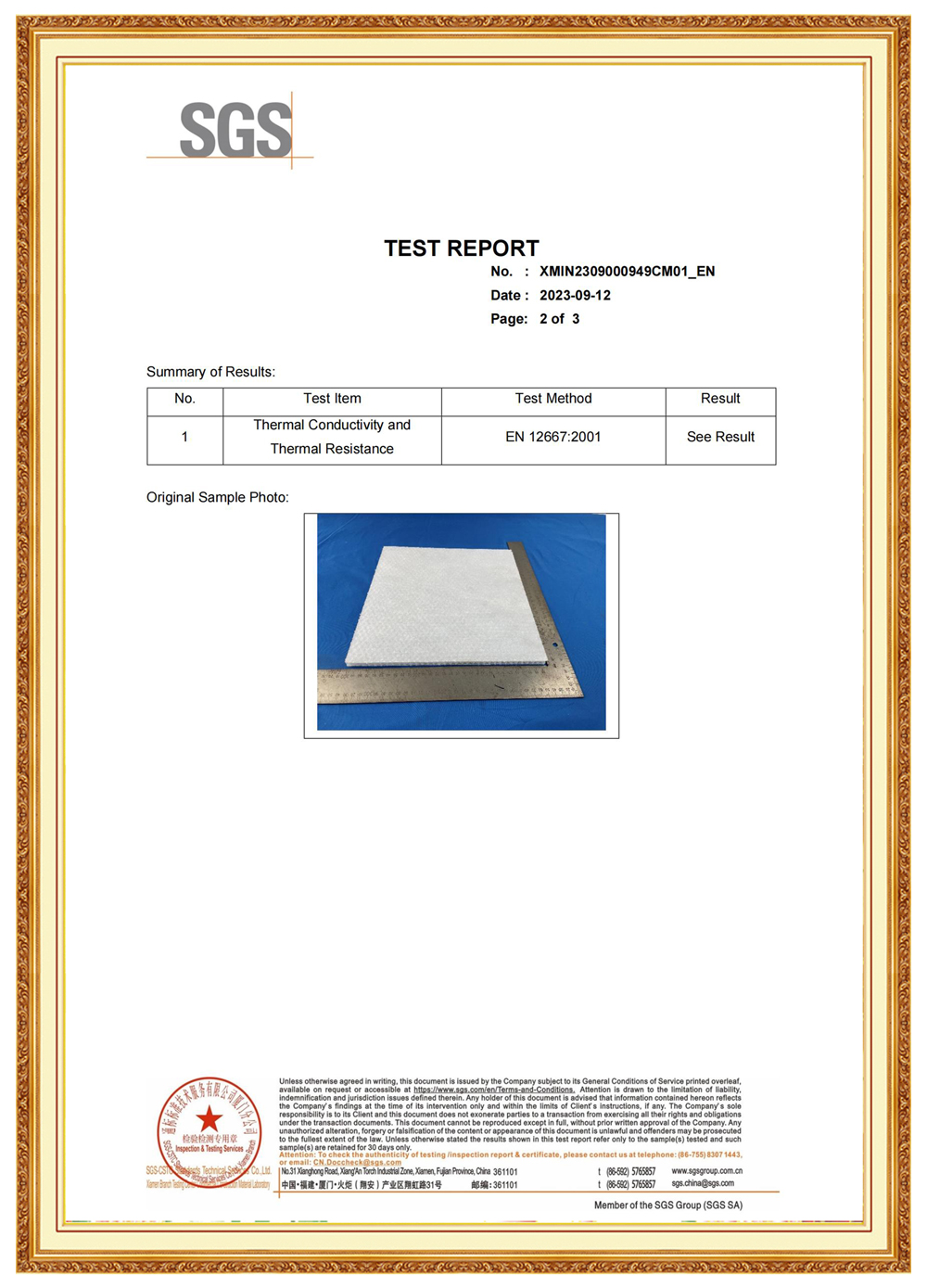
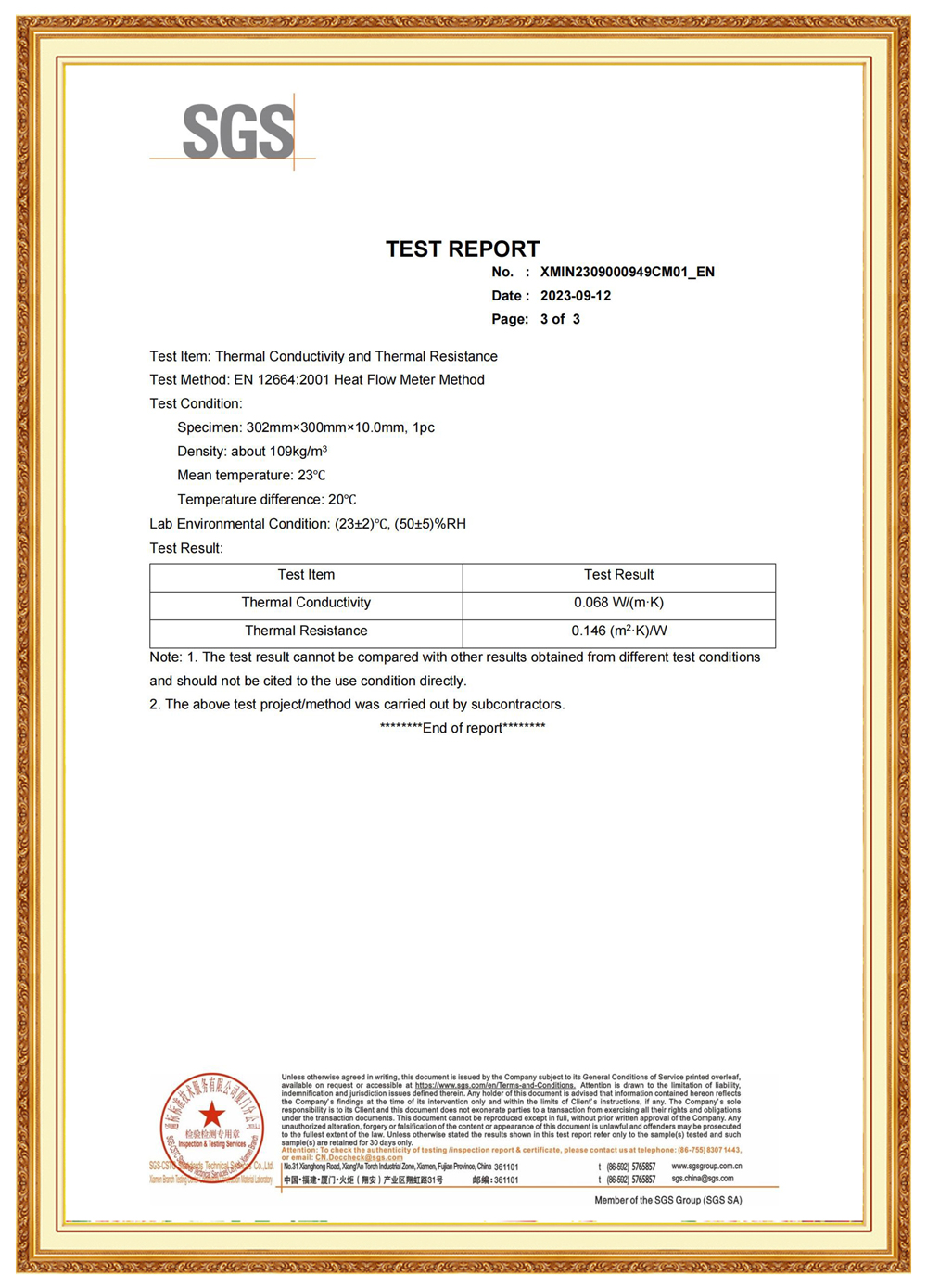
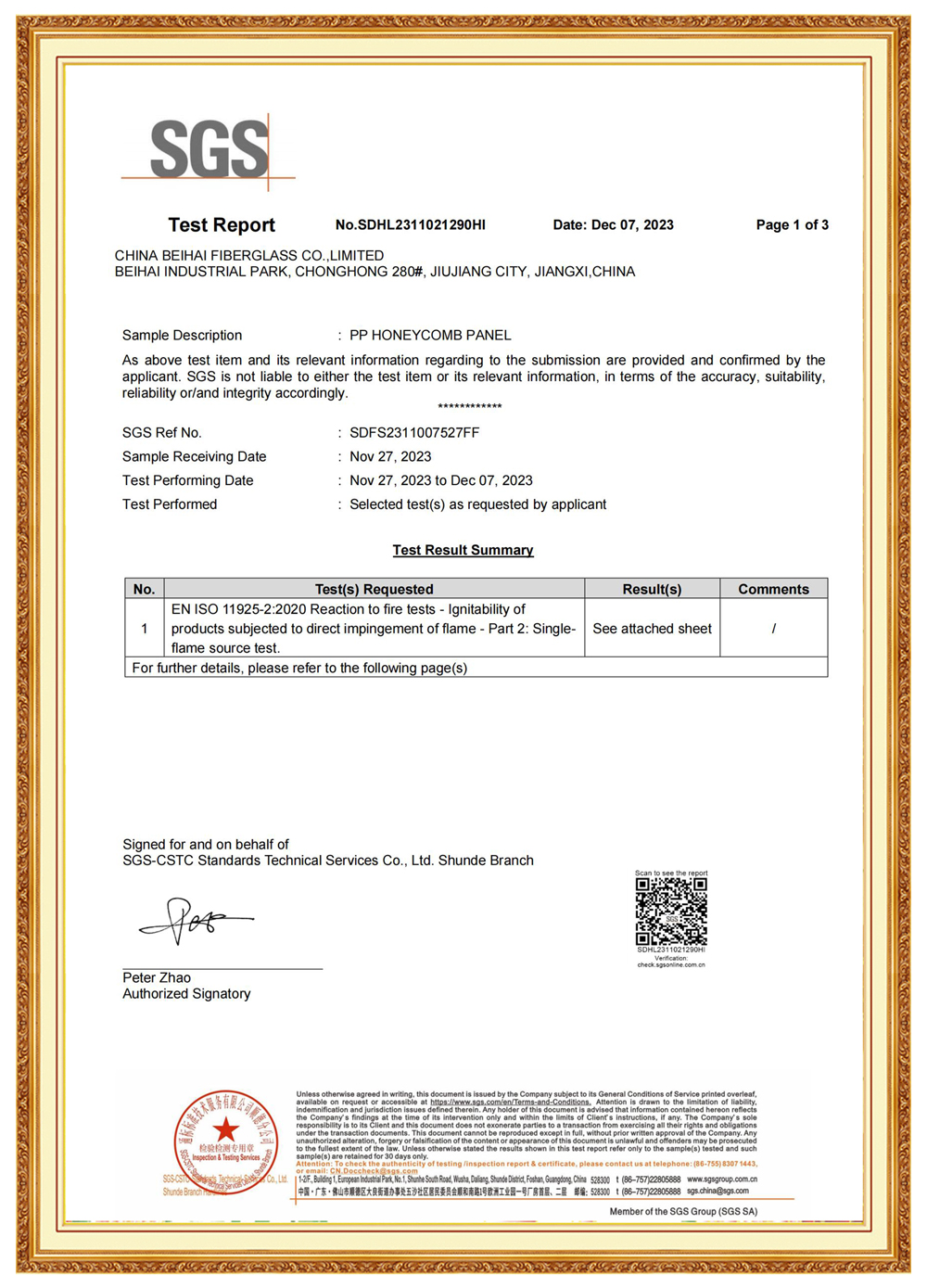
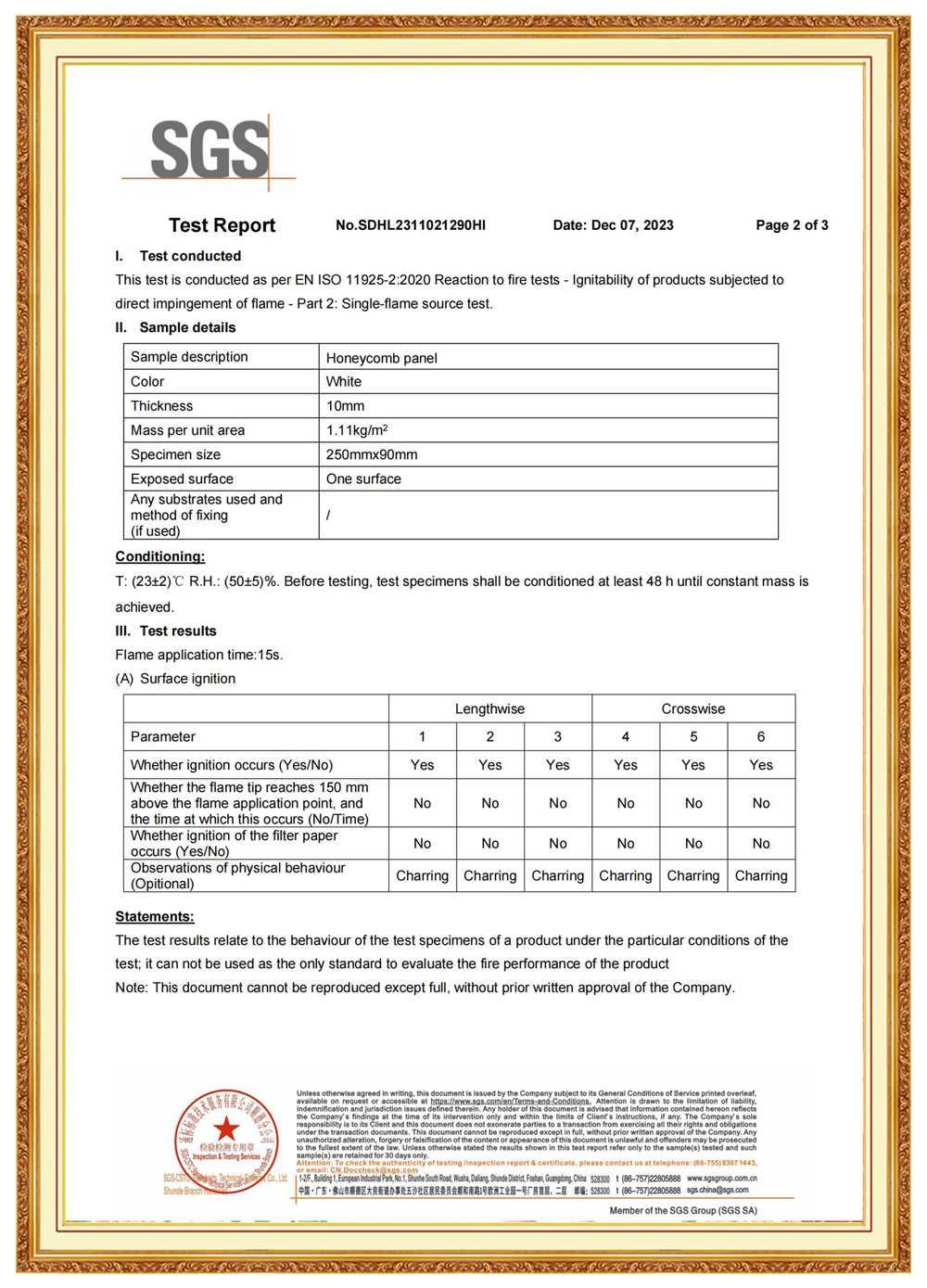
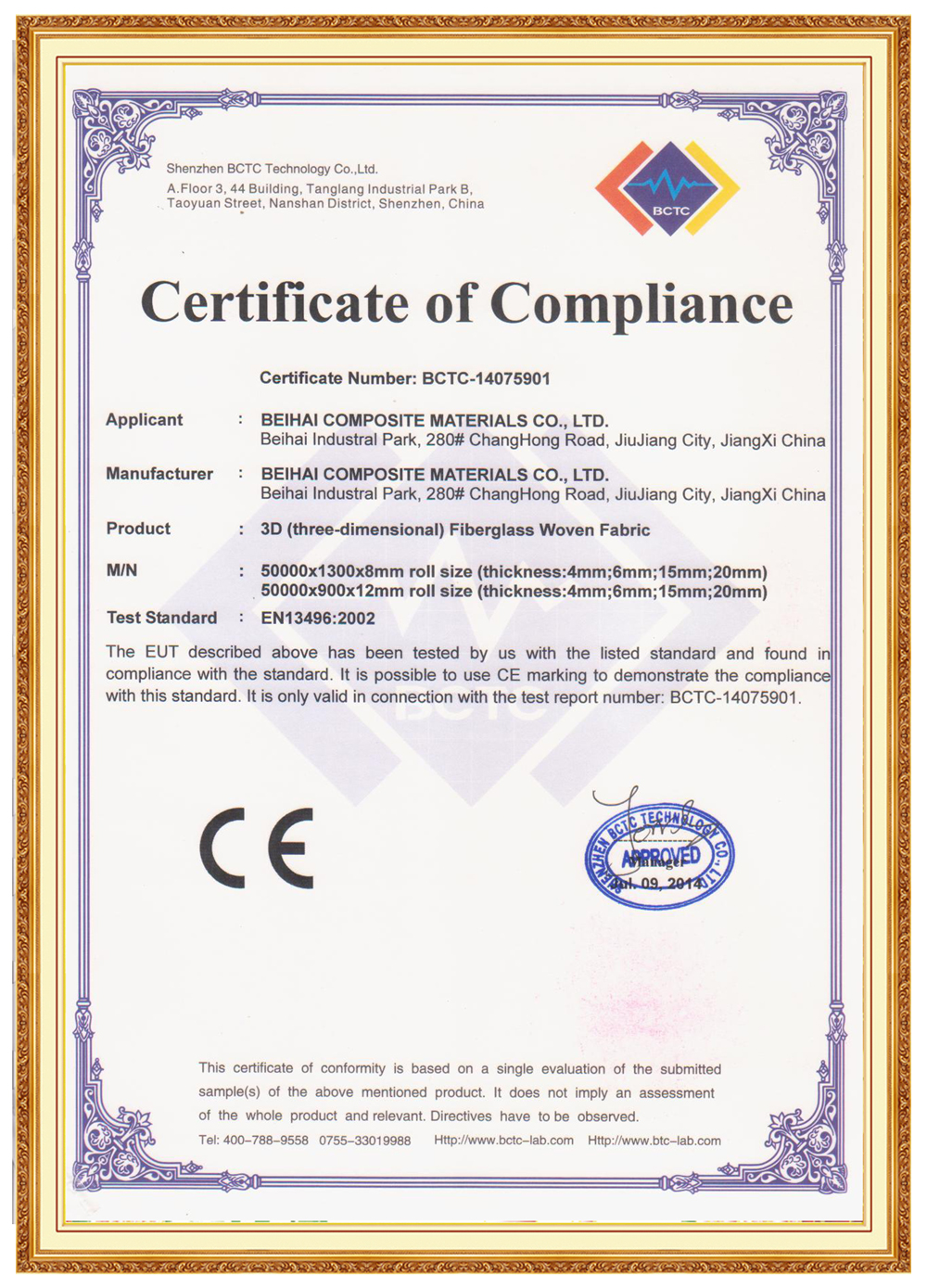
Internationally recognized quality certifications underpinning every basalt fiber product we supply to road and bridge infrastructure projects worldwide


Explore our comprehensive range of basalt fiber reinforcement solutions engineered for every road and bridge concrete application