
Leave Your Message
High-performance basalt fiber solutions engineered for German construction standards and DIN/EN compliance
Germany leads Europe in construction innovation — and fiber-reinforced concrete is at the forefront
Leading manufacturer supplying premium basalt fiber products to Germany and across Europe
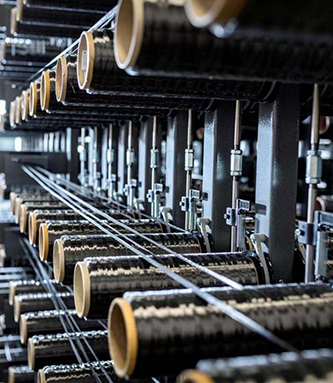
China Beihai is founded in 2015 and located in Jiujiang, Jiangxi Province. China Beihai is a high-tech enterprise focusing on the research, development, production and sales of high-performance basalt continuous fiber and its production equipment manufacturing, as well as a leading enterprise in the domestic basalt fiber industry.
With a strong export track record and deep understanding of European technical standards including DIN EN 14889, our products are trusted by German contractors, precast manufacturers, and civil engineers seeking reliable, sustainable fiber reinforcement solutions.
View More About Us
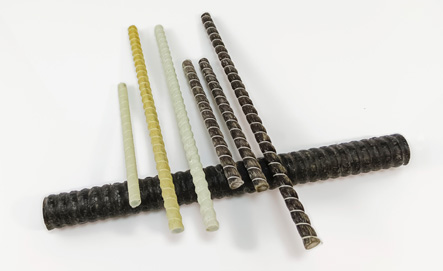
At China Beihai group, we specialize in the production of a wide range of products including basalt fiber mat (Basalt fiber chopped strand mat, Basalt fiber cloth), basalt fiber roving, basalt fiber yarn, basalt fiber chopped strands, and basalt fiber products (Basalt Fiber rebar, basalt fiber sleeves and tape). Our products are designed to meet the diverse needs of various industries, providing high-quality solutions for our customers.

At China Beihai group, we are dedicated to the production of a wide array of basalt-based products, ranging from basalt fiber mat, fabric, and roving to chopped strand and specialized construction materials. Our focus is on delivering high-quality, sustainable solutions for industries such as construction, geotechnical engineering, and manufacturing.

Choosing to work with China Beihai means working with a leading manufacturer of basalt products. Our commitment to quality, innovation and sustainability sets us apart, ensuring our customers receive best-in-class solutions for their diverse needs. Reliability and customer satisfaction, we offer a wide range of high-quality basalt materials and construction products, backed by our dedication to excellence and industry expertise.
From Autobahn rehabilitation to historic building restoration — fiber-reinforced concrete is transforming Germany's built environment
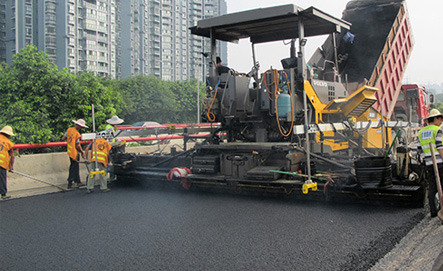
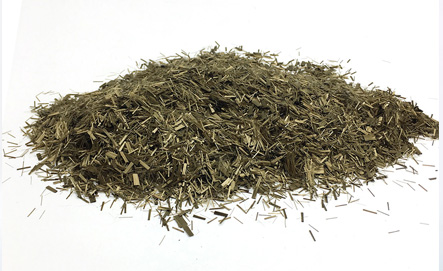
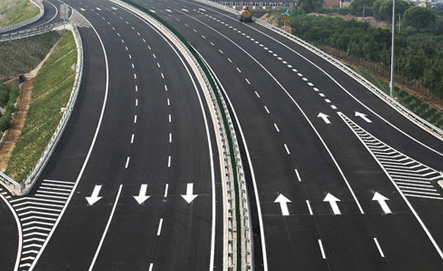
Germany's 13,000 km Autobahn network requires constant maintenance and expansion. Basalt fiber chopped strands are increasingly used in pavement overlays and bridge deck concrete to reduce cracking, extend service life, and minimize lane closures — critical for Germany's logistics economy.
Germany's strict heritage protection laws (Denkmalschutz) demand non-corrosive, chemically neutral reinforcement for restoring centuries-old structures. Basalt fiber mesh and chopped strands offer the ideal solution — no rust staining, no electrochemical interference, and full compatibility with lime-based mortars.
Germany's precast concrete sector — centered in regions like Bavaria and North Rhine-Westphalia — widely adopts fiber reinforcement for thin-walled facade panels, tunnel segments, and prefabricated slabs. Basalt fiber enables thinner, lighter elements without sacrificing structural integrity.
From Rhine river flood barriers to wastewater treatment plants, basalt fiber reinforced concrete (BFRC) delivers superior resistance to chloride ingress and chemical attack — meeting Germany's stringent environmental and water protection standards (WHG).
Germany's Energiewende (energy transition) drives massive investment in wind turbine foundations, solar farm groundworks, and grid infrastructure. Basalt fiber reinforced concrete foundations offer superior fatigue resistance under cyclic loading — ideal for offshore and onshore wind installations.
Major German urban tunneling projects in Munich, Berlin, and Hamburg utilize fiber reinforced shotcrete (Spritzbeton) for immediate ground support. Basalt fibers provide excellent post-crack ductility and are compatible with all standard admixture systems used in German tunneling practice.
Basalt fiber is ideal for your engineering projects. Its high strength, corrosion resistance and lightweight properties allow it to easily solve a variety of challenges. In buildings, bridges, roads and other infrastructure projects, basalt fibers demonstrate outstanding performance, extending structural life and reducing maintenance costs. Choose basalt fiber, choose reliability and durability.
For the German market specifically, basalt fiber meets the demanding requirements of DIN EN 14889-2 for polymer fibers in concrete, and its alkali resistance class exceeds the minimum AR content thresholds set by European technical standards — making it a code-compliant, future-proof choice for German engineers and specifiers.
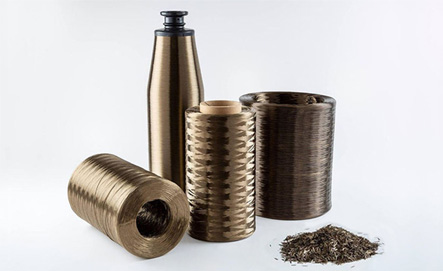
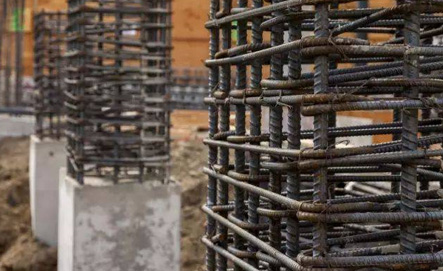
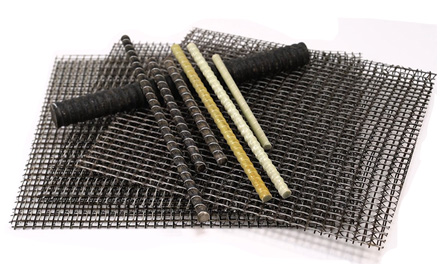
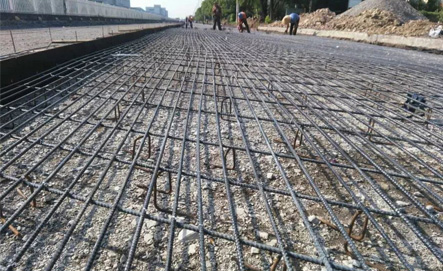
Key developments shaping the future of fiber-reinforced concrete in the German market
Germany's ambitious climate targets under the Klimaschutzgesetz are pushing the construction sector toward low-carbon materials. Basalt fiber, derived from natural volcanic rock with no chemical additives, perfectly aligns with Germany's Kreislaufwirtschaft (circular economy) principles — offering a sustainable alternative to energy-intensive steel and glass fiber production.
Germany is a world leader in Textilbeton research, with major institutes at TU Dresden and RWTH Aachen pioneering textile-reinforced concrete composites. Basalt fiber fabrics and meshes are increasingly evaluated as cost-effective alternatives to carbon fiber in these systems, enabling ultra-thin, lightweight structural elements.
Germany's Bau 4.0 initiative integrates BIM, IoT sensors, and AI-driven quality control into construction workflows. Fiber-reinforced concrete with embedded basalt fiber sensors enables real-time structural health monitoring — a growing demand from German infrastructure operators managing aging bridges and tunnels.
The German Institute for Construction Technology (DIBt) is progressively updating its approval frameworks to accommodate non-metallic fiber reinforcement. New European Assessment Documents (EADs) for basalt and AR-glass fiber in concrete are creating clearer pathways for product specification, accelerating market adoption across Germany.
Germany faces a chronic housing shortage, with major cities like Berlin, Munich, and Hamburg targeting rapid construction of affordable housing. Fiber-reinforced precast concrete systems enable faster on-site assembly, reduced formwork requirements, and improved seismic performance — all critical for Germany's urban densification agenda.
Post-pandemic supply chain disruptions have prompted German contractors and material distributors to diversify their fiber supply chains. China Beihai's certified production facilities, consistent quality management, and competitive pricing make it an attractive dual-source supplier for German buyers seeking supply security alongside European distributors.
Engineered fiber solutions meeting the highest performance demands of German contractors and engineers
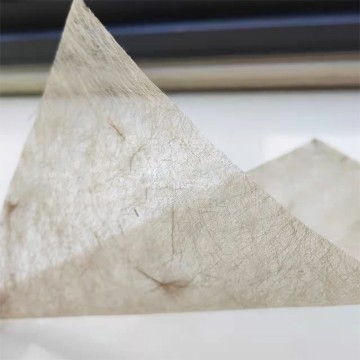
Basalt Fiber Surfacing Tissue Mat is a non-woven thin sheet engineered to provide a smooth resin-rich surface layer for fiber reinforced plastic composites used in German chemical and industrial facilities.
read more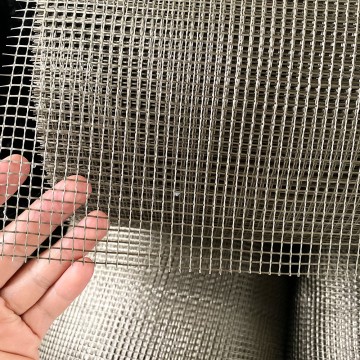
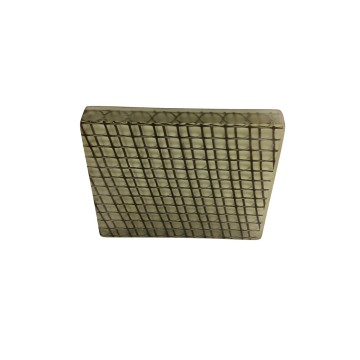
Our high-performance Basalt Fiber Mesh provides a superior reinforcement solution for concrete and plaster applications where high alkali resistance is required — ideal for Germany's ETICS facade systems and thermal insulation composite systems (WDVS).
read more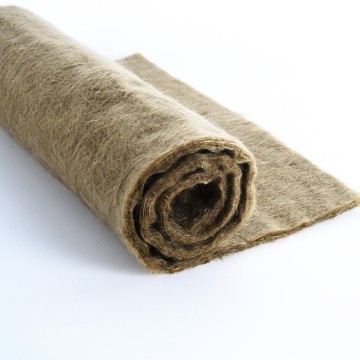
Our Basalt Fiber Needled Mat is a high-density insulation material manufactured by mechanically bonding continuous basalt fibers — widely used in German steel, glass, and ceramics industries for furnace lining and high-temperature pipe insulation.
read more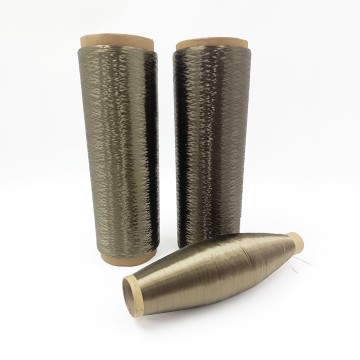
Our Basalt Fiber Twisted Yarn is engineered by twisting multiple continuous filaments to enhance mechanical strength and processing stability — suitable for Germany's advanced technical textiles (technische Textilien) and filtration industries.
read moreFrom Bau to Automobil — basalt fiber delivers performance across Germany's key industrial sectors
Our basalt products have diverse applications in the field of house construction, supporting Germany's Neubau and Sanierung programs.

In the aerospace field, basalt fibers are ideal for manufacturing aircraft wings and engine components — supporting Germany's aviation hub at Hamburg and Munich.

Through fine process control and surface treatment technologies, basalt fibers are used in spacecraft shell materials, thermal protection systems, and high-temperature-resistant components.
Basalt-added concrete offers increased strength and durability, crack resistance, improved chemical resistance and improved workability — meeting German ready-mix standards.

Facing the trend of lightweight automobile materials, basalt fiber composites serve Germany's leading automotive manufacturers including BMW, Mercedes-Benz, and Volkswagen Group.

Basalt's high strength, durability and protective properties make it ideal for protecting Germany's bridge abutment structures from vehicle collisions, fire, corrosion and environmental exposure.
The corrosion resistance of basalt fiber gives it a unique advantage in Germany's petrochemical and chemical processing facilities, particularly in Rhine Valley industrial zones.

Basalt fiber as a high-performance composite material with lightweight, high strength, corrosion resistance, and acid/alkali resistance supports Germany's shipbuilding industry at Hamburg and Bremen.
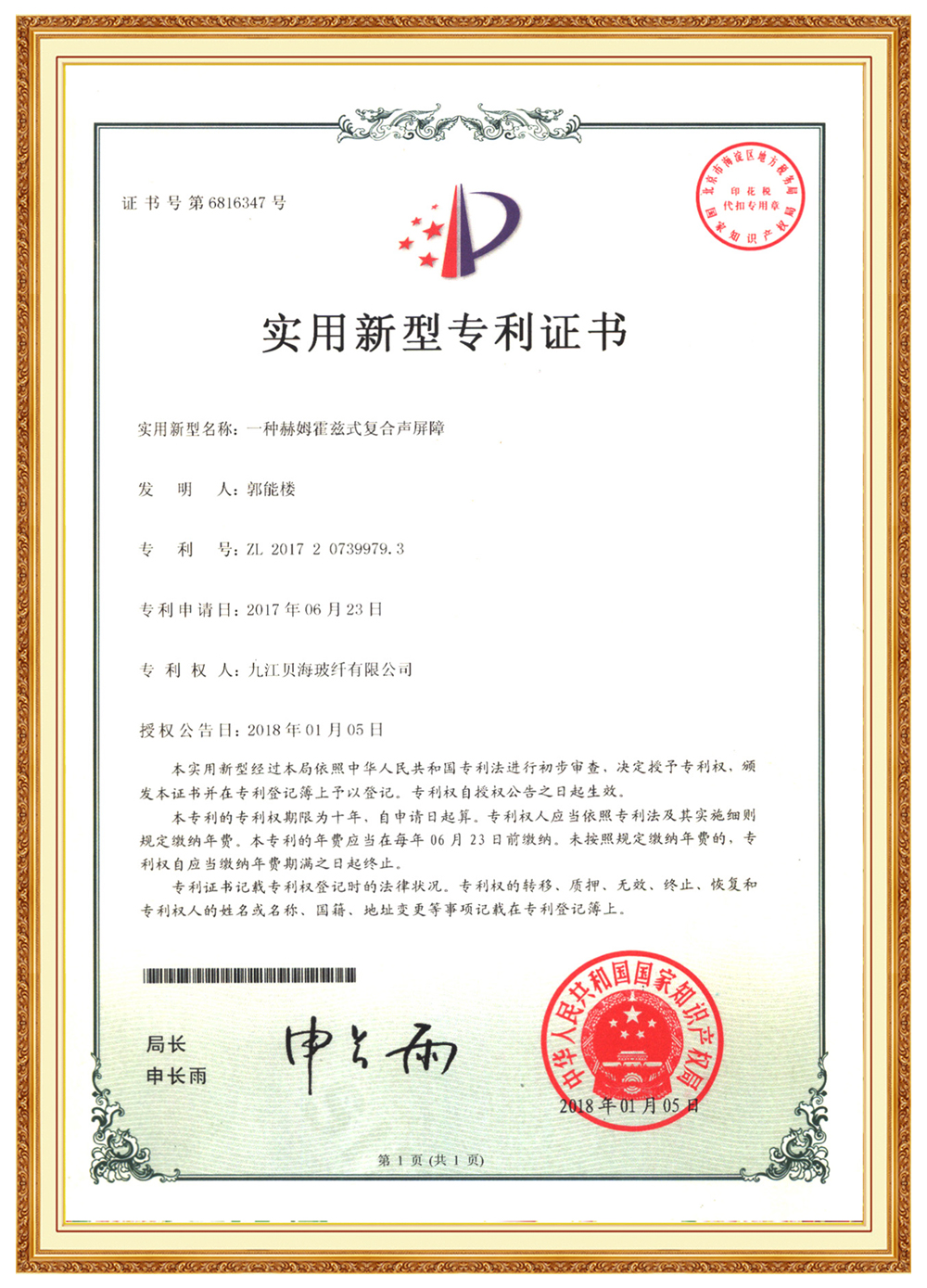
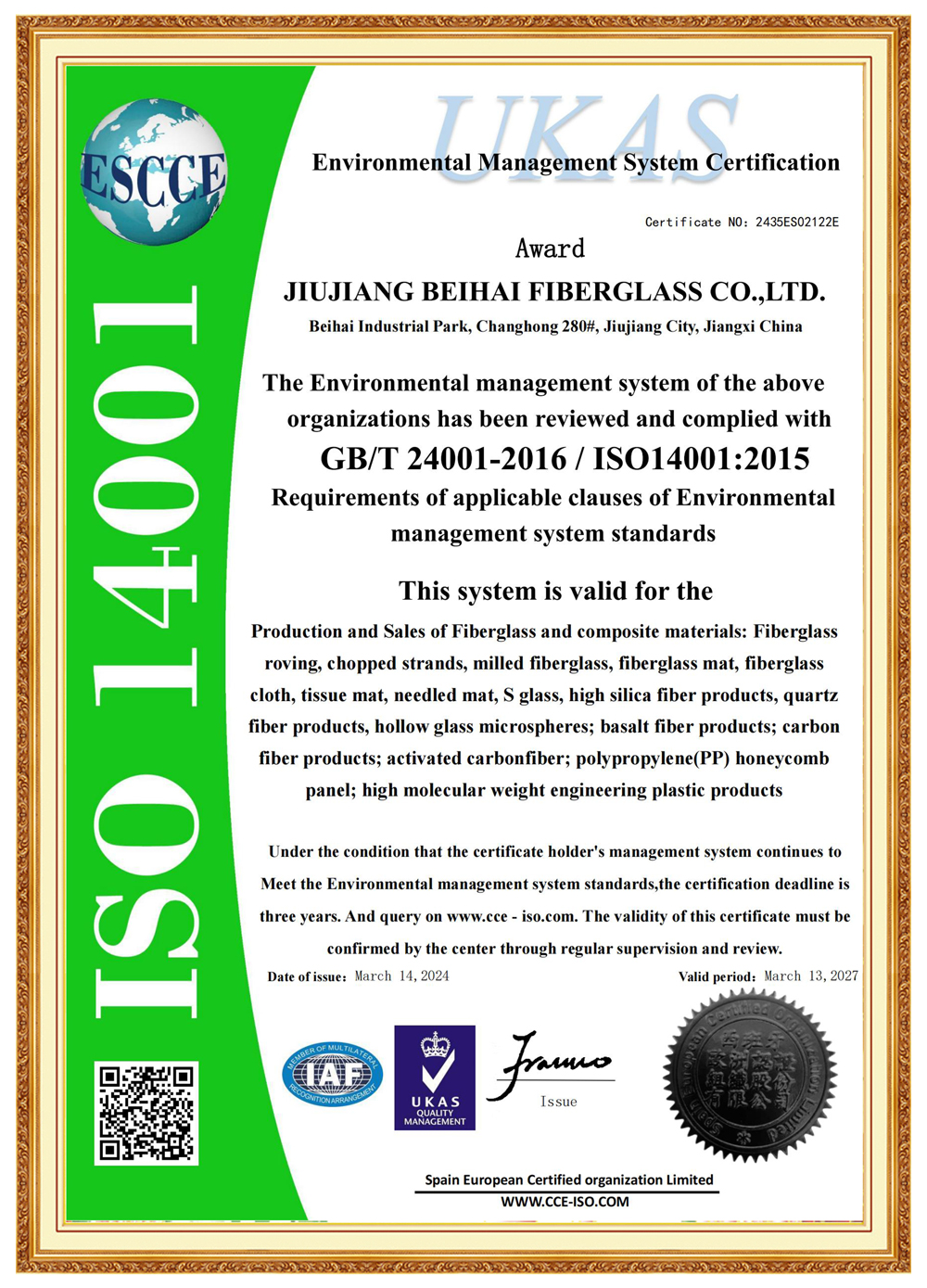
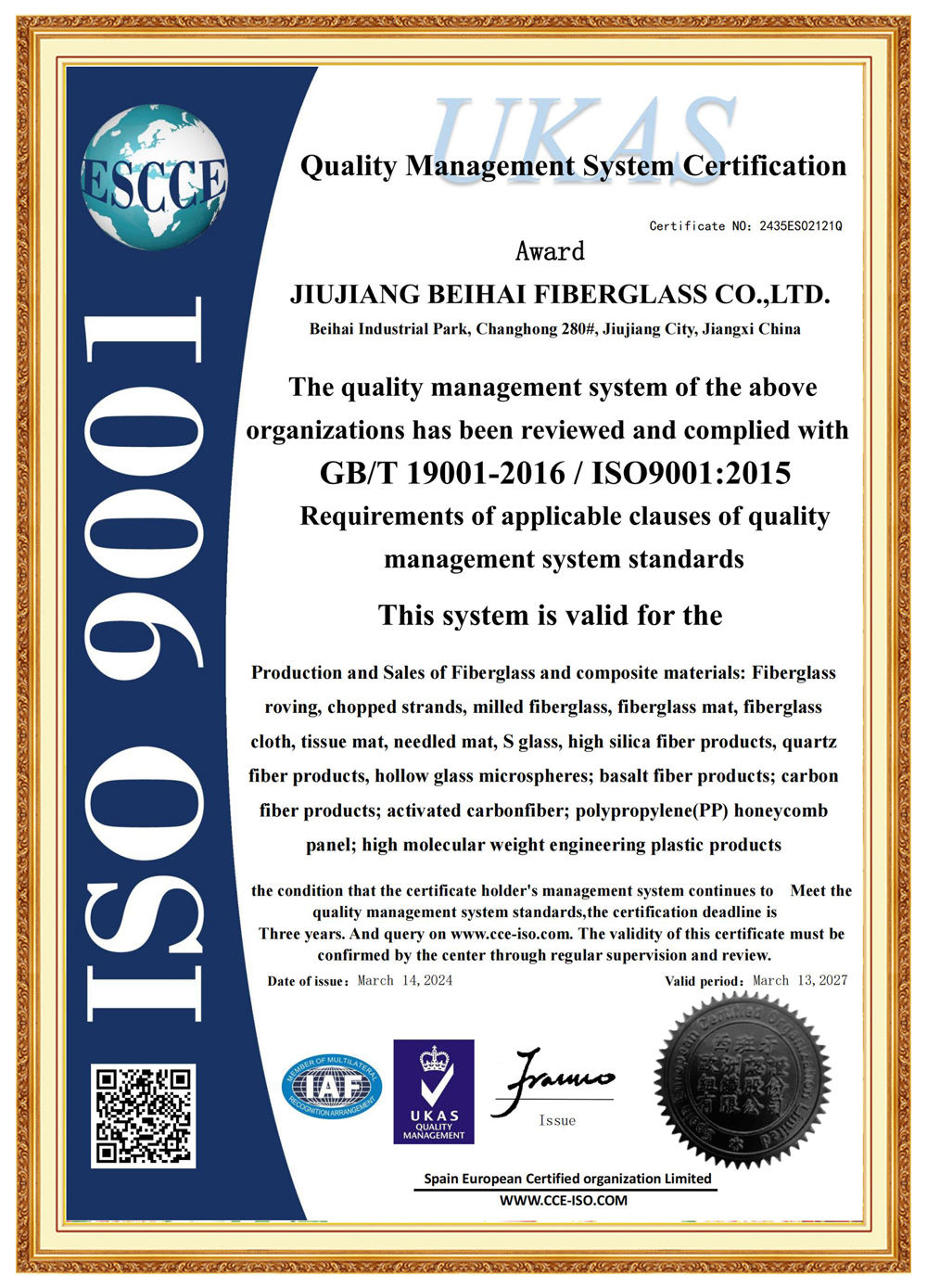
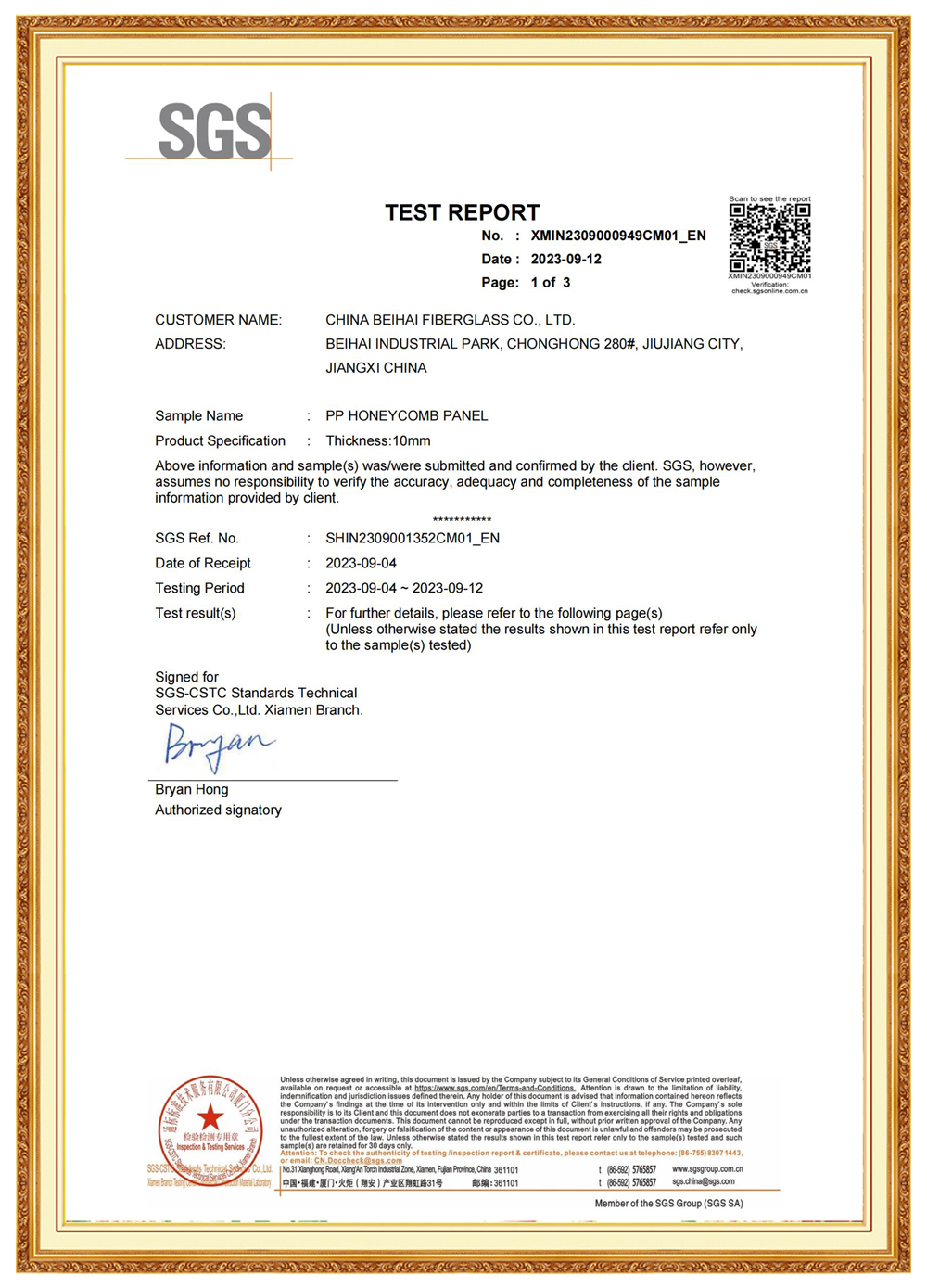
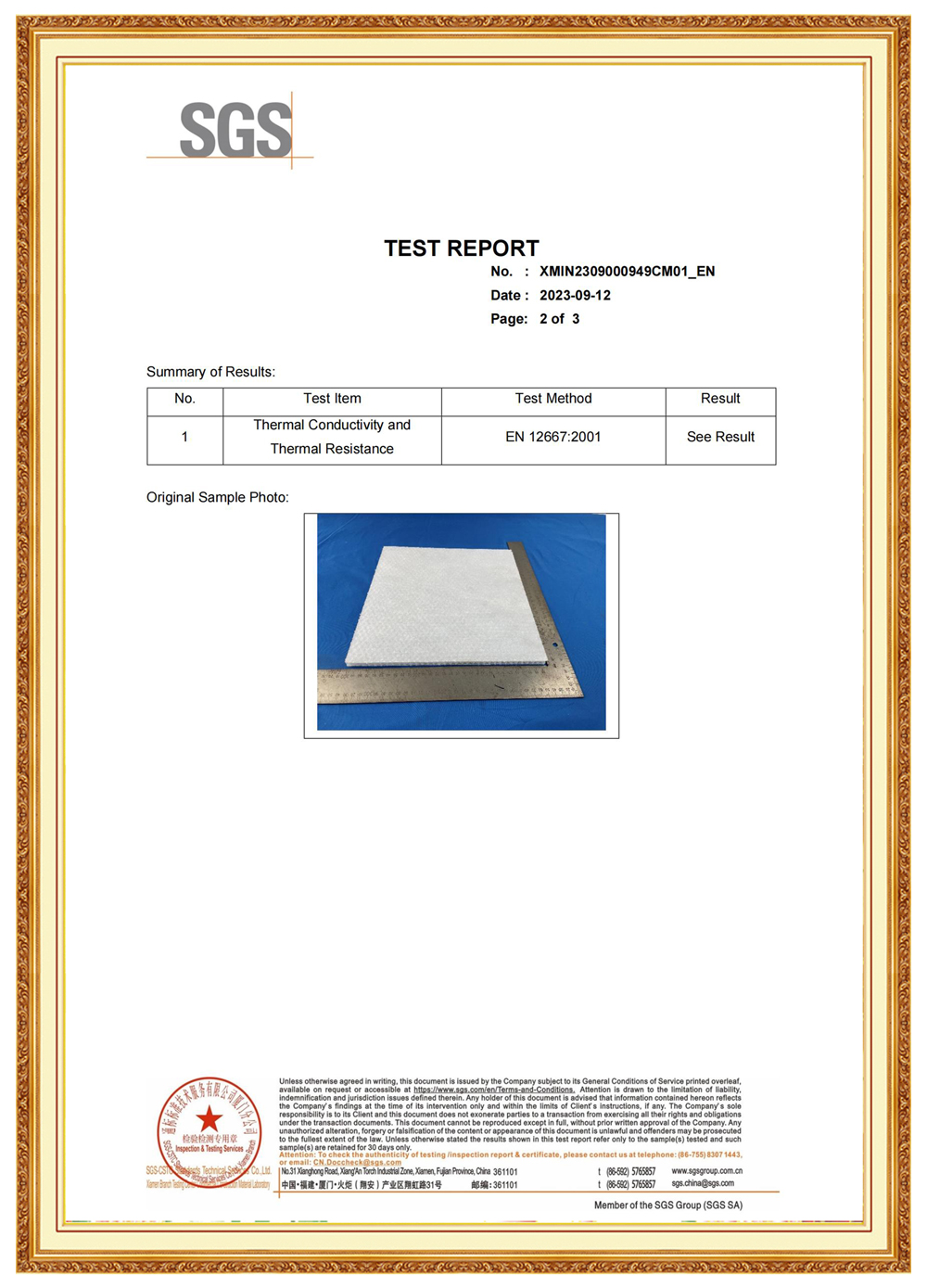
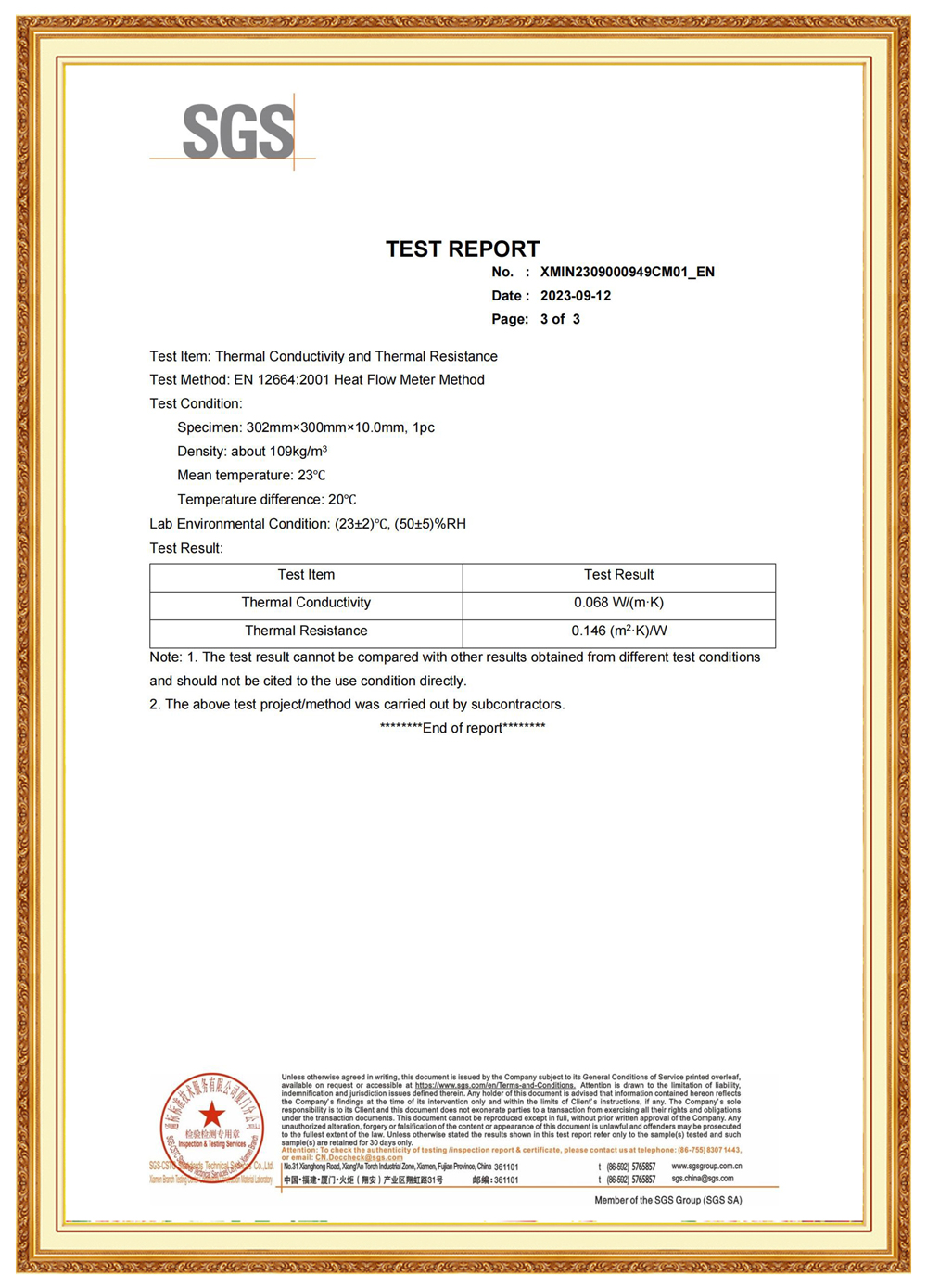
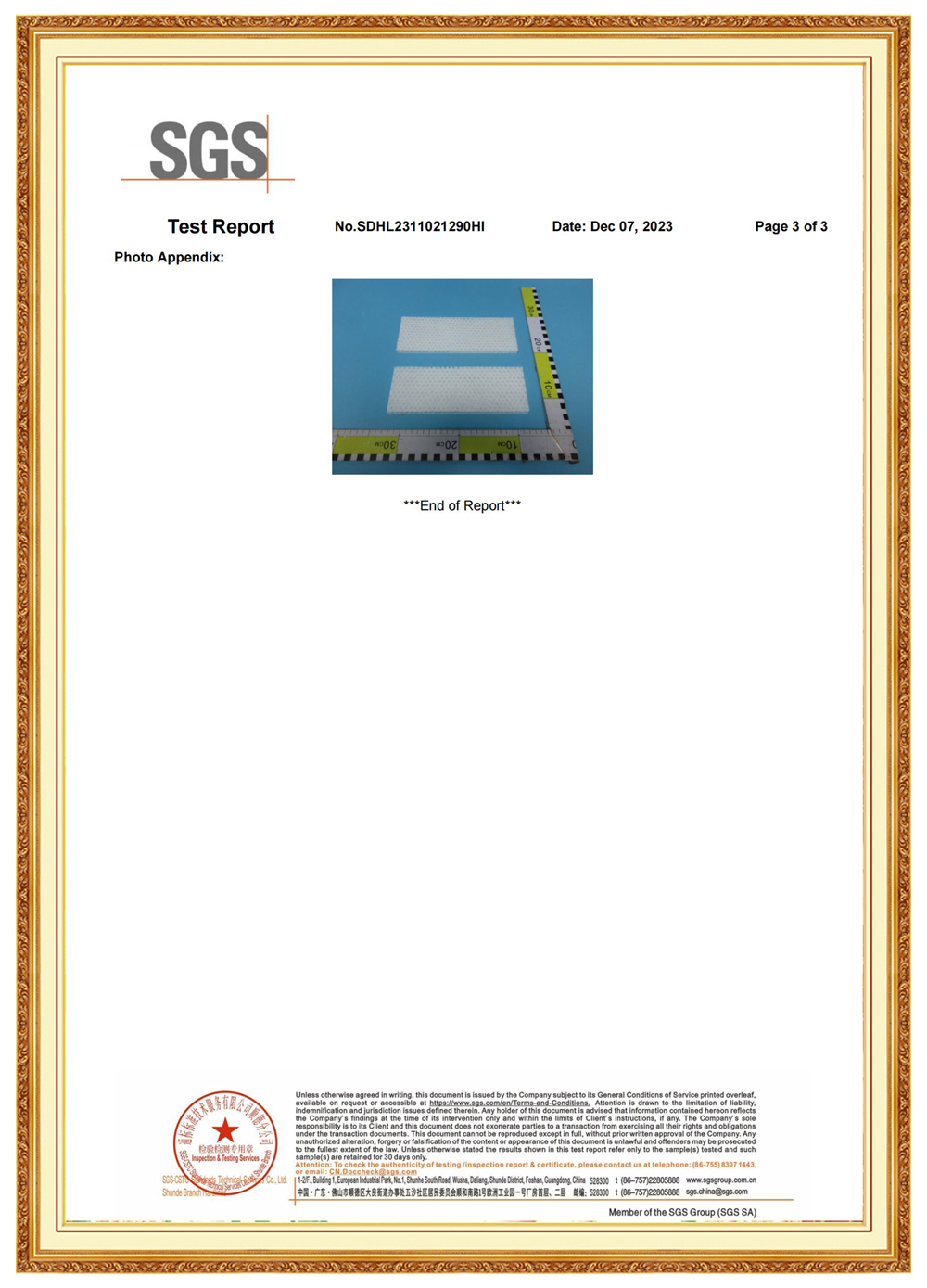
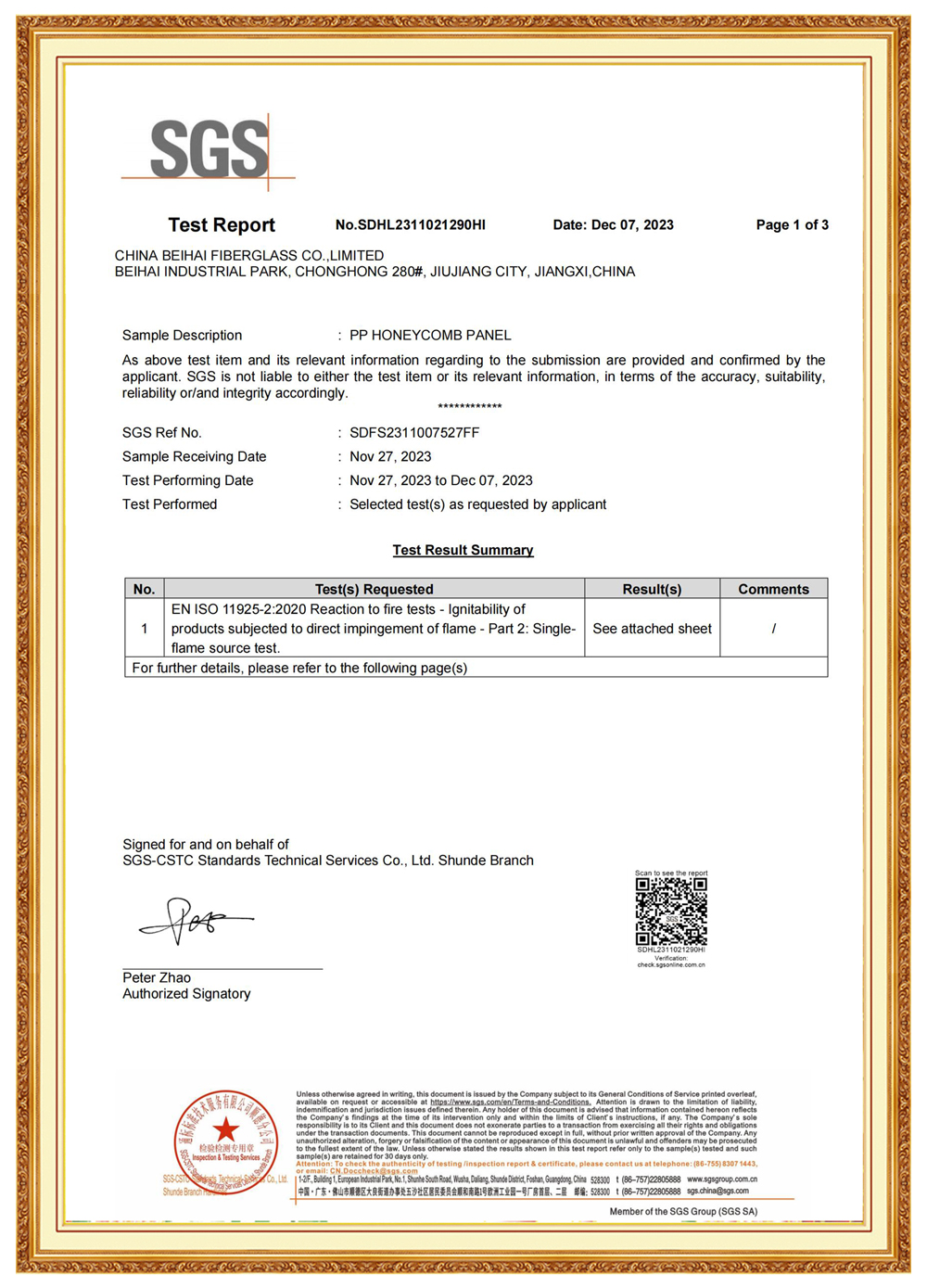
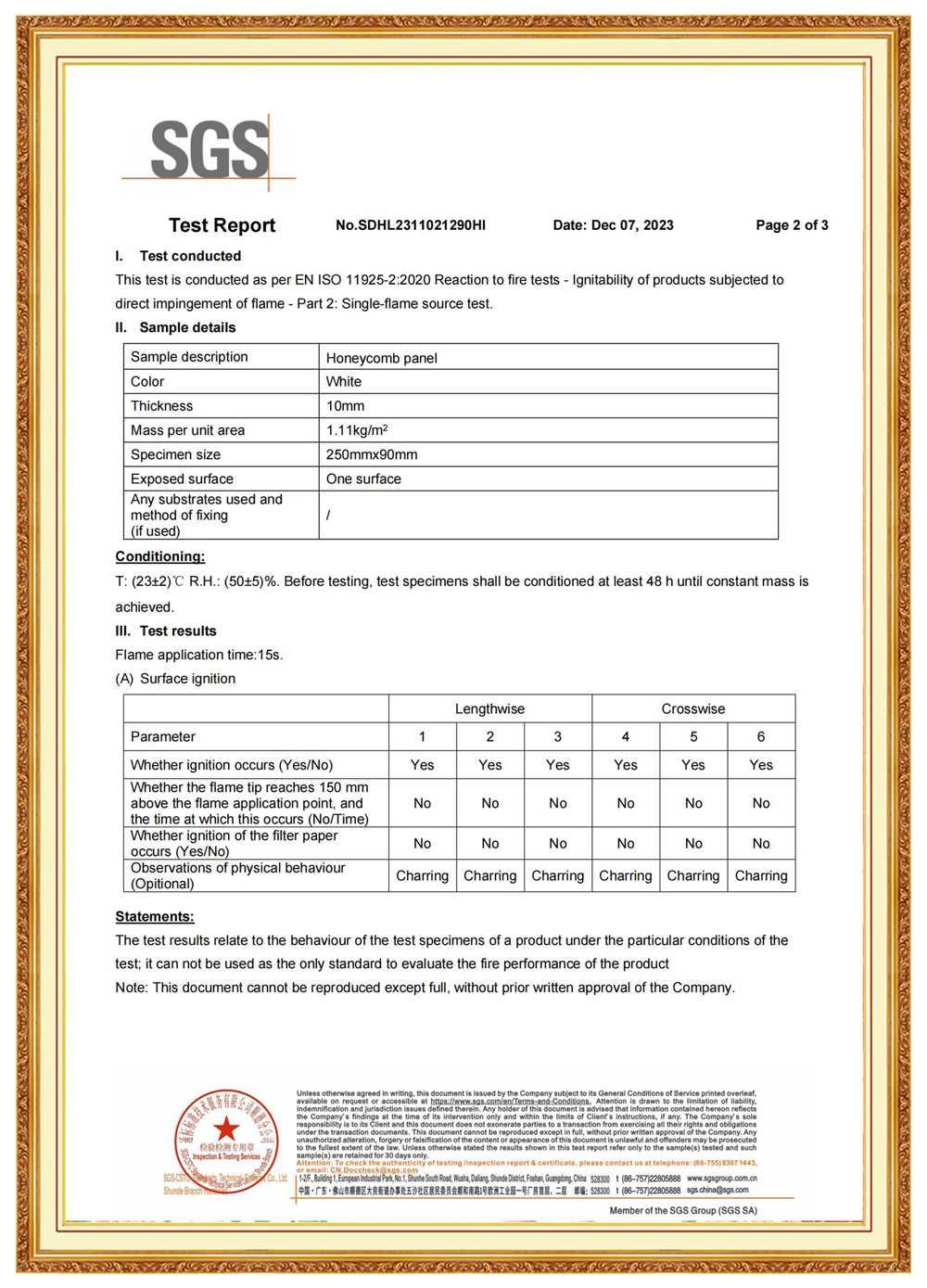
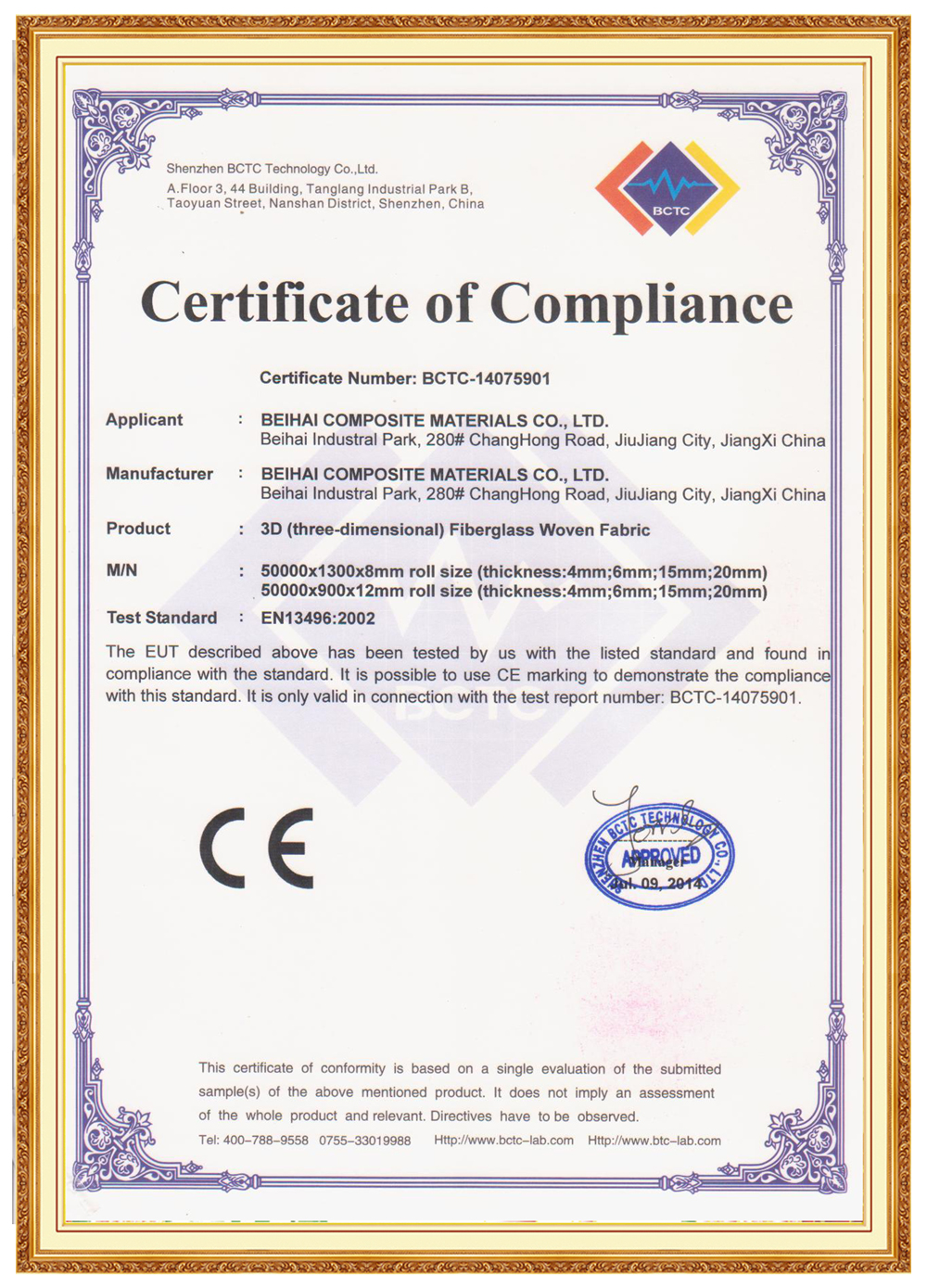
Internationally recognized quality certifications ensuring compliance with European and German standards
Stay updated on basalt fiber innovation and Germany market developments
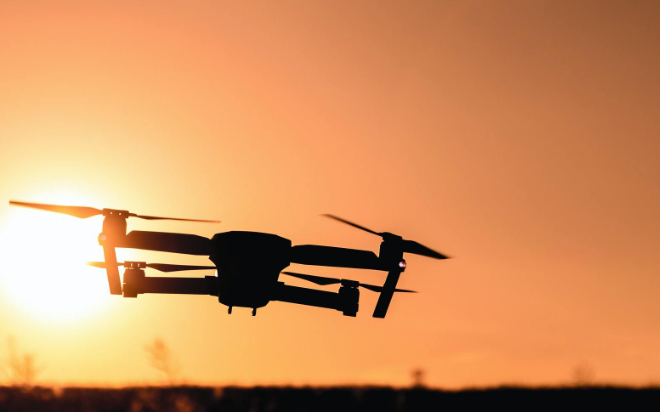
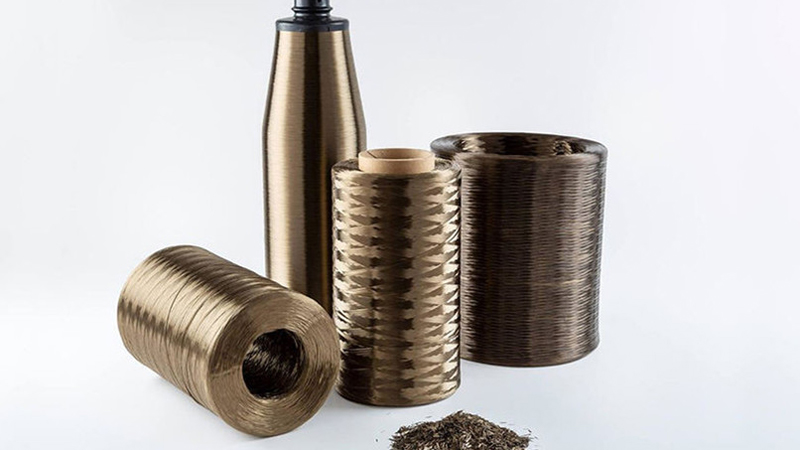
As drones slice through the sky to monitor wildfires, and intelligent robots execute repetitive tasks with precision on the factory floor, the efficient operation of this smart equipment is often underpinned by a "hardcore support" that is easily overlooked: a novel material derived from volcanic rock — basalt fiber. Though unassuming in appearance, its unique properties have made it the key to unlocking the performance limits of drones and robots, quietly driving a materials revolution within the realm of intelligent equipment.
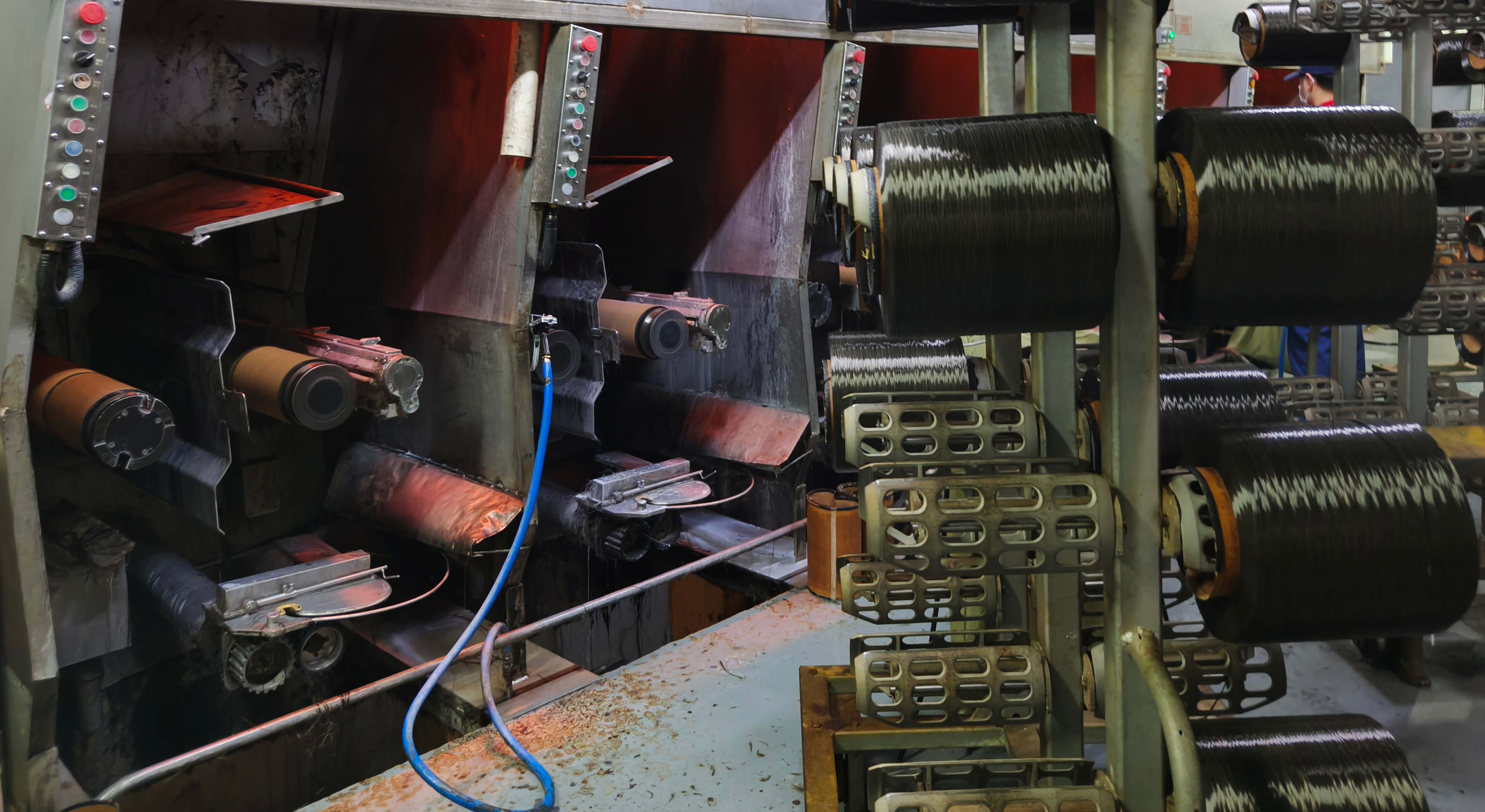
Basalt fiber is an inorganic fibrous material produced by drawing strands from natural basalt ore after it has been melted at high temperatures. It has garnered widespread attention for its exceptional physicochemical properties — particularly its performance in high-temperature environments.
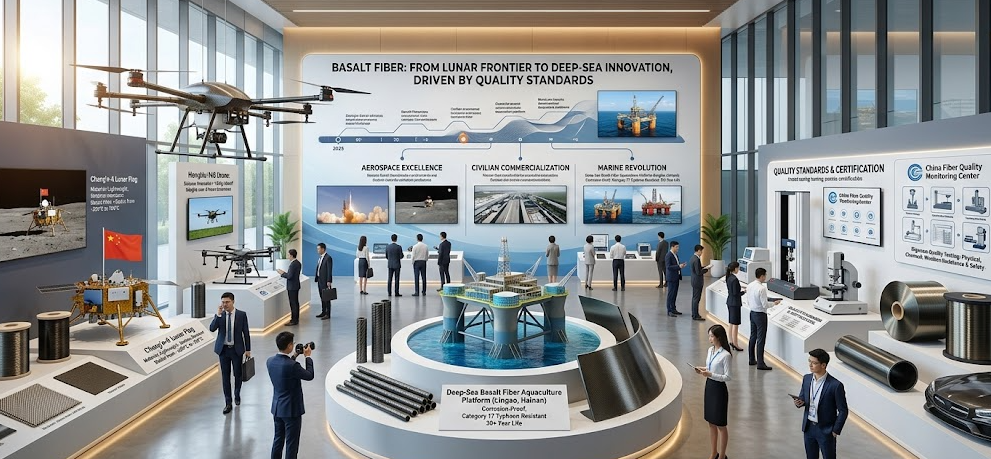
Recently, with the successful realization of major applications — such as the Chang'e-6 lunar exploration mission and the world's first deep-sea basalt fiber aquaculture platform — basalt fiber is rapidly accelerating its transformation from a laboratory research outcome into a strategic new material with tangible industrial productivity.
Comprehensive fiber solutions for every German construction and industrial application