

Leave Your Message
Explore our core range of FRP bar products specifically engineered as reinforcement elements within pultruded composite profiles, delivering superior mechanical performance and corrosion resistance.
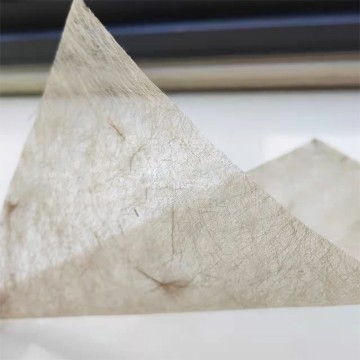
Basalt Fiber Surfacing Tissue Mat engineered to provide a smooth resin-rich surface layer for FRP pultruded profiles, enhancing corrosion protection and composite integrity.
Read More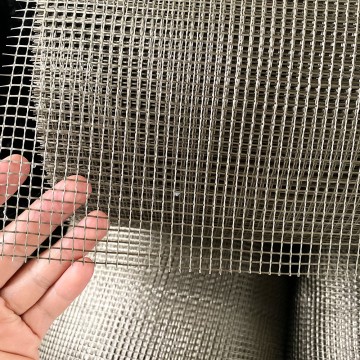
High-performance Basalt Fiber Mesh providing superior reinforcement for pultruded concrete and plaster profiles with high alkali resistance.
Read More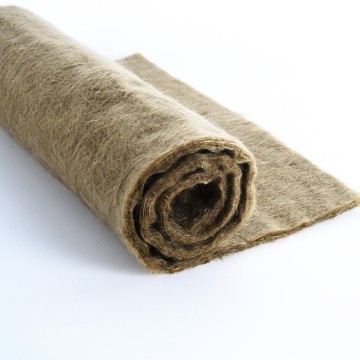
High-density insulation material manufactured by mechanically bonding continuous basalt fibers for thermal pultruded profile applications.
Read More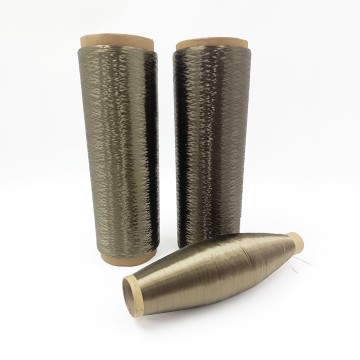
Basalt Fiber Twisted Yarn engineered by twisting multiple continuous filaments to enhance mechanical strength for pultruded profile processing.
Read MoreFiber Reinforced Polymer (FRP) bars used in pultruded profiles represent a transformative advancement in composite structural engineering. The pultrusion process — a continuous manufacturing method — draws fiber reinforcements saturated with resin through a heated die, producing profiles of consistent cross-section with exceptional mechanical properties.
FRP bars serve as the primary longitudinal reinforcement within these pultruded profiles. Unlike conventional steel reinforcement, FRP bars — particularly those manufactured from basalt fiber — are non-corrosive, non-magnetic, electromagnetically transparent, and substantially lighter than steel while maintaining comparable or superior tensile strength.
The synergy between the pultrusion process and basalt FRP bar technology enables the production of structural profiles that outperform traditional materials across a wide spectrum of demanding environments — from marine infrastructure to electromagnetic-sensitive installations.
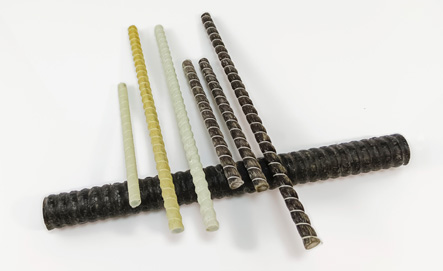
The global FRP pultruded profiles market is experiencing accelerated growth, driven by increasing infrastructure investment, stringent corrosion resistance requirements, and the global push toward sustainable construction materials.
The global pultruded FRP composites market is projected to exceed USD 3.5 billion by 2030, growing at a CAGR of over 5.8%. FRP bars constitute a critical segment driving this growth, particularly in North America, Europe, and Asia-Pacific infrastructure projects. Increasing replacement of corroded steel reinforcement in aging bridges and coastal structures is a primary market catalyst.
Asia-Pacific leads consumption, particularly China, Japan, and South Korea, where massive infrastructure programs demand durable, low-maintenance reinforcement solutions. The Middle East and Gulf region show surging demand for FRP pultruded profiles in coastal and petrochemical facilities where salt-induced corrosion historically devastates conventional steel systems.
International standards including ASTM D7957, ACI 440.1R, and ISO 10406 are progressively establishing FRP bars as accepted structural materials. This regulatory maturation is unlocking major procurement channels in government infrastructure projects, enabling FRP pultruded profiles to compete directly with conventional reinforced concrete and steel systems on large-scale tenders.
Pultrusion is a continuous composite manufacturing process where fiber reinforcements — including basalt FRP bars, rovings, mats, and fabrics — are impregnated with thermosetting resin and pulled through a precision-heated die. The result is a structural profile with constant cross-section, exceptional fiber-volume fraction, and reproducible mechanical properties.
Basalt FRP bars integrated as longitudinal reinforcement within pultruded profiles provide the primary tensile load-carrying capacity. The helical surface texture of BFRP bars ensures optimal mechanical interlock with the surrounding composite matrix, achieving bond strengths that meet or exceed design requirements for structural applications.
Basalt FRP bars, rovings and mats are arranged in precise geometrical configurations aligned with the profile's structural requirements.
Fibers pass through a resin bath — typically epoxy, vinyl ester, or polyurethane — ensuring complete wet-out of all fiber bundles.
The impregnated fiber assembly is pulled through a precision steel die at controlled temperature, polymerizing the resin and consolidating the profile shape.
Hydraulic or reciprocating pullers maintain constant tension. Automated cut-off saws produce profiles to specified lengths with dimensional precision.
Each production batch undergoes mechanical testing, dimensional verification, and surface quality inspection per applicable ASTM/ISO standards.
FRP bars integrated into pultruded profiles are deployed across a vast range of industrial and commercial sectors where conventional materials fail to deliver adequate long-term performance.
Pultruded FRP profiles with integrated basalt bars are used as structural beams, columns, and decking in buildings requiring non-magnetic or corrosion-free reinforcement. Hospitals, laboratories, and data centers increasingly specify BFRP pultruded systems.
Bridge deck panels, pedestrian walkways, and pier protection systems fabricated from pultruded FRP profiles with basalt bar reinforcement deliver service lives exceeding 75 years with minimal maintenance — a compelling lifecycle cost advantage.
The non-conductive nature of FRP bars makes pultruded profiles indispensable in electrical substations, railway signal gantries, and overhead line support structures where electrical isolation is a safety-critical requirement.
Walkways, grating, handrails, and structural supports in refineries and chemical plants fabricated from FRP pultruded profiles resist aggressive chemical environments that rapidly degrade conventional steel structures.
Jetties, pontoons, seawall reinforcement, and offshore platform components using pultruded FRP profiles with BFRP bars demonstrate zero corrosion in saltwater immersion — eliminating the primary failure mode of conventional reinforced concrete in marine environments.
MRI suites and diagnostic imaging centers require structurally non-magnetic building elements. Pultruded BFRP profiles provide the necessary structural support without interfering with sensitive electromagnetic medical equipment.
Lightweight pultruded FRP profiles reinforced with basalt bars are utilized in aircraft ground support equipment, hangar structures, and airfield infrastructure where weight reduction and corrosion resistance are paramount.
Vehicle body reinforcements, trailer floor panels, and transport infrastructure components manufactured via pultrusion with FRP bar reinforcement deliver exceptional strength-to-weight ratios supporting the automotive industry's lightweighting objectives.
The convergence of advanced fiber technology, digital manufacturing, and evolving infrastructure demands is shaping a dynamic future for FRP bars in pultruded profile applications.
Emerging research is embedding fiber optic sensors within pultruded FRP profiles during the pultrusion process, enabling real-time structural health monitoring. These "smart profiles" can detect strain, temperature changes, and damage onset — transforming passive structural elements into active monitoring systems for critical infrastructure.
The industry is advancing toward thermoplastic matrix systems in pultrusion, enabling recyclability of FRP profiles at end-of-life. Basalt fiber's natural volcanic origin and zero-emission production process position BFRP bars as the most environmentally aligned reinforcement option for next-generation sustainable pultruded profiles.
Global urbanization is driving replacement of aging reinforced concrete infrastructure. FRP pultruded profiles with basalt bar reinforcement are positioned as the primary material solution for next-generation smart city infrastructure — offering 75+ year service life, zero maintenance corrosion costs, and compatibility with IoT monitoring systems.
Research into hybrid basalt-carbon and basalt-glass FRP bar systems is producing pultruded profiles with optimized cost-performance ratios. These hybrid architectures exploit basalt fiber's superior impact resistance and thermal stability alongside carbon fiber's exceptional stiffness to create profiles tailored for specific structural demands.
Progressive adoption of FRP-specific design codes — including updated ACI 440 guidelines and Eurocode extensions for FRP — is removing regulatory barriers to specification. As structural engineers gain confidence through standardized design methodologies, FRP pultruded profile adoption is accelerating across mainstream construction procurement.
AI-driven process optimization, real-time cure monitoring via dielectric sensors, and automated quality control systems are transforming pultrusion into a precision Industry 4.0 manufacturing process. These advances are reducing production costs, improving consistency, and enabling complex custom profile geometries with FRP bar reinforcement tailored to specific structural applications.
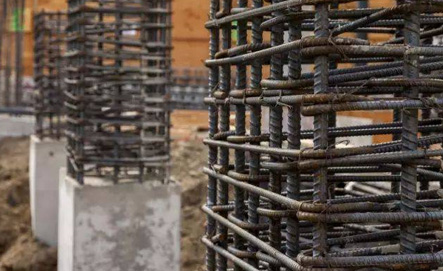
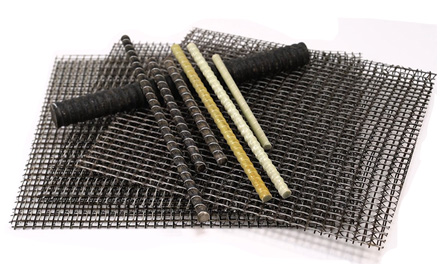
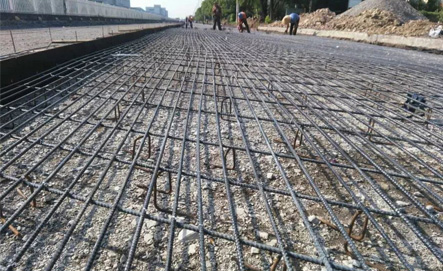
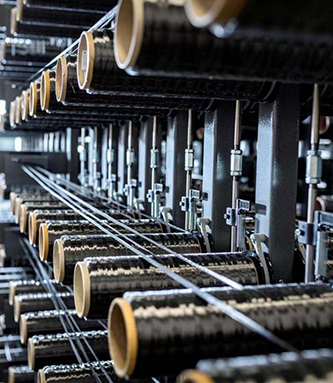
China Beihai is founded in 2015 and located in Jiujiang, Jiangxi Province. China Beihai is a high-tech enterprise focusing on the research, development, production and sales of high-performance basalt continuous fiber and its production equipment manufacturing, as well as a leading enterprise in the domestic basalt fiber industry.
View More
At China Beihai group, we specialize in the production of a wide range of products including basalt fiber mat (Basalt fiber chopped strand mat, Basalt fiber cloth), basalt fiber roving, basalt fiber yarn, basalt fiber chopped strands, and basalt fiber products (Basalt Fiber rebar, basalt fiber sleeves and tape). Our products are designed to meet the diverse needs of various industries, providing high-quality solutions for our customers.

At China Beihai group, we are dedicated to the production of a wide array of basalt-based products, ranging from basalt fiber mat, fabric, and roving to chopped strand and specialized construction materials. Our focus is on delivering high-quality, sustainable solutions for industries such as construction, geotechnical engineering, and manufacturing.

Choosing to work with China Beihai means working with a leading manufacturer of basalt products. Our commitment to quality, innovation and sustainability sets us apart, ensuring our customers receive best-in-class solutions for their diverse needs. When you partner with China Beihai, you can trust that you are working with a reliable and forward-thinking supplier for all your basalt product needs.
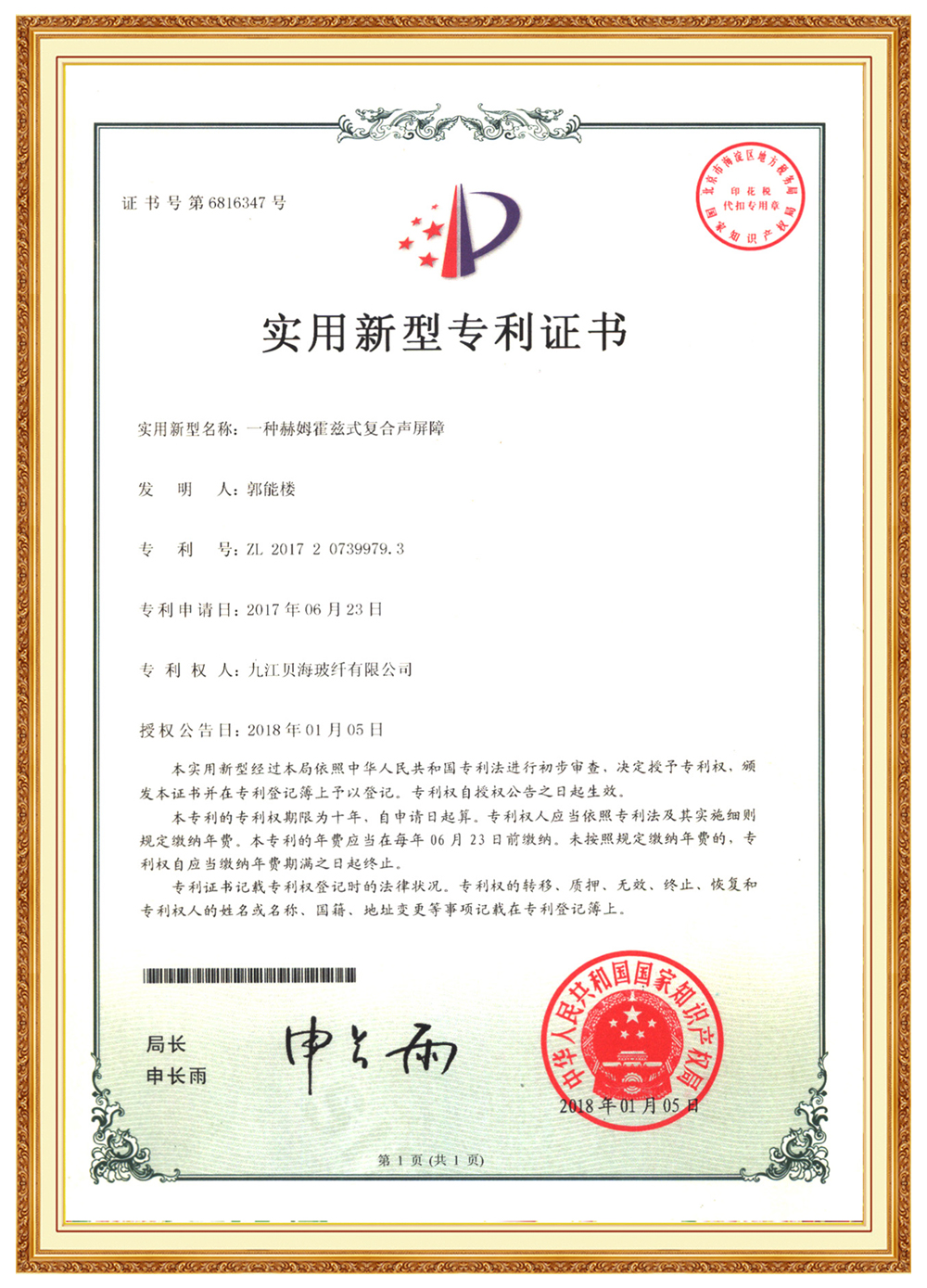


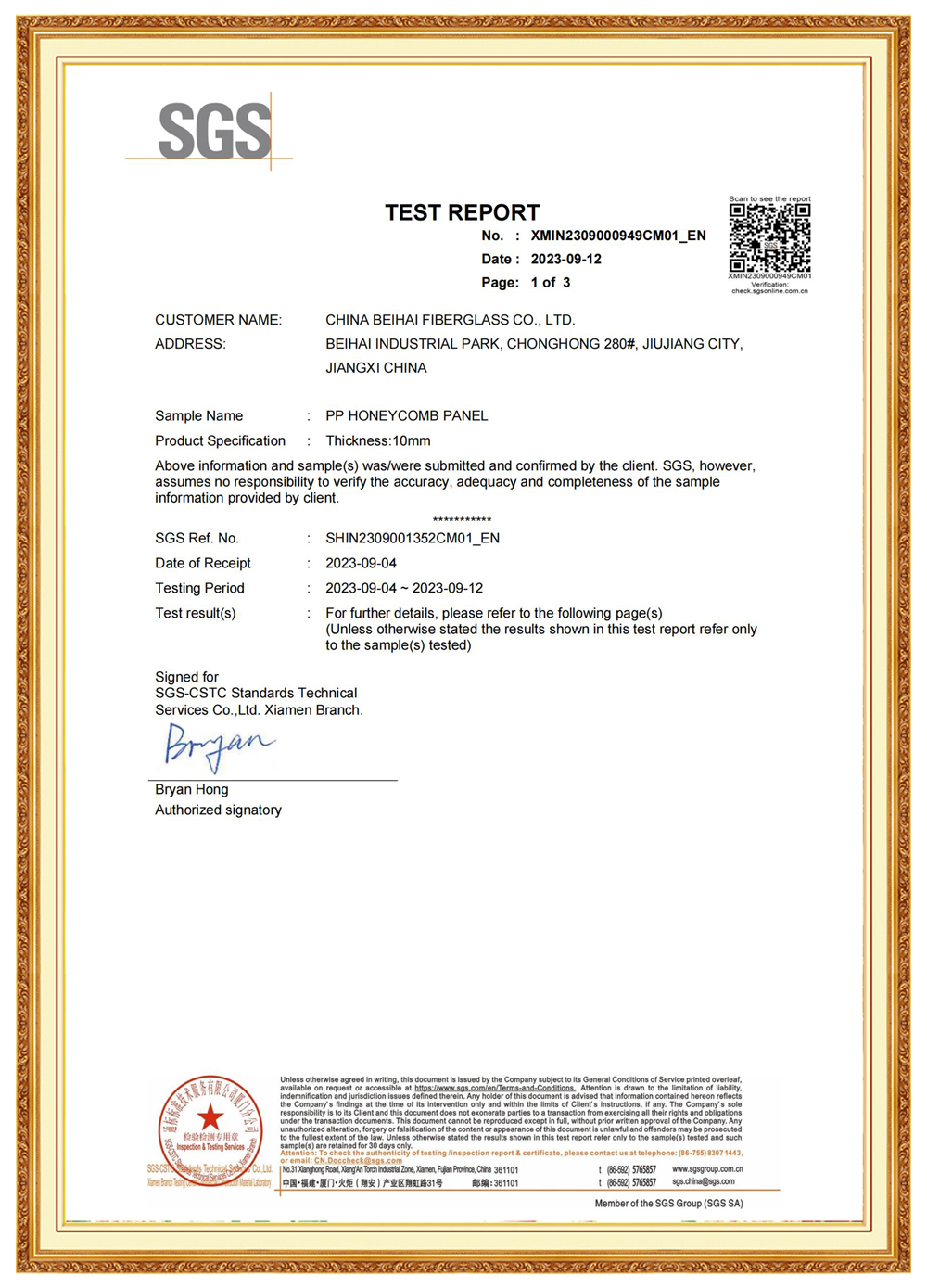
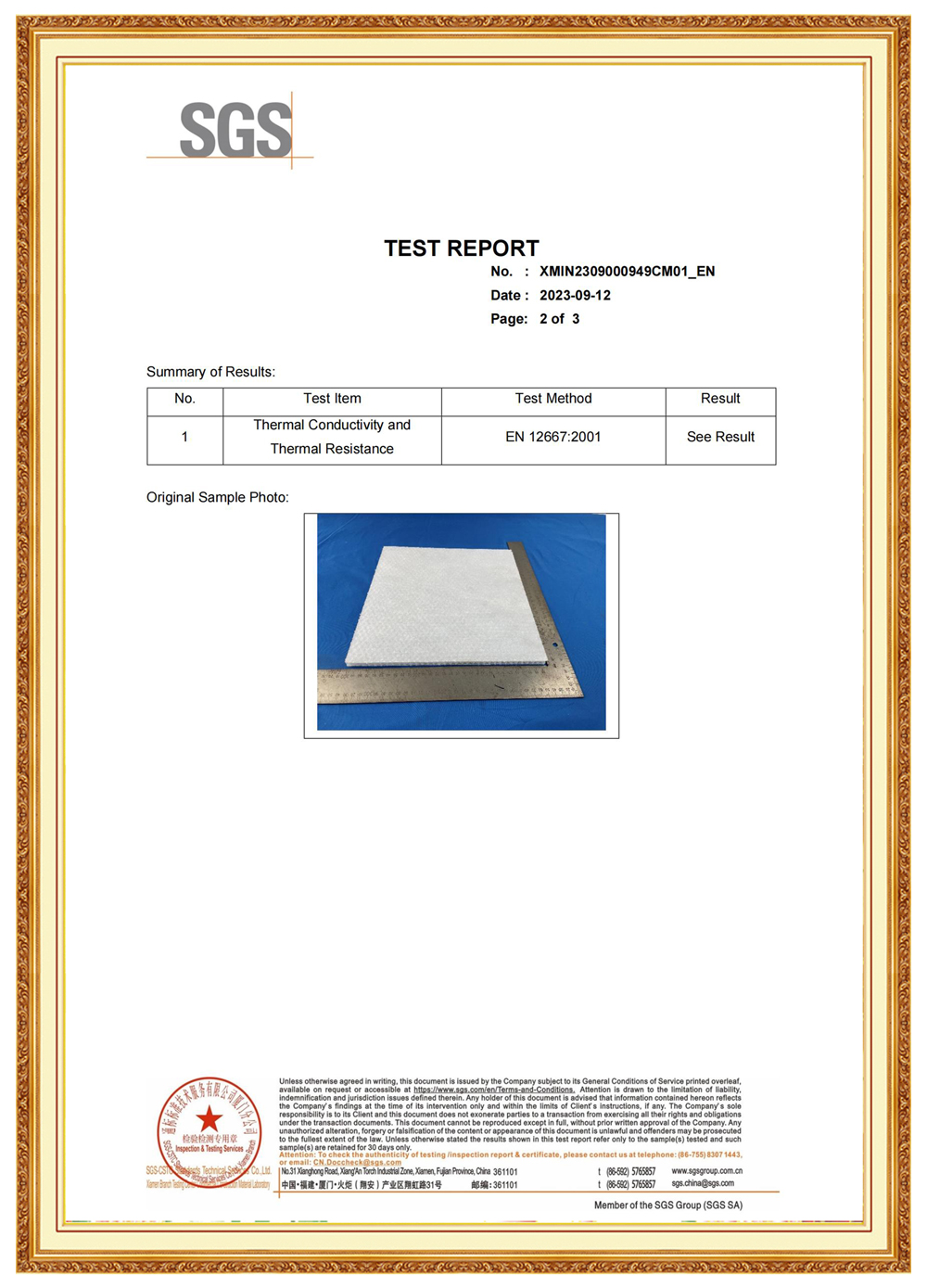
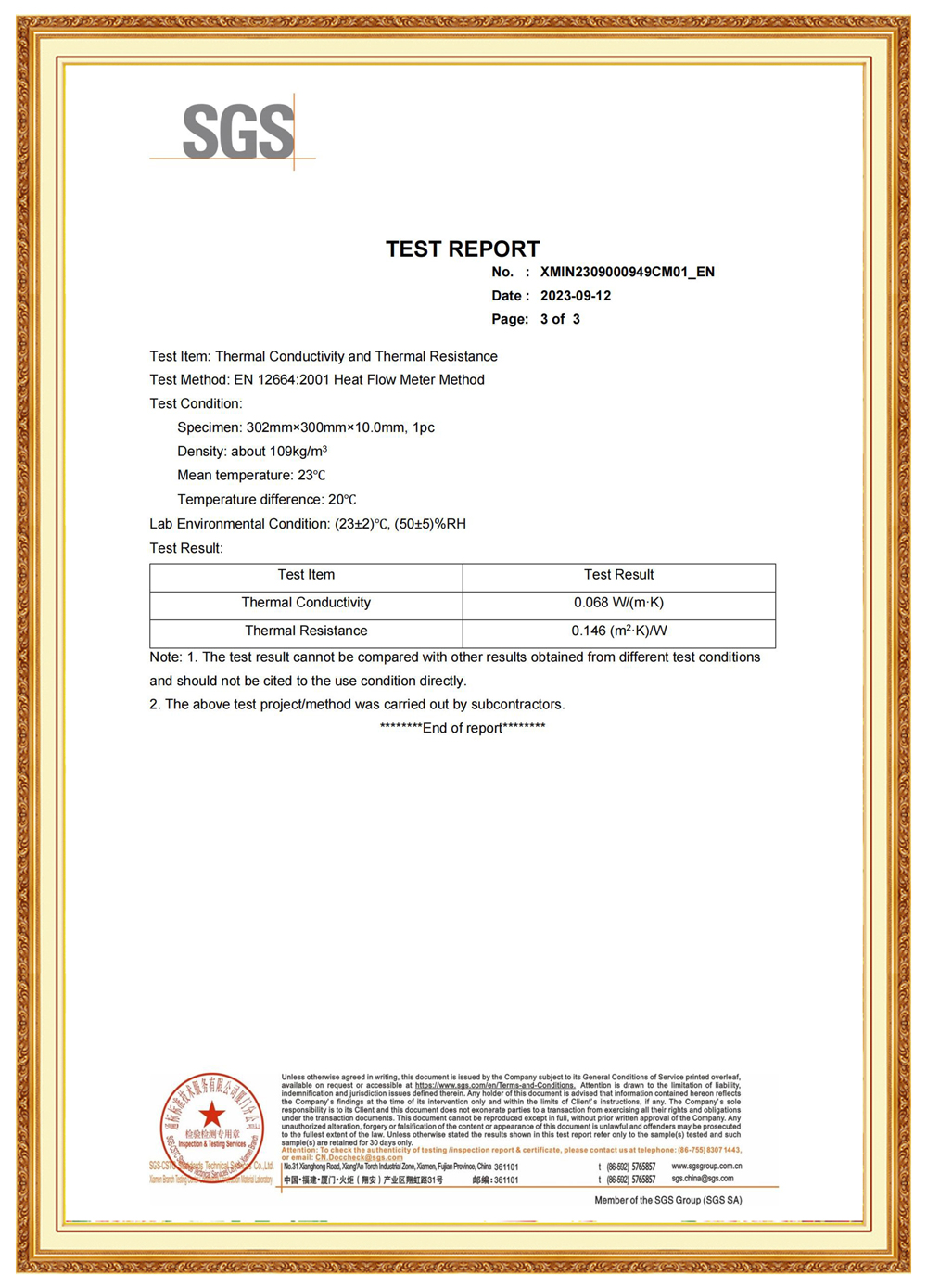
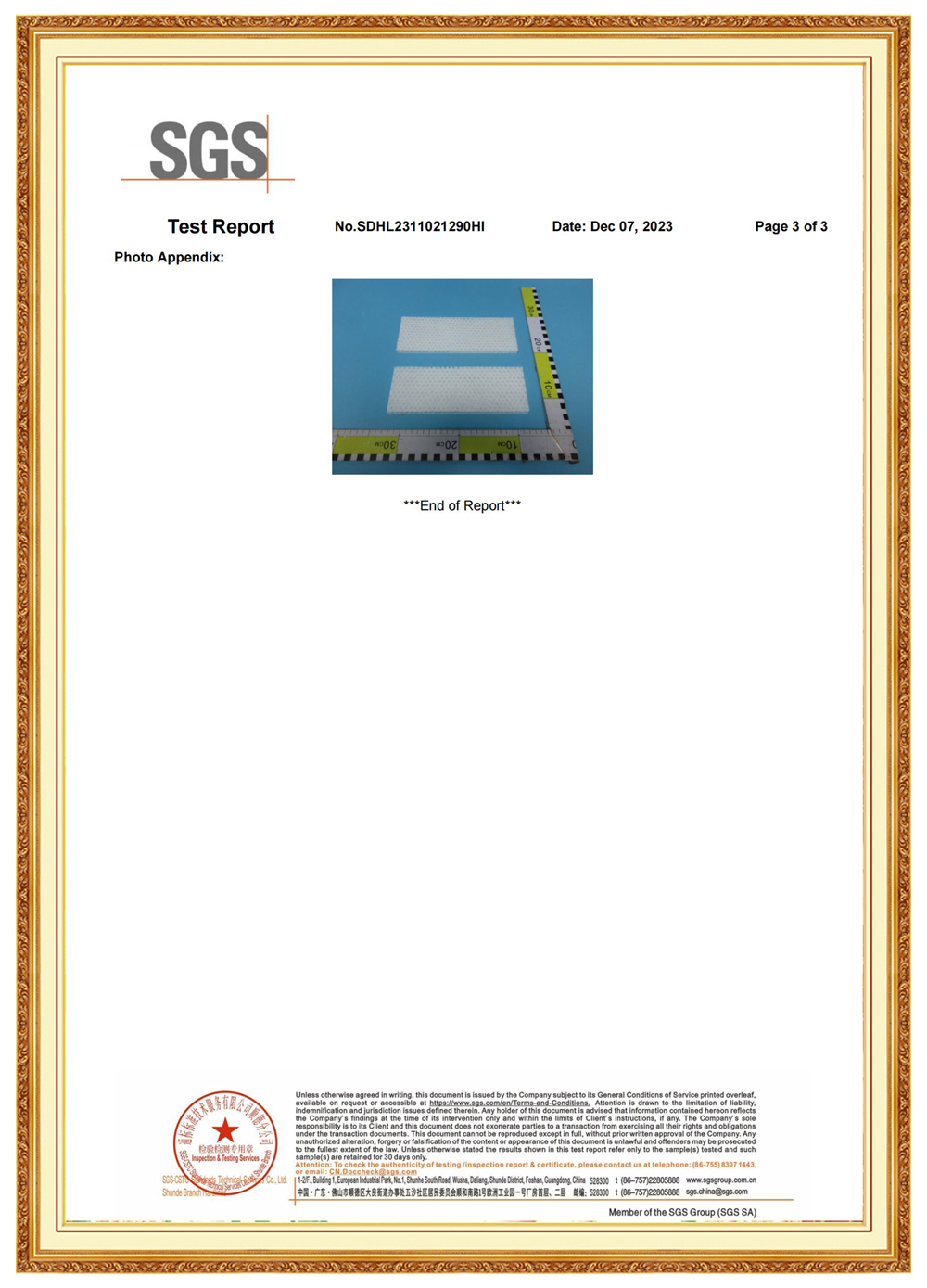
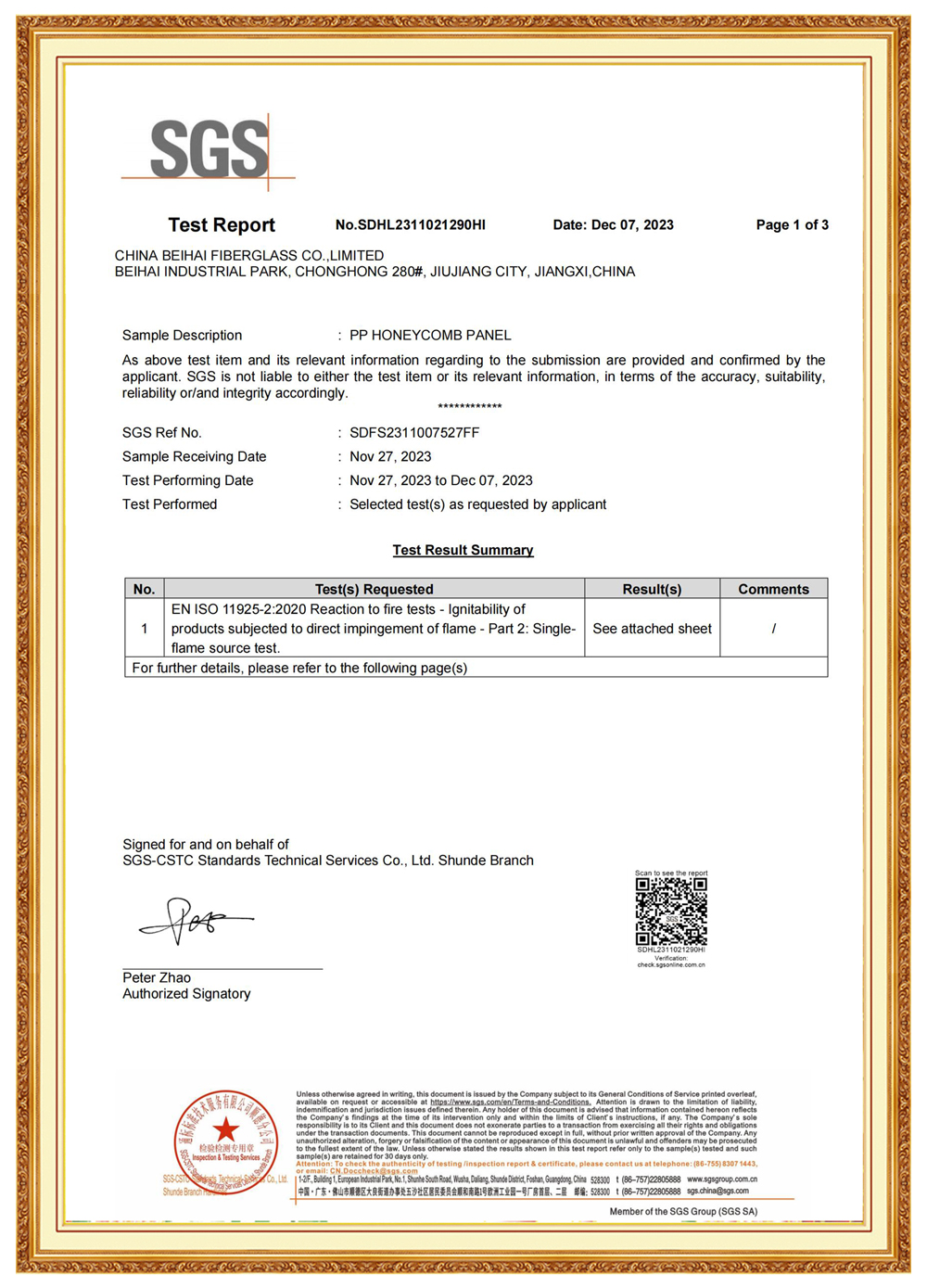
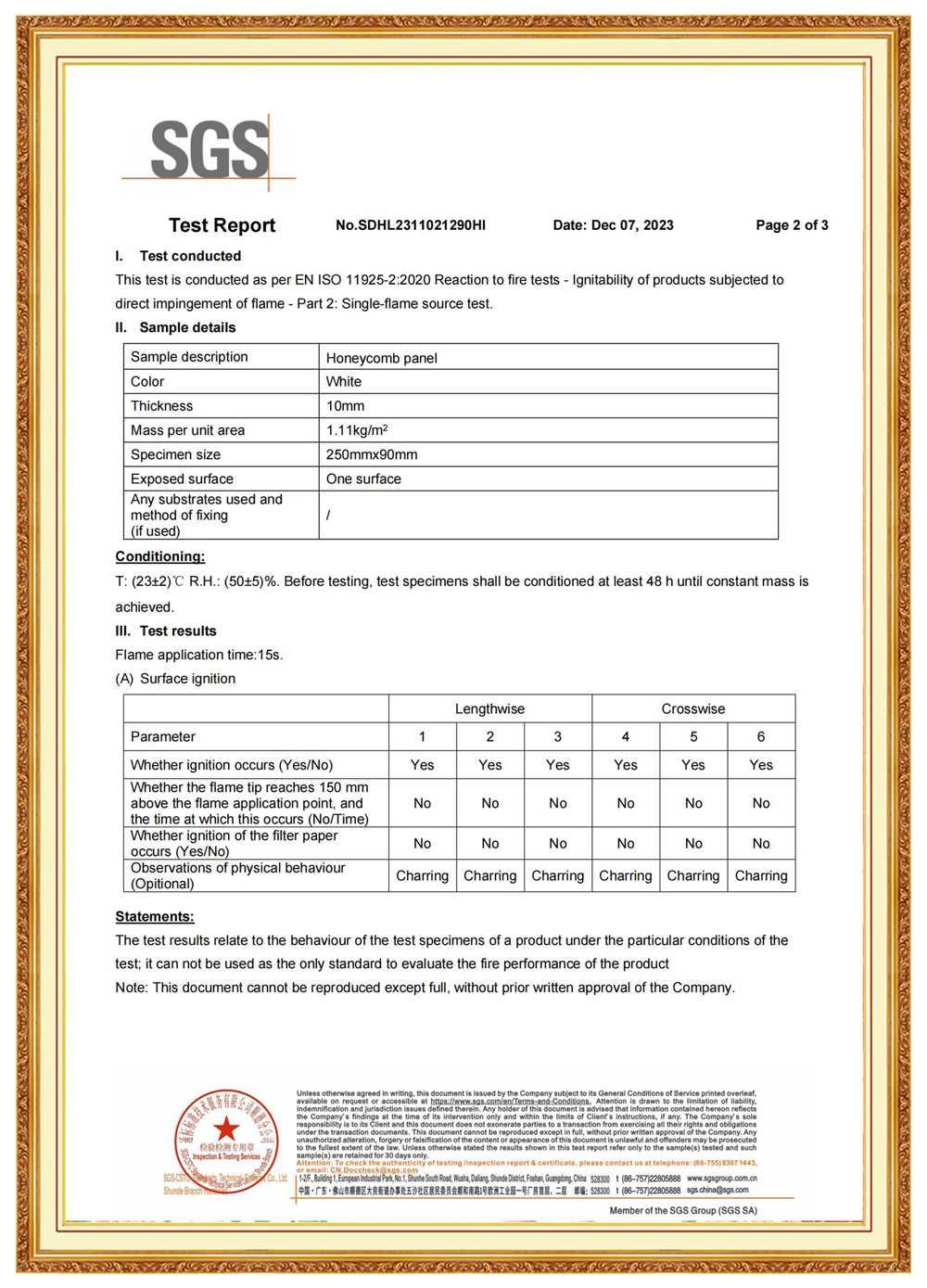

As drones slice through the sky to monitor wildfires, and intelligent robots execute repetitive tasks with precision on the factory floor, the efficient operation of this smart equipment is often underpinned by a "hardcore support" that is easily overlooked: a novel material derived from volcanic rock — basalt fiber. Though unassuming in appearance, its unique properties have made it the key to unlocking the performance limits of drones and robots, quietly driving a materials revolution within the realm of intelligent equipment.
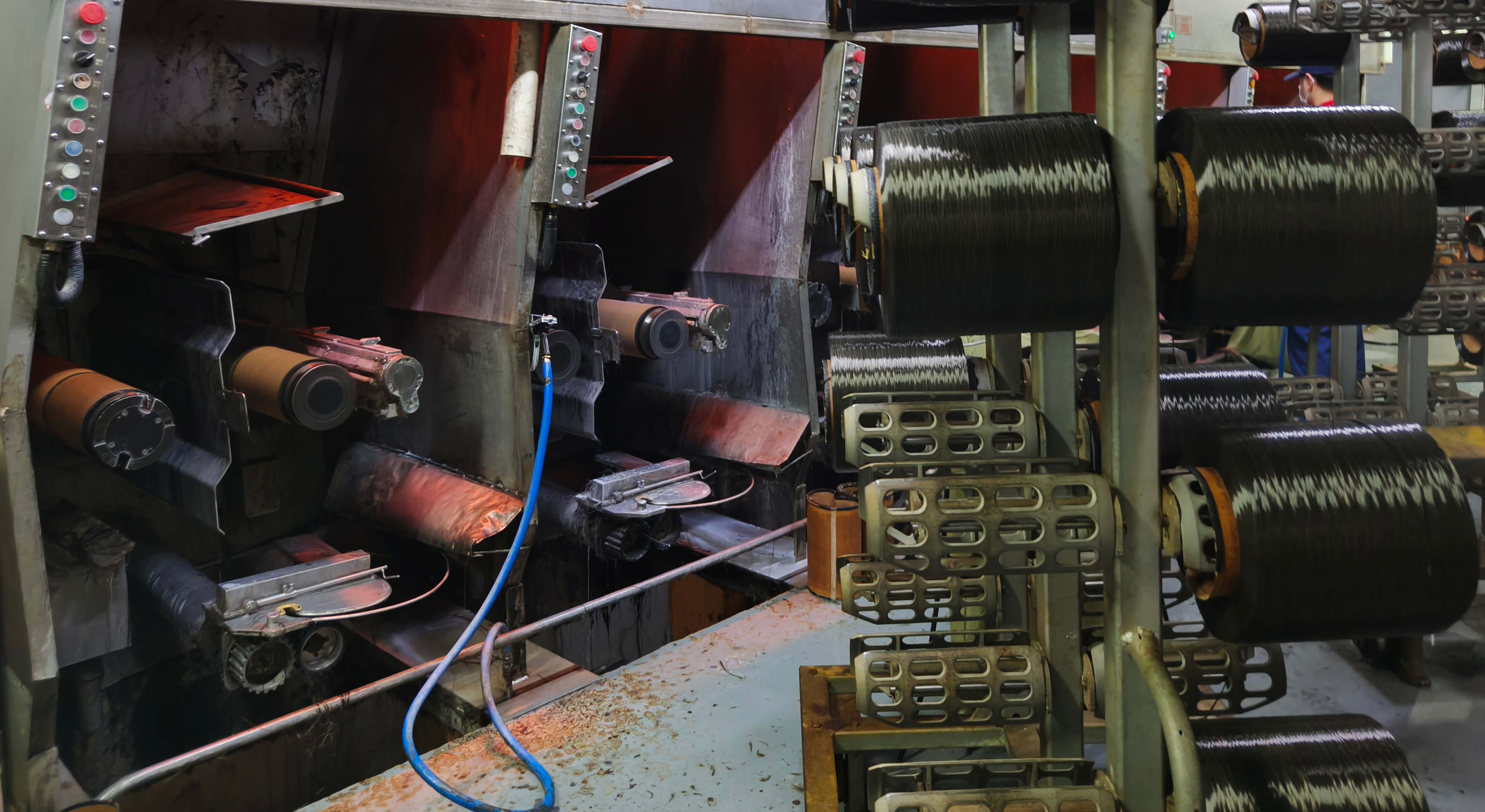
Basalt fiber is an inorganic fibrous material produced by drawing strands from natural basalt ore after it has been melted at high temperatures. It has garnered widespread attention for its exceptional physicochemical properties — particularly its performance in high-temperature environments.
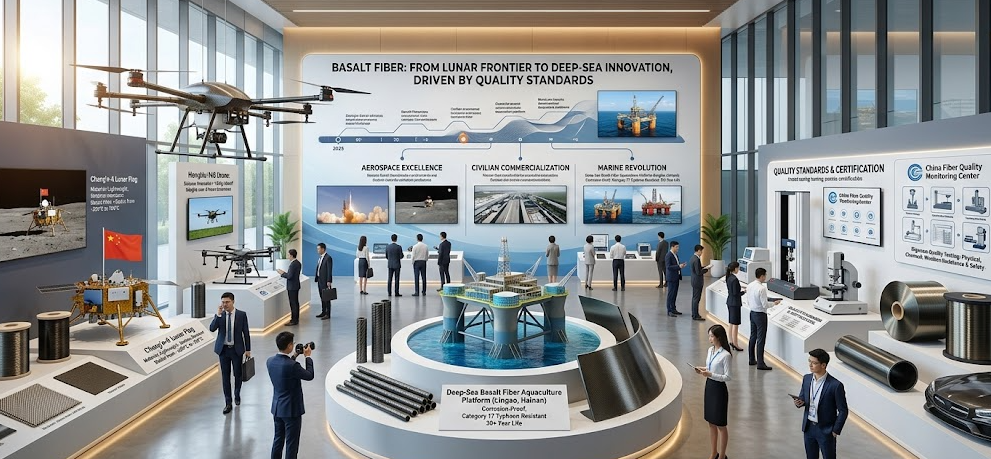
Recently, with the successful realization of major applications — such as the Chang'e-6 lunar exploration mission and the world's first deep-sea basalt fiber aquaculture platform — basalt fiber is rapidly accelerating its transformation from a laboratory research outcome into a strategic new material.
Discover our comprehensive range of basalt fiber and FRP bar products engineered to serve diverse pultruded profile manufacturing and structural reinforcement requirements.
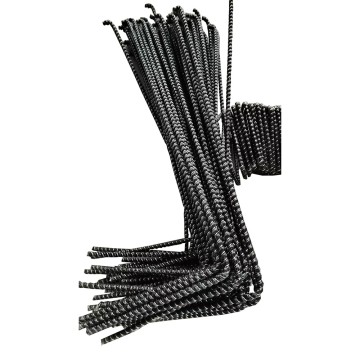
Electromagnetic transparent reinforcement ideal for sensitive installations within pultruded composite profiles requiring non-magnetic structural bars.
Read More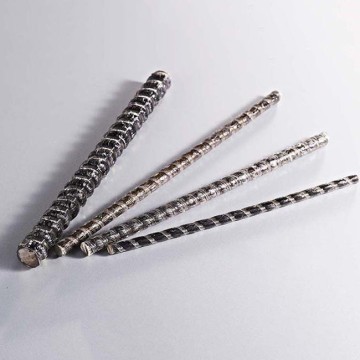
High-strength basalt reinforcing bars engineered for building and bridge reinforcement, compatible with pultruded composite profile systems.
Read More
Non-woven thin sheet engineered to provide a smooth resin-rich surface layer for FRP pultruded profiles, enhancing corrosion protection and composite integrity.
Read More
Superior reinforcement solution for pultruded concrete and plaster profiles where high alkali resistance is critical for long-term structural durability.
Read More
High-density insulation material manufactured by mechanically bonding continuous basalt fibers for thermal management in pultruded profile assemblies.
Read More
Engineered by twisting multiple continuous filaments to enhance mechanical strength and processing stability for pultruded profile manufacturing applications.
Read More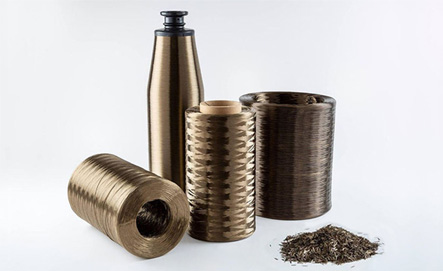
Continuous basalt fiber roving providing the primary longitudinal reinforcement in the pultrusion process, ensuring consistent fiber volume fraction and mechanical performance.
Read More
Randomly oriented basalt fiber mat providing transverse reinforcement and surface quality enhancement in pultruded composite structural profiles.
Read More