

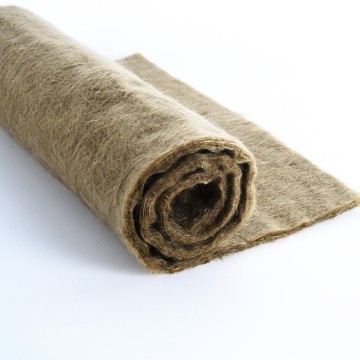
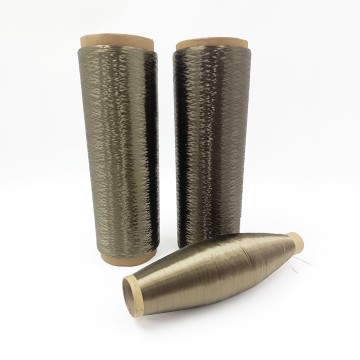
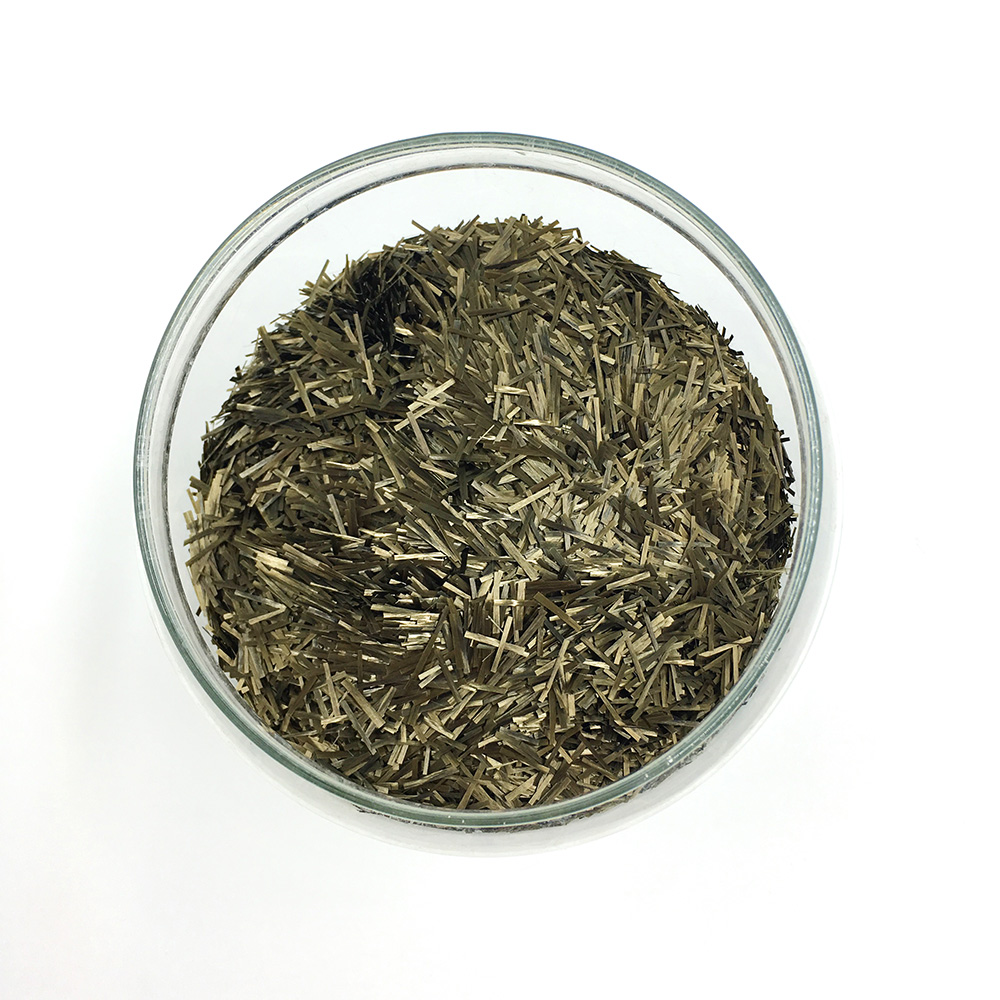
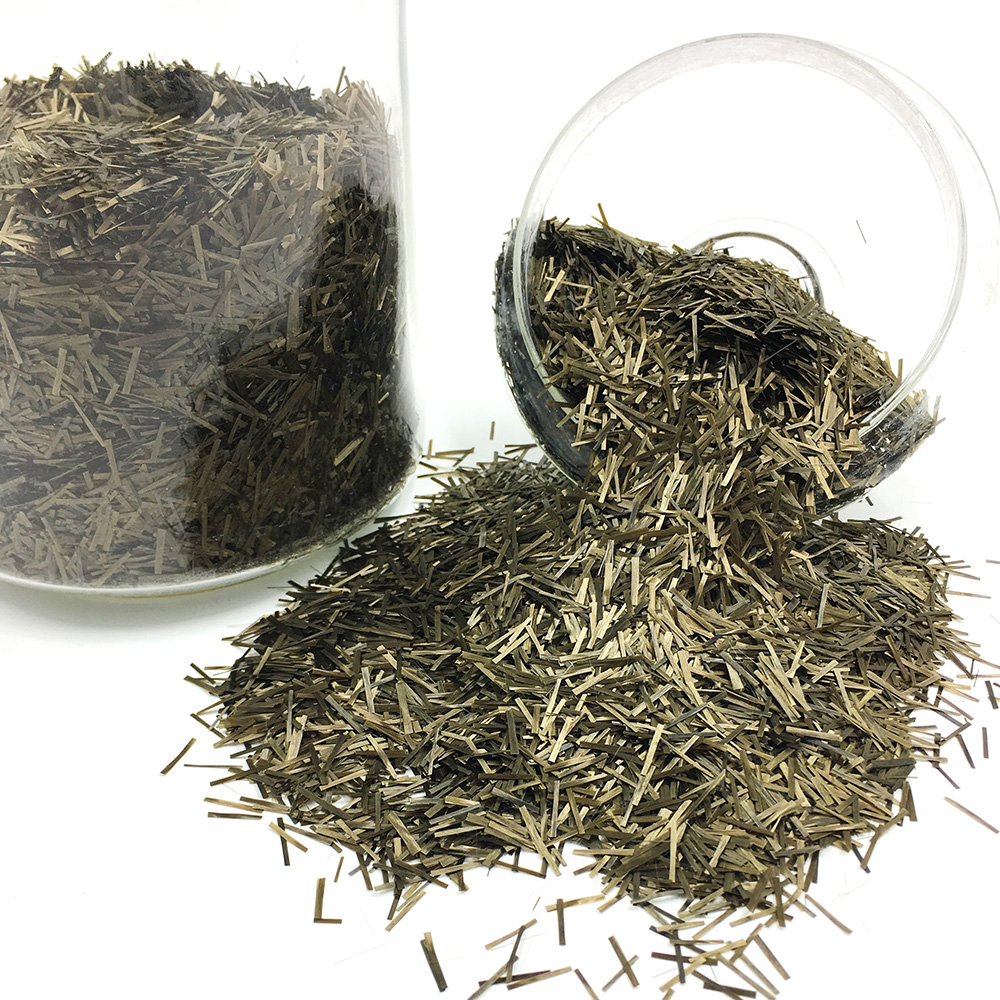

High-Performance Material Basalt Fiber
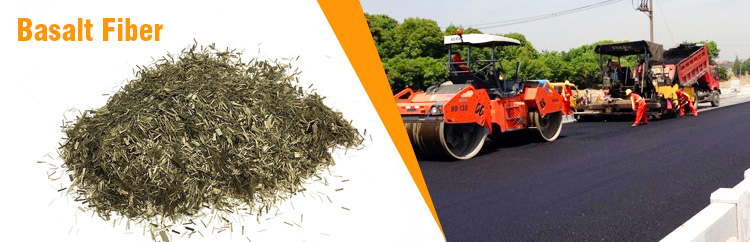
Product Features:
-
High Tensile Strength: Basalt fiber boasts high tensile strength, typically ranging from 2.9 to 3.1 GPa. This strength is comparable to that of carbon fiber, yet it comes at a significantly lower cost. Furthermore, it demonstrates 15-25% higher tensile strength and modulus compared to regular E-glass, offering a superior alternative in many applications.
-
High Elastic Modulus: With an elastic modulus ranging from 85-87 GPa, basalt fiber exhibits a high specific strength, notably three times that of steel, contributing to its effectiveness in reinforcement applications.
-
Exceptional Temperature Resistance: This material maintains its structural integrity across an extended operating temperature range, from -260°C up to an impressive +560°C. This broad thermal stability makes it an ideal material for high-temperature applications, thermal insulation, and fire protection, significantly outperforming E-glass, which typically operates from -60°C to +460°C.
-
Superior Corrosion Resistance: Basalt fiber offers robust resistance to chemical and environmental degradation. While generally corrosion-resistant, studies indicate its alkali resistance is superior to its acid resistance, making it particularly effective in alkaline environments such as concrete, where traditional materials like steel are prone to corrosion.
-
Excellent Electrical and Sound Insulation: Basalt fiber provides effective electrical and sound insulating properties, enhancing its versatility for use in electrical components and noise reduction applications.
-
Lightweight: Its low density of 2.65 g/cm3 makes it significantly lighter than steel, contributing to crucial weight reductions in industries such as automotive and aerospace, which directly impacts fuel efficiency and performance.
-
Durability and Vibration Resistance: Basalt fiber is renowned for its high resistance to wear and tear, ensuring longevity of products. It also exhibits good vibration resistance, making it suitable for dynamic applications.
-
Non-Toxic and Non-Carcinogenic: A critical health and safety advantage is its filament diameter, typically between 10 and 20 μm, which is well above the respiratory limit of 5 μm. This characteristic positions basalt fiber as a safe and suitable replacement for hazardous materials like asbestos. Furthermore, it is an inert material, containing no harmful or toxic substances, and is certified non-carcinogenic by leading health organizations including NTP, IARC, and OSHA.
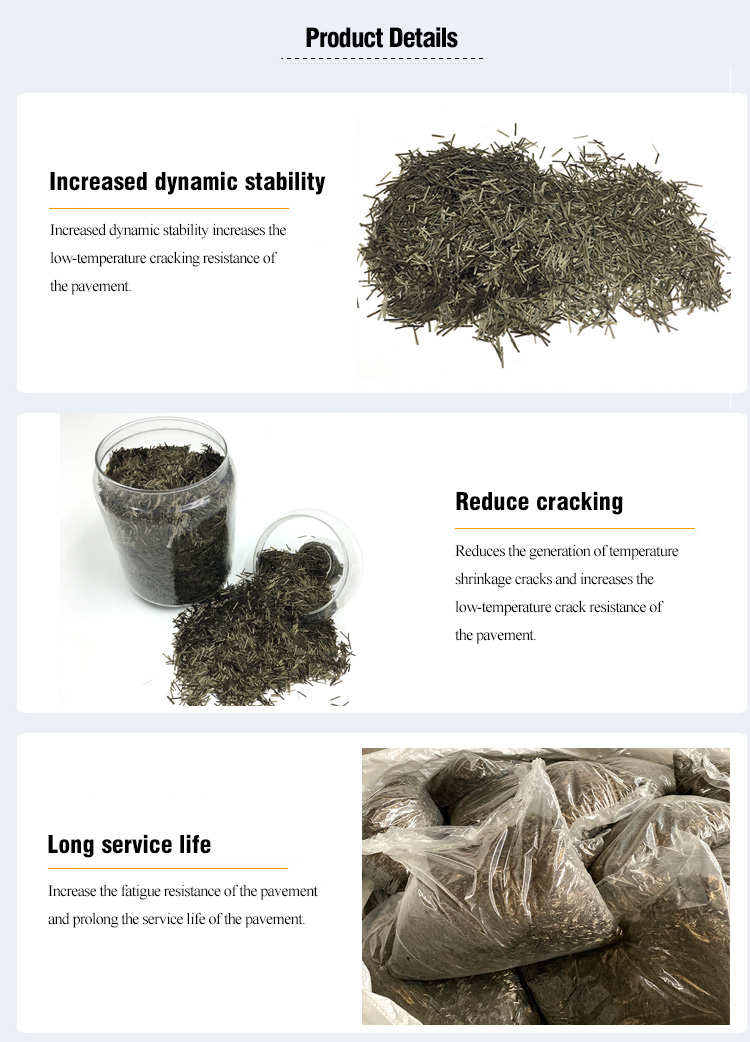
Applications:
-
Composite Material Reinforcement:
-
Used to reinforce thermoplastic (e.g., PP, PA) and thermosetting plastics (e.g., epoxy resin), improving mechanical properties and heat resistance.
-
-
Concrete Reinforcement:
-
Added to concrete to enhance crack resistance, impact resistance, and durability.
-
-
Friction Materials:
-
Used in brake pads, clutch plates, and other friction materials to improve wear resistance and high-temperature performance.
-
-
Thermal Insulation Materials:
-
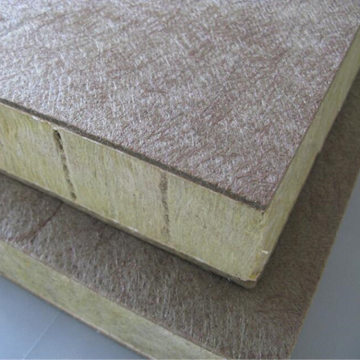
Used to manufacture high-temperature insulation materials, such as fire blankets and insulation boards.
-
-
Filtration Materials:
-
Used for filtering high-temperature gases or liquids, offering corrosion and high-temperature resistance.
-
-
Aerospace:
-
Used in the production of lightweight composite materials, meeting requirements for high strength and heat resistance.

Packing:
(mm ) Length (in)
950 (37.4 )
(mm ) Wide (in)
950 ( 37.4 )
(mm ) Hight (in)
1000(39.4)
(kg ) Weight (lb )
900-1000 ( 1984-2205)
Baslt Fiber products should be stored in a dry,cool and moisture-proof area, and they should remain in their original package until prior to use.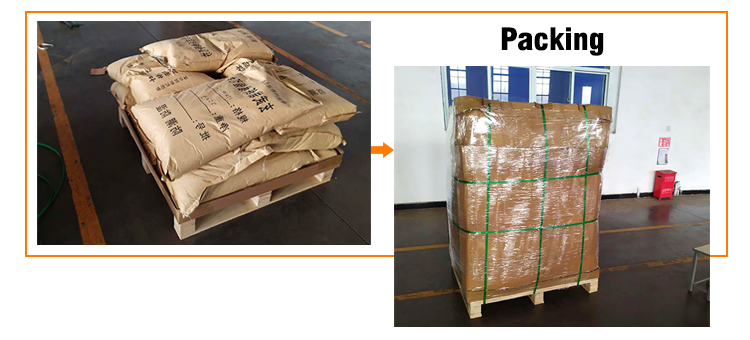
-