
Leave Your Message
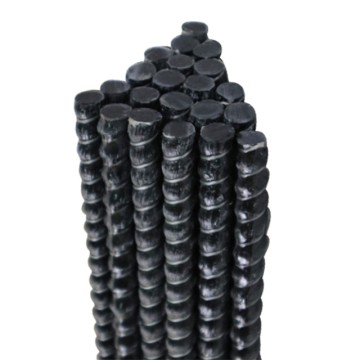
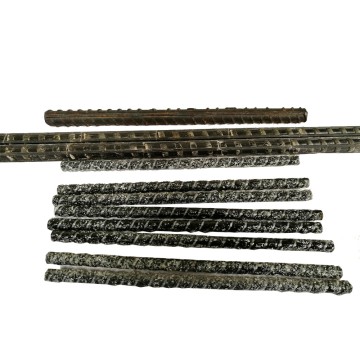
The global infrastructure sector is undergoing a fundamental transformation. As governments and engineering firms worldwide demand longer service lives, lower maintenance costs, and more sustainable materials, basalt fiber rebar has emerged as the definitive answer for reinforcing roads, bridges, overpasses, and tunnels.
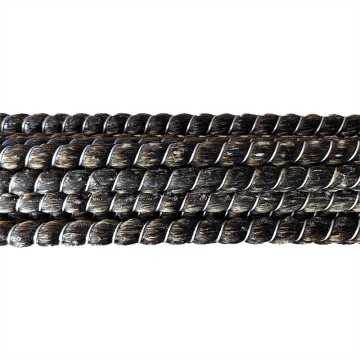
Unlike conventional steel rebar, basalt fiber rebar is derived from natural volcanic basalt rock, melted at temperatures between 1,450°C and 1,500°C and drawn into continuous filaments. The result is a reinforcement material that delivers tensile strength surpassing steel while weighing up to 75% less — a combination that is transforming how engineers design and build critical transport infrastructure.
◆ Basalt fiber is ideal for your engineering projects. Its high strength, corrosion resistance, and lightweight properties allow it to easily solve a variety of challenges. In buildings, bridges, roads, and other infrastructure projects, basalt fibers demonstrate outstanding performance, extending structural life and reducing maintenance costs. Choose basalt fiber — choose reliability and durability.
The global basalt fiber rebar market is projected to grow at a CAGR exceeding 12% through 2030, driven by massive public infrastructure investment programs across North America, Europe, Southeast Asia, and the Middle East. Governments are increasingly mandating corrosion-resistant reinforcement in coastal and marine bridge projects, creating unprecedented demand for non-metallic rebar alternatives.
International standards bodies including ASTM, ISO, and GOST have progressively updated their specifications to formally include basalt fiber reinforced polymer (BFRP) rebar. This regulatory recognition has accelerated adoption in public procurement, enabling basalt rebar to compete directly with steel and GFRP in government-funded road and bridge contracts globally.
With the construction industry under pressure to reduce its carbon footprint, basalt rebar presents a compelling green alternative. Manufactured from naturally occurring volcanic rock without chemical additives, it generates significantly lower CO₂ emissions compared to steel production. This positions basalt rebar as a key material in green-certified infrastructure projects and ESG-driven procurement frameworks.
Bridge decks are among the most corrosion-prone elements in civil infrastructure, constantly exposed to deicing salts, moisture, and freeze-thaw cycles. Basalt fiber rebar's inherent immunity to chloride-induced corrosion eliminates the risk of concrete spalling and structural degradation, extending deck service life by decades while dramatically reducing lifecycle maintenance costs.
In highway and expressway construction, basalt rebar is increasingly used to reinforce concrete pavement slabs, particularly in regions with aggressive soil chemistry or high traffic loading. Its non-conductive and non-magnetic properties also make it ideal for reinforcing road surfaces near rail lines, airports, and electromagnetic-sensitive zones.
Basalt's high strength, durability, and protective properties make it ideal for reinforcing and protecting bridge abutment structures from vehicle collisions, fire, corrosion, and the natural environment. Basalt fiber wraps and rebar are used in both new construction and the seismic retrofitting of existing bridge piers in earthquake-prone regions.
Underground road infrastructure — including urban tunnels, cut-and-cover highways, and underpasses — demands reinforcement materials that can withstand groundwater infiltration, chemical attack from soil contaminants, and high humidity. Basalt rebar's outstanding alkali resistance and zero corrosion potential make it the material of choice for tunnel lining and underground slab applications.
Bridges over seawater, river deltas, and tidal zones face extreme corrosion from salt spray and marine organisms. Traditional steel rebar typically requires replacement within 25–40 years in marine environments. Basalt fiber rebar, by contrast, demonstrates zero chloride ion permeability and has been validated in marine exposure tests exceeding 50 years of equivalent service life without structural compromise.
The rise of intelligent transportation systems (ITS) and smart city infrastructure demands non-conductive, non-magnetic reinforcement materials that do not interfere with embedded sensors, wireless communication systems, and inductive charging lanes for electric vehicles. Basalt rebar's electrical non-conductivity makes it uniquely compatible with next-generation smart road technology.
Engineers are increasingly combining basalt fiber rebar with traditional steel or GFRP in hybrid reinforcement configurations, optimizing structural performance and cost efficiency. This approach is gaining traction in long-span bridge girders and prestressed concrete road elements where both ductility and corrosion resistance are critical.
The integration of basalt fiber rebar with 3D-printed concrete and prefabricated modular bridge systems is accelerating construction timelines and reducing on-site labor. Basalt rebar's flexibility and ability to be cut and shaped without specialist equipment make it highly compatible with off-site manufacturing and modular construction workflows.
Leading infrastructure firms are now incorporating basalt rebar specifications directly into Building Information Modeling (BIM) platforms and digital twin simulations. This enables lifecycle cost modeling, structural health monitoring, and predictive maintenance planning — further validating the long-term economic advantage of basalt rebar over conventional steel reinforcement.
Advanced manufacturing processes are enabling the production of high-temperature resistant basalt fiber rebar grades capable of maintaining structural integrity at temperatures exceeding 700°C. These grades are opening new application opportunities in tunnel fire protection systems, industrial road surfaces, and bridge structures in wildfire-prone regions.
As the construction industry embraces circular economy principles, basalt fiber rebar's natural volcanic origin and absence of synthetic chemical binders position it favorably in end-of-life recyclability assessments. Research into basalt fiber reclamation and reuse in secondary construction applications is actively advancing in Europe and China.
Rapidly urbanizing markets in Africa, South Asia, and Latin America represent the next frontier for basalt rebar adoption. Massive road network expansion programs in these regions, combined with limited local steel manufacturing capacity and high corrosion risk from tropical climates, create ideal conditions for large-scale basalt rebar deployment.
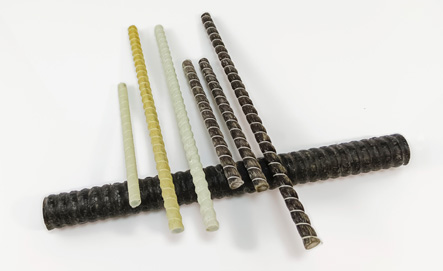
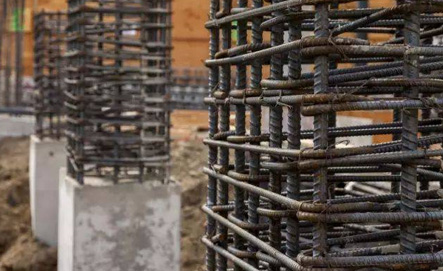
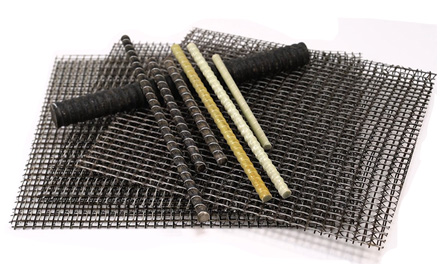
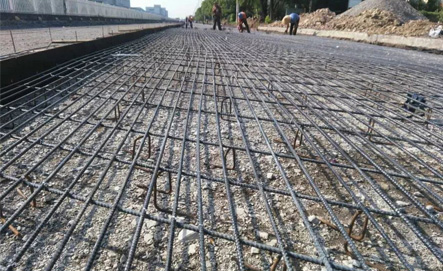
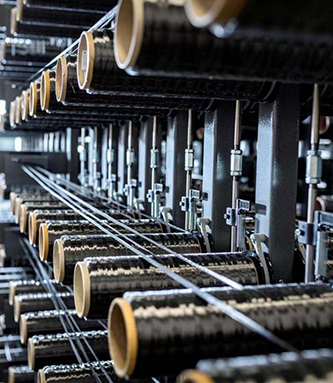
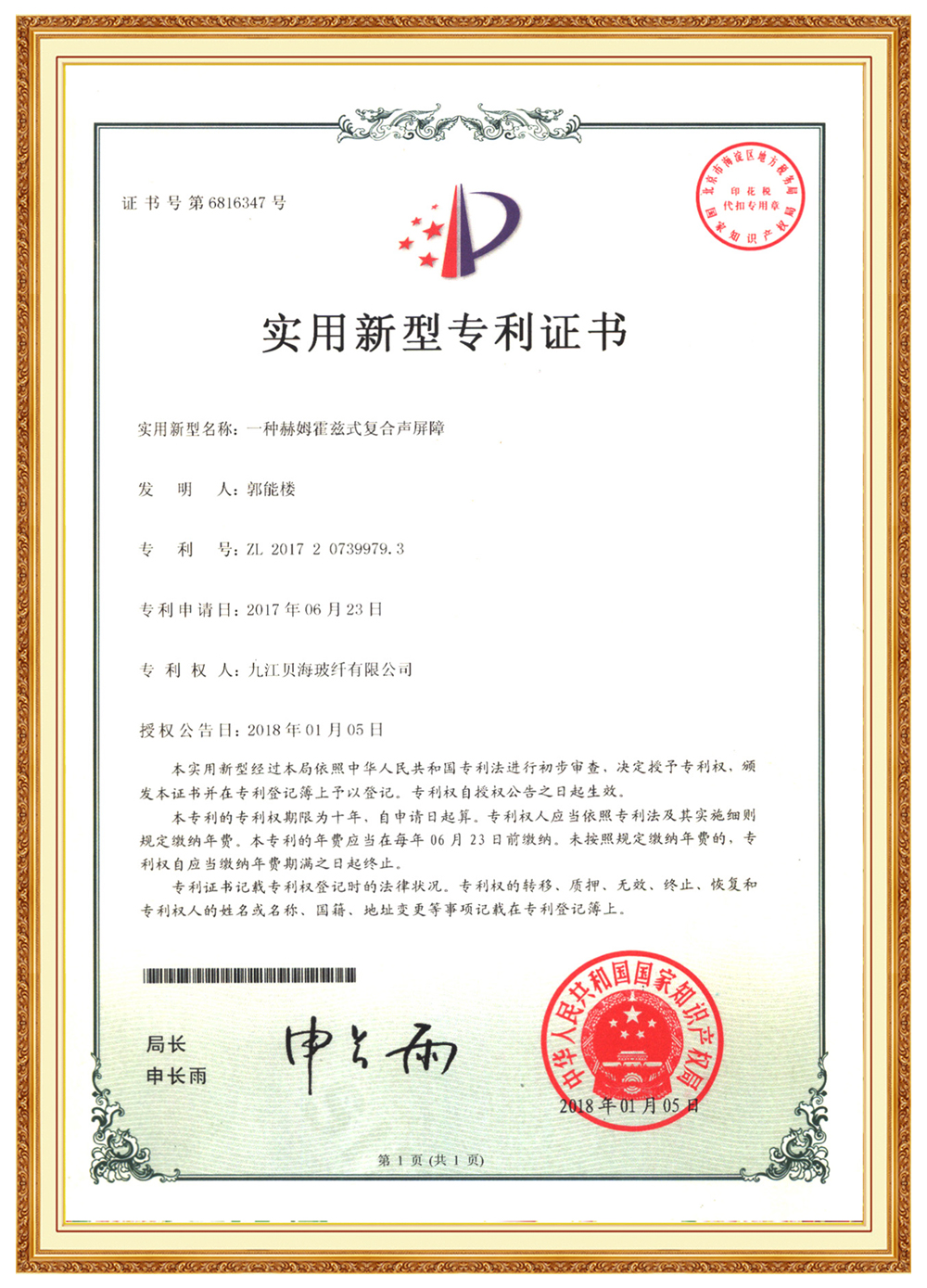
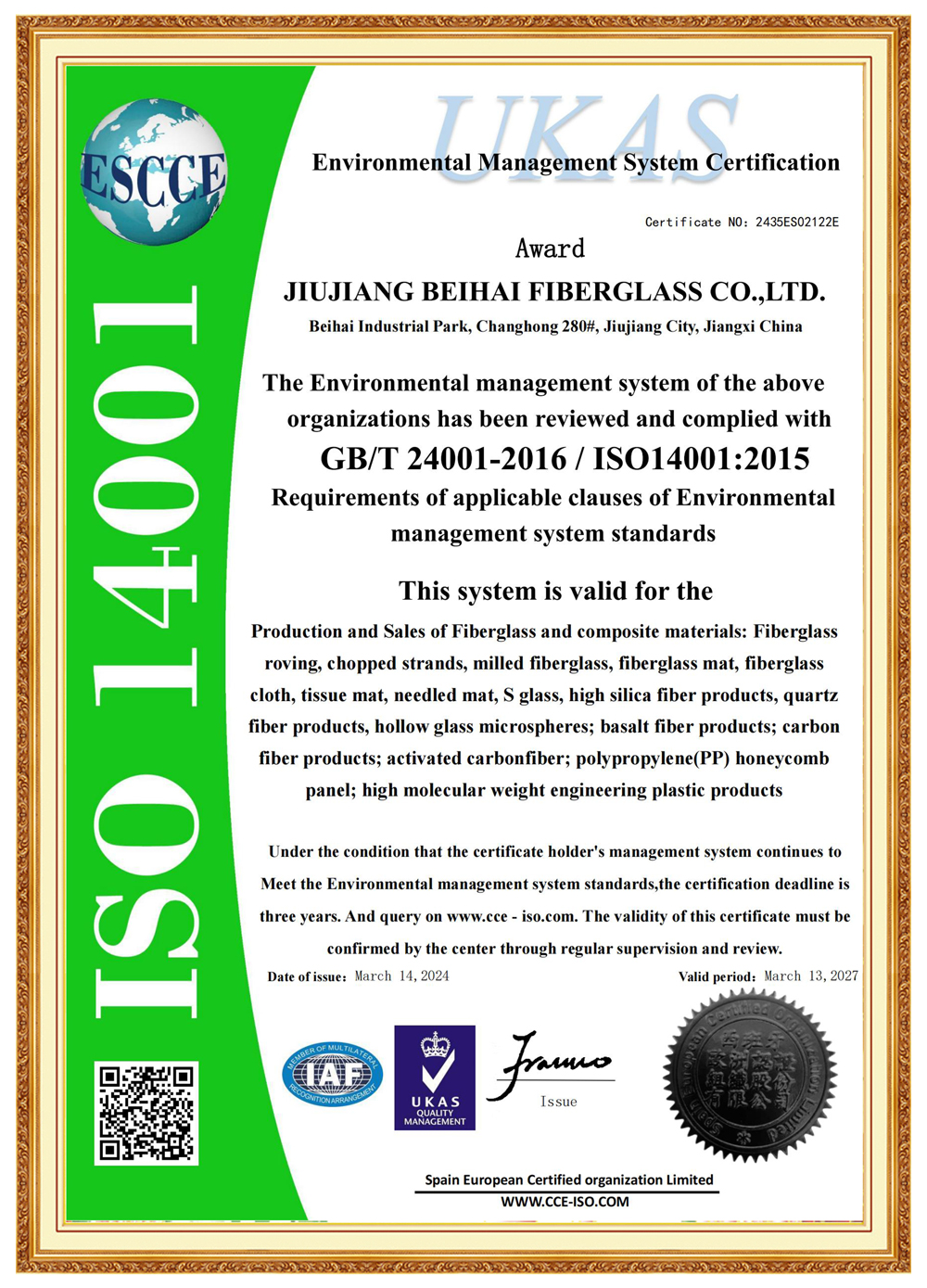
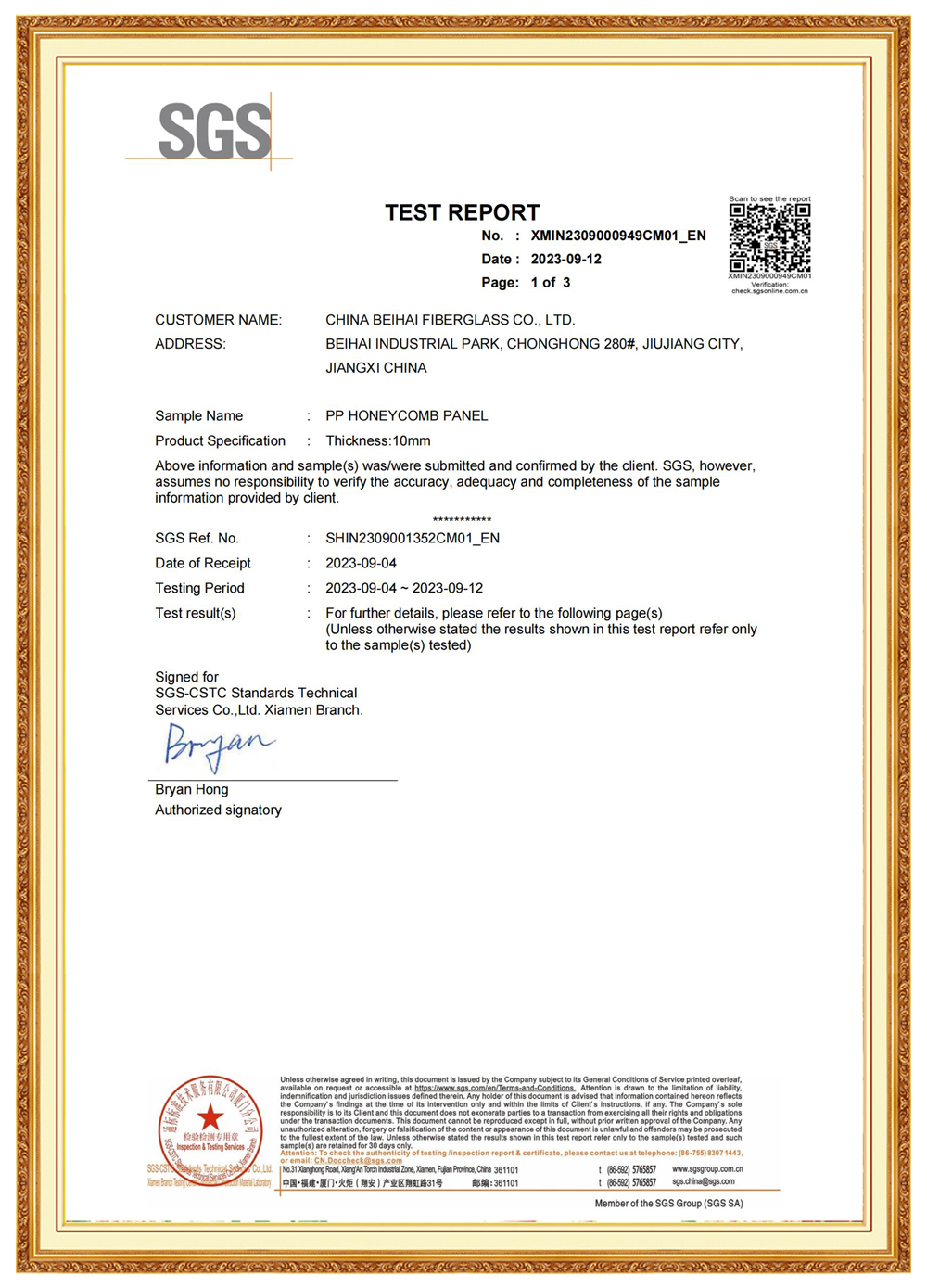
China Beihai is founded in 2015 and located in Jiujiang, Jiangxi Province. China Beihai is a high-tech enterprise focusing on the research, development, production and sales of high-performance basalt continuous fiber and its production equipment manufacturing, as well as a leading enterprise in the domestic basalt fiber industry.
View More
At China Beihai group, we specialize in the production of a wide range of products including basalt fiber mat (Basalt fiber chopped strand mat, Basalt fiber cloth), basalt fiber roving, basalt fiber yarn, basalt fiber chopped strands, and basalt fiber products (Basalt Fiber rebar, basalt fiber sleeves and tape). Our products are designed to meet the diverse needs of various industries, providing high-quality solutions for our customers.

At China Beihai group, we are dedicated to the production of a wide array of basalt-based products, ranging from basalt fiber mat, fabric, and roving to chopped strand and specialized construction materials. Our focus is on delivering high-quality, sustainable solutions for industries such as construction, geotechnical engineering, and manufacturing.

Choosing to work with China Beihai means working with a leading manufacturer of basalt products. Our commitment to quality, innovation and sustainability sets us apart, ensuring our customers receive best-in-class solutions for their diverse needs. When you partner with China Beihai, you can trust that you are working with a reliable and forward-thinking partner for all your basalt product needs.

Our basalt products have diverse applications in the field of house construction, delivering high strength and long-lasting durability.

In the aerospace field, basalt fibers are ideal for manufacturing aircraft wings and engine components requiring lightweight high-performance materials.

Through fine process control and surface treatment technologies, basalt fibers are used in spacecraft shell materials, thermal protection systems, and high-temperature-resistant engine components.

Basalt-added concrete offers increased strength and durability, crack resistance, improved chemical resistance, and improved workability for engineering projects.

Facing the trend of lightweight automobile materials, basalt fiber composites have realized wide application in the automobile field through repeated R&D testing.

Basalt's high strength, durability and protective properties make it ideal for protecting bridge abutment structures from vehicle collisions, fire, corrosion and the natural environment.

The corrosion resistance of basalt fiber gives it a unique advantage in the petrochemical field, withstanding aggressive chemical environments with ease.

Basalt fiber as a high-performance composite material with lightweight, high strength, corrosion resistance, and acid and alkali resistance is ideal for marine applications.
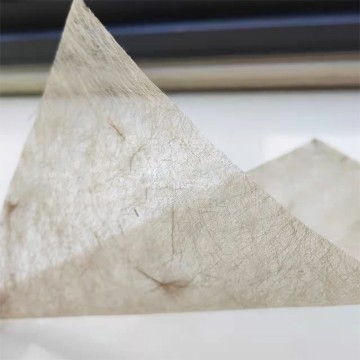
Basalt Fiber Surfacing Tissue Mat is a non-woven thin sheet engineered to provide a smooth resin-rich surface layer for fiber reinforced plastic applications.
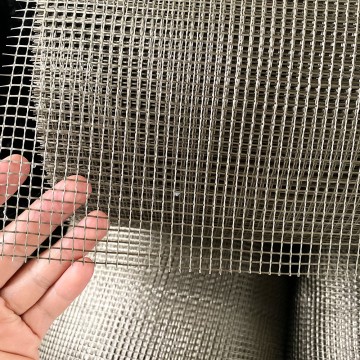
Our high-performance Basalt Fiber Mesh provides a superior reinforcement solution for concrete and plaster applications where high alkali resistance is required.
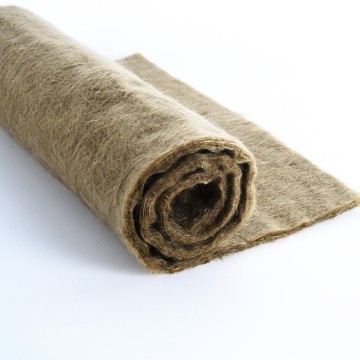
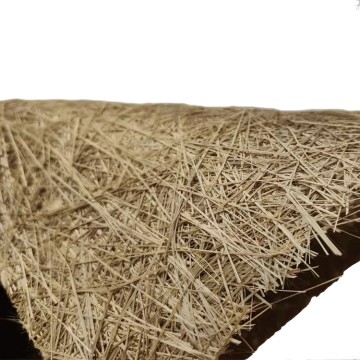
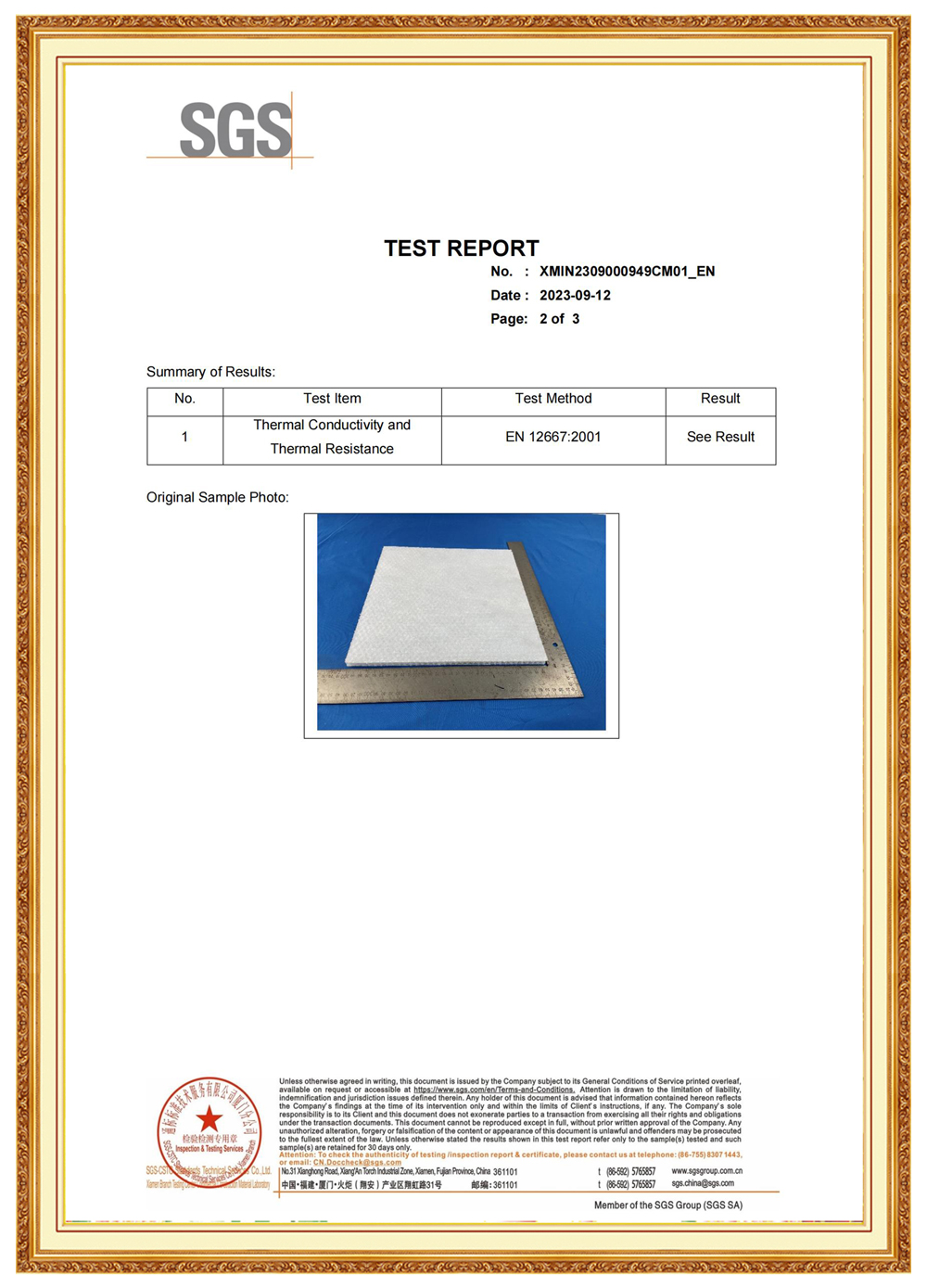
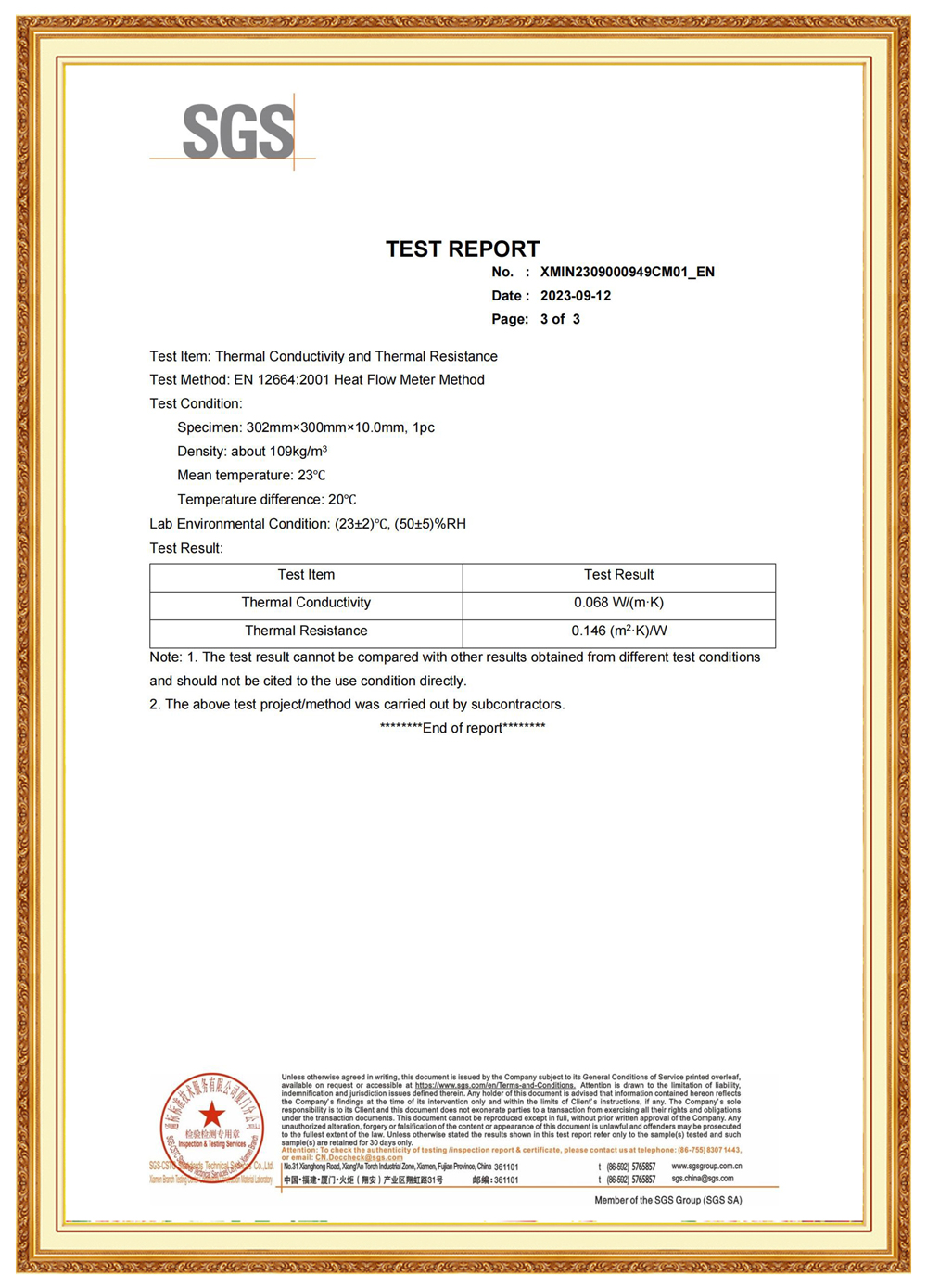
Our Basalt Fiber Needled Mat is a high-density insulation material manufactured by mechanically bonding continuous basalt fibers without any chemical binders.
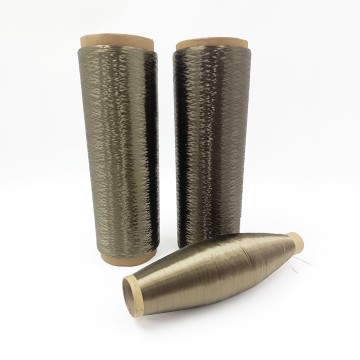
Our Basalt Fiber Twisted Yarn is engineered by twisting multiple continuous filaments to enhance mechanical strength and processing stability for industrial applications.

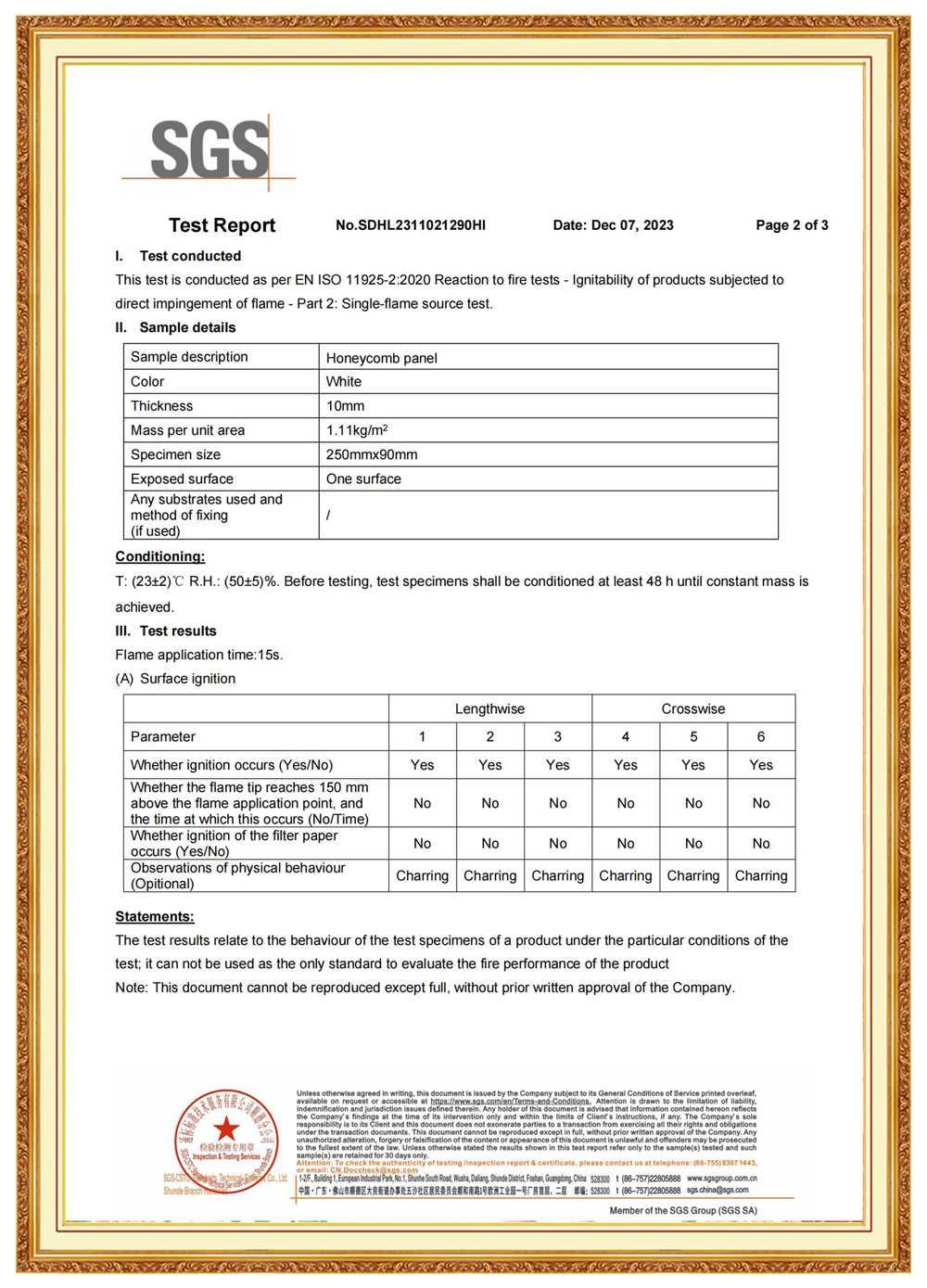
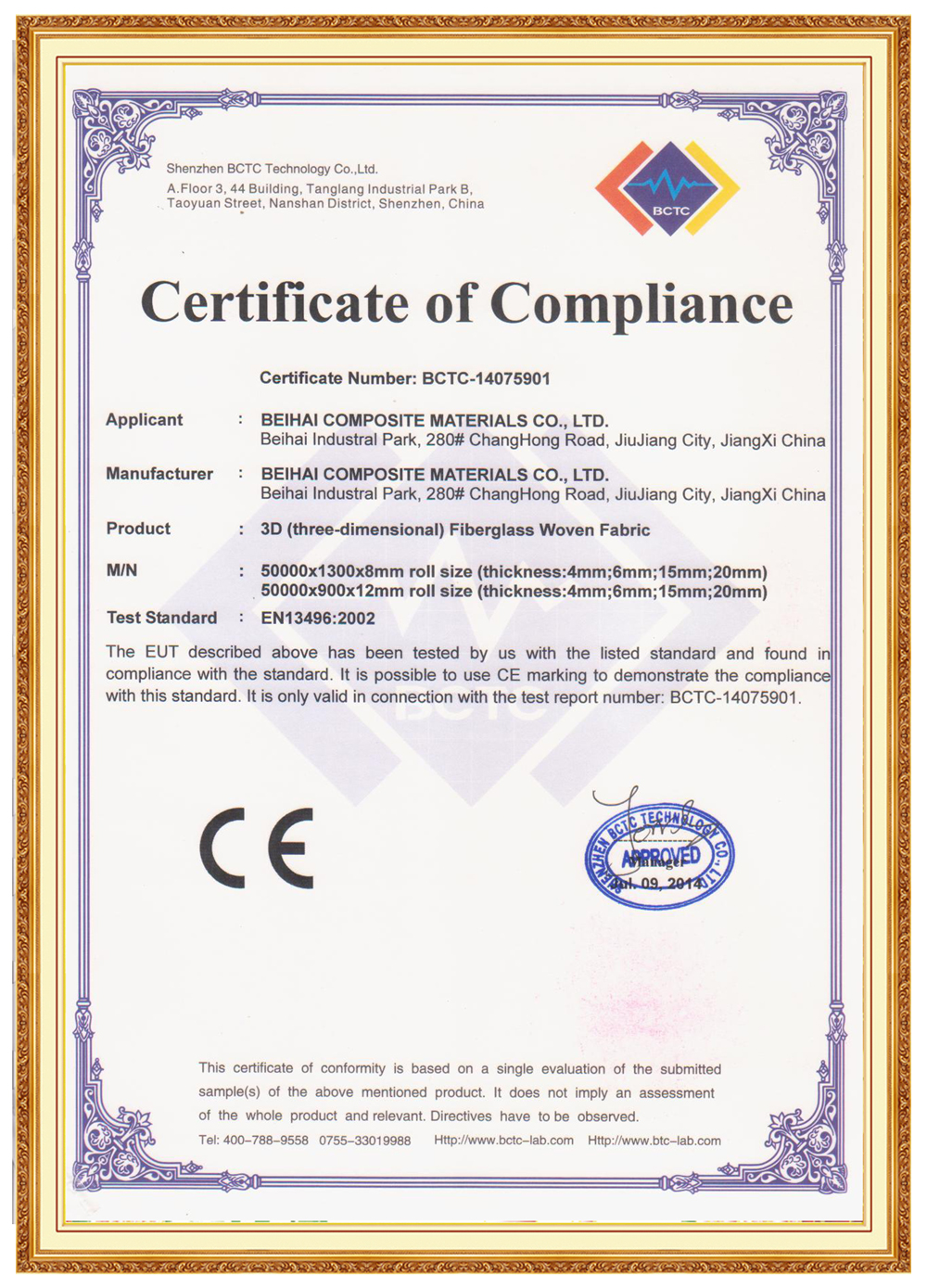
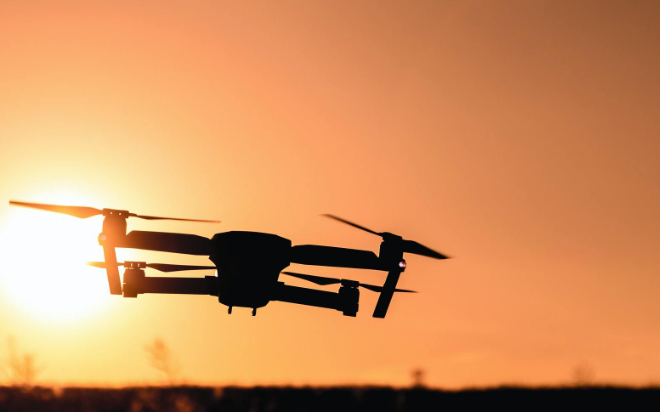
As drones slice through the sky to monitor wildfires, and intelligent robots execute repetitive tasks with precision on the factory floor, the efficient operation of this smart equipment is often underpinned by a "hardcore support" that is easily overlooked: a novel material derived from volcanic rock — basalt fiber. Though unassuming in appearance, its unique properties have made it the key to unlocking the performance limits of drones and robots, quietly driving a materials revolution within the realm of intelligent equipment.
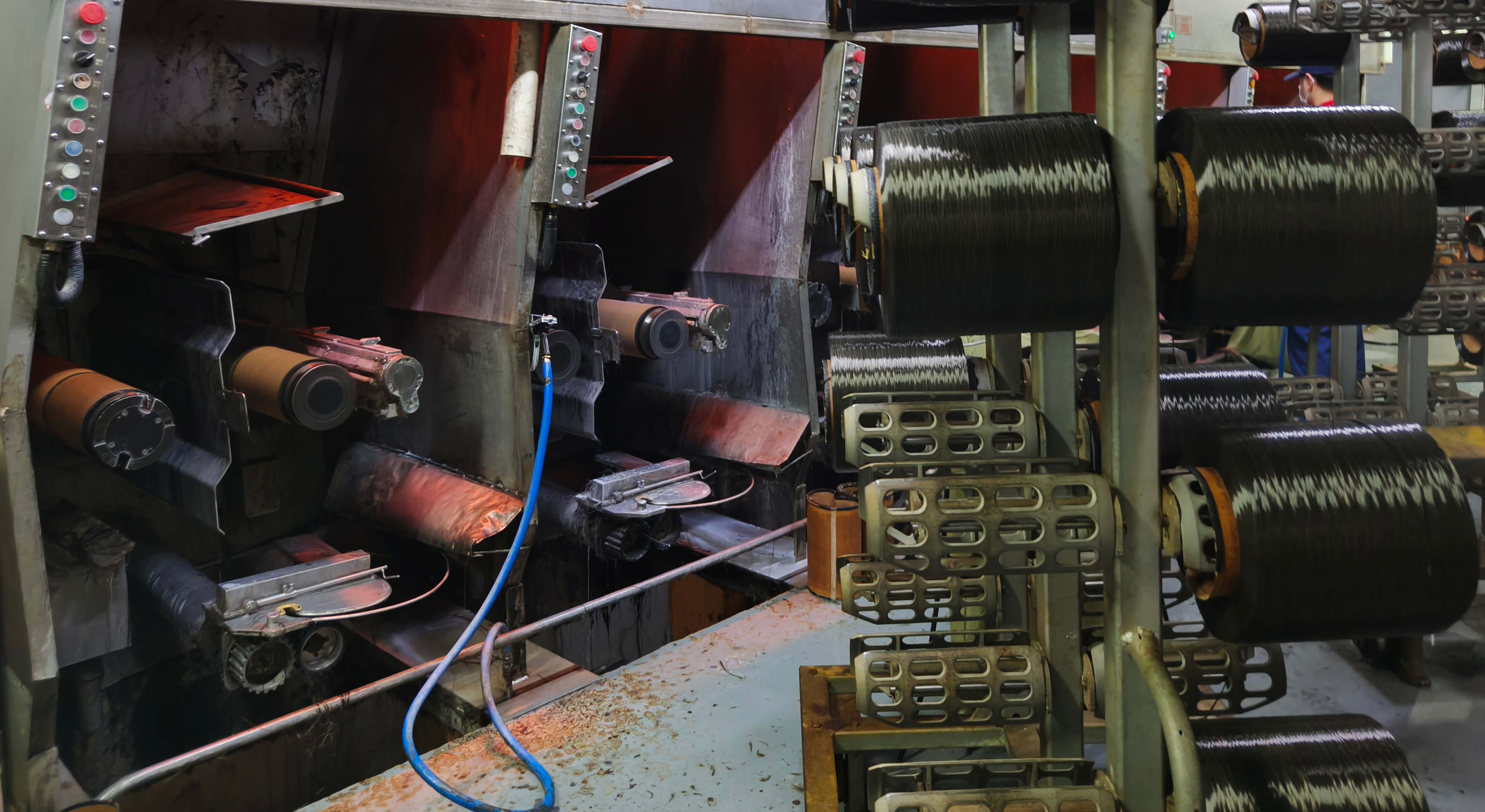
Basalt fiber is an inorganic fibrous material produced by drawing strands from natural basalt ore after it has been melted at high temperatures. It has garnered widespread attention for its exceptional physicochemical properties — particularly its performance in high-temperature environments.
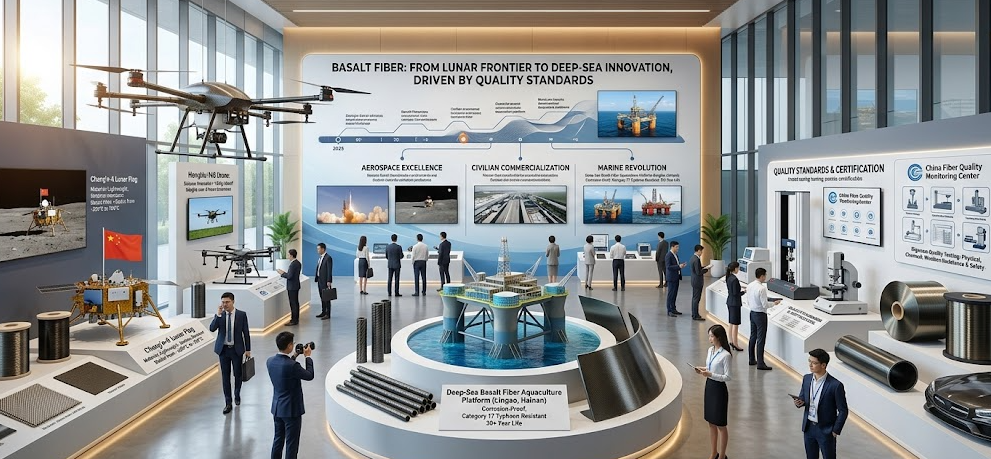
Recently, with the successful realization of major applications — such as the Chang'e-6 lunar exploration mission and the world's first deep-sea basalt fiber aquaculture platform — basalt fiber is rapidly accelerating its transformation from a laboratory research outcome into a strategic new material with tangible industrial productivity.