
Leave Your Message
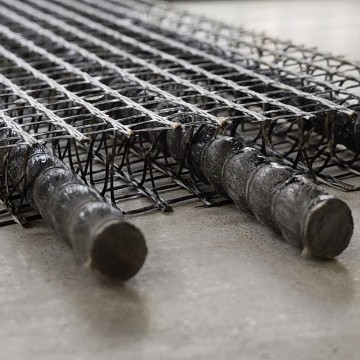
High-performance basalt fiber rebar and composite materials engineered for explosion-proof UAV fuselages, propeller blades, and structural components.
The global UAV (Unmanned Aerial Vehicle) and drone industry is undergoing a profound structural transformation. As commercial drones, military-grade UAVs, and industrial inspection platforms evolve in mission complexity and operational environment, the demand for explosion-proof, structurally resilient, and electromagnetically transparent fuselage materials has never been greater. Traditional metallic reinforcement materials — steel rebar, aluminum alloys — are increasingly inadequate for next-generation drone architectures that require low radar cross-section, minimal electromagnetic interference, and resistance to blast overpressure in hazardous operating zones.
Basalt fiber rebar reinforcement has emerged as a critical enabler for this new generation of explosion-proof UAV platforms. Derived from natural volcanic basalt rock melted at temperatures between 1,450°C and 1,500°C and drawn into continuous filaments, basalt fiber rebar combines the structural density of fiberglass with the thermal stability of carbon fiber — at a significantly lower cost and with superior environmental credentials.
Unlike steel reinforcement, basalt fiber rebar is non-conductive and electromagnetically transparent — a mission-critical property for drones operating near sensitive electronic payloads, GNSS navigation systems, and RF communication modules. This eliminates signal interference that would otherwise compromise flight control accuracy and data transmission integrity.
The global explosion-proof UAV market, valued at over USD 1.2 billion in 2023, is projected to exceed USD 4.5 billion by 2030, driven by accelerating deployment in oil & gas inspection, mining operations, chemical plant monitoring, and military reconnaissance. These environments impose extraordinary structural demands: fuselages must withstand blast overpressure events, resist ignition from electrostatic discharge, and maintain structural integrity across extreme temperature gradients from -60°C to +300°C.
Major drone OEMs and defense contractors — including those operating in ATEX Zone 1 and Zone 2 classified hazardous areas — are actively transitioning from carbon fiber/epoxy composite structures to hybrid basalt fiber rebar-reinforced composite fuselages. The rationale is compelling: basalt fiber rebar offers a tensile strength of 1,000–1,800 MPa, a density of just 2.63–2.65 g/cm³, and an operational temperature ceiling that exceeds standard carbon fiber composites by over 100°C.
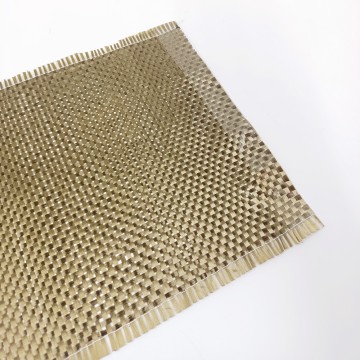
The integration of basalt fiber rebar into explosion-proof UAV fuselages follows a multi-layer composite architecture. The outer skin typically employs woven basalt fiber plain weave cloth (300–400 gsm) laminated with epoxy or phenolic resin systems, providing the primary blast containment layer. Beneath this, basalt fiber rebar elements — in diameters ranging from 4mm to 16mm — are embedded within a structural foam or honeycomb core to form a three-dimensional reinforcement skeleton that distributes impact energy across the fuselage without catastrophic delamination.
Propeller blade reinforcement presents a distinct engineering challenge: blades must simultaneously achieve aerodynamic precision, fatigue resistance under high-frequency cyclic loading, and resistance to foreign object damage (FOD) in debris-laden environments such as mining sites and industrial facilities. Basalt fiber rebar-reinforced blade spars — the central load-bearing element of each blade — have demonstrated 35–50% superior fatigue life compared to standard glass fiber alternatives in controlled laboratory testing, while maintaining the electromagnetic neutrality essential for drone-mounted sensor payloads.
In ATEX-certified explosion-proof UAV designs, basalt fiber rebar reinforcement contributes directly to anti-static performance. The inherently non-conductive nature of basalt fiber prevents electrostatic charge accumulation on fuselage surfaces — a primary ignition risk in methane-rich or hydrogen-rich atmospheres. Combined with conductive mesh grounding pathways integrated into the composite layup, basalt rebar-reinforced fuselages achieve IEC 60079 compliance for Zone 1 hazardous area operation.
Several converging technology trends are accelerating the adoption of basalt fiber rebar reinforcement in next-generation explosion-proof UAV platforms:
The application landscape for basalt fiber rebar-reinforced explosion-proof UAVs spans multiple high-value industrial and defense sectors, each presenting unique structural and environmental requirements:
Explosion-proof UAVs equipped with basalt rebar-reinforced fuselages conduct routine inspection of offshore drilling platforms, subsea pipeline risers, and LNG storage facilities in ATEX Zone 1 environments. The non-sparking, non-conductive fuselage structure eliminates ignition risk in methane-saturated atmospheres while the basalt composite propeller blades maintain aerodynamic efficiency in salt-laden marine environments.
In coal mines and hard rock mining operations, basalt fiber rebar-reinforced drones navigate confined underground environments where methane and coal dust create persistent explosion hazards. The inherent anti-static properties of basalt fiber composites, combined with IECEx-certified electronic enclosures, enable safe autonomous inspection of mine galleries, ventilation shafts, and conveyor systems without human exposure to hazardous zones.
Petrochemical refineries and chemical processing plants deploy explosion-proof UAVs for continuous emissions monitoring, heat exchanger inspection, and flare stack assessment. Basalt fiber rebar-reinforced fuselages resist the corrosive chemical environments — including hydrogen sulfide, sulfuric acid vapor, and chlorine — that rapidly degrade conventional aluminum or carbon fiber structures.
Military explosive ordnance disposal (EOD) units deploy basalt rebar-reinforced UAVs for IED reconnaissance, post-blast area assessment, and forward area surveillance. The blast-resistant fuselage architecture — combining basalt rebar structural ribs with energy-absorbing foam cores — enables the UAV to survive proximity to secondary explosive events and continue transmitting critical intelligence data.
Aerial firefighting operations expose UAV platforms to extreme thermal environments, burning embers, and turbulent convective airflows. Basalt fiber rebar-reinforced fuselages — with operational temperature ratings exceeding 300°C — maintain structural integrity in wildfire proximity scenarios where carbon fiber composites would experience matrix degradation and delamination, ensuring continuous fire perimeter mapping and retardant drop coordination.
Nuclear power plants and research reactors require remote inspection platforms that are radiation-resistant, non-magnetic, and electromagnetically transparent. Basalt fiber rebar composites exhibit superior gamma radiation resistance compared to polymer matrix composites reinforced with organic fibers, maintaining mechanical properties after cumulative radiation doses that would embrittle conventional GFRP structures.
Our UAV-grade basalt fiber rebar is engineered specifically for integration into explosion-proof drone fuselage frames and propeller blade spar systems. Manufactured through a precision pultrusion process with vinyl ester or epoxy resin matrix systems, each rebar element delivers consistent mechanical properties with a coefficient of variation below 5% — essential for safety-critical airframe applications.
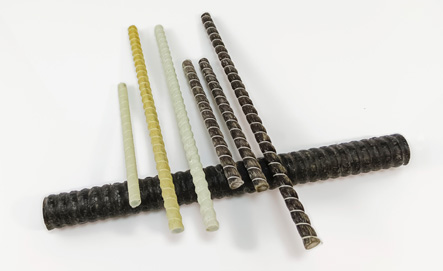
Available in diameters from 4mm to 16mm, our basalt rebar product line spans the full structural requirement spectrum — from lightweight frame ribs in compact inspection drones to heavy-duty load-bearing spars in large-format industrial UAV platforms.
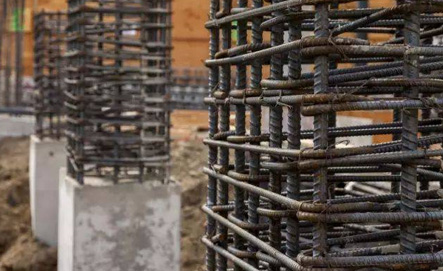
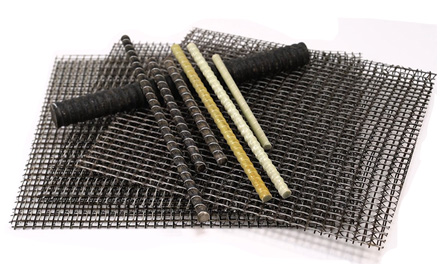
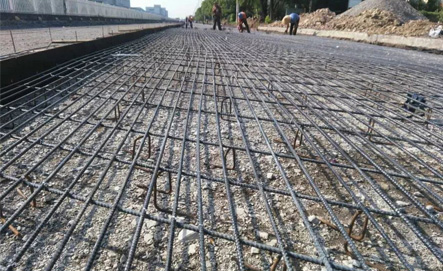
Basalt Fiber Rebar for Reinforcement in Concrete Construction — Basalt fiber rebar is a high-strength alternative to traditional steel bars and is used in a wide range of applications for reinforcing concrete structures in various fields, and its excellent performance makes it ideal for a variety of construction applications such as bridges, highways, buildings and other infrastructure projects.
The convergence of advanced composite manufacturing, AI-driven design, and expanding hazardous-area drone deployment is creating unprecedented growth opportunities for basalt fiber rebar reinforcement solutions.
Machine learning algorithms are being deployed to optimize basalt rebar placement within UAV fuselage structures, reducing structural weight by up to 18% while maintaining or exceeding blast resistance performance benchmarks. Generative design tools are producing fuselage geometries impossible to engineer through conventional methods.
Basalt fiber rebar composites with thermoplastic matrix systems are enabling end-of-life recyclability for UAV fuselage structures — a critical sustainability requirement for large-scale drone fleet operators. The natural volcanic origin of basalt fiber also delivers a significantly lower carbon footprint compared to carbon fiber alternatives.
Integration of fiber Bragg grating sensors within basalt rebar composite laminates enables real-time structural health monitoring during flight operations, providing early warning of blast damage accumulation, fatigue crack initiation, and delamination events before they progress to catastrophic structural failure.
Research programs are exploring basalt fiber rebar reinforcement in high-altitude pseudo-satellite (HAPS) platforms and hypersonic reconnaissance UAVs, where the combination of extreme temperature resistance, low density, and electromagnetic transparency positions basalt composites as a compelling alternative to exotic ceramic matrix composites.
Basalt fiber is ideal for your engineering projects. Its high strength, corrosion resistance and lightweight properties allow it to easily solve a variety of challenges. In buildings, bridges, roads and other infrastructure projects, basalt fibers demonstrate outstanding performance, extending structural life and reducing maintenance costs.
 Building Construction
Diverse applications in house construction and infrastructure.
 Aviation
Ideal for aircraft wings and engine components.
 Aerospace
Spacecraft shell materials and high-temperature engine components.
 Concrete Reinforcement
Increased strength, durability, and crack resistance in concrete.
 Automotive
Lightweight composite solutions for the automotive industry.
 Bridge Pier Protection
High strength and corrosion resistance for bridge abutments.
 Petrochemicals
Unique corrosion resistance advantages in petrochemical environments.
 Ship & Marine Engineering
Lightweight, high-strength composites for marine applications.
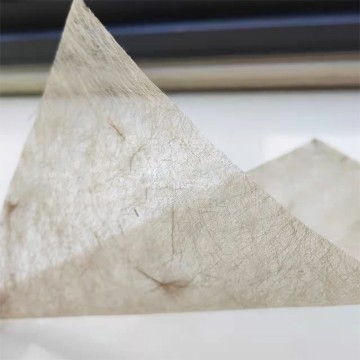
Basalt Fiber Surfacing Tissue Mat is a non-woven thin sheet engineered to provide a smooth resin-rich surface layer for fiber reinforced plastic composites used in drone fuselage outer skins...
read more ›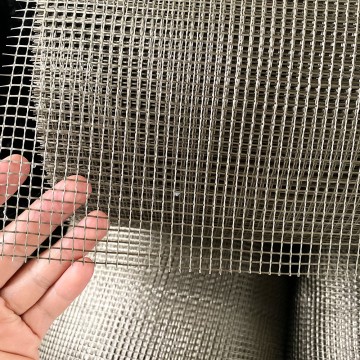
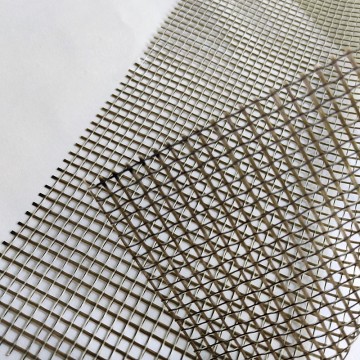
High-performance Basalt Fiber Mesh providing superior reinforcement for composite panels in explosion-proof drone fuselage construction where high alkali resistance is required...
read more ›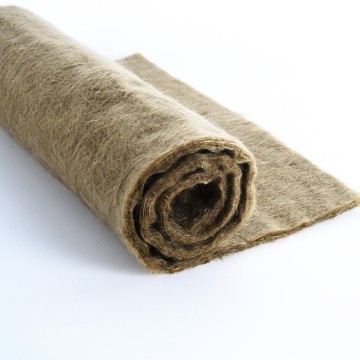
Basalt Fiber Needled Mat — a high-density insulation material for thermal protection systems in explosion-proof UAVs operating in extreme temperature environments...
read more ›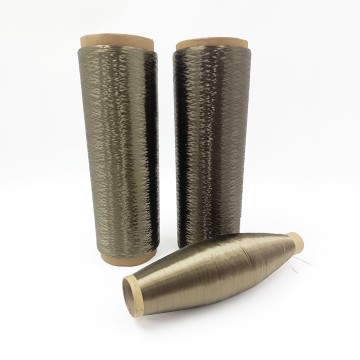
Basalt Fiber Twisted Yarn engineered by twisting multiple continuous filaments for enhanced mechanical strength in propeller blade composite layup and high-temperature sewing applications...
read more ›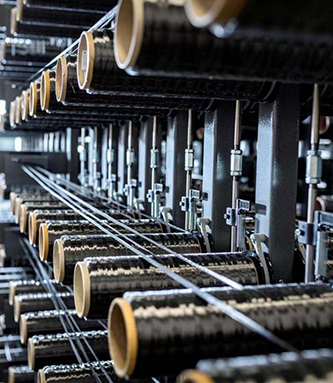
China Beihai is founded in 2015 and located in Jiujiang, Jiangxi Province. China Beihai is a high-tech enterprise focusing on the research, development, production and sales of high-performance basalt continuous fiber and its production equipment manufacturing, as well as a leading enterprise in the domestic basalt fiber industry.
View More
At China Beihai group, we specialize in the production of a wide range of products including basalt fiber mat, basalt fiber roving, basalt fiber yarn, basalt fiber chopped strands, basalt fiber rebar, basalt fiber sleeves and tape. Our products are designed to meet the diverse needs of various industries, providing high-quality solutions for our customers.

At China Beihai group, we are dedicated to the production of a wide array of basalt-based products, ranging from basalt fiber mat, fabric, and roving to chopped strand and specialized construction materials. Our focus is on delivering high-quality, sustainable solutions for industries such as construction, geotechnical engineering, and manufacturing.

Choosing to work with China Beihai means working with a leading manufacturer of basalt products. Our commitment to quality, innovation and sustainability sets us apart, ensuring our customers receive best-in-class solutions for their diverse needs. When you partner with China Beihai, you can trust that you are working with a reliable and forward-thinking partner for all your basalt product needs.
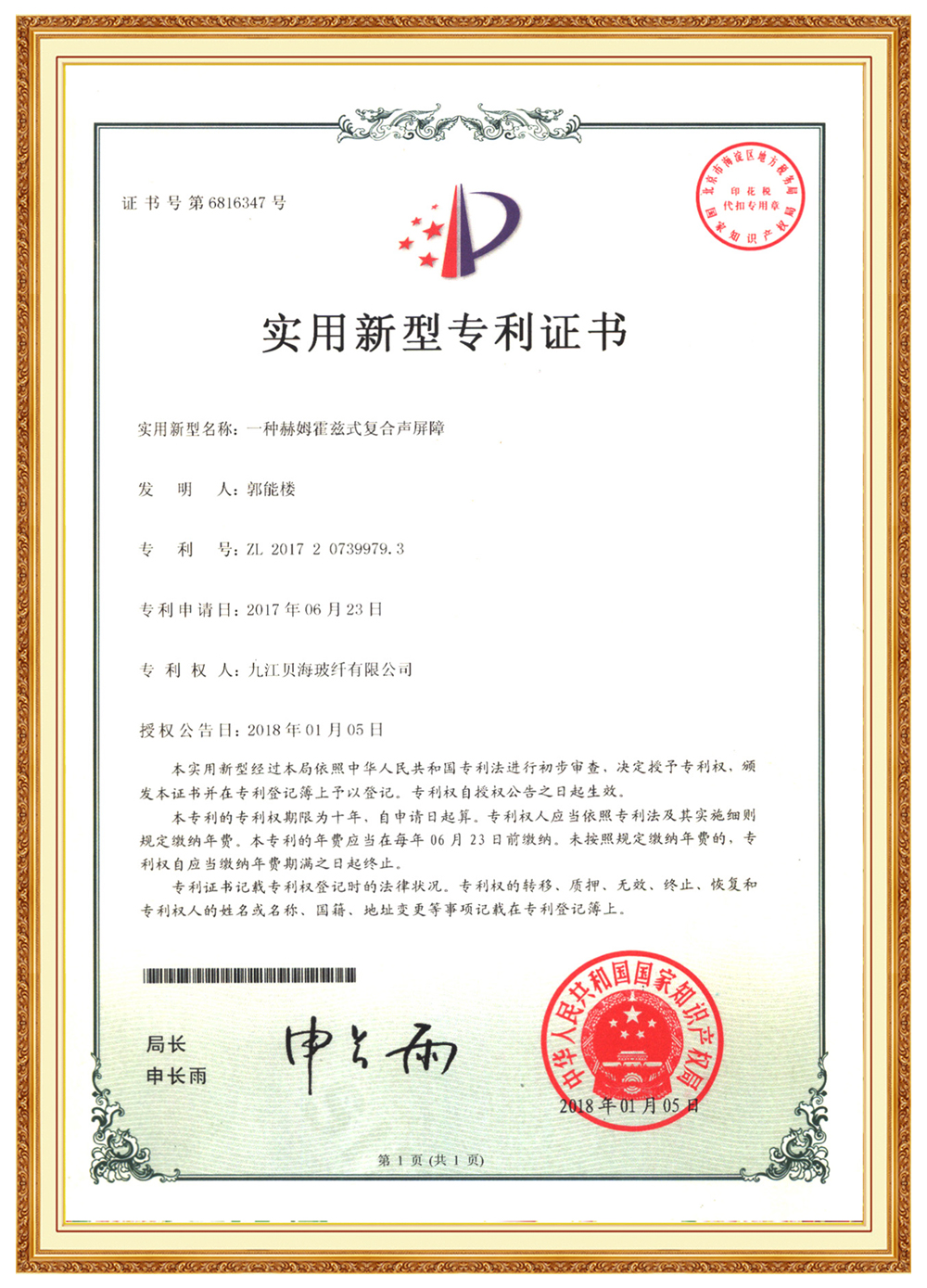
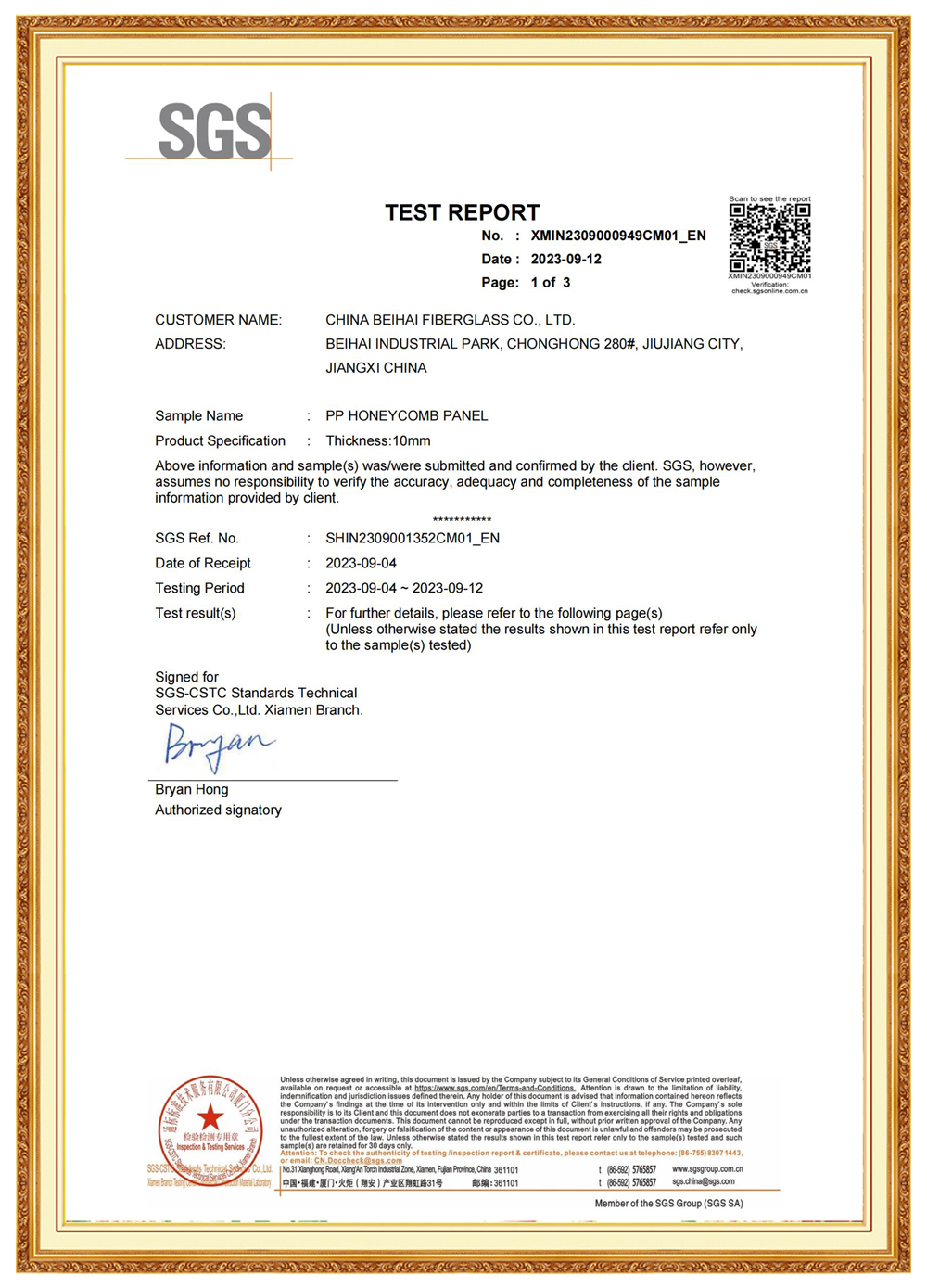
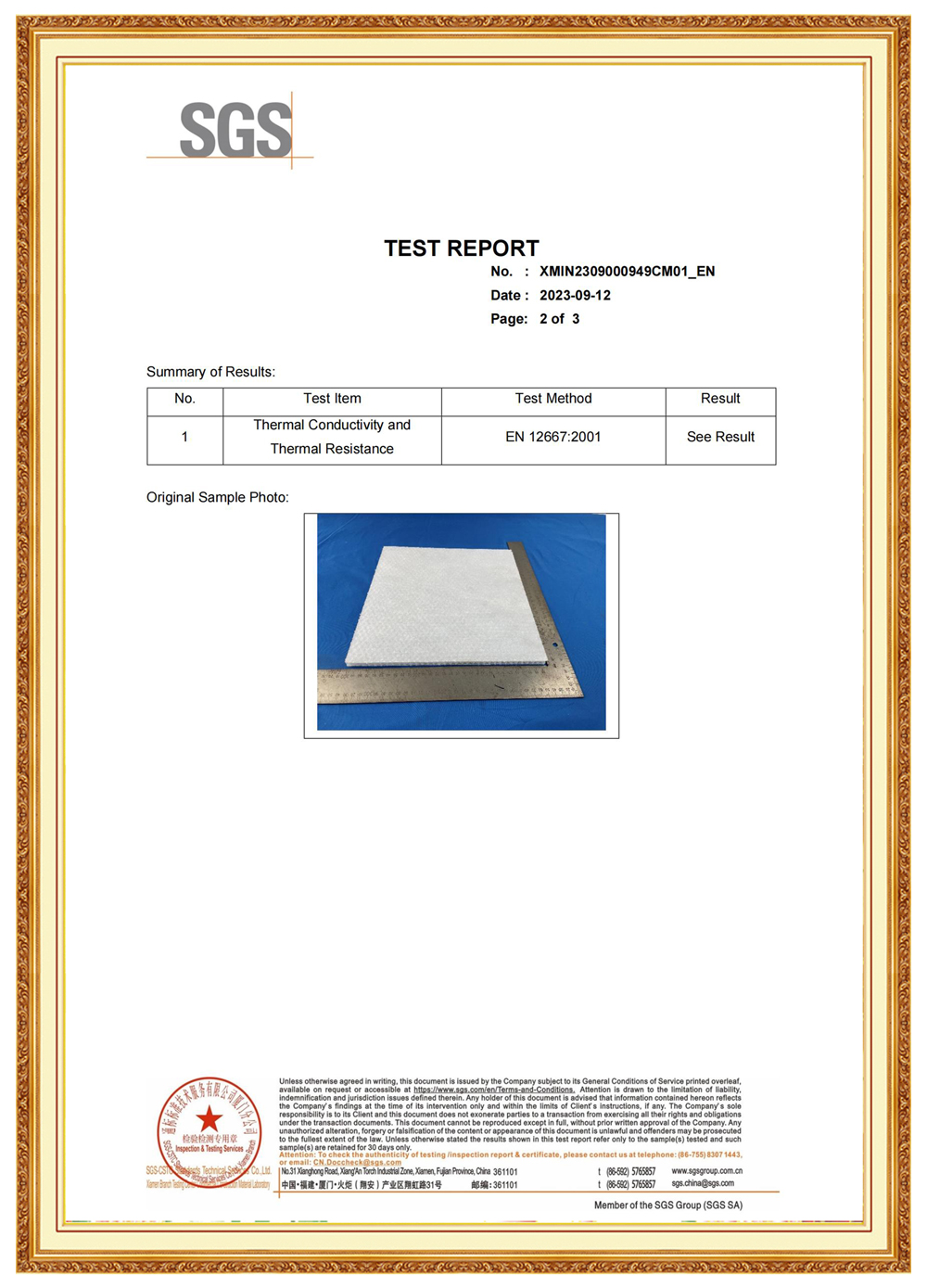
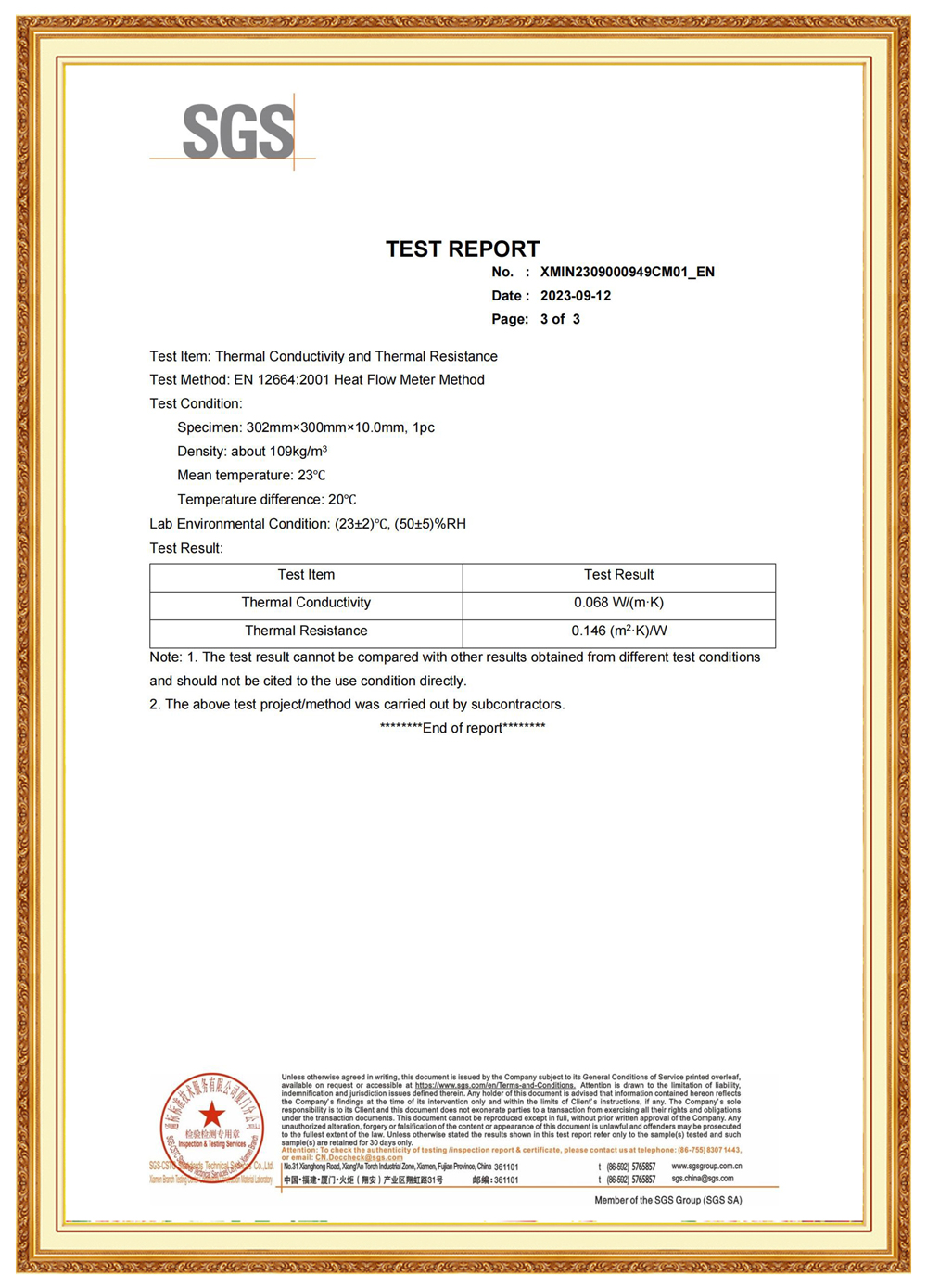
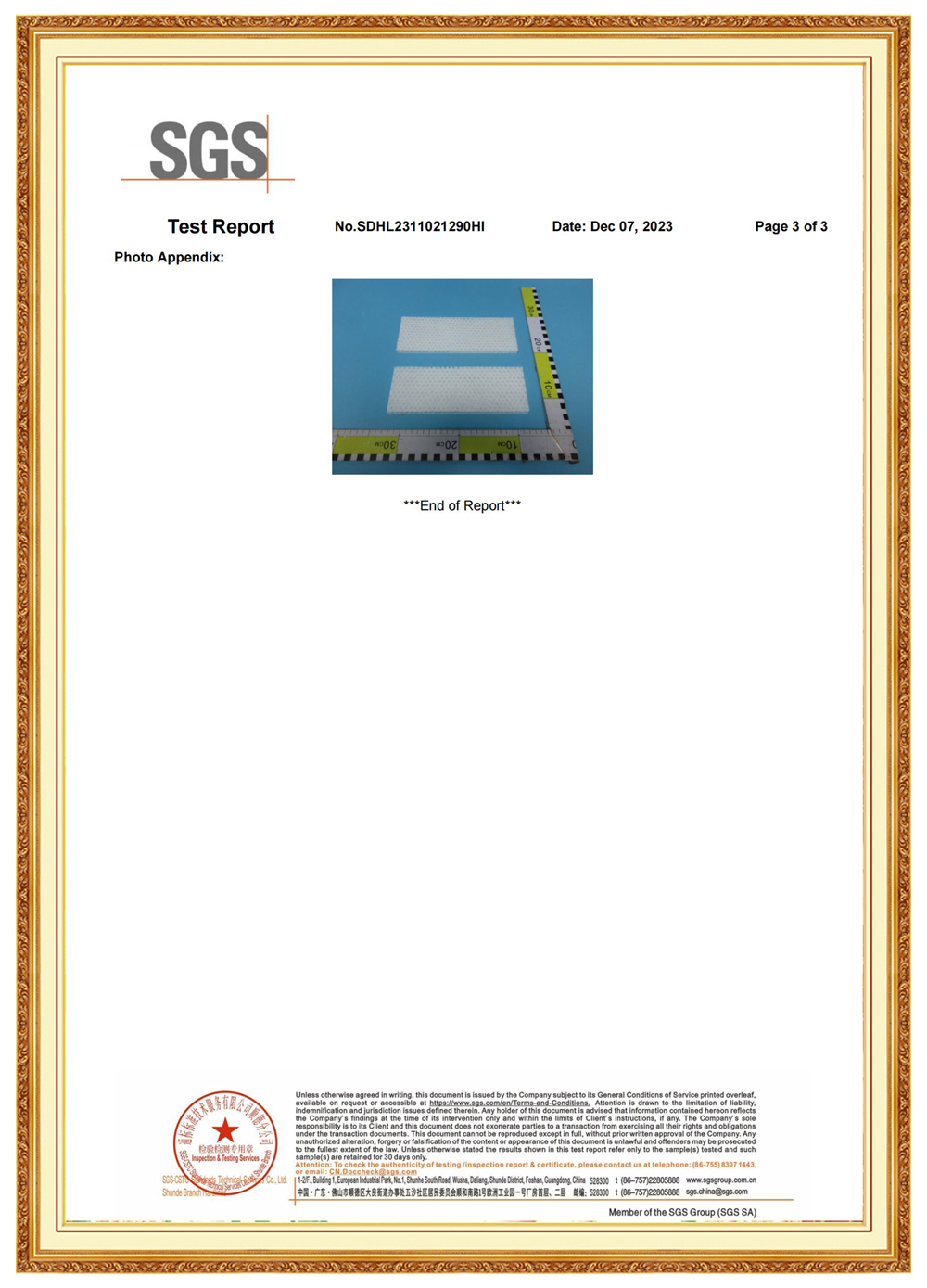
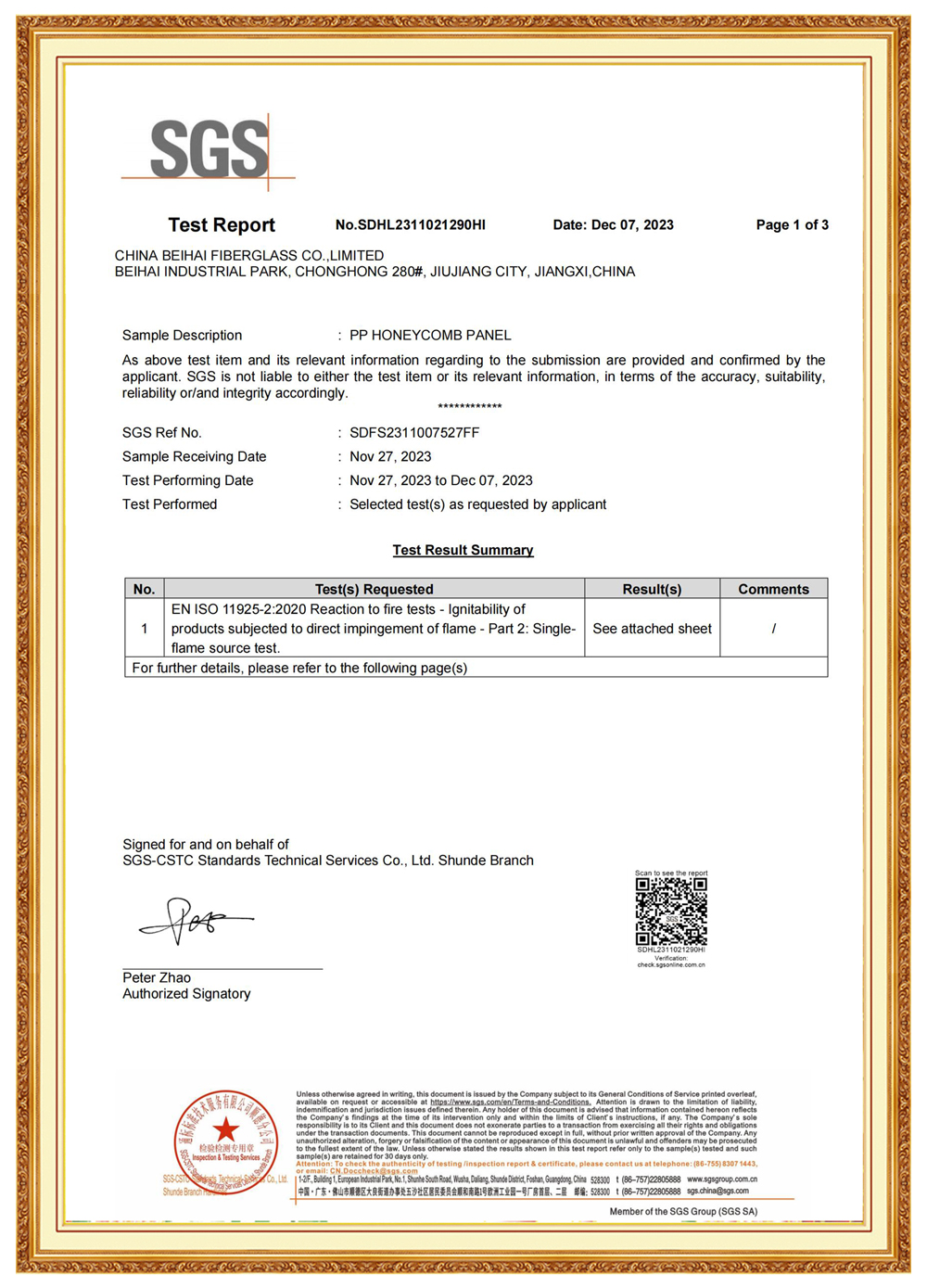
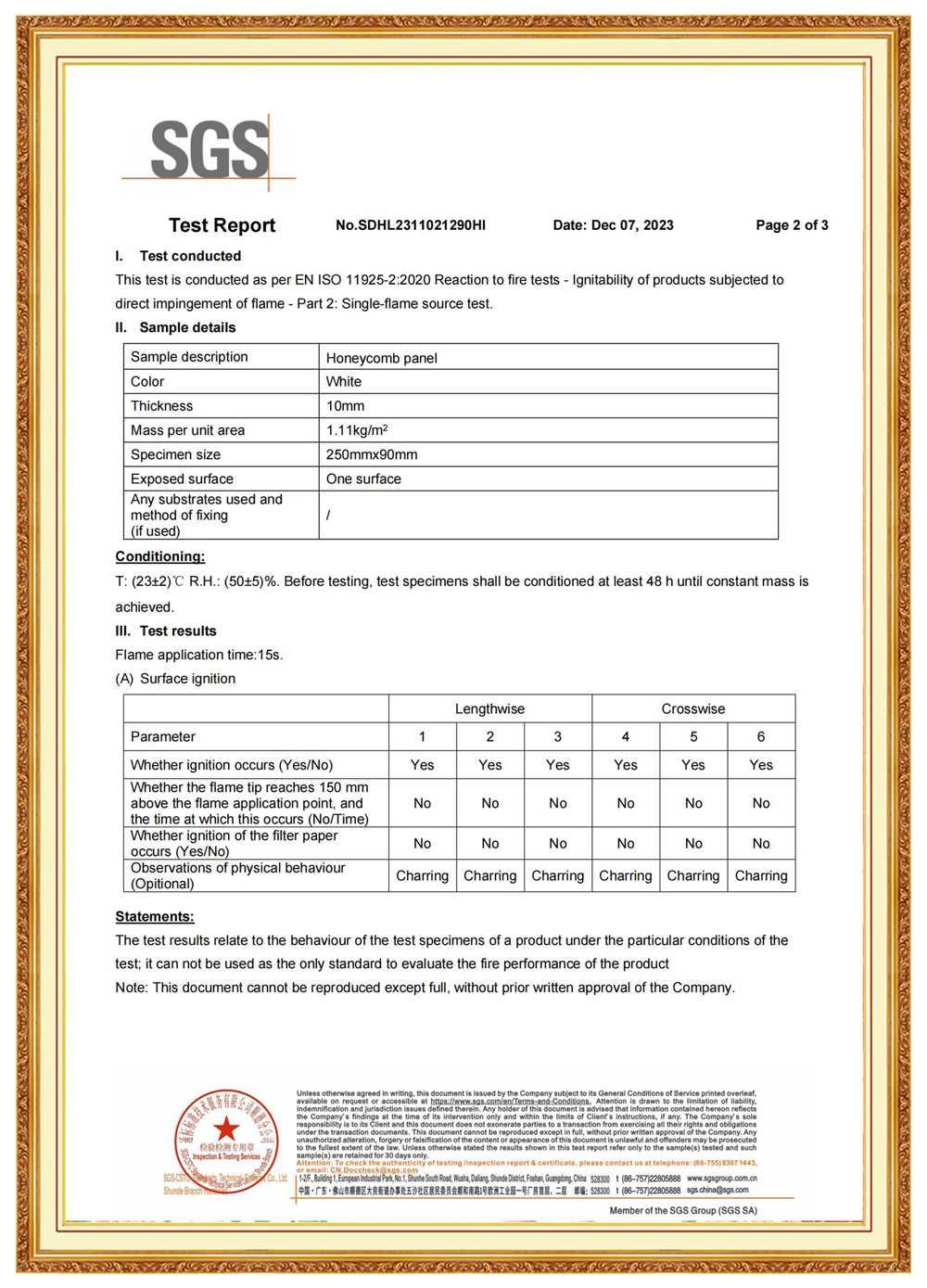
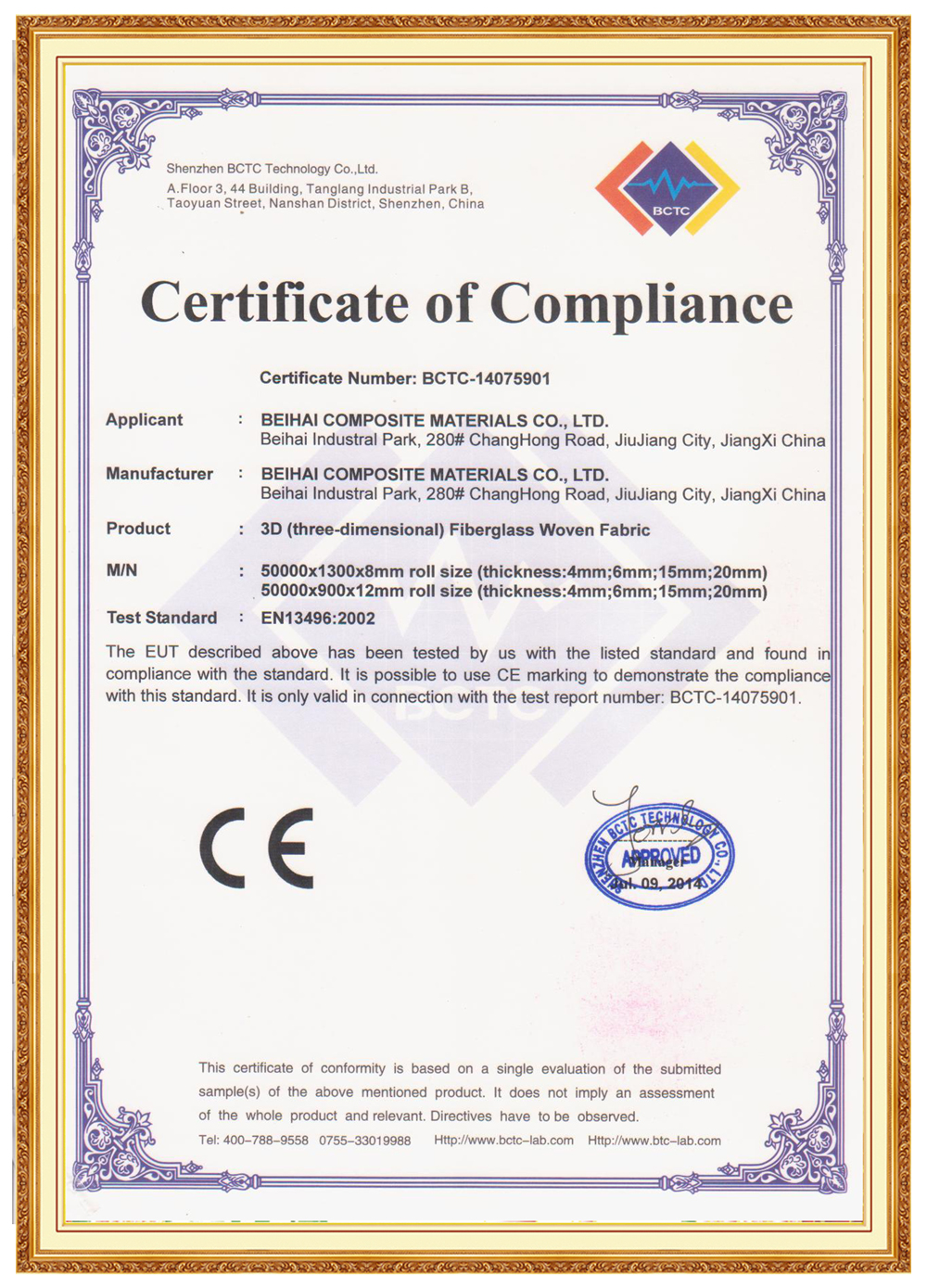
China Beihai's basalt fiber products are certified to international quality and safety standards, ensuring compliance for explosion-proof UAV and industrial applications worldwide.


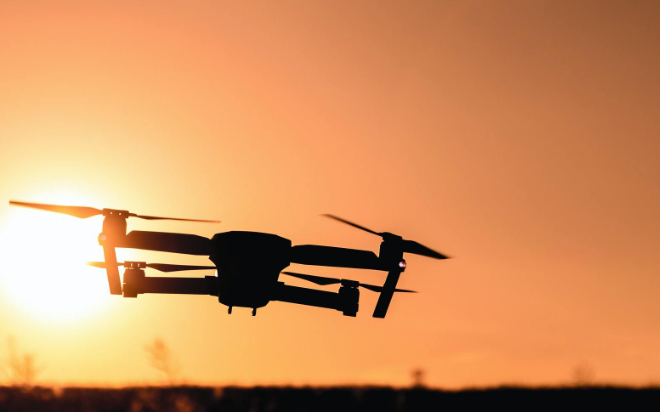
As drones slice through the sky to monitor wildfires, and intelligent robots execute repetitive tasks with precision on the factory floor, the efficient operation of this smart equipment is often underpinned by a "hardcore support" that is easily overlooked: a novel material derived from volcanic rock — basalt fiber. Produced by melting natural basalt rock at temperatures ranging from 1,450°C to 1,500°C and drawing it into fibers, this novel inorganic material boasts a multitude of advantages — including lightweight strength, weather resistance, corrosion resistance, and eco-friendliness — that are currently fueling a materials revolution in the drone and robotics industries.
View All News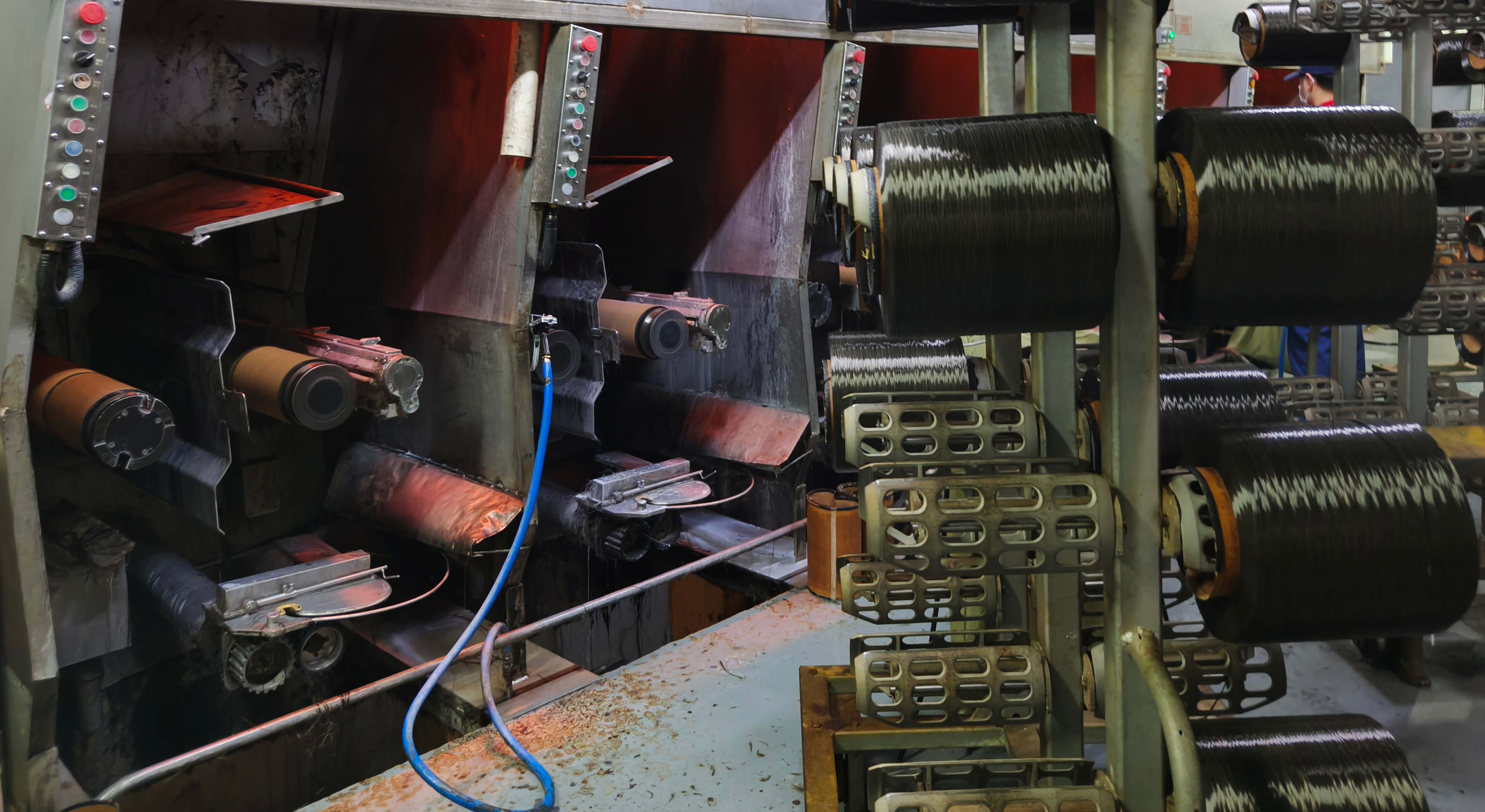
Basalt fiber is an inorganic fibrous material produced by drawing strands from natural basalt ore after it has been melted at high temperatures. It has garnered widespread attention for its exceptional physicochemical properties — particularly its performance in high-temperature environments.
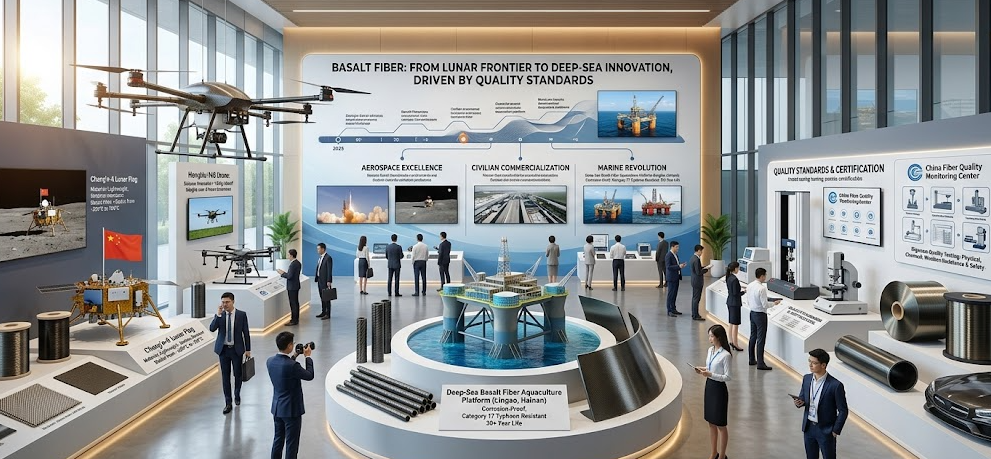
With the successful realization of major applications — such as the Chang'e-6 lunar exploration mission and the world's first deep-sea basalt fiber aquaculture platform — basalt fiber is rapidly accelerating its transformation from a laboratory research outcome into a strategic new material with tangible industrial productivity.
Explore our comprehensive range of basalt fiber composite products — engineered for explosion-proof UAV fuselages, propeller blades, and structural reinforcement across demanding industrial environments.