

Leave Your Message
Engineered for Brazil's demanding coastal, tropical and seismic environments — our basalt FRP rebar outperforms traditional steel in durability and corrosion resistance.
Brazil is one of Latin America's largest construction markets. With rapid urbanization, major infrastructure programs, and a coastal geography that accelerates steel corrosion, demand for advanced non-metallic rebar solutions is growing fast.
Brazil's construction industry accounts for over 6% of GDP, driven by housing programs like Minha Casa Minha Vida, major port expansions, and urban transit projects in São Paulo, Rio de Janeiro, and Fortaleza. Steel rebar demand exceeds 10 million tonnes annually, creating a significant opportunity for high-performance basalt FRP alternatives.
Brazil's 7,491 km coastline and tropical humidity create severe corrosion environments for traditional steel rebar. Structures in Salvador, Recife, Santos, and Manaus suffer accelerated degradation. Basalt FRP rebar offers complete immunity to chloride-induced corrosion, making it the ideal solution for Brazil's coastal and marine infrastructure.
Brazil's federal government has committed billions of reais to the PAC (Programa de Aceleração do Crescimento) infrastructure program, funding highways, bridges, rail, and port upgrades. These large-scale projects demand reinforcement materials with long service life and low maintenance costs — exactly where basalt rebar excels.
Brazil's hydroelectric dams, offshore oil platforms (pre-sal), and petrochemical facilities in the Polo Petroquímico de Camaçari require reinforcement materials resistant to chemical attack, high humidity, and seismic loads. Basalt FRP rebar meets all these requirements while reducing structural weight.
Brazil's LEED certification market is the second largest in the world. Architects and developers in Brasília, Curitiba, and São Paulo increasingly specify non-metallic reinforcement to meet green building standards, reduce lifecycle carbon footprint, and comply with ABNT NBR sustainability guidelines for construction materials.
China Beihai supplies basalt FRP rebar to Brazil through established freight routes via Santos and Paranaguá ports. Competitive FOB/CIF pricing, flexible MOQ, and full documentation support for Brazilian customs (SISCOMEX) ensure smooth procurement for distributors and contractors across all Brazilian states.
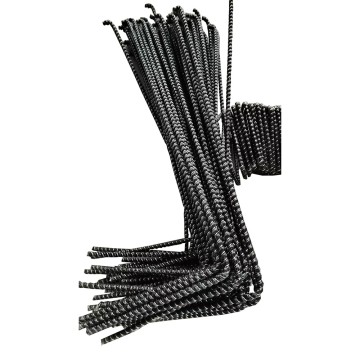
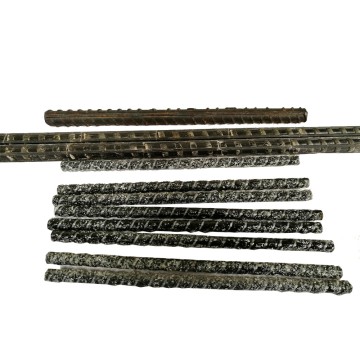
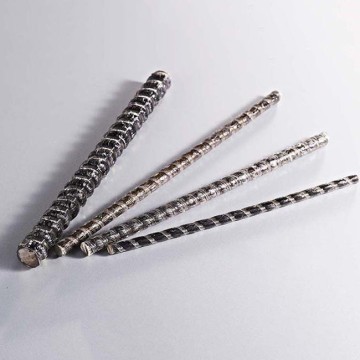
Basalt fiber rebar is a high-strength alternative to traditional steel bars and is used in a wide range of applications for reinforcing concrete structures in various fields. Its excellent performance makes it ideal for a variety of construction applications such as bridges, highways, buildings and other infrastructure projects across Brazil.
Manufactured from continuous basalt fiber filaments impregnated with epoxy or vinyl ester resin, BFRP rebar delivers tensile strength up to 1,200 MPa — more than 3× that of conventional steel — while weighing 75% less. For Brazilian engineers working on coastal bridges, metro tunnels, and pre-sal offshore platforms, this combination of strength and corrosion immunity is transformative.
FIND OUT MORE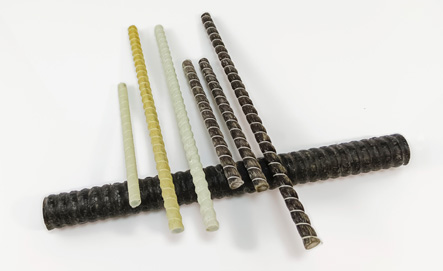
Reference pricing for Brazilian importers, distributors and contractors. All prices are indicative FOB Qingdao/Shanghai. Final pricing subject to order volume, specifications and current exchange rates.
| Product | Diameter | Tensile Strength | MOQ | Est. Price (USD/kg) |
|---|---|---|---|---|
| Standard BFRP Rebar | 6mm – 12mm | ≥1,000 MPa | 500 kg | 2.80 – 3.50 |
| High Tensile BFRP Rebar | 14mm – 20mm | ≥1,100 MPa | 500 kg | 3.20 – 4.00 |
| Non-Magnetic BFRP Rebar | 8mm – 25mm | ≥1,050 MPa | 300 kg | 3.50 – 4.50 |
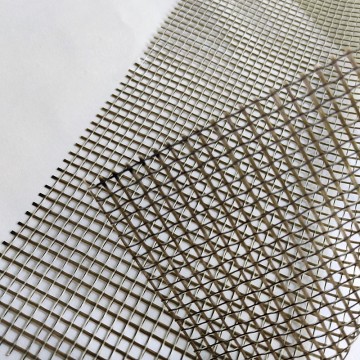
| Basalt Fiber Mesh (Tunnel) | — | ≥800 MPa | 200 m² | 4.00 – 6.00 |
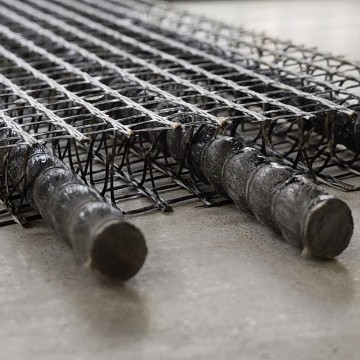
| 3D Basalt Fiber Mesh | — | ≥900 MPa | 200 m² | 5.00 – 7.50 |
| Underground BFRP Rebar | 10mm – 32mm | ≥1,200 MPa | 500 kg | 3.80 – 5.00 |
* Prices are indicative only. Contact us for a formal quotation tailored to your Brazilian project requirements. CIF Santos/Paranaguá pricing available on request.
The Brazilian construction and infrastructure sector is undergoing a technology-driven transformation, opening new frontiers for advanced composite reinforcement materials.
Brazilian engineers and specifiers are increasingly evaluating fiber-reinforced polymer (FRP) rebar as a replacement for steel in aggressive environments. The ABNT is actively developing standards for BFRP and GFRP rebar use in concrete structures, mirroring ASTM D7957 and ACI 440 guidelines. This regulatory momentum is accelerating adoption in coastal bridge decks, marine terminals, and wastewater treatment facilities.
Brazil's smart city initiatives in São Paulo, Curitiba, and Campinas are driving demand for non-metallic reinforcement compatible with embedded sensors and IoT monitoring systems. Basalt FRP rebar's electromagnetic transparency makes it uniquely suited for sensor-embedded smart concrete structures, enabling real-time structural health monitoring.
Petrobras and its contractors operating in the Santos Basin pre-sal fields require ultra-durable materials for offshore platform decks, jetties, and subsea structures. The combination of seawater immersion, high humidity, and mechanical loads makes basalt FRP rebar the preferred choice over epoxy-coated steel, which suffers from coating damage and holiday corrosion in Brazil's offshore conditions.
Brazil's updated environmental legislation and green procurement policies for federal infrastructure projects are creating compliance-driven demand for low-carbon materials. Basalt fiber production generates significantly lower CO₂ emissions than steel manufacturing, and basalt rebar's 50+ year service life reduces lifecycle replacement costs — a compelling value proposition for Brazilian public works agencies.
The prefabricated and modular construction sector in Brazil is growing at over 12% annually, particularly in São Paulo's industrial and logistics park developments. Basalt FRP rebar's light weight (75% lighter than steel) dramatically reduces handling costs and enables faster assembly in prefab concrete element production, making it highly competitive in this growing segment.
Brazil's agribusiness boom is driving construction of grain silos, fertilizer storage facilities, and irrigation infrastructure in Mato Grosso, Goiás, and Paraná. These environments involve chemical exposure from fertilizers and humid tropical conditions — ideal use cases for basalt FRP rebar's superior chemical resistance compared to conventional steel.
Unlike steel rebar that corrodes in Brazil's coastal chloride environments, basalt FRP rebar is completely immune to electrochemical corrosion. Eliminates concrete spalling, extends structure life to 50+ years with zero maintenance costs.
With tensile strength up to 1,200 MPa — over 3× that of Grade 60 steel — basalt FRP rebar enables leaner, lighter structural designs. Ideal for Brazil's high-rise residential towers and long-span bridge structures.
At just 2.1 g/cm³ density, basalt FRP rebar dramatically reduces dead load on structures and transportation costs within Brazil's vast territory. Reduces labor costs on large-scale infrastructure projects.
Maintains structural integrity from -60°C to +700°C. Critical for Brazil's industrial furnace linings, petrochemical plant structures, and fire-resistant building applications in São Paulo and Rio de Janeiro.
Non-conductive and non-magnetic properties make basalt FRP rebar essential for MRI facilities, telecommunications infrastructure, and smart sensor-embedded concrete structures in Brazil's growing digital economy.
Produced from natural volcanic basalt rock with no synthetic additives. Lower carbon footprint than steel production. Aligns with Brazil's commitment to the Paris Agreement and LEED/AQUA-HQE green building certifications.
From the Amazon basin to the Atlantic coast, our basalt reinforcement products are engineered for Brazil's diverse construction environments.
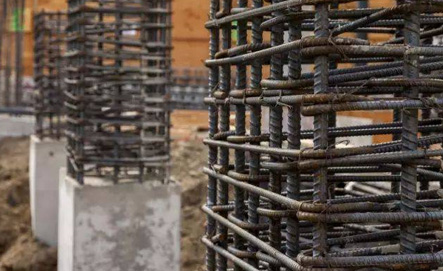
Our basalt products have diverse applications in the field of house construction across Brazil. From high-rise residential towers in São Paulo's Paulista corridor to affordable housing developments under the Minha Casa Minha Vida program, basalt FRP rebar provides superior structural reinforcement. Its lightweight nature reduces foundation loads, while its corrosion resistance eliminates the costly concrete cover requirements mandated for steel rebar in Brazil's humid tropical regions. Brazil's construction sector is one of the largest in Latin America, and the adoption of basalt fiber reinforcement is accelerating as engineers recognize its lifecycle cost advantages over conventional steel.
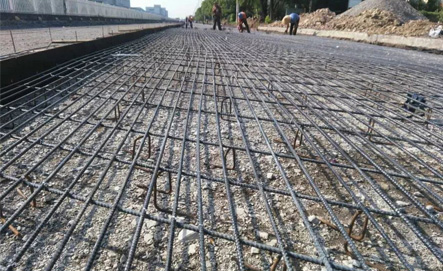
Brazil's federal highway network spans over 1.7 million km, with thousands of bridges requiring reinforcement in aggressive environments. Basalt FRP rebar is ideal for bridge decks, girders, and abutments in Brazil's coastal and riverine environments. Projects on the BR-101 coastal highway, Amazon river crossings, and the Rio-Niterói bridge expansion all benefit from basalt rebar's immunity to chloride and carbonation-induced corrosion. High tensile strength basalt fiber rebar for structural reinforcement is particularly suited for Brazil's long-span bridge designs where reducing dead load is a critical engineering priority.
Brazil's 7,491 km coastline hosts major port facilities in Santos, Paranaguá, Suape, and Itajaí. Marine structures including jetties, quay walls, and offshore platforms are subjected to constant chloride attack that destroys conventional steel reinforcement within 20–30 years. Basalt FRP rebar provides a 50+ year service life in marine environments with zero corrosion, making it the preferred choice for Brazil's port expansion projects and Petrobras offshore platform construction in the Santos and Campos basins.
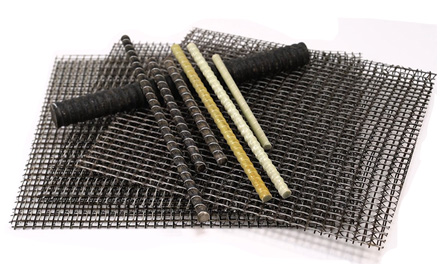
Basalt Fiber Mesh for Tunnel Reinforcement is extensively used in Brazil's expanding metro systems in São Paulo, Rio de Janeiro, Belo Horizonte, and Fortaleza. Tunnel linings reinforced with basalt fiber mesh exhibit superior crack resistance and durability in Brazil's challenging geological conditions. The non-magnetic properties of basalt FRP are essential for metro systems where electromagnetic interference with signaling equipment must be eliminated. Brazil's urban rail expansion programs represent a significant and growing market for basalt fiber tunnel reinforcement solutions.
The corrosion resistance of basalt fiber gives it a unique advantage in Brazil's petrochemical sector. The Polo Petroquímico de Camaçari in Bahia, Brazil's largest petrochemical complex, operates in a highly corrosive environment combining tropical humidity, chemical vapors, and mechanical loads. Basalt FRP rebar reinforced concrete structures in this environment significantly outlast steel-reinforced alternatives, reducing maintenance shutdowns and lifecycle costs. Offshore oil and gas facilities in the Santos Basin pre-sal fields represent another major application area for basalt fiber reinforcement products.
Brazil is the world's largest exporter of soybeans, sugar, and beef, driving massive investment in agribusiness infrastructure across the Cerrado and Pantanal regions. Grain silos, fertilizer warehouses, irrigation channel linings, and cold storage facilities in Mato Grosso, Goiás, and Minas Gerais all require reinforcement materials resistant to chemical fertilizers, high humidity, and temperature cycling. Basalt FRP rebar's excellent chemical resistance and thermal stability make it the optimal reinforcement solution for Brazil's booming agribusiness infrastructure sector.
Facing the trend of lightweight automobile materials, China Beihai has developed basalt fiber composite solutions for Brazil's automotive manufacturing sector. Brazil's major auto production hubs in São Paulo, Paraná, and Minas Gerais are home to Volkswagen, General Motors, Stellantis, and Toyota plants. Basalt fiber composites are used in body panels, underbody protection, and thermal insulation components, offering superior impact resistance and weight savings compared to glass fiber alternatives. The wide application of basalt fiber products in the automobile field supports Brazil's transition to more fuel-efficient and electric vehicles.
Through fine process control and surface treatment technologies, China Beihai's research team has made it possible to use basalt fibers in the manufacture of spacecraft shell materials, thermal protection systems, and high-temperature-resistant components of aircraft engines. Brazil's Embraer, headquartered in São José dos Campos, is one of the world's leading commercial aircraft manufacturers. As the aerospace industry increasingly demands lightweight, high-strength materials with superior thermal performance, basalt fiber composites represent a compelling alternative to carbon fiber in selected structural and thermal protection applications.
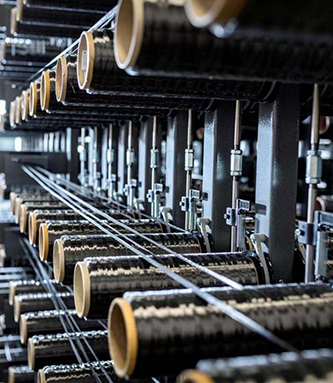
China Beihai is founded in 2015 and located in Jiujiang, Jiangxi Province. China Beihai is a high-tech enterprise focusing on the research, development, production and sales of high-performance basalt continuous fiber and its production equipment manufacturing, as well as a leading enterprise in the domestic basalt fiber industry.
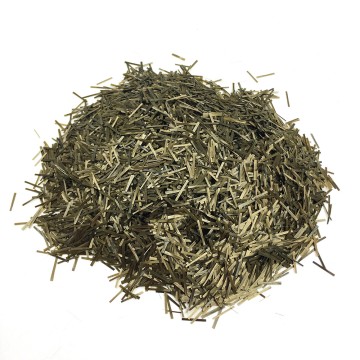
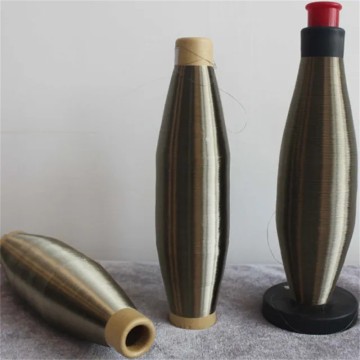
We specialize in the production of a wide range of products including basalt fiber mat, basalt fiber roving, basalt fiber yarn, basalt fiber chopped strands, and basalt fiber products (Basalt Fiber rebar, basalt fiber sleeves and tape). Our products are designed to meet the diverse needs of various industries, providing high-quality solutions for customers across Brazil and Latin America.
View More
At China Beihai group, we specialize in the production of a wide range of products including basalt fiber mat (Basalt fiber chopped strand mat, Basalt fiber cloth), basalt fiber roving, basalt fiber yarn, basalt fiber chopped strands, and basalt fiber products (Basalt Fiber rebar, basalt fiber sleeves and tape). Our products are designed to meet the diverse needs of various industries, providing high-quality solutions for our customers.

At China Beihai group, we are dedicated to the production of a wide array of basalt-based products, ranging from basalt fiber mat, fabric, and roving to chopped strand and specialized construction materials. Our focus is on delivering high-quality, sustainable solutions for industries such as construction, geotechnical engineering, and manufacturing. With a commitment to innovation and excellence, we strive to cater to the unique requirements of our clients by offering a comprehensive selection of basalt-derived products.

Choosing to work with China Beihai means working with a leading manufacturer of basalt products. Our commitment to quality, innovation and sustainability sets us apart, ensuring our customers receive best-in-class solutions for their diverse needs. Reliability and customer satisfaction — we offer a wide range of high-quality basalt materials and construction products, backed by our dedication to excellence and industry expertise. When you partner with China Beihai, you can trust that you are working with a reliable and forward-thinking partner for all your basalt product needs.
Basalt fiber is ideal for your engineering projects. Its high strength, corrosion resistance and lightweight properties allow it to easily solve a variety of challenges. In buildings, bridges, roads and other infrastructure projects, basalt fibers demonstrate outstanding performance, extending structural life and reducing maintenance costs. Choose basalt fiber, choose reliability and durability.
Our basalt products have diverse applications in the field of house construction.
In the aerospace field, basalt fibers are ideal for manufacturing aircraft wings and engine components.
Basalt fibers used in spacecraft shell materials, thermal protection systems, and high-temperature-resistant components of aircraft engines.
Basalt-added concrete offers increased strength, durability, crack resistance, improved chemical resistance and workability.
Wide application of basalt fiber products in the automobile field, supporting Brazil's lightweight vehicle manufacturing trend.
Basalt's high strength, durability and protective properties make it ideal for protecting bridge abutment structures from corrosion and the natural environment.
The corrosion resistance of basalt fiber gives it a unique advantage in Brazil's petrochemical field.
Basalt fiber composites deliver lightweight strength, corrosion resistance, and durability for Brazil's offshore and marine applications.
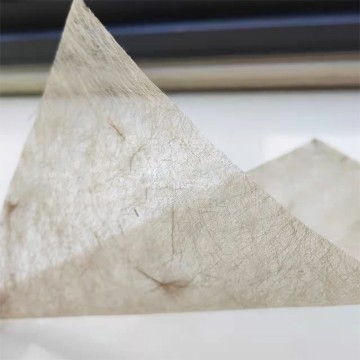
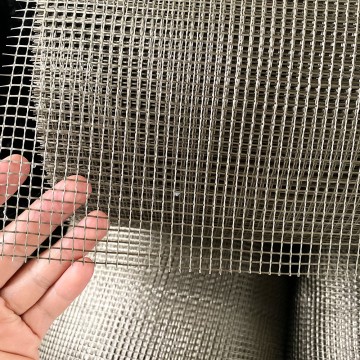
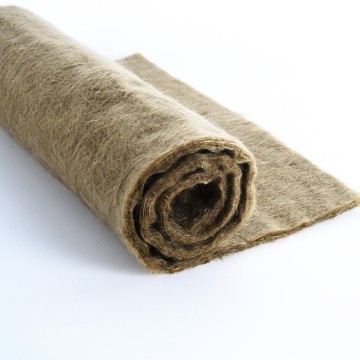
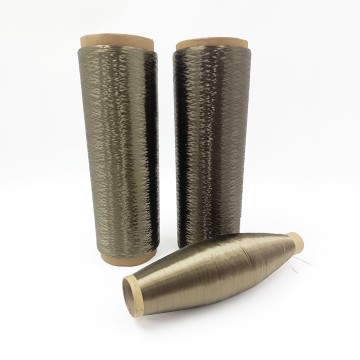
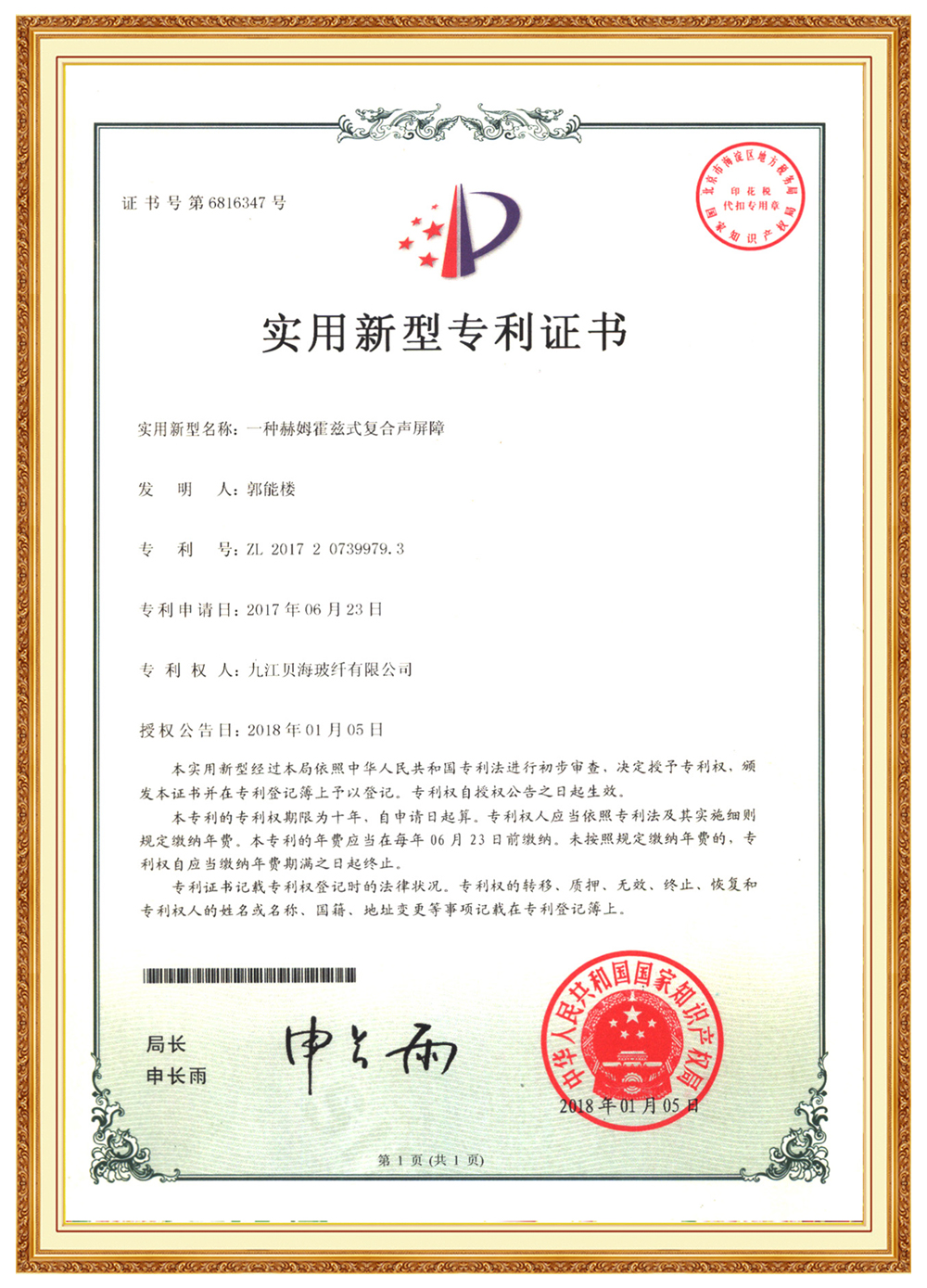
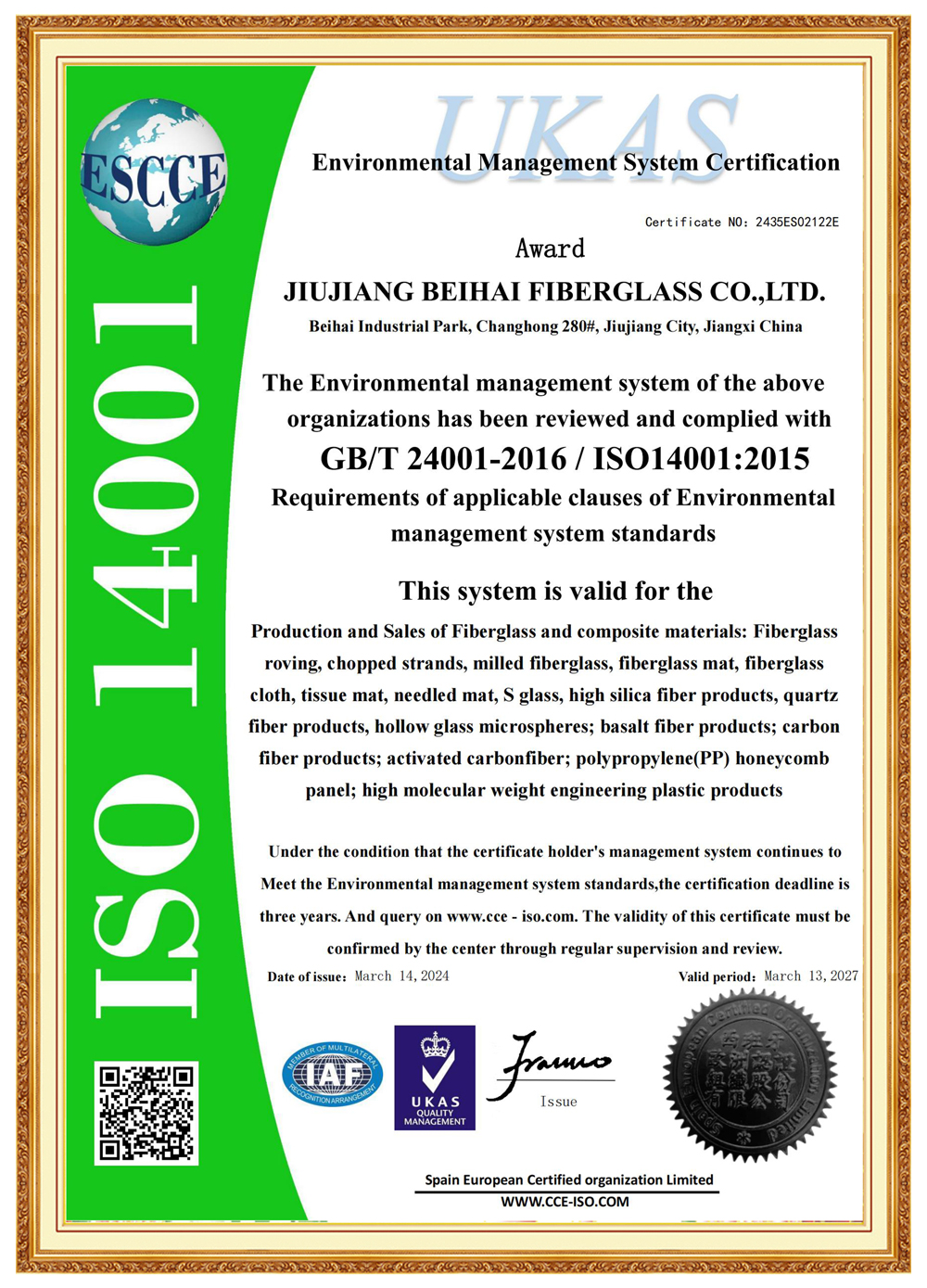
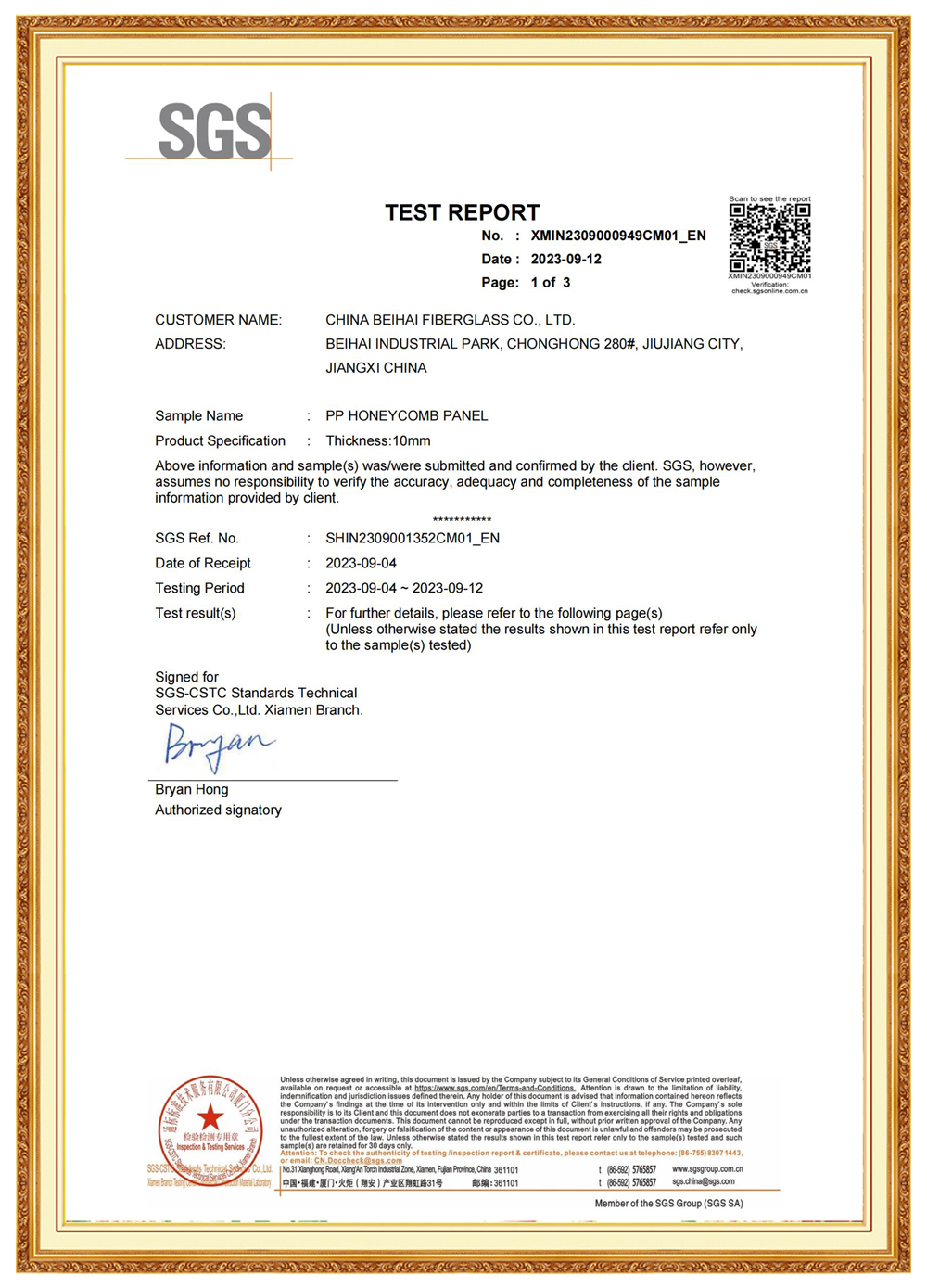
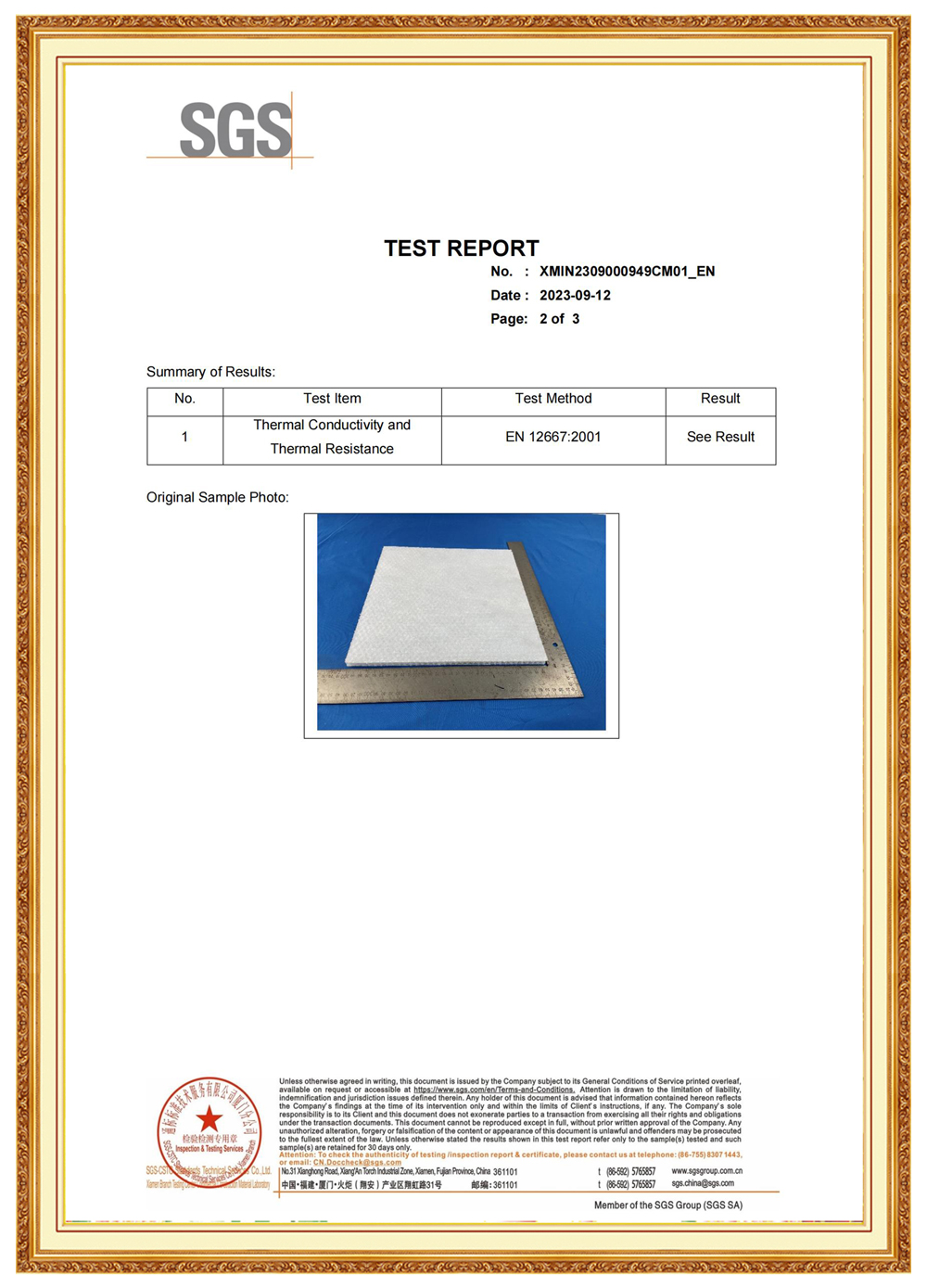
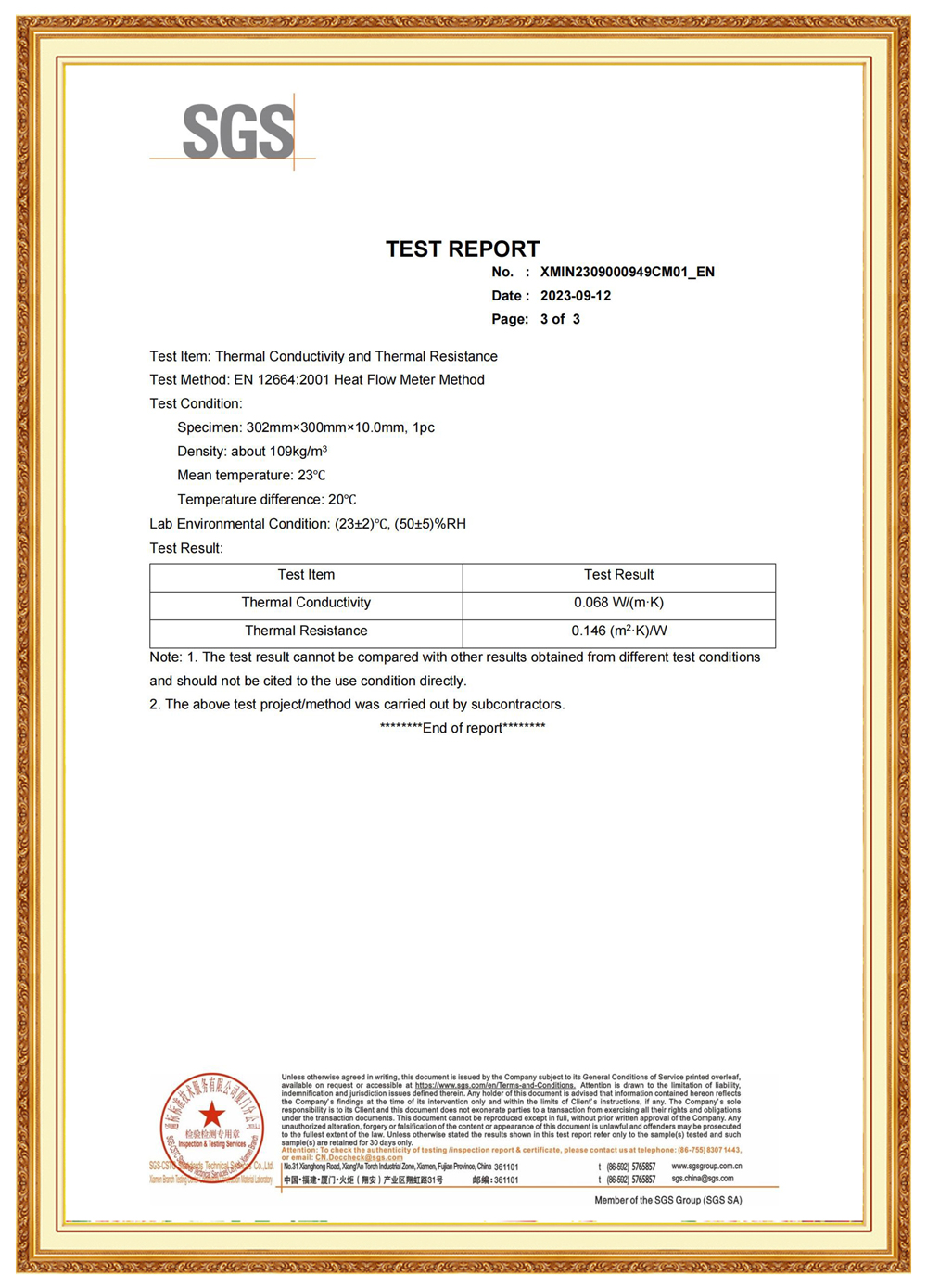
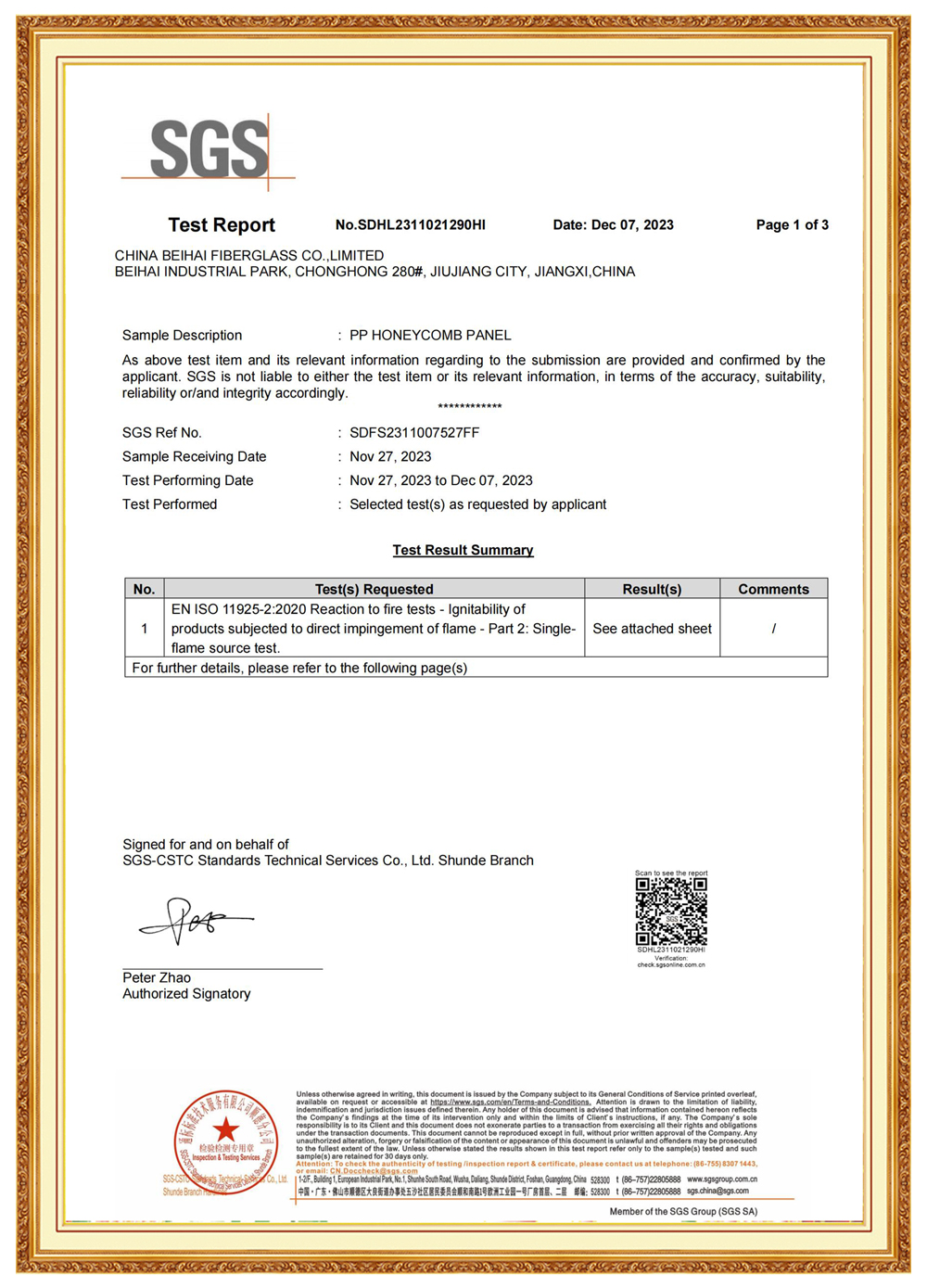
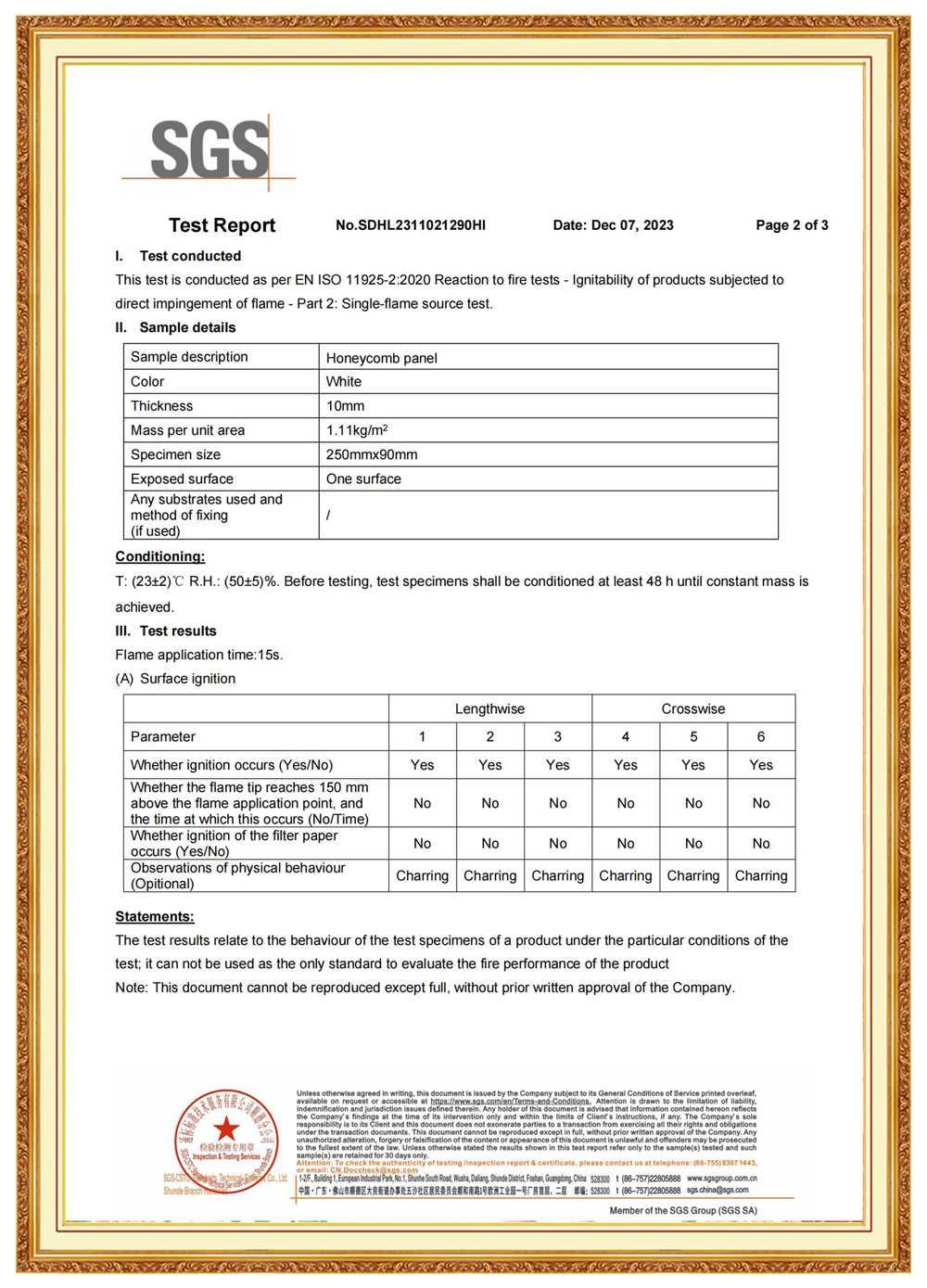
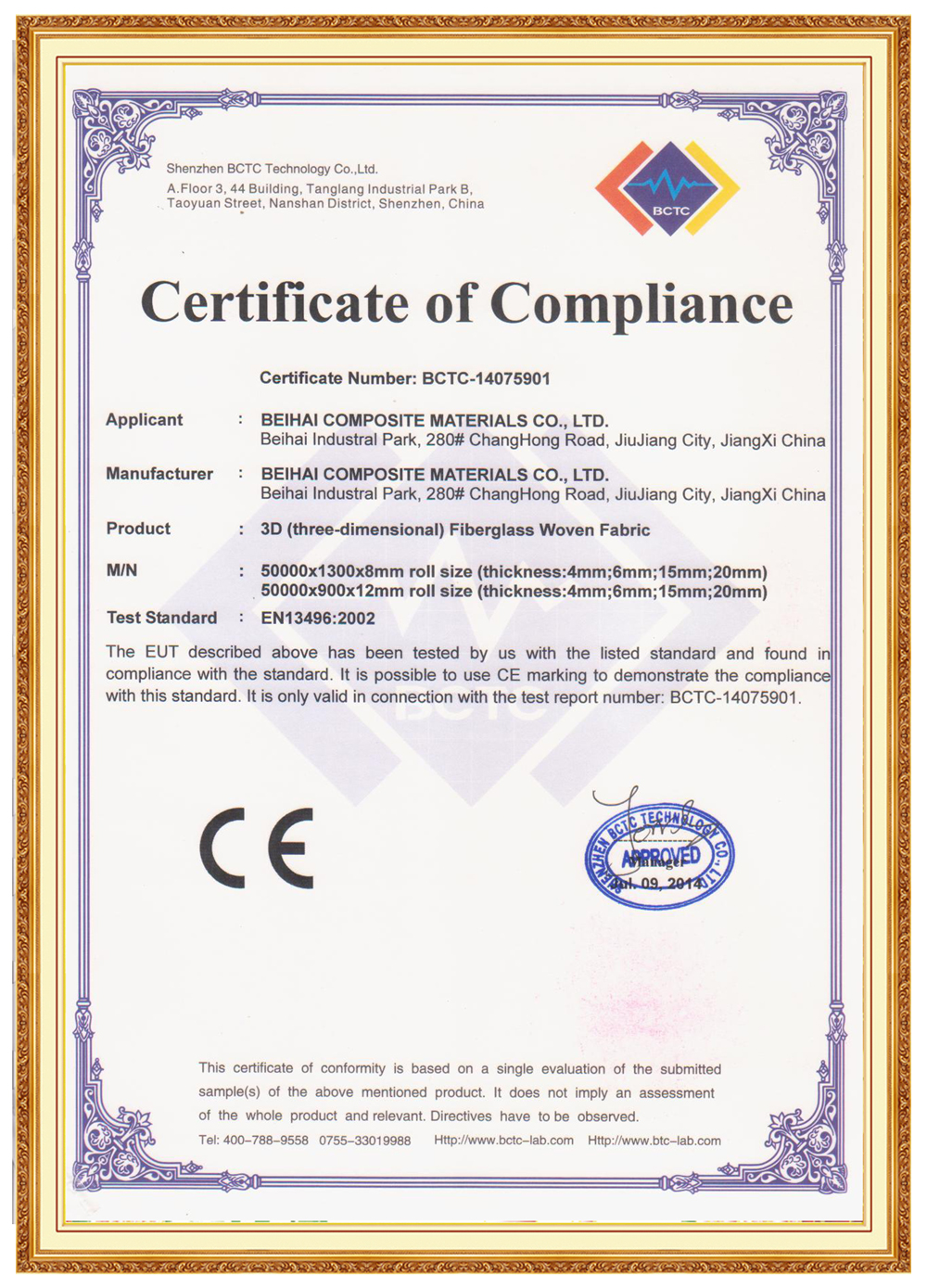
All products are manufactured under strict quality management systems and certified to international standards, ensuring compliance for Brazilian import and construction regulations.


As drones slice through the sky to monitor wildfires, and intelligent robots execute repetitive tasks with precision on the factory floor, the efficient operation of this smart equipment is often underpinned by a "hardcore support" that is easily overlooked: a novel material derived from volcanic rock — basalt fiber. Though unassuming in appearance, its unique properties have made it the key to unlocking the performance limits of drones and robots, quietly driving a materials revolution within the realm of intelligent equipment.
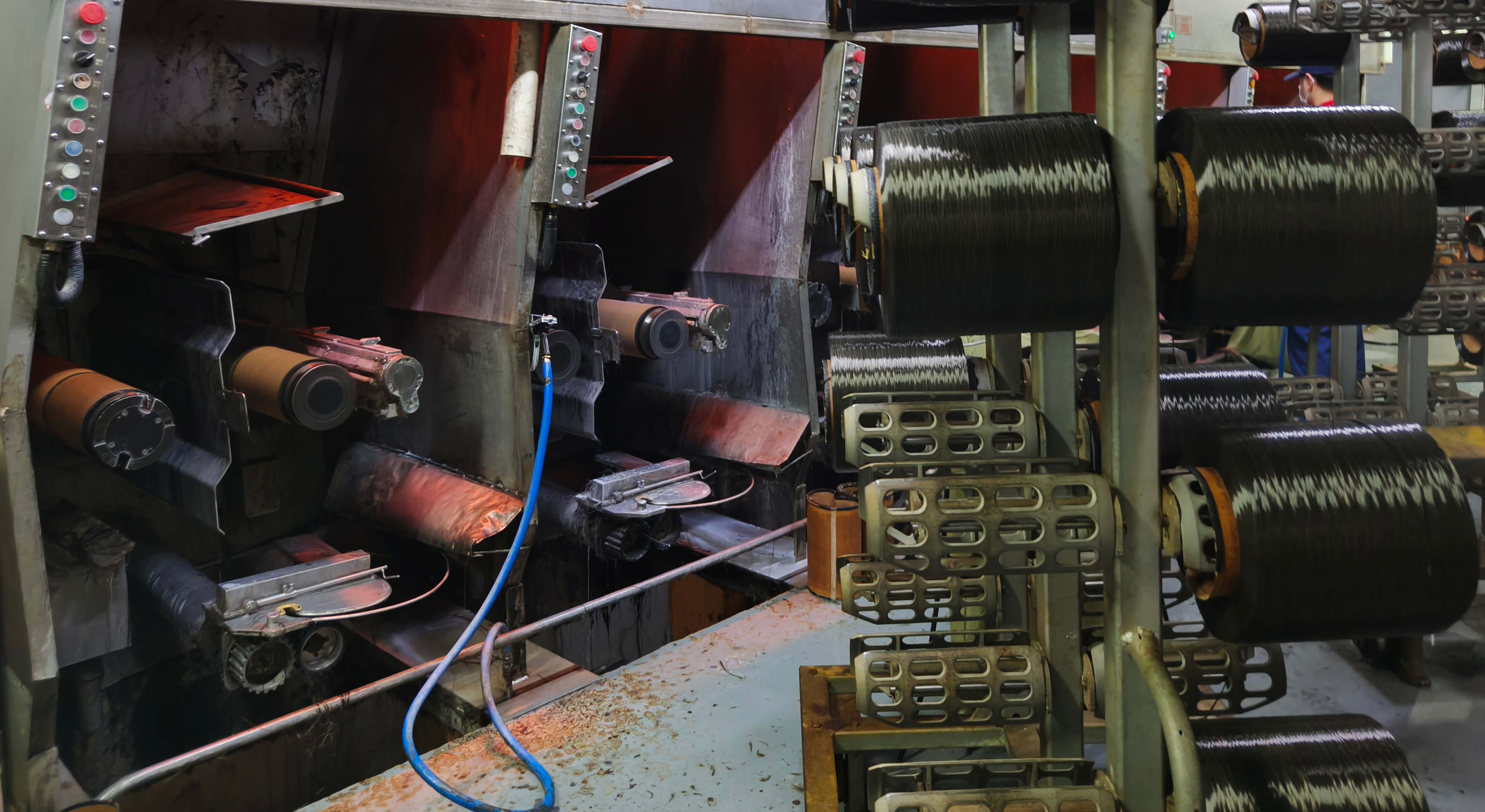
Basalt fiber is an inorganic fibrous material produced by drawing strands from natural basalt ore after it has been melted at high temperatures. It has garnered widespread attention for its exceptional physicochemical properties — particularly its performance in high-temperature environments.
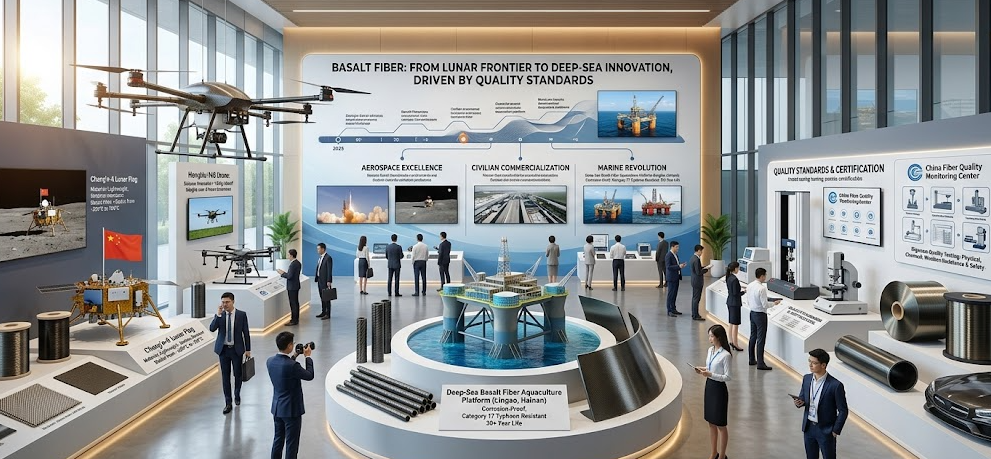
Recently, with the successful realization of major applications — such as the Chang'e-6 lunar exploration mission and the world's first deep-sea basalt fiber aquaculture platform — basalt fiber is rapidly accelerating its transformation from a laboratory research outcome into a strategic new material.
Explore our full range of basalt fiber reinforcement solutions engineered for Brazil's construction, industrial and infrastructure sectors.

Contact China Beihai today for competitive FOB/CIF pricing, technical specifications, and logistics support for your Brazilian construction or industrial project. Our team speaks Portuguese and provides full documentation support for SISCOMEX customs clearance.
Request a Quote Now