
Leave Your Message
Precision-engineered basalt fiber products delivering superior performance in fire-resistant clothing frameworks and high-temperature thermal barrier systems.
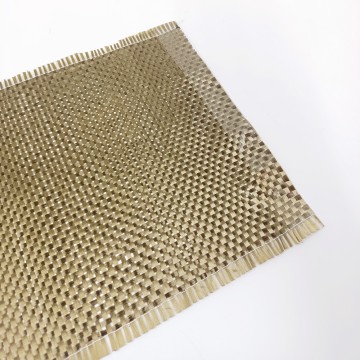

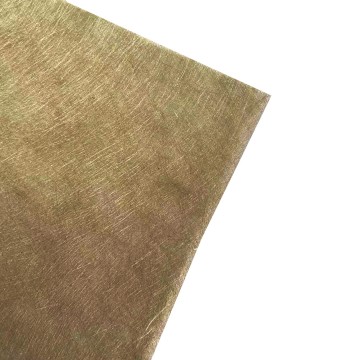
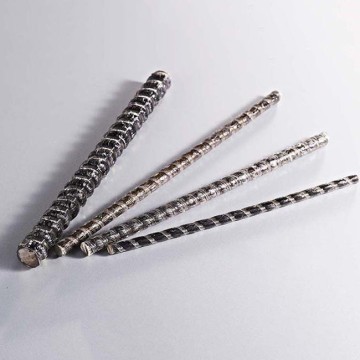
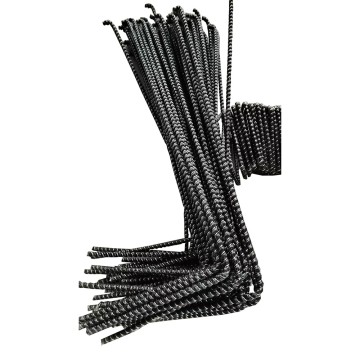
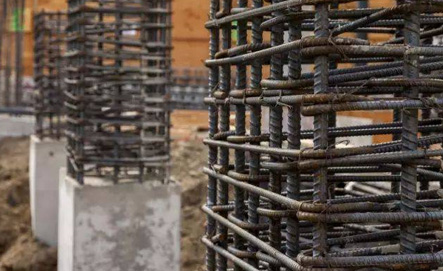
When it comes to fire-resistant clothing frameworks and high-temperature thermal barriers, the selection of reinforcement bar sizes is far more than a mechanical specification — it is a critical engineering decision that directly governs structural integrity, thermal stability, and long-term service life. Basalt fiber reinforcement bars (BFRP rebar) have emerged as the material of choice for these demanding environments, offering a compelling combination of heat resistance, corrosion immunity, and lightweight strength that conventional steel simply cannot match.
Basalt fiber rebar is manufactured from continuous basalt filaments drawn from volcanic rock melted at temperatures between 1,450°C and 1,500°C. The resulting bars retain stable mechanical properties across a broad thermal range — from sub-zero arctic conditions to sustained exposure above 700°C — making them uniquely suited for integration into fire-resistant protective systems and industrial thermal barrier assemblies.
Basalt fiber rebar maintains over 85% of its tensile strength at temperatures up to 300°C and retains structural coherence well beyond 700°C — a performance threshold that steel rebar cannot achieve without significant cross-sectional loss and thermal deformation.
Selecting the correct diameter and cross-sectional area is fundamental when designing reinforcement systems for fire-resistant clothing structural frames, thermal insulation panels, and high-temperature composite barriers. The following size specifications represent the standard range offered by China Beihai for fire and thermal applications:
| Bar Diameter (mm) | Cross-Section Area (mm²) | Weight (kg/m) | Tensile Strength (MPa) | Recommended Application |
|---|---|---|---|---|
| 4 | 12.6 | 0.018 | ≥1000 | Fire-resistant garment frame inserts, micro-barrier mesh |
| 6 | 28.3 | 0.040 | ≥1000 | Lightweight thermal panel reinforcement, PPE structural layers |
| 8 | 50.3 | 0.071 | ≥1000 | Industrial thermal barrier boards, fire curtain frames |
| 10 | 78.5 | 0.111 | ≥900 | High-temp insulation wall panels, furnace lining reinforcement |
| 12 | 113.1 | 0.160 | ≥900 | Industrial kiln barriers, aerospace thermal protection structures |
| 14 | 153.9 | 0.217 | ≥850 | Heavy-duty thermal shields, bridge fire protection systems |
| 16 | 201.1 | 0.284 | ≥850 | Tunnel fire barriers, structural fire-resistant cladding |
| 18 | 254.5 | 0.359 | ≥800 | Petrochemical plant thermal barriers, marine fire protection |
| 20 | 314.2 | 0.444 | ≥800 | Large-scale industrial fire-resistant structural reinforcement |
| 25 | 490.9 | 0.693 | ≥750 | Heavy infrastructure thermal barrier systems, power plant applications |
For fire-resistant clothing applications specifically, smaller diameter bars (4mm–8mm) are typically woven or embedded into multi-layer protective garment structures to provide dimensional stability under radiant heat. These micro-reinforcements prevent garment collapse and maintain protective air gaps that are critical to worker survival in extreme thermal environments such as foundry work, firefighting, and petrochemical emergency response.
In contrast, larger diameter bars (10mm–25mm) are deployed in static thermal barrier installations — furnace linings, industrial heat shields, tunnel fire suppression walls, and building fire compartmentation systems — where load-bearing capacity must be maintained alongside thermal resistance.
Basalt fiber rebar retains structural integrity from -260°C to +700°C, far exceeding steel and glass fiber alternatives. This wide operational range makes it indispensable for both cryogenic and high-temperature thermal barrier systems.
Basalt rebar is fully electromagnetic transparent — a critical property for fire protection systems in MRI facilities, data centers, and military installations where electrical neutrality is mandatory.
Unlike steel rebar, basalt fiber bars do not corrode under exposure to moisture, chemicals, or the alkaline environment of concrete — ensuring long-term performance in coastal, industrial, and chemical plant thermal barrier installations.
At approximately one-quarter the weight of equivalent steel reinforcement, basalt rebar enables thinner, lighter fire-resistant clothing frames and portable thermal barriers without compromising protective performance.
Derived from abundant natural volcanic basalt rock, production requires no chemical additives and generates minimal environmental impact — aligning with global ESG mandates and green building certification requirements.
China Beihai offers custom diameter production from 4mm to 32mm with tight dimensional tolerances, enabling engineers to specify exact reinforcement bar sizes for bespoke fire-resistant clothing and thermal barrier designs.
The global market for fire-resistant materials and high-temperature thermal barriers is undergoing a structural transformation driven by increasingly stringent safety regulations, accelerating industrialization in developing economies, and the growing adoption of advanced composite materials across critical infrastructure sectors. Basalt fiber reinforcement bars are positioned at the intersection of these converging forces.
According to industry research, the global basalt fiber market is projected to surpass USD 500 million by 2028, with thermal protection and fire-resistant applications accounting for one of the fastest-growing segments. The construction sector alone — driven by mandatory fire compartmentation standards in the EU, North America, and Asia-Pacific — represents a multi-billion dollar annual procurement opportunity for high-performance reinforcement solutions.
In the industrial protective clothing sector, the integration of rigid and semi-rigid reinforcement bar structures into proximity suits, aluminized fire entry garments, and thermal radiation shields has become standard practice among tier-one manufacturers. The shift from traditional steel wire inserts to basalt fiber rebar has been catalyzed by the latter's weight advantage, flexibility in smaller diameters, and elimination of thermal bridging — a phenomenon where conductive metal inserts create localized heat transfer pathways through protective garment layers.
ISO 11612, NFPA 2112, and EN 469 standards are increasingly specifying minimum thermal protective performance (TPP) values that necessitate reinforced structural layers within fire-resistant garments, directly driving demand for precision-sized basalt rebar inserts in the 4mm–10mm range.
AI-driven quality control systems and robotic winding processes are enabling manufacturers to produce basalt rebar with sub-millimeter dimensional consistency at scale — a prerequisite for automated integration into fire-resistant clothing production lines.
Military procurement agencies in the USA, EU, and China are actively qualifying basalt fiber reinforcement systems for thermal protection of aircraft, naval vessels, and ground vehicle fire suppression compartments, opening high-value contract opportunities for certified manufacturers.
LEED, BREEAM, and China's Green Building Label standards are driving architects to specify non-metallic, corrosion-resistant reinforcement in fire-rated wall assemblies and thermal break systems, positioning basalt rebar as the sustainable alternative to galvanized steel in passive fire protection applications.
LNG terminal construction, nuclear power plant passive cooling systems, and offshore platform fire suppression walls are generating significant demand for large-diameter (16mm–25mm) basalt rebar capable of withstanding hydrocarbon fire temperatures exceeding 1,000°C.
R&D investment is accelerating in hybrid systems combining basalt rebar skeletons with aerogel insulation blankets, intumescent coatings, and phase-change thermal storage materials — creating next-generation passive fire protection assemblies with unprecedented performance-to-weight ratios.
The correct specification of basalt rebar diameter is application-specific. Below we examine the most technically demanding deployment scenarios in detail.
Proximity suits and fire entry suits used by airport crash rescue teams, industrial firefighters, and steel mill operators require internal structural reinforcement to maintain garment geometry under radiant heat loads exceeding 84 kW/m². Basalt fiber rebar in the 4mm–6mm diameter range is woven into a flexible skeletal framework within the outer aluminized shell, providing dimensional stability without adding thermal mass that would compromise the wearer's mobility.
The key engineering requirement in this application is maintaining a minimum 6mm air gap between the outer reflective layer and the inner thermal liner — a gap that collapses under high radiant load unless supported by a dimensionally stable reinforcement framework. Basalt rebar's combination of low thermal conductivity (approximately 0.031–0.038 W/m·K) and high compressive resistance makes it uniquely suited to this role.
Industrial furnaces operating at temperatures between 800°C and 1,400°C require thermal barrier wall systems that combine refractory ceramic fiber insulation with a structural reinforcement skeleton. Basalt rebar in the 10mm–16mm range is cast into high-alumina castable refractory matrices to provide tensile reinforcement that prevents thermal cracking and spalling during rapid heat cycling.
Unlike steel rebar, which undergoes significant thermal expansion (approximately 12 × 10⁻⁶/°C) that induces cracking in surrounding refractory material, basalt fiber rebar has a thermal expansion coefficient of approximately 8 × 10⁻⁶/°C — closely matching that of most refractory concretes and thereby minimizing differential thermal stress at the rebar-matrix interface.
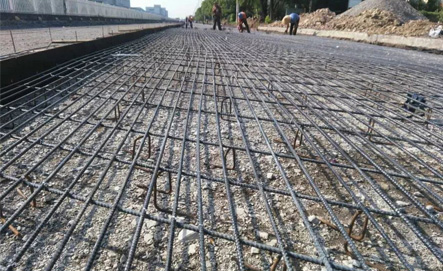
Road and rail tunnel fire protection represents one of the most demanding applications for reinforcement bar sizing. The RWS fire curve used in Dutch tunnel standards specifies temperatures reaching 1,350°C within 5 minutes of fire onset — conditions that cause explosive spalling in conventional reinforced concrete within the first 15 minutes of exposure. Basalt fiber mesh and rebar systems (typically 8mm–14mm diameter) embedded in fire-resistant concrete overlays have demonstrated the ability to prevent spalling and maintain structural integrity for over 120 minutes under RWS fire loading.
The successful application of basalt fiber in China's Chang'e-6 lunar exploration mission — cited in China Beihai's own research documentation — validates the material's capability in extreme aerospace thermal environments. In spacecraft thermal protection systems, basalt fiber rebar provides the structural skeleton for ceramic tile attachment systems and ablative heat shield panels, where the combination of low density (approximately 2.6 g/cm³), high specific strength, and thermal stability is unmatched by any alternative non-metallic reinforcement material.
Hydrocarbon pool fires generate sustained temperatures of 1,100°C–1,200°C that must be contained by passive fire protection (PFP) barrier walls in petrochemical facilities. Basalt rebar in the 16mm–25mm range is specified for the primary structural reinforcement of these barriers, which must maintain load-bearing capacity for a minimum of 4 hours under H-class fire loading per API 2218 and EN 1363 standards. The non-corrosive nature of basalt rebar is particularly valuable in these environments, where chloride-laden process atmospheres would rapidly degrade conventional steel reinforcement.
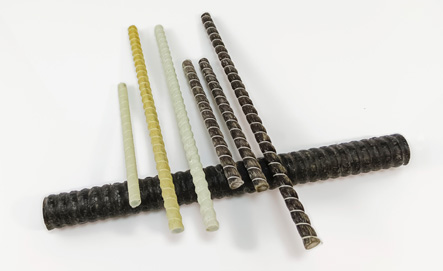
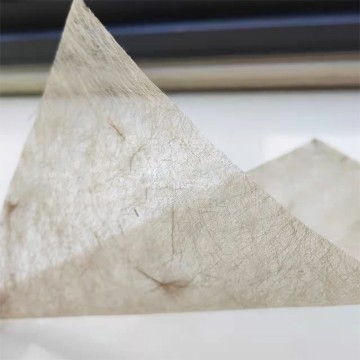
Basalt Fiber Surfacing Tissue Mat is a non-woven thin sheet engineered to provide a smooth resin-rich surface layer for fiber reinforced plastic and thermal barrier composite systems.
read more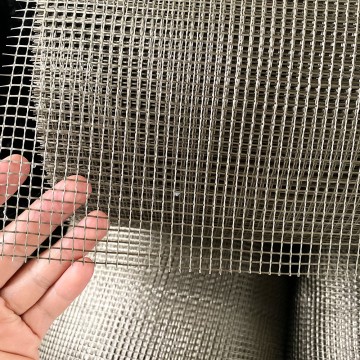
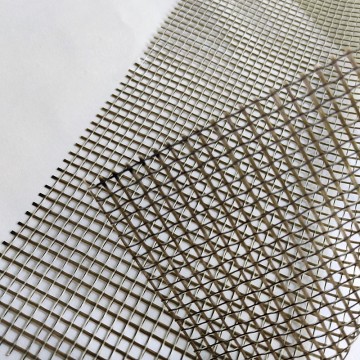
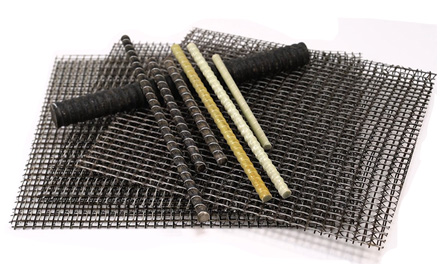
High-performance Basalt Fiber Mesh providing superior reinforcement for concrete and plaster applications with high alkali resistance and thermal stability.
read more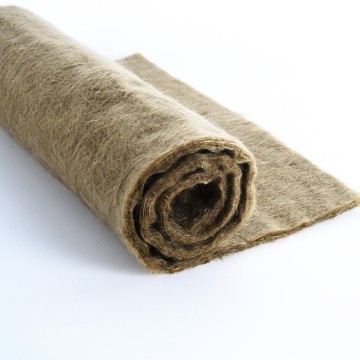
High-density insulation material manufactured by mechanically bonding continuous basalt fibers without chemical binders — ideal for extreme thermal barrier applications.
read more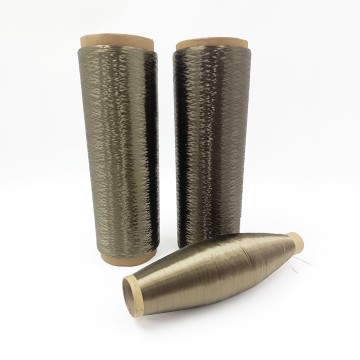
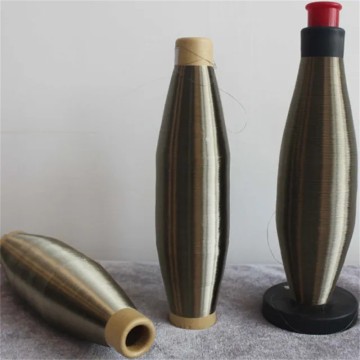
Engineered by twisting multiple continuous filaments to enhance mechanical strength and processing stability for fire-resistant textile and thermal barrier weaving applications.
read moreBasalt fiber is ideal for your engineering projects. Its high strength, corrosion resistance and lightweight properties allow it to easily solve a variety of challenges in buildings, bridges, roads and other infrastructure projects — extending structural life and reducing maintenance costs.

Our basalt products have diverse applications in the field of house construction and fire-resistant structural systems.

In the aerospace field, basalt fibers are ideal for manufacturing aircraft wings, thermal barriers and engine components.

Used in spacecraft shell materials, thermal protection systems, and high-temperature-resistant components of aircraft engines.

Basalt-added concrete offers increased strength, crack resistance, improved chemical resistance and fire-resistant performance.

Wide application of basalt fiber composites in the automobile field, supporting lightweight and thermal protection targets.

Ideal for protecting bridge abutment structures from vehicle collisions, fire, corrosion and the natural environment.

The corrosion resistance of basalt fiber gives it a unique advantage in petrochemical thermal barrier and fire protection systems.

Basalt fiber composites deliver lightweight, high-strength, corrosion-resistant and fire-resistant solutions for marine structures.
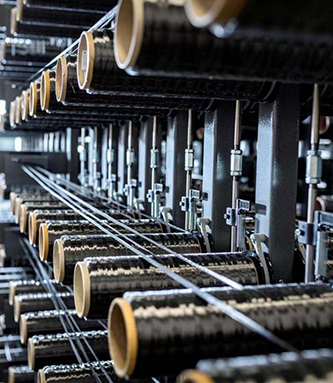
China Beihai is founded in 2015 and located in Jiujiang, Jiangxi Province. China Beihai is a high-tech enterprise focusing on the research, development, production and sales of high-performance basalt continuous fiber and its production equipment manufacturing, as well as a leading enterprise in the domestic basalt fiber industry.
Our commitment to quality, innovation and sustainability sets us apart, ensuring our customers receive best-in-class solutions for their diverse needs — from fire-resistant clothing reinforcement frameworks to large-scale industrial high-temperature thermal barrier systems.
View More
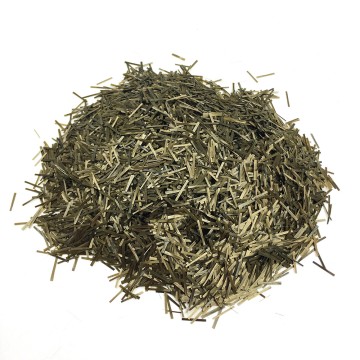
At China Beihai group, we specialize in the production of a wide range of products including basalt fiber mat (chopped strand mat, basalt fiber cloth), basalt fiber roving, basalt fiber yarn, basalt fiber chopped strands, and basalt fiber products (Basalt Fiber rebar, basalt fiber sleeves and tape). Our products are designed to meet the diverse needs of various industries, providing high-quality solutions for our customers.

At China Beihai group, we are dedicated to the production of a wide array of basalt-based products, ranging from basalt fiber mat, fabric, and roving to chopped strand and specialized construction materials. Our focus is on delivering high-quality, sustainable solutions for industries such as construction, geotechnical engineering, and manufacturing. With a commitment to innovation and excellence, we strive to cater to the unique requirements of our clients by offering a comprehensive selection of basalt-derived products.

Choosing to work with China Beihai means working with a leading manufacturer of basalt products. Our commitment to quality, innovation and sustainability sets us apart, ensuring our customers receive best-in-class solutions for their diverse needs. Reliability and customer satisfaction, we offer a wide range of high-quality basalt materials and construction products, backed by our dedication to excellence and industry expertise. When you partner with China Beihai, you can trust that you are working with a reliable and forward-thinking partner — a thought supplier for all your basalt product needs.
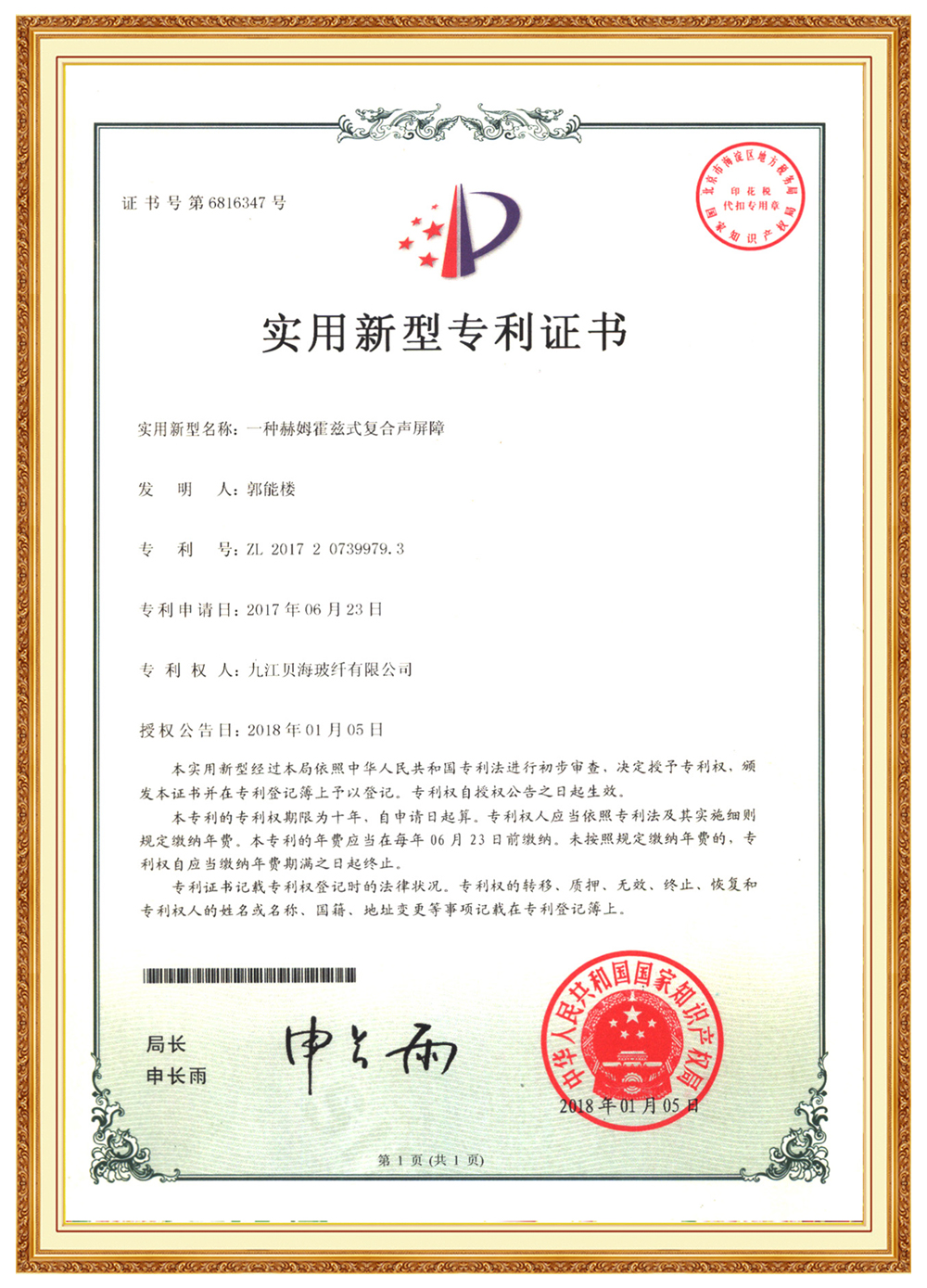
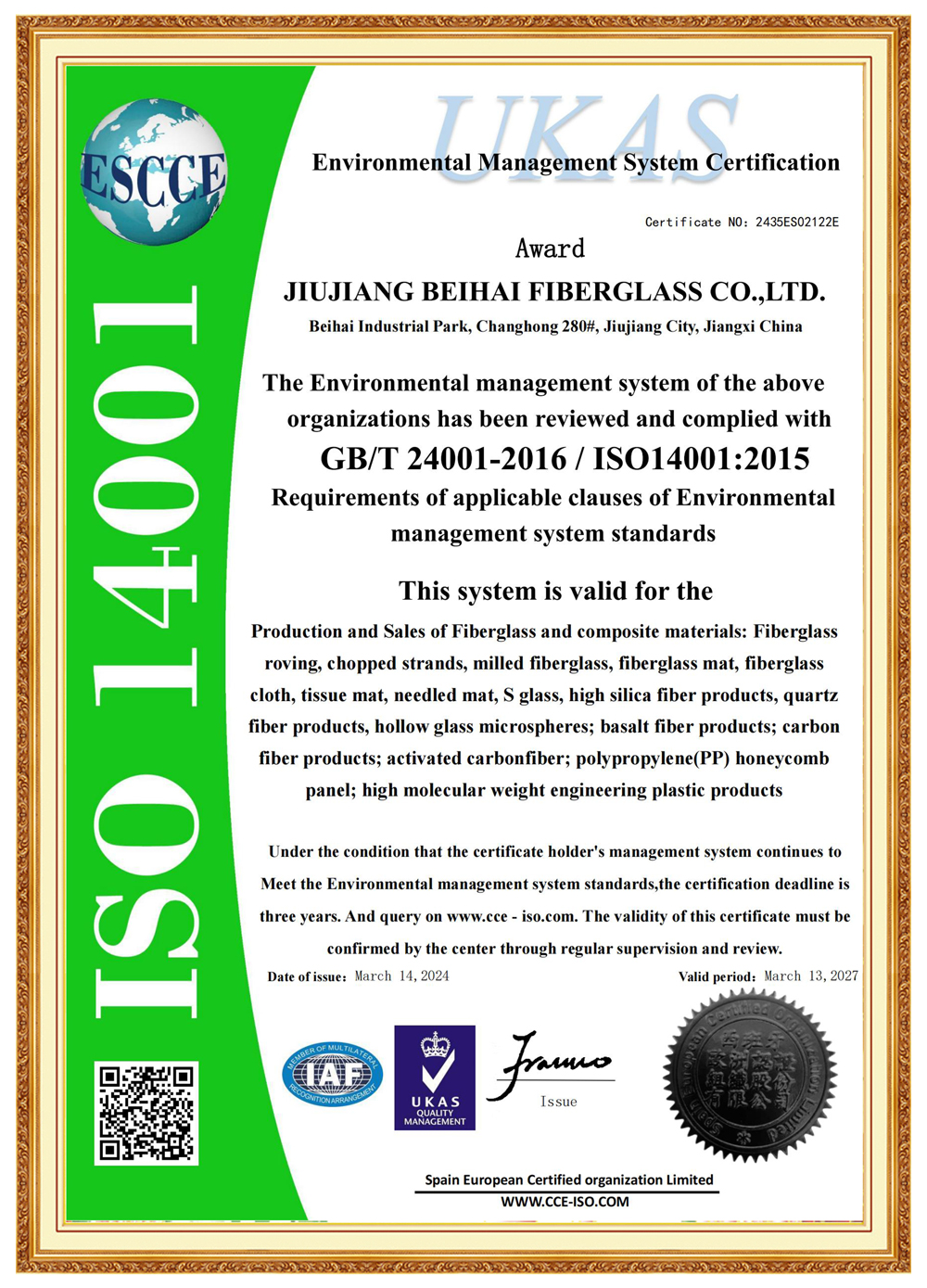
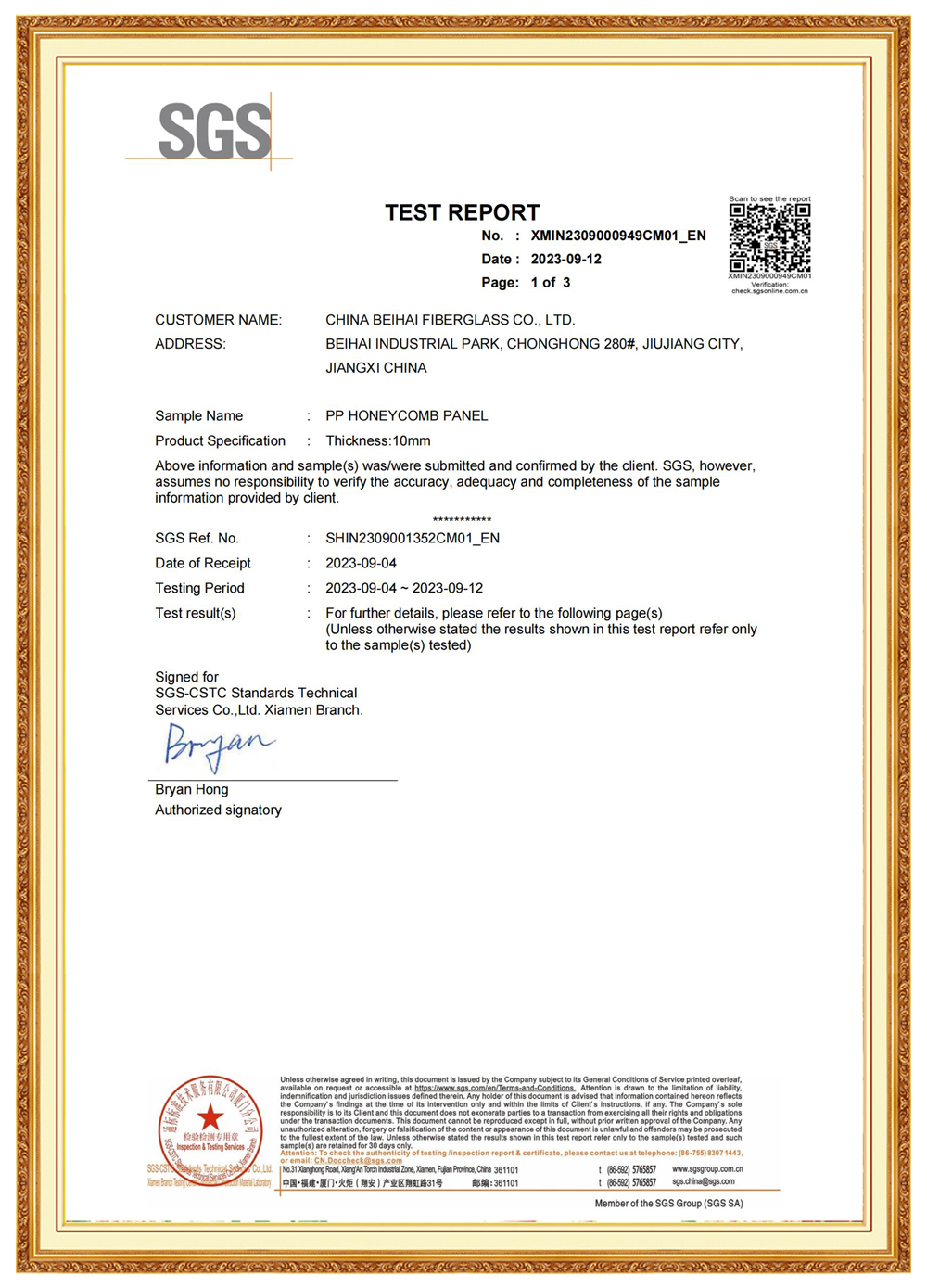
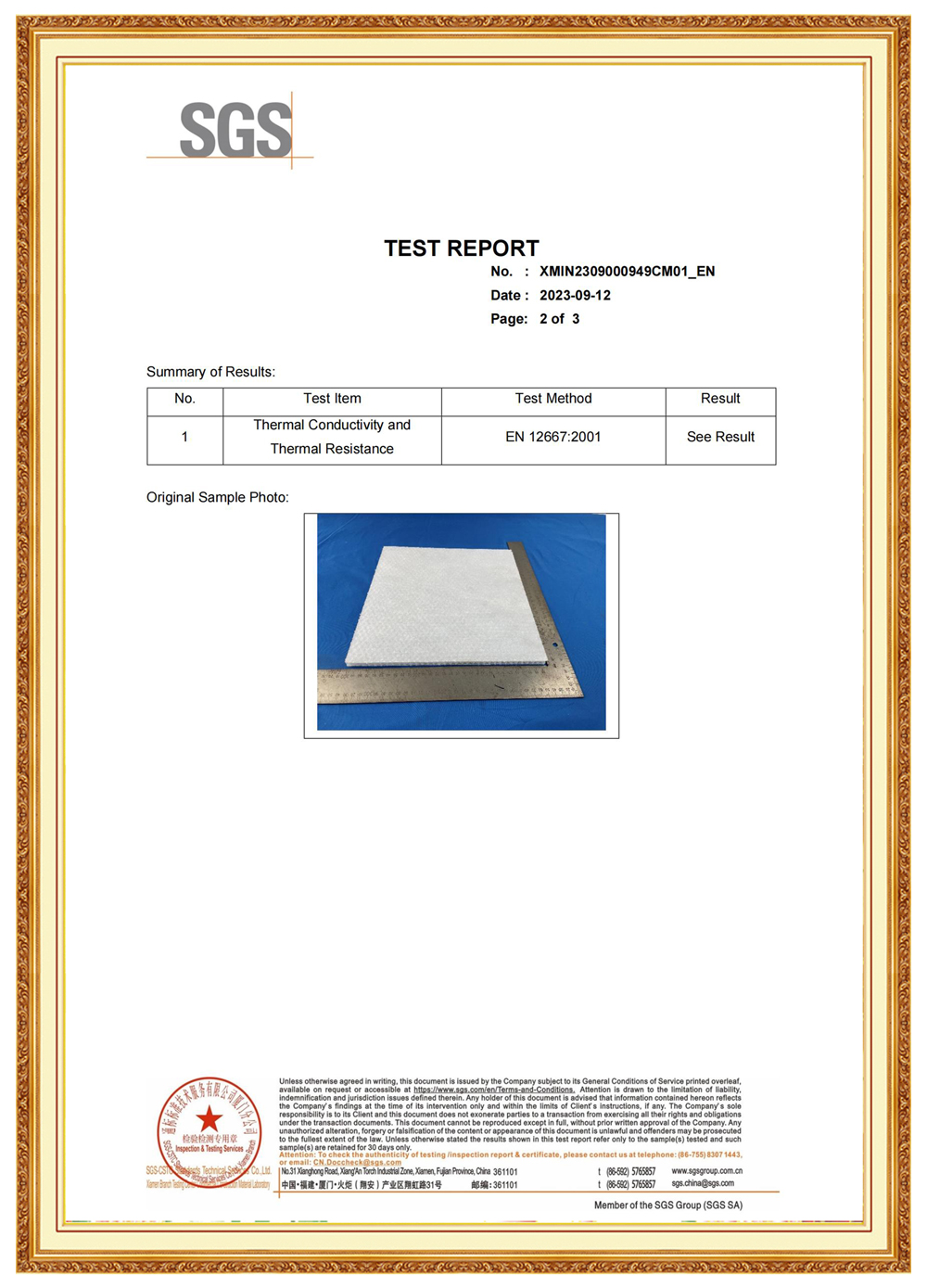
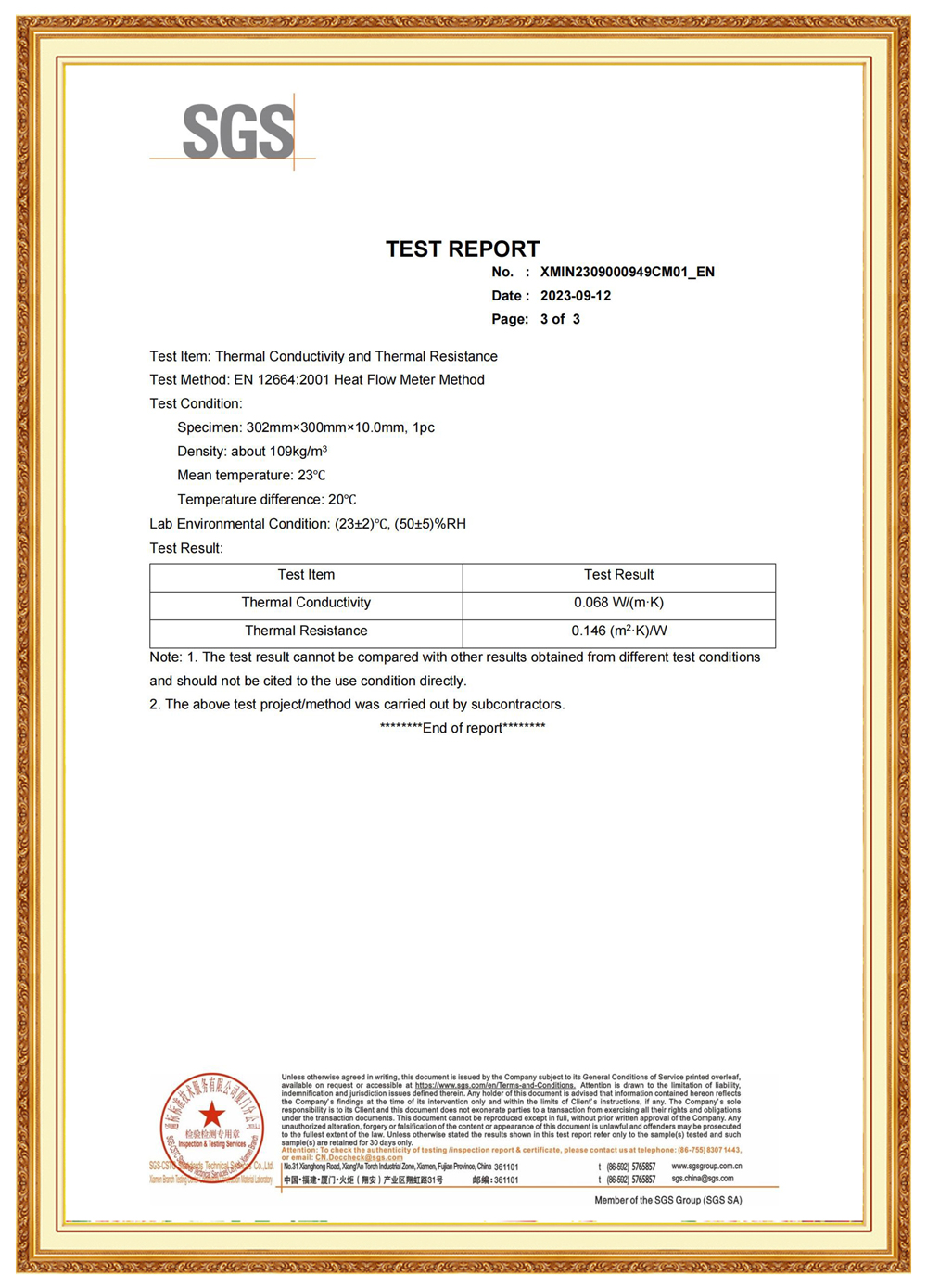
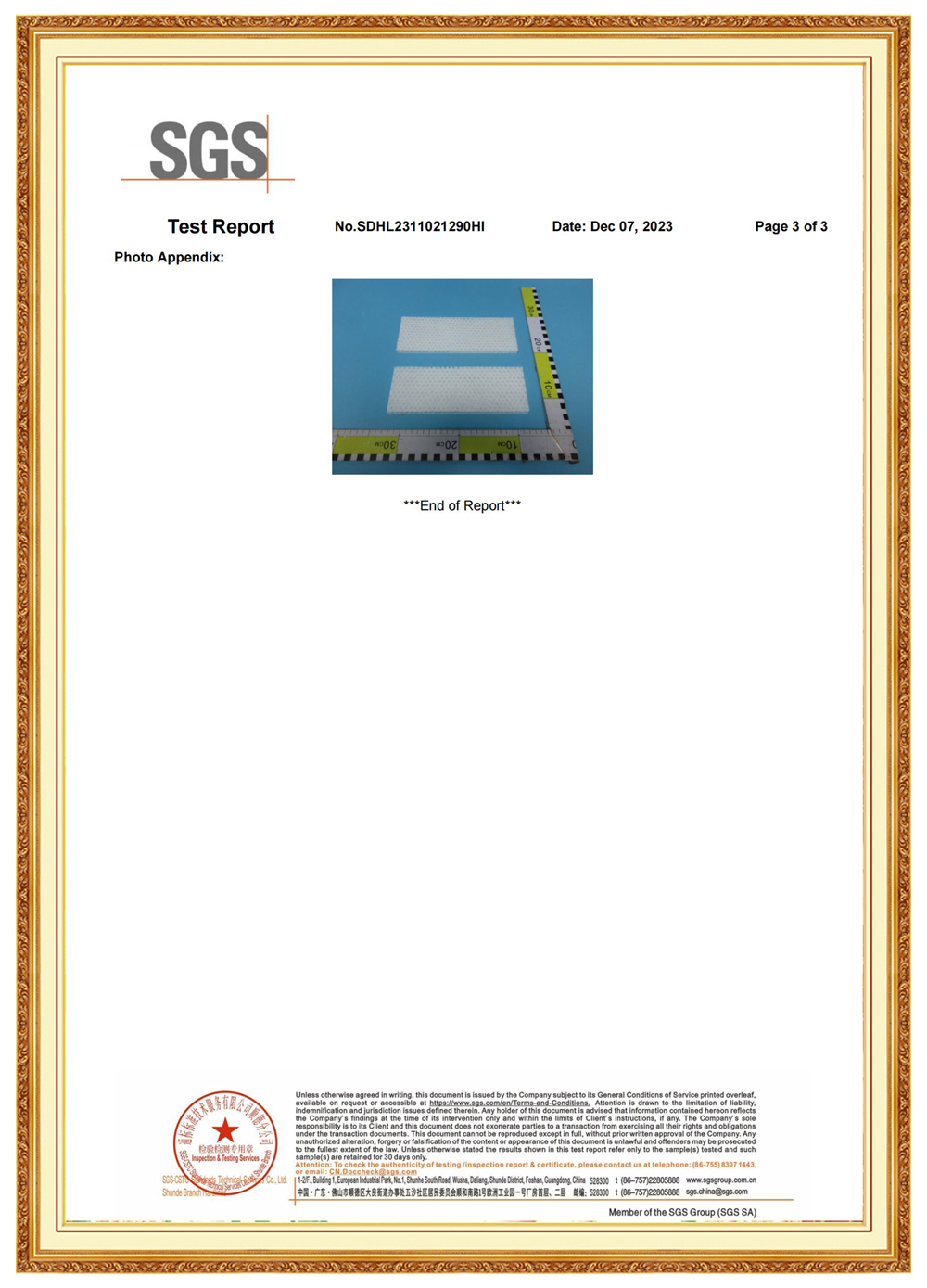
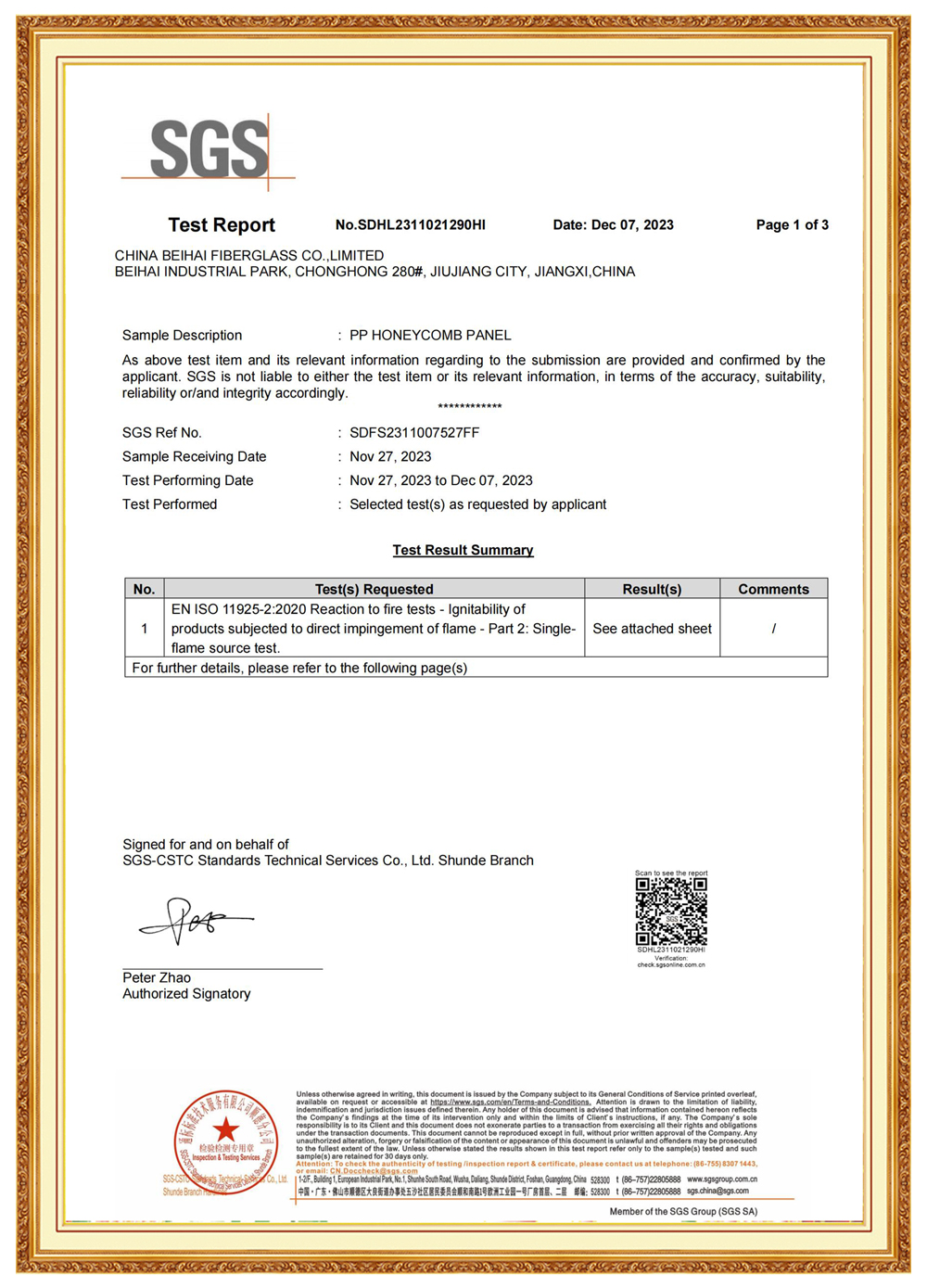
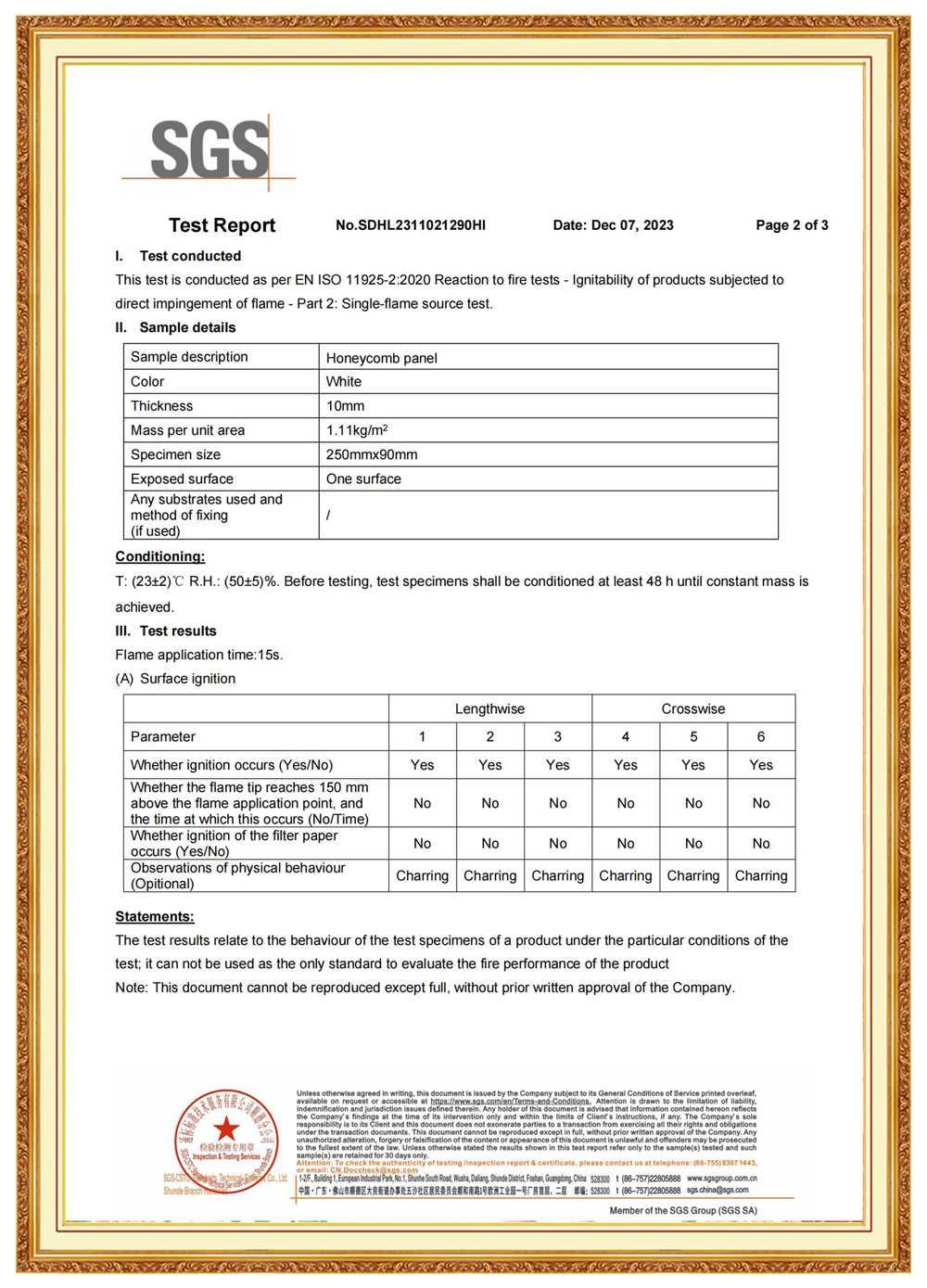
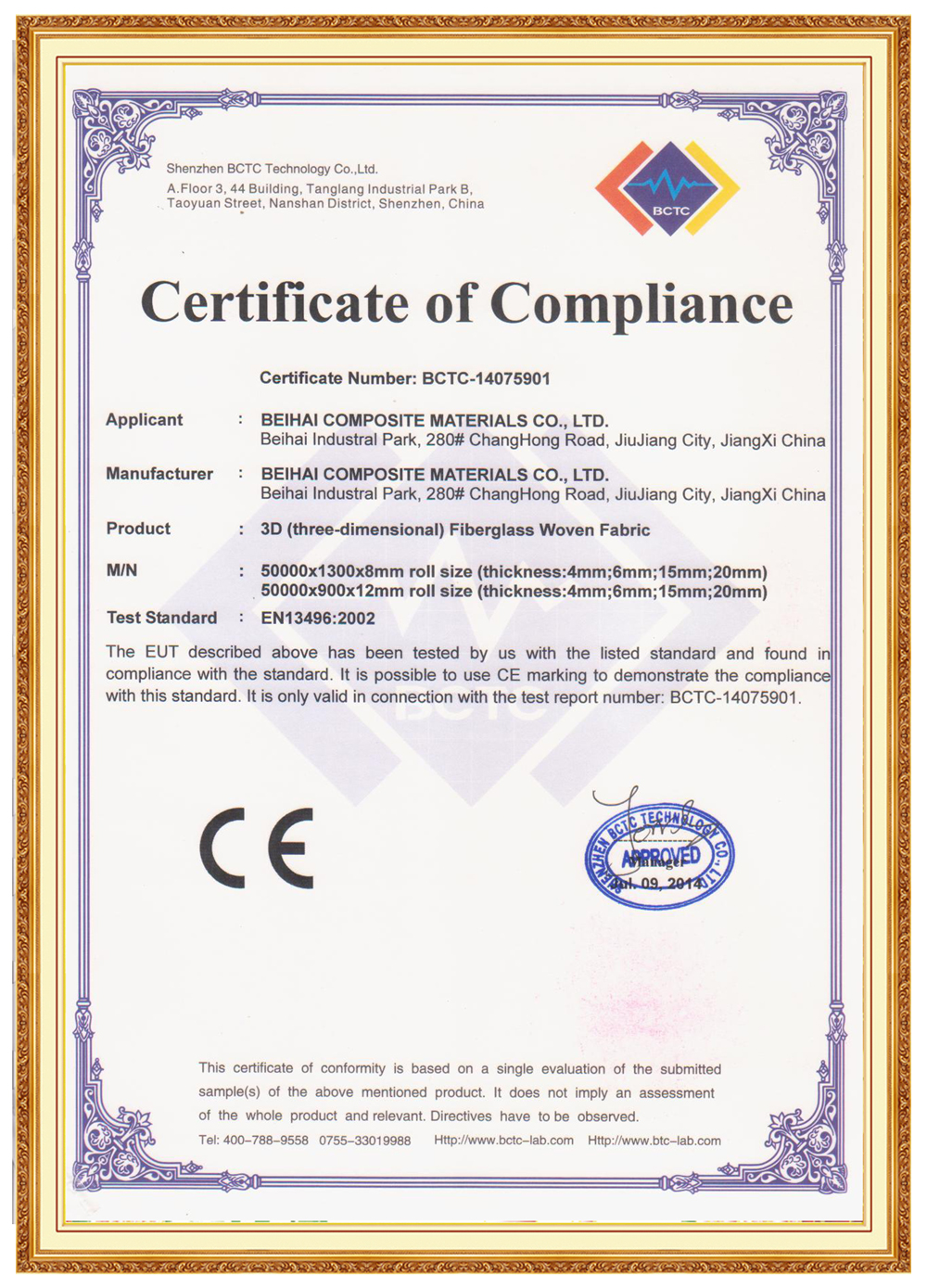
China Beihai holds multiple international quality and product certifications, ensuring our basalt fiber reinforcement products meet the highest global standards for fire-resistant and high-temperature applications.


As drones slice through the sky to monitor wildfires, and intelligent robots execute repetitive tasks with precision on the factory floor, the efficient operation of this smart equipment is often underpinned by a novel material derived from volcanic rock — basalt fiber. Though unassuming in appearance, its unique properties have made it the key to unlocking the performance limits of drones and robots, quietly driving a materials revolution within the realm of intelligent equipment.
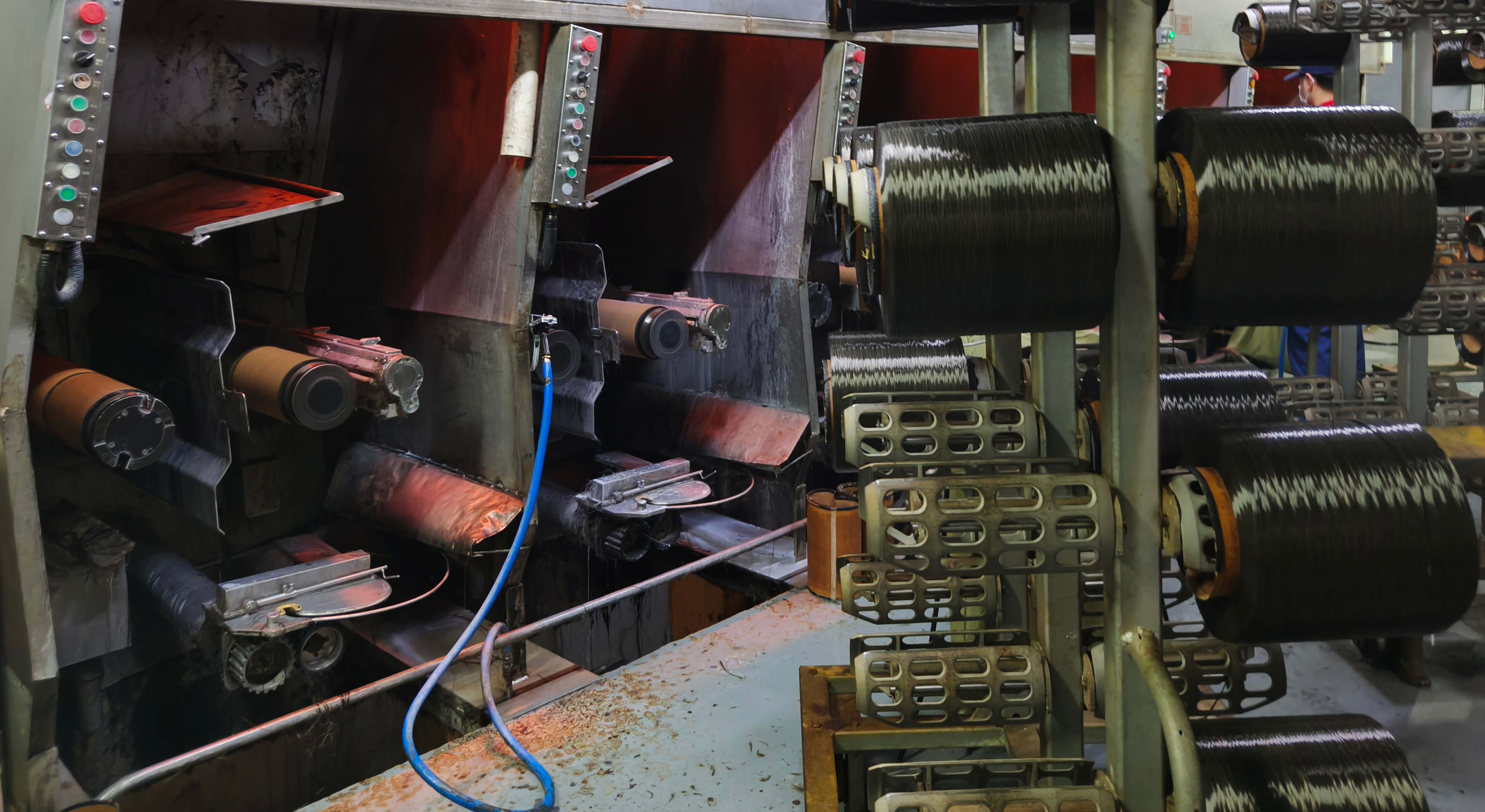
Basalt fiber is an inorganic fibrous material produced by drawing strands from natural basalt ore after it has been melted at high temperatures. It has garnered widespread attention for its exceptional physicochemical properties — particularly its performance in high-temperature environments.

With the successful realization of major applications such as the Chang'e-6 lunar exploration mission and the world's first deep-sea basalt fiber aquaculture platform, basalt fiber is rapidly accelerating its transformation from a laboratory research outcome into a strategic new material.