
Leave Your Message
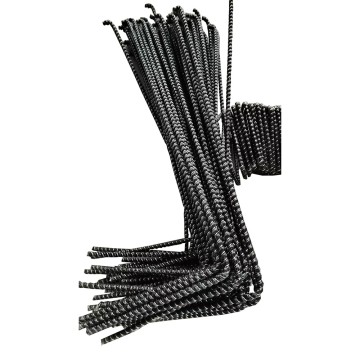
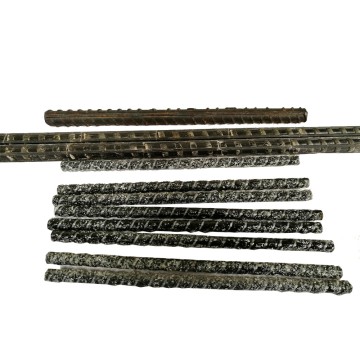
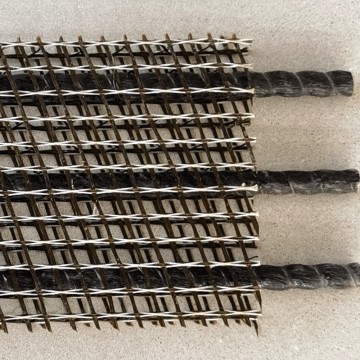
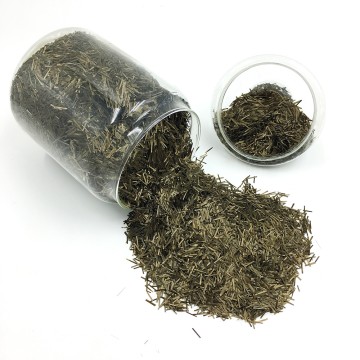
As the global New Energy Vehicle (NEV) market accelerates toward mass adoption, battery pack engineering has emerged as one of the most technically demanding disciplines in the automotive sector. The structural integrity, thermal management, electromagnetic compatibility, and weight optimization of battery enclosures are now central concerns for every major EV manufacturer. At the heart of these challenges lies a critical but often underappreciated component: the reinforcement bar, and specifically, the precise selection of reinforcement bar sizes for NEV battery pack applications.
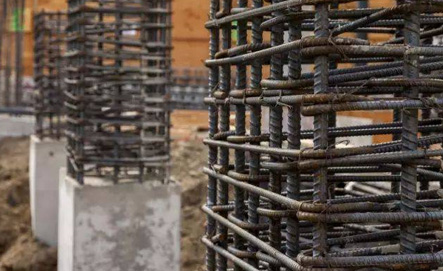
Traditional steel rebar, while mechanically robust, introduces significant drawbacks in battery environments — including electromagnetic interference with battery management systems (BMS), susceptibility to electrochemical corrosion from electrolyte leakage, and excess weight that reduces vehicle range. The industry is therefore rapidly pivoting toward advanced composite reinforcement materials, with Basalt Fiber Reinforced Polymer (BFRP) rebar emerging as the leading candidate for next-generation battery pack structural frameworks.
🔋 Key Insight: Selecting the correct reinforcement bar diameter — typically ranging from Ø4mm to Ø32mm for NEV applications — directly impacts battery pack weight, crash safety performance, thermal stability, and electromagnetic transparency. Precision engineering at this level is what separates market-leading EV platforms from the competition.
China Beihai, founded in 2015 and headquartered in Jiujiang, Jiangxi Province, is a high-tech enterprise at the forefront of basalt continuous fiber research, development, and production. As a leading domestic basalt fiber manufacturer, China Beihai offers a comprehensive portfolio of BFRP rebar solutions specifically engineered to meet the evolving demands of the NEV battery pack industry.
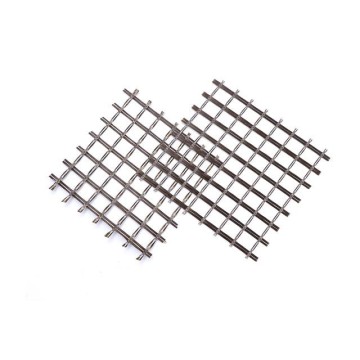
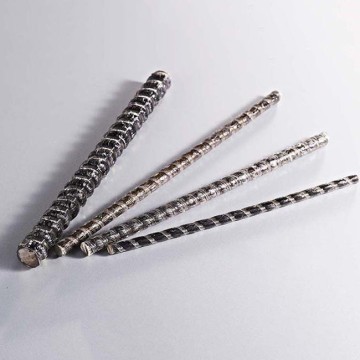
The selection of appropriate reinforcement bar sizes for NEV battery packs is governed by multiple engineering parameters, including structural load requirements, available packaging space within the battery module, thermal expansion coefficients, and regulatory crash safety standards. Below is a reference framework for common BFRP rebar sizes used in NEV battery enclosure and structural reinforcement applications:
| Diameter (mm) | Cross-Section Area (mm²) | Tensile Strength (MPa) | Primary NEV Application | Weight (g/m) |
|---|---|---|---|---|
| Ø4 | 12.6 | ≥1000 | Thin-wall battery cell spacers, internal mesh reinforcement | ~22 |
| Ø6 | 28.3 | ≥1000 | Module partition frames, lightweight enclosure ribs | ~48 |
| Ø8 | 50.3 | ≥900 | Battery tray bottom reinforcement, side impact bars | ~85 |
| Ø10 | 78.5 | ≥900 | Structural cross-members, cooling plate supports | ~132 |
| Ø12 | 113.1 | ≥850 | Main load-bearing frame, crash energy absorption zones | ~191 |
| Ø16 | 201.1 | ≥800 | Heavy-duty commercial EV battery chassis reinforcement | ~339 |
| Ø20 | 314.2 | ≥750 | Bus & truck NEV battery pack structural pillars | ~530 |
| Ø25–32 | 491–804 | ≥700 | Large-format energy storage system (ESS) structures | ~828–1356 |
For most passenger NEV battery packs (40–100 kWh range), Ø6mm to Ø12mm BFRP rebar represents the optimal balance between structural performance and weight efficiency. Commercial electric vehicles, including buses and heavy trucks, increasingly specify Ø16mm to Ø25mm rebar for their larger, heavier battery systems.
When specifying reinforcement bar sizes for NEV battery applications, engineering teams must evaluate the following factors: (1) Electromagnetic transparency — BFRP rebar is inherently non-conductive and non-magnetic, eliminating interference with BMS sensors and wireless charging systems; (2) Corrosion resistance — basalt fiber composites exhibit outstanding resistance to electrolyte chemicals, acids, and moisture, extending service life beyond 25 years in aggressive environments; (3) Thermal stability — with an operating temperature range of -260°C to +700°C, BFRP rebar maintains structural integrity even under thermal runaway conditions; (4) Weight reduction — at approximately one-quarter the density of steel, BFRP rebar contributes directly to extended EV driving range.
Non-conductive and non-magnetic properties eliminate electromagnetic interference with battery management systems, sensors, and wireless charging infrastructure — a critical requirement in modern NEV design.
With a continuous service temperature up to 700°C and excellent thermal insulation properties, basalt BFRP rebar maintains structural integrity during battery thermal events, improving overall vehicle safety ratings.
At 2.65 g/cm³ density versus 7.85 g/cm³ for steel, BFRP rebar reduces battery pack structural weight by up to 70%, directly contributing to increased driving range and improved energy efficiency for NEV manufacturers.
The global NEV market surpassed 14 million units in annual sales in 2023, with projections indicating over 40 million units by 2030. This explosive growth is creating unprecedented demand for advanced battery pack structural materials. The basalt fiber reinforcement market for automotive applications is projected to grow at a CAGR of over 18% through 2030, driven primarily by NEV battery pack requirements.
Major NEV manufacturers in China — the world's largest EV market — have begun qualifying BFRP rebar as a standard material in battery enclosure designs. Tier-1 automotive suppliers including battery pack integrators and structural component manufacturers are actively evaluating basalt fiber solutions as they seek to meet increasingly stringent lightweighting and safety targets. China Beihai has established supply relationships with multiple automotive-grade customers, delivering BFRP rebar in custom diameters and lengths tailored to specific battery platform requirements.
Battery Tray Structural Reinforcement: The battery tray is the primary load-bearing component of an NEV battery pack, required to withstand static loads, dynamic vibration, and crash impact forces. BFRP rebar in Ø8mm–Ø12mm diameters is used to reinforce the tray's perimeter frame and internal cross-members, providing high stiffness without the weight penalty of steel.
Side Impact Protection Bars: Regulatory standards including Euro NCAP and NHTSA require battery packs to survive side-pole impact tests. BFRP rebar integrated into the battery housing side walls provides energy absorption and structural continuity without the risk of electrical shorting that metallic reinforcement would introduce.
Thermal Management System Supports: Cooling plates, heat exchangers, and thermal interface material assemblies within battery packs require precisely positioned structural supports. BFRP rebar's dimensional stability across a wide temperature range makes it ideal for these precision-critical applications.
Module-Level Reinforcement: Individual battery modules within a pack are increasingly reinforced with fine-diameter BFRP rebar (Ø4mm–Ø6mm) to prevent cell deformation under compression loads and to maintain consistent cell-to-cell spacing for optimal thermal management.
📊 Market Trend: The shift from traditional steel reinforcement to BFRP solutions in NEV battery packs is accelerating, with leading Chinese EV manufacturers targeting zero-steel battery structures by 2027. Basalt fiber reinforcement is positioned as the primary enabler of this transition.
As NEV manufacturers adopt CTP and Cell-to-Body (CTB) architectures that eliminate module-level packaging, BFRP rebar is being designed directly into the vehicle body structure, enabling battery packs to serve as structural elements of the vehicle chassis. This requires ultra-precise rebar sizing and surface treatment for composite bonding.
Next-generation solid-state batteries operate at higher temperatures and pressures than current lithium-ion cells. BFRP rebar's superior thermal stability and chemical inertness make it the preferred reinforcement choice for solid-state battery pack structural systems, which are expected to enter mass production by 2027–2028.
With global automotive OEMs committing to carbon-neutral manufacturing, basalt fiber's eco-friendly production profile — derived from natural volcanic rock with no chemical additives — positions BFRP rebar as a key material in the sustainable NEV supply chain, supporting lifecycle assessment (LCA) requirements for green vehicle certification.
Emerging research integrates fiber optic sensors within BFRP rebar to enable real-time structural health monitoring of battery packs. This smart reinforcement technology can detect micro-cracks, thermal anomalies, and mechanical deformation before they become safety-critical events, representing the next frontier in battery pack engineering.
Beyond passenger vehicles, the commercial EV segment — including electric buses, heavy trucks, and grid-scale energy storage systems — demands larger-diameter BFRP rebar (Ø20mm–Ø32mm) for battery pack structures that must withstand significantly higher mechanical loads and longer service cycles exceeding 15 years.
ISO, ASTM, and GB/T standards for BFRP rebar in automotive applications are currently under development, with China leading the standardization effort. China Beihai actively participates in these standards bodies, ensuring that its product specifications align with emerging international requirements for NEV battery reinforcement materials.
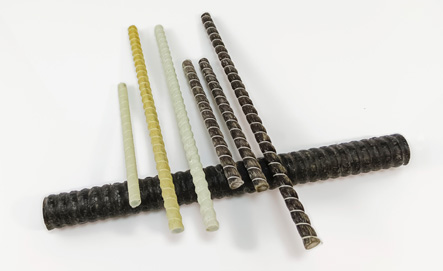
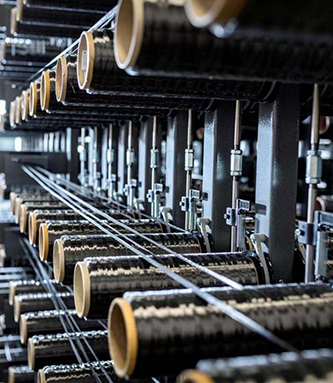
China Beihai is founded in 2015 and located in Jiujiang, Jiangxi Province. China Beihai is a high-tech enterprise focusing on the research, development, production and sales of high-performance basalt continuous fiber and its production equipment manufacturing, as well as a leading enterprise in the domestic basalt fiber industry.
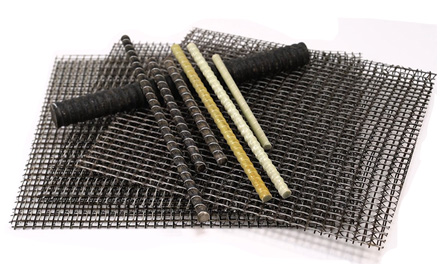
With a comprehensive product portfolio spanning basalt fiber mat, roving, yarn, chopped strands, rebar, mesh, and geogrid, China Beihai serves industries ranging from construction and infrastructure to automotive, aerospace, and the rapidly growing NEV battery pack sector.
View More
At China Beihai group, we specialize in the production of a wide range of products including basalt fiber mat (Basalt fiber chopped strand mat, Basalt fiber cloth), basalt fiber roving, basalt fiber yarn, basalt fiber chopped strands, and basalt fiber products (Basalt Fiber rebar, basalt fiber sleeves and tape). Our products are designed to meet the diverse needs of various industries, providing high-quality solutions for our customers.

At China Beihai group, we are dedicated to the production of a wide array of basalt-based products, ranging from basalt fiber mat, fabric, and roving to chopped strand and specialized construction materials. Our focus is on delivering high-quality, sustainable solutions for industries such as construction, geotechnical engineering, and manufacturing. With a commitment to innovation and excellence, we strive to cater to the unique requirements of our clients by offering a comprehensive selection of basalt-derived products.

Choosing to work with China Beihai means working with a leading manufacturer of basalt products. Our commitment to quality, innovation and sustainability sets us apart, ensuring our customers receive best-in-class solutions for their diverse needs. Reliability and customer satisfaction, we offer a wide range of high-quality basalt materials and construction products, backed by our dedication to excellence and industry expertise. When you partner with China Beihai, you can trust that you are working with a reliable and forward-thinking partner — a trusted supplier for all your basalt product needs.
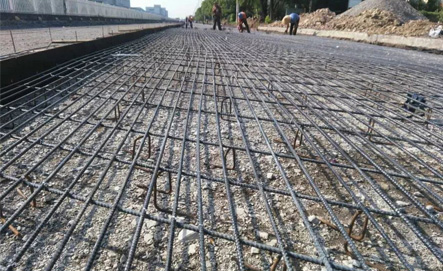
Basalt fiber is ideal for your engineering projects. Its high strength, corrosion resistance and lightweight properties allow it to easily solve a variety of challenges. In buildings, bridges, roads and other infrastructure projects, basalt fibers demonstrate outstanding performance, extending structural life and reducing maintenance costs. In the NEV industry, basalt fiber reinforcement bars provide the electromagnetic transparency and chemical resistance that modern battery pack architectures demand. Choose basalt fiber, choose reliability and durability.
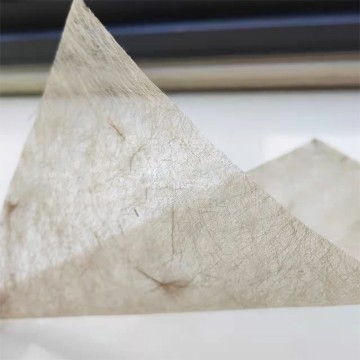
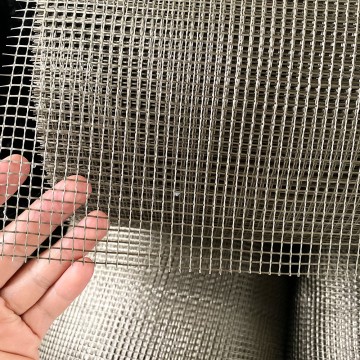
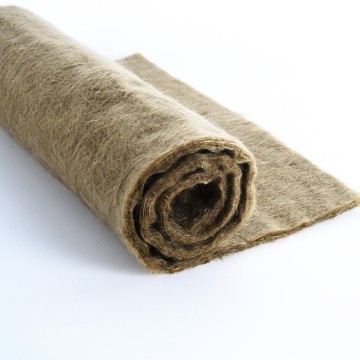
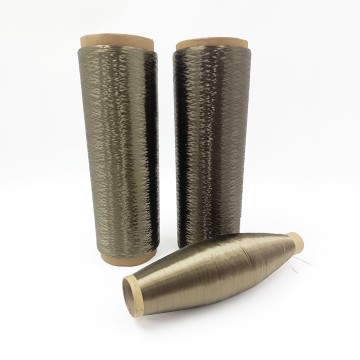

Our basalt products have diverse applications in the field of house construction.

In the aerospace field, basalt fibers are ideal for manufacturing aircraft wings and engine components.

Basalt fibers enable spacecraft shell materials, thermal protection systems, and high-temperature-resistant engine components.

Basalt-added concrete offers increased strength, crack resistance, chemical resistance and improved workability.

Facing the trend of lightweight automobile materials, basalt fiber composites enable wide application in the NEV battery pack and automotive field.

Basalt's high strength, durability and protective properties make it ideal for protecting bridge abutment structures from collision, fire, and corrosion.

The corrosion resistance of basalt fiber gives it a unique advantage in the petrochemical field.

Basalt fiber composites offer lightweight, high-strength, corrosion-proof solutions for marine and offshore structural applications.




As drones slice through the sky to monitor wildfires, and intelligent robots execute repetitive tasks with precision on the factory floor, the efficient operation of this smart equipment is often underpinned by a "hardcore support" that is easily overlooked: a novel material derived from volcanic rock — basalt fiber. Though unassuming in appearance, its unique properties have made it the key to unlocking the performance limits of drones and robots, quietly driving a materials revolution within the realm of intelligent equipment.
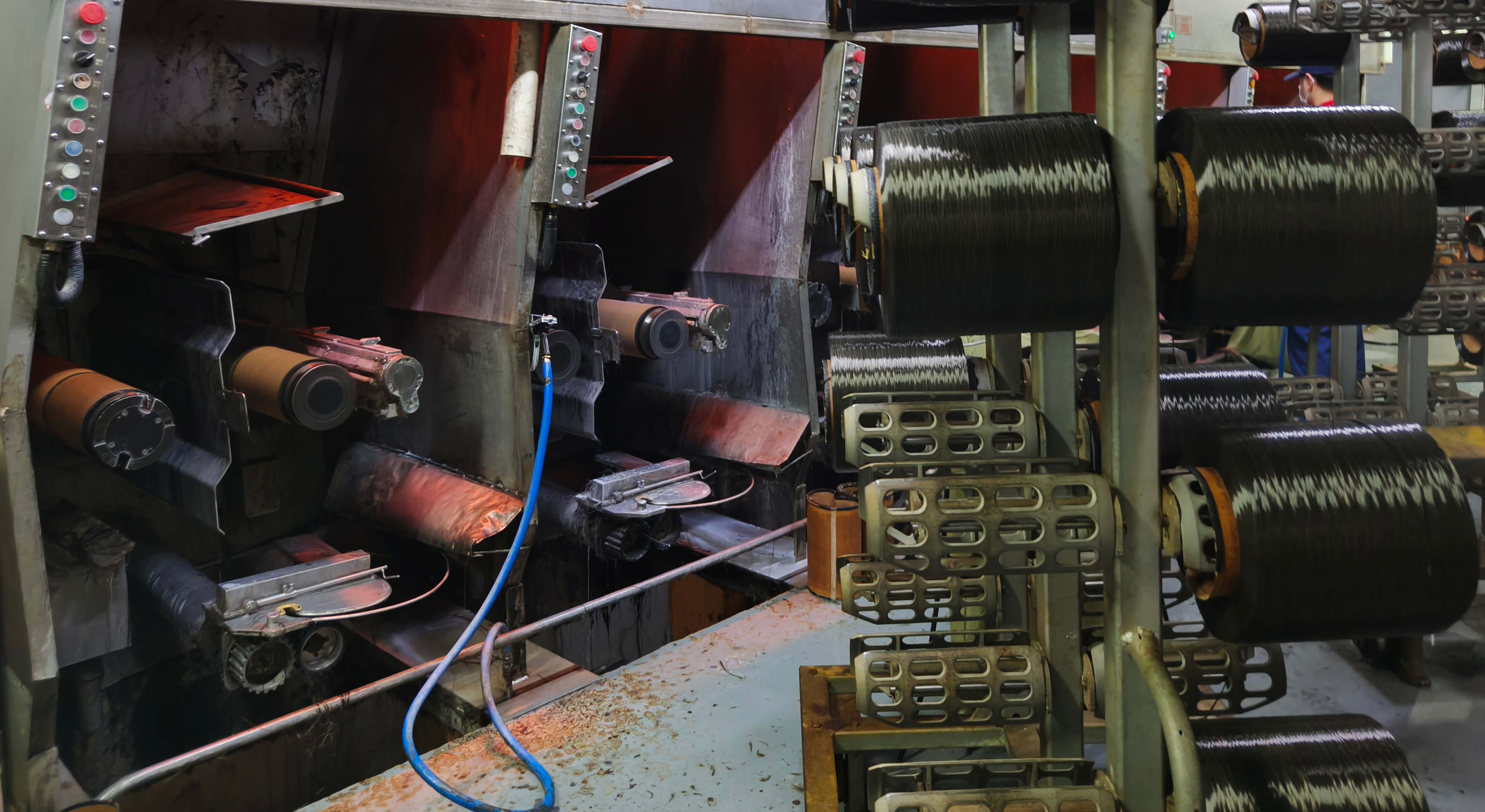
Basalt fiber is an inorganic fibrous material produced by drawing strands from natural basalt ore after it has been melted at high temperatures. It has garnered widespread attention for its exceptional physicochemical properties — particularly its performance in high-temperature environments.
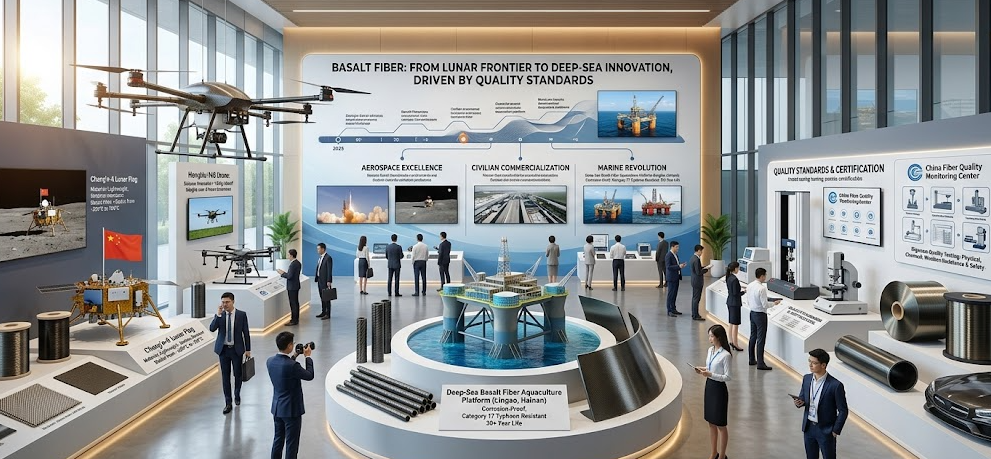
Recently, with the successful realization of major applications — such as the Chang'e-6 lunar exploration mission and the world's first deep-sea basalt fiber aquaculture platform — basalt fiber is rapidly accelerating its transformation from a laboratory research outcome into a strategic new material.