

Leave Your Message
Precision-engineered basalt fiber solutions for pultruded profiles and structural reinforcement applications across industries.
Understanding the dimensional standards and engineering rationale behind basalt fiber rebar used in pultrusion manufacturing.
Pultruded profiles are fiber-reinforced polymer (FRP) structural shapes manufactured through a continuous pultrusion process, in which reinforcing fibers — including basalt fiber rovings, mats, and fabrics — are pulled through a resin bath and a heated die to form a constant cross-section. The selection of appropriate reinforcement bar sizes within these profiles is a critical engineering parameter that directly governs load-bearing capacity, flexural stiffness, fatigue resistance, and long-term durability.
Basalt fiber reinforcing bars (rebars) used in pultruded profiles are available in a broad spectrum of diameters, typically ranging from 4 mm to 32 mm, with specialized custom sizes produced upon request for demanding structural applications. The most commercially prevalent sizes include 6 mm, 8 mm, 10 mm, 12 mm, 16 mm, 20 mm, and 25 mm — each engineered to satisfy specific structural codes and project requirements.
Compared to conventional steel rebar and glass fiber rebar, basalt fiber rebar for pultruded profiles offers a superior combination of tensile strength (800–1500 MPa), corrosion immunity, electromagnetic neutrality, and a density approximately 75% lower than steel. These attributes make it the material of choice for next-generation infrastructure, marine structures, chemical processing plants, and smart city construction.
The following table outlines the standard dimensional and mechanical parameters for basalt fiber rebar used in pultruded structural profiles.
| Diameter (mm) | Cross-Section Area (mm²) | Tensile Strength (MPa) | Elastic Modulus (GPa) | Weight (g/m) | Typical Application |
|---|---|---|---|---|---|
| 4 | 12.6 | ≥1200 | 48–55 | ~22 | Thin-wall panels, repair mesh |
| 6 | 28.3 | ≥1100 | 48–55 | ~50 | Lightweight slabs, facades |
| 8 | 50.3 | ≥1050 | 48–55 | ~88 | Retaining walls, road decks |
| 10 | 78.5 | ≥1000 | 50–58 | ~138 | Bridge decks, pier protection |
| 12 | 113.1 | ≥950 | 50–58 | ~198 | Structural beams, columns |
| 16 | 201.1 | ≥900 | 50–58 | ~352 | Heavy-duty foundations |
| 20 | 314.2 | ≥850 | 52–60 | ~550 | Marine piles, tunnels |
| 25 | 490.9 | ≥800 | 52–60 | ~860 | Deep foundations, dams |
| 32 | 804.2 | ≥750 | 52–60 | ~1408 | Industrial platforms, seawalls |
Basalt fiber rebar delivers tensile strength of 800–1500 MPa, outperforming standard steel (400–600 MPa) while maintaining a fraction of the weight — ideal for slender, high-performance pultruded profiles.
Unlike steel, basalt fiber rebar is completely immune to chloride, sulfate, and alkaline attack. This eliminates spalling, rust staining, and the costly maintenance cycles associated with steel-reinforced concrete.
Basalt fiber retains structural integrity from −260°C to +700°C, making it suitable for pultruded profiles deployed in cryogenic storage, industrial furnaces, and fire-exposed building elements.
Basalt fiber is electrically non-conductive and magnetically transparent, enabling its use in MRI facilities, radar stations, data centers, and sensitive electronic infrastructure without signal interference.
Manufactured from 100% natural volcanic basalt rock with no chemical additives, basalt fiber rebar has a significantly lower carbon footprint than steel or carbon fiber, supporting green building certification goals.
At roughly 2.7 g/cm³ density (vs. 7.85 g/cm³ for steel), basalt rebar dramatically reduces dead load in pultruded profiles, enabling longer spans, thinner sections, and lower transportation and installation costs.
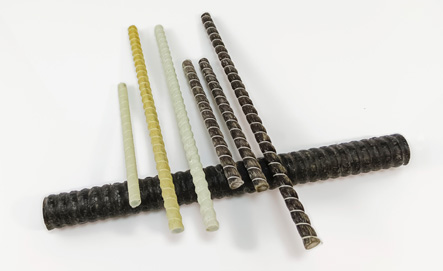
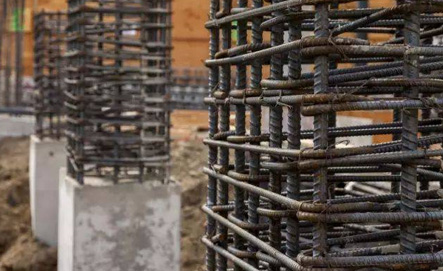
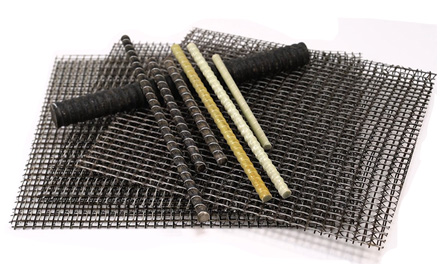
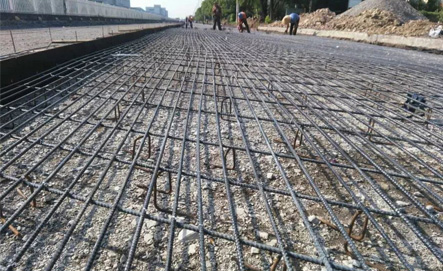
The global FRP rebar and pultruded profile market is undergoing rapid transformation, driven by sustainability mandates, infrastructure investment cycles, and material innovation.
The global FRP rebar market was valued at approximately USD 580 million in 2023 and is projected to exceed USD 1.4 billion by 2032, growing at a CAGR of 10.3%. Basalt fiber rebar is the fastest-growing segment, driven by its superior cost-performance ratio and environmental credentials compared to glass and carbon fiber alternatives.
Governments across North America, Europe, and Asia-Pacific are mandating corrosion-resistant reinforcement in coastal bridges, tunnels, and seawall projects. Basalt fiber rebar for pultruded profiles has been specified in landmark projects including deep-sea aquaculture platforms, highway bridge decks in marine environments, and metro tunnel linings.
LEED, BREEAM, and China's Green Building Standard are increasingly rewarding the use of low-carbon, non-metallic reinforcement. Basalt fiber rebar in pultruded profiles contributes significantly to embodied carbon reduction targets, with lifecycle analyses showing 40–60% lower CO₂ equivalent compared to equivalent steel reinforcement systems.
International standards bodies including ACI (440.1R), ISO, and China's GB/T have been actively developing and revising design codes for FRP and basalt fiber rebar. The establishment of clear design guidelines is accelerating adoption among structural engineers and specifiers who previously relied on conservative steel-equivalent substitution approaches.
Advanced pultrusion lines now incorporate real-time fiber tension monitoring, AI-driven resin injection control, and automated diameter verification systems. These Industry 4.0 technologies ensure that reinforcement bar sizes for pultruded profiles meet tighter tolerances (±0.1 mm diameter, ±2% tensile strength) demanded by aerospace and defense applications.
Offshore wind energy platforms, tidal energy structures, and deep-sea aquaculture cages represent a rapidly growing end-market for basalt fiber pultruded profiles. The combination of zero corrosion, high specific strength, and acoustic transparency makes basalt rebar the preferred reinforcement for these harsh-environment applications where steel would fail within 5–10 years.
The precise selection of rebar diameter within pultruded profiles is application-critical. Here we analyze the most demanding use cases across industries.
For bridge deck pultruded panels, 12 mm and 16 mm basalt fiber rebars are typically specified as primary longitudinal reinforcement, with 8 mm bars used for transverse distribution. The non-magnetic property eliminates interference with weigh-in-motion sensors embedded in smart bridge infrastructure, while corrosion immunity removes the need for costly cathodic protection systems.
Field data from coastal bridge projects in Jiangsu Province, China, demonstrates that basalt rebar-reinforced pultruded deck panels maintain full structural performance after 15 years of saltwater exposure — a condition under which conventional steel-reinforced decks typically require major rehabilitation at year 8–12.
MRI scanner rooms require structural elements that are completely non-ferromagnetic and non-conductive. Pultruded profiles with 8–16 mm basalt fiber rebar reinforcement provide the necessary load-bearing capacity for floor slabs, wall panels, and ceiling structures while maintaining the electromagnetic cleanliness required for diagnostic imaging accuracy.
The use of basalt rebar-reinforced pultruded profiles in MRI suite construction eliminates the need for expensive mu-metal shielding and permits the installation of MRI equipment closer to conventional hospital structure — reducing construction costs by an estimated 15–25% compared to traditional shielded room designs.
Pultruded structural grating, handrails, walkways, and pipe supports in chemical plants are exposed to aggressive acids, alkalis, and solvents that rapidly degrade steel and even stainless steel. Basalt fiber rebar in sizes 10–20 mm provides the structural backbone for these pultruded components, offering full chemical resistance without the weight penalty of glass fiber alternatives.
In chlor-alkali production facilities where chlorine gas and sodium hydroxide are present simultaneously, basalt rebar-reinforced pultruded profiles have demonstrated service lives exceeding 30 years with zero structural degradation — compared to 5–8 year replacement cycles for hot-dip galvanized steel structures.
Launch pad structures, satellite assembly cleanrooms, and radar antenna support systems demand structural profiles that combine high strength-to-weight ratio with radar transparency and thermal stability. Pultruded profiles reinforced with 6–12 mm basalt fiber rebar meet these exacting requirements, providing structural support without compromising the electromagnetic performance of adjacent sensitive equipment.
China's space program has incorporated basalt fiber composite materials in ground support infrastructure, leveraging the material's proven performance in the Chang'e-6 lunar mission program — a testament to the reliability and precision achievable with correctly sized basalt rebar in pultruded structural profiles.

Our basalt products have diverse applications in the field of house construction.

In the aerospace field, basalt fibers are ideal for manufacturing aircraft wings and engine components.

Basalt fibers used in spacecraft shell materials, thermal protection systems, and high-temperature-resistant components.

Basalt-added concrete offers increased strength, durability, crack resistance, and improved chemical resistance.

Wide application of basalt fiber products in the automobile field, supporting the lightweight trend.

Basalt's high strength and durability make it ideal for protecting bridge structures from corrosion and environment.

The corrosion resistance of basalt fiber gives it a unique advantage in the petrochemical field.

Basalt fiber composites deliver lightweight, high strength, and corrosion resistance for ship and marine applications.
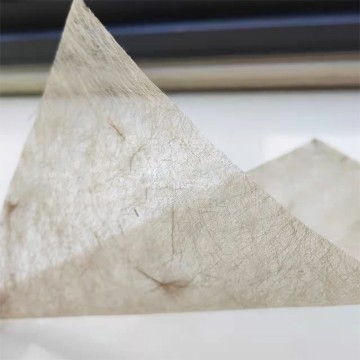
Basalt Fiber Surfacing Tissue Mat is a non-woven thin sheet engineered to provide a smooth resin-rich surface layer for fiber reinforced plastic pultruded profiles...
read more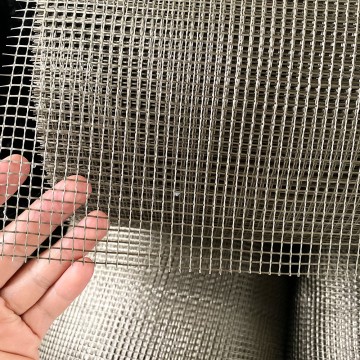
Our high-performance Basalt Fiber Mesh provides a superior reinforcement solution for concrete and plaster applications where high alkali resistance is required...
read more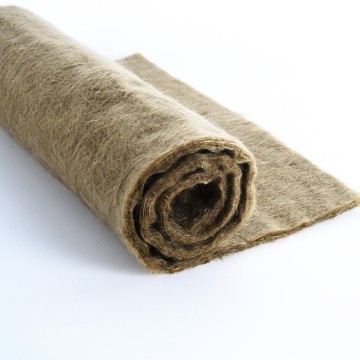
Our Basalt Fiber Needled Mat is a high-density insulation material manufactured by mechanically bonding continuous basalt fibers without any chemical binders...
read more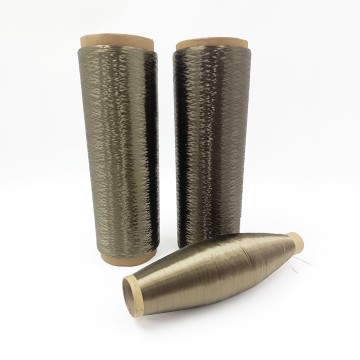
Our Basalt Fiber Twisted Yarn is engineered by twisting multiple continuous filaments to enhance mechanical strength and processing stability for industrial applications...
read more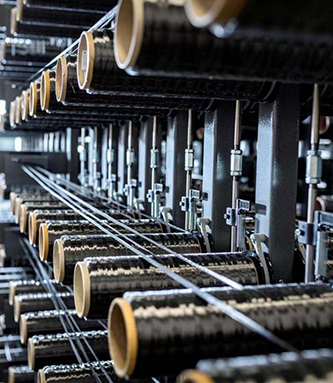
China Beihai is founded in 2015 and located in Jiujiang, Jiangxi Province. China Beihai is a high-tech enterprise focusing on the research, development, production and sales of high-performance basalt continuous fiber and its production equipment manufacturing, as well as a leading enterprise in the domestic basalt fiber industry.
Our comprehensive product range — spanning basalt fiber mat, roving, yarn, chopped strands, rebar, sleeves, and tape — is engineered to deliver reinforcement bar sizes for pultruded profiles that meet the most demanding international structural standards, from ASTM and ACI to ISO and GB/T.
View More →
At China Beihai group, we specialize in the production of a wide range of products including basalt fiber mat (Basalt fiber chopped strand mat, Basalt fiber cloth), basalt fiber roving, basalt fiber yarn, basalt fiber chopped strands, and basalt fiber products (Basalt Fiber rebar, basalt fiber sleeves and tape). Our products are designed to meet the diverse needs of various industries, providing high-quality solutions for our customers.

At China Beihai group, we are dedicated to the production of a wide array of basalt-based products, ranging from basalt fiber mat, fabric, and roving to chopped strand and specialized construction materials. Our focus is on delivering high-quality, sustainable solutions for industries such as construction, geotechnical engineering, and manufacturing. With a commitment to innovation and excellence, we strive to cater to the unique requirements of our clients by offering a comprehensive selection of basalt-derived products.

Choosing to work with China Beihai means working with a leading manufacturer of basalt products. Our commitment to quality, innovation and sustainability sets us apart, ensuring our customers receive best-in-class solutions for their diverse needs. Reliability and customer satisfaction — we offer a wide range of high-quality basalt materials and construction products, backed by our dedication to excellence and industry expertise. When you partner with China Beihai, you can trust that you are working with a reliable and forward-thinking partner for all your basalt product needs.
Basalt fiber is ideal for your engineering projects. Its high strength, corrosion resistance and lightweight properties allow it to easily solve a variety of challenges. In buildings, bridges, roads and other infrastructure projects, basalt fibers demonstrate outstanding performance, extending structural life and reducing maintenance costs.
Our basalt products have diverse applications in the field of house construction.
In the aerospace field, basalt fibers are ideal for manufacturing aircraft wings and engine components.
Through fine process control, basalt fibers are used in spacecraft shell materials and thermal protection systems.
Basalt-added concrete offers increased strength, durability, crack resistance, and improved workability.
Facing the trend of lightweight automobile materials, basalt fiber composites enable wide automotive applications.
Basalt's high strength and protective properties make it ideal for protecting bridge structures.
The corrosion resistance of basalt fiber gives it a unique advantage in the petrochemical field.
Basalt fiber composites with lightweight, high strength, and corrosion resistance for marine applications.
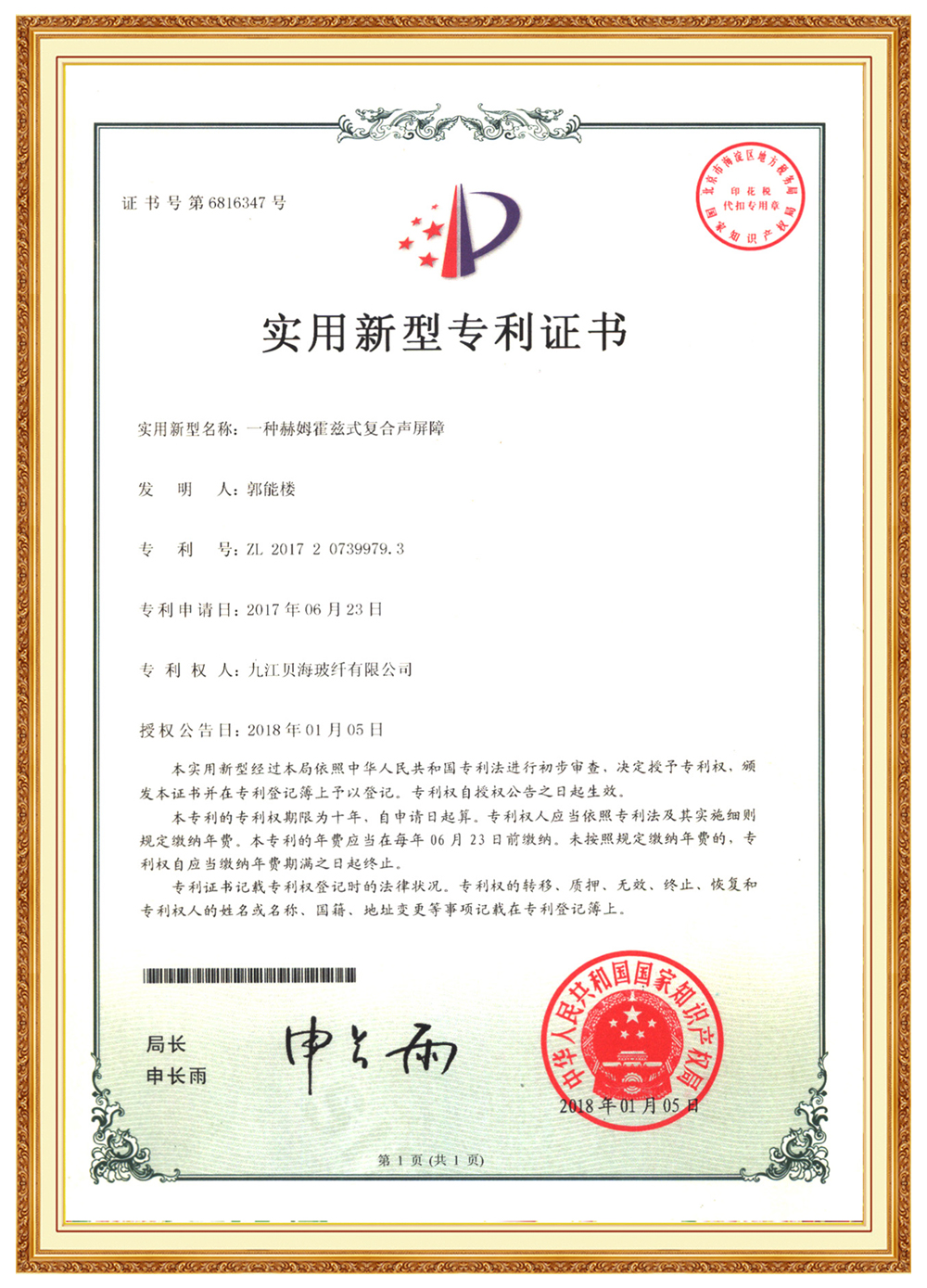
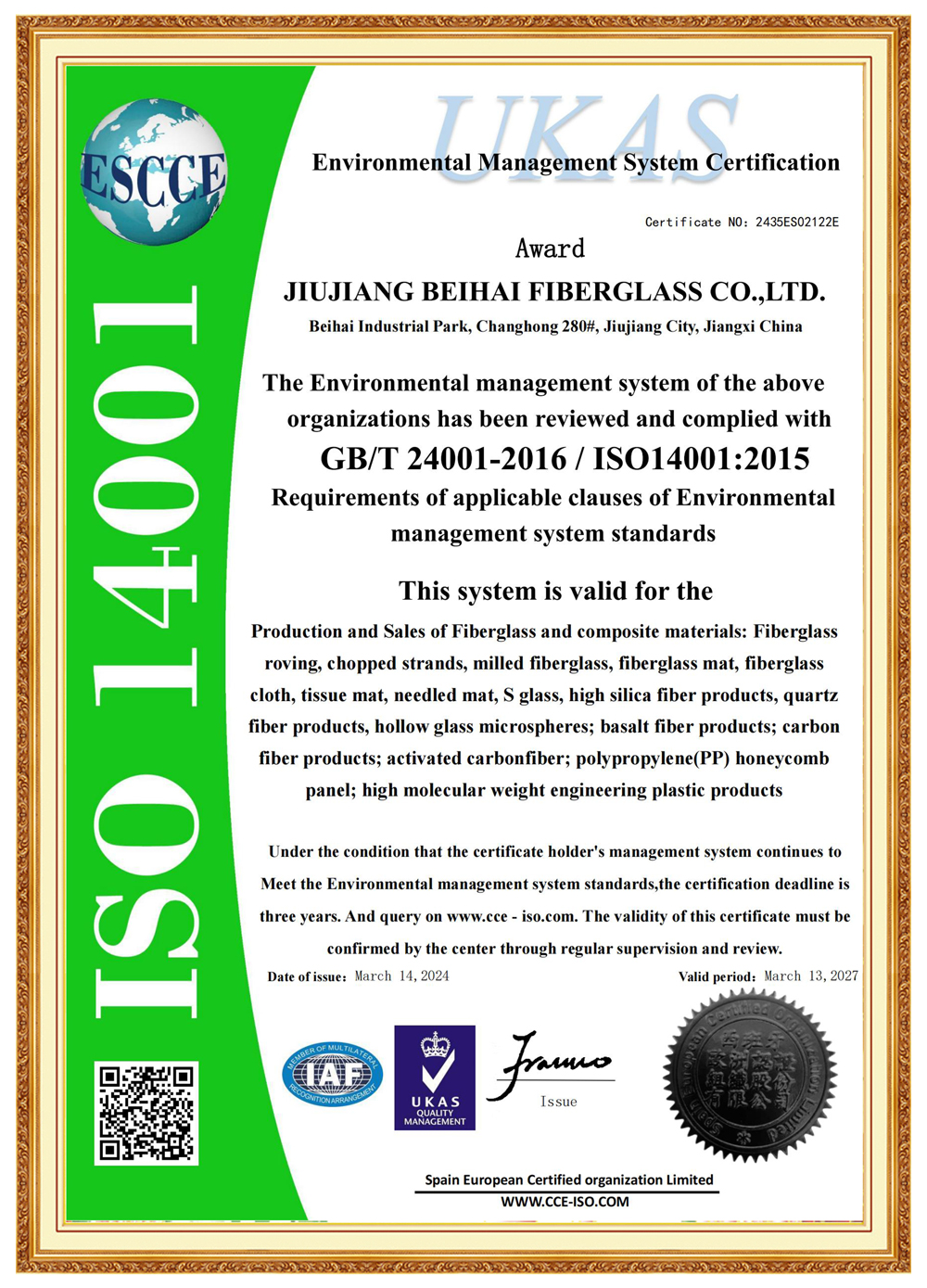
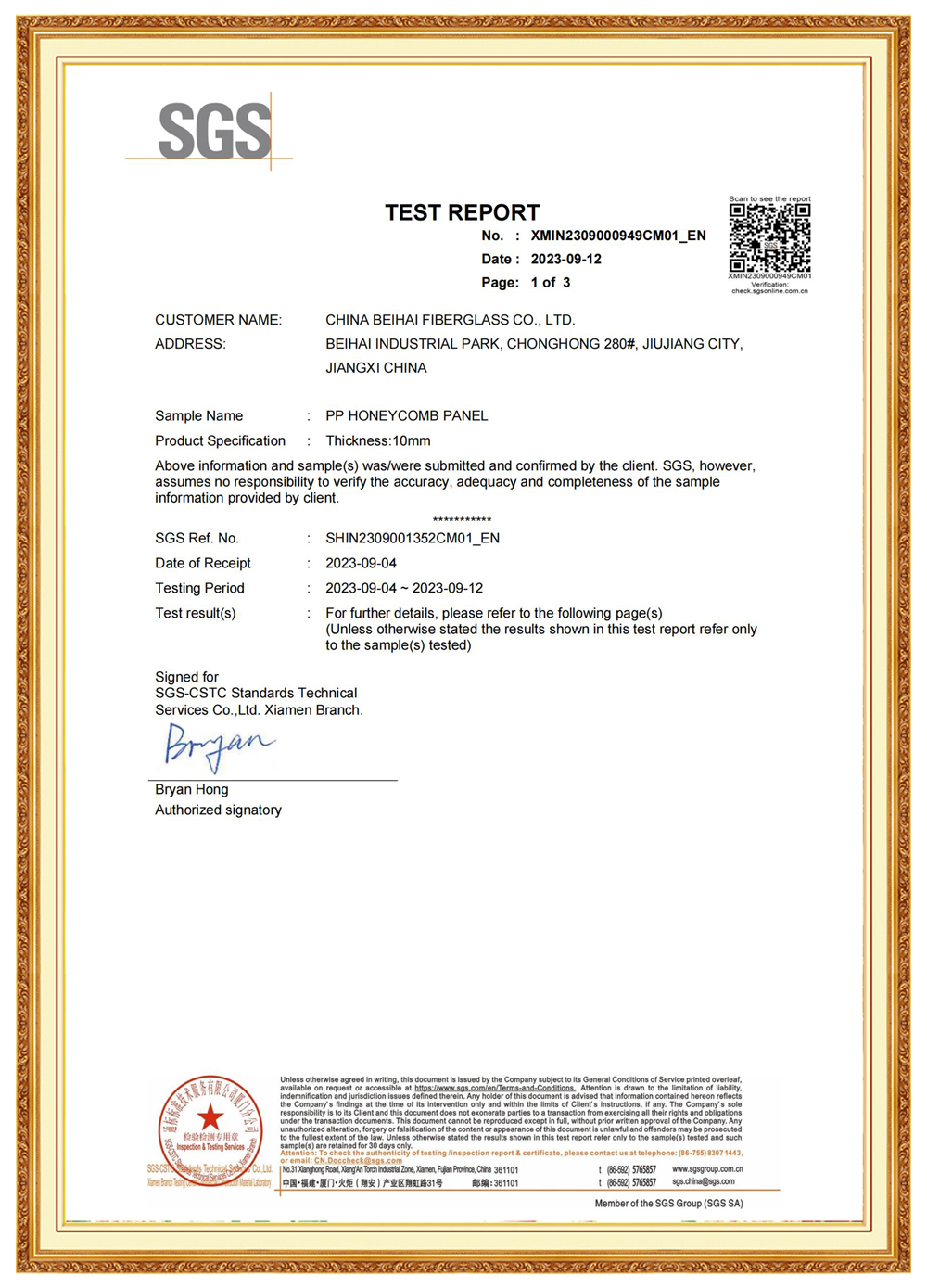
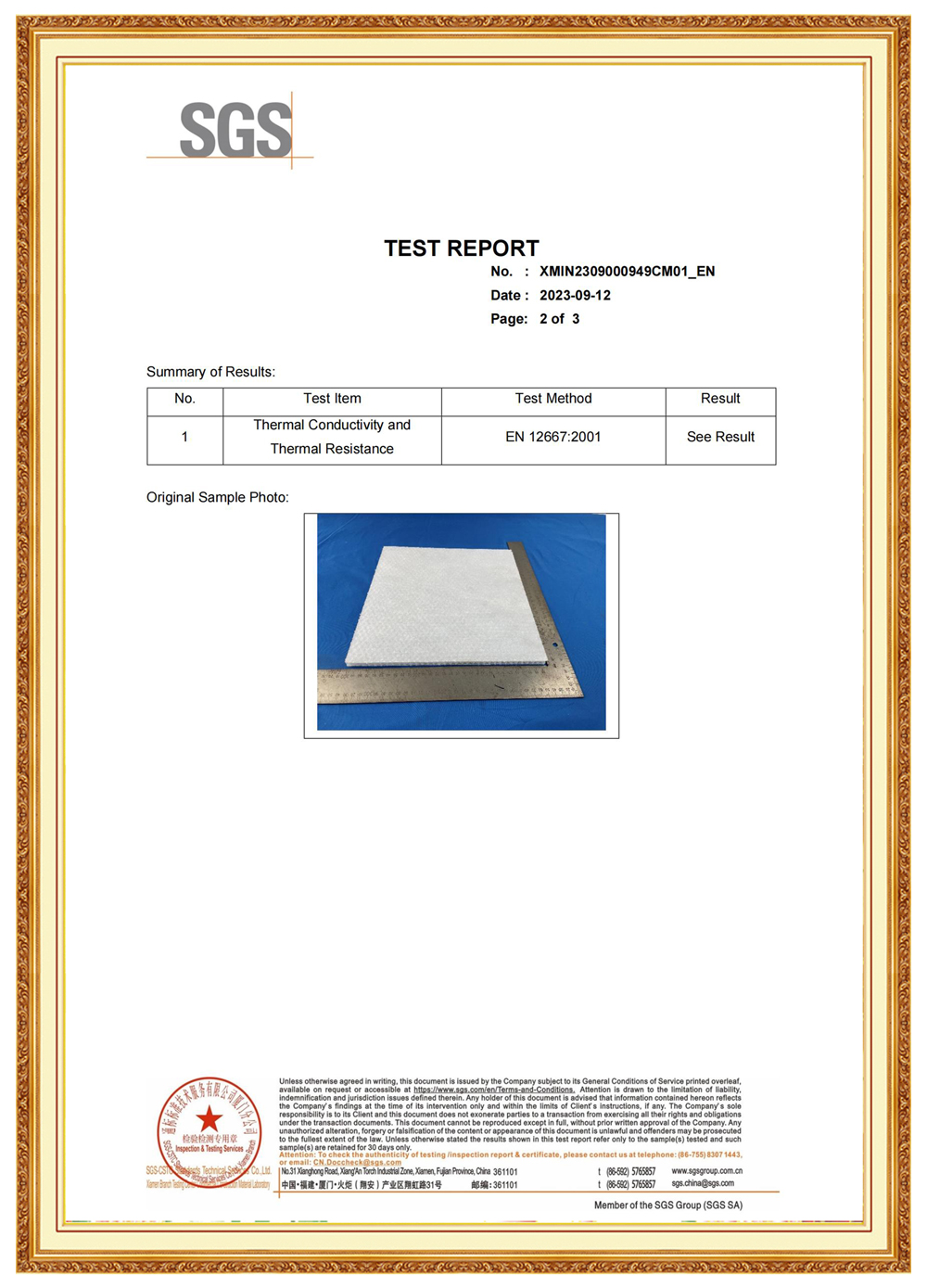
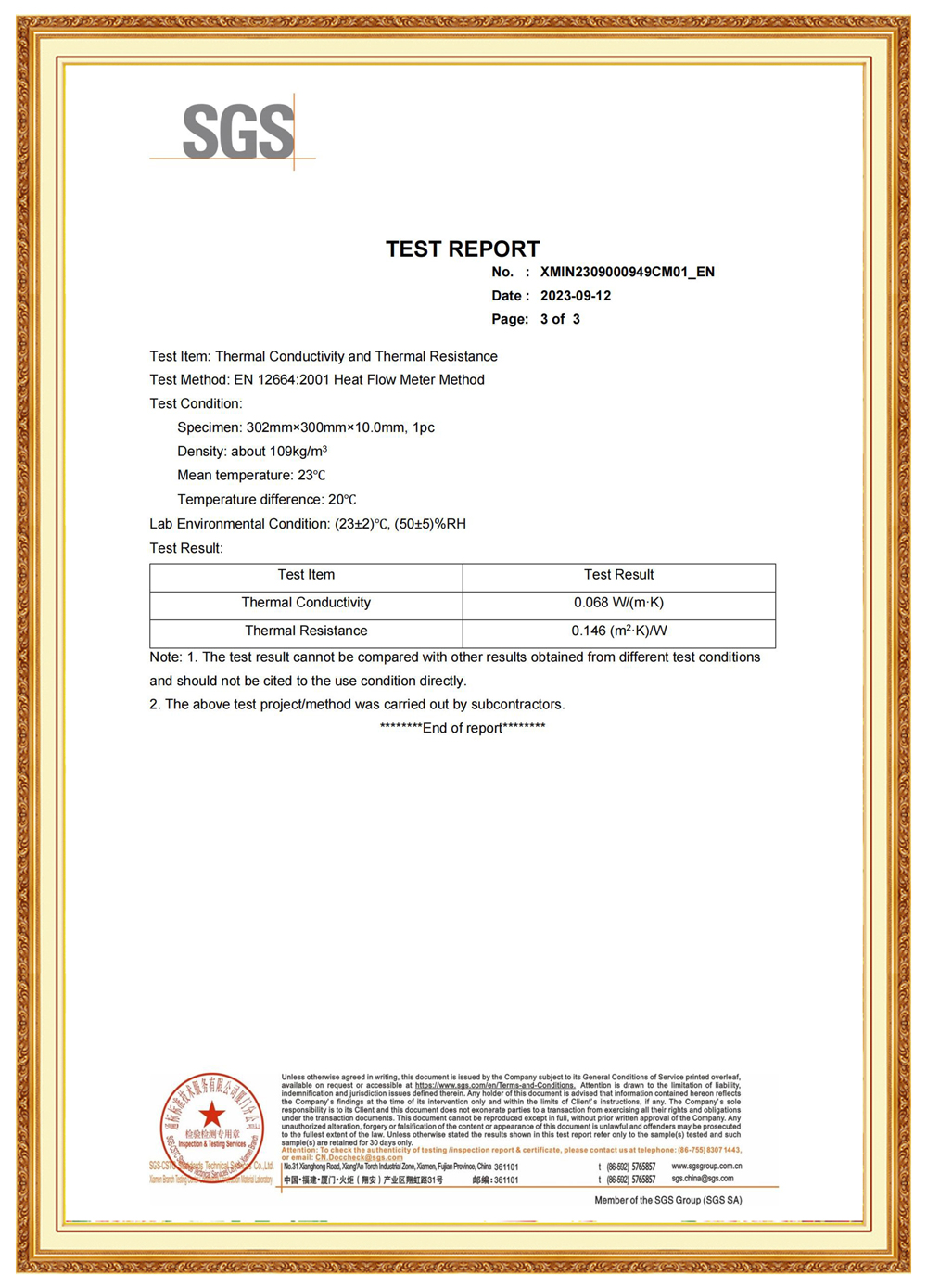
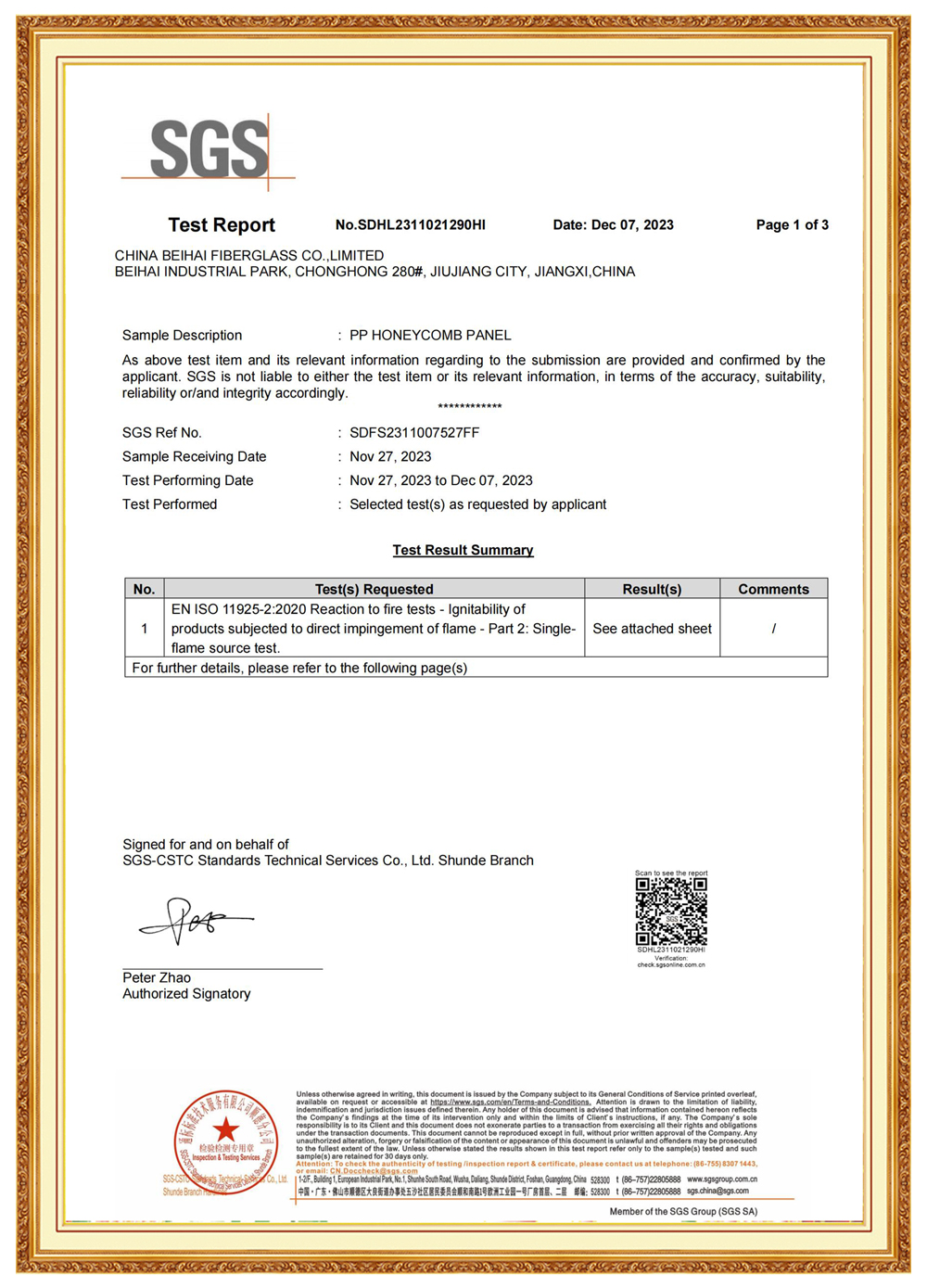
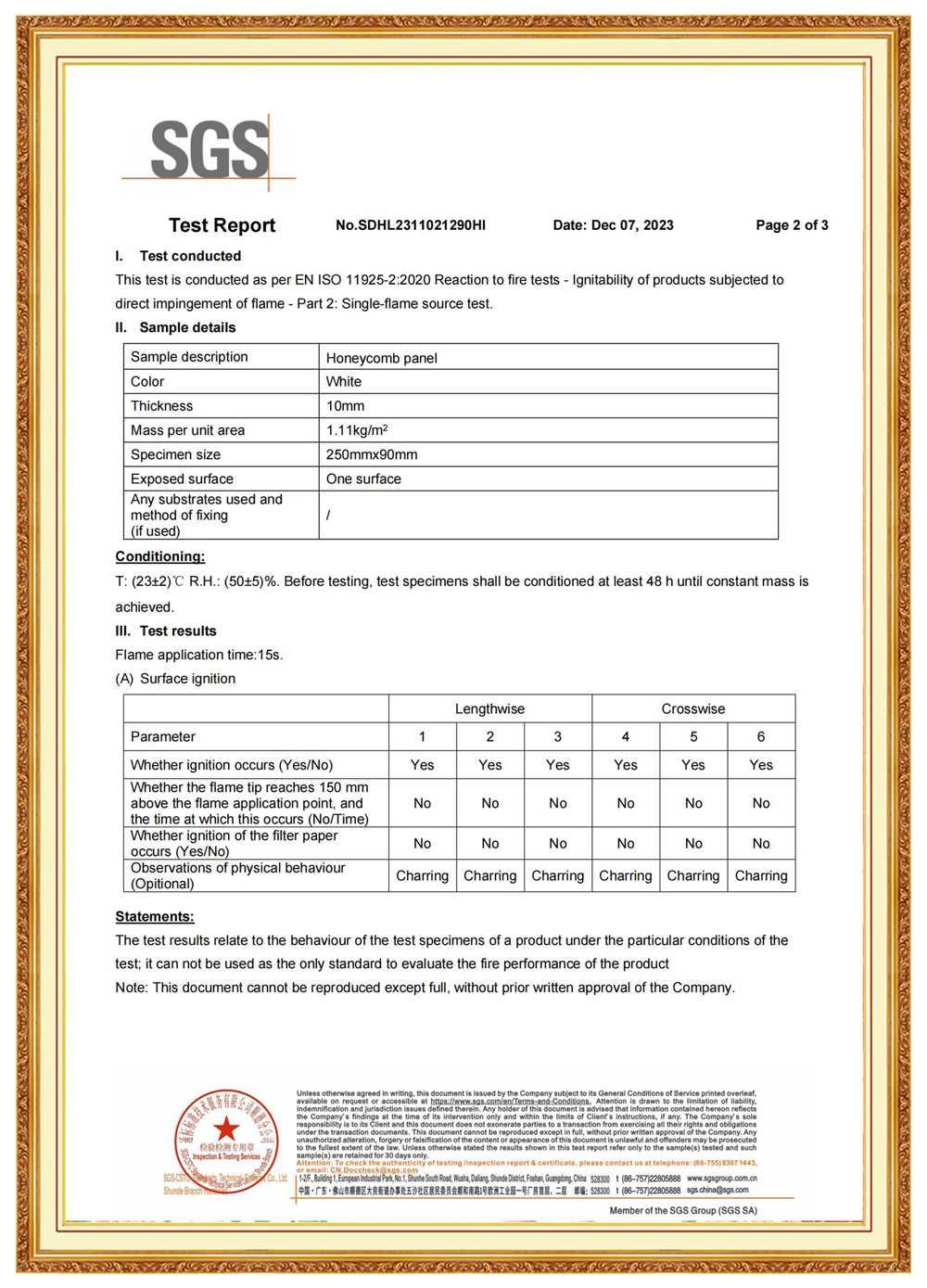
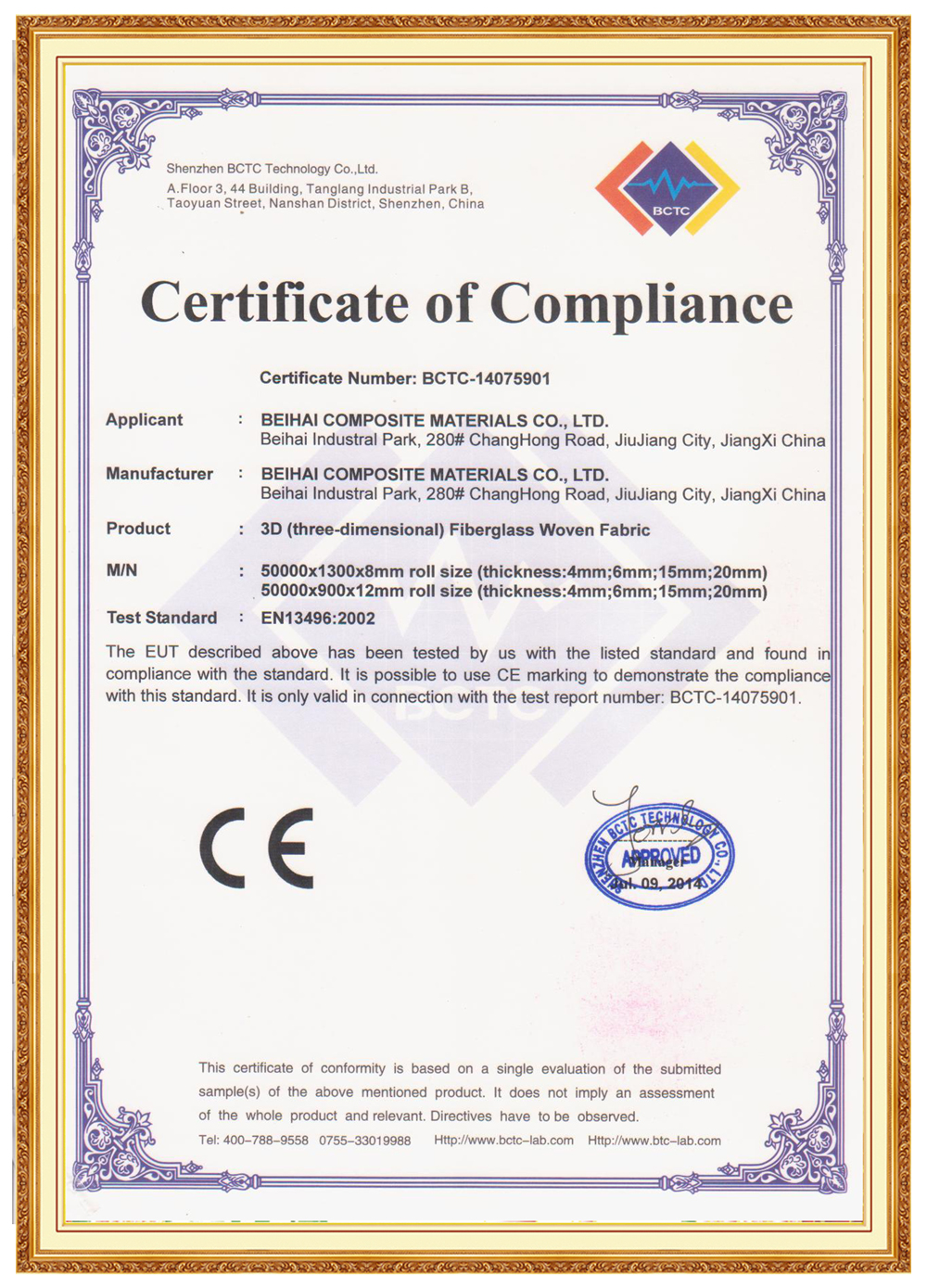
China Beihai's basalt fiber products are backed by internationally recognized quality certifications, ensuring compliance with global structural engineering standards.

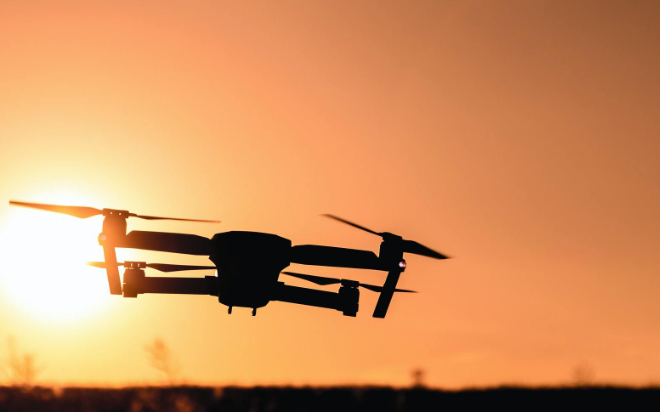
As drones slice through the sky to monitor wildfires, and intelligent robots execute repetitive tasks with precision on the factory floor, the efficient operation of this smart equipment is often underpinned by a "hardcore support" that is easily overlooked: a novel material derived from volcanic rock — basalt fiber. Though unassuming in appearance, its unique properties have made it the key to unlocking the performance limits of drones and robots, quietly driving a materials revolution within the realm of intelligent equipment.
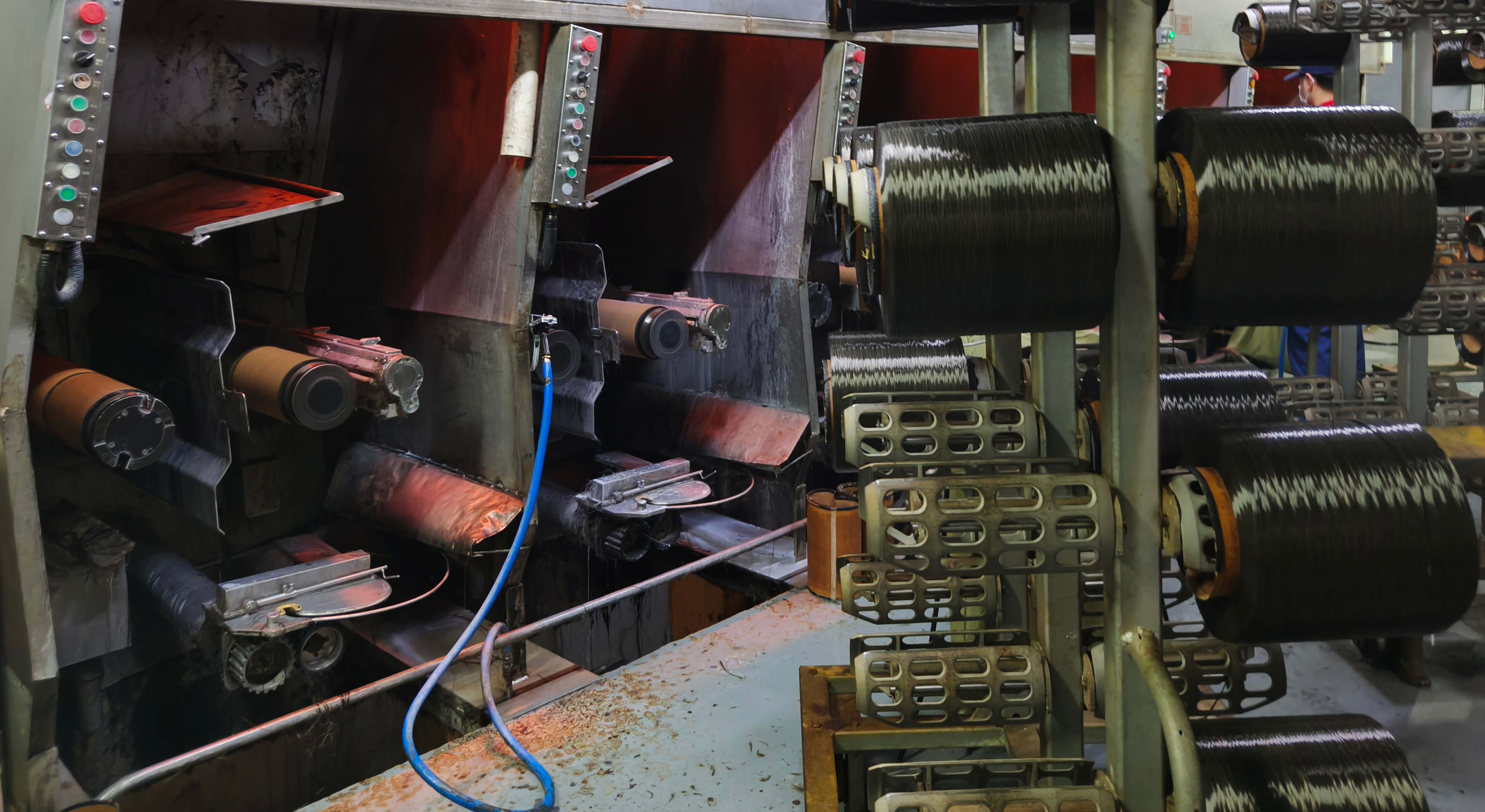
Basalt fiber is an inorganic fibrous material produced by drawing strands from natural basalt ore after it has been melted at high temperatures. It has garnered widespread attention for its exceptional physicochemical properties — particularly its performance in high-temperature environments.
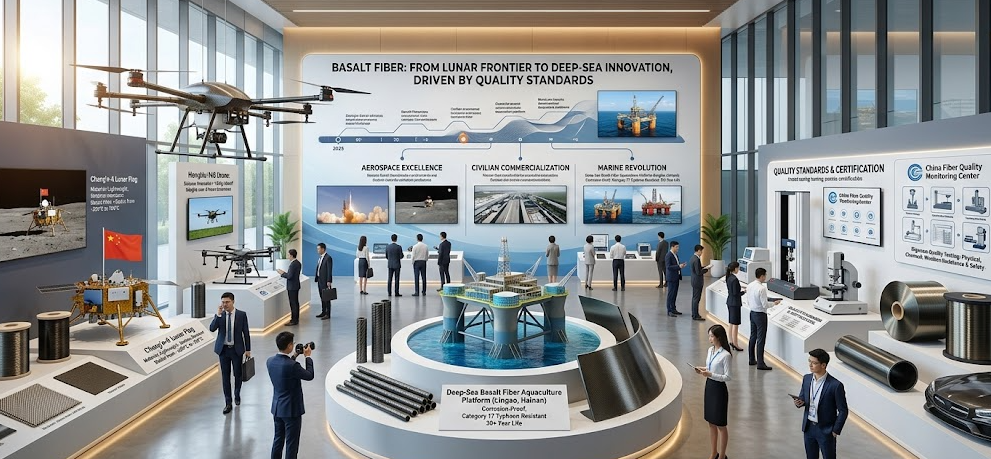
Recently, with the successful realization of major applications — such as the Chang'e-6 lunar exploration mission and the world's first deep-sea basalt fiber aquaculture platform — basalt fiber is rapidly accelerating its transformation from a laboratory research outcome into a strategic new material with tangible industrial productivity.
Explore our full lineup of basalt fiber reinforcement solutions for pultruded profiles and structural applications.
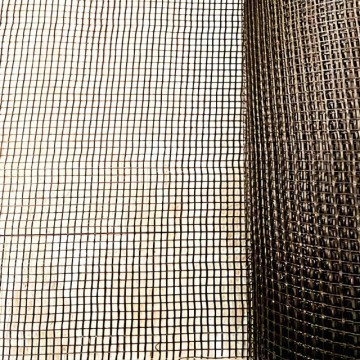 Basalt Fiber Mesh for Asphalt Reinforcement
 Basalt Rebar for Bridge Road Construction Reinforcement
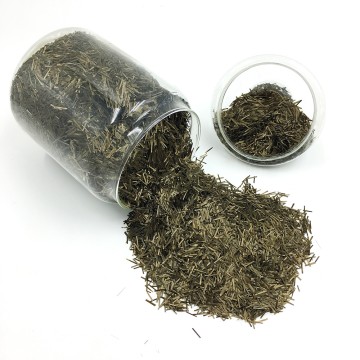 High-Tensile Basalt Fiber Chopped Strands for Concrete Reinforcement
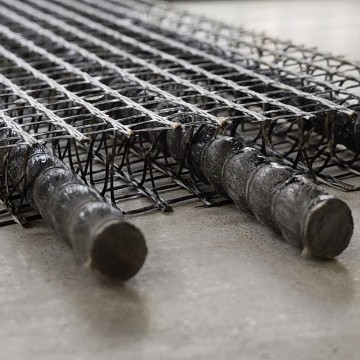 Heavy-Duty 3D Basalt Fiber Mesh for Concrete Reinforcement & Plaster Strengthening
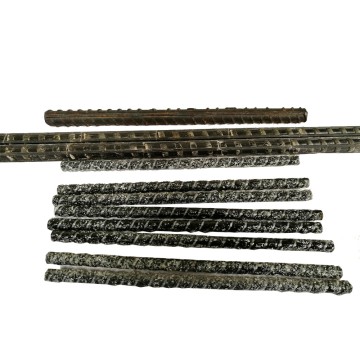 High Tensile Strength Basalt Fiber Rebar for Structural Reinforcement
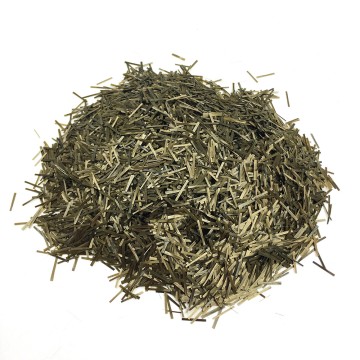 Wholesale High Tensile Strength Concrete Reinforcement Basalt Fiber Chopped Strands
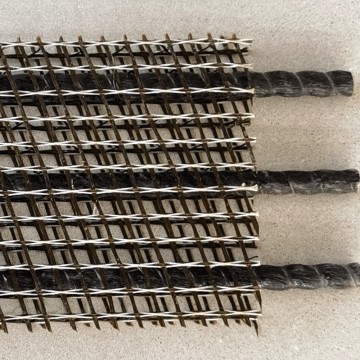 High Tensile Strength 3D Basalt Fiber Mesh for Structural Reinforcement and Repair
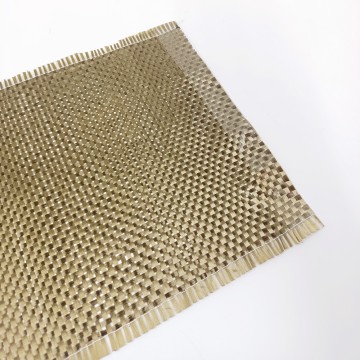 Factory Wholesale Basalt Fiber Plain Weave Cloth for Repair and Reinforcement