
Leave Your Message
The global road and bridge construction industry is undergoing a profound transformation driven by the demand for longer service lives, reduced maintenance costs, and superior resistance to environmental degradation. At the core of this transformation lies the selection of appropriate reinforcement bar sizes—a decision that directly impacts structural integrity, load distribution, seismic performance, and long-term durability. Traditional steel rebar, while widely used, is increasingly challenged by its susceptibility to corrosion, its significant weight, and its electromagnetic interference in sensitive environments. Basalt Fiber Reinforced Polymer (BFRP) rebar has emerged as a compelling next-generation alternative, offering a unique combination of properties that directly address these shortcomings.
In road construction, rebar sizes typically range from Ø6mm to Ø32mm, with the most common diameters being Ø8mm, Ø10mm, Ø12mm, Ø16mm, and Ø20mm. Bridge decks, piers, and abutments often require larger diameters—Ø25mm and Ø32mm—to handle heavier dynamic loads. Basalt fiber rebar is currently manufactured and supplied across this full spectrum of sizes, making it a direct, drop-in replacement for conventional steel in most road and bridge reinforcement scenarios.
Choosing the correct reinforcement bar diameter is not merely a structural calculation—it is an engineering decision that influences the entire lifecycle cost of infrastructure. Undersized rebar leads to premature cracking and failure under traffic loads, while oversized rebar adds unnecessary dead weight and material cost. With basalt fiber rebar, engineers gain an additional advantage: the ability to specify smaller-diameter bars that deliver equivalent or superior tensile performance to larger steel bars, enabling thinner, lighter deck sections without sacrificing load capacity.
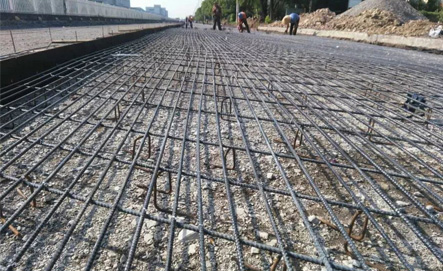
For pavement reinforcement, sub-base stabilization, and road edge beams, rebar sizes from Ø6mm to Ø16mm are most commonly specified. Basalt fiber rebar in these sizes provides excellent crack distribution, prevents reflective cracking in asphalt overlays, and eliminates the rust staining that frequently compromises road aesthetics and surface integrity. In continuously reinforced concrete pavement (CRCP), longitudinal bars of Ø12mm–Ø16mm basalt rebar are used at spacings of 150–200mm to control transverse cracking effectively.
Transverse bars in road slabs are typically Ø8mm–Ø12mm, placed at 300–600mm centers. The non-corrosive nature of basalt rebar is particularly valuable in regions where de-icing salts are used, as chloride-induced corrosion is entirely eliminated, dramatically extending pavement service life.
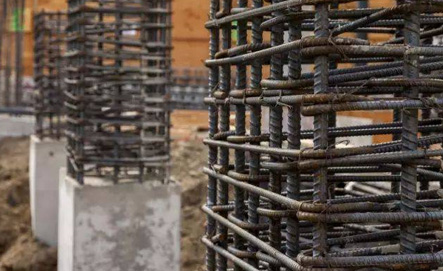
Bridge engineering demands a broader range of rebar sizes due to the complexity of structural elements. Bridge decks commonly use Ø16mm–Ø20mm top and bottom mat reinforcement, while girders and box beams may require Ø25mm–Ø32mm primary longitudinal bars. Piers and columns—which must resist both axial compression and bending moments—typically employ Ø20mm–Ø32mm vertical bars with Ø10mm–Ø16mm spiral or hoop ties.
Basalt fiber rebar excels in bridge deck applications where chloride exposure from seawater spray or road salts is severe. Multiple major bridge projects in North America, Europe, and Asia have adopted BFRP rebar for deck reinforcement, achieving concrete covers as low as 25mm versus the 75mm+ required for steel—a significant structural efficiency gain.
The global basalt fiber rebar market is experiencing accelerated growth, driven by increasing infrastructure investment in developing economies, tightening environmental regulations, and the growing recognition of life-cycle cost advantages over steel. The market was valued at approximately USD 180 million in 2023 and is projected to exceed USD 520 million by 2032, growing at a CAGR of over 12%. Roads and bridges represent the largest end-use segment, accounting for nearly 45% of total basalt rebar consumption globally.
Key markets include North America—where the American Concrete Institute (ACI) 440 standard governs FRP rebar use—Europe, where EN standards are being updated to accommodate BFRP, and the rapidly expanding markets of China, India, and Southeast Asia, where massive infrastructure programs are underway. China Beihai, as a leading domestic producer, is well-positioned to serve both domestic and export markets across these regions.
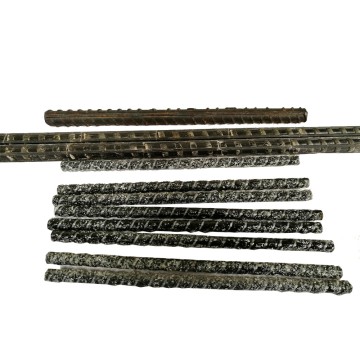
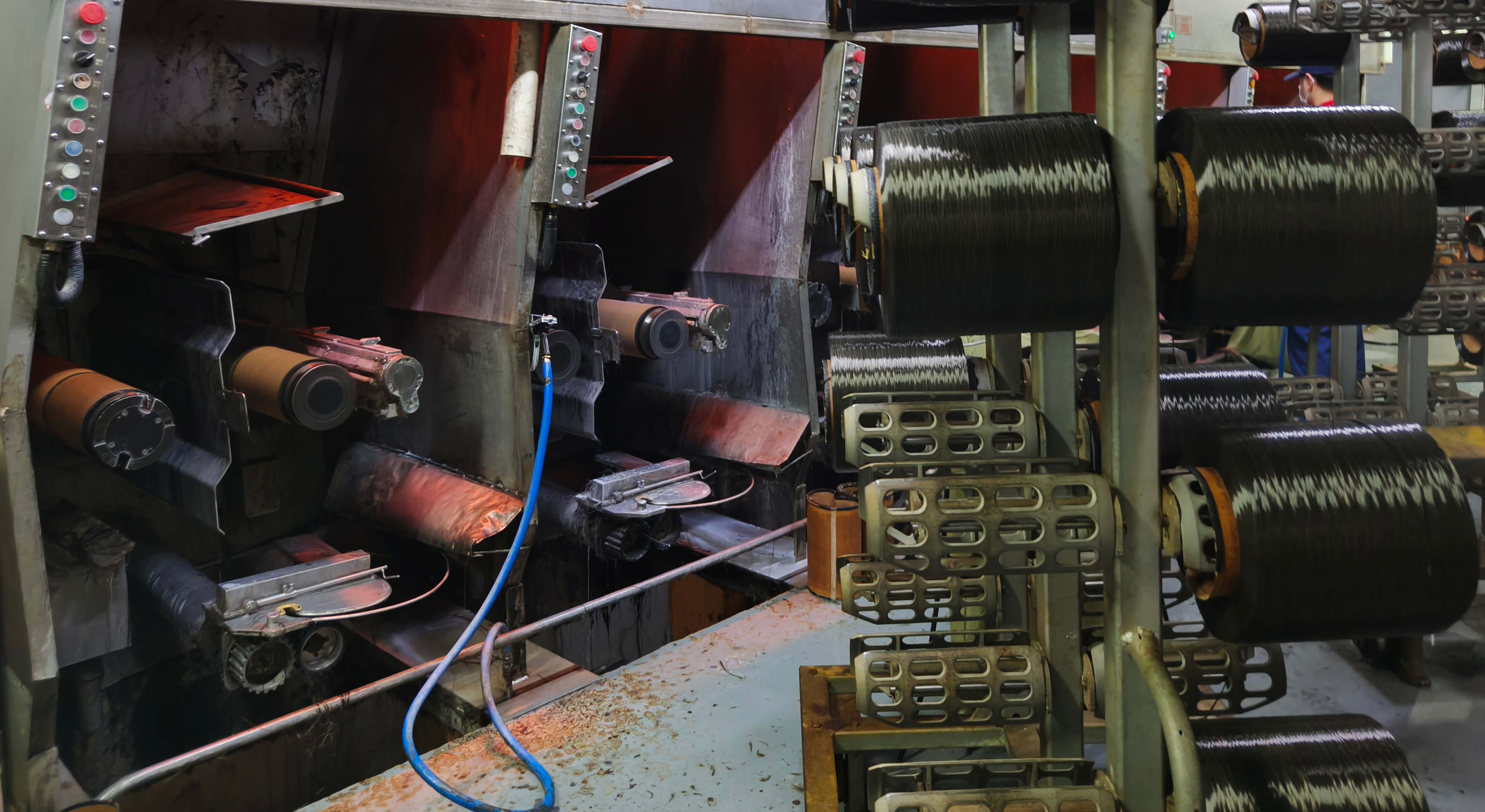
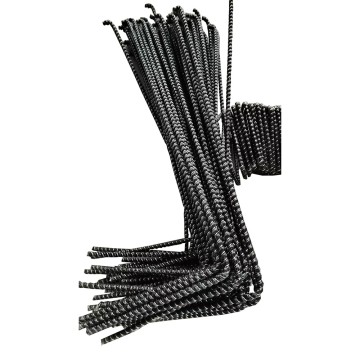
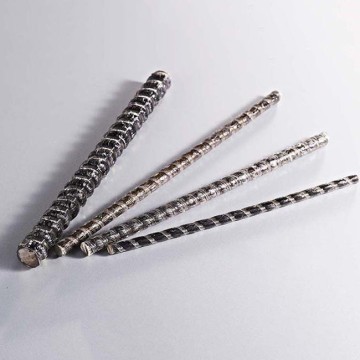
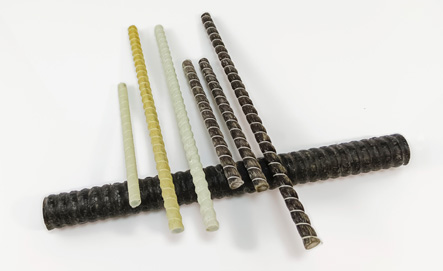
From an industrial perspective, the production of basalt fiber rebar involves melting natural basalt rock at 1,450°C–1,500°C, drawing continuous filaments, applying a thermoset resin matrix (typically vinyl ester or epoxy), and pultrusion-forming the final bar with a helical surface deformation for concrete bond. Quality control across bar diameter consistency, tensile strength, bond strength, and alkali resistance is critical and governed by standards including GOST 31938 (Russia), ACI 440.6M (USA), and GB/T 26745 (China).
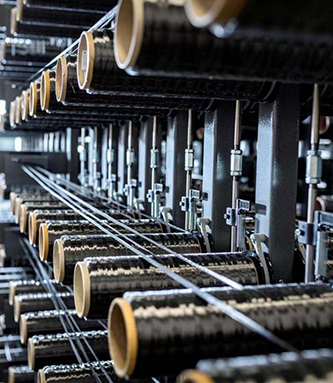
China Beihai is founded in 2015 and located in Jiujiang, Jiangxi Province. China Beihai is a high-tech enterprise focusing on the research, development, production and sales of high-performance basalt continuous fiber and its production equipment manufacturing, as well as a leading enterprise in the domestic basalt fiber industry.
View More
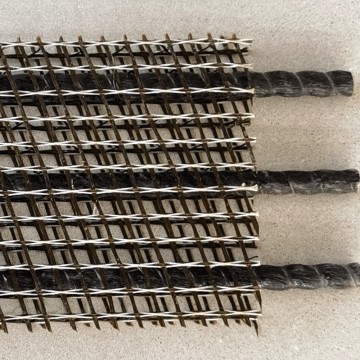
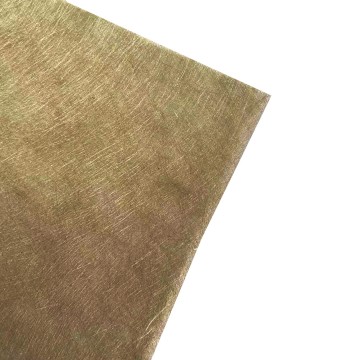
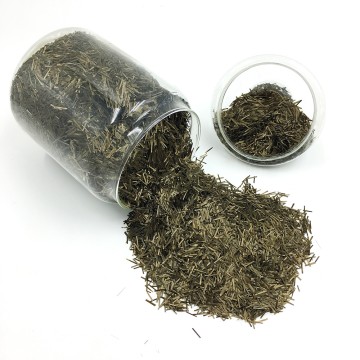
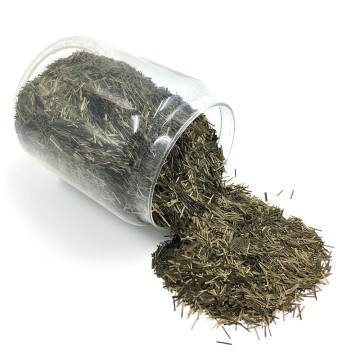
At China Beihai group, we specialize in the production of a wide range of products including basalt fiber mat, basalt fiber cloth, basalt fiber roving, basalt fiber yarn, basalt fiber chopped strands, and basalt fiber products (Basalt Fiber rebar, basalt fiber sleeves and tape). Our products are designed to meet the diverse needs of various industries, providing high-quality solutions for our customers.

At China Beihai group, we are dedicated to the production of a wide array of basalt-based products, ranging from basalt fiber mat, fabric, and roving to chopped strand and specialized construction materials. Our focus is on delivering high-quality, sustainable solutions for industries such as construction, geotechnical engineering, and manufacturing.

Choosing to work with China Beihai means working with a leading manufacturer of basalt products. Our commitment to quality, innovation and sustainability sets us apart, ensuring our customers receive best-in-class solutions for their diverse needs. When you partner with China Beihai, you can trust that you are working with a reliable and forward-thinking partner for all your basalt product needs.
Basalt fiber is ideal for your engineering projects. Its high strength, corrosion resistance and lightweight properties allow it to easily solve a variety of challenges. In buildings, bridges, roads and other infrastructure projects, basalt fibers demonstrate outstanding performance, extending structural life and reducing maintenance costs.

Our basalt products have diverse applications in the field of house construction.

In the aerospace field, basalt fibers are ideal for manufacturing aircraft wings and engine components.

Used in spacecraft shell materials, thermal protection systems, and high-temperature-resistant engine components.

Basalt-added concrete offers increased strength, crack resistance, and improved chemical resistance.

Wide application of basalt fiber products in the automobile field, supporting lightweight trends.

Basalt's high strength and durability protect bridge abutments from collisions, fire, corrosion and natural environment.

The corrosion resistance of basalt fiber gives it a unique advantage in the petrochemical field.

Lightweight, high-strength composites with corrosion resistance ideal for marine environments.
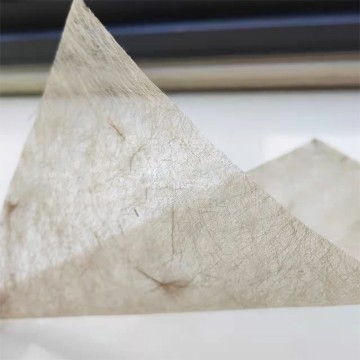
Basalt Fiber Surfacing Tissue Mat is a non-woven thin sheet engineered to provide a smooth resin-rich surface layer for fiber reinforced plastic...
read more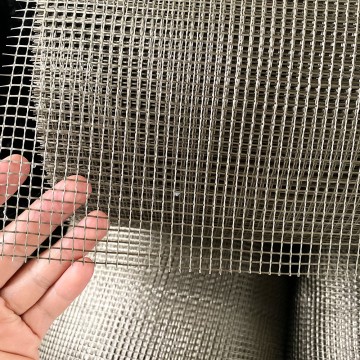
High performance Basalt Fiber Mesh provides a superior reinforcement solution for concrete and plaster applications where high alkali resistance is required...
read more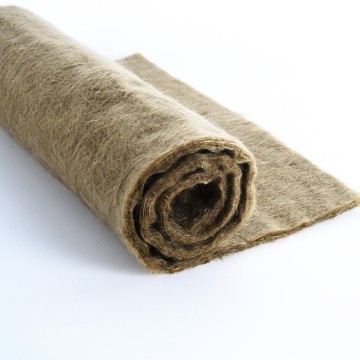
Our Basalt Fiber Needled Mat is a high-density insulation material manufactured by mechanically bonding continuous basalt fibers without any chemicals...
read more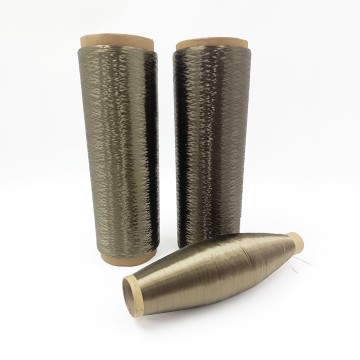
Our Basalt Fiber Twisted Yarn is engineered by twisting multiple continuous filaments to enhance mechanical strength and processing stability...
read more