
Leave Your Message
High-performance basalt fiber reinforcement products engineered for highway, bridge deck, and infrastructure applications — delivering superior tensile strength with zero corrosion risk.
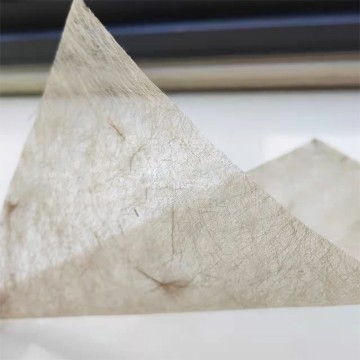
Basalt Fiber Surfacing Tissue Mat engineered to provide a smooth resin-rich surface layer for fiber reinforced plastic and road pavement applications.
Read More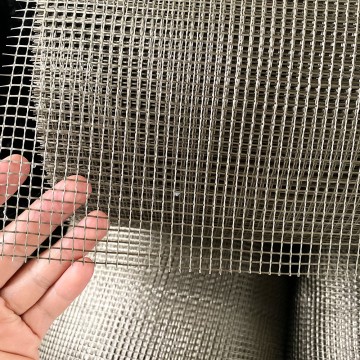
High-performance Basalt Fiber Mesh for concrete and bridge deck applications with superior alkali resistance and long-term durability.
Read More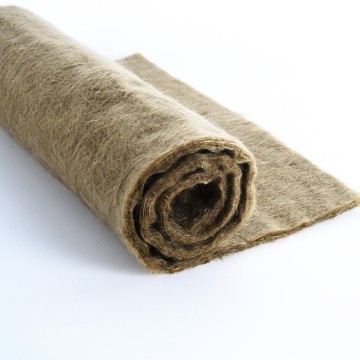
High-density insulation material manufactured by mechanically bonding continuous basalt fibers — ideal for bridge thermal protection systems.
Read More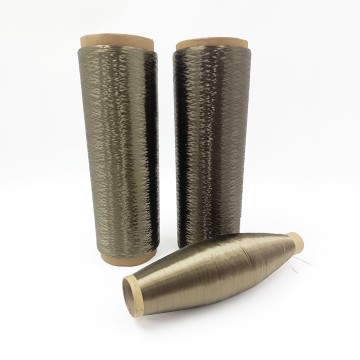
Engineered by twisting multiple continuous filaments to enhance mechanical strength and processing stability for road and bridge composite applications.
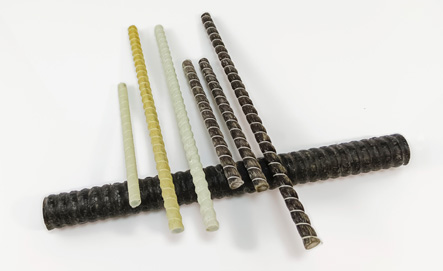
Read MoreBasalt fiber rebar outperforms conventional steel and FRP alternatives across every critical performance dimension demanded by modern highway and bridge engineering.
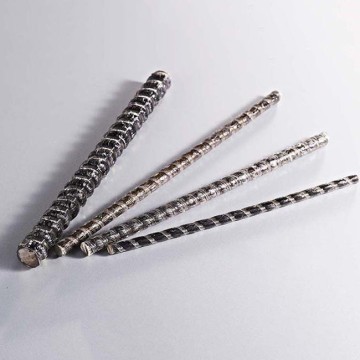
Basalt fiber rebar delivers tensile strength of 1,000–1,500 MPa — up to 3× that of conventional steel — enabling slimmer structural profiles without compromising load capacity in road slabs and bridge decks.
Unlike steel rebar, basalt fiber rod is completely immune to chloride-induced corrosion, eliminating the #1 cause of bridge deck deterioration and reducing lifecycle maintenance costs by over 60%.
At just 1/4 the weight of steel, basalt rebar dramatically reduces dead load on bridge structures, enabling longer spans, reduced foundation requirements, and faster installation on road projects.
Maintains structural integrity from -269°C to +700°C, making it ideal for bridges in extreme climates — from arctic highway crossings to desert viaducts — where thermal cycling causes traditional materials to fail.
Basalt rebar is non-magnetic and electromagnetically neutral, making it the preferred choice for toll plazas, smart road sensor installations, and bridges adjacent to railway electromagnetic infrastructure.
Manufactured from natural volcanic basalt rock with no chemical additives, basalt rebar has a significantly lower carbon footprint than steel production and contributes to green infrastructure certification programs.
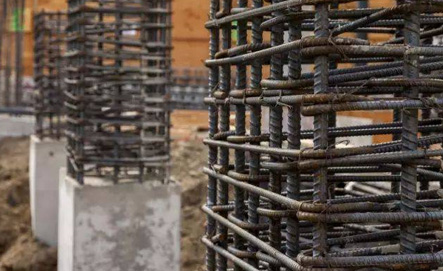
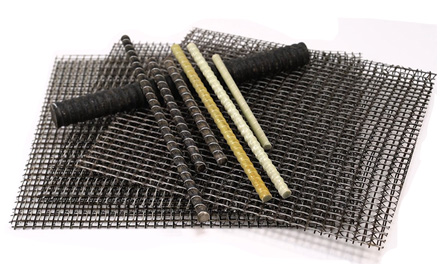
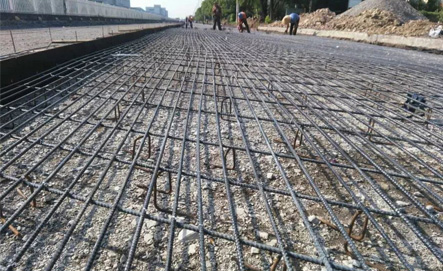
The global infrastructure reinforcement market is undergoing a structural transformation, driven by aging steel-reinforced bridges, tightening environmental regulations, and the emergence of high-performance composite alternatives.
The global fiber reinforced polymer (FRP) rebar market — of which basalt fiber rebar is a rapidly growing segment — was valued at over USD 1.2 billion in 2023 and is projected to exceed USD 3.5 billion by 2032, growing at a CAGR of approximately 12.4%. Road and bridge applications account for the largest share of demand, driven by government infrastructure renewal programs across North America, Europe, and Asia-Pacific.
In China, the "14th Five-Year Plan" for transportation infrastructure specifically identifies non-metallic composite reinforcement as a priority material category for new bridge construction and highway rehabilitation projects. This policy tailwind, combined with China Beihai's manufacturing scale in Jiujiang, Jiangxi Province, positions basalt fiber rebar at the center of a significant commercial opportunity.
In North America, the American Concrete Institute (ACI) and the Canadian Standards Association (CSA) have both established design codes for FRP-reinforced concrete structures, accelerating adoption of basalt rebar in state and provincial highway projects where chloride exposure from de-icing salts has historically devastated steel-reinforced bridge decks.
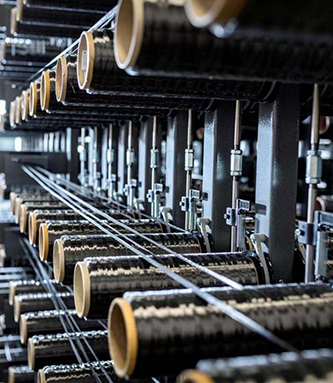
Beyond generic reinforcement, basalt fiber rebar addresses highly specific engineering challenges across the full road and bridge construction lifecycle.
Bridge decks represent the most aggressive corrosion environment in civil infrastructure — subjected simultaneously to chloride penetration from de-icing salts, freeze-thaw cycling, and heavy dynamic loading. Basalt rebar eliminates chloride-induced corrosion entirely, removing the primary mechanism responsible for an estimated 40% of all bridge rehabilitation expenditure globally. Case studies from Canadian and Nordic highway authorities demonstrate that basalt-reinforced bridge decks show zero measurable rebar corrosion after 15+ years of service in high-salt environments.
Continuously reinforced concrete pavement (CRCP) for highways requires rebar that can withstand decades of thermal cycling, heavy axle loads, and moisture infiltration without losing bond to the concrete matrix. Basalt rebar's thermal expansion coefficient (6–8 × 10⁻⁶/°C) closely matches that of concrete — significantly better than steel (12 × 10⁻⁶/°C) — reducing thermally-induced interface stress and dramatically decreasing transverse cracking frequency in high-traffic highway slabs.
Basalt fiber's combination of high tensile strength and chemical inertness makes it ideal for seismic retrofitting and confinement wrapping of existing bridge piers. In seismic zones, basalt fiber reinforced polymer (BFRP) wraps provide ductility enhancement and shear strengthening without adding significant mass to the structure. This application is growing rapidly in earthquake-prone regions of Japan, Turkey, and the western United States.
Underground road tunnels present extreme challenges: permanent groundwater exposure, chloride-rich saline groundwater in coastal tunnels, and the impossibility of post-construction rebar inspection. Basalt rebar's permanent corrosion immunity, combined with its compatibility with shotcrete and precast tunnel segment production, makes it the optimal reinforcement solution for immersed tube tunnels, cut-and-cover road tunnels, and metro underpasses.
Coastal bridges and marine viaducts experience the most severe corrosion conditions of any infrastructure category — with chloride concentrations in tidal splash zones capable of initiating steel corrosion within 5 years of construction. Basalt fiber reinforcing rod, being chemically inert to chlorides, sulfates, and marine biological attack, is increasingly specified for new coastal bridge construction in Southeast Asia, the Middle East, and the Gulf Coast of North America.
The emergence of smart highways — embedding fiber optic sensors, inductive vehicle detection loops, wireless charging coils, and IoT infrastructure within road surfaces — demands reinforcement materials that are electromagnetically transparent. Steel rebar creates significant electromagnetic interference with embedded sensor systems. Basalt fiber rebar's complete electromagnetic neutrality makes it the enabling material for next-generation smart road infrastructure, autonomous vehicle guidance systems, and wireless EV charging lane construction.
Basalt fiber is ideal for your engineering projects. Its high strength, corrosion resistance and lightweight properties allow it to easily solve a variety of challenges. In buildings, bridges, roads and other infrastructure projects, basalt fibers demonstrate outstanding performance, extending structural life and reducing maintenance costs. Choose basalt fiber, choose reliability and durability.
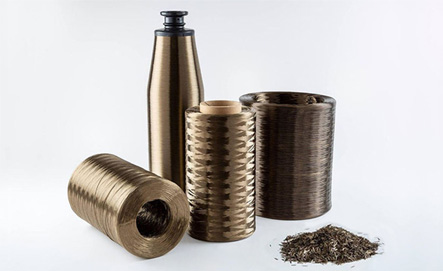
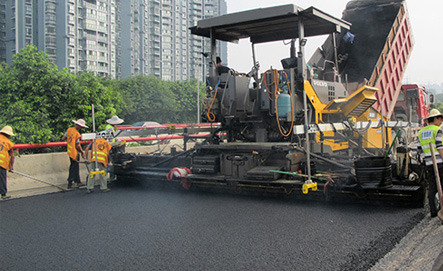
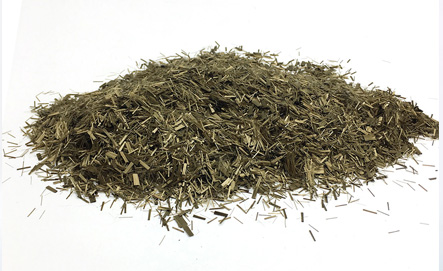
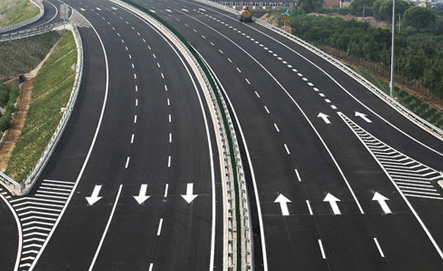
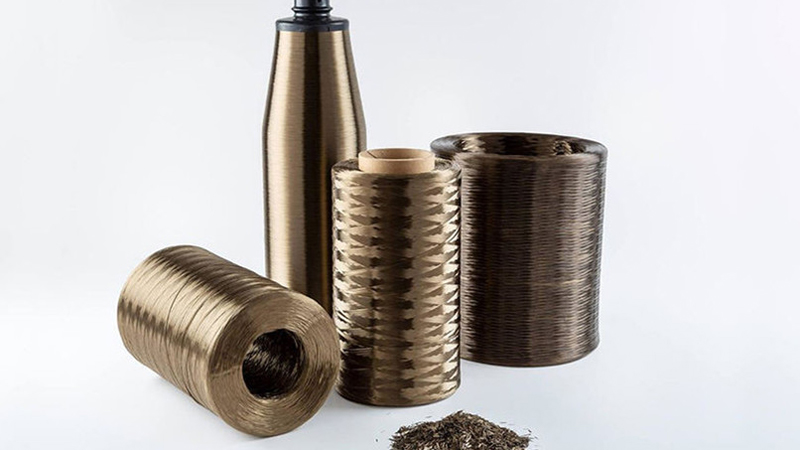
Basalt fiber roving serves as the foundational raw material for producing basalt rebar, woven fabrics, and composite laminates used throughout road and bridge construction. The continuous filament structure provides consistent tensile properties essential for structural engineering applications.
Our basalt fiber roving is produced from 100% natural basalt rock, melted at 1,450–1,500°C and drawn into continuous filaments with diameters of 9–23 microns. The resulting roving exhibits tensile strength exceeding 3,000 MPa and elastic modulus of 79–93 GPa — performance characteristics that translate directly into superior structural reinforcement for highway and bridge applications.
Explore Solutions
China Beihai is founded in 2015 and located in Jiujiang, Jiangxi Province. China Beihai is a high-tech enterprise focusing on the research, development, production and sales of high-performance basalt continuous fiber and its production equipment manufacturing, as well as a leading enterprise in the domestic basalt fiber industry.
View More
At China Beihai group, we specialize in the production of a wide range of products including basalt fiber mat (Basalt fiber chopped strand mat, Basalt fiber cloth), basalt fiber roving, basalt fiber yarn, basalt fiber chopped strands, and basalt fiber products (Basalt Fiber rebar, basalt fiber sleeves and tape). Our products are designed to meet the diverse needs of various industries, providing high-quality solutions for our customers.

At China Beihai group, we are dedicated to the production of a wide array of basalt-based products, ranging from basalt fiber mat, fabric, and roving to chopped strand and specialized construction materials. Our focus is on delivering high-quality, sustainable solutions for industries such as construction, geotechnical engineering, and manufacturing.

Choosing to work with China Beihai means working with a leading manufacturer of basalt products. Our commitment to quality, innovation and sustainability sets us apart, ensuring our customers receive best-in-class solutions for their diverse needs. When you partner with China Beihai, you can trust that you are working with a reliable and forward-thinking partner for all your basalt product needs.
From road and bridge construction to aerospace and petrochemicals, basalt fiber reinforcement delivers unmatched performance across the most demanding industrial environments.

Our basalt products have diverse applications in the field of building construction, providing structural reinforcement and durability enhancement.

In the aerospace field, basalt fibers are ideal for manufacturing aircraft wings and engine components requiring high strength-to-weight ratios.

Basalt fibers enable spacecraft shell materials, thermal protection systems, and high-temperature-resistant components of aircraft engines.

Basalt-added concrete offers increased strength and durability, crack resistance, improved chemical resistance and improved workability for infrastructure projects.

Basalt fiber composites enable lightweight, high-strength automotive components, supporting the industry's transition to sustainable mobility.

Basalt's high strength, durability and protective properties make it ideal for protecting bridge abutment structures from vehicle collisions, fire, corrosion and natural environment.

The corrosion resistance of basalt fiber gives it a unique advantage in the petrochemical field, where aggressive chemical environments demand long-term material stability.

Basalt fiber composites provide lightweight, corrosion-proof structural solutions for ship hulls, marine platforms, and offshore infrastructure.
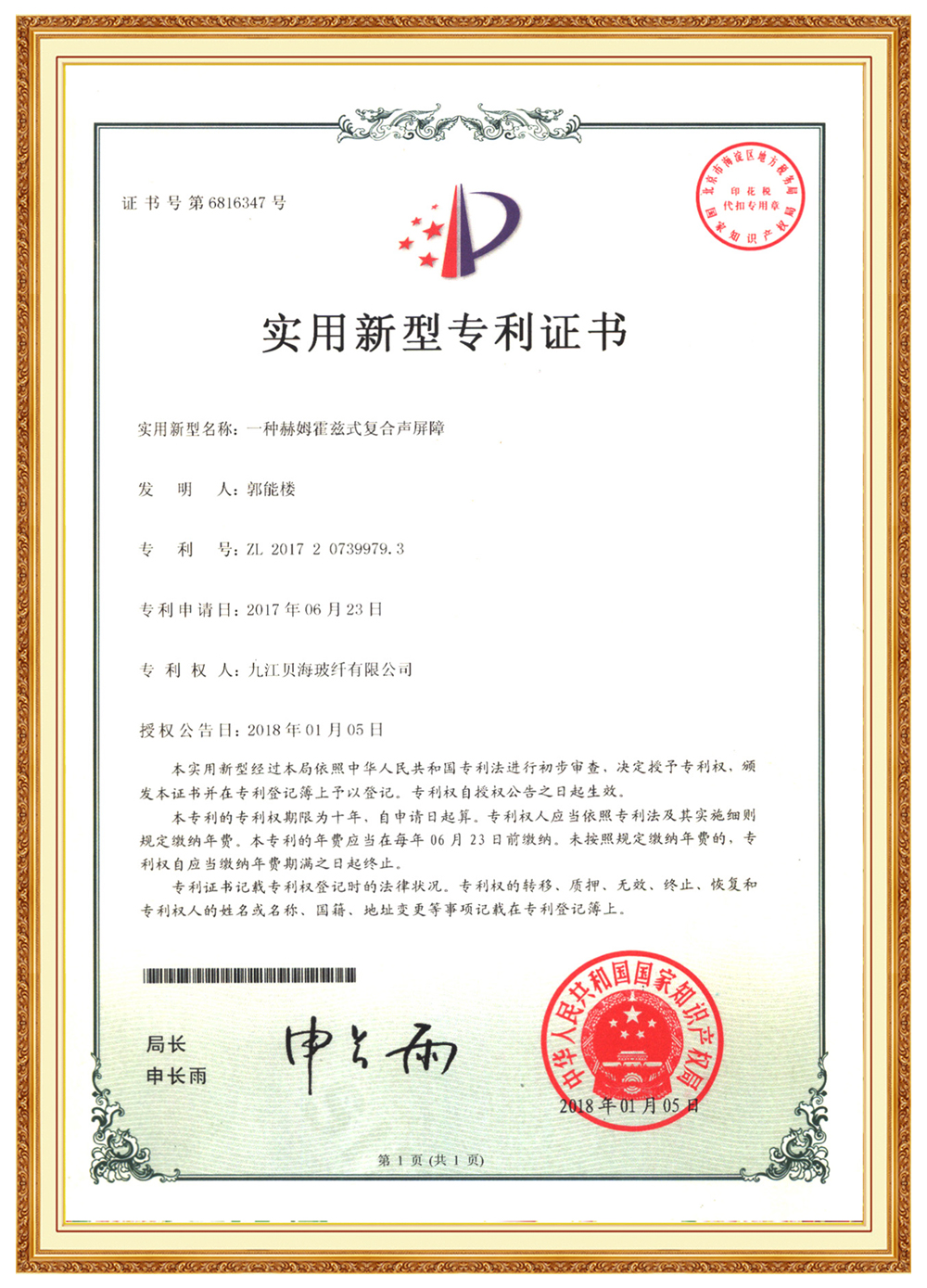
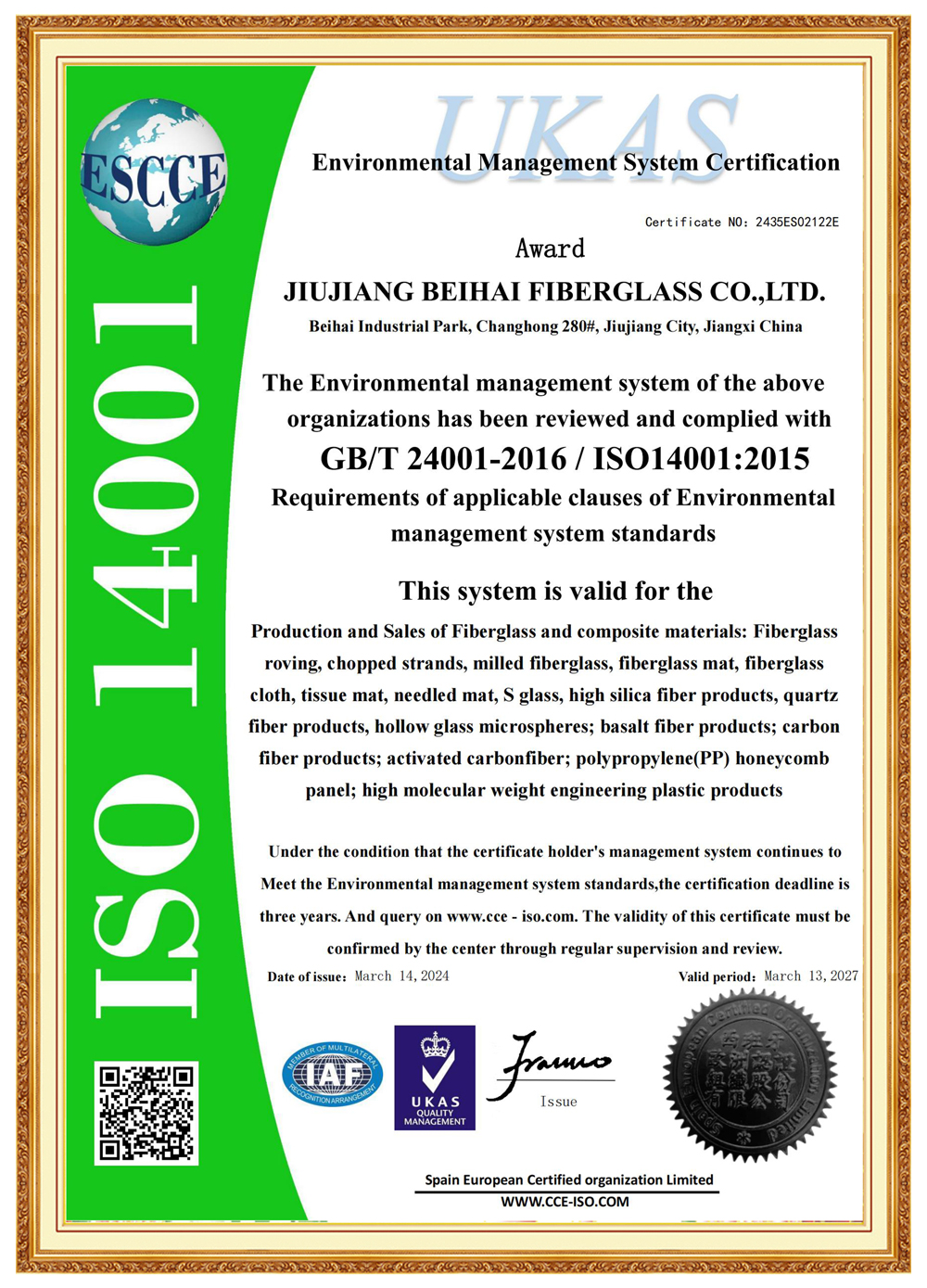
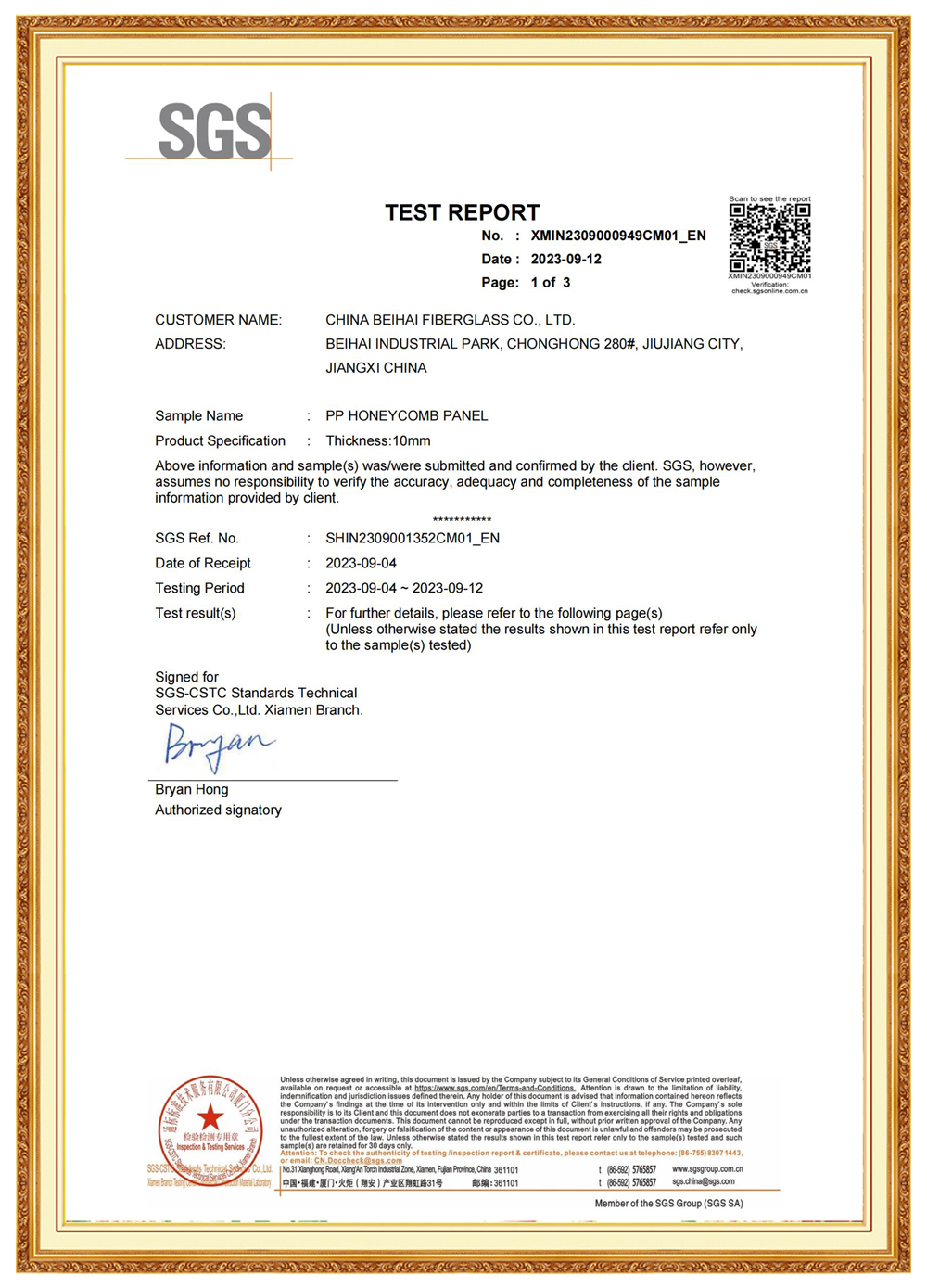
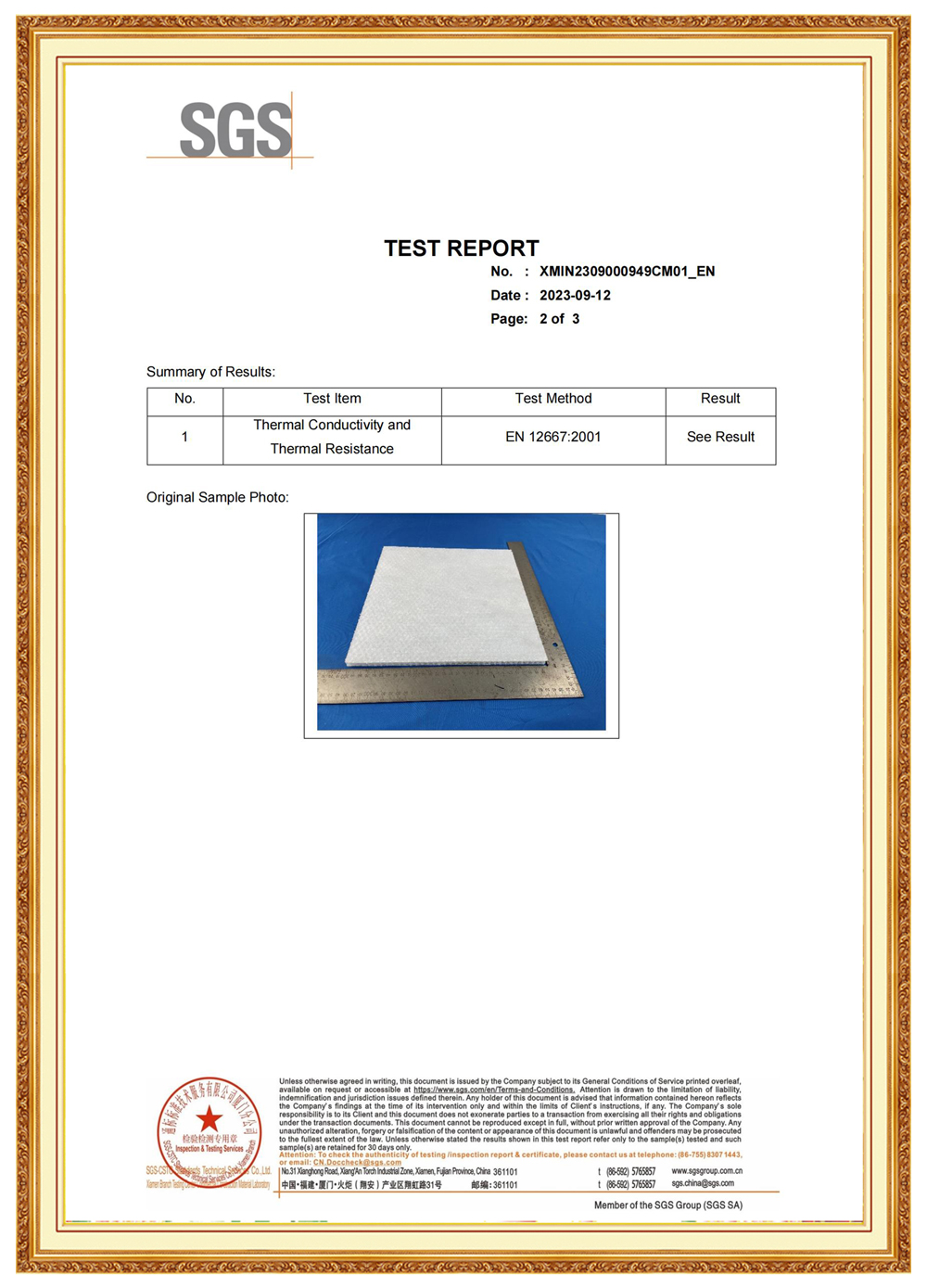
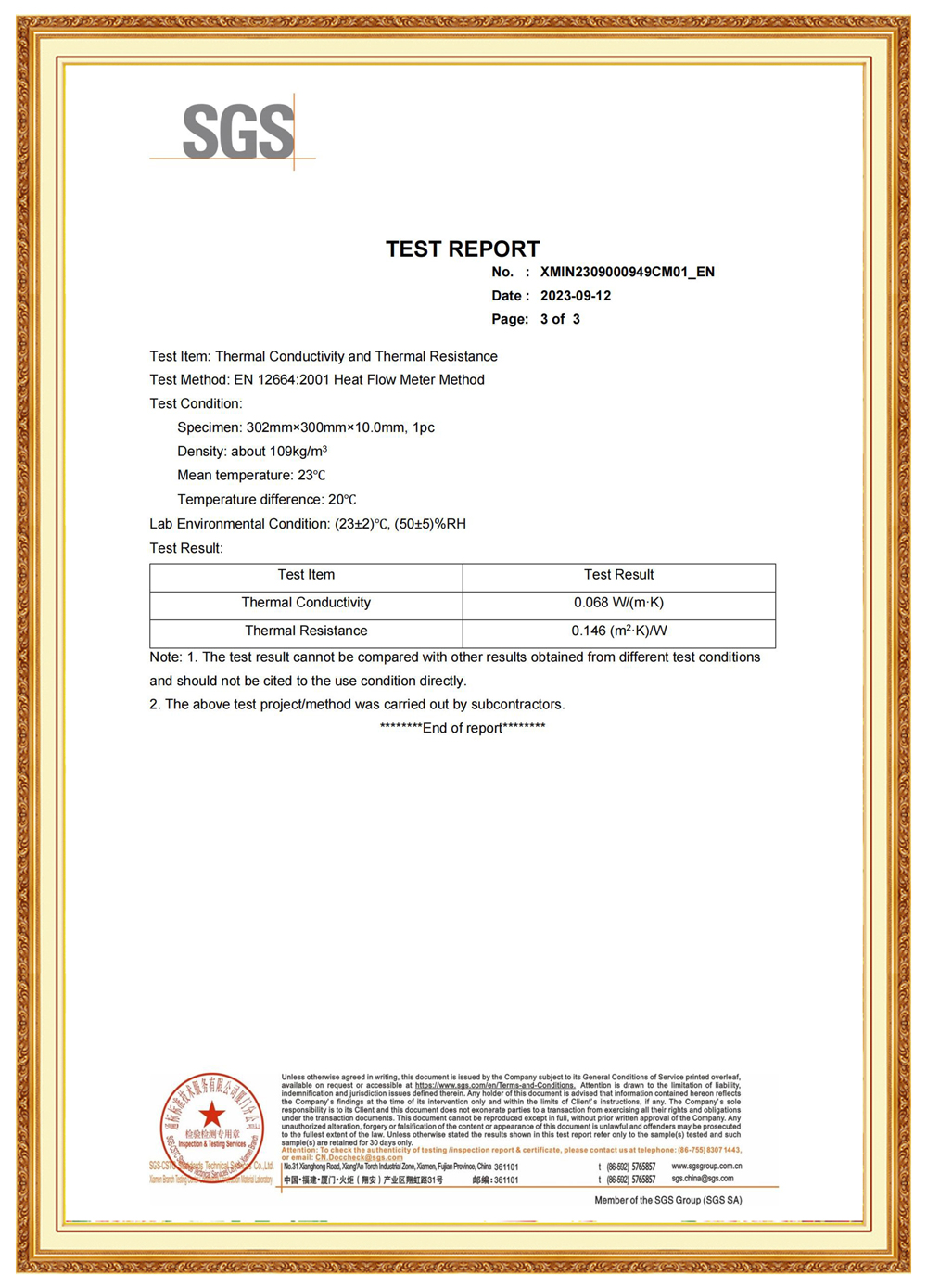
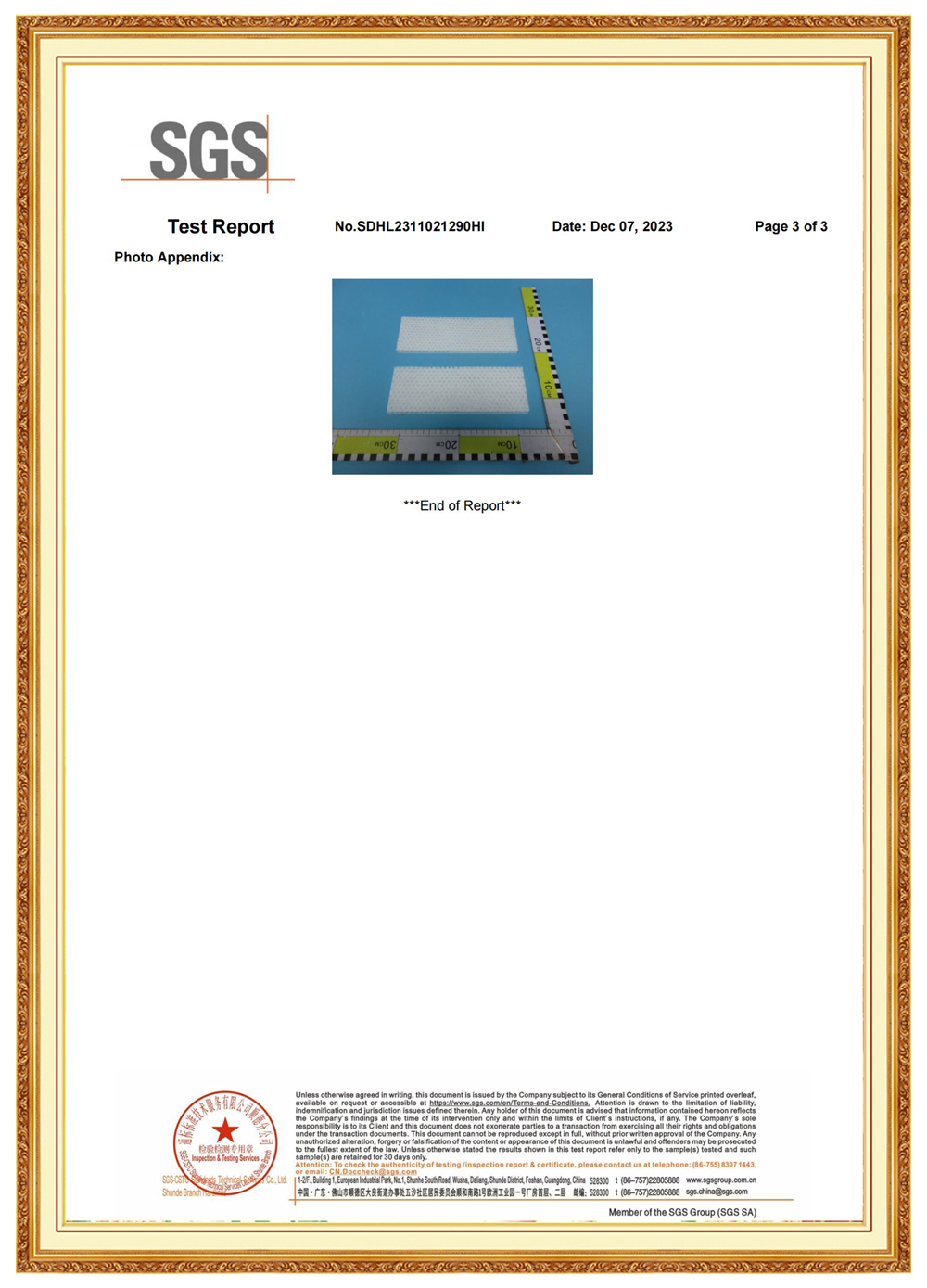
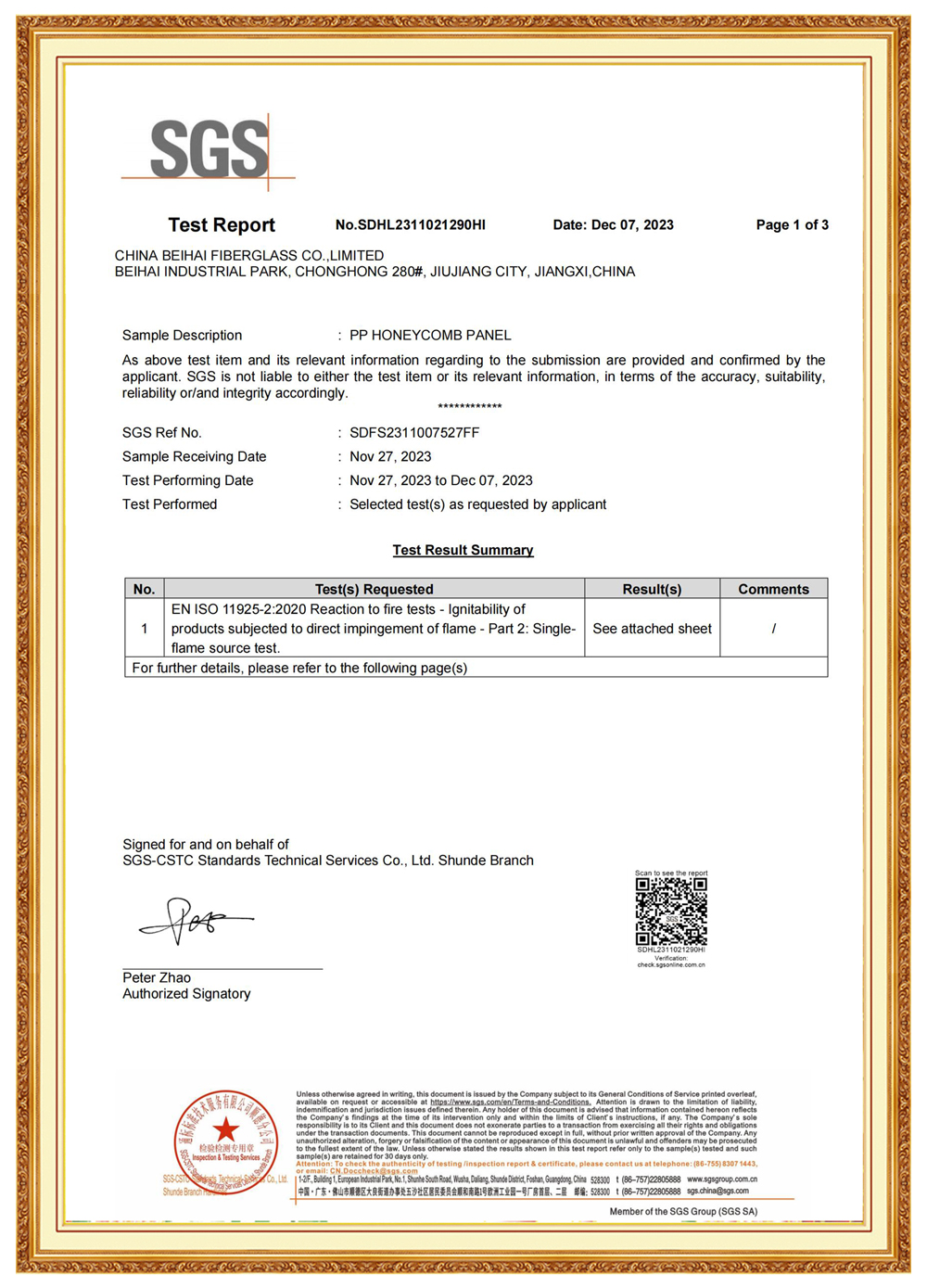
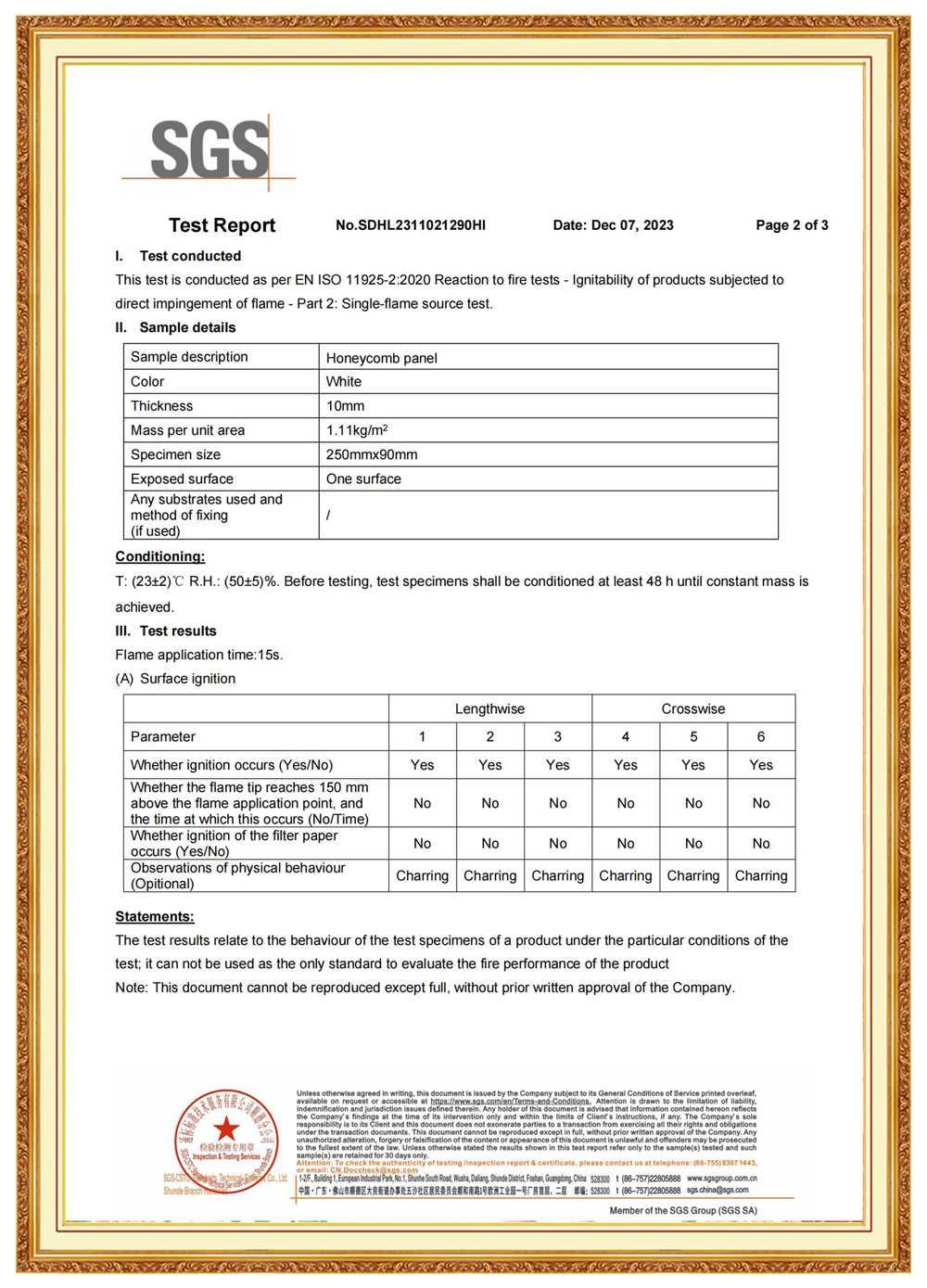
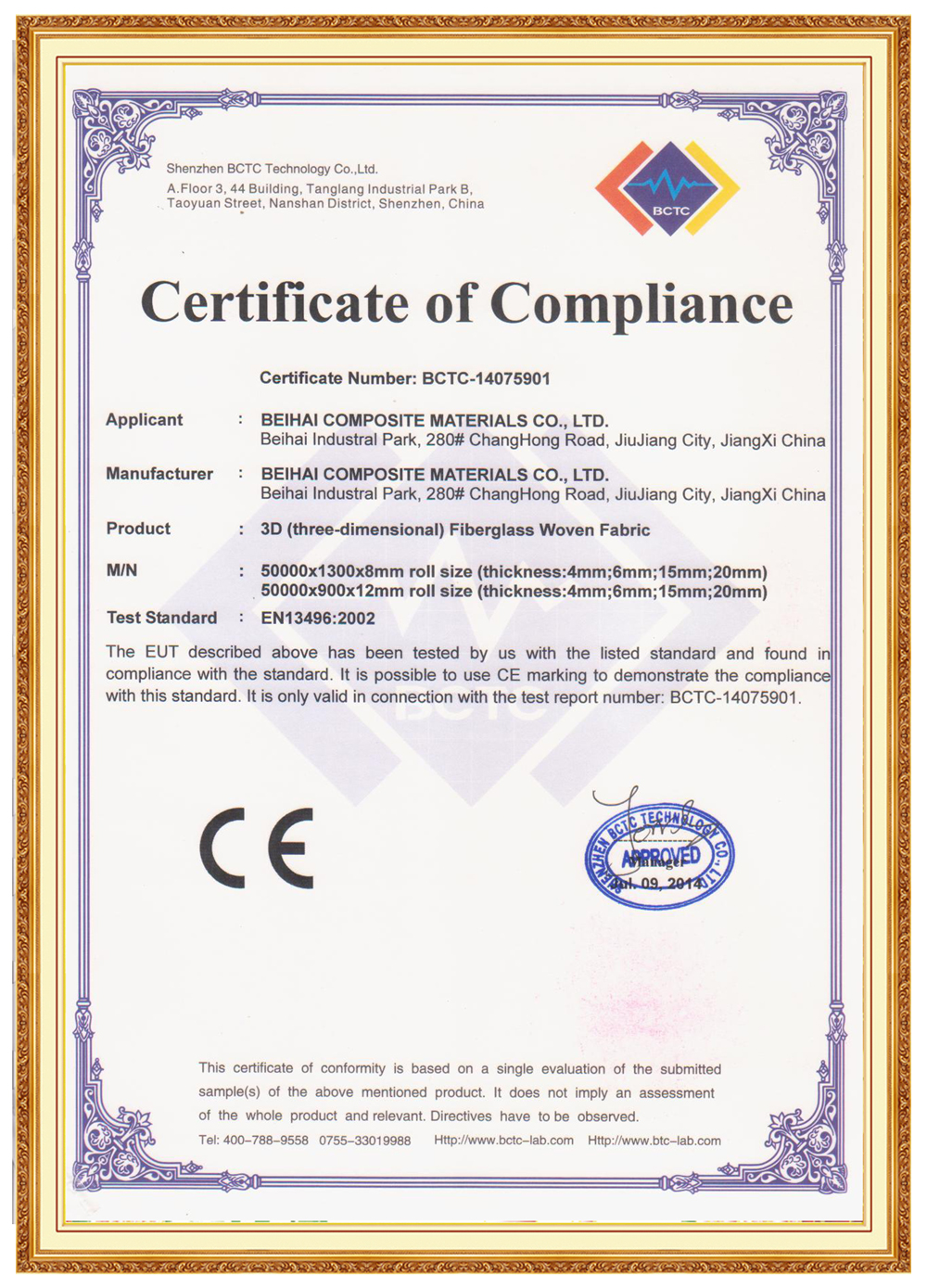
China Beihai's basalt fiber reinforcing products are backed by internationally recognized quality certifications, ensuring compliance with global infrastructure standards.


As drones slice through the sky to monitor wildfires, and intelligent robots execute repetitive tasks with precision on the factory floor, the efficient operation of this smart equipment is often underpinned by a "hardcore support" that is easily overlooked: a novel material derived from volcanic rock — basalt fiber. Though unassuming in appearance, its unique properties have made it the key to unlocking the performance limits of drones and robots, quietly driving a materials revolution within the realm of intelligent equipment.
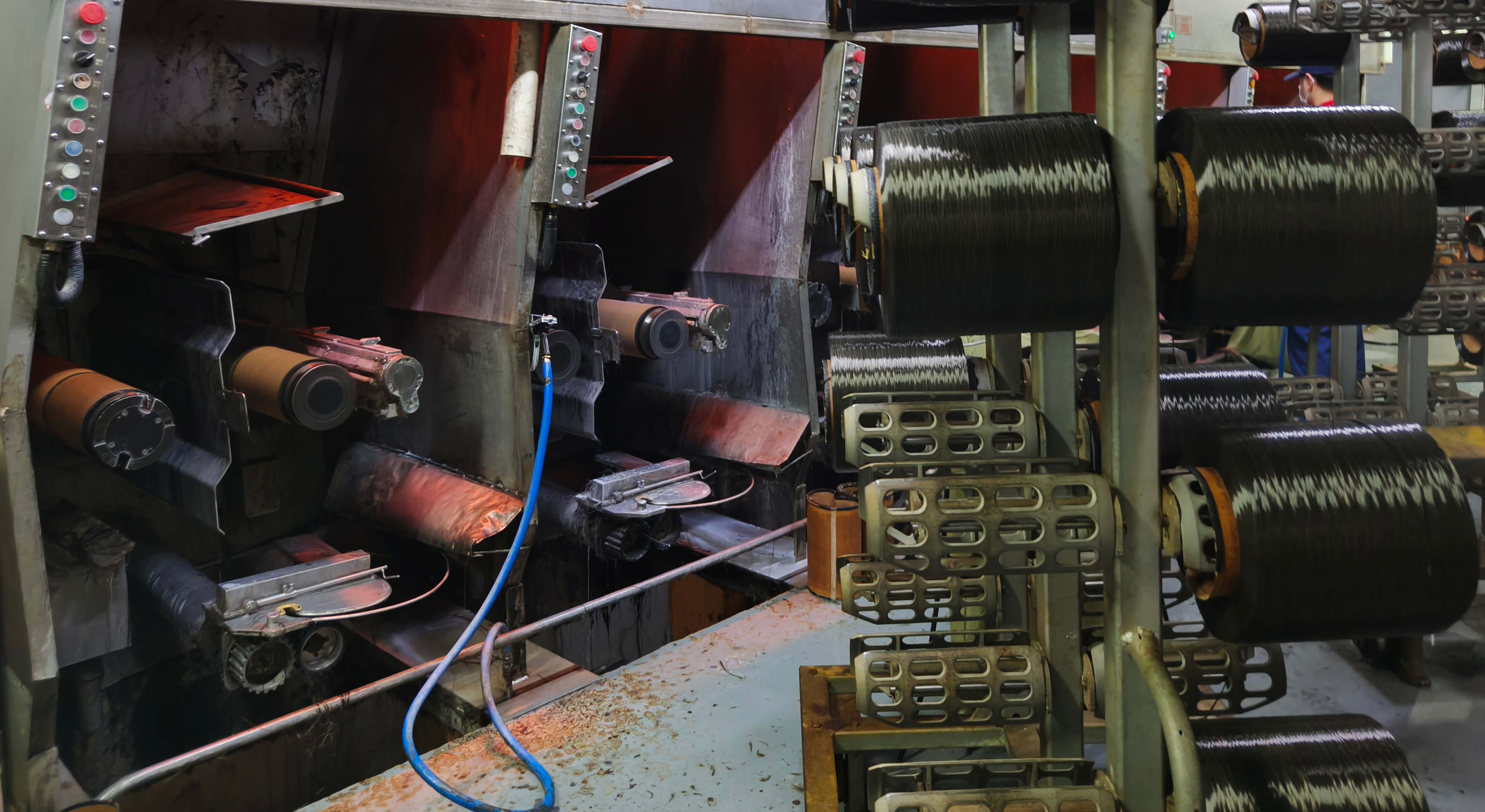
Basalt fiber is an inorganic fibrous material produced by drawing strands from natural basalt ore after it has been melted at high temperatures. It has garnered widespread attention for its exceptional physicochemical properties — particularly its performance in high-temperature environments.

Recently, with the successful realization of major applications — such as the Chang'e-6 lunar exploration mission and the world's first deep-sea basalt fiber aquaculture platform — basalt fiber is rapidly accelerating its transformation from a laboratory research outcome into a strategic new material with tangible industrial productivity.
Explore our full range of basalt fiber reinforcement solutions — engineered for every stage of road and bridge construction, from raw composite materials to finished structural reinforcing systems.
Non-woven thin sheet for smooth resin-rich surface layers in bridge FRP and road composite applications.
Read More
Superior reinforcement for concrete bridge decks and road slabs with high alkali resistance and long service life.
Read More
High-density insulation manufactured by mechanically bonding continuous basalt fibers for bridge thermal management.
Read More
Twisted continuous filament yarn for industrial weaving and high-temperature sewing in road and bridge composites.
Read More
High-strength basalt rebar for continuously reinforced concrete highway pavement — zero corrosion, 100-year service life.
Read More
Corrosion-immune reinforcing rod for bridge deck applications in chloride-rich coastal and de-iced highway environments.
Read More
Permanently corrosion-proof reinforcing rod for road tunnel linings, cut-and-cover structures, and metro underpasses.
Read More
Chemically inert to chlorides and marine attack — the definitive reinforcing rod solution for coastal and marine bridge structures.
Read MoreContact China Beihai's engineering team for technical specifications, project consultation, and custom solutions for your highway or bridge infrastructure application.
Get in Touch