
Leave Your Message
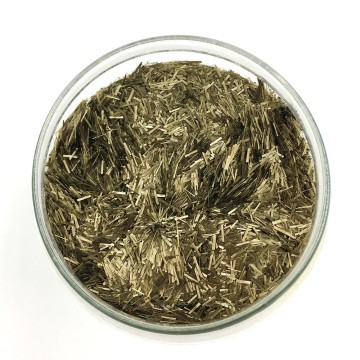
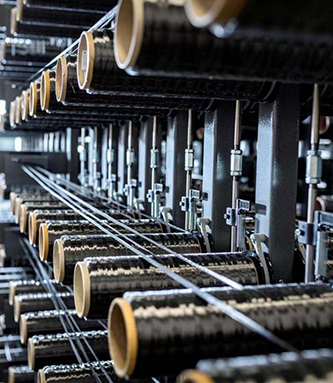
Germany stands as Europe's largest construction market and one of the world's most advanced concrete manufacturing hubs. With over 1,000 concrete product manufacturers operating across the country — from Bavaria's industrial heartland to the Rhine-Ruhr metropolitan region — the German concrete sector generates more than €60 billion annually and employs upward of 800,000 professionals.
Germany's strict DIN standards and EU construction regulations demand high-performance reinforcement solutions. This is precisely where advanced basalt fiber concrete reinforcement products play a transformative role, offering corrosion-free, lightweight, and long-lifespan alternatives that align perfectly with Germany's Klimaschutzprogramm (Climate Protection Programme) and its Net-Zero 2045 infrastructure goals.
Germany's Bundesverkehrswegeplan 2030 (Federal Transport Infrastructure Plan) allocates over €270 billion for road, rail, and waterway construction — all requiring advanced, durable concrete reinforcement materials.
Key industry figures shaping the future of construction in Germany
From historic Autobahn reconstruction to modern smart city infrastructure, Germany employs a diverse spectrum of concrete types — each with specific performance demands met by advanced basalt fiber reinforcement.
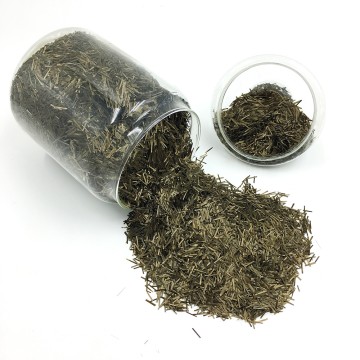
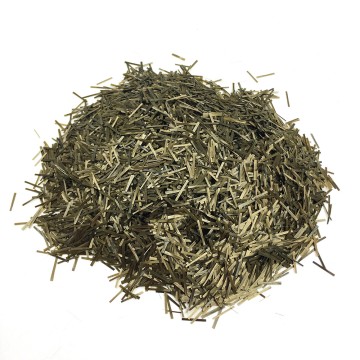
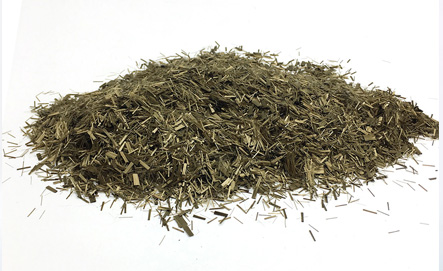
The most widely used concrete type across German residential and commercial construction. Basalt fiber chopped strands enhance crack resistance and reduce shrinkage, meeting DIN EN 206 requirements for structural integrity.
Used in landmark German infrastructure projects such as bridges over the Rhine and high-rise developments in Frankfurt and Munich. Basalt fiber reinforcement significantly boosts compressive and tensile strength beyond 100 MPa.
Increasingly specified in German public tender documents (VOB/C standards), fiber-reinforced concrete using basalt chopped strands outperforms traditional steel fiber in corrosion resistance and weight reduction — ideal for coastal and tunnel applications.
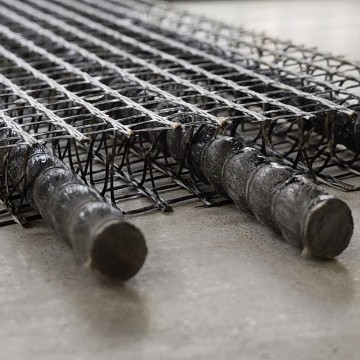
Germany's leading research institutes including TU München and TU Braunschweig are pioneering UHPC formulations incorporating basalt fiber meshes, achieving ductility improvements of 40% over conventional steel-reinforced UHPC.
Responding to Germany's Kreislaufwirtschaftsgesetz (Circular Economy Act), eco-concrete formulations now integrate basalt fiber as a sustainable, non-corrosive reinforcement that extends structural service life to 100+ years while minimizing carbon footprint.
Extensively used in Germany's underground construction projects — including the Stuttgart 21 rail project and Berlin metro expansions — basalt fiber reinforced shotcrete provides superior tunnel lining durability and fire resistance.
China Beihai is founded in 2015 and located in Jiujiang, Jiangxi Province. China Beihai is a high-tech enterprise focusing on the research, development, production and sales of high-performance basalt continuous fiber and its production equipment manufacturing, as well as a leading enterprise in the domestic basalt fiber industry.
As German construction standards evolve toward sustainable, high-durability materials, China Beihai's basalt fiber product line — from chopped strands to 3D mesh systems — delivers the precise performance characteristics demanded by DIN-EN certified German engineering projects.
View More →
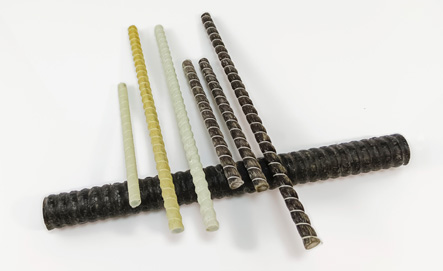
At China Beihai group, we specialize in the production of a wide range of products including basalt fiber mat (Basalt fiber chopped strand mat, Basalt fiber cloth), basalt fiber roving, basalt fiber yarn, basalt fiber chopped strands, and basalt fiber products (Basalt Fiber rebar, basalt fiber sleeves and tape). Our products are designed to meet the diverse needs of various industries, providing high-quality solutions for our customers.

At China Beihai group, we are dedicated to the production of a wide array of basalt-based products, ranging from basalt fiber mat, fabric, and roving to chopped strand and specialized construction materials. Our focus is on delivering high-quality, sustainable solutions for industries such as construction, geotechnical engineering, and manufacturing.

Choosing to work with China Beihai means working with a leading manufacturer of basalt products. Our commitment to quality, innovation and sustainability sets us apart, ensuring our customers receive best-in-class solutions for their diverse needs. When you partner with China Beihai, you can trust that you are working with a reliable and forward-thinking partner for all your basalt product needs.
Basalt fiber is ideal for your engineering projects. Its high strength, corrosion resistance and lightweight properties allow it to easily solve a variety of challenges. In buildings, bridges, roads and other infrastructure projects, basalt fibers demonstrate outstanding performance, extending structural life and reducing maintenance costs. Choose basalt fiber, choose reliability and durability.
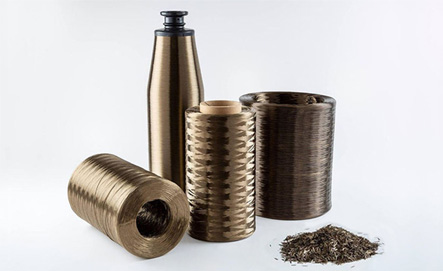
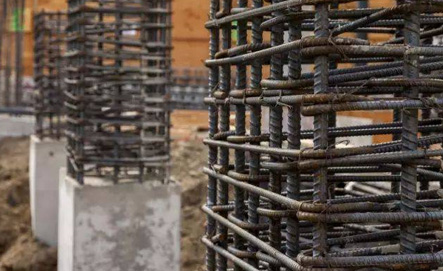
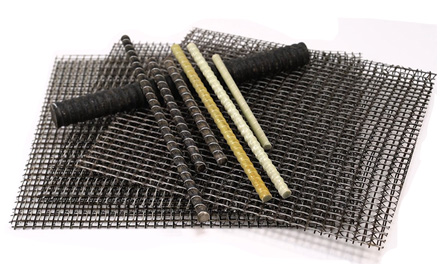
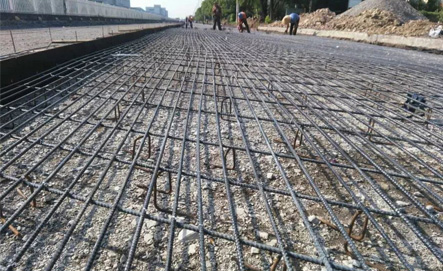
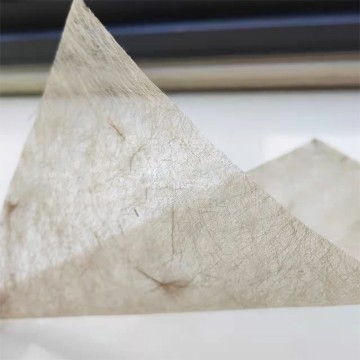
Basalt Fiber Surfacing Tissue Mat is a non woven thin sheet engineered to provide a smooth resin rich surface layer for fiber reinforced plastic composites used in German industrial cladding and facade systems.
Read More ▸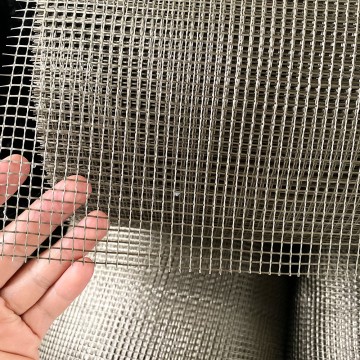
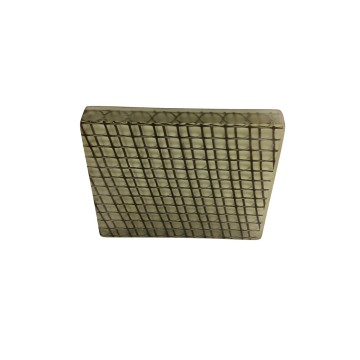
Our high performance Basalt Fiber Mesh provides a superior reinforcement solution for concrete and plaster applications where high alkali resistance is critical — widely specified in German underground and waterway projects.
Read More ▸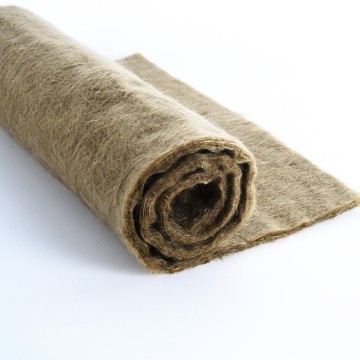
Our Basalt Fiber Needled Mat is a high density insulation material manufactured by mechanically bonding continuous basalt fibers — meeting German industrial thermal standards for steel plants and energy facilities.
Read More ▸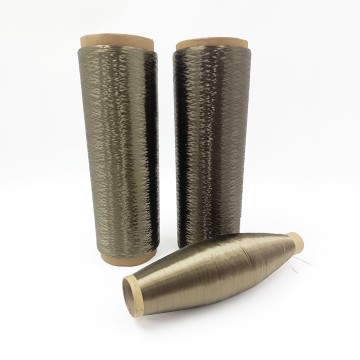
Our Basalt Fiber Twisted Yarn is engineered by twisting multiple continuous filaments — ideal for high-temperature sewing and industrial weaving applications in Germany's automotive and aerospace sectors.
Read More ▸From Berlin's smart city projects to Bavaria's Autobahn network — basalt fiber concrete solutions are at the core of German infrastructure advancement
Our basalt products have diverse applications in the field of house construction, supporting Germany's ambitious Wohnraumoffensive housing programme.

In the aerospace field, basalt fibers are ideal for manufacturing aircraft wings and engine components, serving Germany's Airbus supply chain.

Basalt fibers are used in spacecraft shell materials and thermal protection systems, contributing to Germany's DLR space research applications.
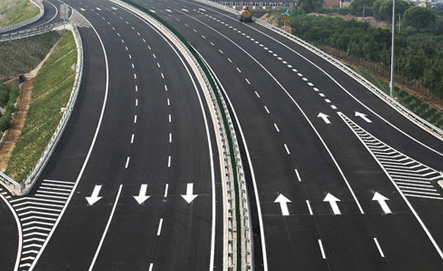
Basalt-added concrete offers increased strength, crack resistance, and improved chemical resistance — key requirements for German Autobahn and tunnel construction.

Facing the trend of lightweight materials, basalt fiber composites are widely applied in Germany's automotive industry, supporting BMW, Mercedes-Benz and Volkswagen's EV initiatives.

Basalt's high strength and durability make it ideal for protecting German Rhine and Mosel bridge structures from corrosion, vehicle impact, and fire damage.
The corrosion resistance of basalt fiber gives it a unique advantage in Germany's BASF and Evonik-led petrochemical and chemical plant construction sector.

Basalt fiber composites as lightweight, high-strength materials with corrosion resistance are increasingly adopted in Germany's Hamburg shipyard sector for vessel hull components.
As Germany accelerates toward its decarbonization and circular economy targets, the adoption of basalt fiber concrete reinforcement is experiencing unprecedented growth across multiple sectors.
Germany's updated GEG (Building Energy Act) and the EU Taxonomy for Sustainable Finance are driving specifiers toward low-carbon concrete reinforcement. Basalt fiber's near-zero corrosion profile eliminates the concrete cover thickness traditionally required for steel, reducing overall concrete volume and embodied carbon by up to 20% per structure.
German research institutions including RWTH Aachen and TU Dresden are leading Europe in TRC development. Basalt fiber meshes and grids are replacing carbon fiber in cost-sensitive TRC applications, offering comparable mechanical performance at 30–40% lower material cost — opening massive potential in Germany's Altbausanierung (building renovation) market.
Germany's Planen-Bauen 4.0 initiative integrates BIM (Building Information Modeling) with advanced materials specification. Basalt fiber product databases are now being integrated into German BIM platforms, enabling automated compliance checking against DIN standards and real-time material quantity optimization for large-scale projects.
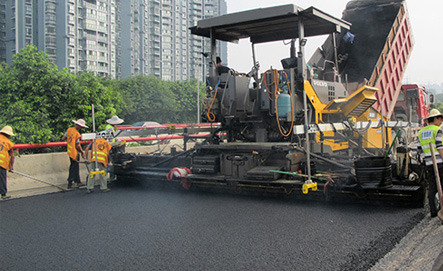
Germany's aging Autobahn network — with over 13,000 km requiring rehabilitation by 2030 — presents a massive opportunity for basalt fiber reinforced pavement systems. The material's resistance to de-icing salt corrosion (a pervasive issue in German winters) makes it the material of choice for bridge decks and road surface concrete panels.
Germany's Energiewende (Energy Transition) demands massive wind turbine foundation construction and offshore platform development. Basalt fiber's non-magnetic, non-conductive properties make it ideal for wind turbine base structures where electromagnetic neutrality is essential — a growing specification requirement across German offshore wind projects in the North Sea.
Berlin, Hamburg, Munich and Frankfurt are investing heavily in underground utility corridors, metro extensions and smart grid infrastructure. Basalt fiber reinforced concrete tunnels offer 50+ year service life with zero maintenance requirements for chloride-induced corrosion — a compelling total cost of ownership argument for German municipal procurement offices.
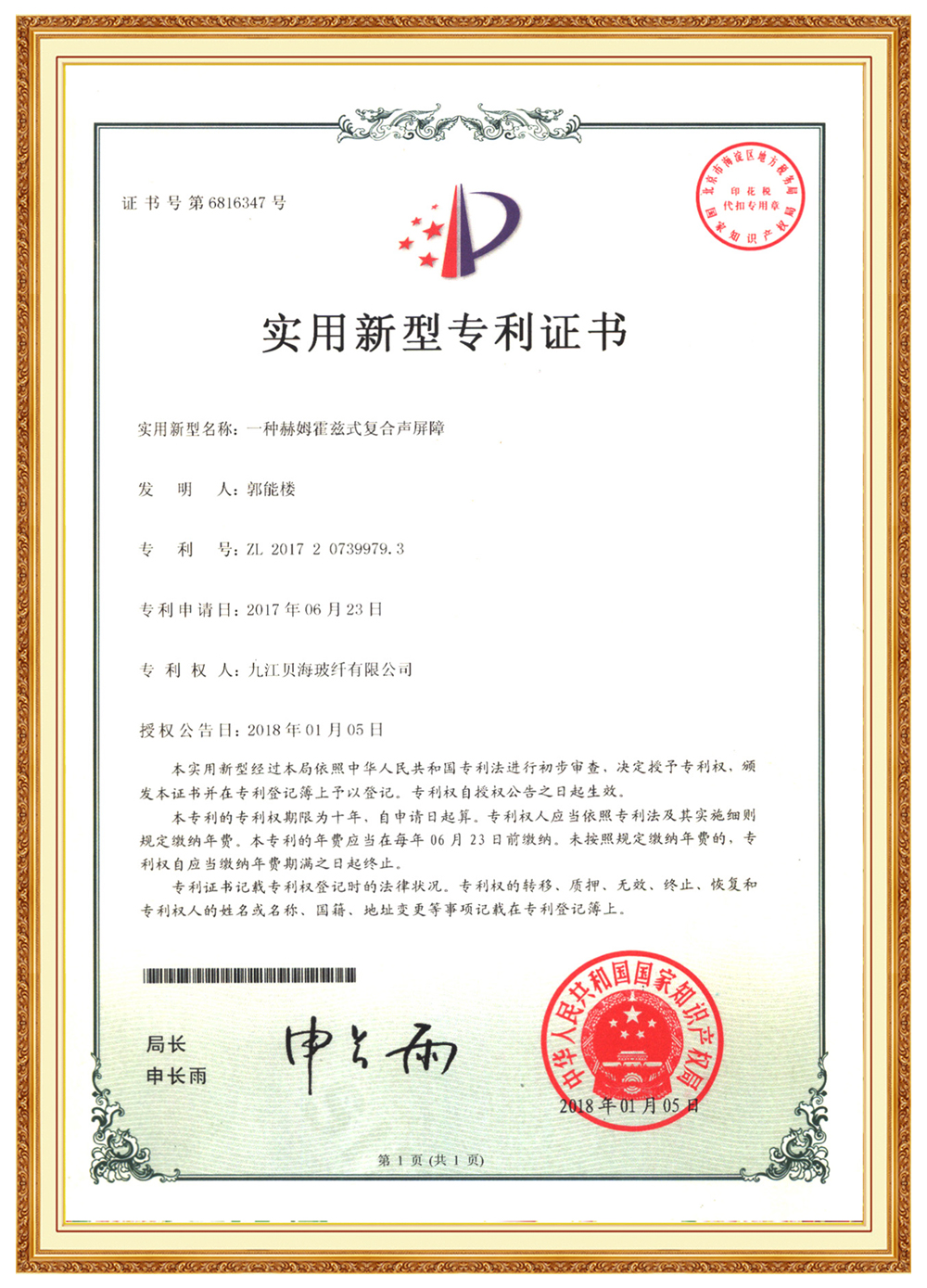
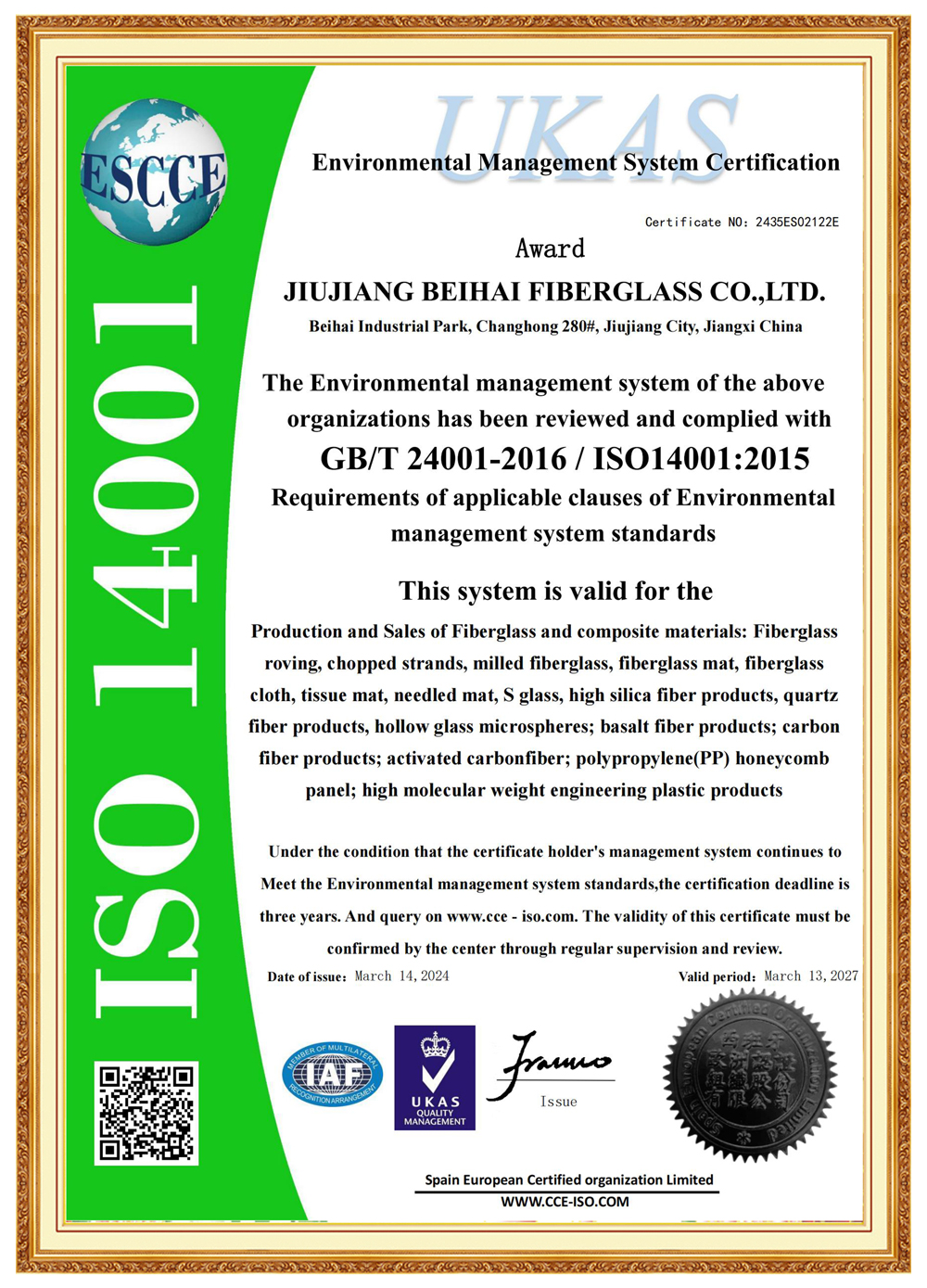
China Beihai's basalt fiber products are backed by internationally recognized quality certifications — meeting the rigorous standards demanded by German and EU engineering specifications.
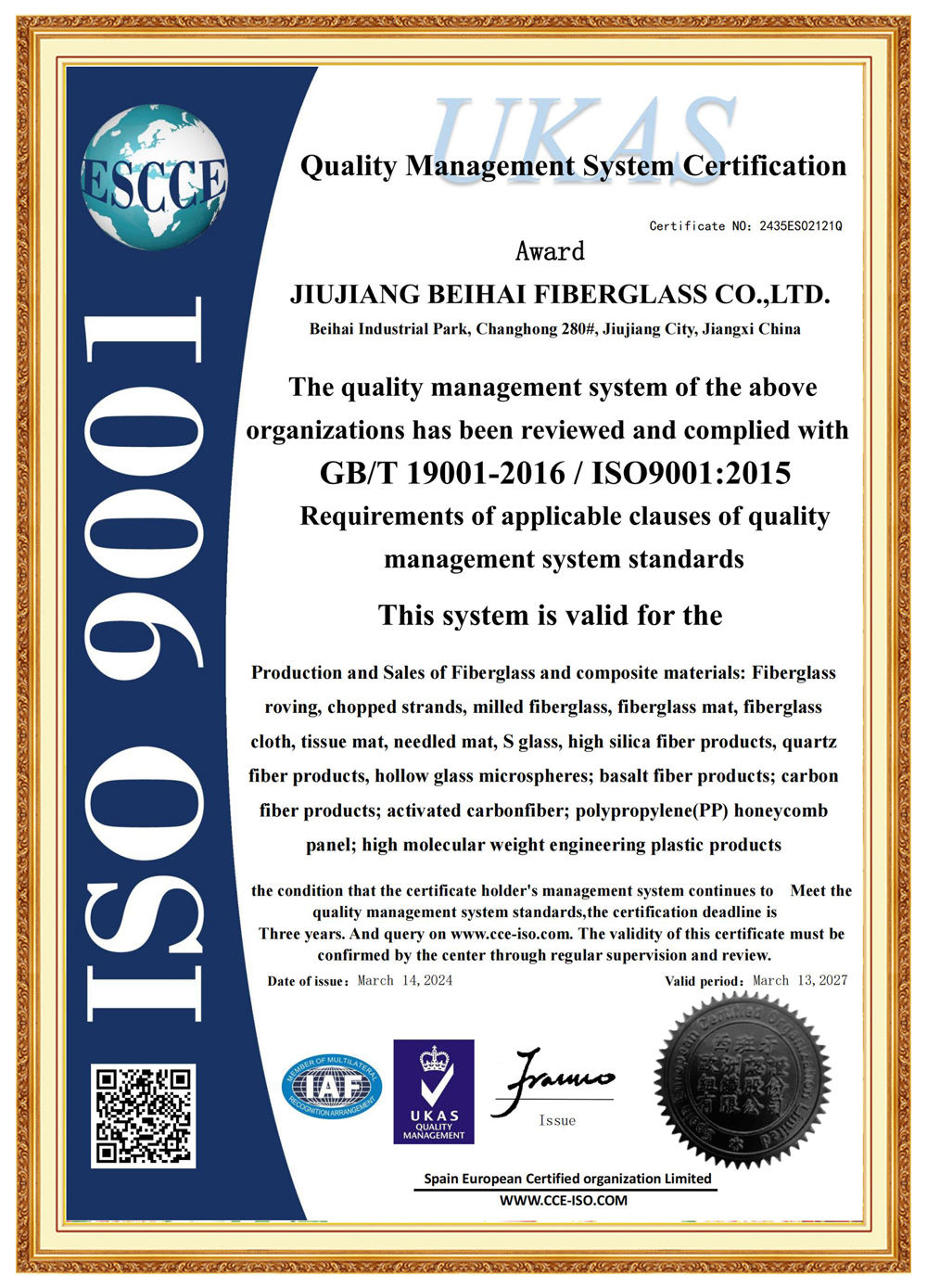
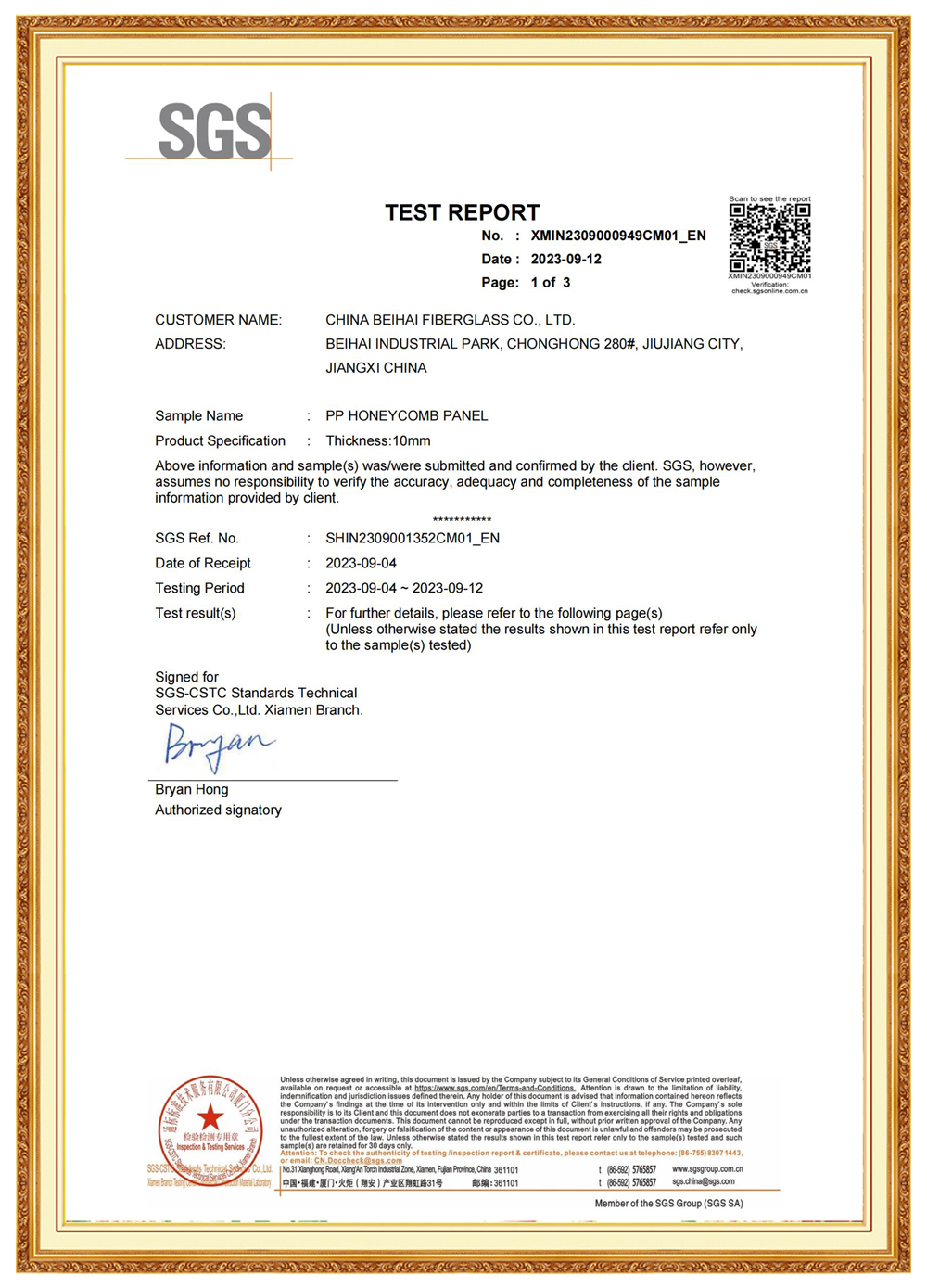
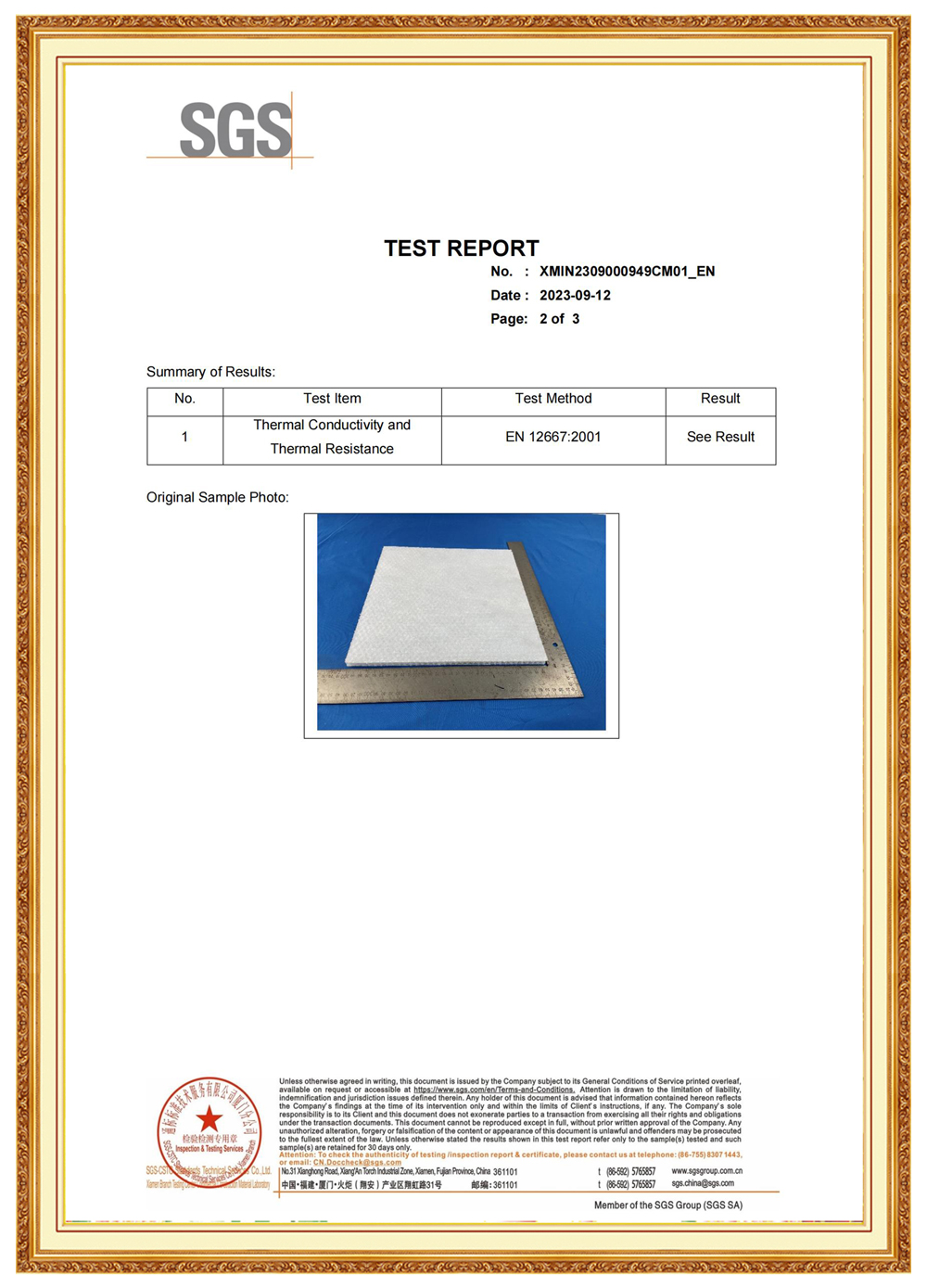
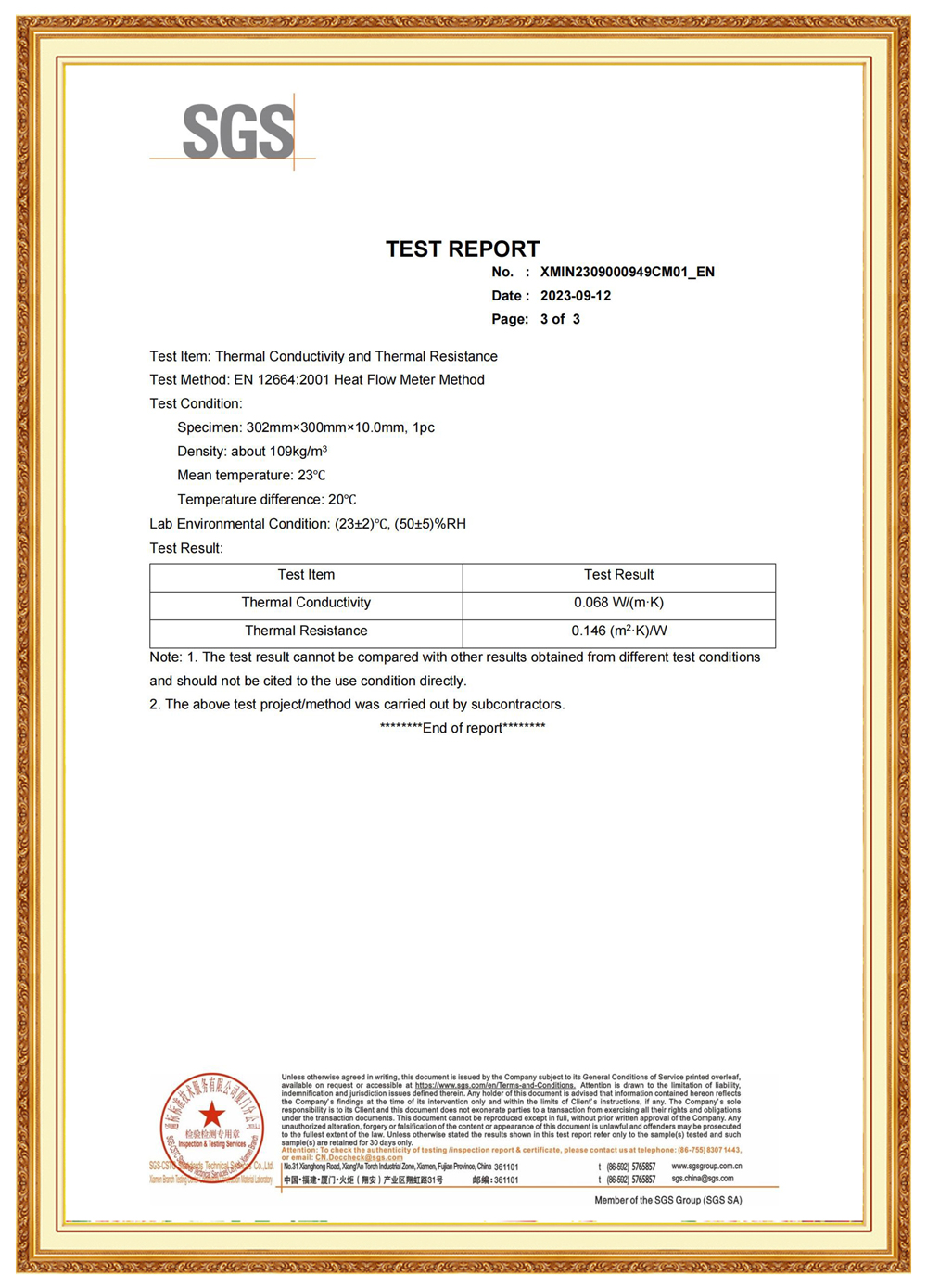
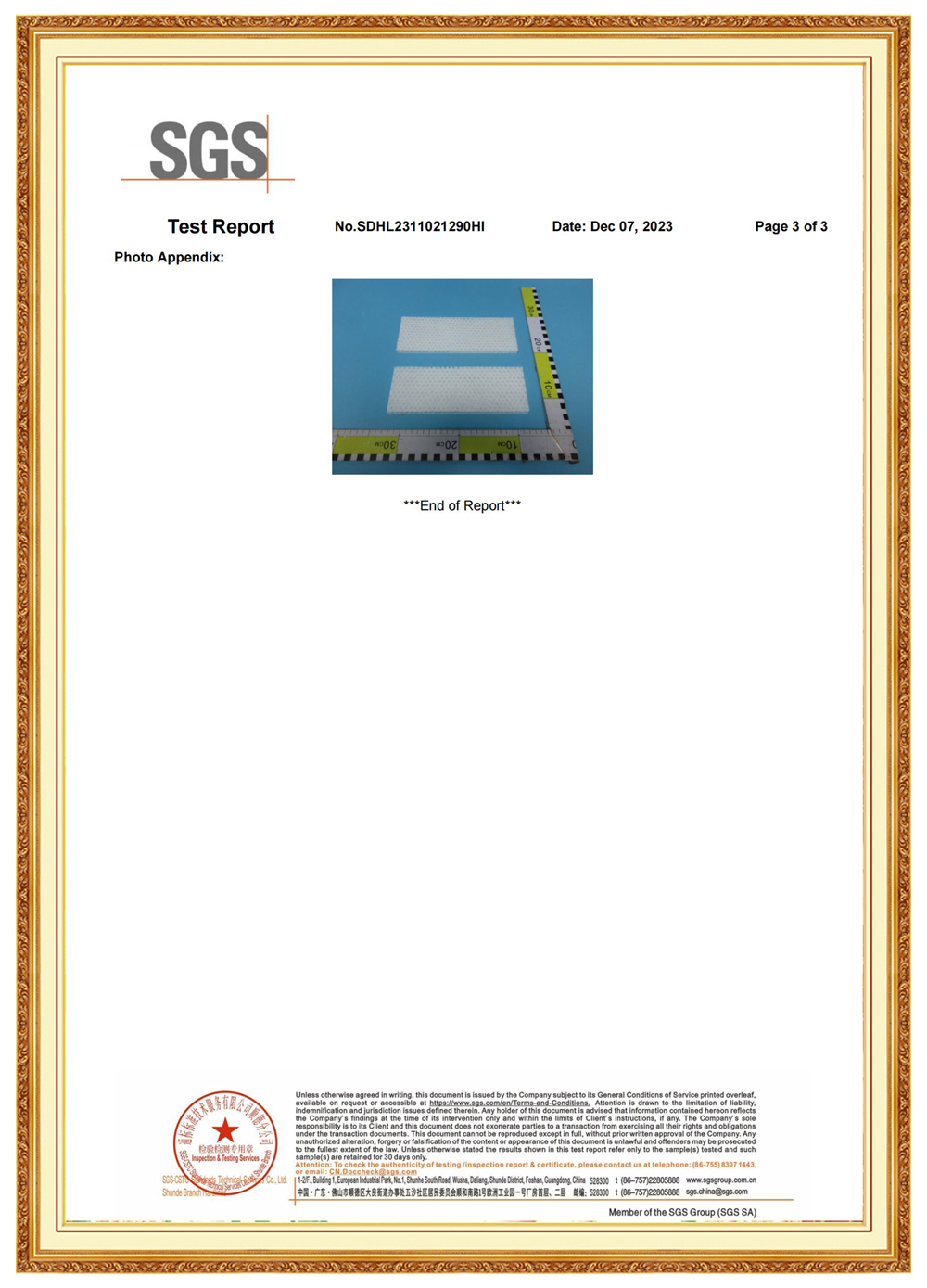
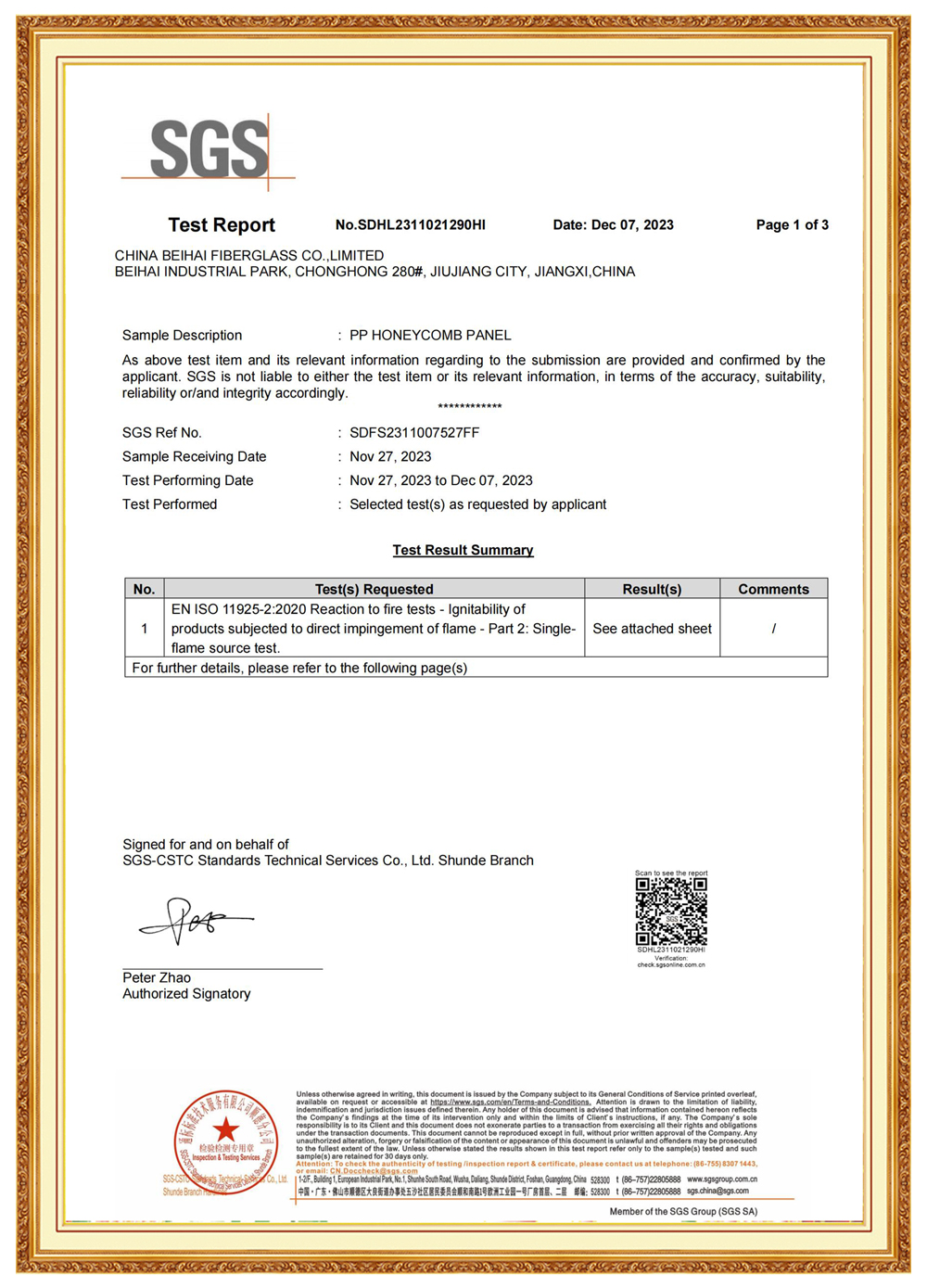
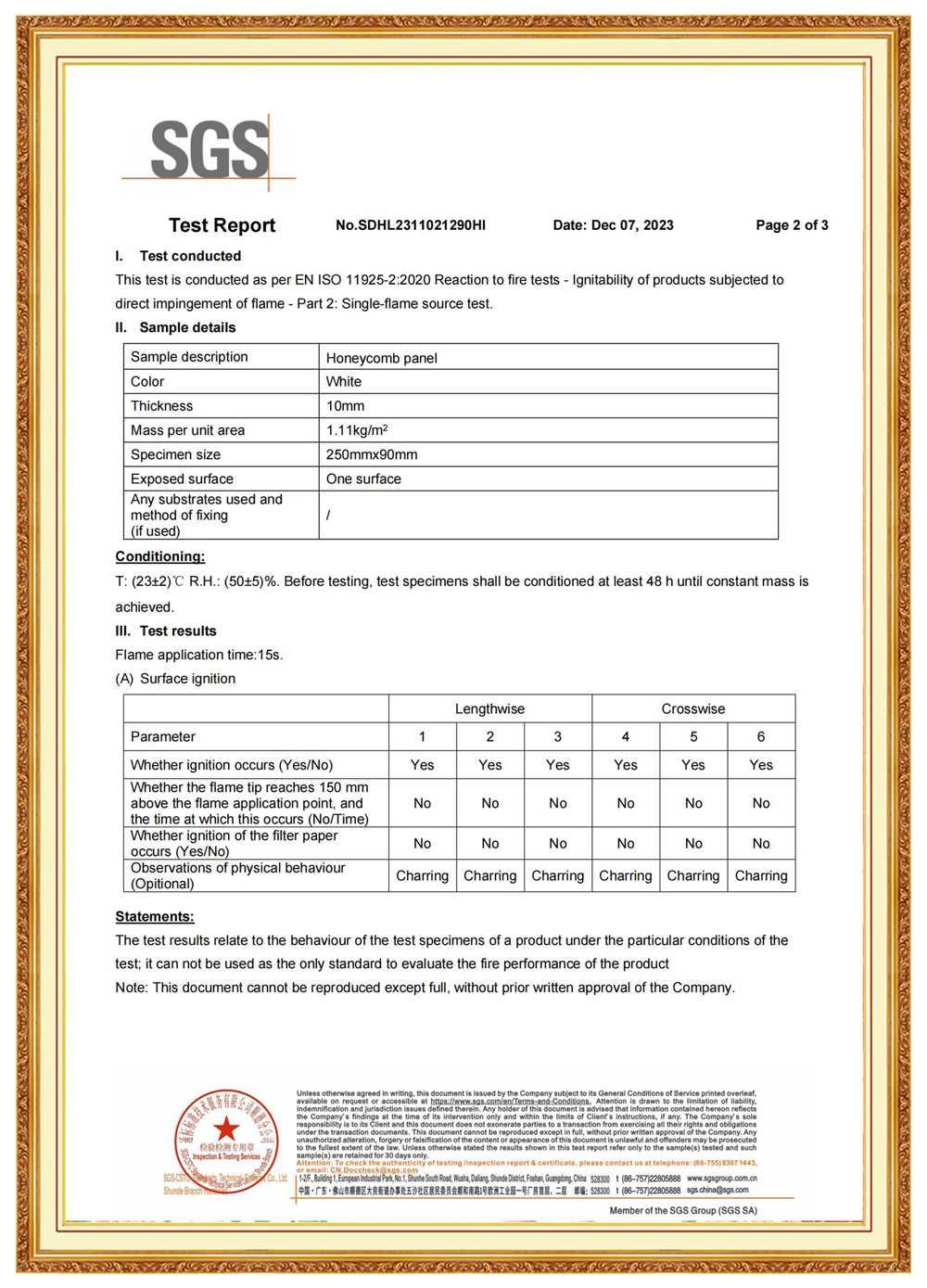
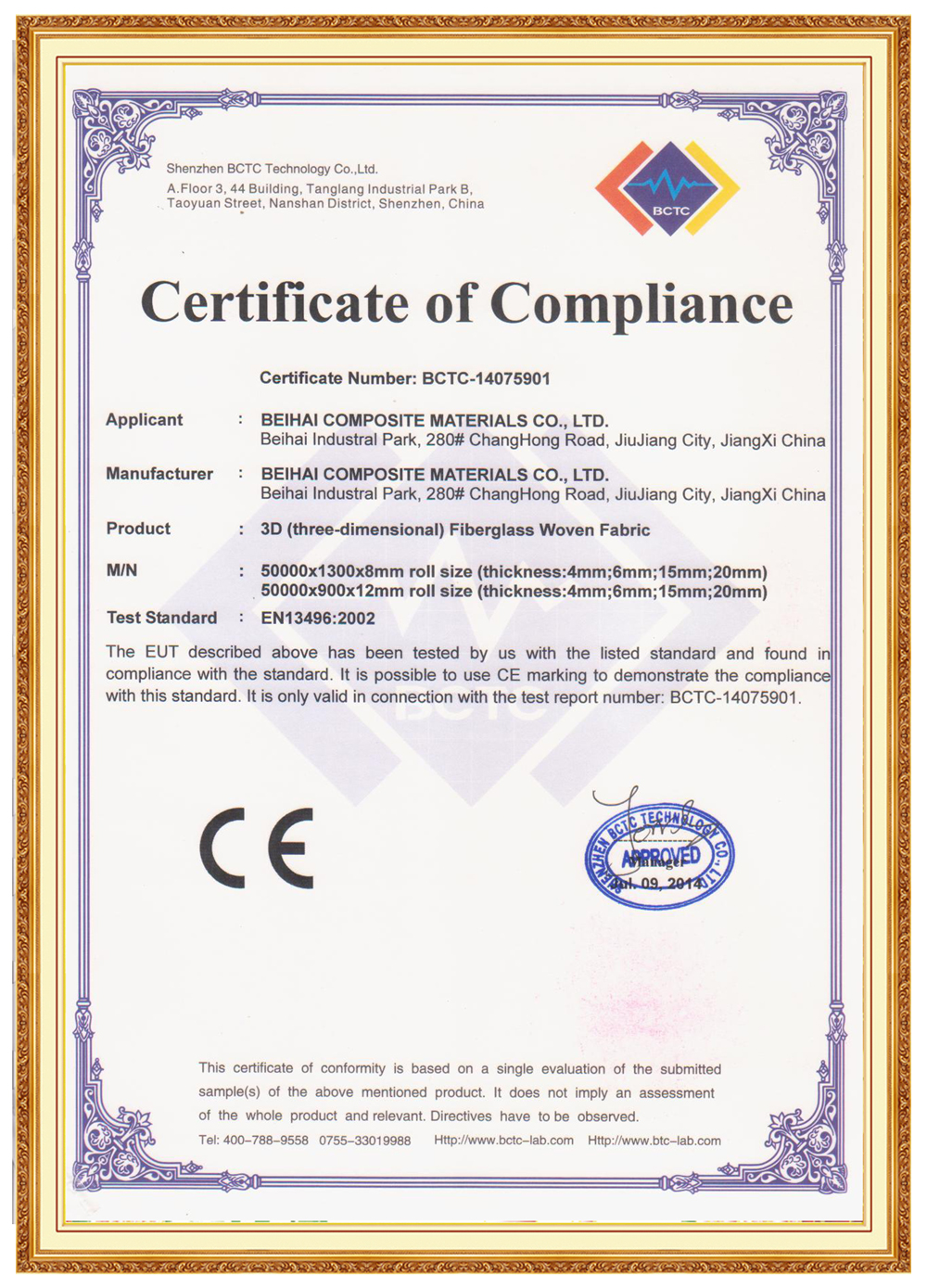
Explore our full lineup of basalt fiber reinforcement solutions — engineered to meet German DIN, EU construction and sustainability standards.
 China Beihai Editorial
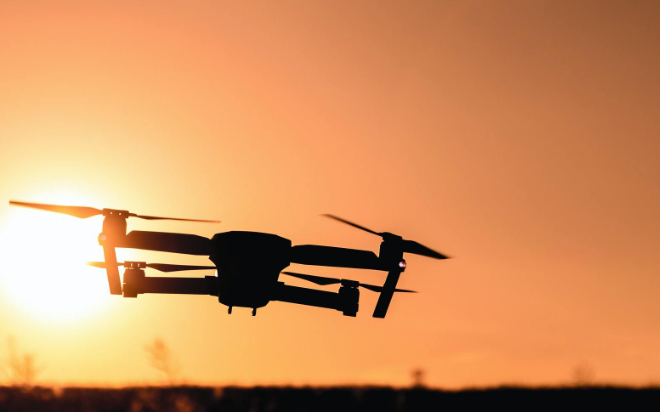
As drones slice through the sky to monitor wildfires, and intelligent robots execute repetitive tasks with precision on the factory floor, the efficient operation of this smart equipment is often underpinned by a "hardcore support" that is easily overlooked: a novel material derived from volcanic rock — basalt fiber. Though unassuming in appearance, its unique properties have made it the key to unlocking the performance limits of drones and robots, quietly driving a materials revolution within the realm of intelligent equipment.
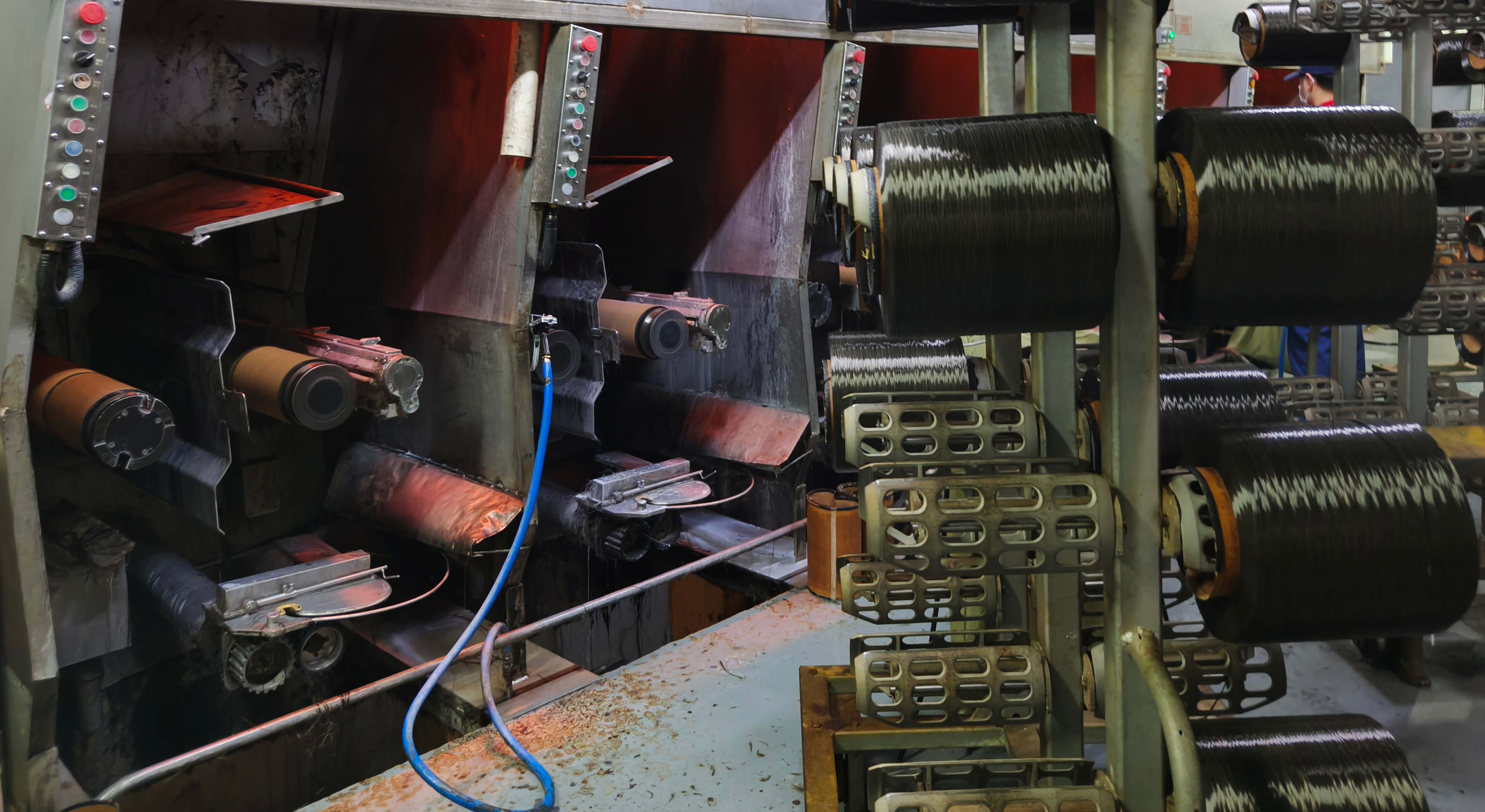
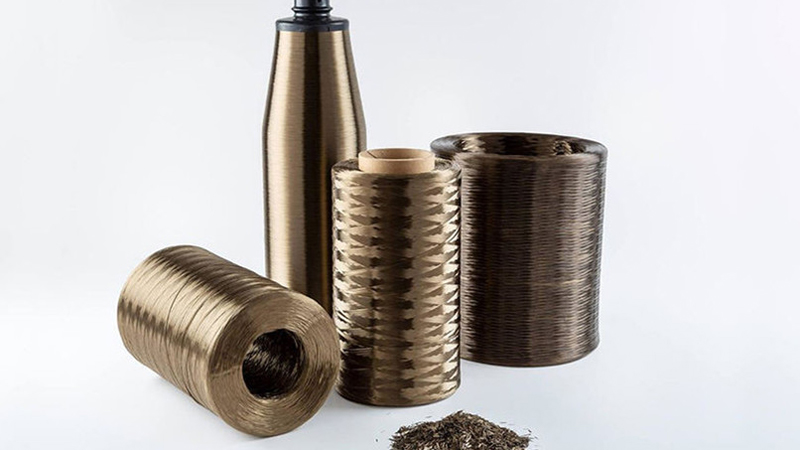
Basalt fiber is an inorganic fibrous material produced by drawing strands from natural basalt ore after it has been melted at high temperatures. It has garnered widespread attention for its exceptional physicochemical properties — particularly its performance in high-temperature environments.
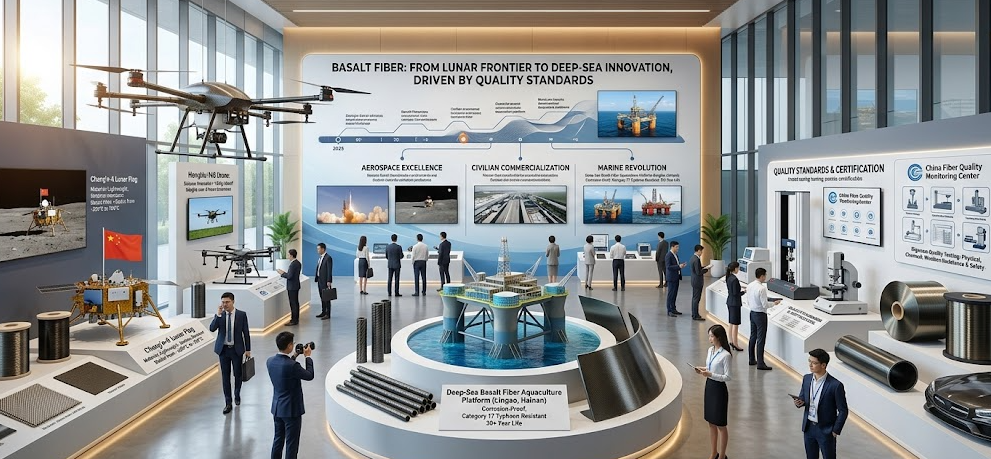
With the successful realization of major applications — such as the Chang'e-6 lunar exploration mission and the world's first deep-sea basalt fiber aquaculture platform — basalt fiber is rapidly accelerating its transformation from a laboratory research outcome into a strategic new material.