
Leave Your Message
The €35 billion Grand Paris Express project demands materials that resist chloride-induced corrosion in tunnels and underground structures. BFRP rebar and basalt fiber mesh are increasingly specified for tunnel lining reinforcement, offering 50+ year service life without the risk of rust expansion.
France's 5,500 km of coastline requires constant maintenance of seawalls, jetties, and marine structures. Basalt FRP rebar outperforms steel in saltwater environments, making it the material of choice for port authorities in Marseille, Le Havre, and Bordeaux.
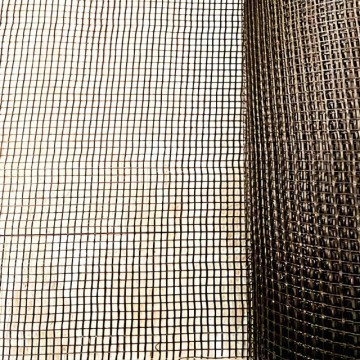
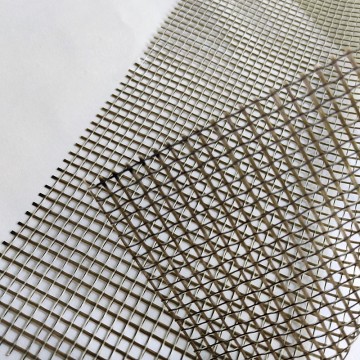
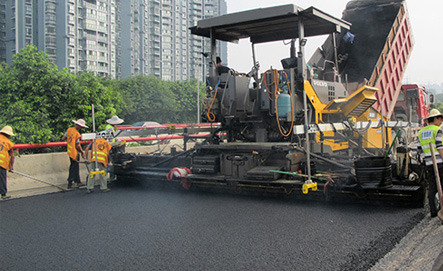
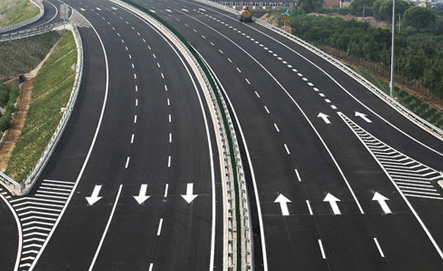
France's 11,600 km autoroute network undergoes continual resurfacing. Basalt fiber geogrid and asphalt reinforcement mesh extend pavement life by up to 40%, reducing maintenance frequency and lifecycle costs for operators like Vinci Autoroutes and APRR.
France's UNESCO World Heritage Sites and historic monuments require non-magnetic, non-conductive reinforcement that will not interfere with archaeological surveys or corrode within centuries-old masonry. BFRP rebar and basalt fiber cloth meet these exacting requirements.
Wind turbine foundations and solar farm concrete pads in Normandy and Provence demand corrosion-resistant reinforcement. Basalt fiber rebar eliminates the electromagnetic interference risk critical for sensor-embedded smart foundations in France's growing renewable sector.
LGV high-speed rail infrastructure and SNCF station renovation projects increasingly adopt basalt fiber composites for platform edge reinforcement, bridge decks, and retaining walls, benefiting from the material's vibration damping and long-term durability.
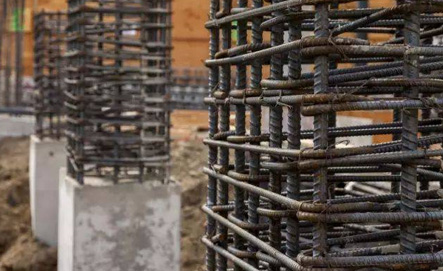
The most widely used reinforcement in French construction, conforming to NF EN 10080. High-ductility grades (B500B, B500C) are standard for seismic zones. While cost-effective, steel is susceptible to chloride corrosion in coastal and tunnel environments, driving demand for alternatives.
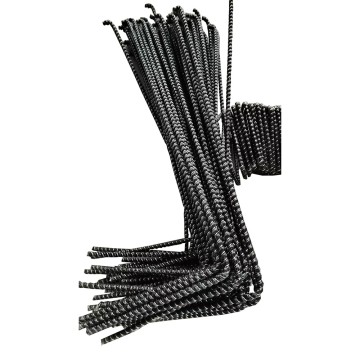
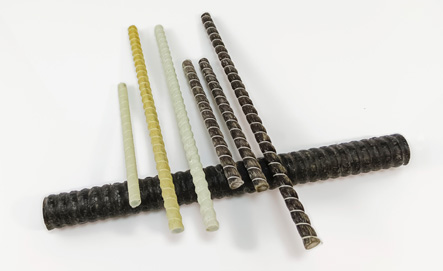
Produced from natural volcanic basalt rock, BFRP rebar offers tensile strength exceeding 1,000 MPa, weighs 75% less than steel, and is completely corrosion-free. Non-magnetic and non-conductive, it is ideal for MRI facilities, electromagnetic-sensitive structures, and marine projects across France.
GFRP bars offer good corrosion resistance and are used in bridge decks and parking structures. However, BFRP surpasses GFRP in temperature resistance (up to 700°C) and UV stability, making basalt the preferred choice for outdoor French infrastructure exposed to Mediterranean sun and alpine conditions.
CFRP provides the highest stiffness among FRP bars and is used in demanding structural applications. Its high cost limits widespread adoption in French civil engineering. BFRP offers a compelling price-performance balance, delivering 85–90% of CFRP performance at significantly lower cost.
Used in highly aggressive environments such as coastal bridges and marine structures, stainless steel rebar offers superior corrosion resistance but at 6–8× the cost of carbon steel. BFRP rebar provides comparable durability at lower weight and cost, increasingly favoured by French project designers.
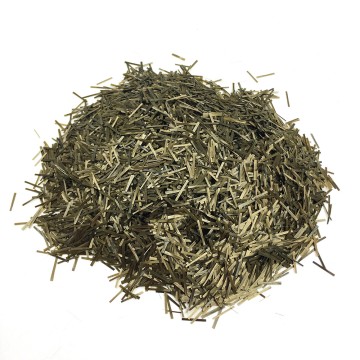
A lower-cost corrosion-protection solution used in French bridge decks and parking structures. However, coating damage during installation can compromise performance. Basalt fiber mesh and chopped strands offer a maintenance-free, damage-tolerant alternative for concrete reinforcement in French construction.
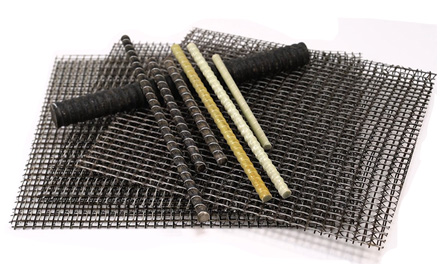
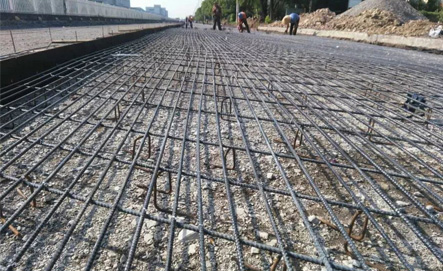
The adoption of Eurocode 2 amendments and emerging CEN standards for FRP reinforcement are accelerating the specification of basalt fiber bars in French public procurement. CEREMA and SETRA technical guides increasingly reference BFRP as a viable alternative to steel in corrosive environments.
France's RE2020 environmental regulation for buildings and the ZAN (Zéro Artificialisation Nette) land policy are driving demand for low-carbon construction materials. Basalt fiber, produced from abundant natural rock with no chemical additives, offers a significantly lower carbon footprint than steel or carbon fiber.
French engineering firms are embedding fiber optic sensors within BFRP rebar to create smart, self-monitoring concrete structures. The non-conductive nature of basalt bars eliminates electromagnetic interference with sensor data, enabling real-time structural health monitoring across bridges and tunnels.
France's growing prefabricated construction sector benefits from BFRP's light weight, which reduces crane loads and transportation costs. Basalt fiber mesh and chopped strands are also widely used in precast concrete panels for facades, flooring, and tunnel segments manufactured across French industrial zones.
Rising sea levels and increased storm intensity along France's Atlantic and Mediterranean coasts are driving investment in climate-resilient infrastructure. BFRP rebar's immunity to saltwater corrosion makes it the material of choice for seawall upgrades, coastal road reinforcement, and flood defence structures.
Chinese basalt fiber manufacturers like China Beihai are establishing long-term supply agreements with French distributors and contractors, offering CE-marked products, French-language technical support, and competitive pricing that is accelerating market penetration across all French construction segments.
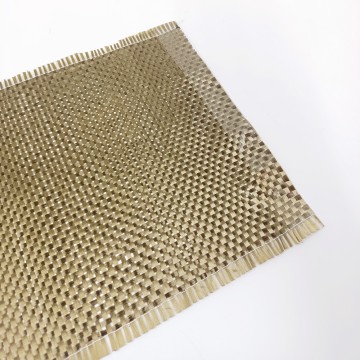
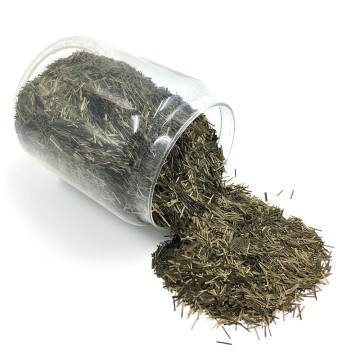
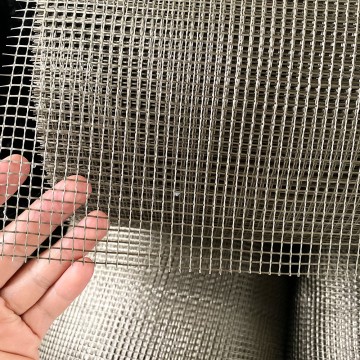
Basalt products serve diverse applications in French residential and commercial construction, including wall reinforcement mesh and chopped strand concrete reinforcement.

In the aerospace field, basalt fibers are ideal for manufacturing aircraft wings and engine components, supporting France's Airbus supply chain.

Basalt fiber enables spacecraft shell materials, thermal protection systems, and high-temperature-resistant engine components for France's space industry.

Basalt-reinforced concrete offers increased strength, crack resistance, improved chemical resistance, and enhanced workability for French engineering projects.

Supporting France's automotive lightweight trend, basalt fiber composites are used in Renault, PSA, and supplier component manufacturing for reduced vehicle weight.

Basalt's high strength and corrosion resistance protect French bridge abutments from vehicle collisions, flooding, and aggressive chemical environments.

Basalt fiber's corrosion resistance gives it a unique advantage in French petrochemical facilities along the Seine-Maritime and Étang de Berre industrial corridors.

French naval shipyards and offshore platform operators benefit from basalt fiber composites' saltwater immunity and lightweight properties in marine applications.
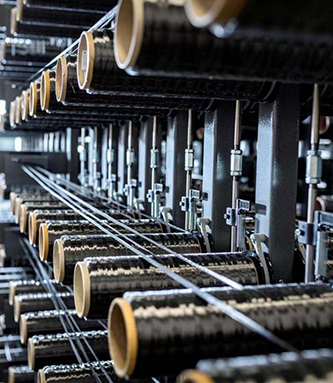
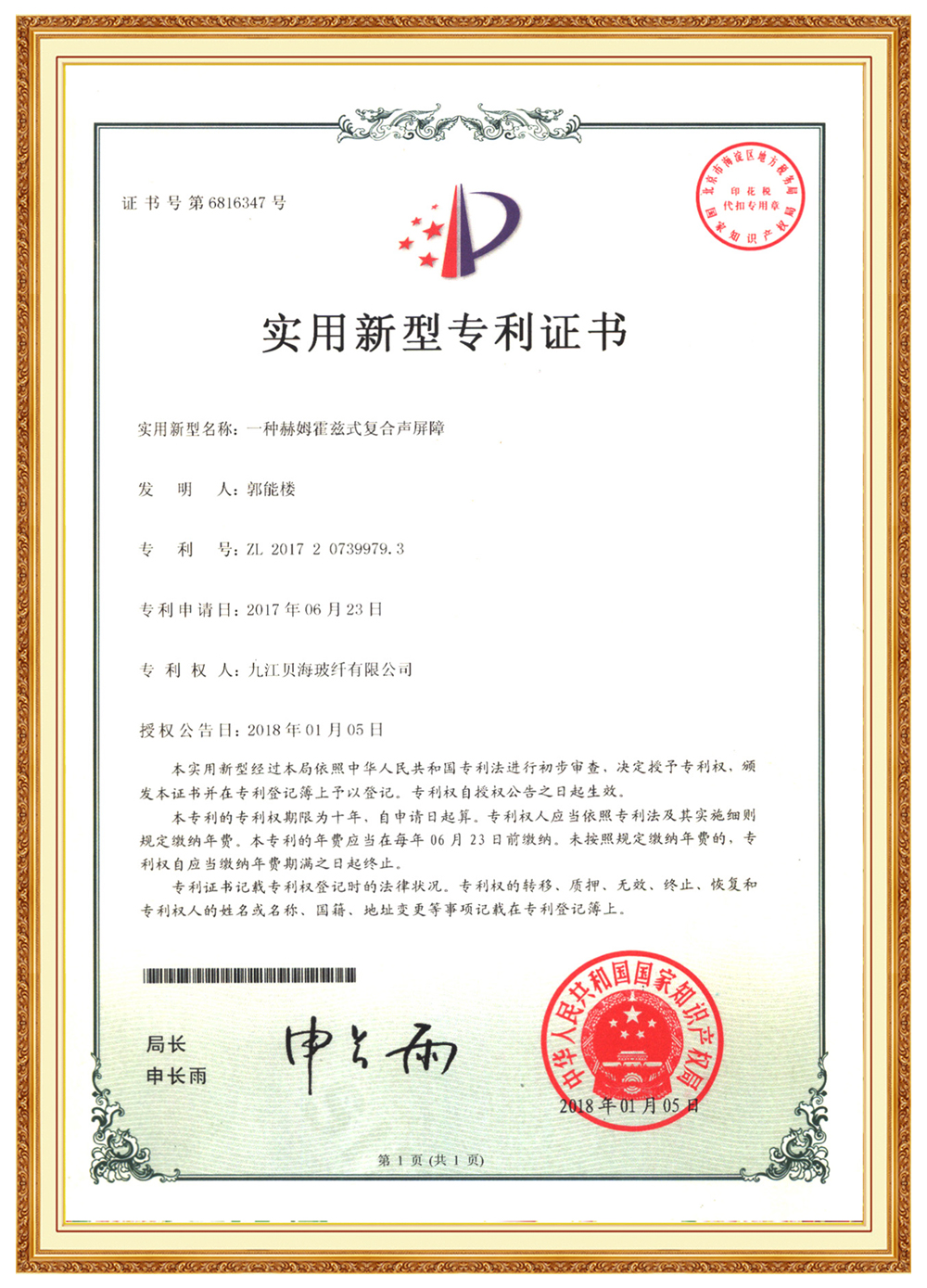
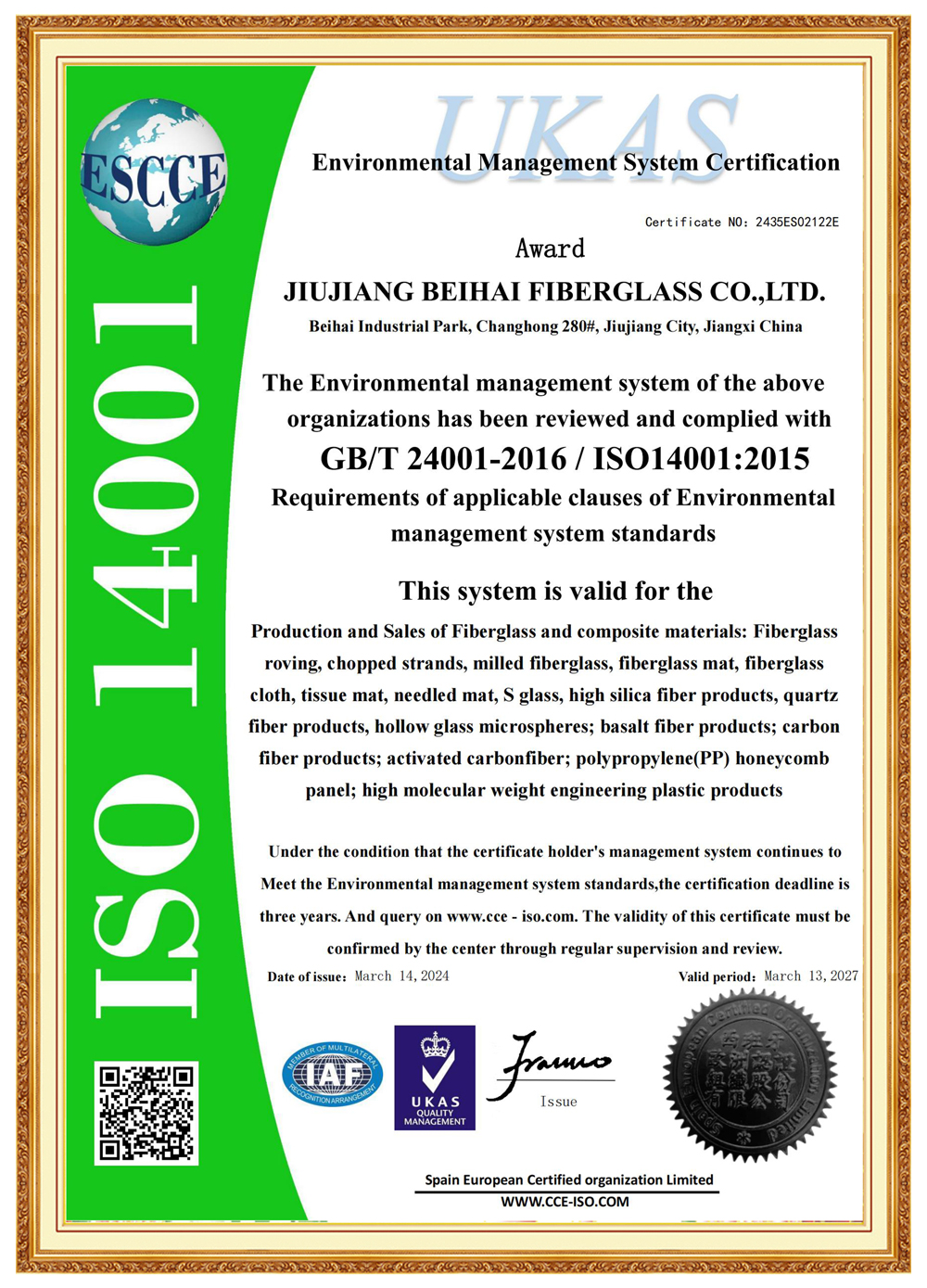
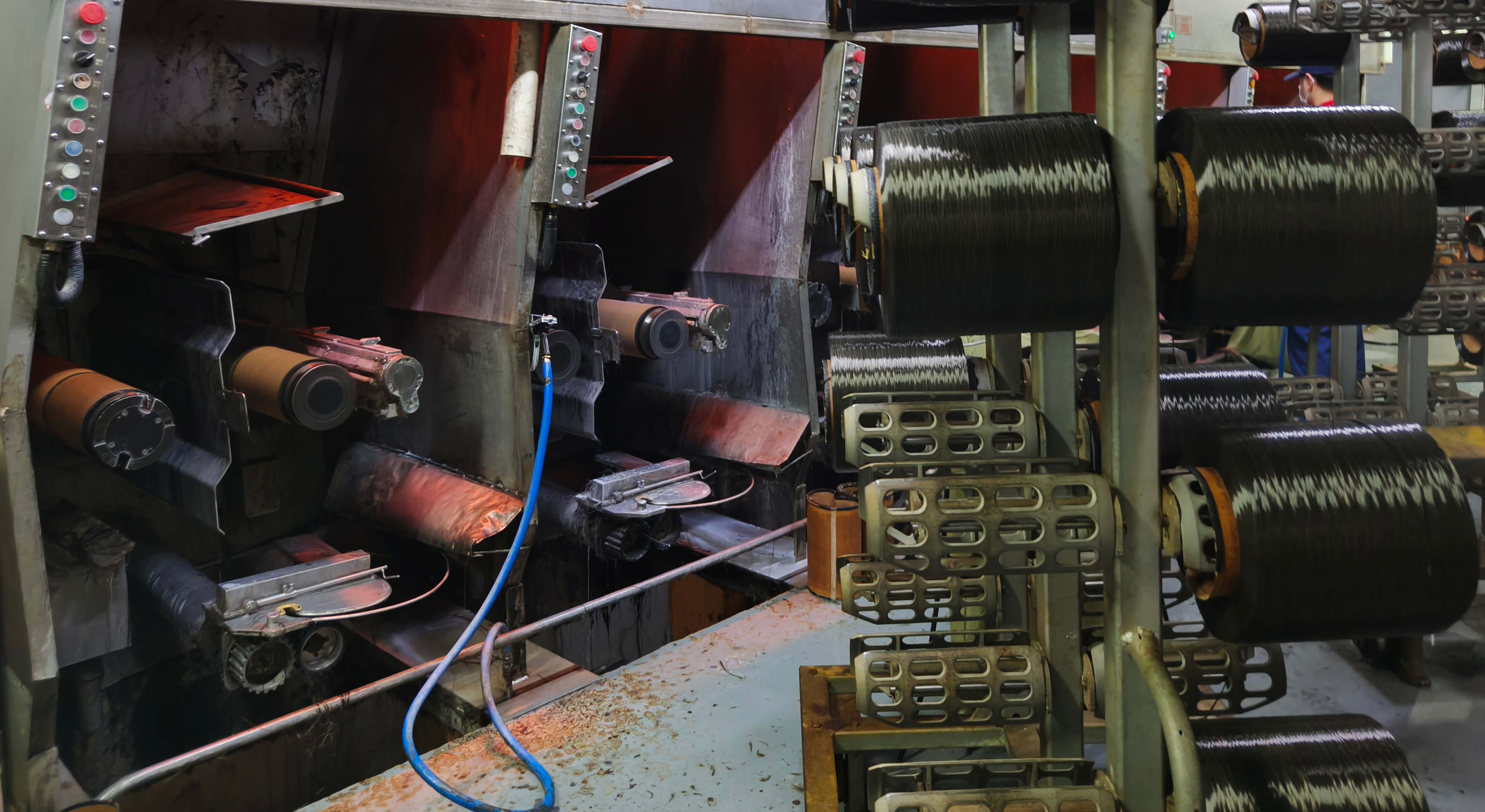
China Beihai is founded in 2015 and located in Jiujiang, Jiangxi Province. China Beihai is a high-tech enterprise focusing on the research, development, production and sales of high-performance basalt continuous fiber and its production equipment manufacturing, as well as a leading enterprise in the domestic basalt fiber industry.
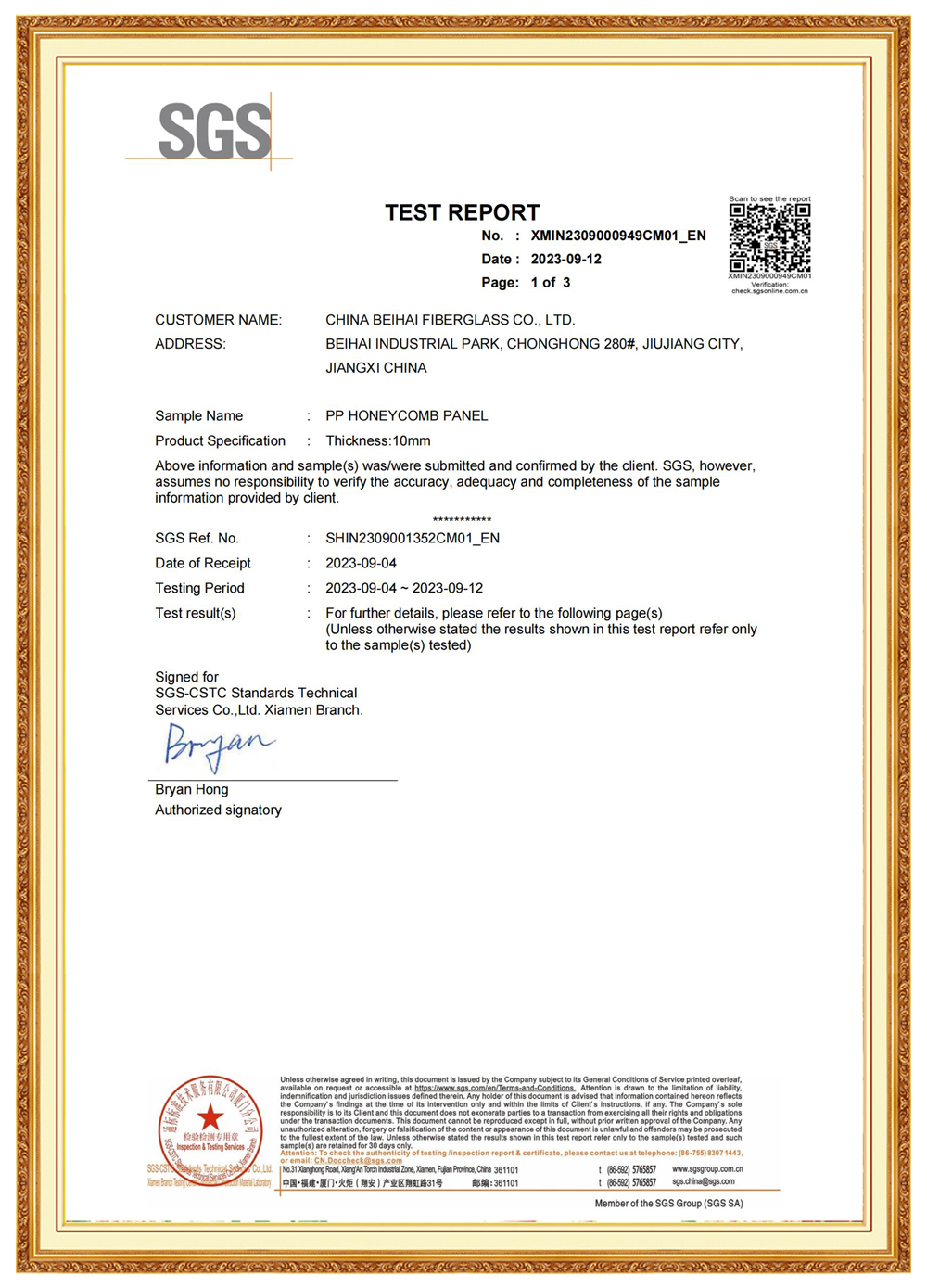
Serving France and the wider European market, we deliver CE-compliant basalt fiber reinforcement bars, meshes, fabrics, and chopped strands that meet the exacting standards of French construction and industrial applications.
View More About Us
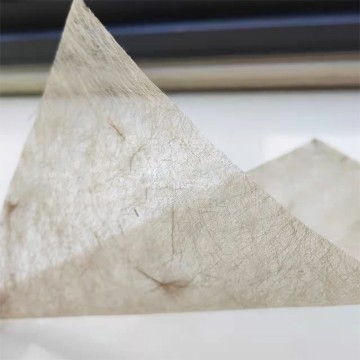
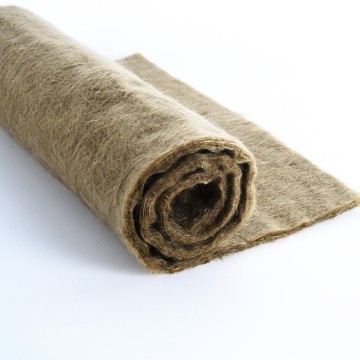
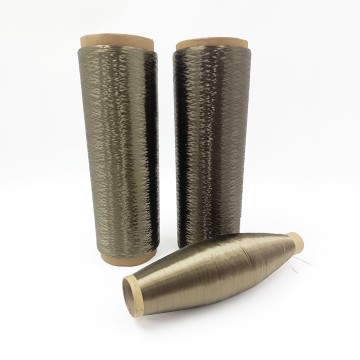
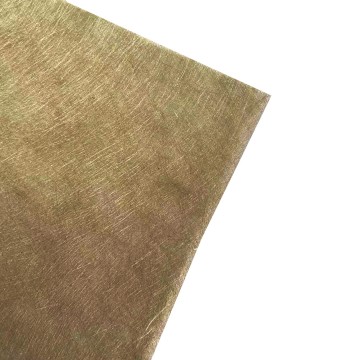
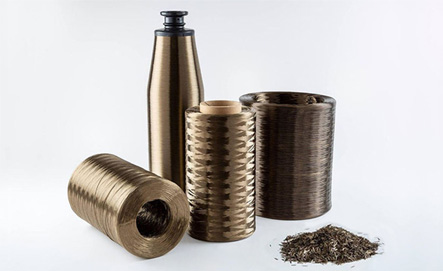
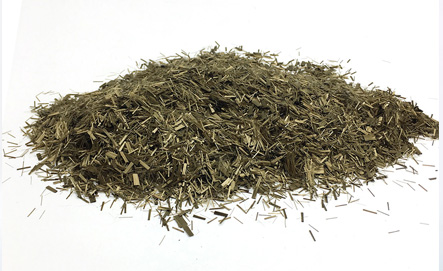
At China Beihai group, we specialize in the production of a wide range of products including basalt fiber mat (Basalt fiber chopped strand mat, Basalt fiber cloth), basalt fiber roving, basalt fiber yarn, basalt fiber chopped strands, and basalt fiber products (Basalt Fiber rebar, basalt fiber sleeves and tape). Our products are designed to meet the diverse needs of various industries, providing high-quality solutions for our customers.

At China Beihai group, we are dedicated to the production of a wide array of basalt-based products, ranging from basalt fiber mat, fabric, and roving to chopped strand and specialized construction materials. Our focus is on delivering high-quality, sustainable solutions for industries such as construction, geotechnical engineering, and manufacturing.

Choosing to work with China Beihai means working with a leading manufacturer of basalt products. Our commitment to quality, innovation and sustainability sets us apart, ensuring our customers receive best-in-class solutions for their diverse needs. When you partner with China Beihai, you can trust that you are working with a reliable and forward-thinking supplier for all your basalt product needs.
Basalt fiber roving is the foundational product for filament winding, pultrusion, and weaving applications. Used in France's composite manufacturing sector for pipes, tanks, structural profiles, and reinforcement textiles.
Basalt fiber rebar is a high-strength alternative to traditional steel bars and is used in a wide range of applications for reinforcing concrete structures in various fields, and its excellent performance makes it ideal for a variety of construction applications such as bridges, highways, buildings and other infrastructure projects.