
Leave Your Message
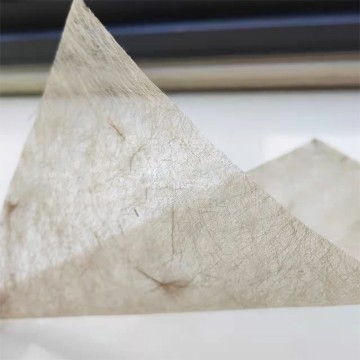
Basalt Fiber Surfacing Tissue Mat engineered to provide a smooth resin-rich surface layer for fiber reinforced plastic in marine structures.
Read More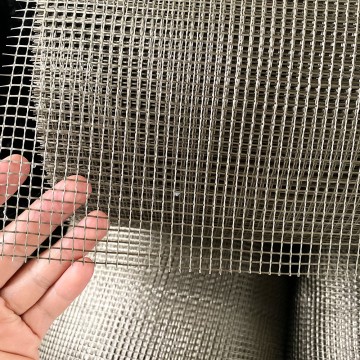
High-performance Basalt Fiber Mesh providing superior reinforcement for ship hull concrete and plaster applications with high alkali resistance.
Read More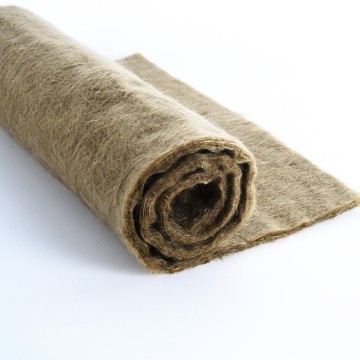
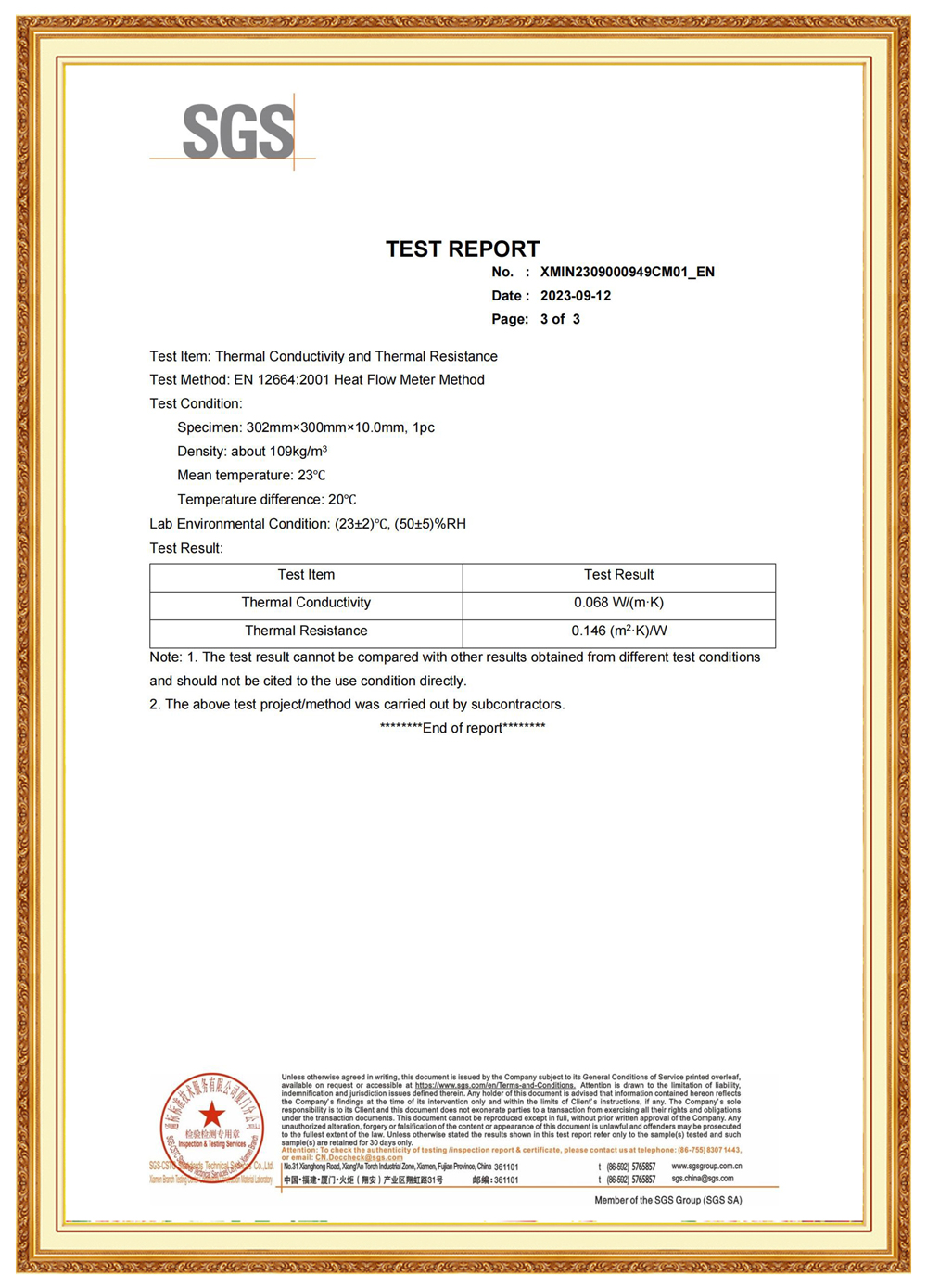
High-density insulation material manufactured by mechanically bonding continuous basalt fibers, ideal for ship engine compartment thermal management.
Read More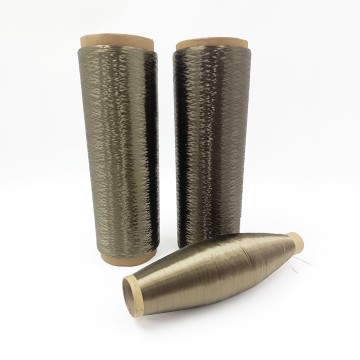
Engineered by twisting multiple continuous filaments to enhance mechanical strength and processing stability for shipbuilding composite applications.
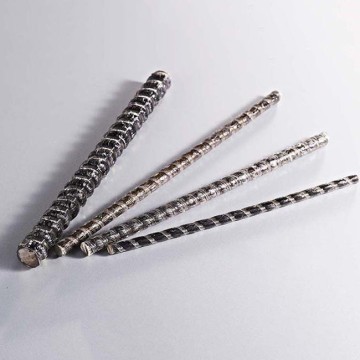
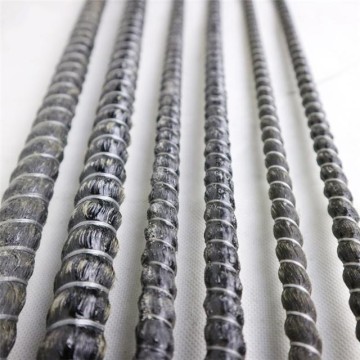
Read MoreThe 6mm Basalt Fiber Reinforcing Bar (BFRP rebar) for shipbuilding represents a pivotal innovation in marine structural engineering. Manufactured from continuous basalt fiber filaments drawn from natural volcanic basalt rock at temperatures of 1,450°C–1,500°C and combined with a high-performance epoxy or vinyl ester resin matrix, this slender yet incredibly strong bar is transforming how modern vessels and offshore structures are built and maintained.
At just 6mm in diameter, this reinforcing bar is specifically engineered for precision applications within ship hulls, deck slabs, ballast tank linings, superstructure panels, and bulkhead reinforcement — areas where minimizing weight while maximizing structural integrity and corrosion resistance is absolutely critical. Unlike traditional steel rebar, which corrodes rapidly in saltwater environments and adds significant weight, the 6mm basalt rebar delivers superior tensile strength-to-weight ratios alongside complete immunity to chloride-induced corrosion.
The global shipbuilding industry has long struggled with the dual challenge of structural degradation from marine corrosion and the increasing demand for lighter, more fuel-efficient vessels. The introduction of 6mm BFRP rebar directly addresses both challenges, offering shipbuilders a sustainable, long-lasting, and cost-effective alternative that complies with evolving international maritime material standards.
Key Insight: Basalt fiber rebar exhibits a tensile strength of 1,000–1,500 MPa — significantly higher than conventional steel rebar at 400–600 MPa — while weighing approximately 75% less. In saltwater-immersed environments, its corrosion resistance extends structural service life by 3–5 times compared to uncoated steel.
| Parameter | Value |
|---|---|
| Diameter | 6 mm |
| Tensile Strength | 1,000 – 1,500 MPa |
| Elastic Modulus | 45 – 65 GPa |
| Density | 1.9 – 2.1 g/cm³ |
| Thermal Range | -200°C to +700°C |
| Surface Treatment | Sand-coated / Ribbed / Helical |
| Corrosion Resistance | Excellent (seawater, acid, alkali) |
| Magnetic Properties | Non-magnetic |
Basalt fiber rebar is inherently immune to chloride ion attack — the primary cause of steel corrosion in marine environments. Ships and offshore platforms reinforced with 6mm BFRP rebar can operate in seawater indefinitely without the rust-induced structural failure that plagues conventional steel-reinforced components. This eliminates costly dry-dock maintenance cycles caused by rebar corrosion.
At approximately 1.9–2.1 g/cm³ density versus steel's 7.85 g/cm³, 6mm basalt rebar reduces structural reinforcement weight by up to 75%. For shipbuilders, every kilogram saved in structural materials translates directly into improved fuel efficiency, increased cargo capacity, and enhanced vessel stability — key competitive advantages in the global shipping market.
Unlike steel, basalt fiber rebar is completely non-magnetic and electrically non-conductive. This is critical for naval vessels, research ships, and specialized marine equipment where electromagnetic interference (EMI) must be minimized, and for structures near sensitive navigation or sonar equipment. It also eliminates galvanic corrosion risks in mixed-material assemblies.
Basalt rebar maintains structural integrity from -200°C to +700°C, making it suitable for ship engine rooms, exhaust-adjacent structures, and vessels operating in extreme polar or tropical environments. This thermal stability ensures consistent mechanical performance across the full operational lifecycle of modern commercial and naval vessels.
Derived from 100% natural volcanic basalt rock with no chemical additives in raw material processing, basalt fiber rebar has a significantly lower environmental footprint than steel or synthetic fiber alternatives. As IMO (International Maritime Organization) regulations increasingly demand greener shipbuilding practices, basalt rebar positions shipyards at the forefront of sustainable naval construction.
While the initial material cost of basalt rebar may be higher than conventional steel, the total lifecycle cost is dramatically lower. Elimination of anti-corrosion coatings, reduced maintenance intervals, extended structural service life of 50+ years in marine environments, and lower transportation costs due to reduced weight all contribute to a compelling total cost of ownership (TCO) advantage for shipbuilders and operators.
Major shipbuilding nations including South Korea, Japan, China, and Germany are actively integrating BFRP rebar into green shipbuilding certification programs. IMO's 2050 decarbonization targets are accelerating the shift toward lightweight, corrosion-free materials that reduce vessel operational emissions. The global BFRP rebar market in marine applications is projected to grow at a CAGR exceeding 12% through 2030.
The explosive growth of offshore wind energy infrastructure — with over 380 GW of new capacity planned globally by 2030 — is creating massive demand for corrosion-resistant reinforcing materials. 6mm basalt rebar is increasingly specified for the concrete foundations, transition pieces, and floating platform structures of offshore wind installations, where seawater immersion is permanent and steel corrosion is catastrophic.
Defense navies worldwide are evaluating basalt fiber composites for next-generation warship construction. The non-magnetic properties of 6mm BFRP rebar are particularly valuable for minesweepers and submarine support vessels, while the reduced radar cross-section of basalt composite structures offers stealth advantages. Several NATO member navies have initiated pilot programs for basalt-reinforced deck structures.
Leading shipyards are now combining 6mm basalt rebar with embedded fiber optic sensors for real-time structural health monitoring (SHM). This "smart rebar" approach enables continuous monitoring of strain, temperature, and moisture ingress in ship hulls and offshore structures, enabling predictive maintenance and dramatically reducing unplanned downtime. AI-driven design optimization tools are further refining rebar placement for maximum structural efficiency.
International bodies including ASTM, ISO, and classification societies such as Lloyd's Register, DNV GL, and Bureau Veritas are actively developing and updating standards for BFRP rebar in marine applications. China's GB/T standards for basalt fiber products have been progressively aligned with international norms, facilitating global trade and adoption. This regulatory momentum is a key driver of market confidence and accelerating commercial deployment.
Inspired by pioneering projects such as the world's first deep-sea basalt fiber aquaculture platform, the marine aquaculture sector is rapidly adopting 6mm basalt rebar for offshore fish farm cages, submersible platform frames, and underwater habitat structures. The combination of seawater immunity, biological inertness, and high strength makes basalt rebar the material of choice for permanent deep-sea installations.
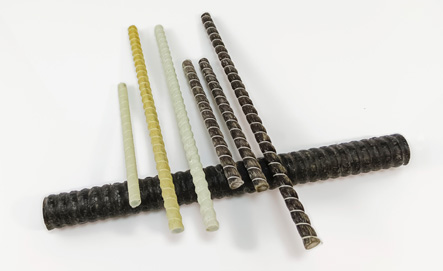
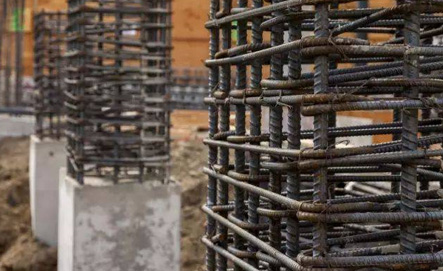
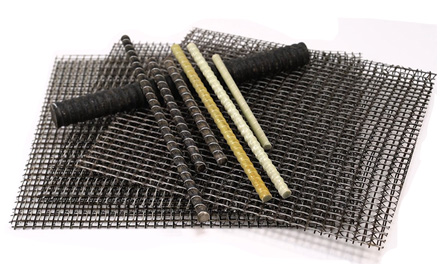
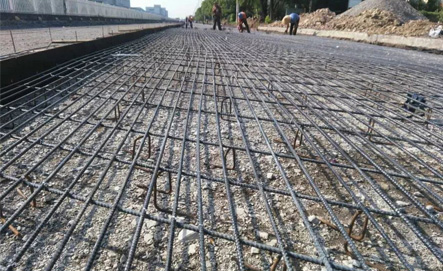

Our basalt products have diverse applications in the field of house construction, providing high-strength, durable reinforcement solutions.

In the aerospace field, basalt fibers are ideal for manufacturing aircraft wings and engine components requiring extreme strength-to-weight ratios.

Through fine process control and surface treatment technologies, basalt fibers are used in spacecraft shell materials and thermal protection systems.

Basalt-added concrete offers increased strength, durability, crack resistance, improved chemical resistance and improved workability.

Facing the trend of lightweight automobile materials, basalt fiber composites enable wide application in the automobile field.

Basalt's high strength, durability and protective properties make it ideal for protecting bridge abutment structures from corrosion and the natural environment.

The corrosion resistance of basalt fiber gives it a unique advantage in the petrochemical field for pipes, tanks, and structural components.

Basalt fiber as a high-performance material with lightweight, high strength, corrosion resistance, and acid and alkali resistance is ideal for shipbuilding applications.
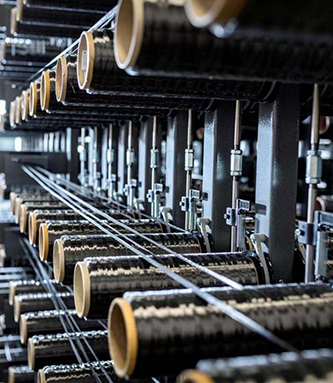
China Beihai is founded in 2015 and located in Jiujiang, Jiangxi Province. China Beihai is a high-tech enterprise focusing on the research, development, production and sales of high-performance basalt continuous fiber and its production equipment manufacturing, as well as a leading enterprise in the domestic basalt fiber industry.
View More
At China Beihai group, we specialize in the production of a wide range of products including basalt fiber mat (Basalt fiber chopped strand mat, Basalt fiber cloth), basalt fiber roving, basalt fiber yarn, basalt fiber chopped strands, and basalt fiber products (Basalt Fiber rebar, basalt fiber sleeves and tape). Our products are designed to meet the diverse needs of various industries, providing high-quality solutions for our customers.

At China Beihai group, we are dedicated to the production of a wide array of basalt-based products, ranging from basalt fiber mat, fabric, and roving to chopped strand and specialized construction materials. Our focus is on delivering high-quality, sustainable solutions for industries such as construction, geotechnical engineering, and manufacturing.

Choosing to work with China Beihai means working with a leading manufacturer of basalt products. Our commitment to quality, innovation and sustainability sets us apart, ensuring our customers receive best-in-class solutions for their diverse needs. Reliability and customer satisfaction are our top priorities, backed by our dedication to excellence and industry expertise.

As drones slice through the sky to monitor wildfires, and intelligent robots execute repetitive tasks with precision on the factory floor, the efficient operation of this smart equipment is often underpinned by a "hardcore support" that is easily overlooked: a novel material derived from volcanic rock — basalt fiber. Though unassuming in appearance, its unique properties have made it the key to unlocking the performance limits of drones and robots, quietly driving a materials revolution within the realm of intelligent equipment.
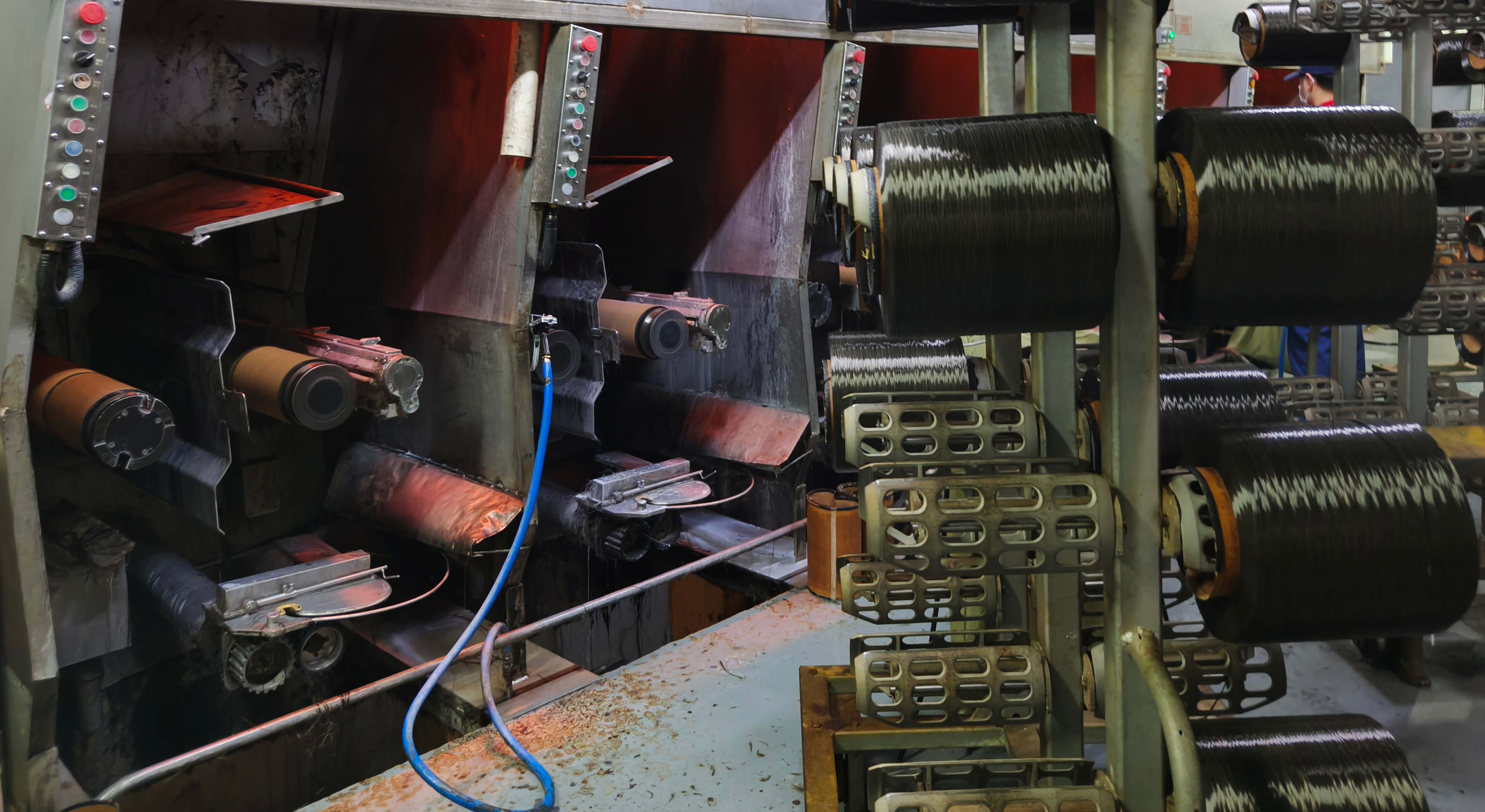
Basalt fiber is an inorganic fibrous material produced by drawing strands from natural basalt ore after it has been melted at high temperatures, demonstrating unique value in numerous high-temperature applications.

With the successful realization of major applications such as the Chang'e-6 lunar exploration mission and the world's first deep-sea basalt fiber aquaculture platform, basalt fiber is rapidly accelerating its transformation into a strategic new material.
High-strength BFRP rebar delivering corrosion-free reinforcement for ship hull concrete structures in permanent seawater environments.
Read More
Engineered for permanent seawater immersion zones, eliminating costly cathodic protection and epoxy coating maintenance requirements.
Read More
Non-magnetic, non-conductive BFRP rebar for minesweeper decks and navigation equipment proximity zones on naval vessels.
Read More
Durable reinforcement for jetty slabs, fender piles, and berthing structures subject to continuous marine exposure and heavy impact loads.
Read More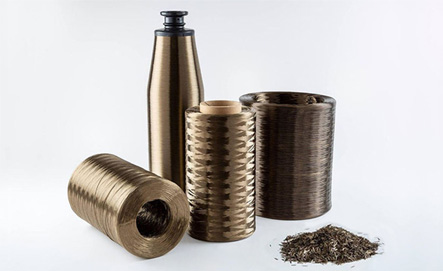
High-performance continuous basalt fiber roving for filament winding, pultrusion, and weaving of marine composite structural components.
Read More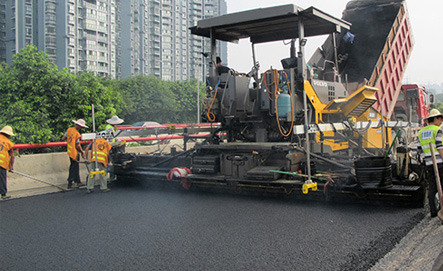
Short-cut basalt fiber strands for dispersion reinforcement of marine concrete, dramatically improving crack resistance and impact toughness.
Read More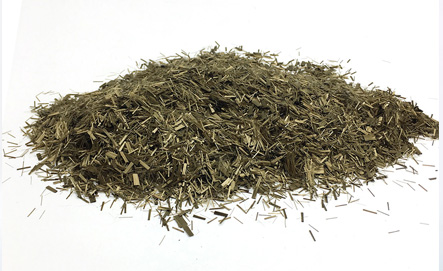
Multi-axial basalt fiber woven fabrics providing superior in-plane strength and stiffness for lightweight ship superstructure and deck panel composites.
Read More
Corrosion-resistant basalt fiber sleeves and wrapping tapes for protecting ship piping systems, exhaust ducts, and structural joints in marine environments.
Read More