
Leave Your Message
Engineered for drone fuselages and propeller blade reinforcement — where every gram and every newton matters.
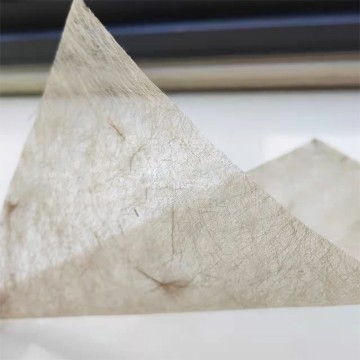
Basalt Fiber Surfacing Tissue Mat is a non-woven thin sheet engineered to provide a smooth resin-rich surface layer for fiber reinforced plastic UAV fuselage structures...
read more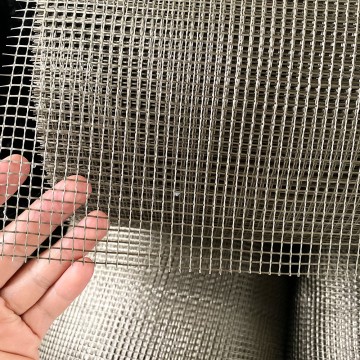
Our high-performance Basalt Fiber Mesh provides superior reinforcement for UAV composite shells and explosion-proof enclosures where high alkali resistance is critical...
read more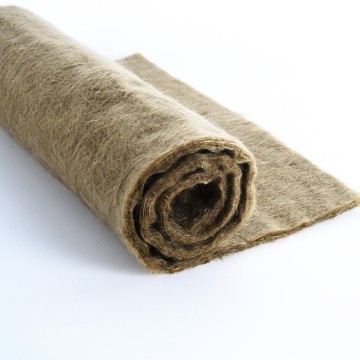
Our Basalt Fiber Needled Mat is a high-density insulation material ideal for explosion-proof drone engine compartment thermal management systems...
read more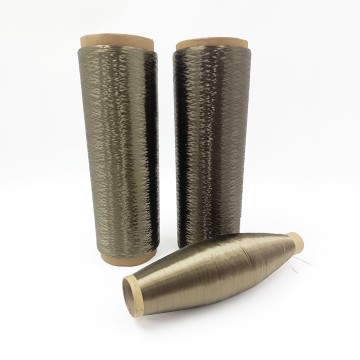
Our Basalt Fiber Twisted Yarn is engineered for propeller blade composite layup, delivering enhanced mechanical strength and processing stability for drone rotor systems...
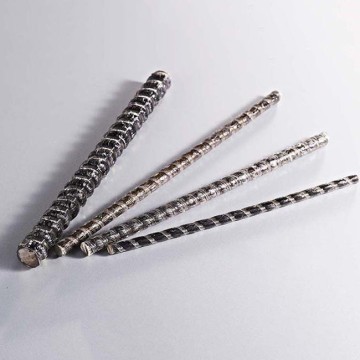
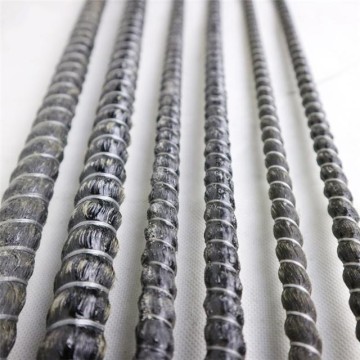
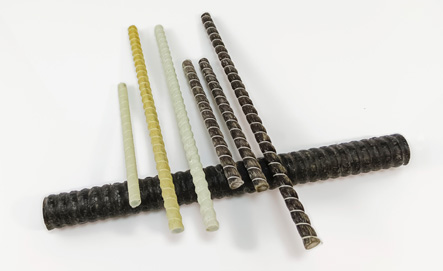
read moreAs unmanned aerial vehicles (UAVs) and drones are increasingly deployed in hazardous industrial environments — including oil & gas facilities, mining operations, chemical plants, and military zones — the demand for explosion-proof structural materials has never been greater. The 8mm basalt fiber reinforcing bar, derived from volcanic rock melted at over 1,450°C, offers a revolutionary combination of non-magnetic, non-conductive, corrosion-proof, and high-tensile properties that make it the ideal structural backbone for next-generation explosion-proof drone fuselages and propeller blade composites.
Unlike steel rebar, basalt fiber reinforcing bars generate zero electromagnetic interference — a critical requirement for drone avionics, GPS modules, and sensor arrays in explosion-proof UAVs operating near high-voltage infrastructure or electronic warfare environments.
The 8mm diameter basalt rebar provides optimal tensile and flexural reinforcement within composite fuselage panels and propeller hubs, maintaining structural cohesion under blast overpressure scenarios without generating metallic fragmentation hazards.
At approximately 2.1 g/cm³ density — roughly four times lighter than steel — 8mm basalt rebar dramatically reduces the overall take-off weight of explosion-proof UAVs, extending flight endurance and payload capacity in demanding industrial missions.
Basalt fiber retains mechanical properties at temperatures exceeding 700°C, making it suitable for drone operations near industrial furnaces, wildfire monitoring, and petrochemical facility inspections where thermal exposure is a constant risk.
Basalt rebar demonstrates outstanding resistance to acid, alkali, salt spray, and chemical corrosion — ideal for offshore oil platform drones, coastal surveillance UAVs, and chemical plant inspection systems exposed to corrosive atmospheres.
The 8mm specification provides the ideal balance between structural reinforcement density and composite layup flexibility, enabling engineers to design lightweight lattice frameworks for drone fuselage ribs, propeller blade spars, and landing gear struts.
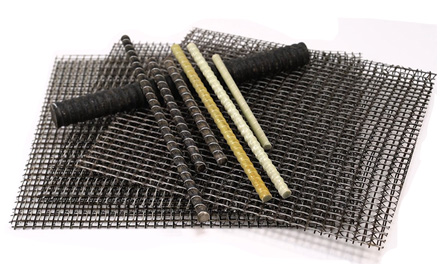
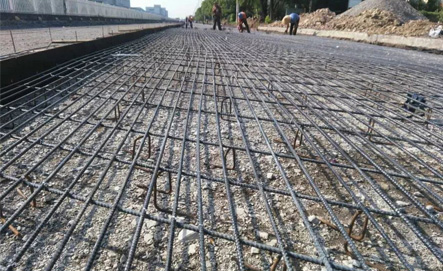
The global explosion-proof drone market is projected to exceed USD 2.8 billion by 2030, driven by mandatory safety regulations in oil & gas, mining, and defense sectors. Basalt fiber reinforcing materials are at the forefront of this structural evolution.
Explosion-proof UAVs deployed in Zone 1 and Zone 2 classified hazardous areas require ATEX/IECEx-compliant structural materials. 8mm basalt rebar replaces metallic frame elements, eliminating spark ignition risks while maintaining the structural rigidity needed for stable hovering in turbulent industrial environments. Major energy companies in the Middle East and North Sea are actively qualifying basalt composite drone frames for routine pipeline and flare stack inspections.
Coal mines and underground metal ore facilities present explosive methane and coal dust atmospheres. Drones used for tunnel mapping, equipment monitoring, and emergency response must be constructed from non-sparking, non-conductive materials. Basalt fiber 8mm rebar provides the structural backbone for mine-certified explosion-proof drone chassis, with Chinese and European manufacturers actively integrating basalt composite frames into their underground UAV product lines.
Chemical manufacturing environments expose drones to corrosive vapors, extreme temperature gradients, and explosive gas mixtures. The superior chemical resistance of basalt fiber rebar — outperforming both glass fiber and carbon fiber in alkali resistance — makes it the preferred reinforcement material for chemical-grade explosion-proof UAV fuselages. Several Tier-1 drone manufacturers are now specifying 8mm basalt rebar in their ATEX-rated product portfolios.
Military-grade EOD (Explosive Ordnance Disposal) drones and reconnaissance UAVs operating in blast-risk environments benefit from basalt rebar's non-magnetic signature — critical for mine-field operations where magnetic anomaly detection could trigger detonation. Defense procurement agencies in Europe and Asia are evaluating basalt composite structures as standard specifications for next-generation military drone platforms.
Research institutions are integrating nano-silica and graphene oxide coatings onto basalt fiber surfaces to further enhance interfacial bonding with epoxy matrices. This nano-enhancement is projected to increase the tensile strength of 8mm basalt rebar by 15–25%, opening new possibilities for ultra-thin propeller blade spar designs in high-speed racing and industrial drones.
Advanced finite element analysis (FEA) and machine learning algorithms are being applied to optimize the placement density and orientation of 8mm basalt rebar within drone fuselage composite layups. This computational approach enables manufacturers to achieve maximum blast resistance with minimum material weight — a critical trade-off in explosion-proof UAV design.
As global sustainability regulations tighten, basalt fiber's naturally occurring volcanic rock source material and lower carbon footprint compared to carbon fiber are driving regulatory preference. EU drone manufacturers are increasingly specifying basalt composite materials to meet REACH compliance and circular economy directives, with basalt rebar positioned as the "green steel" of the drone industry.
The rollout of 5G drone communication networks and the proliferation of onboard radar, LiDAR, and communication systems demand RF-transparent structural materials. Basalt fiber's inherent electromagnetic transparency — superior to carbon fiber — makes 8mm basalt rebar the structural material of choice for drone fuselages housing sensitive communication and sensing payloads.
Emerging hybrid composite architectures combining 8mm basalt rebar with carbon fiber plies are enabling drone engineers to achieve tailored stiffness profiles — using basalt for impact toughness and blast resistance while carbon fiber provides axial stiffness. This hybridization strategy is gaining rapid adoption in premium explosion-proof UAV product lines targeting the energy sector.
China's basalt fiber industry — led by pioneering enterprises like China Beihai Group — is rapidly scaling production capacity to meet surging demand from domestic and international drone manufacturers. With China's UAV export market exceeding USD 1 billion annually and explosion-proof drone regulations tightening across Southeast Asia and the Middle East, 8mm basalt rebar supply chains are being established to serve this high-growth segment.
In explosion-proof drone fuselage design, 8mm basalt rebar is incorporated into the primary load-bearing lattice framework as longitudinal spars and circumferential hoop reinforcements. The rebar is embedded within epoxy or thermoplastic composite matrices, creating a blast-resistant monocoque structure that absorbs and distributes explosive overpressure without catastrophic fragmentation. The non-metallic nature eliminates the risk of secondary ignition from metallic debris in explosive atmospheres.
Propeller blades on explosion-proof UAVs experience complex cyclic loading from aerodynamic forces, centrifugal stress, and vibration-induced fatigue. 8mm basalt rebar serves as the primary spar element within composite propeller blades, providing the tensile reinforcement needed to prevent delamination and root failure under high-RPM operation. The rebar's superior fatigue resistance compared to glass fiber alternatives extends propeller service life by up to 40% in demanding industrial environments.
Hard landings on rough industrial terrain represent one of the most common causes of drone structural failure. 8mm basalt rebar-reinforced landing gear struts provide exceptional impact energy absorption through controlled fiber debonding mechanisms, protecting sensitive avionics and payload systems from landing shock loads. The non-conductive property additionally prevents static charge buildup during landing in explosive atmospheres — a critical safety requirement in ATEX Zone 0 environments.
Lithium battery thermal runaway events represent a significant explosion risk in UAV operations. 8mm basalt rebar-reinforced battery compartment enclosures provide a passive blast containment layer that can withstand the overpressure generated by battery cell rupture, containing the explosion within the designated safety zone and preventing catastrophic drone disintegration. This application is driving significant R&D investment from major drone manufacturers in the logistics and energy inspection sectors.
Unveiling the Infinite Potential of Basalt — high strength, corrosion resistance and lightweight properties for diverse engineering challenges.
 Building Construction
 Aviation
 Aerospace
 Concrete
 Automotive
 Bridge Pier Protection
 Petrochemicals
 Ship & Marine
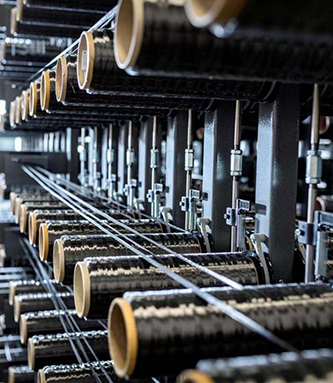
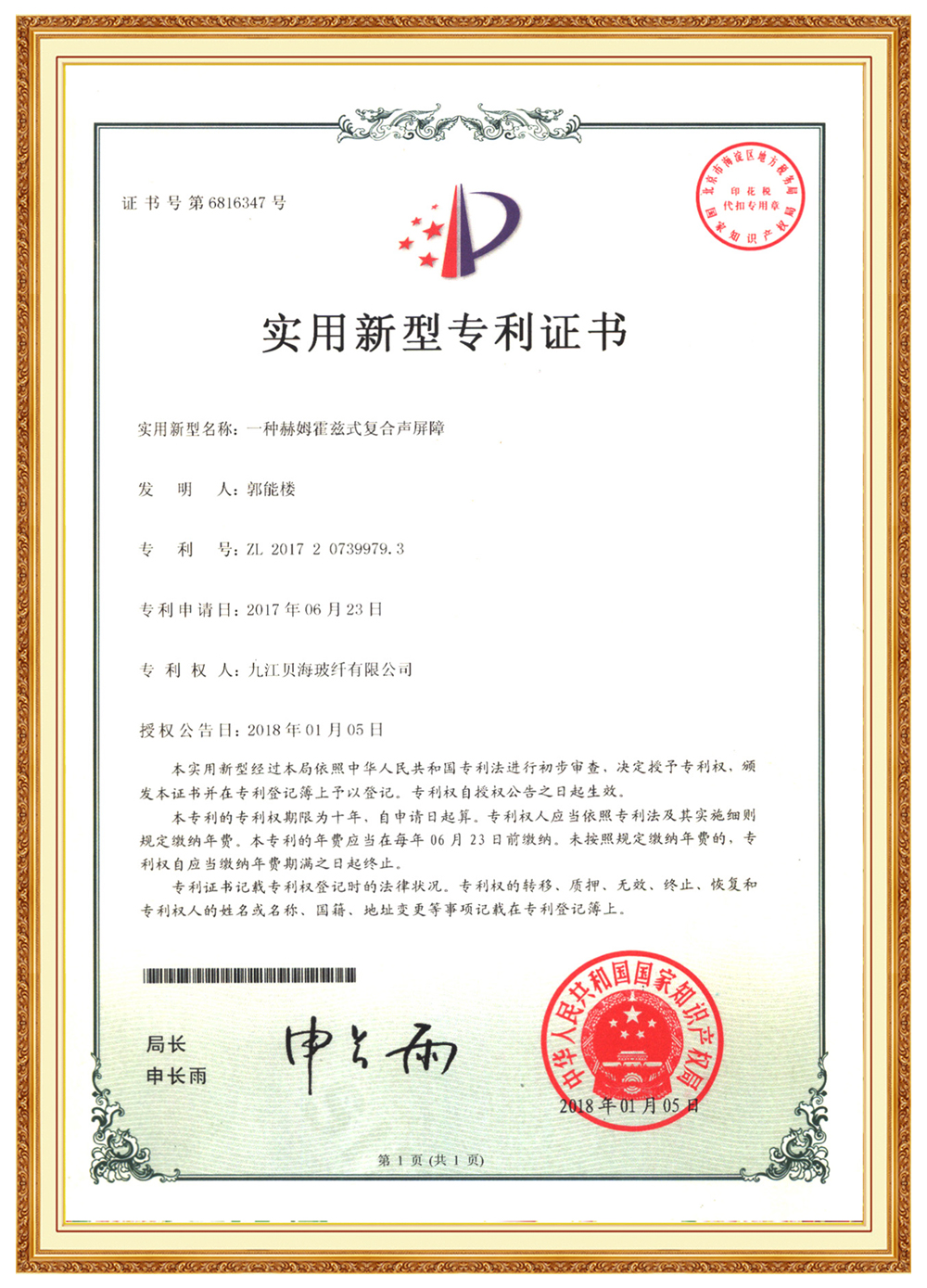
China Beihai is founded in 2015 and located in Jiujiang, Jiangxi Province. China Beihai is a high-tech enterprise focusing on the research, development, production and sales of high-performance basalt continuous fiber and its production equipment manufacturing, as well as a leading enterprise in the domestic basalt fiber industry.
In buildings, bridges, roads and other infrastructure projects, basalt fibers demonstrate outstanding performance, extending structural life and reducing maintenance costs. Our 8mm basalt reinforcing bars are now at the forefront of explosion-proof UAV and drone structural engineering.
View More
At China Beihai group, we specialize in the production of a wide range of products including basalt fiber mat, basalt fiber roving, basalt fiber yarn, basalt fiber chopped strands, and basalt fiber products (Basalt Fiber rebar, basalt fiber sleeves and tape). Our products are designed to meet the diverse needs of various industries, providing high-quality solutions for our customers.

At China Beihai group, we are dedicated to the production of a wide array of basalt-based products, ranging from basalt fiber mat, fabric, and roving to chopped strand and specialized construction materials. Our focus is on delivering high-quality, sustainable solutions for industries such as construction, geotechnical engineering, and manufacturing.

Choosing to work with China Beihai means working with a leading manufacturer of basalt products. Our commitment to quality, innovation and sustainability sets us apart, ensuring our customers receive best-in-class solutions for their diverse needs. When you partner with China Beihai, you can trust that you are working with a reliable and forward-thinking partner for all your basalt product needs.


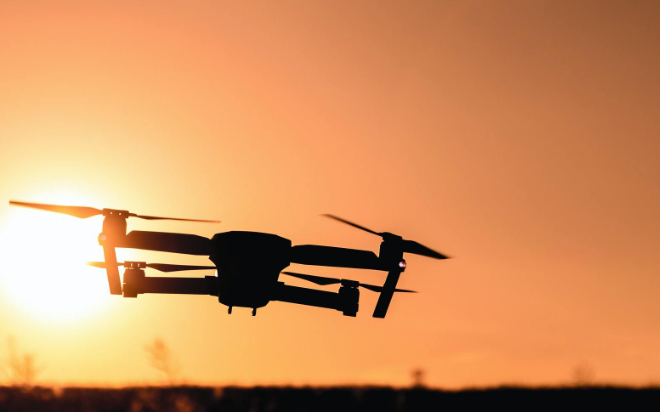
As drones slice through the sky to monitor wildfires, and intelligent robots execute repetitive tasks with precision on the factory floor, the efficient operation of this smart equipment is often underpinned by a "hardcore support" that is easily overlooked: a novel material derived from volcanic rock — basalt fiber. Though unassuming in appearance, its unique properties have made it the key to unlocking the performance limits of drones and robots, quietly driving a materials revolution within the realm of intelligent equipment.
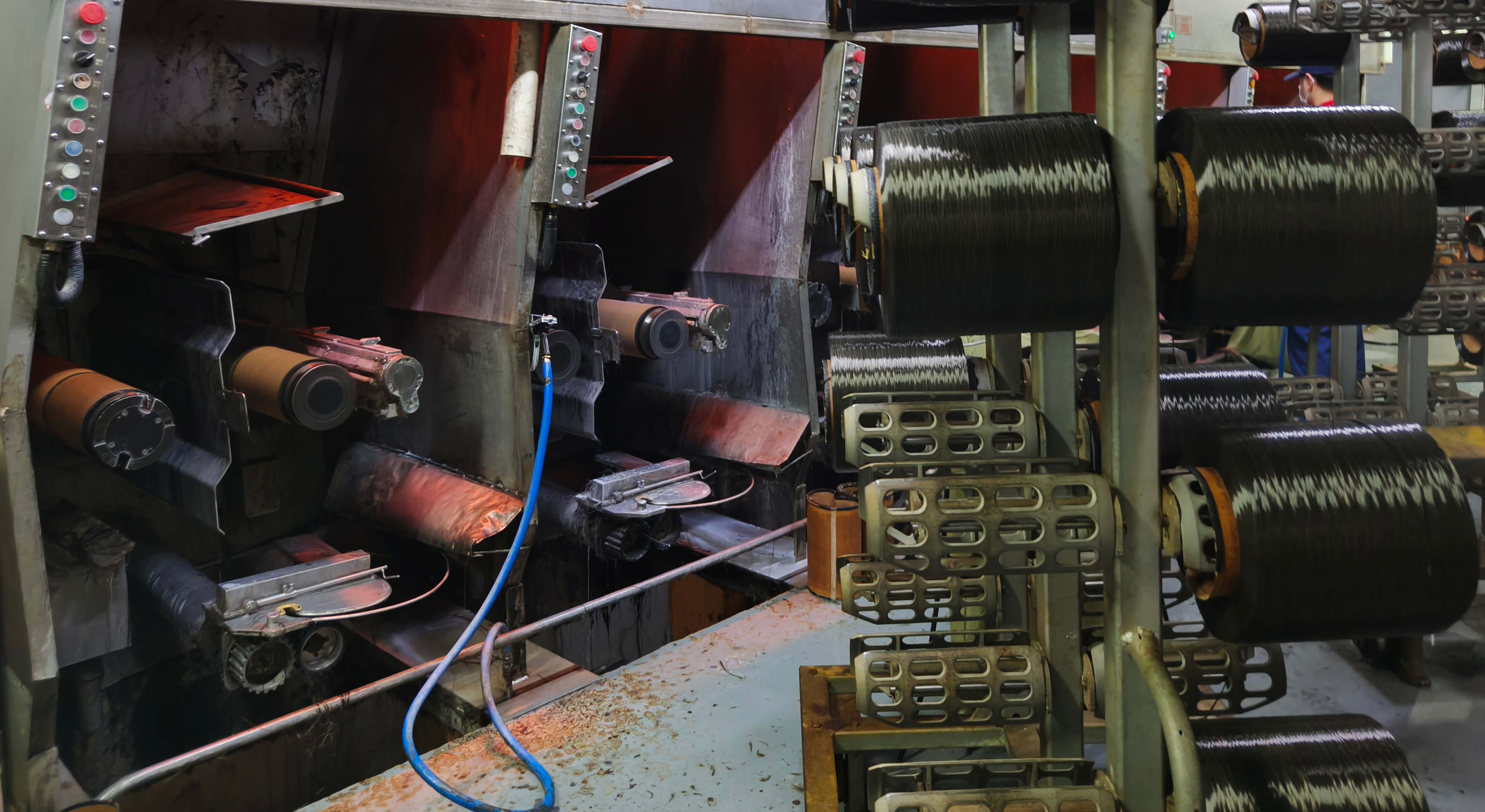
Basalt fiber is an inorganic fibrous material produced by drawing strands from natural basalt ore after it has been melted at high temperatures. It has garnered widespread attention for its exceptional physicochemical properties — particularly its performance in high-temperature environments.

With the successful realization of major applications — such as the Chang'e-6 lunar exploration mission and the world's first deep-sea basalt fiber aquaculture platform — basalt fiber is rapidly accelerating its transformation from laboratory research into a strategic new material with tangible industrial productivity.
Non-woven thin sheet for smooth resin-rich surface layers in fiber reinforced plastic UAV fuselage structures...
read more
Superior reinforcement solution for UAV composite panels and explosion-proof enclosures with high alkali resistance...
read more
High-density insulation material for explosion-proof drone engine compartment thermal management systems...
read more
Engineered for propeller blade composite layup with enhanced mechanical strength and processing stability...
read more
Primary structural reinforcement rebar for explosion-proof drone chassis, propeller blade spars and landing gear struts...
read more
High-tensile basalt rebar for propeller blade root insert applications — withstanding cyclic aerodynamic and centrifugal loads...
read more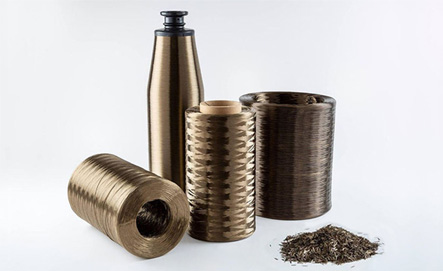
Continuous basalt fiber roving for filament winding of explosion-proof drone fuselage tubes and structural members...
read more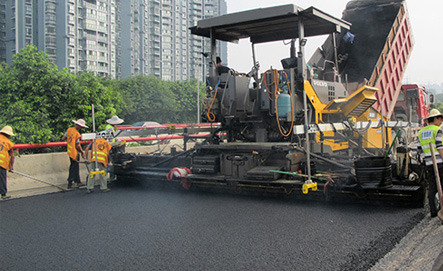
Comprehensive basalt fiber composite solutions for explosion-proof UAV structural engineering and industrial drone manufacturing...
read moreFrom 8mm basalt reinforcing bars to complete composite fiber systems — China Beihai delivers certified, high-performance basalt materials engineered for the demands of modern explosion-proof drone and UAV manufacturing.
Contact Us Today