

Leave Your Message
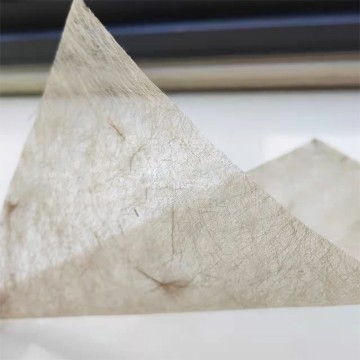
Engineered non-woven surfacing mat providing smooth resin-rich finish for fiber reinforced pultruded composites.
Read More →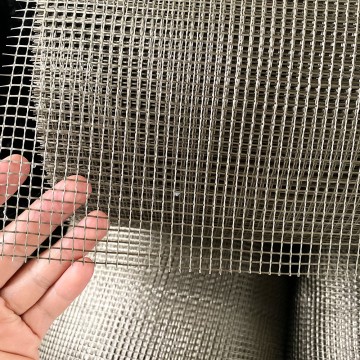
High-performance mesh delivering superior alkali resistance for concrete and pultruded composite applications.
Read More →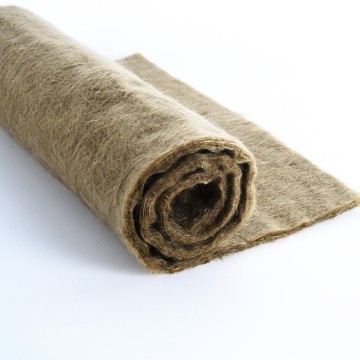
High-density insulation material mechanically bonded from continuous basalt fibers for extreme-temperature pultruded applications.
Read More →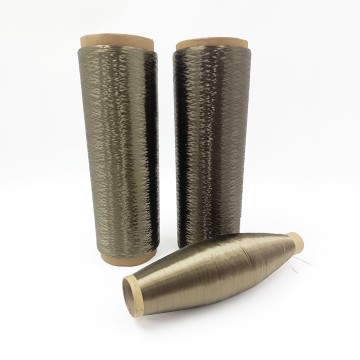
Multi-filament twisted yarn engineered for mechanical strength and processing stability in pultruded composite weaving.
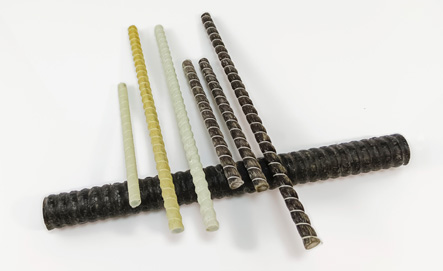
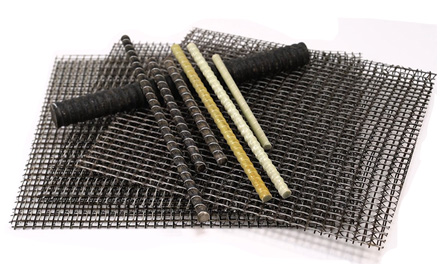
Read More →The 8mm reinforcing bar for pultruded profiles represents one of the most precisely engineered dimensions in the basalt fiber rebar family. Manufactured through a continuous pultrusion process, these bars integrate high-modulus basalt continuous fibers with thermosetting resin matrices — most commonly vinyl ester or epoxy — to produce a composite reinforcement element that rivals and often surpasses conventional steel rebar in demanding structural environments.
At an 8mm nominal diameter, this rebar size occupies a critical niche: it is slender enough for use in thin-section pultruded profiles, precast panels, and lightweight composite structures, yet robust enough to deliver the tensile performance required in load-bearing applications. The pultrusion manufacturing method ensures dimensional consistency, fiber alignment, and resin saturation across every meter of production, making the 8mm bar a reliable, repeatable component for engineers designing next-generation infrastructure.
Key Insight: Basalt fiber rebar produced via pultrusion achieves tensile strengths of 1,000–1,300 MPa — approximately 3× that of conventional Grade 60 steel — while weighing just one-quarter as much. The 8mm diameter optimizes this strength-to-weight ratio for pultruded profile integration.
Six defining properties that make the 8mm basalt reinforcing bar the superior choice for composite pultruded profile engineering.
Unlike steel, basalt fiber rebar does not corrode in chloride-rich, marine, or alkaline environments. Pultruded profiles reinforced with 8mm basalt bars maintain structural integrity without the concrete spalling caused by steel oxidation, dramatically reducing lifecycle maintenance costs.
At approximately 2.1 g/cm³ density versus steel's 7.85 g/cm³, basalt rebar reduces dead load in pultruded composite structures by up to 75%. This lightweight advantage enables longer spans, thinner profiles, and more efficient structural designs without sacrificing load capacity.
Basalt fiber maintains mechanical properties across a wide temperature range from −269°C to +700°C. For pultruded profiles deployed in industrial, aerospace, or high-temperature construction environments, the 8mm rebar provides consistent reinforcement without thermal degradation.
Basalt rebar is fully transparent to electromagnetic fields, making it ideal for pultruded profiles used in MRI facilities, radar installations, power substations, and sensitive electronic infrastructure where steel reinforcement would cause interference.
Derived entirely from natural volcanic basalt rock with no additives or binders required, the production of basalt fiber generates significantly lower CO₂ emissions than steel or carbon fiber manufacturing. Choosing basalt rebar for pultruded profiles supports green building certification goals.
The 8mm diameter is specifically engineered for compatibility with standard pultrusion die tooling. Consistent fiber-resin distribution achieved through the pultrusion process ensures uniform mechanical properties along the entire bar length, meeting stringent quality specifications for structural composite profiles.
The global fiber-reinforced polymer (FRP) rebar market has experienced accelerating growth over the past decade, driven by mounting concerns over infrastructure deterioration caused by steel corrosion. According to industry analysts, the FRP rebar market is projected to surpass USD 1.2 billion by 2030, with basalt fiber rebar — particularly in the 8mm diameter range — capturing an increasingly significant share due to its cost-performance advantages over carbon fiber alternatives.
Within the pultruded profiles segment specifically, the integration of 8mm basalt reinforcing bars has become a standard engineering specification in several key markets. European civil engineering projects, particularly in coastal infrastructure and bridge deck rehabilitation, have adopted basalt rebar pultruded profiles as a primary structural material. North American transportation departments have approved basalt FRP composites for bridge deck panels, barrier walls, and seawall construction under evolving state-level material specifications.
Pultrusion is a continuous manufacturing process in which reinforcing fibers — in this case, basalt fiber rovings — are drawn through a resin bath and then pulled through a heated die to cure into a constant cross-section profile. The 8mm reinforcing bar diameter has emerged as the industry-standard size for pultruded profile reinforcement for several converging reasons:
🏭 Industrial Milestone: China Beihai Group, founded in 2015 and headquartered in Jiujiang, Jiangxi Province, has positioned itself as a leading manufacturer of basalt continuous fiber and composite products. Their 8mm basalt rebar for pultruded profiles is now exported to construction and infrastructure projects across Europe, North America, Southeast Asia, and the Middle East.
From coastal bridges to intelligent robotics, the 8mm basalt reinforcing bar enables pultruded composite profiles across the most demanding industrial environments.
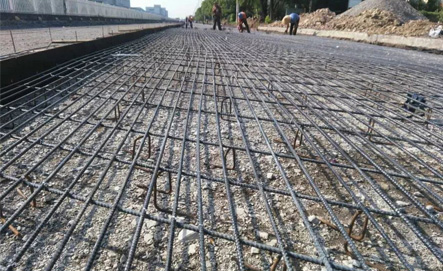
8mm basalt rebar-reinforced pultruded profiles form entire bridge deck systems, eliminating chloride-induced corrosion in marine and de-icing salt environments while reducing deck weight by 60–75% versus concrete.
Structural pultruded beams, columns, and cladding panels reinforced with 8mm basalt bars are used in curtain wall systems, modular construction, and seismic-resistant building frames where corrosion-free performance is mandated.
Through precision surface treatment and controlled fiber architecture, 8mm basalt rebar pultruded profiles are deployed in aircraft interior structural components, UAV airframes, and thermal protection system supports requiring high specific stiffness.
Facing the global push for vehicle lightweighting, pultruded profiles with 8mm basalt rebar reinforcement are integrated into EV battery enclosures, structural cross-members, and body-in-white components, contributing to range improvement and crash energy absorption.
The exceptional chemical inertness of basalt fiber makes 8mm rebar pultruded profiles the material of choice for chemical plant walkways, pipe supports, equipment platforms, and tank enclosures where acid, alkali, and solvent exposure would rapidly degrade steel alternatives.
Offshore platforms, seawall panels, pier decking, and aquaculture structures built with 8mm basalt rebar pultruded profiles demonstrate 50+ year service life in full seawater immersion — a performance benchmark that steel-reinforced concrete simply cannot match.
In precast concrete panels and cast-in-place slabs, 8mm basalt rebar is embedded within pultruded profile formwork systems, providing simultaneous structural reinforcement and permanent formwork — eliminating the need for steel bar placement entirely.
Lightweight pultruded profiles reinforced with 8mm basalt bars are increasingly specified for robotic arm structural members, automated guided vehicle chassis, and drone frame components where stiffness, electromagnetic transparency, and low inertia are simultaneously required.
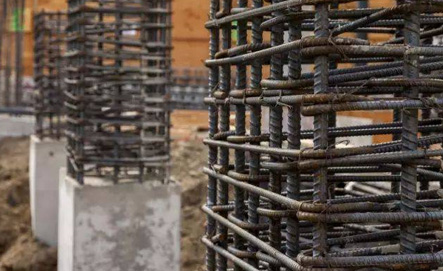
Aging infrastructure in North America, Europe, and Asia is triggering multi-trillion-dollar rehabilitation programs. Engineers are specifying basalt FRP pultruded profiles with 8mm rebar as the corrosion-proof replacement for deteriorated steel-reinforced concrete in bridges, tunnels, and coastal structures.
With construction accounting for 38% of global CO₂ emissions, specifiers are turning to basalt rebar pultruded profiles as a low-embodied-carbon alternative. Basalt fiber production emits approximately 0.5 kg CO₂/kg versus 1.8 kg CO₂/kg for steel, supporting LEED, BREEAM, and net-zero construction targets.
Ongoing R&D into bio-based vinyl ester and thermoplastic resin systems compatible with basalt fiber pultrusion is opening new performance envelopes for 8mm rebar profiles — including improved impact resistance, elevated temperature capability, and end-of-life recyclability.
The adoption of Building Information Modeling (BIM) and digital twin technologies is accelerating the specification of basalt rebar pultruded profiles. Manufacturers like China Beihai are developing certified material data libraries for major BIM platforms, enabling engineers to model and validate 8mm rebar composite profiles in virtual construction workflows.
Industry 4.0 automation is transforming basalt rebar pultrusion lines. Real-time fiber tension monitoring, AI-driven resin injection control, and inline dimensional inspection systems are ensuring that 8mm basalt rebar production achieves six-sigma quality levels, meeting the most stringent structural composite specifications.
National and international standards bodies — including ACI, ISO, ASTM, and CEN — are rapidly updating composite rebar design codes to explicitly include basalt fiber FRP. This regulatory momentum is removing the final barriers to mainstream specification of 8mm basalt rebar pultruded profiles in public infrastructure projects.
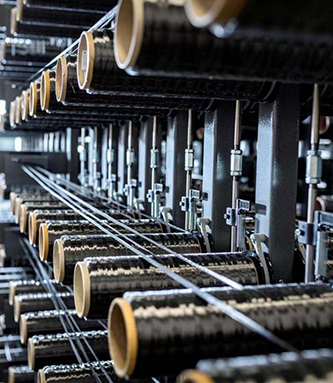
China Beihai is founded in 2015 and located in Jiujiang, Jiangxi Province. China Beihai is a high-tech enterprise focusing on the research, development, production and sales of high-performance basalt continuous fiber and its production equipment manufacturing, as well as a leading enterprise in the domestic basalt fiber industry.
Our 8mm reinforcing bar for pultruded profiles represents the convergence of decade-long materials research, precision manufacturing investment, and deep application engineering expertise — delivering a product trusted by infrastructure developers and composite fabricators worldwide.
View More
At China Beihai Group, we specialize in the production of a wide range of products including basalt fiber mat (Basalt fiber chopped strand mat, Basalt fiber cloth), basalt fiber roving, basalt fiber yarn, basalt fiber chopped strands, and basalt fiber products (Basalt Fiber rebar, basalt fiber sleeves and tape). Our products are designed to meet the diverse needs of various industries, providing high-quality solutions for our customers — including precision-engineered 8mm reinforcing bars for pultruded profiles.

At China Beihai Group, we are dedicated to the production of a wide array of basalt-based products, ranging from basalt fiber mat, fabric, and roving to chopped strand and specialized construction materials. Our focus is on delivering high-quality, sustainable solutions for industries such as construction, geotechnical engineering, and manufacturing. With a commitment to innovation and excellence, we strive to cater to the unique requirements of our clients by offering a comprehensive selection of basalt-derived products.

Choosing to work with China Beihai means working with a leading manufacturer of basalt products. Our commitment to quality, innovation and sustainability sets us apart, ensuring our customers receive best-in-class solutions for their diverse needs. Reliability and customer satisfaction, we offer a wide range of high-quality basalt materials and construction products, backed by our dedication to excellence and industry expertise. When you partner with China Beihai, you can trust that you are working with a reliable and forward-thinking partner — a trusted supplier for all your basalt product needs.
Basalt fiber is ideal for your engineering projects. Its high strength, corrosion resistance and lightweight properties allow it to easily solve a variety of challenges. In buildings, bridges, roads and other infrastructure projects, basalt fibers demonstrate outstanding performance, extending structural life and reducing maintenance costs. Choose basalt fiber, choose reliability and durability.
The application of basalt fiber in pultruded profiles represents one of the most exciting frontiers in advanced composites engineering. When basalt continuous fiber rovings are processed through a precision pultrusion line and combined with high-performance thermoset resins, the resulting structural profiles exhibit a combination of properties that no single conventional material can replicate: the corrosion immunity of glass fiber, the stiffness approaching carbon fiber, the thermal stability of ceramic materials, and the cost-effectiveness of a naturally abundant volcanic mineral.
For the 8mm reinforcing bar specifically, the pultrusion process enables manufacturers to achieve fiber volume fractions of 65–70%, maximizing the contribution of basalt fiber's inherent tensile strength to the finished composite bar. This translates directly into pultruded profiles with superior flexural rigidity, enhanced fatigue resistance, and long-term creep performance that meets the demands of 50–100 year design life infrastructure.
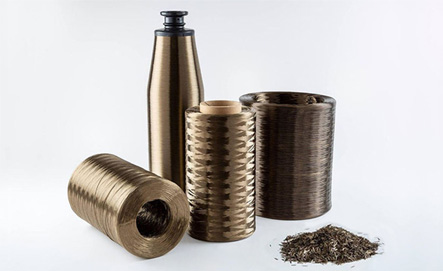
Basalt Fiber Roving for Pultrusion
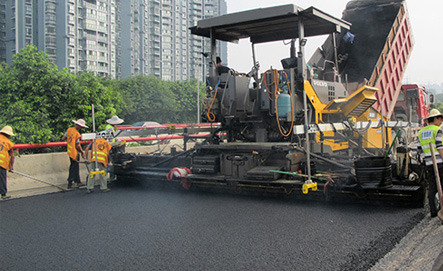
Continuous Basalt Fiber Processing
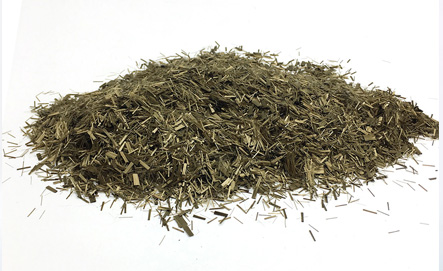
Basalt Roving Fiber Architecture
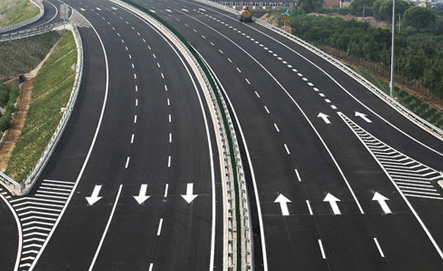
Industrial Basalt Fiber Production
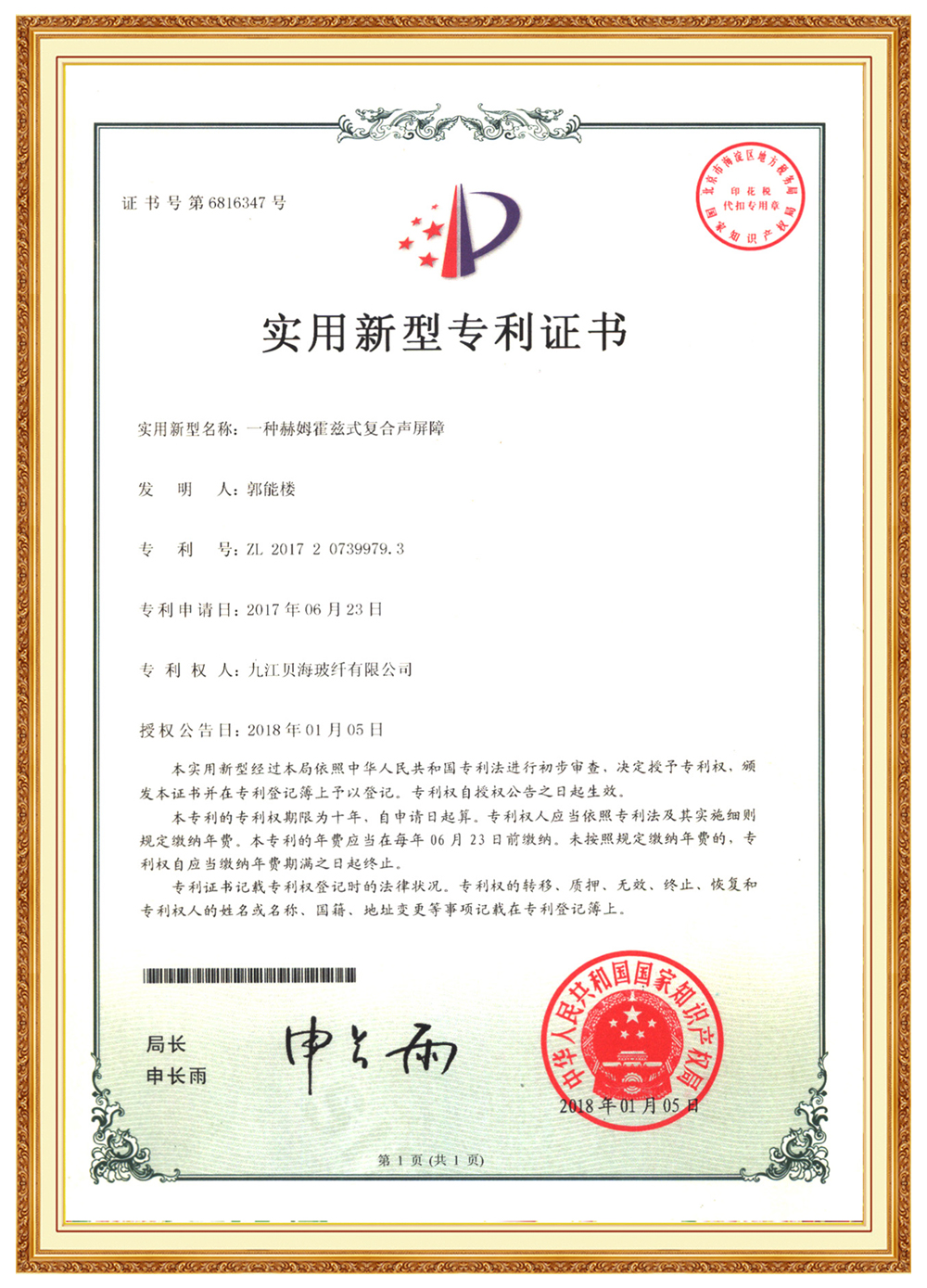
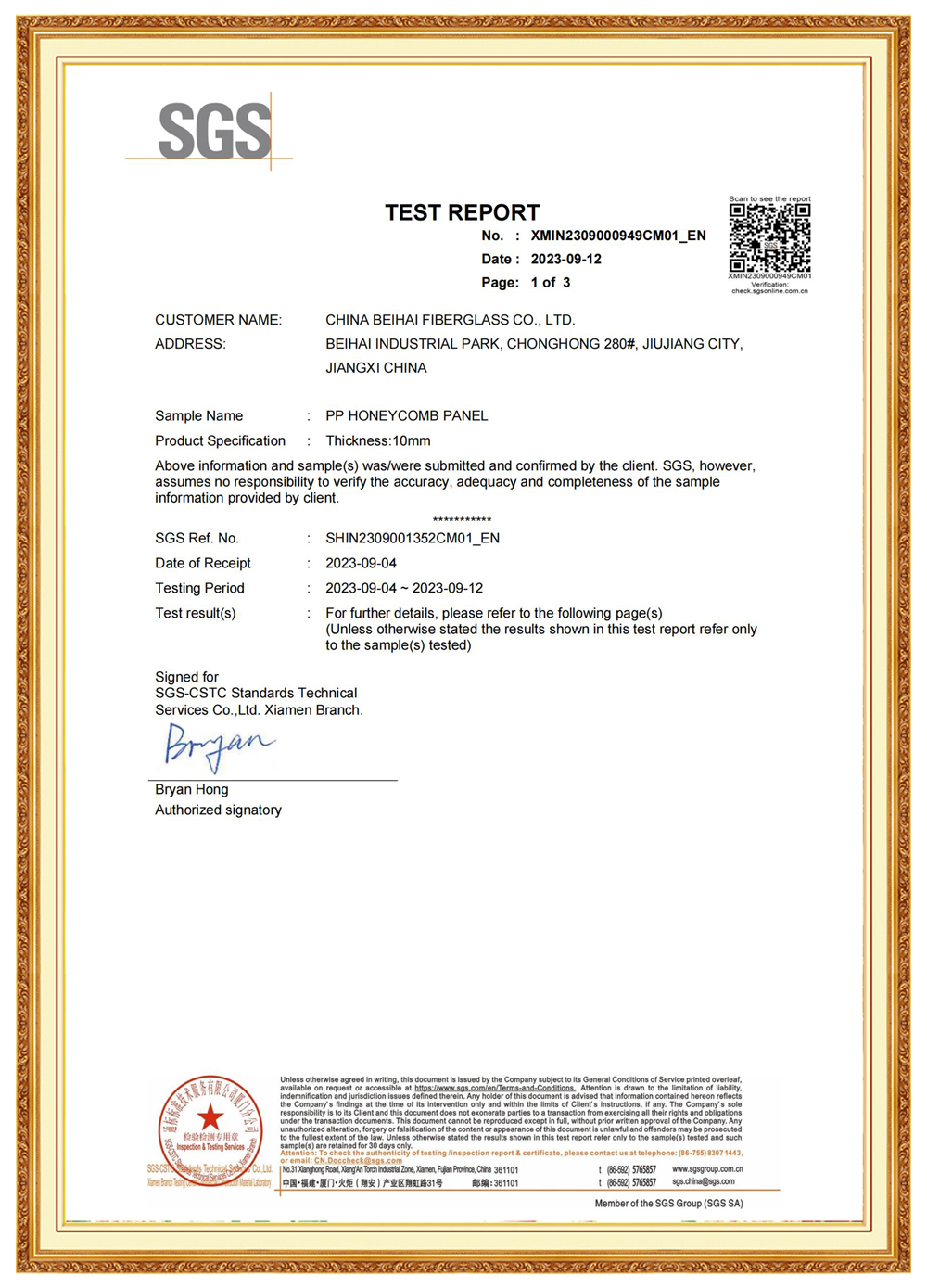
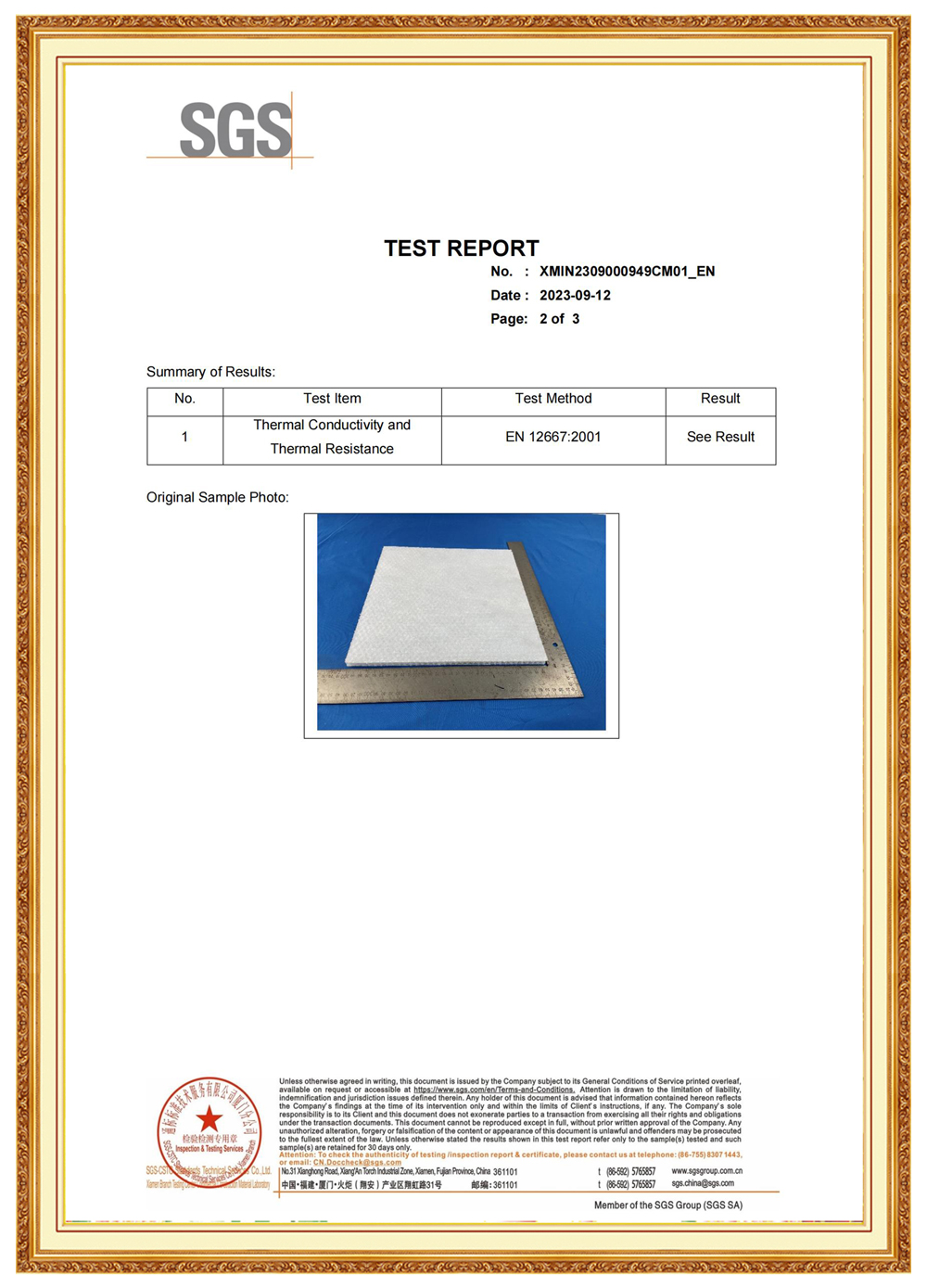
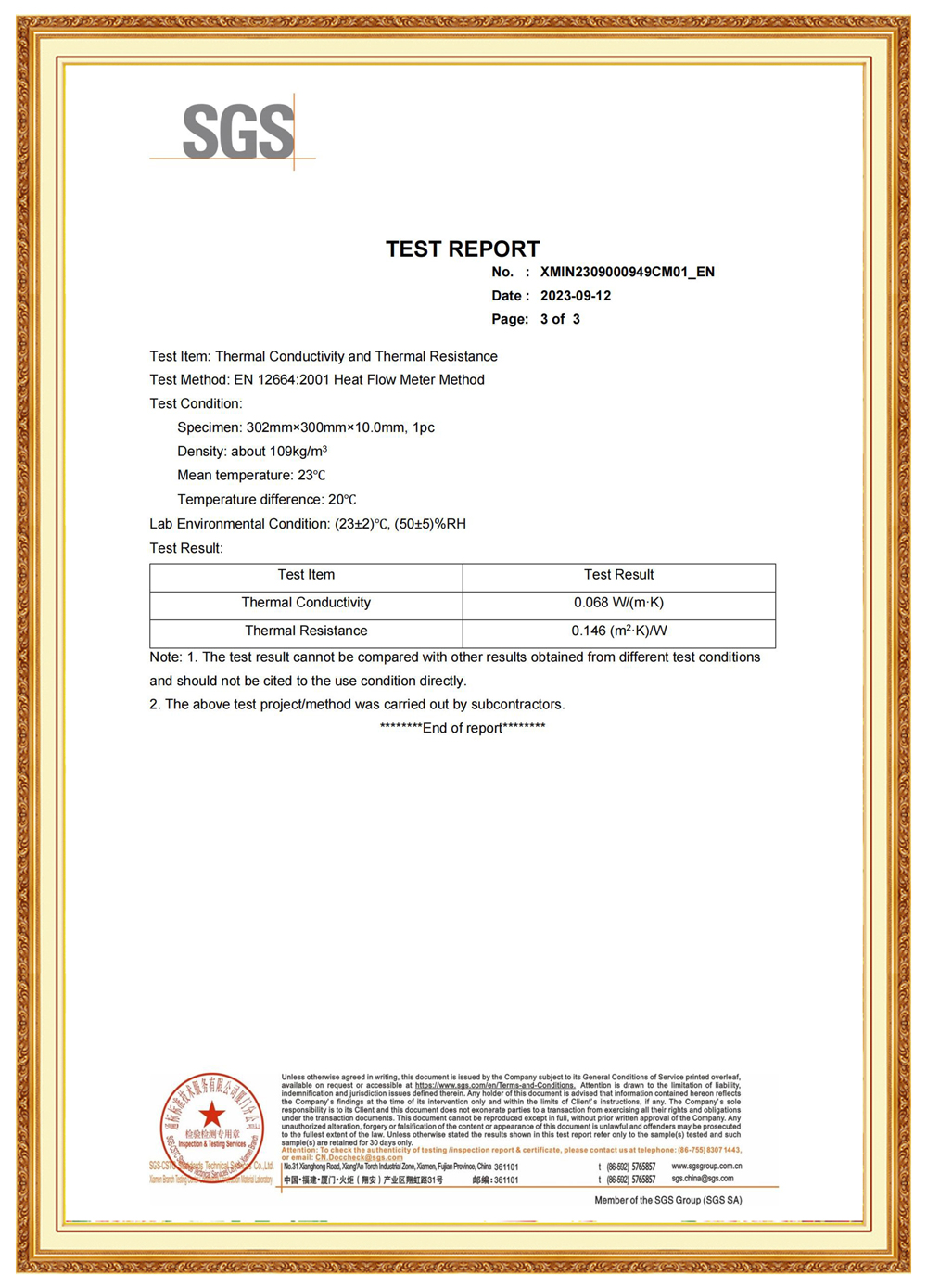
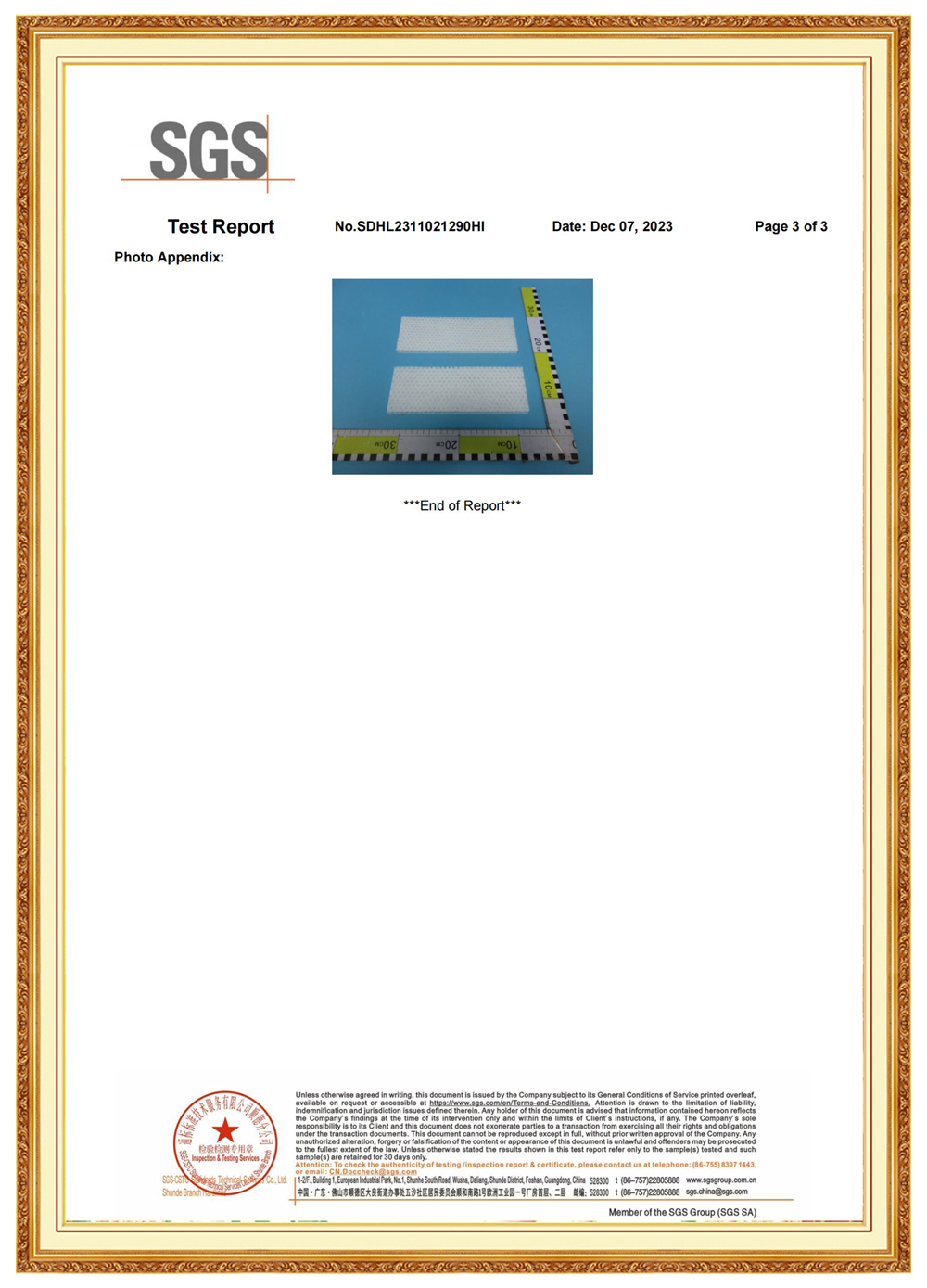
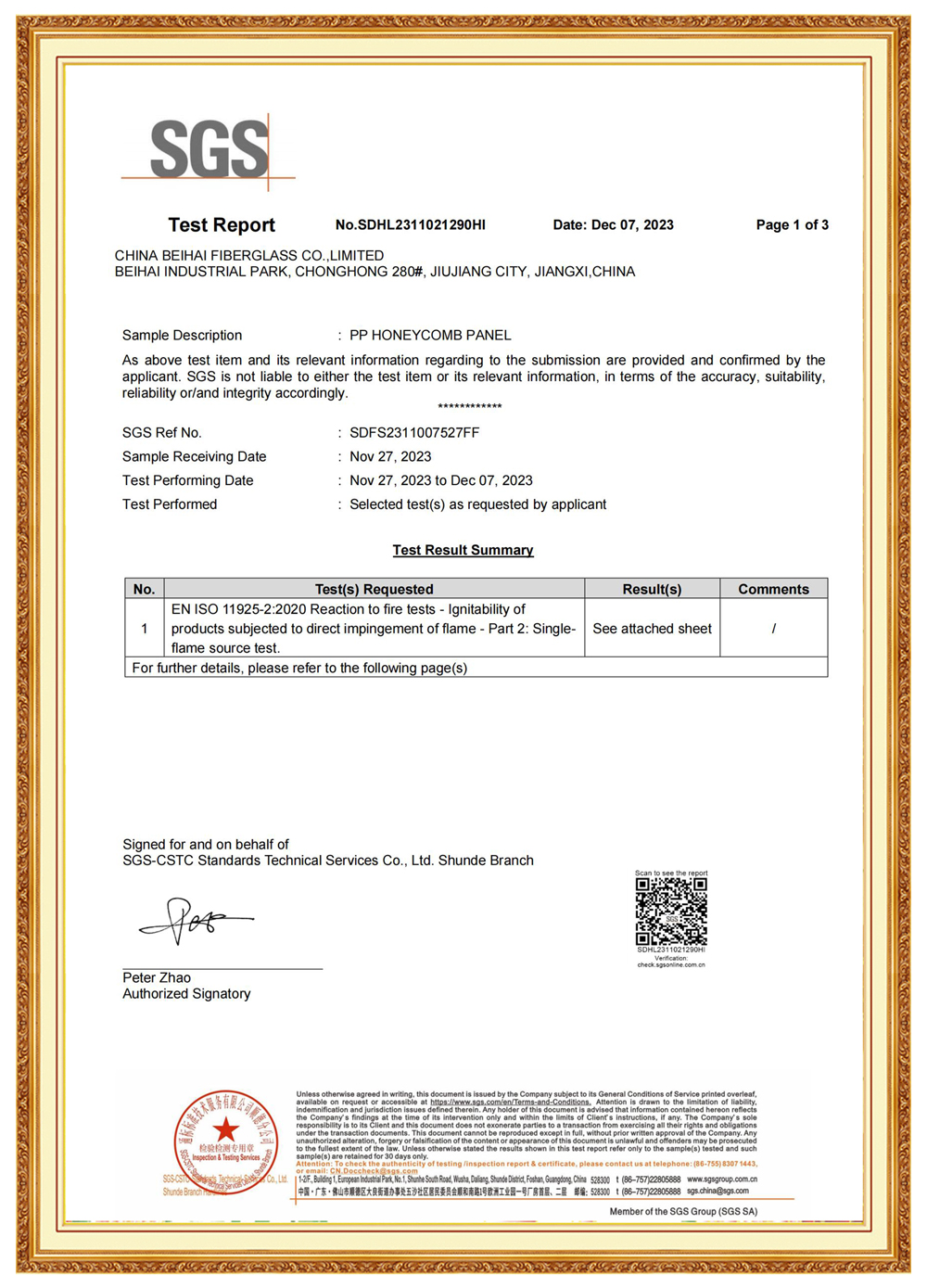
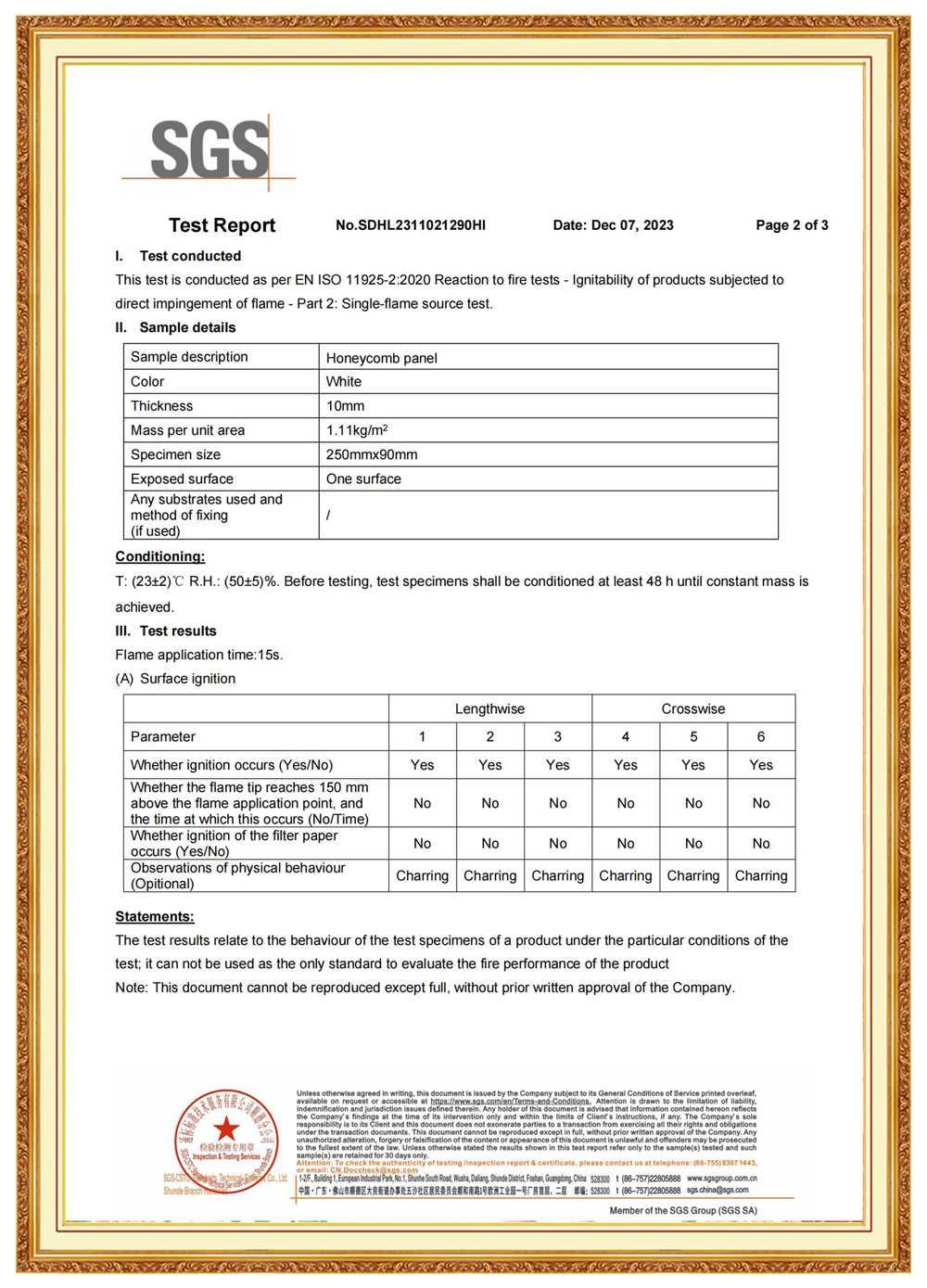
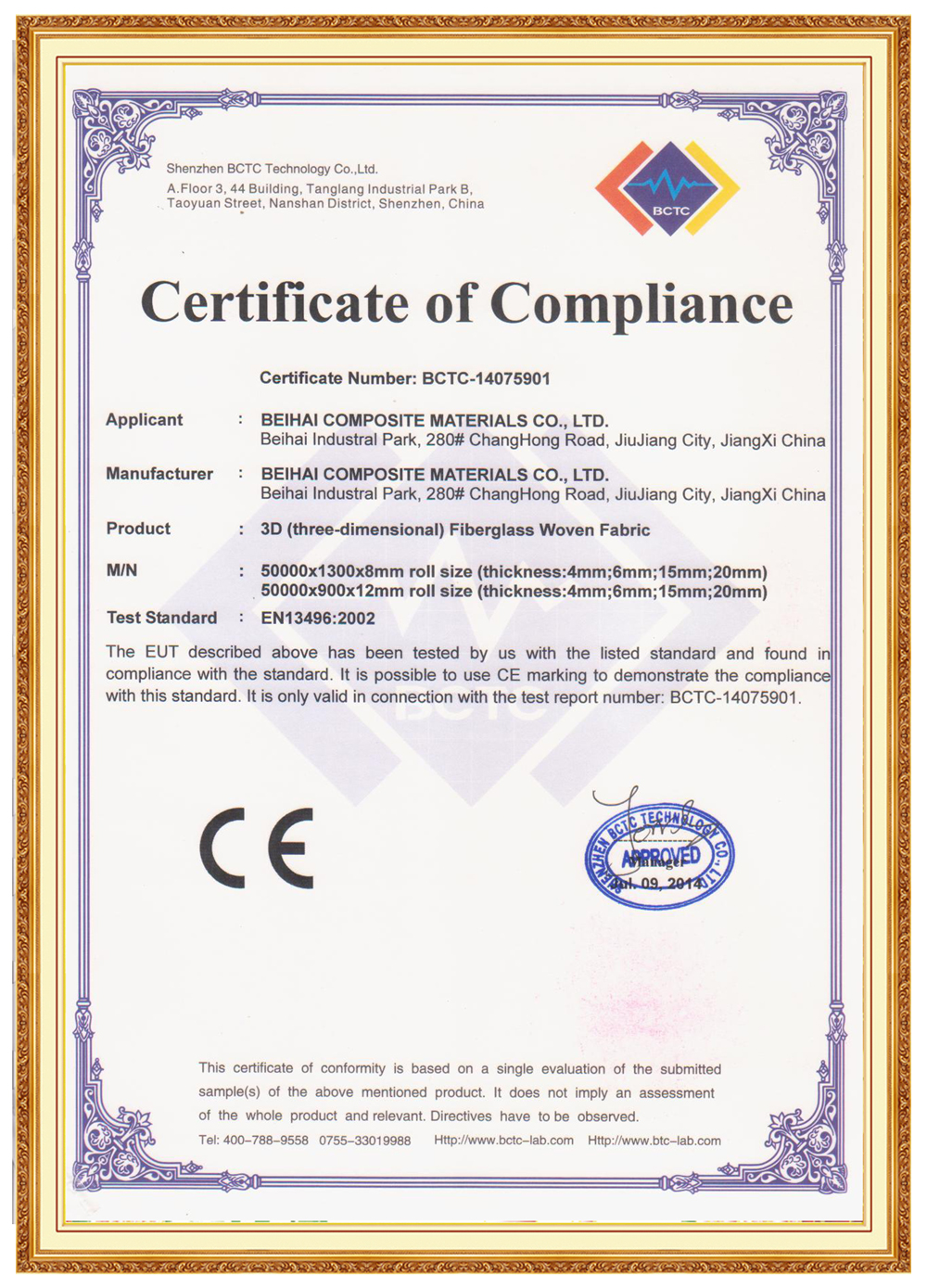
China Beihai's 8mm basalt reinforcing bar for pultruded profiles is backed by internationally recognized quality certifications, ensuring compliance with global composite rebar and structural fiber standards.



As drones slice through the sky to monitor wildfires, and intelligent robots execute repetitive tasks with precision on the factory floor, the efficient operation of this smart equipment is often underpinned by a "hardcore support" that is easily overlooked: a novel material derived from volcanic rock — basalt fiber. Produced by melting natural basalt rock at temperatures ranging from 1,450°C to 1,500°C and drawing it into fibers, this novel inorganic material boasts lightweight strength, weather resistance, corrosion resistance, and eco-friendliness.
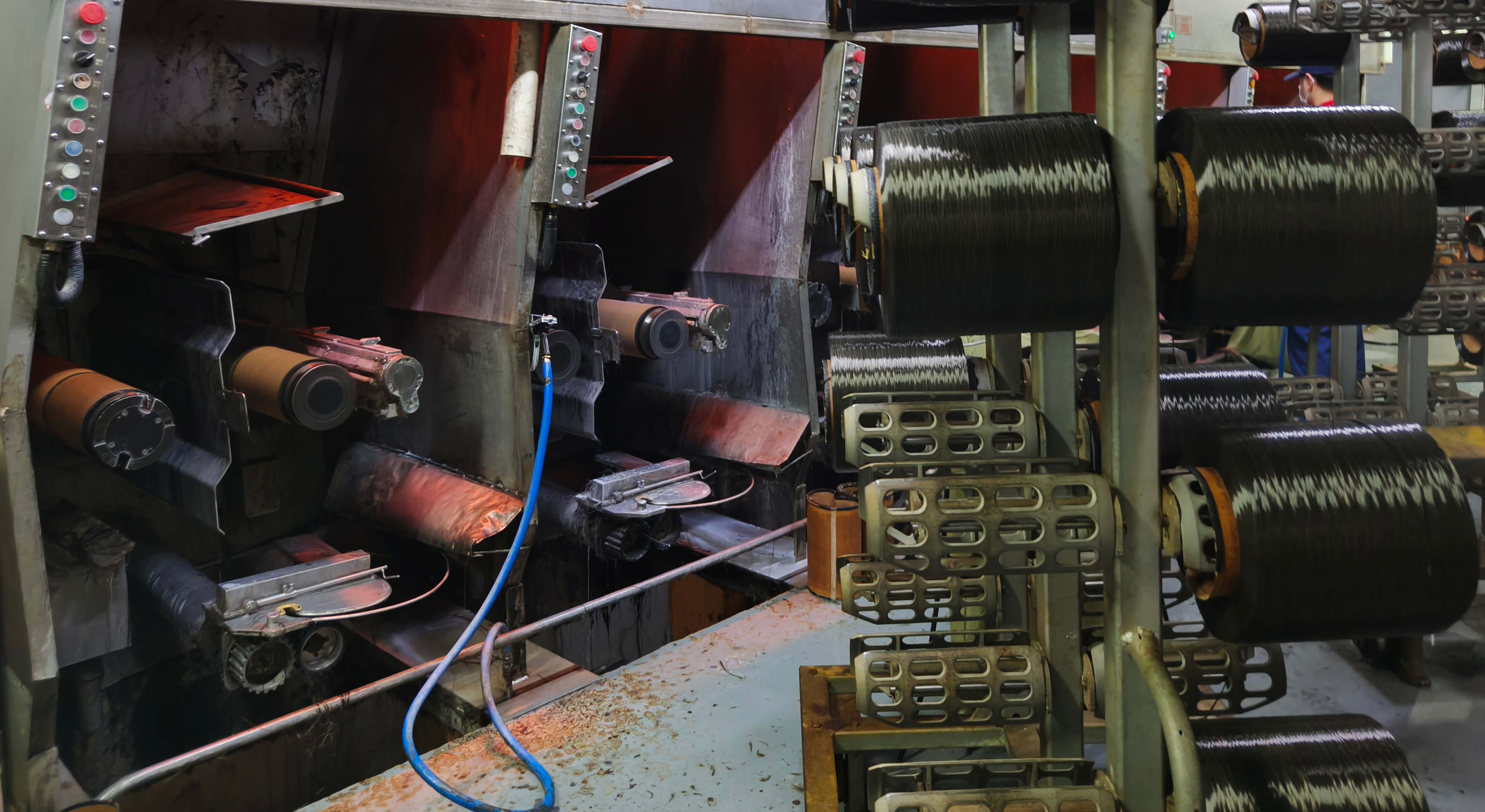
Basalt fiber is an inorganic fibrous material produced by drawing strands from natural basalt ore after it has been melted at high temperatures, demonstrating unique value in numerous applications demanding extreme temperature resilience.
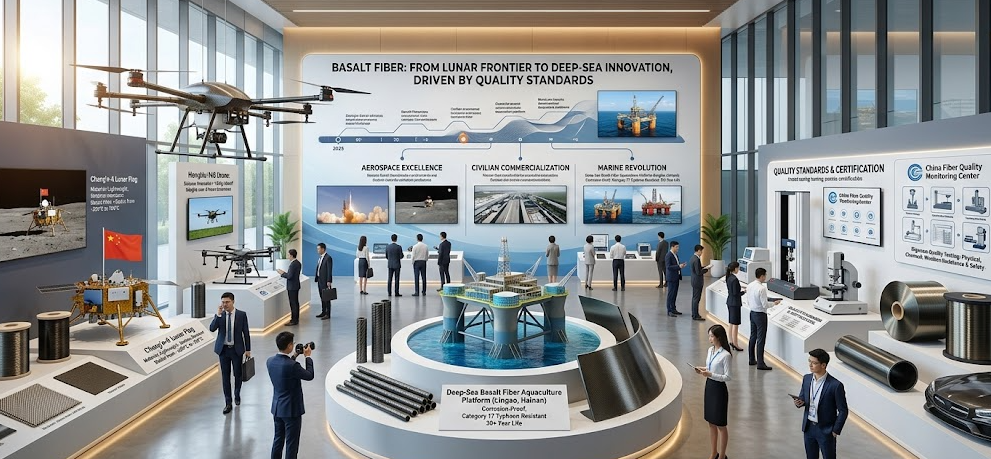
With successful realization of major applications including the Chang'e-6 lunar exploration mission and the world's first deep-sea basalt fiber aquaculture platform, basalt fiber is rapidly accelerating its transformation into a strategic new material.
Non-woven surfacing mat engineered for smooth resin-rich surface layers in pultruded FRP composites.
High-performance mesh for concrete and pultruded plaster applications with superior alkali resistance.
High-density basalt fiber insulation mat for extreme-temperature pultruded composite applications.
Multi-filament twisted yarn for mechanical strength and processing stability in pultruded composites.
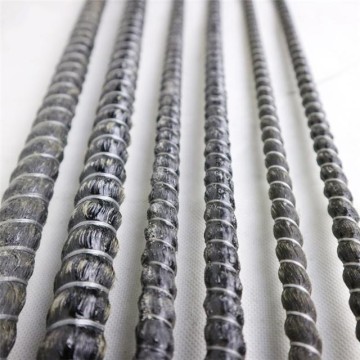
Epoxy resin composite bar engineered for maximum corrosion resistance in pultruded profile systems.
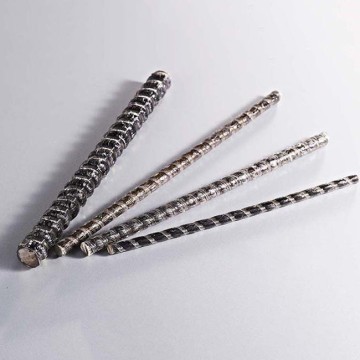
Standard basalt rebar series for structural reinforcement in buildings, bridges, and pultruded composite infrastructure.
Precision 8mm diameter basalt rebar optimized for integration within pultruded composite structural sections.
Complete diameter range basalt rebar series for pultruded and cast concrete reinforcement applications.