Lately, the Construction world has been buzzing with new material innovations. One of the coolest and most talked-about is definitely3D Basalt Fiber Mesh. It’s pretty impressive because of its unique qualities and how versatile it is. You see, it’s super strong and Durable—exactly what you need for building projects and infrastructure work.
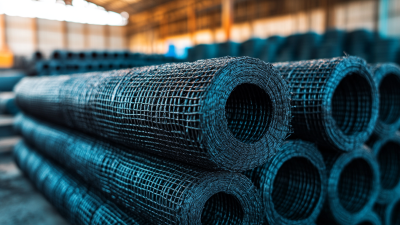
So, this 3D Basalt Fiber Mesh is made from natural basalt fibers. These fibers are pretty tough—they handle heat and chemicals well, which makes them perfect for all sorts of uses like fixing up old buildings or laying down roads. Companies like Basalt Technologies are really pushing to get the most out of this material. Of course, it’s not all smooth sailing; some engineers are a bit cautious, worried about how it’ll hold up over the long haul.
But honestly, the advantages really stand out. It’s lightweight and flexible, which means designers can get more creative with their ideas. As the industry keeps evolving, there’s definitely a need for more research and testing. The potential for what this material can do is huge, and exploring those possibilities could lead to some pretty big improvements down the line.
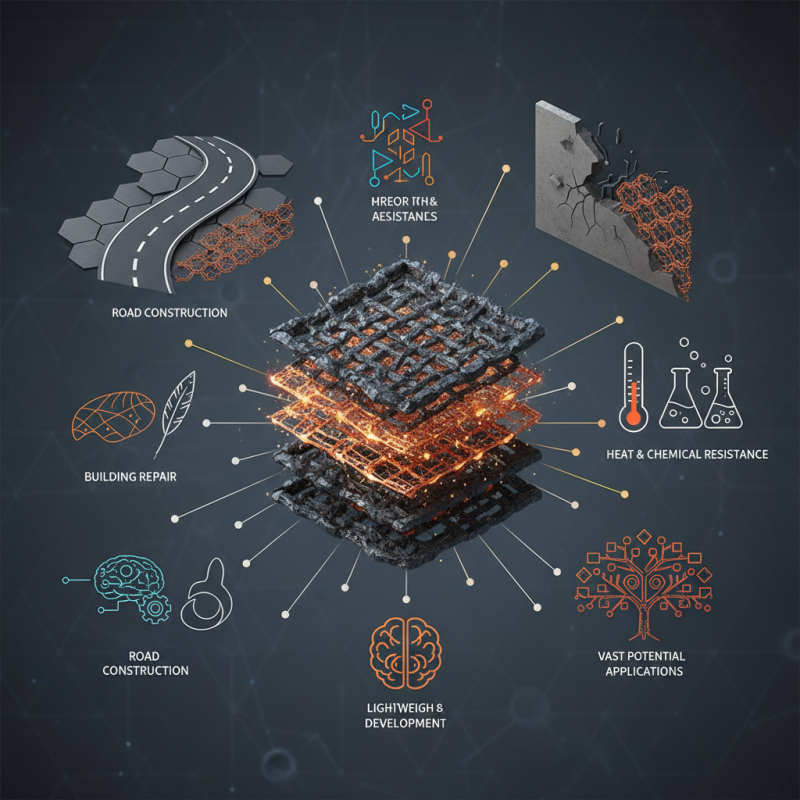
Definition and Composition of 3D Basalt Fiber Mesh
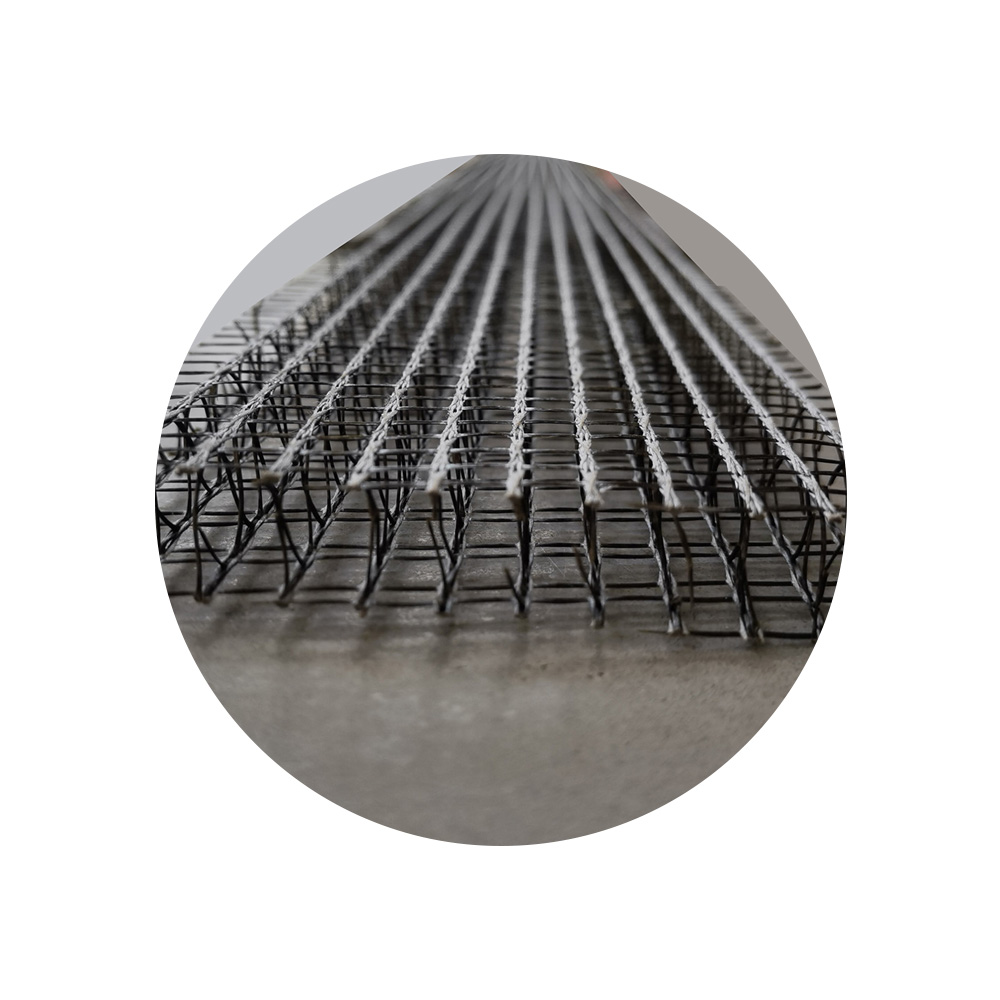
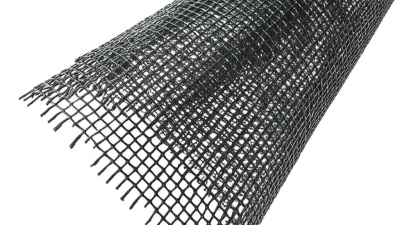
3D Basalt Fiber Mesh is gaining attention for its unique properties and applications. This mesh is composed of continuous basalt fibers, derived from natural volcanic rock. Unlike traditional materials, basalt fiber is resistant to corrosion, high temperatures, and chemical damage. It boasts a tensile strength of 3000 MPa, making it stronger than steel. The weaving pattern enhances durability, providing stability in various structures.
Its applications span several industries. In construction, Basalt Fiber Mesh is used for reinforcing concrete. This process improves the material's load-bearing capacity and extends its lifespan. Recent studies indicate that using basalt fibers can reduce cracking in structures by up to 75%. In automotive engineering, this mesh helps in manufacturing lightweight components. This not only reduces fuel consumption but also enhances vehicle safety.
Despite its many advantages, some challenges remain. The production process can be more costly than traditional materials, leading to limited adoption. Furthermore, not all manufacturers have access to high-quality basalt fibers. This could affect the overall properties of the final product. Addressing these issues will be crucial for the growth of 3D Basalt Fiber Mesh in various applications.
Properties and Characteristics of Basalt Fiber
Basalt fiber is derived from volcanic rock and offers unique properties. Its high tensile strength, up to 1000 MPa, makes it suitable for various applications. This strength surpasses standard glass fibers. Moreover, basalt fiber has excellent thermal resistance, withstanding temperatures up to 800°C. This feature is vital in industries that need high heat resistance.
The weight of basalt fiber is another appealing characteristic. It’s about 30% lighter than steel, which reduces overall construction weight. Additionally, basalt mesh has a low water absorption rate. This quality allows structures to stay resilient in challenging environments. The alkaline and UV resistance adds longevity.
Some challenges remain in the adoption of basalt fiber. While many recognize its benefits, cost remains a barrier. Production methods still need refinement to lower costs. There is also less widespread knowledge of its applications compared to fiberglass. Education and awareness can improve its use in construction and engineering sectors. The potential is there, but companies must address these hurdles for broader application.
Manufacturing Process of 3D Basalt Fiber Mesh
3D Basalt Fiber Mesh offers a unique structural solution. The manufacturing process begins with sourcing high-quality basalt fibers. These fibers are then woven together in a three-dimensional format. This structure enhances strength and flexibility, making it ideal for various applications.
When creating 3D Basalt Fiber Mesh, attention to detail is crucial. Temperature and humidity control during production can greatly affect the final material properties. The weaving technique used must also be consistent. Small variations can result in weaknesses that undermine the mesh's intended purpose.
**Tips:** Consider the environmental impact when selecting raw materials. Ensure all fibers are sourced sustainably. Additionally, when designing projects that utilize Basalt Fiber Mesh Geogrid, testing for durability is vital. It's an essential step that shouldn't be rushed. Taking time at this stage can prevent costly adjustments later.
Advantages of Using 3D Basalt Fiber Mesh in Construction
3D Basalt Fiber Mesh has become a notable material in modern construction. Its unique structure provides excellent tensile strength and durability. This mesh can withstand harsh environments, making it a reliable choice for various applications. Buildings, bridges, and roads can significantly benefit from its use.
One of the key advantages of using 3D Basalt Fiber Mesh is its lightweight nature. It does not add unnecessary weight to structures, which is critical for stability. Moreover, this mesh has impressive resistance to corrosion and chemicals. This feature ensures a longer lifespan for construction materials. However, despite its advantages, some engineers may find it challenging to integrate this mesh into established methods.
Cost is another factor to consider. While 3D Basalt Fiber Mesh may reduce maintenance costs in the long term, initial investment can be high. Contractors must evaluate budget constraints carefully. The use of Basalt Fiber Geogrid Mesh in specific projects can yield mixed results as well. The technology is still evolving, and there is room for innovation. Overall, while promising, the application of 3D Basalt Fiber Mesh requires thoughtful consideration and adaptation.
Applications of 3D Basalt Fiber Mesh in Various Industries
3D Basalt Fiber Mesh is a unique material gaining traction in several sectors. It combines strength and flexibility. This makes it ideal for various applications. In the construction industry, it is used for reinforcing concrete. The mesh acts effectively against cracks and improves durability. However, some challenges exist in ensuring proper installation. Untrained personnel may face difficulties.
In transportation, Basalt Fiber Mesh Cloth enhances vehicle components. Its lightweight nature reduces weight while maintaining strength. This offers potential fuel savings. However, manufacturers still struggle to balance cost and performance. In aerospace, this mesh supports the development of lightweight structures. The goal is to reduce overall aircraft weight. Yet, material consistency remains a crucial factor to address.
The automotive sector also benefits from this innovative mesh. It reduces vibration and enhances sound insulation. Some companies have reported mixed results when testing various formulations. The reliability of basalt fiber can differ based on production methods. With ongoing research, the hope is to standardize its use across industries. Overall, the versatility of 3D Basalt Fiber Mesh showcases its potential, despite lingering concerns.
Comparative Analysis with Other Fiber Mesh Materials
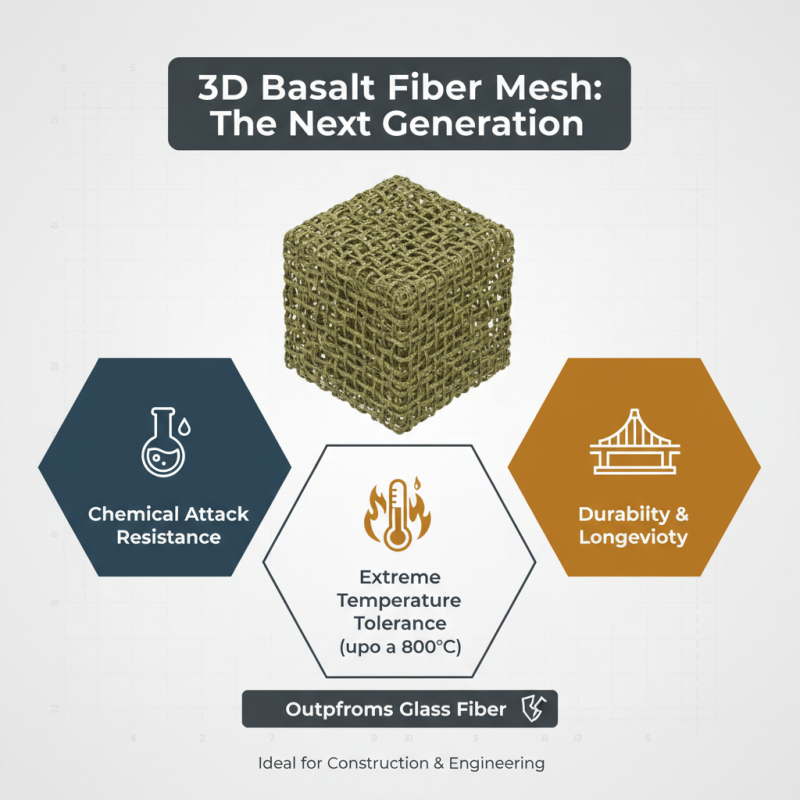
3D Basalt Fiber Mesh has gained attention in construction and engineering. Compared to other fiber mesh materials, it offers unique benefits. For example, basalt fibers have a high resistance to chemical attack and temperature extremes. They can withstand environments where glass fibers may degrade. A recent industry report indicates that basalt fiber can endure temperatures up to 800°C. That's impressive for many applications.
When analyzing cost, basalt fibers often stand out. They may cost more than traditional glass fibers, but their durability can lead to savings in maintenance. Glass fibers typically last about 10-15 years, while basalt fibers show longevity beyond 30 years. This longevity is critical for investment in infrastructure projects. However, the initial costs could deter some projects from utilizing basalt mesh.
Moreover, the environmental impact of materials is under scrutiny. Basalt fibers are considered eco-friendly. The production process requires less energy compared to glass fibers. Yet, the full lifecycle analysis of these materials is still developing. More data is needed to support these claims convincingly. As industries evolve, the choice between materials should lean towards sustainability without compromising performance.
Future Trends and Innovations in Basalt Fiber Technology
3D Basalt Fiber Mesh is gaining traction in various industries. This innovative material is made from basalt rock, known for its strength and durability. Future trends in basalt fiber technology are promising. Researchers are exploring new applications in construction, automotive, and aerospace sectors. Applications include reinforcing structures and lightweight components.
Tips: Consider using basalt fiber for sustainable building projects. It’s environmentally friendly and offers high resistance to chemicals.
Innovations in production processes are another exciting area. Advances include optimizing production methods to enhance properties. This makes basalt fiber more accessible and cost-effective. Some challenges still exist, such as limited awareness among potential users. However, ongoing research is addressing these gaps.
Tips: Keep an eye on emerging technologies in basalt fiber. They could revolutionize the materials industry.
Collaboration among scientists, engineers, and manufacturers is crucial. This teamwork can lead to new ideas and improved products. The future of basalt fiber technology looks bright, with endless possibilities ahead. The journey toward wider adoption needs reflection and improvement.
The Impact of Basalt Rebar on Structural Integrity and Sustainability in Bridge and Road Construction: Insights from Recent Industry Data Reports
The integration of Basalt Fiber Reinforced Polymer (BFRP) in bridge and road construction is transforming industry standards regarding structural integrity and sustainability. Recent reports from the construction materials industry highlight the remarkable properties of BFRP, which utilizes basalt fibers as a reinforcement and resin like epoxy or vinyl ester as a matrix. This composite material addresses several limitations associated with traditional steel rebar, particularly in terms of corrosion resistance, reduced weight, and minimized electromagnetic interference.
Data from industry studies indicate that BFRP exhibits a significantly lower density compared to steel, which contributes to lighter structures that still maintain high load-bearing capacities. This characteristic not only enhances the ease of transportation and installation but also reduces the overall environmental footprint of construction projects. Furthermore, BFRP's superior resistance to chemical environments makes it an optimal choice for infrastructure exposed to harsh conditions, with a lifespan that can exceed traditional materials by up to 100 years in some applications.
Additionally, insights from recent industry reports suggest that the adoption of BFRP in structural applications leads to substantial reductions in maintenance costs and downtime. For instance, structures reinforced with BFRP require less frequent repairs due to their durability, thereby saving resources and promoting long-term sustainability in civil engineering practices. By prioritizing materials that offer both performance efficiency and environmental benefits, the construction sector is taking significant strides towards building a more resilient future.
FAQS
: Identify the issue clearly. Take a moment to breathe. Write down possible solutions.
Set small, achievable goals. Celebrate your progress regularly. Surround yourself with positive influences.
Practice relaxation techniques, like deep breathing. Regular exercise can help too. Find hobbies that bring joy.
Everyone faces challenges. Seeking help shows strength, not weakness. It can provide new perspectives.
Use a planner to organize tasks. Prioritize important activities. Break work into smaller, manageable parts.
Feeling exhausted consistently is a key sign. Increased irritability and decreased motivation can indicate burnout too.
Start small. Replace one unhealthy snack with a fruit. Track your progress to stay committed.
Yes, making mistakes is part of learning. Reflect on what went wrong. Use it as a stepping stone.
Listen actively when others speak. Show appreciation often. Make time for those who matter to you.
Take a short break. Write down your thoughts. Focus on one task at a time to regain control.
Conclusion
3D Basalt Fiber Mesh is a versatile and innovative material composed of basalt fibers, known for their strength, durability, and resistance to various environmental factors. The manufacturing process involves weaving these fibers into a three-dimensional mesh structure, enhancing their mechanical properties and enabling better performance in construction applications. This type of mesh boasts numerous advantages, including lightweight design, high tensile strength, and corrosion resistance, making it an ideal choice for concrete reinforcement and other structural applications.
In various industries, 3D Basalt Fiber Mesh finds extensive use, from civil engineering to automotive and marine applications. Its unique properties allow for more efficient designs and improved durability compared to traditional fiber mesh materials. As technology evolves, future trends in basalt fiber technology promise even greater innovations, solidifying the role of 3D Basalt Fiber Mesh as a key component in advanced construction and manufacturing processes.