Leave Your Message
0%

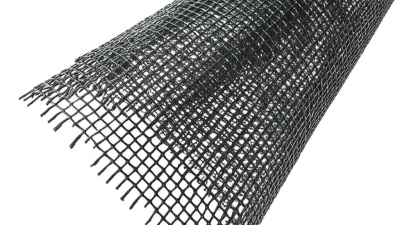
You know, in the last few years, there's been a noticeable shift in the Construction and engineering world towards materials that are really tough and perform well. One of the cool innovations popping up isBasalt Fiber Mesh. It’s starting to get a lot of attention because of its impressive strength-to-weight ratio and its ability to withstand environmental stressors. Industry buzz suggests that the global market for basalt fiber is gonna hit a whopping $300 million by 2025, with a growth rate of over 15% annually from 2020 to 2025. This increase in demand is pretty much driven by its use in infrastructure projects where durability is super important. And leading the charge is China Beihai Fiberglass Co., Ltd., a high-tech player focused on the research and production of basalt continuous fiber. By jumping on the Basalt Fiber Mesh bandwagon, industries can really boost the lifespan and sustainability of their projects, which totally fits the growing push for eco-friendly building solutions.
Solutions for Enhanced Durability with Best Basalt Fiber Mesh

Benefits of Basalt Fiber Mesh Over Traditional Reinforcement Materials

You know, basalt fiber mesh is really starting to make waves in the construction and engineering world, and for good reason. Compared to the old-school materials like steel or polypropylene, basalt fiber is super lightweight but packs a serious punch in strength. It's got this amazing tensile strength that makes it perfect for tough situations where you need something that's not just robust but also able to handle a lot of stress. Plus, it stands up really well against harsh environments without breaking down, which is a big deal.

And get this—basalt fibers are actually resistant to corrosion. That means structures built with it can last a whole lot longer, which ultimately saves on maintenance costs down the line. Who doesn't want that?

But it doesn't stop there! Basalt fiber mesh also shines when it comes to thermal stability and UV resistance. This means when temperatures get extreme or when the sun's blazing down, it keeps its integrity intact, something that can be a headache with usual materials. Oh, and here's a cool angle: using basalt fiber mesh can actually boost sustainability efforts since it's made from natural volcanic rock, making it a friendlier option for the planet compared to synthetic stuff. As the construction industry keeps evolving, bringing basalt fiber mesh into the mix seems like a smart move for anyone looking for durability and resilience in their projects.

Benefits of Basalt Fiber Mesh Over Traditional Reinforcement Materials

This chart illustrates the advantages of basalt fiber mesh compared to traditional reinforcement materials, showcasing strengths in various performance metrics such as strength, durability, corrosion resistance, and cost-effectiveness.

Comparative Analysis: Basalt Fiber Mesh vs. Glass and Steel Fibers

When you’re looking at ways to boost the durability of composite materials, it’s pretty clear that basalt fiber mesh holds some serious advantages over the more traditional glass and steel fibers. Recent studies are showing that basalt fiber-reinforced polymers, or BFRPs for short, not only have this cool ability to shield against electromagnetic interference (EMI) but also pack a punch when it comes to compression strength. For example, if you throw in just 1.5% of 12 mm basalt fibers into concrete, you can see a jaw-dropping 62.43% increase in compressive strength, bringing it to a solid 9.08 MPa compared to regular concrete. That’s a game changer and really highlights how basalt fibers can beef up the structural integrity of concrete mixes.

And get this: when we dive into the splitting tensile strength, we see a pretty impressive 48% improvement in ultra-high-performance concrete (UHPC) that’s got 1% steel fibers in it. Steel has always been seen as the go-to for strength, but the rising stats on basalt fibers are starting to show that they might be the better option. Plus, finite element analyses are laying out why basalt could be a strong contender for critical structural uses—especially in wind turbine blades where it might just take the place of the usual E-glass fibers. All this really points to how promising basalt fiber mesh is for crafting durable and efficient composite materials that fit the needs of modern engineering.

Cost-Effectiveness of Basalt Fiber Mesh in Construction Applications

You know, the construction industry is always on the lookout for those innovative materials that not only boost durability but are also easy on the wallet. One standout option that's caught everyone’s eye is basalt fiber mesh. It’s pretty cool because it’s made from volcanic rock, which gives it some serious strength and resistance to tough environments. That makes it perfect for things like road building, reinforcing structures, and even repairing concrete. Plus, it’s really lightweight, so hauling it around doesn’t break the bank, and it’s a breeze to install—which means labor costs drop too. That’s a win-win for project budgets!

But wait, there’s more! When we talk about longevity, basalt fiber mesh really shines. It’s resistant to corrosion and doesn’t fall apart from chemical damage, so structures using this stuff need way less upkeep and repairs over time. This can really save money in the long haul. And with construction projects increasingly looking for sustainable options, basalt fiber mesh is a rock-solid eco-friendly choice that uses natural resources without skimping on performance. All in all, the mix of durability and affordability makes basalt fiber mesh a pretty smart pick for construction pros who want to deliver high-quality results without breaking the bank.

Solutions for Enhanced Durability with Best Basalt Fiber Mesh - Cost-Effectiveness of Basalt Fiber Mesh in Construction Applications

Application Basalt Fiber Mesh Type Durability Benefits Cost-Effectiveness (USD/sq.m) Life Span (Years)
Reinforced Concrete Standard Basalt Fiber Mesh Improved crack resistance and corrosion resistance 4.50 50
Road Construction High-Strength Basalt Fiber Mesh Enhanced load distribution and fatigue resistance 5.00 40
Construction of Bridges Anti-Corrosive Basalt Fiber Mesh Resistance to environmental factors and durability under stress 6.00 60
Building Facades Lightweight Basalt Fiber Mesh Improved thermal resistance and aesthetic appeal 4.00 30

Long-Term Performance: Durability Metrics of Basalt Fiber in Harsh Environments

You know, basalt fiber is really making waves when it comes to boosting the durability of concrete structures, especially in tough climates. What’s cool about it is that it has some pretty unique features—like super high tensile strength and a great ability to resist chemicals—which make it a fantastic choice for reinforcing materials. When you mix basalt fiber with traditional concrete, it doesn’t just enhance the mechanical performance; it seriously extends the lifespan of the structures, which can save a ton on maintenance costs down the line. And let’s face it, that’s a big deal for infrastructure in extreme weather or places where chemical exposure is a big concern, where regular materials might give up on you way too soon.

Looking at the long-term performance of basalt fiber in different uses, it’s clear that it outshines standard fibers like glass and carbon. Studies show that concrete reinforced with basalt fiber—or BFRC, as some like to call it—tends to crack and deform less, which really helps it stand up to environmental stresses. Plus, when fly ash gets thrown into the mix with BFRC formulations, it can take performance to another level, combining sustainability with durability. This really puts basalt fiber on the map as a smart choice for upcoming construction projects that are all about building sustainable and resilient infrastructures.

Innovations in Basalt Fiber Technology for Enhanced Structural Integrity

You know, when it comes to construction materials, basalt fiber technology is really starting to make waves. It’s like a game-changer for boosting structural integrity. Unlike your usual reinforcement fibers, basalt fibers have some pretty impressive mechanical properties—think high tensile strength and they’re super resistant to environmental wear and tear. What’s cool is that these fibers come from natural volcanic rocks, which means they’re not just sustainable but also tough as nails.

With the latest innovations in basalt fiber mesh, engineers and architects are crafting structures that can handle everything from earthquakes to harsh environments.

Using basalt fiber mesh in composite materials really ramps up the lifespan and performance of all sorts of buildings. We’re talking about lightweight yet strong structures that can help cut down on load and material expenses, which is always a win. Plus, integrating these basalt fiber meshes into the way we build opens up fresh possibilities for reinforcing concrete and masonry while still keeping things looking good.

As the tech keeps evolving, who knows? Basalt fiber could totally change the game when it comes to durability and resilience in modern construction.

Sustainability Impact: Eco-Friendly Aspects of Using Basalt Fiber Mesh

You know, the increasing use of basalt fiber in construction really highlights its eco-friendly vibe and sustainable benefits. Unlike the usual materials we're used to, basalt fibers are actually made from volcanic rock, which means we're tapping into a renewable resource that can seriously boost the durability of concrete. Recent studies have shown that when you add basalt fibers, you get a nice bump in compressive strength and an overall longer lifespan for those concrete structures. This is a game changer because it means we won't have to deal with repairs and replacements as often, which definitely helps cut down on waste.

So, if you're thinking about incorporating basalt fiber into your construction projects, it's super important to really look into what performance improvements you're aiming for. Checking out industry reports, like studies on basalt fiber-reinforced concrete, can give you some great tips on the best fiber lengths and how much to use to really maximize that compressive strength.

And let’s not forget the recycling angle! The fact that basalt fibers can be recycled adds to their sustainability appeal. Research on the solvolysis recycling process shows that you can actually repurpose old basalt composites, contributing to a circular economy. As we shift towards greener building practices, using basalt fibers not only strengthens structures but also helps tackle those pesky environmental issues surrounding construction materials.

Unleashing the Power of High Performance Basalt Fiber Fireproof Fabric: A Comprehensive Guide to Its Benefits and Applications

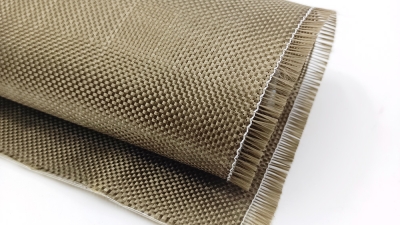
Basalt fiber fireproof fabric represents a significant advancement in the realm of flame-resistant materials, offering outstanding benefits for various applications. This fabric, woven from continuous basalt yarn with a filament diameter of 5.5-9 µm, stands out due to its exceptional properties. According to industry reports, basalt fiber's non-combustibility makes it an ideal choice for personal protective equipment, such as fireproof clothing, which is essential for professionals working in high-risk environments. The fabric's ability to withstand extreme temperatures—up to 1000°C—ensures that it provides effective protection without the risk of releasing toxic gases, a critical advantage over traditional fire-resistant materials.

Moreover, basalt fiber fireproof fabric is not only robust but also versatile. Its high strength-to-weight ratio allows for innovative designs in fireproof curtains and architectural applications. Reports indicate that the integration of such fabrics in construction can significantly enhance fire safety while maintaining aesthetic appeal. With properties like no heat shrinkage and excellent thermal insulation, basalt fiber fabric serves both functional and aesthetic purposes, fulfilling the demands of modern fire safety regulations and design standards. As industries increasingly prioritize safety and sustainability, the adoption of basalt fiber fabric is poised to rise, paving the way for a safer future in construction and protective wear.

FAQS

: What are the primary benefits of using basalt fiber mesh in construction?

: Basalt fiber mesh offers superior tensile strength, lightweight properties, resistance to corrosion, excellent thermal stability, and UV resistance, making it ideal for durable applications in harsh environments.

How does basalt fiber mesh contribute to cost savings in construction projects?

The lightweight nature of basalt fiber reduces transportation costs, while its ease of installation enhances labor efficiency. Additionally, its durability leads to lower maintenance and repair costs over time, resulting in significant long-term savings.

Is basalt fiber mesh environmentally friendly?

Yes, basalt fiber is derived from natural volcanic rock and is considered more eco-friendly compared to synthetic materials. It contributes to sustainability goals and helps reduce waste due to its long lifespan and recycling potential.

In what types of construction applications is basalt fiber mesh commonly used?

Basalt fiber mesh is suitable for road construction, building reinforcement, and concrete repair due to its remarkable strength and resistance to harsh environmental conditions.

How does basalt fiber mesh enhance the longevity of structures?

Its resistance to corrosion and chemical degradation allows structures reinforced with basalt fiber to require less maintenance and fewer repairs, which prolongs their lifespan significantly.

What role does basalt fiber mesh play in modern engineering practices?

Basalt fiber mesh aligns with the shift towards greener construction practices, providing a robust solution for projects that prioritize durability, resilience, and sustainability.

Are there specific considerations when using basalt fiber in construction?

It’s important to assess performance enhancements required for the project. Consulting industry reports can provide insights on optimal fiber length and dosage for maximizing benefits.

Can basalt fibers be recycled, and what is the significance of that?

Yes, basalt fibers can be repurposed through processes like solvolysis recycling, contributing to a circular economy and enhancing their sustainability appeal in construction.

How does the thermal stability of basalt fiber mesh benefit construction?

Basalt fiber mesh maintains its integrity under extreme temperatures, which enhances performance in varying environmental conditions, unlike some conventional reinforcement materials.

What are the implications of using basalt fiber for the environment?

The use of basalt fiber in construction minimizes waste due to its durability and repairs the need reduction, supporting a more sustainable approach to building practices.
Alexander

Alexander

Alexander is a dedicated marketing professional at Jiujiang Beihai Glass Fiber Co., Ltd. (Project Four), where he plays a pivotal role in enhancing the company's market presence. With a deep expertise in glass fiber products, he consistently demonstrates a profound understanding of the industry and......
Previous Innovative Approaches for Utilizing Basalt Cleavage in Modern Applications