Leave Your Message
0%

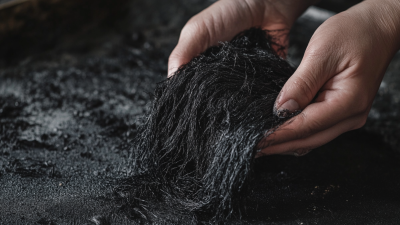
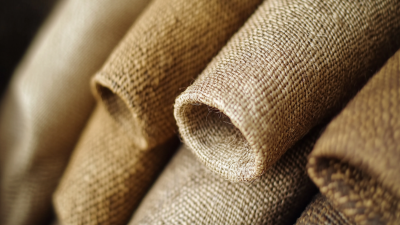
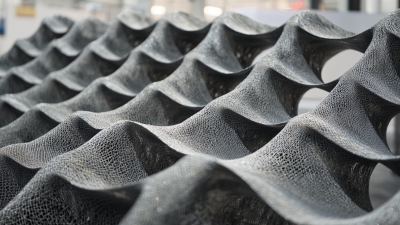
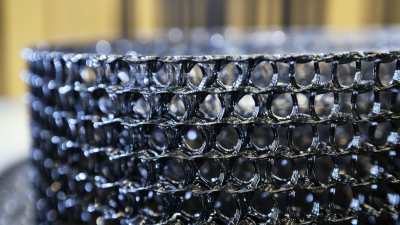
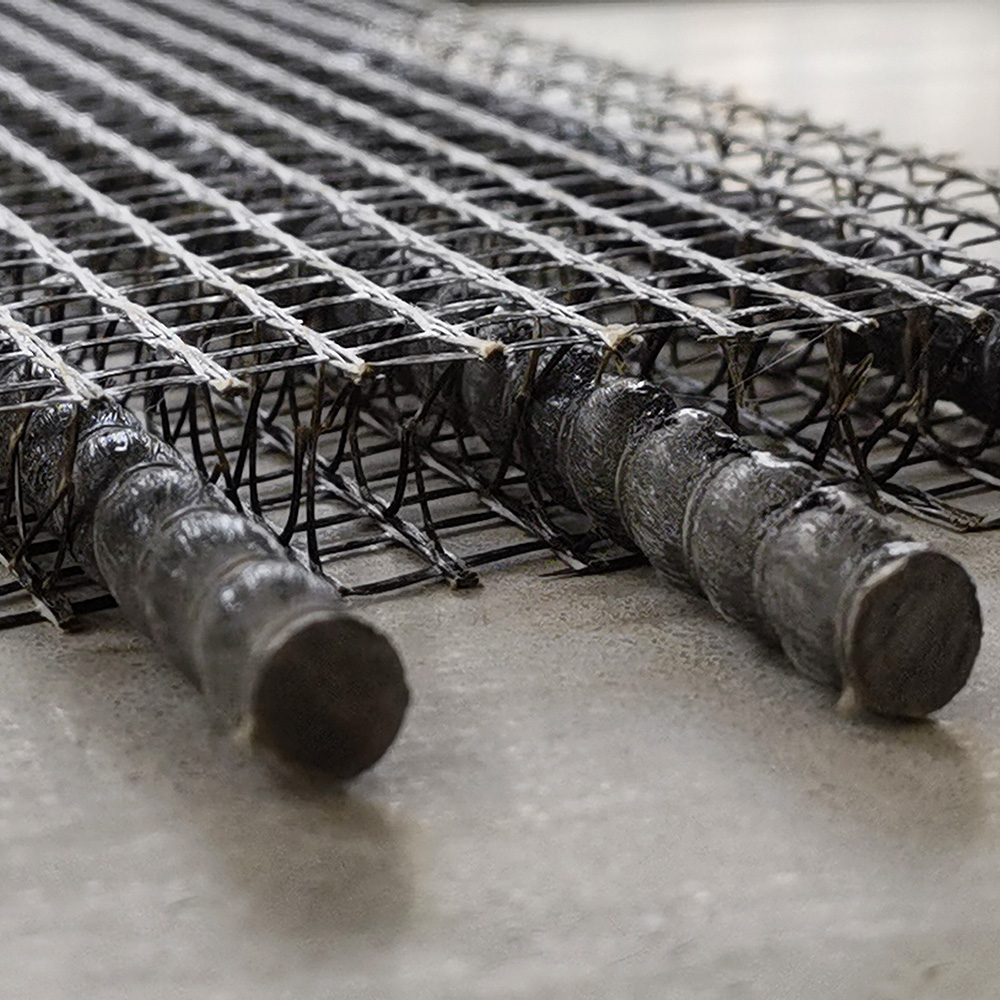
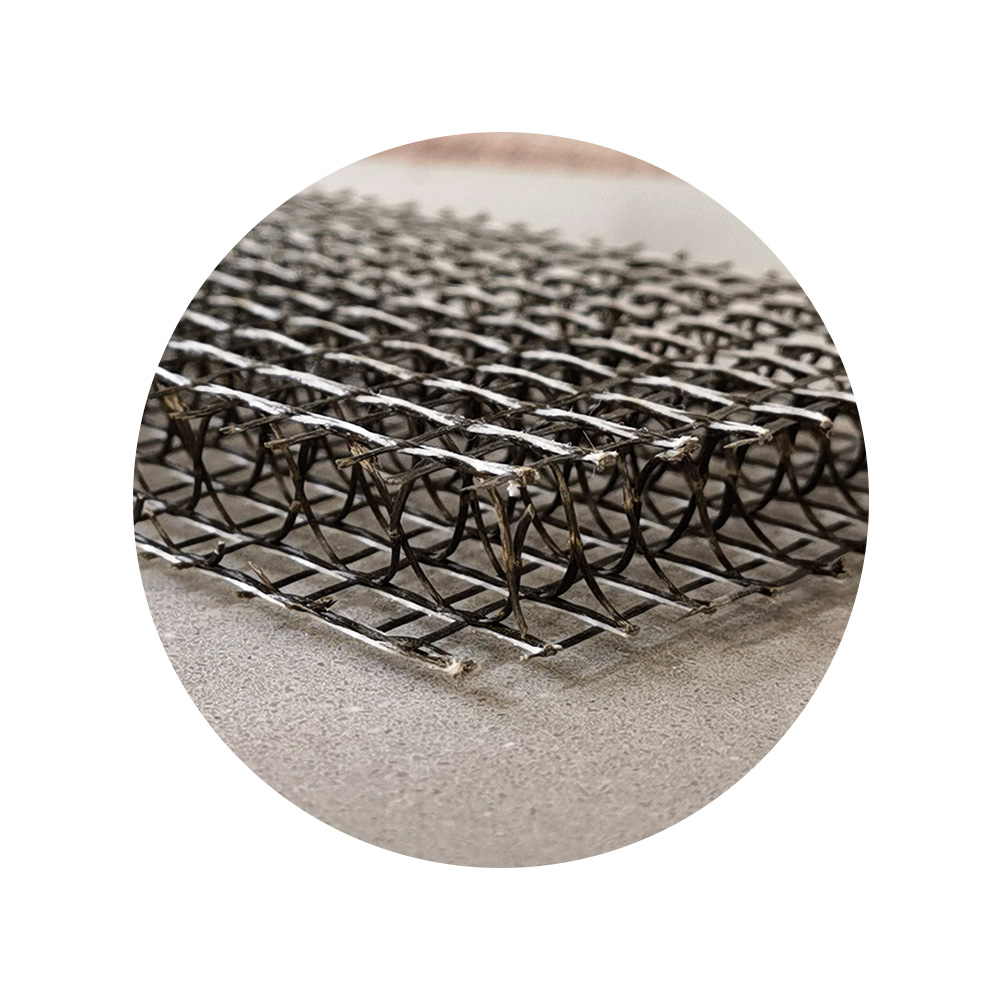
Hey there! So, in the fast-changing world of Composite Materials, everyone's talking about cool new stuff like 3D Basalt Fiber Mesh, right? Why? Because it’s got amazing mechanical properties and is eco-friendly—pretty impressive, if you ask me. Recent industry reports say the global basalt fiber market could hit around USD 170 million by 2027. That’s a clear sign people are really into sustainable materials for things like construction, cars, and even aerospace. China Beihai Fiberglass Co., Ltd. is right there on the cutting edge of all this, focusing on developing and producing top-notch basalt continuous fibers. This guide is all about helping manufacturers and suppliers figure out the tricky import-export certifications for 3D Basalt Fiber Mesh. Trust me, it’s all about making sure everyone plays by the rules and can tap into markets worldwide without any headaches.
玄武岩网格布 3.jpg

Understanding the Importance of Import Export Certifications in 3D Basalt Fiber Mesh

Getting through the complicated world of global markets, especially when it comes to 3D basalt fiber mesh, definitely requires a good grasp of import and export certifications. These certifications aren’t just bureaucratic hoops—they actually give buyers and sellers peace of mind by confirming the quality and compliance of the materials. That trust is a huge deal in international trade. If you're a manufacturer or supplier, snagging the right certifications can really make a difference, helping you prove that your product is reliable and opening doors to some pretty lucrative markets.

Pro tip: Start working on your certifications early on. Delaying can cause headaches later on, so it’s best to get a jump start. Also, make sure you understand the specific requirements of the markets you’re targeting—things like safety standards, environmental rules, and material specs. And honestly, teaming up with local experts who’ve been through the process can save you time and stress.

And here’s the thing—these certifications aren’t just about ticking boxes. They actually give you a competitive edge. Proper certification can help your 3D basalt fiber mesh stand out from the crowd, especially in industries like construction and aerospace where quality standards are non-negotiable.

Another tip: Keep yourself in the loop about any changes in certification procedures and build good relationships with certifying bodies. Being proactive isn’t just smart; it can save you time and money, and keep your business in a strong spot in the global market.

Key Certifications Required for 3D Basalt Fiber Mesh Trade Globally

If you're thinking about stepping into the global markets with your 3D basalt fiber mesh, there's one thing you definitely need to get your head around—understanding the key certifications needed for international trading. I mean, with demand for basalt fiber products expected to grow at about 18.2% annually from 2020 to 2025 (according to industry reports), you can’t ignore the importance of sticking to the right standards. Certifications like ISO 9001, which is all about quality management, and ISO 14001 for environmental practices, are pretty much essential. Not only do they help guarantee that your products are top-notch, but they also boost your company's credibility in this pretty competitive global scene.

On top of that, if you're looking to do business in Europe and the U.S., it’s crucial to pay attention to things like CE marking for Europe and ASTM standards for the U.S. The CE mark basically tells everyone that your product ticks all the safety, health, and environmental boxes required by the EU. That's pretty much a must if you want to get your foot in the door in European markets. Meanwhile, ASTM standards give you a clear idea of the safety and performance benchmarks for materials used in construction and beyond. Bottom line — if you're planning to export your 3D basalt fiber mesh, nailing these certifications should be at the top of your list. They’ll make the whole import/export process smoother and help you connect with eco-conscious buyers—’cause today, nearly 70% of customers prefer products that have the right certifications behind them.

Navigating Import Export Certifications for Best 3D Basalt Fiber Mesh in Global Markets

Step-by-Step Guide to Acquiring Certifications for Basalt Fiber Products

Navigating the maze of import-export certifications for basalt fiber products can feel pretty overwhelming, but it’s a crucial step if your company wants to make a mark in the global market. Take China Beihai Fiberglass Co., Ltd., for example — they're a high-tech company specializing in basalt continuous fibers. Getting a good handle on the certification process isn’t just about ticking boxes; it really can give you a leg up in terms of staying competitive out there. From what industry reports show, keeping up with international standards doesn’t just smooth out the trade process — it also builds trust with your customers, which often translates into better sales.

3D basalt fiber mesh(2).jpg

If you're looking to get those certifications, my advice is to go step-by-step. First off, do your homework — find out exactly what’s needed for the markets you’re targeting, because requirements can vary a lot from place to place. It’s also worth reaching out to local regulatory agencies and maybe even hiring certification experts who know their way around the system — it can seriously help speed things up. Also, don’t overlook the importance of proper documentation; clear labels and detailed product specs can really make a difference when getting approval.

Quick Tips:
1. Keep an eye on updates to international standards for basalt fiber — missing a change could delay everything.
2. Use your existing relationships with suppliers and distributors; they often have inside info or tips on how to handle certification hurdles in different regions.
3. And finally, stay on top of your certification status! Renew stuff early so you don’t end up losing market access unexpectedly.

Challenges in Navigating Import Export Regulations for 3D Basalt Fiber Mesh

Dealing with import-export rules can sometimes feel like a real headache—especially when you're working with niche stuff like 3D basalt fiber mesh. As international markets keep growing, it’s super important to get a solid grip on certification processes if you want to break into or expand in global markets. Each country has its own set of rules and standards, which can really vary, and that often leads to delays or unexpected complications. So, understanding these regulations isn’t just helpful; it’s pretty much essential if you want smooth shipments and to stay out of trouble.

Lately, we’ve seen some interesting developments, like Uzbekistan ramping up its basalt production. This move shows just how much the demand for this material is picking up worldwide. Their push to boost basalt output proves they see a lot of potential in it. But with more countries like Uzbekistan stepping into the game, it’s crucial for exporters to keep an eye on the changing regulatory scene. If you stay ahead of the game and plan accordingly, you’ll be in a stronger position to take advantage of the growing need for top-quality 3D basalt fiber mesh, all while navigating the sometimes tricky world of international trade.

Navigating Import Export Certifications for Best 3D Basalt Fiber Mesh in Global Markets - Challenges in Navigating Import Export Regulations for 3D Basalt Fiber Mesh

Country Import Certification Requirements Export Certification Requirements Common Challenges
United States FDA Registration, UL Certification Certificate of Origin, Export License Complex regulations, Delays in processing
European Union CE Marking, REACH Compliance EORI Registration, Customs declarations Varying country laws, Language barriers
China CCC Certification, Product Registration Certificate of Free Sale, Export Quotas Regulatory changes, Bureaucratic delays
India BIS Registration, Import License Export-Import Code, Quality Certifications Inconsistent enforcement, Long approval times
Brazil ANVISA Registration (if applicable) Export License, Import Declaration High taxes, Regulatory uncertainties

Tips for Ensuring Compliance and Reducing Delays in Certification Process

Getting through the import and export certifications for 3D basalt fiber mesh can be pretty tricky, especially with all the different rules around the world. It’s not exactly a walk in the park, and if you’re not careful, it can cause some annoying delays. So, it’s really smart for businesses to take a proactive stance here. That means taking the time to understand what each market’s specific certification needs are and making sure their products tick all the safety and quality boxes.

A good move? Reach out to the regulatory folks early on. Chatting with them upfront can clear up a lot of confusion and help set clear expectations for compliance. Also, don’t forget about options like inward processing—that’s a fancy term for delaying or cutting down on duties when importing goods you plan to process or repair. Using these tricks can help companies cut costs and stay ahead of the game, making sure their products are fully compliant before hitting the market.

Exploring the Benefits of Basalt Fiber Chopped Strands for Enhanced Mat Durability and Performance

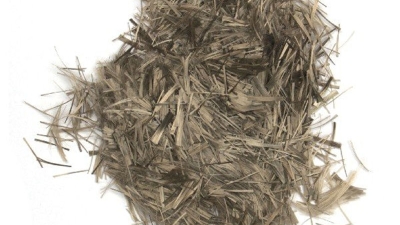
Basalt fiber chopped strands have emerged as a revolutionary solution in the quest for durable and high-performance materials. Derived from continuous basalt fiber filaments, these chopped strands are designed to enhance the integrity and longevity of composite products. With a special coating of wax-less type or water-dispersed sizing, they are ideally suited for the production of needled mats and surfacing mats, making them an excellent choice for a variety of applications.

One of the key benefits of using basalt fiber chopped strands is their exceptional resistance to environmental factors, such as temperature fluctuations and moisture. This durability is crucial for industries that require materials to withstand harsh conditions without compromising performance. The ability of these strands to reinforce mats significantly improves their mechanical properties, resulting in composites that not only last longer but also maintain their structural integrity under stress.

Furthermore, basalt fibers lend themselves to eco-friendly practices, as they are a natural resource that requires minimal processing. This not only contributes to sustainability efforts but also appeals to manufacturers looking to reduce their environmental footprint. By integrating basalt fiber chopped strands into their production processes, companies can deliver enhanced products that not only meet high-performance standards but also contribute to a greener future.

FAQS

: What is the importance of acquiring certifications for basalt fiber products?

: Acquiring certifications is crucial for companies to establish a presence in global markets, enhance market competitiveness, and build consumer trust, which can lead to higher sales figures.

How can companies start the certification process for basalt fiber products?

Companies can begin by researching the specific certification requirements for their target market, engaging with local regulatory bodies, and considering hiring certification consultants to streamline the process.

What challenges do businesses face when navigating import-export regulations for 3D basalt fiber mesh?

Businesses often encounter difficulties due to the varying specific requirements and standards of different countries, which can lead to delays and complications in the certification process.

How can companies stay updated on international standards for basalt fiber?

Companies should regularly monitor changes in international standards to avoid compliance delays and ensure they meet the latest requirements.

What strategies can help reduce delays in the certification process?

Engaging with relevant regulatory authorities early in the planning stages, familiarizing with certification requirements, and utilizing inward processing provisions can help minimize delays.

Why is proper documentation crucial for certification approval?

Proper documentation, including accurate labeling and detailed product specifications, is essential as it can expedite the certification approval process.

How can leveraging relationships with suppliers and distributors assist in certification?

Existing relationships can provide valuable insights and assistance in navigating certification hurdles specific to different regions.

What should companies do to ensure uninterrupted market access?

Regularly reviewing certification status and planning renewals well in advance can help companies maintain uninterrupted access to their target markets.

How has Uzbekistan's expansion of basalt production affected the market?

Uzbekistan's initiative to enhance basalt production highlights the increasing importance of basalt in global markets and emphasizes the need for exporters to stay informed about evolving regulations.

What is the benefit of engaging certification consultants?

Certification consultants can provide expertise and streamline the certification process, helping companies navigate regulatory complexities effectively.
Alexander

Alexander

Alexander is a dedicated marketing professional at Jiujiang Beihai Glass Fiber Co., Ltd. (Project Four), where he plays a pivotal role in enhancing the company's market presence. With a deep expertise in glass fiber products, he consistently demonstrates a profound understanding of the industry and......
Previous Innovative Approaches for Utilizing Basalt Cleavage in Modern Applications