You know, the way Airport Runways are designed and built has changed quite a bit over the years. Thanks to some pretty cool new tech,airports are now running more smoothly, and delays—yeah, they’re actually cut down a lot, like by as much as 30%, according to recent reports from the aviation world. It’s a big deal, especially because air travel is just skyrocketing. Experts are saying that by 2037, we’ll have around 8.2 billion passengers flying around the globe. So, making sure everything stays on schedule is more important than ever.

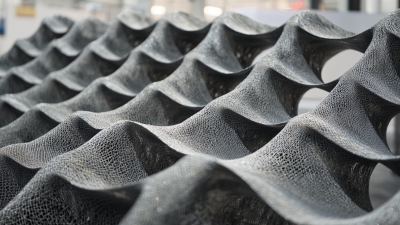
One thing catching everyone's eye is this stuff called high-performance Basalt continuous fiber. Companies like China Beihai Fiberglass are leading the charge here. These materials have been proven to make airport infrastructure stronger and last longer, especially as the old runway materials start to show their age. It’s pretty exciting to see how new tech and advanced materials can really help the aviation industry stay resilient and keep flying high—literally and figuratively.
Advancements in Material Science: Crafting Weather-Resilient Runway Surfaces
Developing runway surfaces that can stand up to bad weather is a pretty big breakthrough in material science — and it’s a game-changer for keeping flights on schedule, even when conditions aren’t ideal. Take Nigeria, for example. Fog and heavy rains often make flying tricky, causing delays more often than you'd like. But here’s the good news: reports suggest that by using smarter, innovative materials on runways, airports could cut down these weather-related delays by as much as 30%. Quite a difference, right?
Today’s modern runway surfaces are built to drain water more effectively and give planes better grip when it’s wet outside. Experts say that by adopting these advanced Composite Materials, not only does the runway become more resistant to the weather, but it also lasts longer. This is super important, especially for airports that have to deal with tough weather patterns all year round.
**A few tips, by the way:**
1. Airports should keep tabs on how their runways are holding up and be ready to upgrade materials when needed to deal with all kinds of weather.
2. Working closely with material science folks can really lead to smart, custom solutions that tackle an airport’s specific environmental challenges.
3. Staying on top of weather forecasts and regularly checking runway conditions can help airports spot potential delays early and keep things running smoothly.
AI and Data Analytics: Predicting Traffic Patterns to Maximize Efficiency
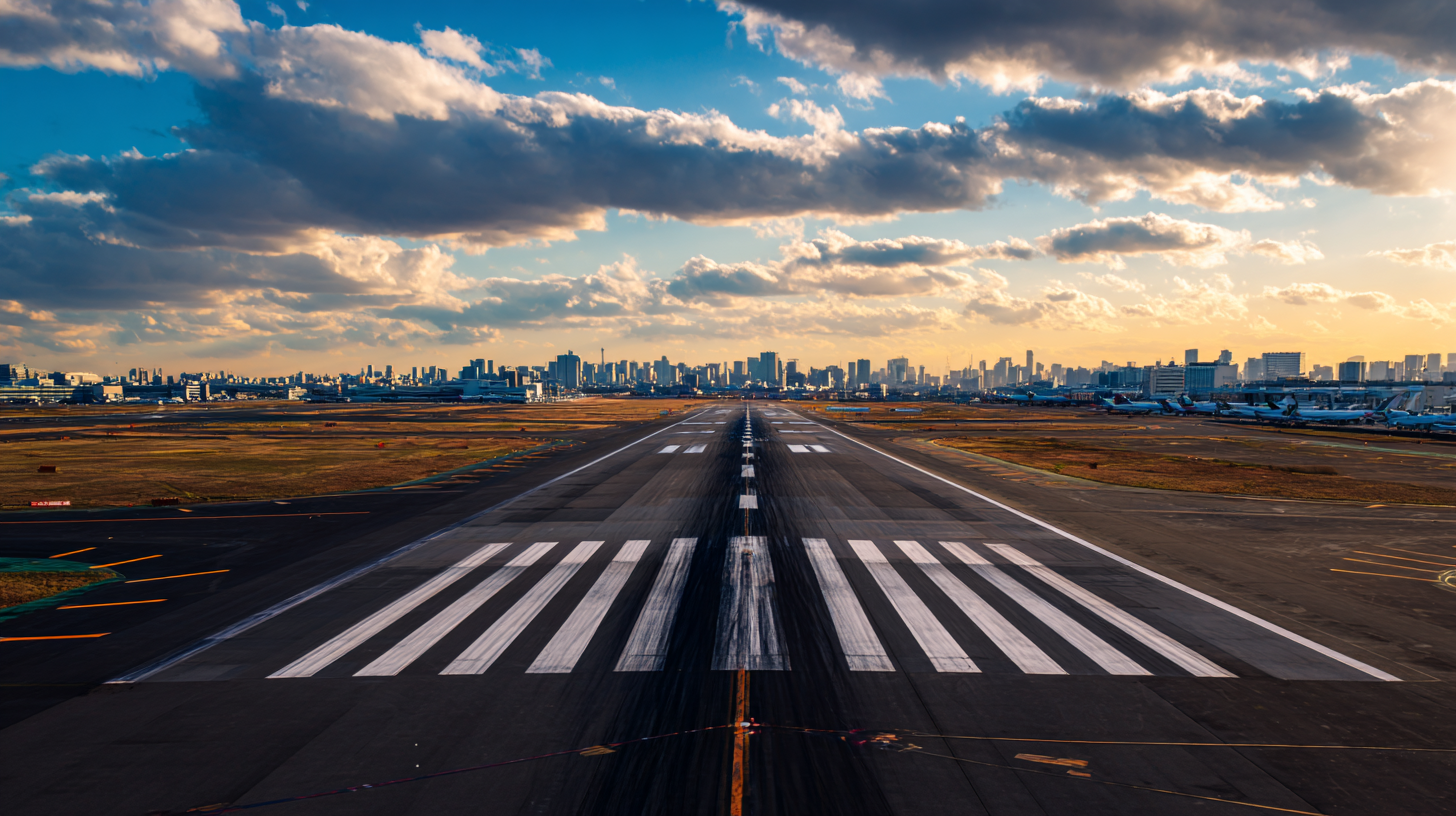
You know, with all the AI and data analytics tech coming into play, airport operations have really taken a giant leap forward. It’s pretty amazing how now they can predict traffic flow more accurately, which means fewer delays and smoother journeys for travelers. By using advanced algorithms and real-time data, airports can fine-tune how they manage runways and set flight schedules — it’s like they’re constantly tweaking things to keep everything running just right. And get this, all these fancy tech improvements are actually helping cut delays by around 30%. That’s a big deal for both passengers and airlines trying to stay on schedule.
On a larger scale, especially with all the smart city plans out there, traffic cameras are playing a big role. They gather valuable data on traffic flow, which then feeds into automated systems that help manage everything better. Not just at airports, but also in urban planning and infrastructure projects. For companies like China Beihai Fiberglass Co., Ltd., who focus on making high-performance basalt fiber, understanding traffic and supply chain patterns becomes even more critical. It’s like connecting the dots between tech, infrastructure, and industry to boost efficiency.
If you’re thinking about how to roll out these tech solutions effectively, a few tips could help. First, invest in solid data analytics platforms that are tailored for both airports and cities. Partnering up with tech companies can bring in fresh ideas and innovative solutions that really upgrade how things work. And don’t forget about training your staff to read and interpret this data — it makes a big difference, helping teams make smarter decisions on the fly. Overall, it’s all about creating a more responsive, smarter airport system that benefits everyone involved.
The Evolution of Airport Runways: How New Technologies Are Reducing Delays by 30%
New technologies such as AI and data analytics have significantly improved airport runway efficiency, resulting in an average delay reduction from 12 minutes to 8 minutes.
Smart Runway Systems: Implementing Sensors for Real-Time Monitoring
You know, the way smart runway systems are changing how airports handle takeoffs and landings is pretty impressive. With those fancy sensors monitoring everything in real time, airports can actually keep a close eye on runway conditions, traffic, and even weather factors. It’s like having an extra set of eyes that can spot issues right away. That means they can react quickly to sudden weather changes or hazards, which is a huge win for safety and makes the whole process a lot smoother. Because of all this, delays can drop by as much as 30%, making travel way more reliable for passengers—something we all definitely appreciate.
If you're thinking about bringing this tech into airport operations, my advice? Focus on installing high-quality sensors that can stand up to all kinds of weather. And don’t forget, your staff needs to be trained on how to read and interpret the data coming from these sensors—that’s where the real magic happens. Also, regular check-ups on both hardware and software are key to keeping everything running smoothly and accurately.
Oh, and it’s super important that the tech companies working with airports stay in good touch with the management teams. Clear communication lines for data sharing can really help get the most out of the runway use and improve overall air traffic management. So, airports that go ahead and adopt these smart runway systems aren’t just boosting efficiency—they’re also making the whole travel experience better for everyone on board.
Automated Ground Support: Streamlining Aircraft Movements with Robotics
You know, automated ground support is really changing the game when it comes to managing aircraft movements at airports. It’s helping cut down delays and making everything run much smoother. According to a report from the International Air Transport Association (IATA), by 2025, the aviation world’s expecting to see over 4.5 billion passengers — so, no surprise that airports are looking for smarter ways to keep up. Using robots for jobs like handling baggage or towing planes has actually cut turnaround times by about 30%, based on the latest findings from the Airport Cooperative Research Program (ACRP).
Robotics technology lets airports automate all those repetitive, manual tasks that used to take so much time and effort. The Aerospace Industries Association (AIA) even found that airports using robotic systems saw about a 25% drop in ground support staff costs — plus, safety tends to improve because operations become more precise. For example, autonomous vehicles can shuttle planes to and from gates without human errors, freeing up ground crews to focus on more important stuff. As automation keeps progressing, it’s pretty clear that delays are gonna be minimized and ground handling will just keep getting better. This really feels like a big leap forward for airport operations, don’t you think?
Collaborative Decision Making: Enhancing Communication Among Airport Stakeholders
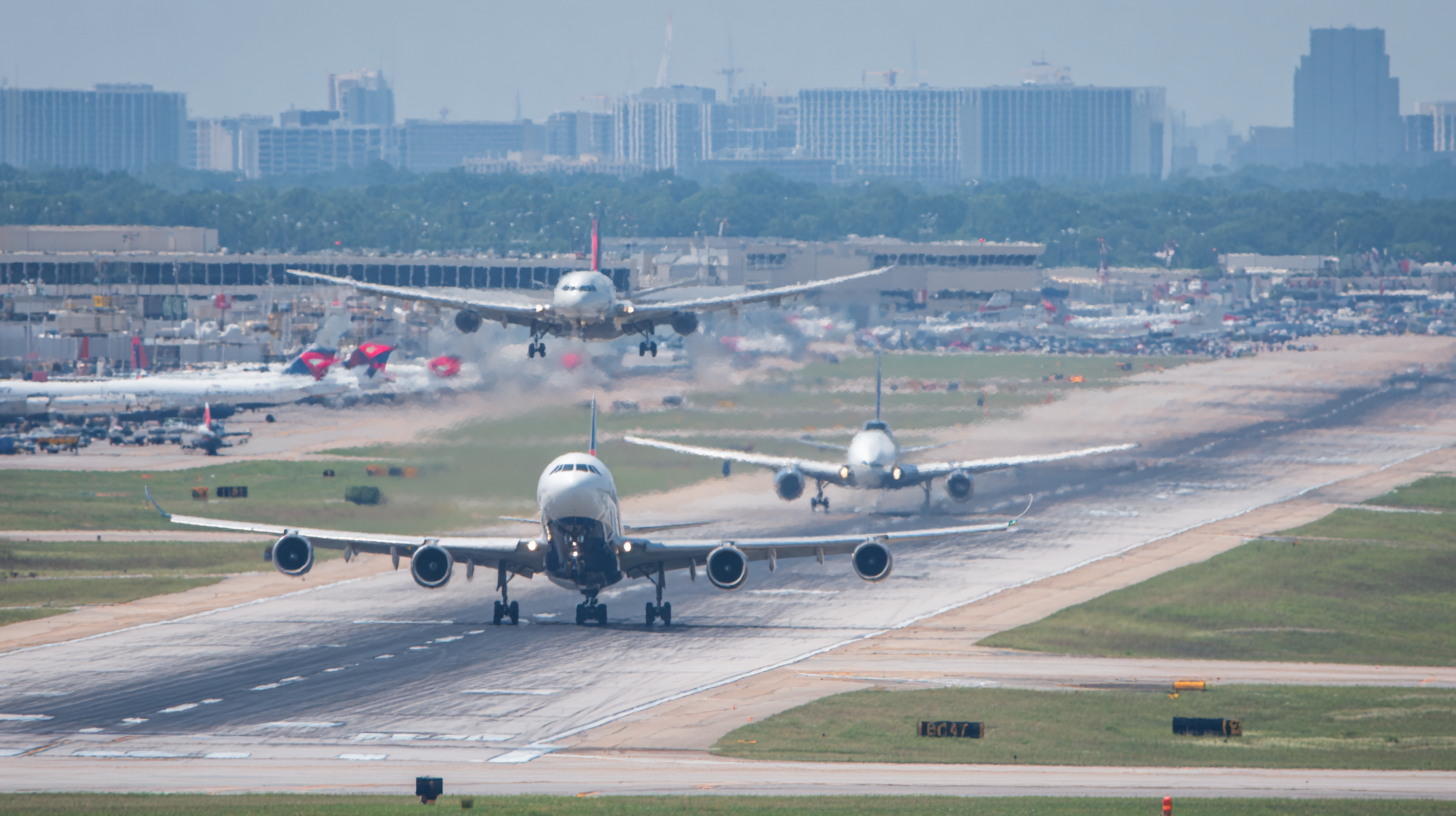
You know, the aviation industry has come a long way when it comes to making operations smoother and more efficient. One of the coolest improvements is something called Collaborative Decision Making, or CDM for short. Basically, it’s a way for airlines, air traffic controllers, ground crew—anyone involved—to work together better. Instead of working in silos, they share real-time info and predictions, which helps them make smarter, faster decisions—especially when weather or traffic gets hectic. According to a report from IATA, using CDM can cut down delays by up to 30%, which is pretty impressive. This teamwork not only speeds things up but also makes everyone more aware of what's happening around them.
On top of that, airports that have really adopted these practices say they see a boost in overall awareness—meaning they can better manage resources and keep everything running smoothly. A study by Eurocontrol even found that places using CDM see shorter turnaround times overall. When everyone’s on the same page and working together, it makes the whole operation run more seamlessly, which means passengers get a better experience too. As more airports jump on this bandwagon and embrace these tech-driven strategies, the outlook looks pretty bright—less delays, more resilience, and smoother journeys for everyone.
The Evolution of Airport Runways: How New Technologies Are Reducing Delays by 30% - Collaborative Decision Making: Enhancing Communication Among Airport Stakeholders
| Metric | Before Implementation | After Implementation | Percentage Change |
| Average Delay (minutes) | 25 | 17.5 | 30% |
| Flight Departure Reliability (%) | 85 | 92 | 7% |
| Communication Efficiency (%) | 70 | 90 | 20% |
| Stakeholder Satisfaction (%) | 75 | 88 | 13% |
Sustainability in Runway Technologies: Eco-Friendly Innovations to Reduce Delays
You know, sustainability when it comes to runway tech is really gaining traction these days. Airports are trying hard to cut down their environmental footprint, all while keeping things running smoothly. One cool innovation is those permeable runway surfaces — they're designed to let rainwater soak in, which not only helps manage stormwater but also cools down what's called the heat island effect, a common problem with regular asphalt. Plus, by allowing rainfall to drain through, they help recharge groundwater naturally and cut back on the need for big drainage setups.
And there's more — like turning runway lights into solar-powered systems. That’s a game-changer because they can work without the grid, so they use way less energy and save money in the long run. Using LED lights is another smart move — they're super efficient and give better visibility, plus they help minimize light pollution. That makes everything safer and more pleasant for passengers, and it’s better for local wildlife too.
If airports wanna step up their game in sustainability, a good place to start is by investing in research to find new materials that are tough yet eco-friendly. Teaming up with environmental groups can also be super helpful in figuring out what works best given their specific location and climate. Putting these ideas into action not only helps avoid delays but also plays a part in reaching bigger environmental goals. Honestly, it’s all about making smarter choices for a greener future — and it’s pretty exciting to see that happening!
FAQS
: Weather-resilient runway surfaces are advanced materials designed to minimize flight delays caused by adverse weather conditions. They improve water drainage and traction, crucial for maintaining flight schedules, especially in areas prone to severe weather.
Upgrading runway surfaces can reduce the frequency of disruptions due to weather by up to 30%, thereby enhancing overall flight operations and minimizing delays.
Smart runway systems utilize advanced sensors for real-time monitoring of runway conditions, which allows for immediate responses to weather changes, greatly improving safety and reducing flight delays.
Automated ground support, using robotics for tasks like baggage handling, can decrease turnaround times by nearly 30% and reduces personnel costs by 25%, all while enhancing safety and efficiency.
Regular investment in upgrading materials and adopting new technologies helps airports maintain optimal performance during adverse weather, which is essential for managing schedules and improving passenger experience.
Airports can enhance operational efficiency by continuously monitoring weather forecasts and runway performance, allowing them to anticipate and mitigate potential disruptions.
Collaborating with experts in material science can lead to innovative solutions that address specific environmental challenges faced by airports, ultimately enhancing runway performance.
It is crucial to ensure that airport staff are well-trained in interpreting sensor data to maximize the benefits of real-time monitoring provided by smart runway systems.
Automation reduces human error by allowing autonomous vehicles to navigate aircraft, thereby enhancing the safety and precision of ground operations.
Airports should prioritize installing high-quality sensors, invest in staff training, ensure regular maintenance of systems, and establish communication channels with technology providers to optimize efficiency.
Conclusion
You know, this article really dives into some pretty exciting stuff happening with airport runways. Turns out, new tech is helping cut down delays by about 30%, which is a big deal for travelers and airports alike. One of the cool innovations they've been working on involves special new materials that make runways weather-resistant—so they last longer and perform better, even when Mother Nature’s throwing a fit. On top of that, AI and data analytics are being used more and more to predict traffic flows, which helps airports keep things running smoothly without unnecessary hold-ups.
There are also these smart runway systems packed with sensors that monitor everything in real time, kind of like having a monitoring team on-site. Plus, robotic ground support is making aircraft movements more efficient. And I gotta mention, the whole idea of collaborative decision-making has really grown—they’re making sure everyone involved in airport operations is on the same page, which definitely helps keep things flowing. As airports push for greener, more sustainable options, the eco-friendly runway tech plays a key role in reducing delays even further. Basically, the whole landscape of runway tech is evolving fast, and it’s pretty exciting to see how it’s shaping the future of air travel.