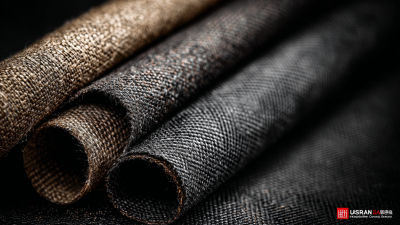
Hey there! You know, in the last few years, Basalt Cleavagehas really made a name for itself in the natural stone scene. It’s got this cool mix of unique properties and versatility that’s hard to beat. According to the latest industry buzz, the global Basalt Fiber market is set to skyrocket to a whoppingUSD 3.6 billion by 2027. That’s with a compound annual growth rate of about 12.5% between 2020 and 2027! Crazy, right? This growing trend really shows how much folks are looking for high-performance materials like Basalt Cleavage. It's gaining a reputation for being super durable, heat-resistant, and way more eco-friendly than those traditional stones we usually see. On top of that, China Beihai Fiberglass Co., Ltd. is stepping up big time as a leader in this space. They focus on research, development, and making basalt continuous fiber, which is pretty impressive. With their commitment to chasing innovation and quality, they’re not just advancing basalt fiber technology—they're also helping make Basalt Cleavage the go-to choice for architects and builders everywhere. It’s really solidifying its place in the construction and design world!
Unique Properties of Basalt Cleavage that Enhance Its Appeal as a Natural Stone
You know, basalt cleavage is really starting to shine as one of the top picks in the world of natural stones. What makes it stand out? Well, its unique properties definitely set it apart from other materials out there. For one, basalt is incredibly durable—it’s actually formed from volcanic lava, which gives it this dense, tough structure. So, it can take on extreme weather and serious wear and tear without breaking a sweat. It’s just perfect for both indoors and outdoors. Plus, those natural color variations, swinging from deep blacks to rich grays, open up so many design possibilities. Seriously, it adds a dash of elegance to any space you put it in.
But that’s not all; one of the coolest things about basalt cleavage is its low porosity. This means it doesn’t soak up stains or moisture like some other stones do. So, not only does it last a long time, but it’s also super easy to keep looking good, which is a win for both homeowners and designers. On top of that, basalt is thermally stable, meaning it stays cool underfoot, which is such a comfy choice for those hot areas. With all these amazing features, basalt cleavage really can jazz up your space while giving you some practical perks too!
Comparative Analysis: Basalt Cleavage vs. Other Popular Natural Stones
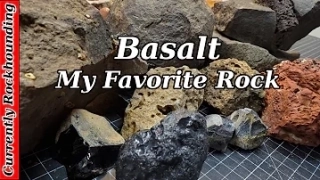
When you're thinking about natural stones for your construction or design project, basalt really catches the eye—it's tough and has some pretty unique features. Formed from volcanic activity, this rock is packed with olivine, which gives it that extra kick in strength and durability. That’s why a lot of folks prefer basalt over more common stones like granite or limestone. You see, it has this low porosity and high density that really helps it fight off stains and weathering like a champ. A recent report from the industry even says that basalt shines in both structural and aesthetic uses, boasting a mind-blowing compressive strength of over 100 MPa—way higher than a lot of other natural stones out there!
Now, when we start comparing basalt cleavage to other stones, we can't overlook how versatile basalt really is. Take limestone, for instance; it can be pretty vulnerable to acid rain, but basalt? It stays rock solid, which makes it a fantastic choice for outdoor settings. Plus, if there's a fire risk, basalt’s resistance to high temperatures becomes super important. And let’s not forget about how gorgeous basalt can be! With its rich textures and earthy tones, it gives designers a ton of options to jazz up their projects while also ensuring they stay strong and durable over time.
Best Basalt Cleavage: What Makes It the Top Choice Compared to Other Natural Stones
| Stone Type | Durability | Cost per Square Foot | Maintenance | Aesthetic Variety |
| Basalt Cleavage | Very High | $10 - $15 | Low | Moderate |
| Granite | High | $40 - $100 | Moderate | High |
| Marble | Moderate | $50 - $150 | High | Very High |
| Limestone | Low | $25 - $60 | High | Low |
| Slate | High | $20 - $50 | Moderate | Moderate |
The Role of Craftsmanship in Upgrading Basalt Quality in China
When it comes to basalt, craftsmanship is absolutely essential, especially in China, where age-old techniques are blended with modern twists. You’ve got these really skilled artisans who are still using traditional methods, and it’s amazing to see how they enhance the stone's beauty and toughness. They create some truly unique pieces that really pop in a busy market. You know, industry reports are buzzing about how the global demand for natural stones, basalt included, is set to grow by around 6.5% each year! A lot of this growth is thanks to improving craftsmanship and innovative designs, particularly in the luxury segment, where one-of-a-kind, handcrafted items can command quite a pretty penny.
And here’s another cool angle: with sustainability becoming such a big deal these days, a lot of artisans are weaving eco-friendly practices right into their work. It’s not just good for the planet, but it also makes basalt products way more appealing to consumers who care about where their stuff comes from. This blend of quality and sustainability in basalt craftsmanship doesn’t just keep up with changing market trends; it also helps to preserve cultural traditions. It’s kind of like what you see in other crafts, like furniture-making and artisanal food production, where honoring heritage and being mindful of sustainability really matter. As buyers become more selective, the craftsmanship behind basalt is gonna be a huge factor in what makes products successful in the market.
Global Demand Trends for Basalt Cleavage: Reasons Behind Its Popularity
You know, the buzz around basalt cleavage is really picking up lately, and it’s no wonder why. People are going crazy for it as a go-to natural stone choice! Part of what’s driving this trend is how incredibly tough and strong basalt is, making it perfect for everything from building projects to stunning artistic pieces. I mean, unlike many other natural stones, basalt has this awesome knack for handling tough conditions while still looking great, which is why architects and designers can’t seem to get enough of it.
But it’s not just about how it looks or how tough it is—basalt cleavage is also super friendly to the planet! With everyone getting more serious about using eco-friendly materials these days, basalt stands out since it’s born from volcanic activity. So it’s both plentiful and sustainable. Companies like China Beihai Fiberglass Co., Ltd. are leading the charge here, cranking out basalt continuous fiber that not only boosts basalt's versatility but also checks off those sustainability boxes. This combination of durability and a low environmental impact is really catapulting basalt cleavage to the top of the natural stone market.
Sustainability Practices in Basalt Mining and Its Impact on Quality
You know, when we talk about basalt mining and its sustainability practices, it’s super important to think about the environmental impact that comes along with pulling this natural stone from the earth. But here’s the thing: basalt mining isn’t as rough on the environment as some other mining processes out there. They actually use some pretty cool techniques, like precision drilling and selective blasting, which really help to keep the ecological disruption to a minimum. And once they’re done mining, they don't just walk away. They make sure to rehabilitate the sites, helping to restore the area and encourage the growth of local plants. That way, they’re doing their part to keep our biodiversity in check.
Plus, let’s talk about availability—basalt is pretty easy to find, coming from lots of places all over the globe. This means that the carbon footprint from transporting it is kept low, which is definitely a win for the environment. And as more people are looking for materials that are eco-friendly—especially in construction and design—basalt is really stepping up. Manufacturers are increasingly focusing on sustainability, and basalt shines here for its durability and versatility, along with its commitment to responsible mining practices. So, when you choose basalt, you're not just getting a gorgeous product; you're also supporting an industry that's all about positive environmental outcomes.
Comparative Analysis of Basalt and Other Natural Stones in Sustainability Practices
This bar chart illustrates the sustainability index of various natural stones, highlighting basalt as the top choice owing to its superior practices in mining and processing. The index ranges from 0 to 100, with higher values indicating better sustainability. Basalt scores 85, significantly higher than other natural stones.
Innovative Applications of Basalt Cleavage in Modern Architecture and Design
You know, basalt cleavage is one fascinating natural stone! It’s incredibly durable and looks great too, which is why so many architects are getting creative with it in modern architecture and design. It can really stand up to tough weather and doesn’t wear out easily, making it a fantastic pick for things like exterior facades, walkways, and landscaping. Plus, that sleek dark look of it? Totally eye-catching! Architects are using basalt cleavage not just for structural stuff but also for decorative touches like wall cladding and even some artistic installations—they really see the potential here.
When it comes to interior design, basalt cleavage adds this lovely blend of sophistication and earthy vibes. You’ll often find it in flooring and countertops, thanks to its fine grain texture and those nice subtle color variations. It pairs well with just about any style, whether you're into minimalism or something more rustic. Oh, and let’s not forget about its thermal properties! It’s great for heated flooring systems, making spaces super comfy, whether at home or in a commercial setting. And with sustainability becoming a big deal in construction, basalt’s abundance and eco-friendly production really boost its appeal. It’s definitely carving out its space as a go-to choice in the modern design world.
FAQS
: Basalt cleavage is a natural stone formed from volcanic lava, known for its durability, low porosity, and natural color variations. Its resilience to extreme weather and heavy wear makes it ideal for various applications, enhancing its appeal in both design and functionality.
Basalt cleavage is exceptionally durable due to its dense structure, allowing it to withstand extreme conditions and heavy wear, making it suitable for both indoor and outdoor uses.
Thanks to its low porosity, basalt cleavage is resistant to staining and moisture absorption, which reduces maintenance efforts for homeowners and designers.
Basalt cleavage features natural color variations ranging from deep blacks to rich grays, providing versatile design possibilities that add elegance to any space.
Basalt mining employs sustainable practices like precision drilling and selective blasting to minimize ecological disruption. It also includes site rehabilitation to restore mined areas and promote biodiversity.
Basalt cleavage is utilized in modern architecture for exterior facades, walkways, and landscaping, as well as in interior design for flooring and countertops, enhancing both structural and decorative features.
Basalt is abundant and can be sourced locally from various locations, reducing the carbon footprint associated with transportation and supporting sustainable mining practices.
Due to its thermal stability, basalt cleavage remains cool underfoot and is often used in heated flooring systems, enhancing comfort in residential and commercial spaces.
Its fine-grain texture and subtle color variations enable basalt cleavage to complement various design styles, ranging from minimalistic to rustic, making it a versatile choice in interior design.
Yes, its remarkable durability and resistance to harsh weather conditions make basalt cleavage an ideal material for various outdoor applications, including facades and landscaping projects.