You know, sustainable design is becoming more and more crucial in modern architecture. Architectural Applications really play a big role in pushing this movement forward. They offer tools that help architects design buildings that are not just cool to look at but also energy-efficient. Basically, these applications support smarter design choices and help us stay eco-friendly.
Plus, using software like Autodesk Revit or SketchUp can totally boost your workflow. They let you run simulations to see how much energy a building might use — super handy for making better decisions. That said, not every tool out there is perfect; some can be a bit tricky and might need a ton of training, which can slow things down a bit. So, as architects start getting comfortable with these tech solutions, they’ve gotta stay flexible and open to learning.
Incorporating these kinds of applications into everyday work isn’t just a nice-to-have — it’s kinda essential. The push for sustainability isn’t slowing down anytime soon, and as technology keeps advancing, it’s on us to evaluate what works best. Thinking critically about these tools can spark new ideas that mix great design with caring for the environment. All in all, the journey towards more sustainable architecture is ongoing, and having the right applications can really make a difference.
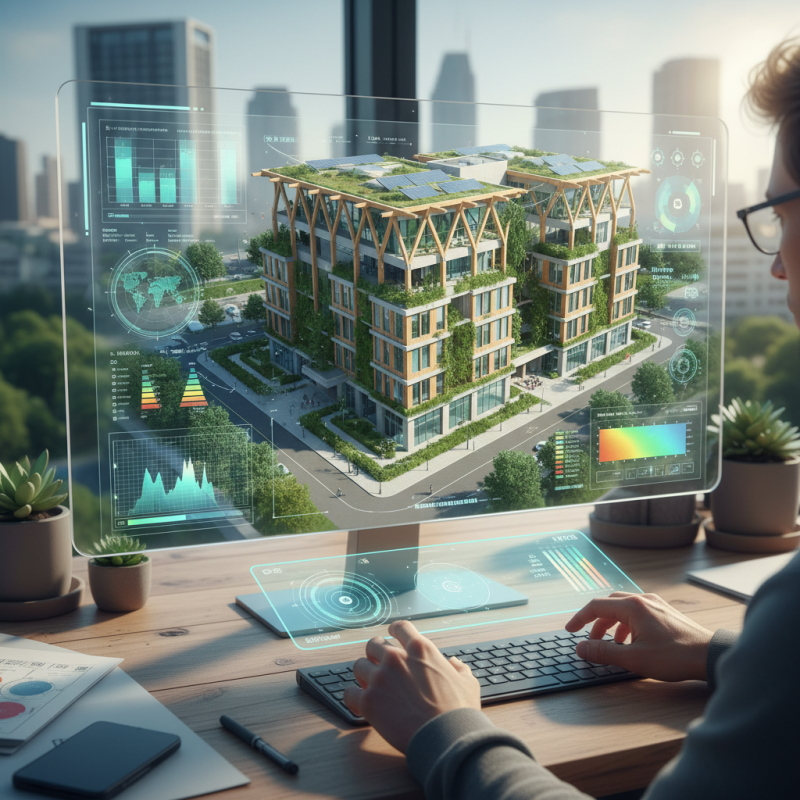
Architectural applications play a crucial role in promoting sustainable design. They facilitate innovative solutions that balance aesthetics and environmental responsibility. In recent studies, around 70% of architects report using software tools to assess energy efficiency before project initiation. This practice helps to minimize waste and reduce carbon footprints.
One common approach is Building Information Modeling (BIM). BIM streamlines the design process by providing detailed insights. It allows architects to visualize energy consumption throughout a building’s lifecycle. However, only 40% of firms actively utilize this technology, revealing a gap in the industry.
Sustainable design goes beyond tools; it integrates local materials and efficient systems. Research indicates that buildings using regional resources can lower costs by 30%. Yet, some architects still overlook this significant aspect. This oversight leads to missed opportunities for sustainability. Embracing both technology and local context is essential for future-ready designs.
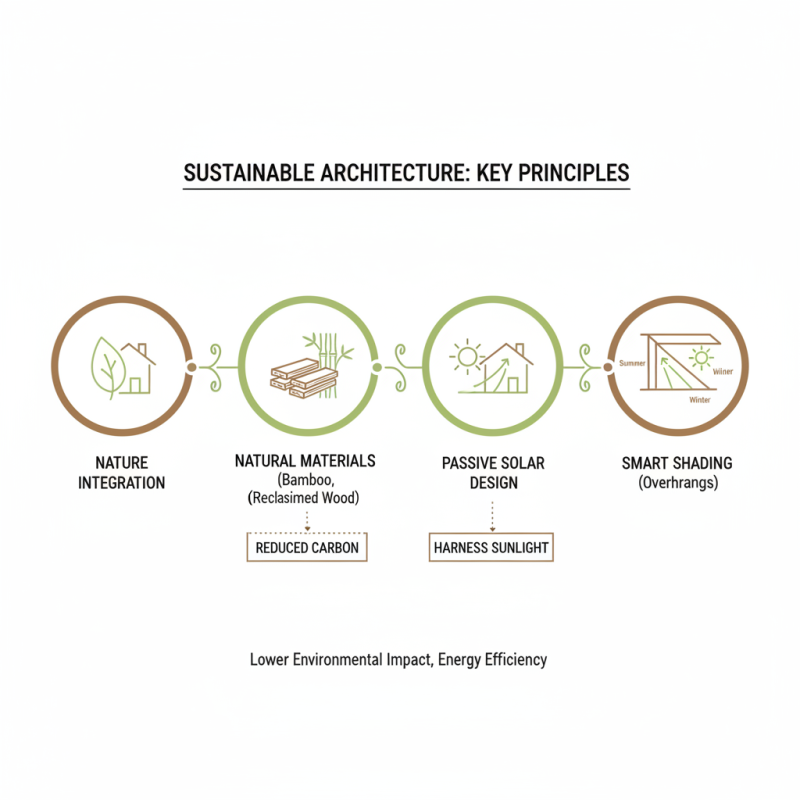
Sustainable architecture emphasizes the importance of integrating nature into design. Using natural materials is essential. Bamboo and reclaimed wood can reduce carbon footprints. Additionally, passive solar design techniques allow buildings to harness sunlight effectively. Simple overhangs can shade windows during summer but let sunlight in during winter.
Another key principle is water efficiency. Greywater systems can recycle water from sinks and showers. Rainwater harvesting can further reduce reliance on municipal supplies. Creating green roofs not only insulates buildings but also supports local biodiversity. However, maintaining these systems requires an ongoing commitment, which can be challenging.
Community involvement is crucial in sustainable design. Engaging users ensures the design meets their needs. Public spaces should encourage connection and accessibility. Still, getting diverse opinions can lead to conflicts. Balancing various interests remains a task that requires careful navigation. Sustainable design is a journey, not a destination. Each project pushes boundaries, but learning from shortcomings is vital.
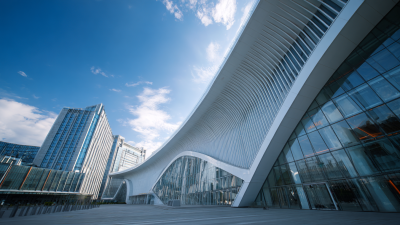
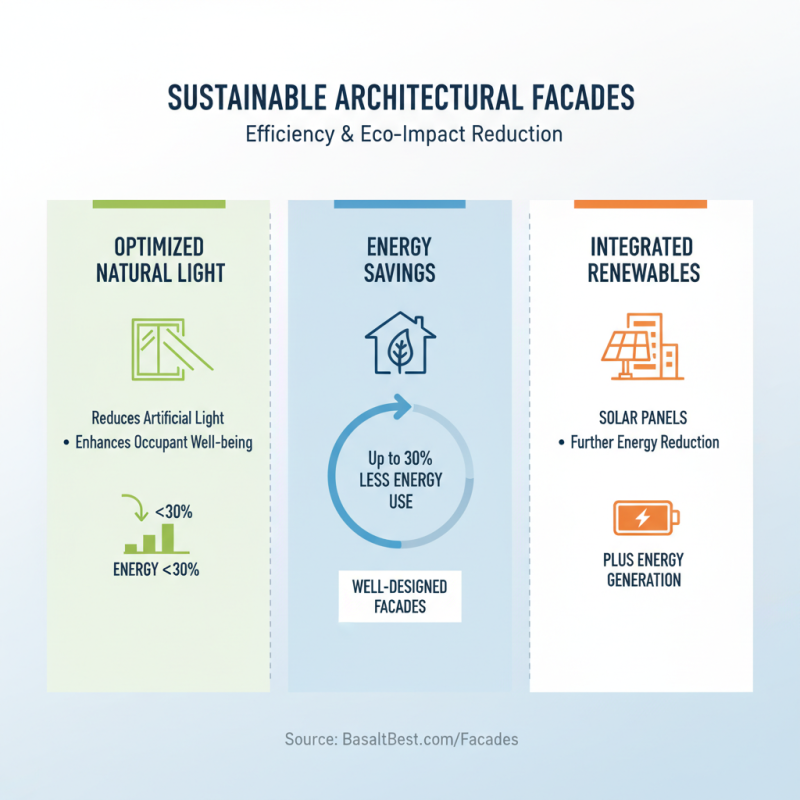
Sustainable design in architecture relies heavily on specific applications that enhance efficiency and minimize environmental impact. One significant area is the use of **Architectural Facades**. These facades can be designed to optimize natural light, reducing reliance on artificial lighting. Research indicates that well-designed facades can decrease energy consumption by up to 30%. Integrating features like solar panels can elevate this figure further.
Additionally, tools like Building Information Modeling (BIM) facilitate sustainable design by enabling precise energy modeling. This allows architects to visualize energy performance early in the design phase. Reports show that BIM implementation can lead to a 15% reduction in energy use throughout a building’s lifecycle. However, adoption is often slow. Many architects still hesitate to invest in these technologies, citing initial costs and a steep learning curve.
Another application is green roofing systems. These systems not only provide insulation but also manage stormwater effectively. Studies have shown that green roofs can reduce urban heat islands by up to 5 degrees Celsius. However, the complexity of installation and maintenance can deter many from pursuing this method. A balanced approach is crucial; while these applications offer great potential, they require careful consideration and commitment from all parties involved in the design process.
Sustainable architecture thrives through technology integration. Digital tools enhance efficiency and help architects visualize eco-friendly designs. According to the Global Sustainability Report 2023, buildings account for 39% of carbon emissions. Implementing smart technology can significantly lower this impact.
3D modeling software is essential. It allows architects to simulate energy use and identify potential areas for improvement. Building Information Modeling (BIM)opens doors for better resource management. It also reduces material waste during Construction. Data shows that BIM can decrease project time byup to 14% while minimizing costs.
However, challenges persist. Adopting new technology requires training and adaptation, which can slow project progress. Some firms struggle with the initial investment in sustainable technologies. Yet, investing now could yield long-term savings and environmental benefits. The journey towards a greener built environment is complex, but essential for our future.
When evaluating the environmental impact of architectural choices, understanding materials is crucial. Roughly 40% of global energy consumption comes from buildings. This means architects must prioritize sustainability in design. For instance, using locally sourced materials can reduce transportation emissions significantly. In contrast, relying on imported materials can double the carbon footprint.
Architectural applications increasingly utilize data analytics to measure environmental impact. Studies show that buildings with green certifications can reduce energy use by up to 30%. By calculating life cycle assessments, architects can make more informed decisions. Such tools help predict long-term costs and environmental consequences. However, many projects still overlook these assessments.
Aerospace Applicationshave provided insights into efficient material use. The Aerospace industry often prioritizes weight reduction without compromising stability. This principle can guide architects towards lighter, more sustainable choices. Nevertheless, there is a concern that not all architects are adequately trained in these practices. Continuous education is necessary to bridge thisknowledge gap. The journey towards sustainability is ongoing and requires collective effort.
Case studies of successful sustainable architecture projects highlight innovative design strategies. They often utilize local materials, energy-efficient systems, and smart construction practices. For instance, a recent project in Scandinavia achieved a 70% reduction in energy use. This success demonstrates how thoughtful design can significantly impact sustainability.
Incorporating Basalt Fiber Applicationsenhances structural integrity while minimizing environmental impact. This material is lightweight and has a high strength-to-weight ratio, ideal for modern designs. Using locally sourced Basalt not only supports local economies but also reduces transportation emissions.
Tips: Always consider material lifecycle. Investigate the sourcing and sustainability of your materials. Engage with local communities for real insights. Attempt to balance innovative designs with practical challenges. Remember, eco-friendly solutions require constant evaluation and adaptation. Each project is a learning opportunity, paving the way for better practices.
| Project Name | Location | Sustainable Features | Architectural Application Used | Impact |
|---|---|---|---|---|
| Green Office Building | Berlin, Germany | Solar panels, green roof, rainwater harvesting | BIM (Building Information Modeling) | Reduced energy consumption by 30% |
| Sustainable Community Center | Austin, Texas, USA | Recycled materials, natural ventilation, LED lighting | 3D Modeling Software | Promoted community engagement and reduced waste |
| Eco-Friendly Housing Development | Melbourne, Australia | Passive solar design, water-efficient fixtures | Parametric Design Tools | Lowered utility bills by 40% |
| Zero Energy School | Toronto, Canada | Energy-efficient insulation, solar heating | Energy Modeling Software | Achieved net-zero energy status |
The future of sustainable architectural applications is an exciting field. Innovations are emerging rapidly. Eco-friendly materials are changing how buildings are designed and constructed. One of the materials gaining attention is Basalt fiber roving applications. This material offers strength and durability, making it ideal for future projects.
Architects are exploring options like 3D printing with sustainable materials. It reduces waste and allows for unique designs. However, not all architects are fully embracing these technologies. Some are hesitant due to costs and unproven methods. Balancing innovation with practicality presents challenges. Finding reliable suppliers for materials like basalt fiber can also be difficult.
Energy-efficient designs are another trend. These designs often integrate natural elements and maximize light. Despite the benefits, some designs can be harder to implement in urban areas. Architects must think critically about sustainability in varying contexts. Rethinking traditional practices is essential. The road to sustainable architecture is complex and multifaceted, requiring ongoing reflection and adaptation.
: This product is often used in various applications. People use it for personal tasks and home improvements.
Store in a cool, dry place. Avoid direct sunlight and extreme temperatures. Oversights in storage can lead to issues.
Discontinue use immediately if you notice any reaction. Consult a healthcare professional for guidance. Always proceed with caution.
Its effectiveness may vary by surface. Test a small area first to ensure compatibility. Misjudgments can lead to damage.
Results can vary widely. Some users see quick effects, while others may wait longer. Be patient and realistic with expectations.
Yes, wear gloves during use and avoid inhalation. Overlooking safety can result in unwanted accidents or health issues.
Keep out of reach of children and pets. Accidental exposure can lead to harm. Always prioritize their safety.
Do not use expired products. Expired items might not work effectively. Dispose of them properly to avoid mishaps.
Clean surfaces with warm water and a cloth. Ensure no residues are left behind, as they can cause problems.
Check local recycling guidelines. Not all types of packaging can be recycled. Make sure to follow the rules to prevent waste.
Architectural Applications play a crucial role in advancing sustainable design practices. By understanding the principles of sustainable architecture, such as energy efficiency and resource conservation, architects can utilize various applications to minimize environmental impact. This includes incorporating innovative materials and sustainable building techniques that align with key sustainability goals.
Integrating technology further enhances Architectural Applications, enabling smart designs that optimize energy use and improve the overall functionality of spaces. Evaluating the environmental impact of architectural decisions helps in making informed choices, while case studies of successful projects provide valuable insights into best practices. As the field evolves, future trends will likely focus on even more efficient and adaptive solutions in sustainable architecture, continuing to reshape the built environment for a more sustainable future.