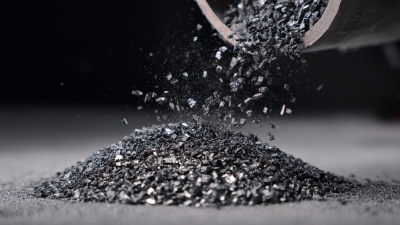
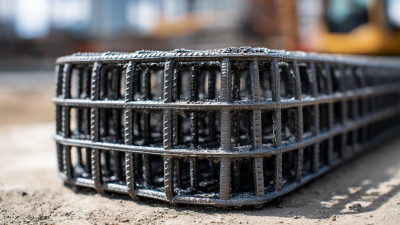
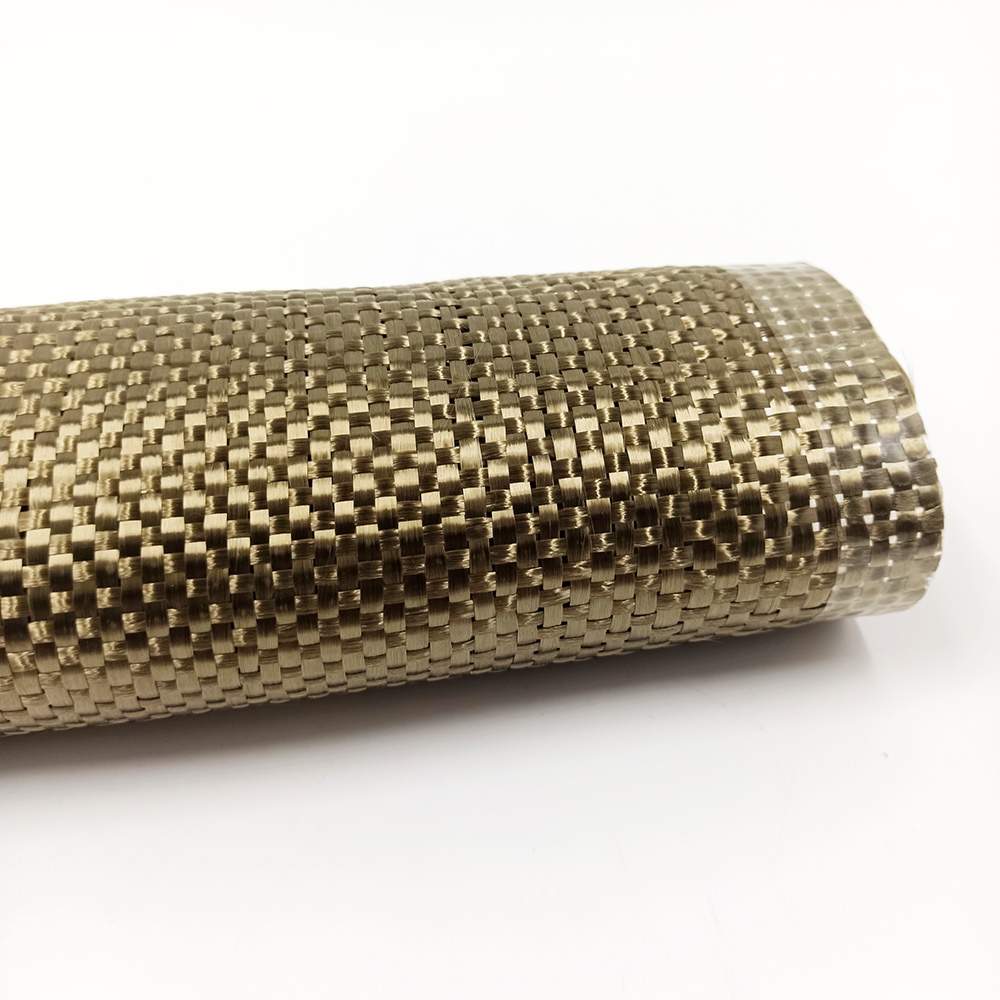
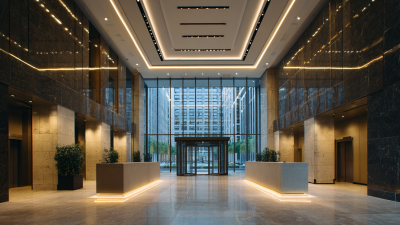
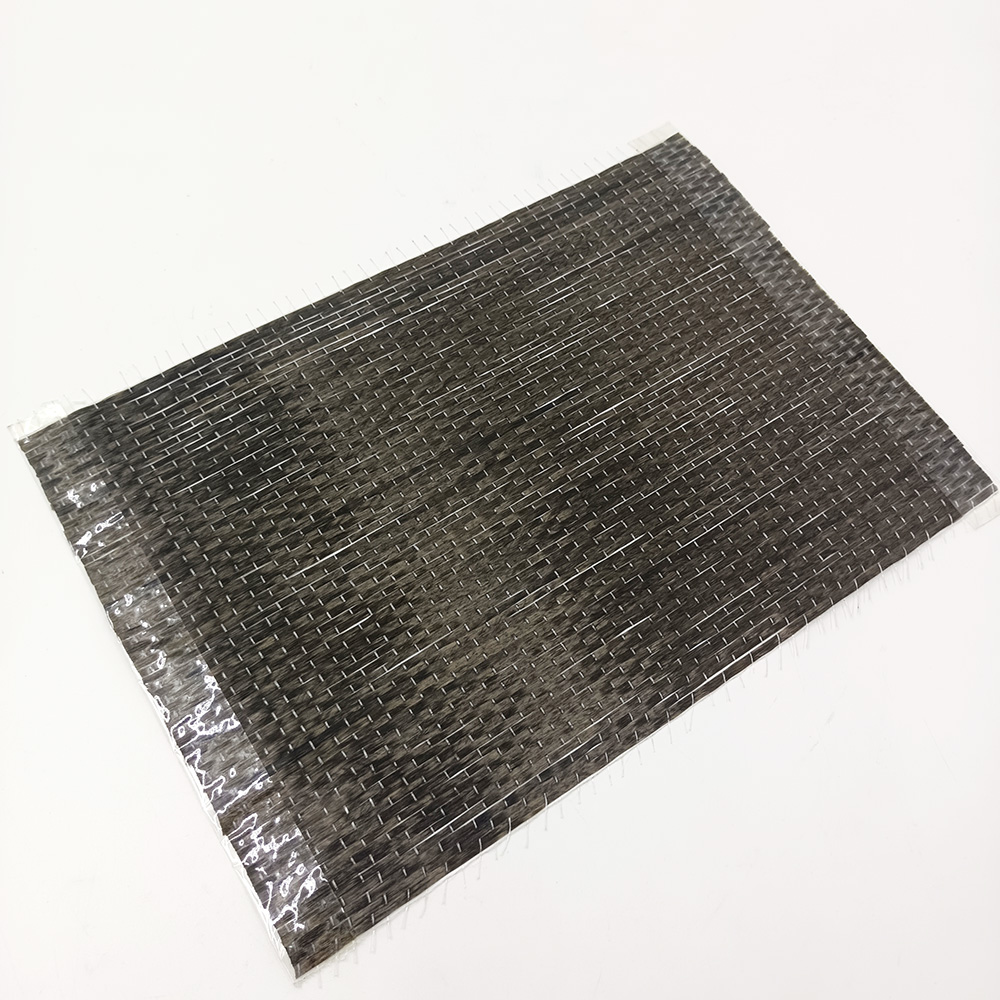
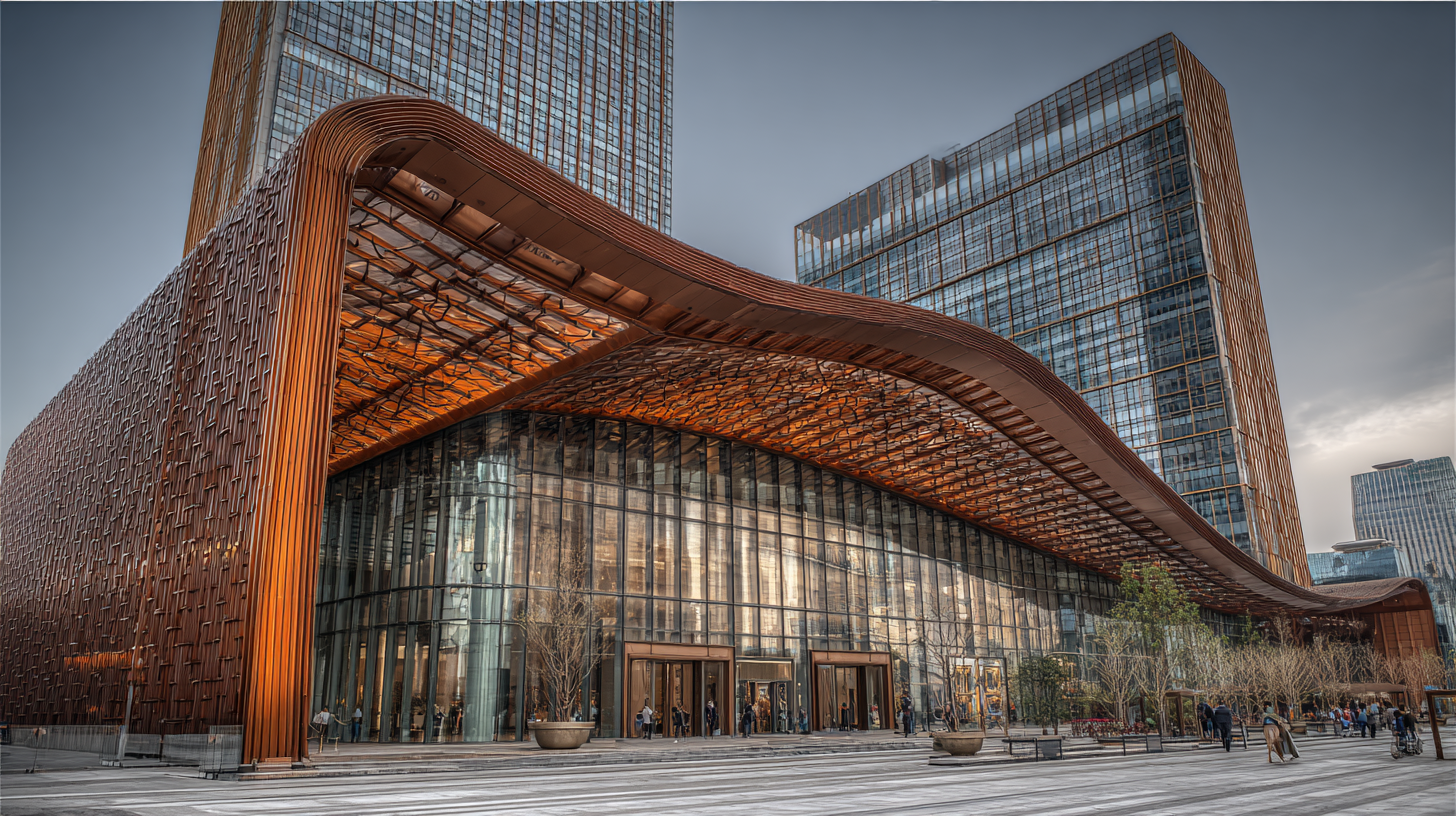
As we're getting closer to the 2025 China Import and Export Fair, I think it's a great chance to dive into the world of Architectural Facades—there’s so much room for innovation in this space. These facades do more than just look good; they actually play a big part in making buildings more sustainable and energy-efficient, which is such a hot topic these days. Funny enough, a recent industry report mentioned that the global market for facades is expected to hit around USD 600 billion by 2025—that’s pretty huge! Most of that growth is driven by the rising demand for eco-friendly and energy-saving buildings. Now, companies like China Beihai Fiberglass Co., Ltd., who are leaders in basalt fiber, are perfectly positioned to make a real difference here. They offer high-performance basalt continuous fibers that are not only super Durable but also great at insulating heat. Those qualities make their materials perfect for pushing the envelope in innovative façade designs that look awesome and perform even better. Honestly, I see this fair as such a key event—it's the perfect place to see the latest breakthroughs and to start new partnerships that could really change the way we think about building design.
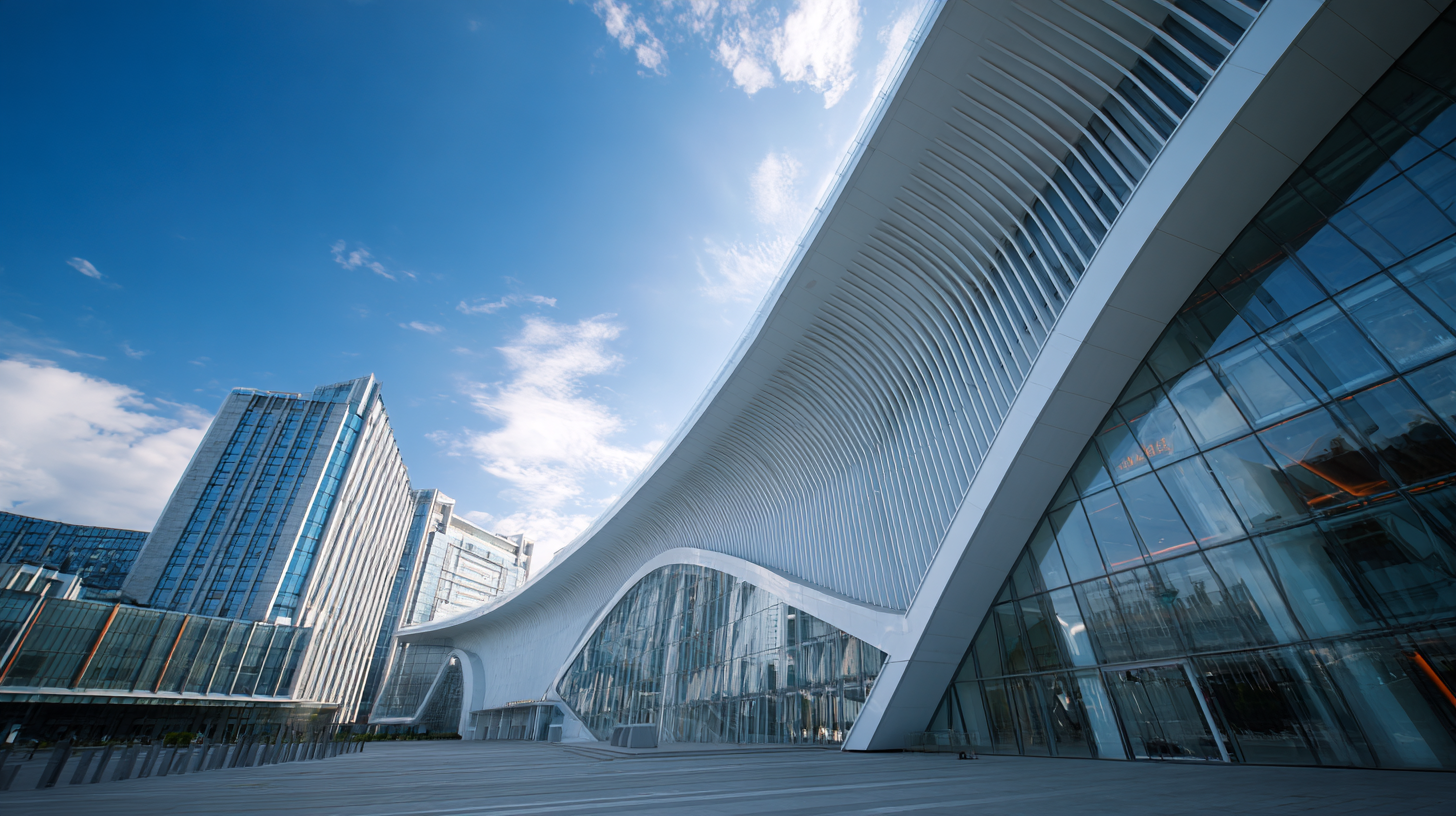
Innovative Facade Designs for Trade Fair Exhibitions
Hey, have you heard about the upcoming 2025 China Import and Export Fair? It’s shaping up to be a pretty exciting platform for showcasing some really innovative facade designs—stuff that could totally transform how we experience trade exhibitions. These new architectural facades aren’t just about looking good; they also boost the vibe of booths, making them more eye-catching and inviting for visitors. That means more foot traffic and better chances for brands to connect. When companies want to stand out and leave a lasting impression, tossing in some cutting-edge materials and tech into their facade ideas can create this really immersive visual experience that basically screams their brand personality.
Designers will have a chance to get creative—think dynamic lighting setups, interactive screens, and eco-friendly materials. For example, surfaces that react to the environment—changing color or texture depending on the weather or time of day—can really draw people in and make the whole atmosphere more memorable. Plus, adding smart tech means you can customize stuff on the fly, making interactions more personal and engaging. As we get closer to the fair, it’s clear that focusing on innovative facades will seriously amp up the overall vibe of these exhibitions. It’s all about making trade shows way more fun, interactive, and engaging—no more boring booths, for sure!
Sustainable Materials and Technologies in Architectural Facades
Hey, have you heard about the 2025 China Import and Export Fair? It’s actually a pretty exciting opportunity to check out how sustainable materials and tech are making their way into building facades. As architects and builders are pushing to meet green energy standards, using innovative materials really isn’t just a trend — it’s becoming essential. I was reading the Global Green Building Materials Market report, and it turns out, this market is expected to jump from about $237 billion in 2020 to a whopping $364 billion by 2027. That just shows how much people are really into eco-friendly construction these days.
On the cutting edge of all this is
China Beihai Fiberglass Co., Ltd. They’re doing some pretty cool stuff with
high-performance basalt continuous fibers. Honestly, these fibers are way more
durable and resist
heat better than the old-school materials — which is a big deal for building facades. It’s part of a growing push toward
eco-conscious choices that help cut down a building’s carbon footprint and boost energy efficiency. And get this —
Fortune Business Insights says the global market for basalt fiber composites could hit around
$511 million by 2028, thanks to their unique properties that support sustainability.
All in all, companies like
China Beihai are leveraging the latest technology to make architectural designs not just eye-catching, but also more sustainable. This totally lines up with what’s trending now:
lightweight,
strong materials that look great and help save energy. Honestly, it’s pretty exciting to see how these innovations will shape architecture in the years ahead — making our buildings smarter and greener, one facade at a time.
Showcasing Cultural Identity through Facade Aesthetics
The look of a building's facade really plays a big role in showcasing cultural identity, especially during big events like the 2025 China Import and Export Fair. When people from all over come together, the way exhibition halls and booths are designed can actually become a kind of canvas to express different cultures. I read a report recently from the International Council of Societies of Industrial Design — turns out, about 83% of designers think that facades can really influence how people perceive a place and its cultural vibe. A good facade isn’t just about looks; it tells a story that visitors can connect with, making their experience more memorable.
One great way to emphasize local culture is by using materials and traditional design elements from the area. For example, incorporating locally sourced stone or wood can make the design feel genuine and rooted in the region’s heritage. Plus, if you look at insights from the 2022 Global Architecture report, adding natural light and greenery into the design can really help tell cultural stories and make the place feel warm and inviting.
A little tip — try collaborating with local artists or craftsmen when designing your facade. Their input can help bring authentic cultural touches that really resonate. Also, doing some quick surveys or focus groups with the local community can give you a better idea of how they see their culture and what kind of architectural elements would best reflect that. The more you involve the local voice, the more your facade will truly embody the spirit of the place and leave a lasting impression.
Architectural Facades Opportunities at the 2025 China Import and Export Fair
This chart represents the potential opportunities for different architectural facade styles at the upcoming 2025 China Import and Export Fair. The data showcases how various styles may contribute to showcasing cultural identity through facade aesthetics.
Integrating Smart Technology in Facade Solutions
You know, the way smart technology is starting to be integrated into building facades is really going to change how we design and use buildings. I was reading this recent report, the 'Global Smart Building Market Report', and it predicts that the market for smart buildings will hit around $620 billion by 2027. That’s quite a jump from where it’s at now, with an annual growth rate of about 11.3% since 2020. It’s pretty clear that more folks want energy-efficient, intelligent buildings that have these high-tech facade systems. Thanks to smart tech, building exteriors can actually respond to the environment — adjusting their properties based on weather conditions to optimize energy use. Pretty cool, right?
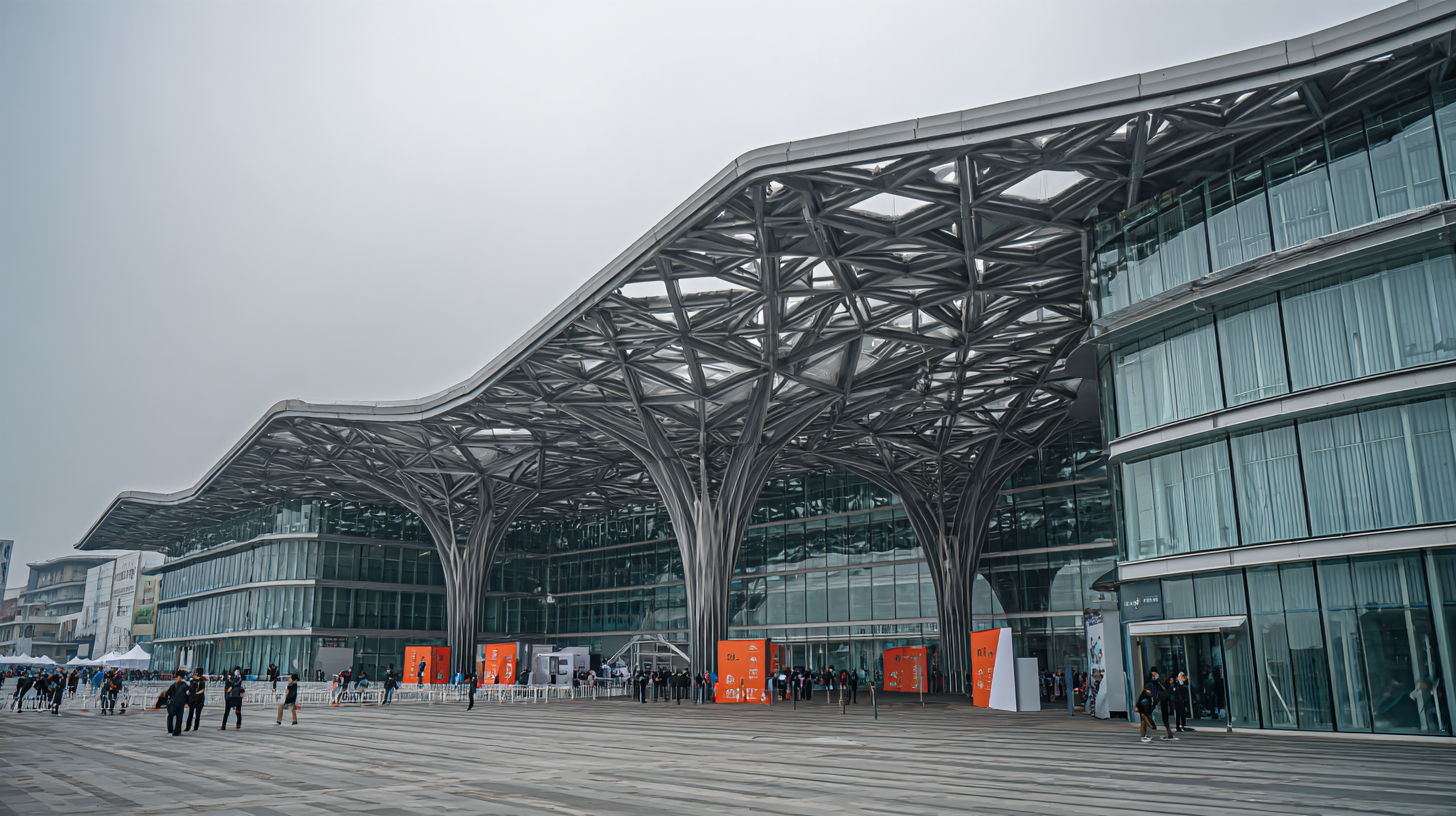
Oh, and speaking of showcases, at the 2025 China Import and Export Fair, architects and designers will get a chance to show off some seriously innovative facade solutions that use smart technology. Think stuff like dynamic shading, solar panels integrated directly into the walls, and smart glass that can change transparency — all of which can really boost how well a building performs. The International Energy Agency even reports that smart façades can cut down a building’s energy consumption by up to 30%. That’s a big deal! As the industry leans more toward sustainable practices, mixing in these intelligent facade systems isn’t just about saving energy — it also makes modern buildings look better and work smarter overall.
Maximizing Visitor Engagement with Interactive Facade Elements
With the 2025 China Import and Export Fair coming up, there's a real opportunity to make a splash by adding interactive elements to the building's facade. I mean, according to the International Council of Shopping Centers, about 60% of consumers are actually more likely to connect with a brand that uses interactive displays — that’s pretty telling, right? It just goes to show how important technology is, especially when you’re at a big, high-profile event where grabbing attention really counts.
Think about it—interactive facades don’t just look eye-catching; they also give visitors the chance to get involved. Stuff like touch screens, augmented reality, or cool lighting effects can transform a space from something you just walk by to an experience you actually want to be part of. Studies from the Journal of Business Research even show that these kinds of installations can keep people hanging around longer, sometimes boosting foot traffic by up to 30%. For exhibitors, that’s huge — more eyes on their showcase, more chances to leave a mark.
Plus, adding these engaging facade elements really lines up with the whole trend of experiential marketing. The Event Marketing Institute reports that 72% of companies are now prioritizing this approach to connect more deeply with audiences. So, making facades that allow for real-time interaction isn’t just pretty — it’s a smart move to create memorable moments and build stronger bonds between brands and visitors. Honestly, it’s a game changer for sure.
Trends and Future Directions in Architectural Facade Development
Looking ahead to the 2025 China Import and Export Fair, it’s clear that the architectural facade industry is really ripe for some fresh ideas and growth. I mean, recent estimates are showing that the global market for these facades could hit around $400 billion by 2027, with an annual growth rate of about 8.2% since 2020. A big driver behind this? The rising demand for energy-efficient buildings and a real push towards sustainable design. Facades aren’t just about making buildings look good—they’re also pretty crucial when it comes to boosting energy performance.
And things are getting even more exciting with new materials and tech coming into play. For instance, a 2023 report by ResearchAndMarkets highlights how smart glass and adaptive facades are becoming more common. They’re capable of adjusting temperature and controlling light, which is pretty amazing, right? This trend really ties into the bigger picture of sustainable urban development. Buildings with these smart facades can slash energy consumption by up to 30%, which is a huge win for everyone. So, as architects and designers gather at the upcoming fair, it’s safe to say the focus will be on innovative, environmentally friendly facade solutions that also meet the demands of today’s modern architecture—with a little touch of the future thrown in for good measure.
Exploring Architectural Facades Opportunities at the 2025 China Import and Export Fair - Trends and Future Directions in Architectural Facade Development
| Aspect | Current Trends | Future Directions | Technological Innovations |
| Sustainability | Use of eco-friendly materials | Incorporation of regenerative design | Smart materials that adapt to environmental conditions |
| Aesthetic Appeal | Integration of artistic designs | Emphasis on cultural contextuality | Use of augmented reality for design visualization |
| Energy Efficiency | High-performance glazing and shading systems | Integration with renewable energy sources | Building-integrated photovoltaics |
| Modular Design | Prefabricated facade systems | Increased adaptability in urban settings | Automation in manufacturing and installation |
| Smart Technology | Use of sensors for climate control | Full automation for building management | Development of AI-driven facade systems |
FAQS
: Sustainable materials are crucial as they help reduce carbon footprints and enhance energy efficiency in building designs, aligning with global green energy standards.
The market is expected to grow from $237 billion in 2020 to $364 billion by 2027, indicating a rising demand for sustainable construction practices.
China Beihai specializes in high-performance basalt continuous fiber, which offers superior durability and thermal resistance, supporting the trend of eco-friendly materials in construction.
Architectural facades can influence a place's perception and cultural representation, serving as a canvas for cultural expression, especially in events like the 2025 China Import and Export Fair.
Engaging local artists and craftsmen, using locally sourced materials, and incorporating natural light and greenery can reinforce cultural identity and create authentic designs.
Enhanced visitor engagement through interactive elements in facades can attract attention and increase foot traffic, maximizing visibility for exhibitors.
According to a report, 60% of consumers are more likely to engage with a brand that utilizes interactive displays, highlighting their importance in architectural design.
Research indicates that interactive installations can lead to longer dwell times and increase foot traffic by up to 30%, crucial for exhibitors wanting to make a significant impact.
The growing trend of experiential marketing prioritizes real-time interactions, with 72% of companies focusing on strategies that foster deeper connections between brands and audiences.
Touch-sensitive surfaces, augmented reality features, and dynamic lighting can transform facade spaces into engaging environments, enhancing visitor experiences.
Conclusion
The article titled "Exploring Architectural Facades Opportunities at the 2025 China Import and Export Fair" digs into the exciting potential of architectural facades, especially in the context of trade show exhibits. It emphasizes how using sustainable materials and new tech can really make building exteriors pop—not just in looks, but also in reflecting local culture. Plus, incorporating smart tech can boost the overall experience for visitors, making things more engaging. Interactive features are also a big deal—they can seriously draw people in and make the whole experience memorable.
Now, when we look at China Beihai Fiberglass Co., Ltd., they're basically in a great spot to ride these trends. As a top player in the basalt fiber world, they’re able to offer high-quality continuous basalt fibers that help push the boundaries of what’s possible in innovative building facades. This whole exploration isn’t just about looking good—it’s about setting new standards in design and functionality. It’s exciting to think about how all this will shape the future of architecture at upcoming trade events and beyond.